
2027 Which Health Sciences Degree Careers Have the Lowest Unemployment Risk?

Co-Founder and Chief Data Scientist
Choosing a health sciences degree specialization without understanding employment risks can lead to costly career missteps-especially as automation and demographic shifts reshape the healthcare labor market. Certain career paths-such as certified nurse anesthetists or physical therapists-consistently show unemployment rates below 2% across entry-level, mid-career, and senior positions, highlighting the protective value of advanced licensure and regional demand. Geographic markets like metropolitan areas with aging populations further reduce job insecurity by offering stable growth. This article systematically assesses which health sciences careers, industries, and credentialing strategies minimize unemployment risk, providing prospective and current professionals with data-driven guidance to secure long-term employment stability.
Key Things to Know About the Health Sciences Degree Careers With the Lowest Unemployment Risk
- Historical unemployment rates below 3.5% for licensed professionals-such as physical therapists and physician assistants-demonstrate strong recession resilience and low automation risk through 2033 projections.
- Geographic markets with aging populations-like the Midwest and Northeast-show a 15% higher demand growth, emphasizing location's critical role in career stability within health sciences.
- Graduate education and professional certifications reduce long-term unemployment exposure by enhancing specialization and licensure eligibility, crucial for navigating evolving regulatory and technological healthcare environments.
What Makes Health Sciences Degree Jobs More or Less Resistant to Unemployment?
Unemployment risk within health sciences degree careers varies based on whether the risk stems from structural, frictional, or cyclical factors. Structural unemployment occurs when industry changes-such as automation or shifts in healthcare delivery-reduce demand for certain roles. Frictional unemployment involves short-term gaps professionals face during job transitions, while cyclical unemployment depends on broader economic downturns that can temporarily slow hiring, though health sciences jobs often display notable recession resistance. Incorporating health sciences degree job market resilience factors provides essential insight into these dynamics.
Key indicators that predict low unemployment risk for health sciences degree holders include:
- Occupational Licensing: Careers requiring state or national licensure-such as nursing, physical therapy, and physician assistant roles-offer stronger job stability. Licensing acts as a barrier to entry, limiting employer concentration and reducing replaceability.
- Sector Growth Rate: Expanding areas like outpatient care and home health services present lower unemployment risk due to increasing demand driven by aging populations and chronic disease management.
- Employer Concentration: Fields with a diverse spread of employers across regions tend to show more resilience. High concentration can increase risk if dominant employers face disruption.
- Role Replaceability: Positions subject to task automation-such as some administrative or lab technician roles-face higher structural unemployment risk than specialized clinical jobs that require critical human judgment.
Degree level and specialization further influence unemployment exposure, with advanced degrees and certifications reducing frictional risk by clarifying career paths. Geographic location also plays a role-urban centers often offer more health sciences employment opportunities but heightened competition, while rural areas typically have fewer jobs but lower employer concentration vulnerabilities. This interplay reflects unemployment risk drivers for health sciences careers in nuanced ways.
The framework applied in this analysis integrates historical unemployment data, ten-year growth projections, automation vulnerability insights, and licensure impact, balanced with qualitative factors like geographic location and credentialing. This comprehensive approach equips readers with the tools to evaluate career options against a consistent set of risk criteria.
Prioritizing health sciences specializations using data-rather than relying solely on personal interest or salary-significantly increases long-term employment stability. For those exploring further education, reviewing the cheapest DNP programs can be a strategic step toward enhancing credentials and reducing unemployment risk.
Which Health Sciences Career Paths Have the Lowest Historical Unemployment Rates?
Registered Nursing: Registered nurses have sustained some of the lowest unemployment rates historically-through the 2008-2009 financial crisis, the 2020 pandemic, and recent labor market adjustments. This resilience stems from ongoing demographic pressures including an aging population increasing healthcare demand, regulatory standards mandating nurse staffing levels, essential-service status ensuring continued hospital operations, and a chronic nationwide shortage of qualified nurses. These factors underscore why nursing remains among the top low unemployment health sciences professions by historical data.
Physical Therapy: Physical therapists benefit from steady employment due to an aging society requiring rehabilitation and mobility support. Expanding outpatient and home care services elevate demand beyond traditional hospital environments. Licensing standards create high barriers to entry, while the profession's critical role in injury recovery adds stability. Such structural elements contribute to its low unemployment risk across economic cycles.
Pharmacy: Pharmacists experience below-average unemployment rates shaped by regulatory mandates for pharmacist oversight in medication dispensing, a growing emphasis on pharmaceutical care and patient counseling, and their essential roles in retail and clinical settings. Complex decision-making duties and limited automation have further stabilized pharmacists' employment through varying economic conditions.
Respiratory Therapy: The employment stability of respiratory therapists-demonstrated even during severe economic downturns-relies on factors such as rising respiratory disease prevalence, specialized skills not easily replaced by technology, licensing requirements, and critical roles during respiratory public health emergencies like COVID-19. Such durable demand drivers reinforce low unemployment risk.
Medical and Health Services Management: Professionals in health services management maintain low unemployment rates due to the complexity of healthcare delivery systems requiring skilled administration, ongoing regulatory compliance and financial oversight, trends toward efficiency and cost containment, and broad applicability of management skills across healthcare settings. These elements reduce vulnerability in fluctuating labor markets.
Speech-Language Pathology: Speech-language pathologists consistently exhibit low unemployment supported by steady demand from pediatric through geriatric populations, licensure requirements that limit new entrants, integration across schools and healthcare facilities, and important roles in long-term development and recovery. This stability aligns with broader historical trends for health sciences career paths with lowest historical unemployment rates in the US.
While historical unemployment data is a critical factor in evaluating career options, it should not be the sole criterion. Prospective students and early-career professionals need to pair these insights with future demand forecasts, automation vulnerability, geographic market considerations, and credentialing strategies to build a comprehensive risk profile. For those exploring avenues to reduce long-term unemployment exposure in health sciences fields, pursuing affordable online healthcare degrees can be a practical starting point offering both flexibility and credential strength.
How Does the Health Sciences Job Market Compare to the National Unemployment Average?
Health sciences degree holders experience unemployment rates well below the national average for college graduates-roughly 1.3% compared to 2.5%. This difference in labor market conditions means graduates typically encounter shorter job searches and greater income stability early in their careers, which can improve long-term professional growth and security.
- Practical Employment Advantage: A seemingly small gap of 1.2 percentage points represents significantly less time spent unemployed and fewer interruptions to earnings over a career span.
- Underemployment Considerations: The formal unemployment rate doesn't account for underemployment, where graduates work in jobs that underutilize their specialized training, highlighting an important but often overlooked aspect of career risk in health sciences fields.
- Data Interpretation Caution: Employment figures for specialized health sciences roles may be volatile due to limited sample sizes or regional market shifts, making it essential to prioritize multi-year trends over singular data points for accurate risk assessment.
- Credential Impact: Professional licensure and certifications bolster job security by expanding employment eligibility and reducing exposure to automation displacement.
- Geographic and Sector Variability: Regional labor markets and industry subsectors influence unemployment risk-aligning one's career with high-demand specialties and locations typically lowers job insecurity.
- Long-Term Stability: Fields serving aging populations and chronic health needs often show resilience during economic downturns, underscoring their protective value for sustaining employment.
Reflecting on these realities, a professional who successfully graduated with a Health Sciences degree shared insights about navigating the job market: "Even with strong data showing low unemployment, the search wasn't without hurdles. I faced moments of doubt and had to strategically choose internships and certifications to stand out. The credentialing process was demanding, but it definitely opened more doors. Staying flexible about location was also key, as some regions offered far more opportunities. Overall, the degree gave me a solid foundation, but persistence and informed decision-making made all the difference."
What Health Sciences Specializations Are Most In-Demand Among Employers Right Now?
Employer demand in health sciences specializations is highly concentrated in certain fields due to enduring factors like demographic shifts, regulatory changes, and technological advancements rather than a broad spread across all subspecialties. Recent data from Lightcast, LinkedIn Talent Insights, and SHRM highlight several areas with robust job posting volumes, competitive salaries, and rapid hiring times.
- Registered Nursing: A longstanding shortage of nurses combined with an aging population requiring complex chronic care sustains high demand. Regulatory focus on patient safety and care quality further amplifies hiring needs.
- Health Informatics: The rapid adoption of electronic health records and tighter regulations on data security create strong demand for professionals integrating clinical expertise with IT capabilities.
- Physical Therapy: Increasing life expectancy and growing awareness about mobility health issues drive demand for therapists, supported by regional shortages and compelling salary prospects.
- Medical Laboratory Science: Advances in diagnostic technology and pandemic-informed priorities heighten need for skilled lab specialists to ensure testing accuracy and volume.
- Public Health: Need for population health management, emergency preparedness, and preventive care-especially within governmental and community sectors-maintains steady demand.
- Respiratory Therapy: Persistent respiratory conditions and stringent care standards, particularly post-pandemic, sustain strong recruitment.
- Occupational Therapy: Recognition of its impact on quality of life across diverse populations and settings supports ongoing employer interest.
These specializations show durable demand, not just short-term spikes. Prospective students should verify local labor market signals by comparing job postings with salary data, professional association reports, and discussions with hiring managers to ensure alignment with their chosen geography and career stage. This approach helps confirm which top health sciences careers in demand right now are truly sustainable in specific contexts.
For specializations demonstrating strong employer interest, tailored academic planning is essential. Focusing coursework on core skills, securing internships in relevant healthcare environments, and obtaining certifications or graduate credentials enhance employability and prepare students for competitive roles. Exploring options like online colleges with open enrollment and no application fee can facilitate flexible access to necessary qualifications and boost career readiness.
Which Industries Employing Health Sciences Graduates Offer the Greatest Job Security?
Healthcare Services: This sector's essential-service designation and demographic shifts ensure steady demand and minimal layoffs. Employers like hospitals and long-term care facilities rely heavily on health sciences graduates for clinical roles, patient coordination, and administrative duties. Their expertise in anatomy, physiology, and healthcare policy directly supports core operations. Core responsibilities include patient care, care coordination, and compliance. Competencies span clinical knowledge, electronic health record management, and interdisciplinary teamwork. Reporting typically flows through clinical supervisors and department heads.
- Core responsibilities include patient care, care coordination, and healthcare compliance.
- Required competencies encompass clinical knowledge, electronic health record management, and interdisciplinary collaboration.
- Typical reporting structures involve clinical supervisors, department heads, and healthcare executives.
- Health sciences training elements such as anatomy, physiology, and healthcare policy make graduates highly competitive.
Public Health and Government Agencies: Stability here arises from robust regulatory frameworks and consistent public safety priorities. Graduates contribute to disease prevention, health surveillance, and policy enforcement, utilizing skills in biostatistics, health communication, and regulatory compliance. Reporting chains extend from program managers to agency directors. Training in population and environmental health sciences enhances fit. Core tasks revolve around disease prevention, data analysis, and policy implementation, underscoring a pivotal role within public health infrastructure.
- Core responsibilities involve disease prevention, health data analysis, and policy implementation.
- Competencies focus on biostatistics, health communication, and regulatory compliance.
- Reporting often flows through program managers to agency directors.
- Training in population health and environmental health sciences strengthens candidate suitability.
Pharmaceutical and Biotechnology Firms: Driven by innovation pipelines and regulatory scrutiny, this sector faces chronic shortages of qualified professionals. Health sciences graduates are indispensable in clinical trial coordination, data handling, and compliance documentation. Skills in laboratory methods, adherence to clinical protocols, and meticulous record-keeping are vital. Hierarchies usually include project leads and quality assurance managers. Education grounded in pharmacology and research methodology sharpens employability.
- Responsibilities include clinical research coordination, data management, and regulatory affairs.
- Competencies emphasize laboratory techniques, clinical protocol adherence, and documentation precision.
- Reporting structures generally involve project leads, quality assurance managers, and compliance officers.
- Health sciences education with a focus on pharmacology and research methodology enhances employability.
Health Insurance and Managed Care: Stability stems from regulatory demands and economic pressures necessitating cost containment. Graduates engage in utilization review, claims assessment, and clinical program design, leveraging knowledge of clinical pathways and healthcare economics. Required competencies include health data analytics, regulatory compliance, and communication expertise. Reporting channels usually connect clinical operations supervisors and compliance officers. Training in health informatics and administration is highly valued.
- Core tasks cover medical coding, case management, and policy analysis.
- Competencies require health data analytics, compliance with healthcare regulations, and strong communication skills.
- Reporting lines typically include supervisors in clinical operations and compliance departments.
- Training in health informatics and health administration is particularly valued.
Academic and Clinical Research Institutions: Supported by grants and tenure systems, universities and research centers offer relatively stable roles for health sciences graduates. They contribute to study coordination, grant management, and data collection, applying expertise in research ethics, statistical software, and clinical protocol oversight. Reporting typically involves principal investigators and research directors. Advanced training in research methodologies and human subjects protection augments job security.
- Responsibilities often involve study coordination, grant administration, and data collection.
- Key competencies include research ethics, statistical software proficiency, and clinical protocol management.
- Typical reporting involves principal investigators and research directors.
- Advanced training in research methods and human subjects protections improves job security.
While these industries provide solid employment foundations, concentrating solely in one exposes graduates to sector-specific risks like regulatory shifts, technology disruption, and regional demand variations. Developing cross-sector skills-such as combining clinical expertise with informatics or management abilities-offers a strategic buffer against unemployment. Select employers distinguished by strong hiring records, low layoffs, and firm commitments to professional growth-verified through employer review platforms and workforce analyses-further enhance long-term job security.
Reflecting on her journey, a health sciences professional who established her career within healthcare services shared that transitioning from academic training to frontline patient care tested her adaptability and resilience. She recalled, "Navigating fast-paced environments demanded continuous learning beyond textbooks." She emphasized how exposure to multiple departments broadened her skill set and improved job stability. "Choosing roles that build both clinical competence and administrative insight has been crucial," she noted, highlighting the importance of flexibility to withstand sector fluctuations. Her experience underscores that sustained employment security involves not just sector choice but active skills diversification and employer selection informed by reputational stability.
How Do Government and Public-Sector Health Sciences Roles Compare in Unemployment Risk?
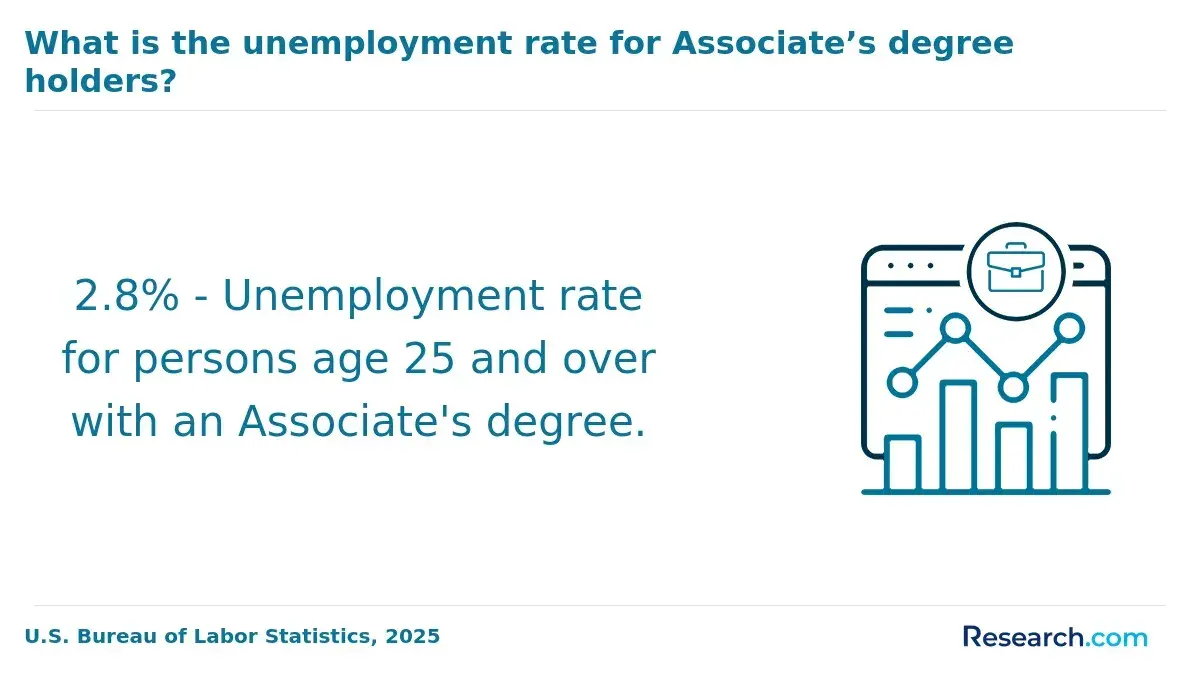
Employment data from the BLS, OPM, and NASPE confirm that health sciences degree holders in government roles encounter significantly lower unemployment risks than those in the private sector. Structural workforce protections, civil service regulations, and union representation collectively contribute to this stability, shielding public-sector workers from market-driven layoffs common in private industry.
- Unemployment Rates: Public-sector health sciences professionals experience fewer layoffs and layoffs occur less frequently due to protective employment policies and collective bargaining rights.
- Layoff Frequency: During budget downturns, federal and state agencies often resort to hiring freezes or furloughs rather than outright job cuts. Similarly, public universities and quasi-governmental organizations maintain staffing more consistently across fiscal cycles than private health companies.
- Career Tenure: Median job tenures in government health roles frequently surpass ten years, reflecting robust job security frameworks and pension incentives that reduce turnover.
- Sector Categories:
- Federal agencies-including public health and biomedical research bodies-benefit from strict civil service protections.
- State and local government positions encompass public health departments and administrative roles supported by collective agreements.
- Public universities and research institutions offer long-term academic appointments backed by tenure systems and grant funding.
- Quasi-governmental organizations provide a hybrid model combining public stability and some private-sector flexibility.
- Compensation Trade-Offs: While government entry salaries generally trail private-sector equivalents, enhanced benefits such as pensions, comprehensive leave, and loan forgiveness programs often yield superior overall financial security over a career.
- Risk Assessment: Health sciences graduates must weigh the value of guaranteed job stability against potential higher earnings in the private sector. Those prioritizing predictable employment and long-term security may find public-sector roles more advantageous, whereas others seeking rapid income growth might accept greater unemployment risk by choosing private employers.
What Role Does Licensure or Certification Play in Protecting Health Sciences Degree Holders From Unemployment?
Licensure and certification stand as vital safeguards for health sciences degree holders pursuing stable employment. Many common health sciences careers-such as registered nursing, physical therapy, and clinical laboratory technology-require state licensure as a legal prerequisite for practice. This licensure creates a structural barrier to entry by limiting the labor supply strictly to credentialed practitioners. Economic theory explains that this restriction sustains a durable demand floor for licensed workers even during economic downturns, as employers cannot simply substitute uncredentialed workers when market conditions worsen.
In addition to mandatory licenses, various non-mandatory certifications serve as significant hiring filters in competitive health sciences labor markets. Credentials like Certified Health Education Specialist (CHES) or specialty certifications in medical coding are not legally required but are highly valued by employers. Holding such certifications before entering the workforce effectively narrows the applicant pool, reducing unemployment risk especially in large metropolitan areas with intense competition.
Professionals designing their credential acquisition strategy should prioritize obtaining essential licenses first, as they are required for legal practice. Next, individuals should target recognized certifications that demonstrably enhance employment prospects. Less impactful credentials-those with minimal labor market value relative to the investment-should be avoided to maximize efficiency during academic and early career stages.
- Mandatory Licensure: Required by law for many health sciences roles; limits labor supply and legally protects qualified practitioners.
- Economic Mechanism: Licensure restricts workforce entry, creating a resilient demand floor that lowers unemployment risk for credentialed workers.
- Non-mandatory Certifications: Optional credentials that function as hiring filters, making candidates more competitive.
- Credential Strategy: Secure required licenses first; then pursue recognized certifications that add measurable labor market value.
- Recent Trend: U.S. Bureau of Labor Statistics data show licensed health care practitioners have sustained unemployment rates below 3% over the past decade, reflecting licensure's protective effect.
How Does Geographic Location Affect Unemployment Risk for Health Sciences Degree Graduates?
Geographic location critically shapes unemployment risk for health sciences degree graduates-metropolitan area unemployment data combined with regional employment analytics reveals notable disparities. Established healthcare corridors like Boston, Minneapolis, and Raleigh maintain lower unemployment rates due to dense networks of hospitals, research institutions, and biotech firms. Government hubs such as Washington D.C. and strong tech and finance centers like the San Francisco Bay Area provide diversified employer bases that buffer against sector-specific downturns, thus reducing sectoral risks in regional employment trends for health sciences degree holders.
In contrast, rural and smaller metropolitan regions typically have fewer health sciences employers, leading to longer job search durations and greater vulnerability to local economic fluctuations. The geographic impact on unemployment risk for health sciences graduates is evident in these areas with limited institutional presence, where employment volatility frequently exceeds the national average.
Remote work is reshaping these geographic risk patterns. Specializations in telehealth, health informatics, and medical administration allow graduates to work beyond physical location constraints-mitigating geographic risk by broadening labor market access nationally or regionally. Graduates considering remote-compatible fields can reduce unemployment exposure compared to roles requiring onsite clinical presence, which remain tied to local market conditions.
To optimize employment security, students and early-career professionals should conduct a targeted geographic labor market analysis. Leveraging BLS area-specific employment data, LinkedIn job posting location filters, and local wage benchmarks supports informed decisions about whether to remain in their current region, relocate to high-demand markets, or pursue remote-friendly careers. This strategy balances unemployment risk reduction with personal geographic preferences.
- Demand Concentration: Metropolitan areas with clustered healthcare industries exhibit resilient job markets and below-average unemployment risk for health sciences graduates.
- Economic Resilience: Diverse employer ecosystems including government, technology, and finance reduce exposure to economic volatility.
- Remote Work Impact: Telehealth and related roles expand job opportunities beyond local constraints, lessening geographic unemployment risk.
- Regional Variation: Rural and smaller metro areas often face higher unemployment volatility stemming from low employer density.
- Data-Driven Strategy: Utilizing labor market analytics helps guide targeted relocation or specialization decisions aligned with both risk tolerance and lifestyle goals.
Recent data show telehealth employment in health sciences surged by over 50% nationally between 2020 and 2023-highlighting the growing importance of geography-flexible roles in reducing unemployment risk. Prospective students may also explore medical assistant programs that accept financial aid to jumpstart careers with strong geographic demand and stability.
Which Health Sciences Careers Are Most Vulnerable to Automation and Technological Disruption?
Within health sciences, several careers face varying levels of risk from automation and technological disruption, depending on their task characteristics. Using frameworks from McKinsey Global Institute, Oxford Martin School, and MIT Work of the Future, it's clear which health sciences careers carry the highest displacement risk from artificial intelligence, machine learning, robotic process automation, and related technologies. Roles heavily focused on routine data processing, pattern recognition, and standardized client interactions show the greatest susceptibility.
- Medical Billing and Coding Specialists: These professionals perform standardized document review and routine data processing-tasks highly automatable with AI-driven natural language processing and rule-based systems, putting them at significant near-term risk of displacement.
- Medical Transcriptionists: Their work relies on converting voice to text through pattern recognition and standardized formatting. Advances in speech recognition and language models are replacing much of their function.
- Pharmacy Technicians: While some interpersonal interaction remains, their repetitive, rule-based dispensing and inventory tasks face automation through robotic systems, though supervision and patient communication are less vulnerable.
- Entry-Level Lab Technicians: Repetitive sample preparation, routine testing, and data entry are increasingly automated via robotic process automation and AI-driven image recognition, whereas complex analysis remains relatively secure.
- Medical Receptionists and Scheduling Coordinators: Routine client interactions and decision-making here can be replaced by AI chatbots, voice-responsive systems, and scheduling algorithms.
Conversely, roles emphasizing non-routine problem-solving, interpersonal judgment, ethical oversight, and domain expertise-such as physicians, nurse practitioners, clinical researchers, and healthcare managers-are less exposed to near-term replacement. For these professionals, automation more often acts as a tool to augment human judgment rather than replace it.
Students and professionals should recognize that health sciences careers most vulnerable to automation typically require mid-career transitions to remain employable. Developing skills in managing and ethically supervising automated systems, combined with strong clinical or scientific expertise, will position workers to lead rather than be displaced. Pursuing advanced credentials, including graduate education, can reduce exposure to displacement risk, as shown in labor market analyses.
Interpret automation risk as probabilistic-actual impact varies with organizational investment, regulatory conditions, technology readiness, and labor costs, all of which differ by geography and healthcare settings. These factors highlight the importance of localized, ongoing career planning in health sciences.
For professionals interested in expanding credentials that provide resilience against technological disruption, consider options like the fastest online master's in healthcare administration, which can enhance leadership and management expertise cushioning against automation vulnerability.
How Does a Graduate Degree Reduce Unemployment Risk for Health Sciences Degree Holders?
Graduate education substantially lowers unemployment risk for health sciences degree holders-data from Georgetown University Center on Education and the Workforce, BLS, and NACE reveal unemployment rates 30-50% lower compared to bachelor's degree holders. This advantage is paired with a notable salary premium of 20-40%, reflecting enhanced qualifications and access to specialized roles that resist automation and economic fluctuations.
- Professional Master's Degrees: Licensure-qualifying programs-such as clinical, legal, or engineering master's-offer exclusive access to regulated professions, limiting labor market oversupply and protecting against automation-driven job losses.
- Research-Oriented Master's and Doctoral Degrees: Graduates are prepared for high-skilled practitioner and researcher roles where constrained supply safeguards career stability even during downturns.
- MBA Programs: For health sciences professionals, MBAs unlock management and leadership positions that often remain inaccessible to bachelor's degree holders and face less saturation.
Considering graduate education requires a clear understanding of the investment involved:
- Cost and Duration: Typical programs last 2-4 years with tuition ranging from $30,000 to over $100,000, depending on the institution and specialization.
- Opportunity Cost: Time in graduate school can delay income growth, yet early career unemployment reductions and later salary increases often balance this delay.
- Outcome Data: Some programs achieve positive net returns within 5-7 years, but this timeline varies by salary uplift potential and job market demand.
Alternatives like targeted certification, strategic employer choices, geographic moves, or niche specializations may deliver comparable employment stability at lower cost and time investments. Health sciences practitioners should weigh these options carefully against graduate education when aiming to reduce long-term unemployment risk while maximizing career resilience.
What Entry-Level Health Sciences Career Paths Offer the Fastest Route to Long-Term Job Stability?
The fastest routes to durable employment in health sciences begin with entry-level roles entrenched in clear promotion tracks-those supported by industries prioritizing retention and recognized for their transferable qualifications. Analysis of data from major occupational surveys shows which early-career positions serve as real stepping-stones to steady mid- and senior-level jobs, rather than dead-end roles prone to frequent job searching.
- Medical Laboratory Technician: This position cultivates critical diagnostic testing skills utilized across hospitals and labs. Technicians typically advance to supervisory or specialist roles within 3 to 5 years, aided by employer promotion policies and certification programs that fortify job security.
- Registered Nurse (RN): With consistently high demand, RNs benefit from strong internal promotion cultures in medical facilities. Progression to specialized nursing or managerial careers commonly occurs in 5 to 7 years, supported by licensure requirements and extensive employer networks.
- Health Information Technician: Managing electronic health records and coding, this role is vital to healthcare operations. Strong growth prospects arise from transitions into informatics and compliance, boosted by healthcare's evolving regulatory environment and digitalization.
- Physical Therapist Assistant: Serving in rehabilitation settings, this role offers hands-on patient care experience with clear advancement into licensed physical therapy or supervisory roles. Typically, 3 to 4 years in the position precede further certification or graduate study options that enhance employment resilience.
- Public Health Coordinator: In locales with strong public health systems, this role emphasizes program management-offering pathways to epidemiology or policy specialties. Early exposure to grant administration and community engagement builds versatile networks valuable in economic downturns.
Long-term career stability depends heavily on employer choice-favoring health systems with robust workforce development-and geographic areas characterized by population growth and aging demographics. Early investments in licensure, credentialing, or specialization aligned with rising demand sectors can significantly reduce unemployment risk over a decade or more. Advancement milestones like moving into management or acquiring certifications within 3 to 7 years mark durable career equity against shifts from automation and economic pressures shaping the health sciences labor market.
What Graduates Say About the Health Sciences Degree Careers With the Lowest Unemployment Risk
- Arden: "Choosing the health sciences degree opened doors I hadn't imagined-particularly in clinical research and public health sectors, which consistently show low unemployment rates. I found that specializing in epidemiology gave me flexibility to work in both urban and rural geographic markets, adapting easily to shifting healthcare demands. For new graduates, pursuing certifications like Certified Health Education Specialist (CHES) really gave me an edge at the entry-level stage."
- Santos: "Reflecting on my career journey after completing the health sciences program, I realized the value of industry versatility-from healthcare administration to biotech firms, each offers stability but requires tailored credentialing. Mid-career professionals benefit immensely from advanced certifications such as Certified Professional in Healthcare Quality (CPHQ) to stay competitive. Geographically, focusing on regions with aging populations drastically lowered unemployment risk for my roles in geriatric care management."
- Leonardo: "Health sciences has proven itself as a practical and rewarding field-especially within government health agencies and health informatics, areas with robust demand and minimal layoffs. At the senior practitioner level, attaining a Master's degree combined with project management certifications substantially reduced job insecurity for me. I recommend graduates target these specializations and credentials early to future-proof their careers across various U.S. markets."
Other Things You Should Know About Health Sciences Degrees
In 2027, careers in Health Sciences with the lowest unemployment risk include Physician Assistants, Registered Nurses, and Occupational Therapists. These roles are consistently in demand due to the ongoing need for healthcare services and the aging population, ensuring job stability.
Mid-career professionals specializing in nursing, health informatics, and allied health services such as respiratory therapy tend to experience the strongest demand. These fields combine clinical expertise with technical skills, increasing their value to employers. Continued professional certification often enhances employability further in these areas.
Freelance and self-employed health sciences professionals-such as independent consultants, therapists, or health educators-may face higher income variability but often enjoy greater control over their workload and client base. While this path can mitigate unemployment during sector downturns, it also requires strong business skills and networking to maintain steady opportunities.
Health sciences careers generally exhibit strong recession resilience due to the essential nature of healthcare services. While elective procedures may decline and some administrative roles can be affected, direct patient care positions often remain stable or even grow. Government healthcare programs and aging demographics contribute to this buffering effect.
References
- What’s the Most In-Demand Healthcare Program Right Now? https://www.uei.edu/guides/vocational-education/whats-the-most-in-demand-healthcare-program-right-now/
- Health care is the 'engine' of the job market — and that's risky for the economy https://www.cnbc.com/2025/12/18/health-care-jobs.html
- Top 11 Most In-Demand Medical Specialties in 2026 | SUSOM https://www.saba.edu/blog/what-are-the-most-in-demand-physicians
- Pharmacology and Medical Technology - Top College Majors with the Lowest Unemployment Rates - MedPro Healthcare Staffing https://medprostaffing.com/allied-healthcare/pharmacology-and-medical-technology-top-college-majors-with-the-lowest-unemployment-rates/
- These 10 majors had the lowest unemployment rates for recent college graduates https://thehill.com/business/5738341-college-majors-lowest-unemployment-rate/
- 5 Healthcare Programs You Can Complete in Less than a Year https://www.invest529.com/blog/5-healthcare-programs-you-can-complete-in-less-than-a-year/
- Which health care jobs are the most likely to be affected by automation? - The Health Foundation https://www.health.org.uk/reports-and-analysis/analysis/which-health-care-jobs-are-the-most-likely-to-be-affected-by
- What are the recent trends in health sector employment? - Peterson-KFF Health System Tracker https://www.healthsystemtracker.org/chart-collection/what-are-the-recent-trends-health-sector-employment/
- 24 Entry-Level Healthcare Jobs to Consider (Salary & More) https://www.stepful.com/post/entry-level-healthcare-jobs
- How the Geography of Jobs Affects Unemployment https://www.richmondfed.org/publications/research/econ_focus/2014/q3/feature2


