2027 How to Pay for a Public Policy Master's Degree with Financial Aid

Co-Founder and Chief Data Scientist
Many prospective students find themselves overwhelmed by the high cost of a public policy master's degree, unsure how to manage tuition and living expenses while maintaining career progress. In fact, data shows that nearly 60% of public policy graduate students rely on some form of financial aid to fund their education.
Balancing work, research, and study makes securing comprehensive financial support essential to avoid excessive debt. This article explores diverse funding opportunities, including federal aid, institutional scholarships, and employer assistance, guiding applicants through the complexities of financial aid applications and repayment strategies to ensure an achievable path to earning a public policy degree.
Key Benefits of Knowing How to Pay for a Public Policy Master's Degree with Financial Aid
- Utilizing every major financial aid avenue, including federal aid, fellowships, and employer assistance, allows students to invest in their professional future without excessive reliance on loans.
- Accessing diverse funding sources can significantly lessen the financial burden, helping students avoid overwhelming debt while gaining valuable experience through assistantships.
- Developing a financial strategy that combines scholarships, assistantships, and repayment plans makes completing a public policy master's degree financially achievable and sustainable in the long term.
What Is a Public Policy Master's Degree, and Why Does Funding It Matter?
For prospective public policy master's degree students, mastering how to fund a public policy master's degree is essential for managing the program's costs and financial commitments. This overview introduces key elements of the degree and its funding requirements to help students prepare effectively. Consider these critical points:
- Definition and Scope: A public policy master's degree concentrates on the study and evaluation of governmental and organizational policies. It typically involves two years of graduate-level coursework blending theoretical knowledge with practical skills, including research, management, and policy analysis.
- Academic Requirements: Programs generally require foundational courses in economics, statistics, policy evaluation, and ethics, often supplemented by a thesis or capstone project. Many also recommend internships or applied experiences to enhance professional competencies.
- Financial Burden: Tuition can range from $20,000 to over $60,000 annually, depending on the institution and residency status, making financing a public policy graduate program a significant consideration. Combined with living expenses, the total cost poses challenges without adequate aid.
- Funding Landscape: A wide range of financial aid options exist, including federal loans, institutional fellowships, graduate assistantships, employer-sponsored tuition assistance, and scholarships offered by professional associations. Understanding these opportunities is key to reducing debt.
- Completion Rates and Debt Trends: Nearly 45% of graduate students borrow through education loans, with average debt levels rising in recent years, emphasizing the importance of careful financial planning.
By actively exploring these avenues, students can develop a clear, actionable plan for financial aid. Additionally, resources like the cheapest BCBA online program guide illustrate how strategic research can reveal affordable educational options alongside funding strategies.
What Types of Financial Aid Are Available for Public Policy Master's Students?
Financing a master's degree in public policy involves exploring various financial aid options tailored to graduate students' distinct needs. Prospective students should consider multiple aid sources to build a comprehensive funding strategy.
Below are six primary categories of financial aid available, each serving different purposes and eligibility requirements:
- Grants: Grants are awards based on financial need that do not require repayment. They may be offered by federal or state governments or by the institution itself, providing valuable support especially for students with demonstrated need.
- Scholarships: Scholarships can be merit-based or need-based and do not need to be repaid. Many graduate scholarships and fellowships for public policy degrees come from public policy programs or professional associations dedicated to this field, offering specialized funding opportunities.
- Fellowships: Fellowships often provide a stipend or tuition assistance and may involve research or teaching duties. These competitive awards not only ease financial burdens but also offer mentorship and networking advantages that benefit public policy students long-term.
- Assistantships: Graduate assistantships combine tuition remission with a salary in exchange for work such as teaching or research. These positions are common in public policy programs and are among the most effective ways to reduce education costs.
- Loans: Both federal and private loans require repayment with interest. Graduate students can access federal loans by completing the FAFSA, which also opens doors to income-driven repayment plans and various loan forgiveness programs after graduation. Looking for online colleges that take financial aid can expand options for some students.
- Work-Study Programs: These programs allow part-time work, often on campus, to earn money towards education expenses. While not exclusive to public policy, work-study is an additional funding source many students use to supplement their financial aid packages.
How Does the FAFSA Process Work for Public Policy Graduate Students?
For graduate students pursuing a public policy master's degree, understanding the FAFSA process is vital for securing financial support. Completing the FAFSA correctly can unlock important funding options tailored to graduate-level studies.
The following points outline the critical aspects to consider when applying for aid through FAFSA:
- Independent Status: Graduate students are classified as independent on the FAFSA, which means they only include their own income and assets, not their parents'. This streamlines the application process and focuses evaluation on the student's finances.
- Application Timing: FAFSA becomes available each year on October 1 for the upcoming school year. Early submission is advantageous because some state aid programs allocate limited funds on a first-come, first-served basis.
- Available Aid Types: Graduate students primarily gain access to federal loans and work-study programs through FAFSA. Unlike undergraduate students, they are generally ineligible for federal grant aid like Pell Grants.
- Required Documentation: Having key papers such as prior year tax returns and Social Security details ready helps ensure the FAFSA is completed accurately, preventing processing delays.
- Usage Trends: Recent data from the National Center for Education Statistics shows over 45% of graduate students utilized federal student aid last academic year, underscoring FAFSA's pivotal role in funding advanced education.
Reflecting on the FAFSA experience, a professional who pursued a public policy master's degree shared that navigating the application initially felt daunting, especially managing deadlines alongside work commitments. "I underestimated the importance of starting early," he noted.
His case emphasizes the relief when a timely application secured access to subsidized loans and a graduate assistantship opportunity. Financial support was crucial in allowing him to focus on his studies and career goals without overwhelming debt, illustrating how careful FAFSA planning can transform a challenging process into a pathway for success.
What Federal Loans Are Available for Financing a Public Policy Master's Degree?
Graduate students in public policy programs often need to understand their federal loan options to finance their education effectively. Federal loans can supplement grants and scholarships when other funding is insufficient.
Key considerations for these loans include the following:
- Direct Unsubsidized Loans: These loans permit graduate students to borrow up to $24,000 per year with interest accruing immediately at a fixed rate of 6.85% for 2024-2025. They offer flexible repayment options, but they can result in increased debt if not managed prudently.
- Graduate PLUS Loans: Borrowing can reach the total cost of attendance minus other aid, with an average fixed interest rate of 7.75% for 2024-2025. These require a credit check and may include origination fees, covering more expenses but at a higher cost.
- Comparison to Undergraduate Loans: Graduate federal loan rates are higher than undergraduate rates, reflecting greater borrowing limits and the absence of subsidized loans for graduate students.
- Loan Disbursement: Funds are usually released at the start of each term after FAFSA processing and institutional certification, so students should prepare to cover initial expenses before disbursement.
- Estimating Loan Needs: Graduate students should calculate the full program cost, subtract scholarships and grants, and borrow only what is necessary to avoid excessive debt. Federal loans should be considered a last resort after all other aid options.
For those exploring multiple financing pathways, including federal loans, scholarships, and assistantships, reviewing options such as 2-year accelerated bachelor's degrees online programs may provide additional insight into efficient degree planning.
What Scholarships and Fellowships Exist Specifically for Public Policy Master's Students?
Pursuing a master's degree in public policy often involves exploring a variety of scholarships and fellowships designed to ease the financial burden. These opportunities cater specifically to public policy students and require careful attention throughout the application process.
Consider these essential aspects when seeking funding:
- Scholarships vs. Fellowships: Scholarships generally reward merit or financial need without demanding work commitments, whereas fellowships usually include research, teaching, or policy-related duties aligned with your studies. Knowing the difference helps in targeting the right awards.
- Support from Professional Associations: Groups like the American Political Science Association and the Association for Public Policy Analysis and Management provide scholarships and fellowships tailored for graduate students. Membership and early application submissions are often required.
- Role of Foundations and Government Programs: Organizations such as the Ford Foundation and National Science Foundation offer fellowships promoting diversity and research in public policy. These are competitive and typically necessitate detailed project proposals.
- Deadlines and Preparation: Many scholarship and fellowship deadlines precede university financial aid cutoffs, making early research and application preparation critical to securing funding.
- Using Discipline-Specific Resources: Leveraging databases centered on public policy and social sciences, alongside consulting faculty advisors, can reveal specialized funding that matches your background and focus.
A professional who completed a public policy master's shared that navigating the funding landscape felt daunting at first. She recalled, "I realized early on that timing was everything; missing one deadline meant losing a key opportunity." By reaching out to professors and joining relevant associations, she discovered less-publicized fellowships that fit her interests. Her persistence turned what initially seemed like a tangled web of applications into a manageable process, eventually providing crucial support during her studies.
How Can Graduate Assistantships Help Pay for a Public Policy Master's Degree?
Graduate assistantships offer an essential financial avenue for students pursuing a Public Policy master's degree, helping to ease tuition burdens while providing income to cover living expenses. These roles vary in responsibilities and benefits, making them a practical option for many students.
Below are important aspects of these positions to consider:
- Types of Assistantships: Graduate assistantships generally fall into three categories: teaching assistantships (TAs) involve guiding discussion groups or grading; research assistantships (RAs) support faculty-led investigations and data collection; administrative assistantships handle departmental tasks and organizational duties.
- Departmental Awarding: Unlike scholarships, assistantships are commonly granted by academic departments rather than financial aid offices. Prospective students should reach out directly to Public Policy program coordinators early to learn about available opportunities and application deadlines.
- Financial Incentives: Most assistantships provide a combination of a stipend and either a partial or full tuition remission, making these roles among the most effective means of funding graduate education in Public Policy.
- Time Demands and Impact: These positions usually require a commitment of 10 to 20 hours weekly, which may extend the total time needed to earn the degree. Balancing work and studies demands strategic planning to stay on track for timely graduation.
- Prevalence Among Students: Recent data from the National Association of Graduate-Professional Students shows that over 30% of Public Policy graduate students benefit from assistantship funding, highlighting its significance as a financial resource.
Are There Employer Tuition Reimbursement Options for Public Policy Master's Programs?
For many professionals pursuing a public policy master's degree, employer tuition assistance programs can significantly offset educational costs. Leveraging these programs effectively requires understanding their key features and aligning your academic goals with your employer's expectations.
Consider the following essential aspects when exploring employer-sponsored tuition reimbursement:
- IRS Section 127 Tax Benefit: Employers may offer up to $5,250 annually in tax-free tuition assistance, making this a financially advantageous option since the support does not count as taxable income under IRS regulations.
- Review Your Benefits Package: Eligibility for tuition reimbursement varies by employer. It is important to carefully examine your benefits or consult your Human Resources department to confirm whether such programs are available and understand any specific criteria.
- Employment Commitment Requirements: Many programs require employees to stay with the company for a predetermined period after earning their degree. This commitment helps organizations retain talent while you benefit from financial support.
- Align Degree with Job Role: Present a clear, formal proposal to HR or your manager demonstrating how a public policy master's enhances your current job performance and contributes value to the organization. This approach increases your chances of approval.
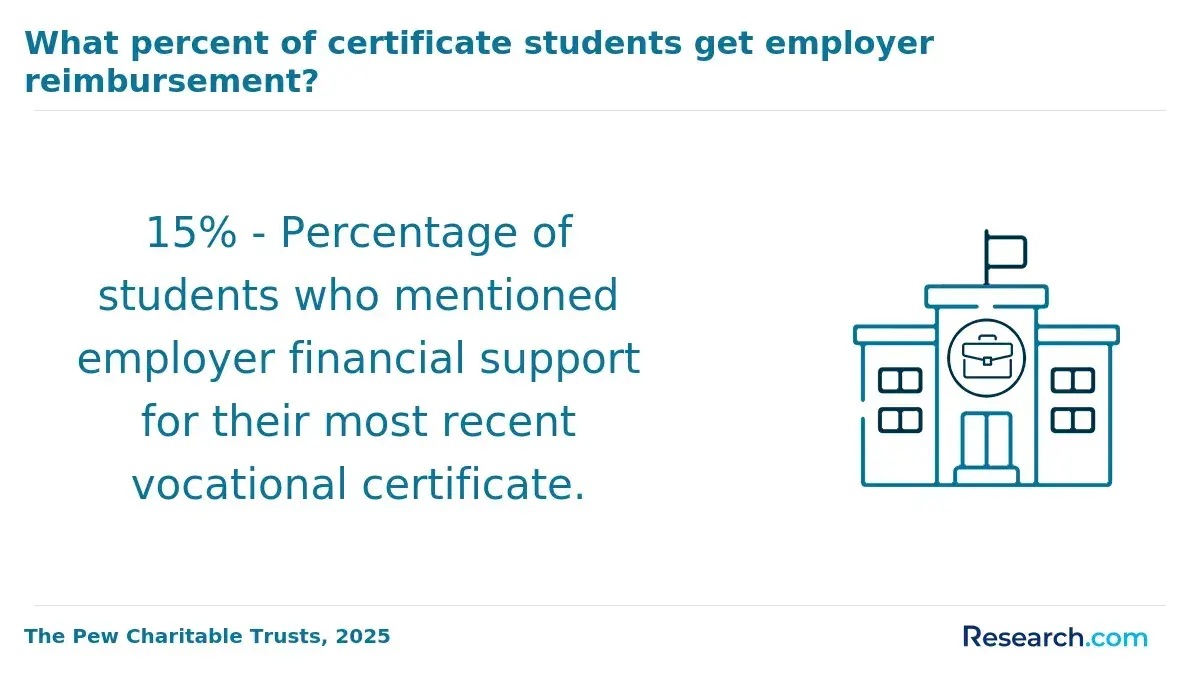
- Rising Employer Support Trend: Approximately 8% of graduate students receive employer tuition assistance, reflecting a growing trend of workplace investment in employee education and workforce development.
What State-Based Financial Aid Opportunities Exist for Public Policy Graduate Students?
Prospective students seeking a public policy master's degree should carefully explore state financial aid programs that can significantly lessen the cost burden. State governments fund graduate education through a variety of grants, scholarships, and loan forgiveness initiatives designed to support in-state students. Regional scholarships and grants for public policy master's are also vital funding sources that complement federal and institutional aid.
Here are key opportunities to consider:
- State Grants and Scholarships: Many states provide need- or merit-based grants and scholarships for graduate students enrolled in accredited in-state institutions. Eligibility often requires state residency and enrollment in programs aligned with state workforce priorities, including public policy disciplines.
- Loan Forgiveness Programs: Certain states offer loan repayment assistance or forgiveness to graduates working in public service roles within the state, especially in underserved or high-demand areas. These programs help attract public policy professionals committed to serving local communities.
- Tuition Equity and Residency Initiatives: Some states allow undocumented or DACA-status students to qualify for in-state tuition rates or receive state financial aid, which broadens access to graduate education in public policy.
- Workforce Development Incentives: Targeted incentives such as scholarships or stipends may be available for students pursuing degrees that support the state's economic and social goals, particularly when graduates commit to working in public policy roles within the state.
- Early Application Importance: Because state-based aid typically relies on limited funding pools and strict deadlines, students should contact their state's higher education agency early to maximize aid eligibility.
According to a report from the National Association of State Student Grant and Aid Programs, state grant funding for graduate students has increased by 8% over the past five years, reflecting growing support for master's candidates in public policy. For additional strategies on financing graduate education, consider exploring related programs, including those linked to a marriage and family therapist degree, to understand how diverse scholarships and funding pools operate.
How Do Institutional Grants and University Fellowships Factor Into Public Policy Funding?
For prospective public policy master's students, securing institutional grants and university fellowships is a vital component of managing educational expenses. These forms of merit-based or need-based funding can significantly offset costs and usually require understanding varied administrative sources.
The following key points highlight important aspects to consider when navigating institutional funding opportunities:
- Merit-Based and Need-Based Funding: Universities often provide grants or fellowships to attract high-quality public policy master's students. These awards may cover full or partial tuition and are granted based on academic achievement or financial need, tailoring support to each student's qualifications.
- Tuition Remission: Some fellowship or assistantship programs include tuition remission, which directly reduces tuition obligations. This benefit is frequently tied to fulfilling teaching or research duties, providing both financial relief and practical experience.
- Departmental Fellowships: Unlike general financial aid administered by university offices, many academic departments or graduate schools offer fellowships with specific stipends or service requirements. It is important to distinguish these awards when evaluating funding options.
- Communicating with Admissions: Prospective students should contact admissions offices to inquire about available institutional grants and fellowships, as offerings can differ widely between schools. Clear communication helps identify the most relevant funding packages.
- Applying to Multiple Programs: Submitting applications to several schools allows for comparison of institutional aid packages. This strategy can reduce out-of-pocket expenses and maximize chances to secure the best possible funding.
When researching funding options, also consider exploring online degrees accredited by reputable institutions, which may offer additional avenues for financial support. Incorporating institutional grants for public policy master's programs with university fellowships for public policy graduate students enables a comprehensive approach to financing your education.
What Role Do Professional Associations Play in Funding a Public Policy Master's Degree?
Graduate students pursuing a master's degree in public policy can access valuable financial support through professional associations, which offer resources beyond conventional aid. Exploring these opportunities can lessen educational expenses while enhancing career development.
The following points highlight key funding options available through such organizations:
- Scholarships and Fellowships: Numerous public policy associations provide scholarships or fellowships geared toward graduate-level students. These awards often focus on academic achievement, leadership qualities, or diversity criteria to help lower tuition fees.
- Travel Grants: To facilitate attendance at conferences and workshops, many associations grant funds covering travel costs. These grants foster networking, skill growth, and exposure to potential employers.
- Research Awards and Stipends: Students conducting research in public policy may be eligible for funding that supports thesis work, data gathering, or presenting findings at conferences.
- Membership Requirements and Advantages: Active membership is commonly required to apply for funding. Joining an association not only enables access to awards but also connects students with mentors and exclusive programming.
- Early Submission and Strong Personal Statements: Funding applications are competitive. Applying ahead of deadlines and submitting a well-crafted, field-specific personal statement emphasizing dedication to public policy can significantly boost success chances.
How Can Income-Driven Repayment and Loan Forgiveness Programs Apply to Public Policy Graduates?
For master's degree students pursuing public policy, managing student loan repayment is critical for financial stability after graduation. Federal income-driven repayment (IDR) plans offer adaptable solutions to help keep monthly costs affordable based on income and household size.
Below are essential points to consider regarding these programs and loan forgiveness opportunities for public policy graduates:
- Flexible Repayment Through IDR Plans: Programs such as SAVE, IBR, PAYE, and ICR adjust loan payments according to your earnings and family size. This feature is particularly useful for public policy graduates working in government or nonprofit sectors with lower starting salaries.
- Public Service Loan Forgiveness (PSLF): Borrowers employed full-time in eligible public service roles-including government agencies, nonprofits, and academic institutions-may qualify to have remaining federal loans forgiven after completing 120 qualifying monthly payments while enrolled in an IDR plan.
- Eligible Public Policy Careers: Jobs that typically qualify include policy analysts, program coordinators, researchers, and administrators in public sector or nonprofit organizations aligned with public policy work.
- Exclusion of Private Loans: Private student loans do not qualify for IDR plans or federal forgiveness programs. Consequently, it is vital to maximize federal loan borrowing and limit private loans to preserve access to these benefits.
- Utilize Available Resources: Prospective borrowers should use tools on the Federal Student Aid website and consult financial counselors to forecast repayment options tailored to their potential public policy salaries and career paths.
What Graduates Say About Paying for a Public Policy Master's Degree with Financial Aid
- Cathleen: "Choosing to pursue a master's degree in public policy was a deliberate step to broaden my understanding of governance and policy analysis. While the tuition was a significant investment, the comprehensive curriculum and networking opportunities justified the cost. Since graduating, I've found that the skills and connections I gained have opened doors to roles I hadn't previously considered."
- Natasha: "Reflecting on my time studying public policy, I appreciate how it not only deepened my knowledge but also sharpened my practical abilities in policymaking and evaluation. The program was affordable compared to other graduate degrees, which made it accessible without incurring excessive debt. This degree has markedly accelerated my career advancement, allowing me to contribute more effectively to community initiatives."
- Siobhan: "The decision to earn a public policy master's was motivated by a desire to influence systemic change within the public sector. Admittedly, the costs were daunting at first, but the return on investment became clear when I secured a senior analyst position soon after graduation. The expertise gained gave me confidence and credibility in my professional role, making the challenges worthwhile."
Other Things You Should Know About Public Policy Degrees
In 2027, students can manage costs by applying for scholarships early, understanding loan options like federal direct loans, budgeting wisely, and considering job opportunities like graduate assistantships within the school. This comprehensive approach can help alleviate financial burdens.
Crowdfunding and peer-to-peer lending platforms offer alternative ways to raise funds for a public policy master's degree outside traditional financial aid. These platforms allow students to present their educational goals and receive contributions from supporters or low-interest loans directly from individuals. This can ease financial burden and complement other funding sources, though students should carefully evaluate fees and repayment terms.
Effective financial planning for a public policy master's degree involves creating a detailed budget that includes tuition, living expenses, and ancillary costs. Students should explore multiple funding sources simultaneously, such as fellowships, assistantships, and employer tuition assistance. Prioritizing federal loans with income-driven repayment options can also help manage debt after graduation while preserving financial flexibility.
References
- Financial Aid for Graduate School: Everything You Need to Know https://freemannews.tulane.edu/2025/01/24/financial-aid-for-graduate-school-everything-you-need-to-know
- What Can I Do with a Master of Public Policy Degree? https://publicpolicy.pepperdine.edu/blog/posts/what-can-i-do-with-a-master-of-public-policy-degree.htm
- Why go to graduate school if you want to work in policy? - Emerging Technology Policy Careers https://emergingtechpolicy.org/pathways/graduate-school/1-why-graduate-school/
- Scholarships https://www.uni-erfurt.de/en/brandtschool/studies/admissions/scholarships
- How universities spend billions in government funds | USAFacts https://usafacts.org/articles/what-do-universities-do-with-the-billions-they-receive-from-the-government/
- Can You Use Employer Tuition Benefits for a Master’s Degree? | BC Woods https://onlinemha.bc.edu/using-employer-tuition-benefits/
- Discover the Innovation, Public Policy and Public Value MPA scholarships https://www.ucl.ac.uk/bartlett/public-purpose/study/mpa/scholarships
- Loans for Graduate School: Best Options and How to Secure https://www.princetonreview.com/grad-school-advice/grad-school-loans-finance-your-degree
- Public Investment in Higher Education: Research, Strategies, and Policy Implications | SHEEO https://sheeo.org/project/public-investment-in-higher-education-research-strategies-and-policy-implications/
- Following the Money in Public Higher Education Foundations | AAUP http://www.aaup.org/academe/issues/103-0/following-money-public-higher-education-foundations