
2027 Is a 2-Year Public Policy Degree Worth It: Accelerated Bachelor's ROI & Time Trade-Offs

Co-Founder and Chief Data Scientist
Many prospective students face uncertainty about whether a 2-year public policy degree offers sufficient return on investment compared to traditional programs. According to recent data, accelerated degree graduates in public policy can enter the workforce up to 40% faster, potentially reducing tuition and opportunity costs significantly. However, salary gains vary widely depending on location and sector. This article examines the financial and time trade-offs of completing a two-year public policy bachelor's degree, analyzing employment outcomes, earning potential, and the overall value of accelerated study within the current labor market. Readers will gain insight to make informed educational decisions aligned with career goals.
Key Benefits of a 2-Year Public Policy Degree
- Earning a 2-year accelerated public policy degree can reduce tuition fees by up to 40%, enhancing overall ROI through lower debt and quicker workforce entry.
- Graduates enter the job market 2-3 years earlier, facilitating faster career advancement and salary growth, which offsets shorter program duration trade-offs.
- The focused curriculum targets in-demand skills like policy analysis and data interpretation, increasing employability in government and nonprofit sectors with a 7% job growth projection through 2030.
How Do 2-Year Public Policy Programs Work?
Two-year public policy programs offer an accelerated path for students aiming to enter the workforce or graduate studies quickly. These programs compress traditional bachelor's degree requirements into an intensive schedule, making it essential for prospective students to understand their structure before committing. Below is a breakdown of how these programs operate to help evaluate the time commitment and workload involved.
- Accelerated pacing: Courses are delivered at a faster rate, typically allowing completion of a full degree in about half the usual time. This brisk pace demands consistent focus and effort throughout the program.
- Year-round enrollment: Programs run continuously across summer and winter terms, eliminating long breaks and facilitating steady academic progress.
- Condensed course terms: Instead of traditional 15-week semesters, courses usually last 6 to 8 weeks, intensifying content delivery and study demands.
- Credit load expectations: Students often carry 12 to 15 credits per term, balancing depth and speed to ensure on-time graduation.
- Instructional format: A mix of online, hybrid, and in-person classes is common, providing flexibility for working adults and other nontraditional students.
- Assessment methods: Emphasis is placed on real-world application through policy analysis papers, group projects, case studies, and timed exams.
- Curriculum progression: Students follow a structured sequence starting with foundational topics like government and economics, advancing to specialized areas such as ethics and program evaluation.
Those evaluating the structure of 2-year public policy degree programs should also note that accelerated public policy degree admissions and workload can be rigorous but rewarding. According to the National Center for Education Statistics, students in these programs may save two years and reduce tuition costs compared to traditional degrees. Employment growth for public policy analysts is projected at 6% by 2032, increasing the appeal of these degrees. For those exploring flexible healthcare education, related options such as RN to BSN online no clinicals may provide additional insight into accelerated learning paths.
What Are the Admission Requirements for a 2-Year Public Policy Degree?
For students weighing the commitment of an accelerated bachelor's in public policy, understanding admission requirements is essential in assessing both the feasibility and benefits of such programs. These requirements often shape how quickly and smoothly a student can progress, impacting their educational and career timeline. A detailed overview of typical admission criteria for 2-year public policy programs helps prospective students evaluate their readiness and qualifications.
- Prior education: Applicants generally must hold a high school diploma or an equivalent credential. Many accelerated public policy degrees target transfer students who already possess college credits, allowing them to complete the program sooner than the traditional four-year track.
- GPA expectations: Most programs require a minimum GPA, commonly around 2.5 to 3.0 on a 4.0 scale, to demonstrate academic capability and readiness for rigorous coursework.
- Standardized testing: While some accelerated programs waive tests such as the SAT or ACT to ease entry for adult learners or transfers, others may still request scores based on specific institutional policies.
- Prerequisite coursework: Completion of foundational classes in areas like government, economics, or statistics is often required to ensure students have the necessary background for more advanced public policy studies.
- Work experience: Though generally not mandatory, relevant professional experience in civic, governmental, or nonprofit sectors can be viewed favorably during admissions.
- Program considerations: Applications may be more competitive due to the compressed timeline, but accelerated formats typically reduce degree completion by one to two years, which can increase return on investment.
For prospective students exploring various educational pathways, also consider related programs such as accredited medical billing and coding schools online with financial aid as alternative or complementary options within the broader scope of career-focused accelerated degrees.
What Does a Typical Week Look Like in a 2-Year Public Policy Program?
Knowing what a typical week entails helps prospective students gauge the intensity and pace of an accelerated Public Policy degree. This insight is crucial for balancing academic demands with personal and professional life, ensuring realistic expectations before committing. Here is a closer look at the common components that structure the week.
- Class Sessions: Students typically attend multiple lectures or seminars each week, averaging 12 to 15 hours. These focus on foundational subjects like policy analysis, economics, and political theory, emphasizing critical thinking and practical application.
- Assignments and Assessments: Weekly tasks often include research papers, policy briefs, and data exercises, alongside quizzes and exams. These require consistent effort to keep up with the accelerated course flow.
- Group Projects: Collaborative work simulating real-world policy challenges forms a core part of the curriculum. These assignments enhance teamwork and communication skills, often demanding coordination outside of scheduled classes.
- Independent Study: Considerable time is devoted to reviewing materials, conducting further research, and analyzing case studies. Mastering time management is essential to juggle these with other responsibilities.
- Instructor Interaction: Regular engagement with faculty occurs via office hours, discussion boards, and virtual meetings. Students are encouraged to seek prompt feedback to stay on track academically.
- Time Management: Due to the fast pace, effective planning is indispensable. Students must prioritize tasks diligently to meet tight deadlines and maintain performance quality.
When I asked a professional who completed a bachelor's degree in Public Policy within 2 years about his experience, he highlighted the intense rhythm as the biggest challenge. "There were weeks when I barely had time to breathe," he recalled. Balancing late-night study sessions with work commitments became routine, and group projects frequently required late coordination calls. He mentioned that staying proactive in seeking instructor feedback helped prevent falling behind. "It wasn't just about managing time; it was about managing energy and focus every single day." Despite the pressure, he emphasized the rewarding feeling of rapidly developing skills applicable to his career, noting, "The compressed schedule forced me to become highly efficient and adaptable, which proved invaluable later on."
Are 2-Year Public Policy Programs Available Online?
Choosing the delivery format is key for students pursuing an accelerated two-year public policy degree, as it impacts flexibility, accessibility, and the ability to balance studies with other commitments. Online options cater to diverse schedules, enabling learners to manage coursework effectively while advancing their careers. Below are important factors to consider about available online formats.
- Fully Online vs. Hybrid Formats: Programs may be entirely online or blend self-paced study with periodic live sessions. Hybrid options offer interaction through discussions or group work, helping students stay connected while maintaining flexibility.
- Asynchronous and Synchronous Learning: Asynchronous coursework lets students access materials anytime, ideal for busy schedules. Synchronous components, when included, provide real-time engagement, enhancing collaboration and motivation.
- Technology Requirements: A reliable internet connection, a computer capable of video conferencing, and access to learning platforms are essential. These tools ensure smooth participation in classes and communication with instructors and peers.
- Student Support Services: Virtual academic advising, tutoring, and career counseling are often available, supporting retention and success in accelerated programs by addressing individual student needs.
- Impact on Pacing and Engagement: Online delivery can speed up degree completion by allowing dedicated students to progress quickly. However, limited face-to-face interaction demands strong time management and self-discipline to maintain motivation throughout the program.
How Much Does a 2-year Public Policy Degree Cost?
Evaluating the total cost of a 2-year public policy degree is vital for assessing its return on investment, especially within accelerated programs. These programs compress coursework into shorter periods, which can influence both upfront and overall education expenses. A detailed look at key cost components helps prospective students budget effectively and compare options.
- Tuition structure: Tuition often represents the largest expense and may be charged per credit hour or as a flat rate per term. Accelerated programs might require paying for more credits at once or more intensive terms, increasing short-term costs but potentially lowering total time-related expenses.
- Mandatory fees: Beyond tuition, registration, technology, and activity fees typically apply. These fees support campus services and resources necessary throughout the program's duration.
- Textbooks and learning materials: The cost of books and materials can add up, particularly if specialized software or resources are needed. Accelerated programs may rely more on digital resources, but essential textbooks remain a common expense.
- Technology or lab fees: While uncommon in public policy degrees, some programs include data analysis or policy simulation components that require software access, which can incur additional fees.
- Impact of accelerated pacing: Compared to traditional four-year programs, accelerated degrees can reduce costs related to room, board, and lost income by shortening time spent enrolled. This compressed timeline can enhance ROI by enabling earlier workforce entry, despite potentially higher per-term tuition.
When considering tuition and fees for accelerated public policy program options, it's beneficial to examine all cost factors alongside expected earnings and career growth. For students interested in other cost-effective educational pathways, exploring fields such as medical billing and coding certification online may also be worthwhile.
Can You Get Financial Aid for 2-Year Public Policy Programs?
Access to financial aid is a key factor for many students considering accelerated public policy degree programs. Since these programs compress traditional timelines, understanding how financial support applies can influence a student's ability to manage costs effectively. Below is an overview of common aid options available and how accelerated pacing might affect them.
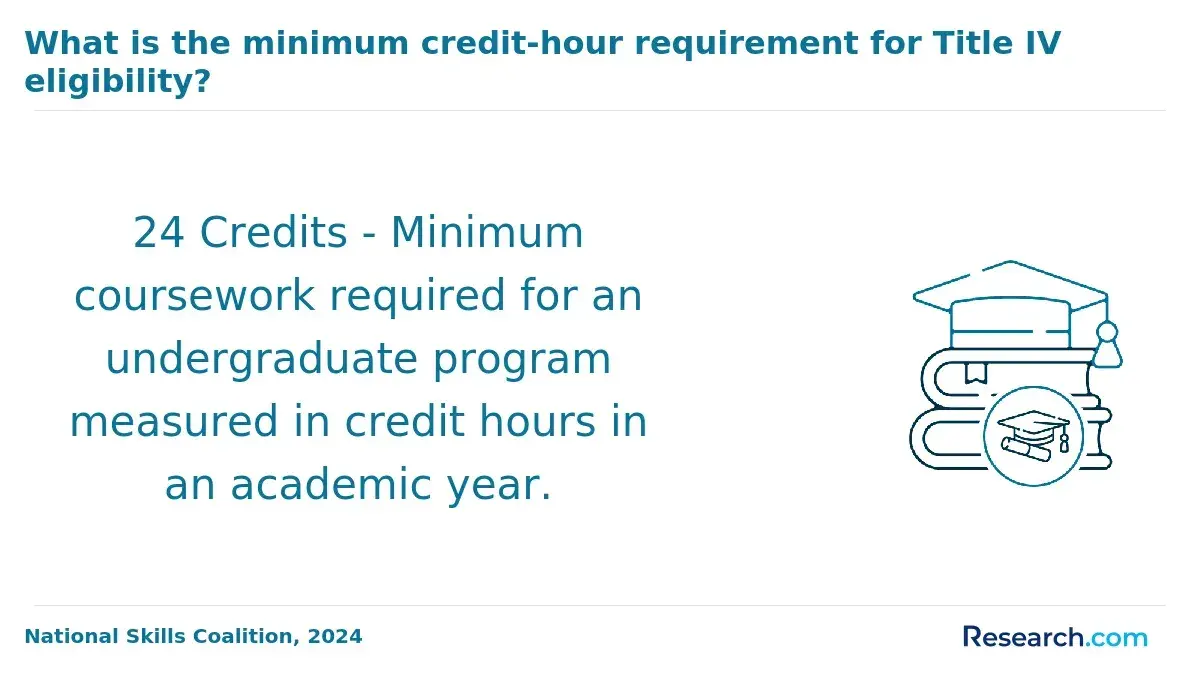
- Federal student aid eligibility: Students enrolled in accredited institutions qualify for federal grants and loans, including Pell Grants and Direct Subsidized or Unsubsidized Loans. Maintaining enrollment status and satisfactory academic progress is essential, but the faster pace in accelerated programs may require careful monitoring of credit hours to avoid delays in disbursement.
- Scholarships and grants: Many private, governmental, and nonprofit organizations offer funds that do not need repayment. These are often based on academic achievements, financial need, or dedication to public service areas, providing important supplemental aid for accelerated students.
- Employer tuition assistance: Working professionals in relevant fields might benefit from their employers' tuition reimbursement programs. Such assistance often covers partial or full tuition for coursework that aligns with career advancement goals, making these programs particularly valuable for working adults.
- Educational institution payment plans: Accelerated degrees may require tuition payment more frequently due to shorter terms. Schools often provide installment plans to help students spread out their financial obligations, easing the pressure of lump-sum payments.
When discussing financial aid for 2-year public policy programs, a professional who recently graduated from such an accelerated path shared her experience. She recalled the initial stress of figuring out how to finance an intensive schedule but found that applying for federal aid early was crucial, as the disbursement timing required close attention to avoid gaps in funding. She also leveraged a few targeted scholarships, which lessened her financial burden significantly. Balancing a full course load while working part-time demanded precise budgeting and coordination with her employer's tuition assistance program. Reflecting back, she emphasized that although navigating financial aid was challenging, it made completing her accelerated public policy degree financially feasible and rewarding. "It felt like running a marathon at sprint pace," she noted, "but having the right support kept me on track without overwhelming debt."
What Jobs Can You Get With a 2-Year Public Policy Degree?
Evaluating career outcomes is crucial when considering the value of an accelerated public policy bachelor's degree, especially for those balancing time and financial investments. Understanding what entry-level jobs are attainable helps gauge how quickly one can transition into the workforce and apply newly developed skills. Below is an overview of common career opportunities with accelerated public policy degree programs that illustrate practical paths for graduates.
- Policy assistants: These roles involve supporting policy research and analysis, drafting briefs, and assisting in legislative processes. Graduates often join government agencies or advocacy groups where they contribute to shaping policy initiatives while gaining foundational experience.
- Research associates: Focused on data collection and interpretation, research associates work with complex datasets to inform decision-making processes. This path is common in consulting firms and nonprofit organizations that emphasize evidence-based solutions.
- Legislative aides: These professionals assist elected officials by managing communications, coordinating with stakeholders, and tracking legislative developments. The accelerated format prepares students to quickly grasp regulatory environments, making them effective in fast-paced political settings.
- Program coordinators: Typically found in public affairs and community outreach sectors, program coordinators organize initiatives, manage logistics, and engage diverse populations. Skills gained through the intensive curriculum enable graduates to handle multifaceted tasks and adapt to emerging challenges.
The accelerated nature of the degree, which can reduce time to graduation by up to two years compared to traditional programs, emphasizes workforce readiness and practical skill application. Many students develop strong abilities in policy analysis, communication, and problem-solving that are critical to entry-level public policy jobs. These competencies also pave the way for advancement in regulatory compliance, social services management, or public affairs.
With growing demand for public policy expertise supported by labor statistics projections, this degree offers a solid platform for early-career growth. For those interested in balancing career ambitions with financial considerations, exploring options like the cheapest online nursing programs alongside public policy studies may provide additional strategic insight.
How Do Salaries Compare for 2-year Public Policy Degree vs. Traditional Bachelor's Degrees?
Salary outcomes are a critical factor when evaluating the return on investment (ROI) of accelerated versus traditional degree paths, especially in fields like public policy. Understanding these earnings differences helps prospective students balance time commitment and financial goals effectively. Below is a comparison of salary outcomes for 2-year public policy degrees against traditional bachelor's degrees.
- Early-career earnings: Graduates with 2-year public policy degrees typically start with median salaries around $45,000, while those holding traditional bachelor's degrees earn closer to $65,000 according to labor market data. This initial gap reflects the broader earnings comparison accelerated vs traditional bachelor's programs often reveal.
- Long-term earning potential: While accelerated programs offer quicker workforce entry, traditional bachelor's degree holders generally experience higher salary growth over time. Over 10 to 20 years, this gap widens due to increased promotion opportunities and senior-level positions favoring four-year degree graduates.
- Employer perception: Many employers, particularly for senior roles in public policy, prefer candidates with at least a bachelor's degree. This preference can limit advancement or access to certain jobs for those with only a 2-year degree, influencing overall career earnings and trajectory.
- Career progression timelines: Traditional bachelor's graduates often benefit from faster promotion timelines. Advanced roles and leadership positions in public policy typically require or favor the comprehensive education a four-year degree provides, affecting long-term career growth.
- Faster workforce entry: Accelerated 2-year degree graduates can save up to two years entering the workforce sooner, gaining experience earlier. While this can boost total lifetime earnings in some cases, slower salary growth and reduced advancement opportunities may offset initial advantages.
For students weighing their options, examining cheapest online RN to BSN programs can provide a useful example of how program affordability and time savings impact overall return on investment. Balancing faster entry and salary outcomes for 2-year public policy degrees with long-term career expectations is essential for informed decision-making.
Which Factors Most Affect ROI for Accelerated Public Policy Degrees?
Evaluating the return on investment (ROI) is essential for those considering accelerated public policy degree programs, as these degrees demand significant commitment but promise quicker entry into the workforce. Weighing the financial and career benefits carefully helps students determine if the accelerated path aligns with their objectives. Below are the critical factors that shape ROI in these programs.
- Time-to-completion: Accelerated degrees often shorten study periods, typically cutting the traditional four-year timeline in half. This compression allows graduates to start earning sooner, minimizing time spent out of the workforce and reducing opportunity costs associated with prolonged education.
- Tuition and total cost: Though per-credit fees may be comparable to standard programs, completing the degree faster usually means fewer semesters and lower accumulated expenses overall. This reduction can ease the burden of student debt and decrease living costs throughout the course of study.
- Opportunity cost savings: Entering the job market earlier means students avoid the income lost during additional schooling time. Given the average starting salary for public policy bachelor's holders hovers near $58,000, quicker graduation can significantly boost lifetime earnings potential.
- Employment outcomes and salary growth: Job prospects in public policy appear stable, with steady employment growth expected over the coming decade. Graduates who capitalize on their enhanced skills tend to experience improved chances for advancement and salary increases in government, nonprofit, or private sectors.
- Industry demand: The need for professionals with public policy expertise remains consistent, supporting sustained career opportunities. This demand helps reinforce the value of investing in accelerated studies focused on this field.
- Transferability of skills: Skills obtained through accelerated public policy programs-like analysis, research, and communication-are applicable across various sectors, including politics and social services. This adaptability reduces career risk and broadens employment options.
How Do You Decide If a 2-year Public Policy Degree Is Right for You?
Choosing a 2-year public policy degree involves assessing your capacity to manage an intensive learning schedule and meet personal responsibilities. These programs compress coursework that normally spans four years into half that time, requiring disciplined time management and strong focus.
If you have work or family commitments, it's important to realistically evaluate whether you can dedicate sufficient hours to study. Some students thrive in fast-paced environments, while others benefit from a slower, more flexible path. Additionally, consider how soon you need to begin your career, as an accelerated timeline may better suit urgent job entry.
Financially, shorter programs can reduce total tuition costs, though per-credit fees might be higher compared to traditional degrees. It's wise to examine wage data and industry growth trends to estimate the return on investment; for example, social and community service managers typically earn around $69,600 annually, with demand growing steadily.
Researching employer preferences helps anticipate how your degree will be valued in the job market. While the 2-year option offers quicker entry and potential savings, a four-year degree might provide broader opportunities and greater flexibility over time.
What Graduates Say About Their 2-Year Public Policy Degree
- Marks: "I chose the 2-year accelerated bachelor's degree in public policy because I wanted to fast-track my education without compromising quality. Balancing work and studies was challenging, but the program's structured schedule and supportive faculty made it manageable. Graduating early allowed me to enter the workforce ahead of peers, and the average cost of attendance was surprisingly affordable, making this degree a great investment for my career."
- Remi: "The decision to enroll in the 2-year public policy program was driven by my desire to quickly pivot my career. The intense coursework required disciplined time management, but I found that staying organized and setting clear goals helped me handle the fast pace. This degree has significantly expanded my understanding of policy-making, and I've already seen positive impacts in my professional role. The cost was reasonable compared to traditional programs, which eased my financial concerns."
- Garniel: "Opting for the 2-year public policy degree was a strategic move to accelerate my career progression without taking years off. Though the schedule was demanding, I adapted by prioritizing my studies and leveraging online resources to stay ahead. The degree enhanced my professional credibility in a competitive field, and considering the average overall cost, it offered great value for the speed and quality of education I received."
Other Things You Should Know About Public Policy Degrees
Opting for a 2-year public policy degree may fast-track entry into the workforce, but it could limit career advancement in certain roles that require more extensive qualifications or specializations. Graduates may need additional certifications or experience to compete with those holding more advanced degrees.
A 2-year public policy degree allows for quicker entry into the workforce, with graduates gaining skills required for immediate employment. However, it might lack the depth of a 4-year program, possibly limiting advanced knowledge acquisition, which can affect competitive edge in career advancement compared to longer programs.
While a 2-year public policy degree provides foundational skills quickly, it may limit opportunities for positions requiring more in-depth expertise. Employers seeking specialized skills or extensive experience might prefer candidates with longer educational backgrounds. However, gaining practical experience alongside the degree can mitigate these limitations.
References
- The Real Bachelor’s Degree Earnings Story https://encoura.org/resources/wake-up-call/the-real-bachelors-degree-earnings-story
- Master's in Public Policy MPP - The Red Pen https://theredpen.in/masters-in-public-policy-mpp/
- Master of Public Policy https://online.wpunj.edu/degrees/business/masters-public-policy/
- Bachelor’s/Accelerated Master of Public Policy https://records.ureg.virginia.edu/preview_program.php
- Two-year Degree Courses in the UK | GoStudyIn https://gostudyin.com/study-in-uk/study-options/two-year-degree/
- How to Pay for a Master’s Degree in Public Administration (MPA) https://mpastories.publicpolicy.cornell.edu/blog/6-ways-to-finance-your-mpa-at-cornell-university
- A Guide to Accelerated Bachelor's Degrees https://www.coursera.org/articles/accelerated-bachelors-degree
- Cost, Aid, and Assistance - School of Public Policy - Georgetown https://mccourt.georgetown.edu/admissions/cost-aid-assistance/
- Accelerate your education | The College of Community and Public Affairs | Binghamton University https://www.binghamton.edu/ccpa/academics/accelerated-degrees.html
- Master's Programme in Public Policy - National Law School of India University https://www.nls.ac.in/programme/master-of-public-policy/


