
2027 How to Pay for a Supply Chain Management Master's Degree with Financial Aid

Co-Founder and Chief Data Scientist
Prospective students often face the challenge of funding a master's degree in supply chain management without accumulating overwhelming debt. With tuition costs rising, nearly 60% of graduate students in business-related fields report concerns about financing their education.
This concern is particularly acute in supply chain management programs where specialized courses and internships can increase overall expenses. Understanding how to access federal aid, institutional scholarships, and employer sponsorships can be vital. This article explores key financial aid options, application strategies, and repayment plans designed to help students effectively manage the cost of a supply chain management master's degree while minimizing long-term financial burden.
Key Benefits of Knowing How to Pay for a Supply Chain Management Master's Degree with Financial Aid
- Understanding financial aid options enables students to invest wisely in their professional future by maximizing federal programs, scholarships, and employer sponsorships tailored for supply chain management master's candidates.
- Accessing multiple aid sources significantly lessens financial strain, reducing reliance on loans and lowering overall debt burden throughout and after the degree.
- Developing a strategic funding plan empowers students to make the degree financially achievable, incorporating assistantships, income-driven repayment, loan forgiveness, and tax benefits to optimize affordability.
What Is a Supply Chain Management Master's Degree, and Why Does Funding It Matter?
For prospective students interested in a supply chain management master's degree, it's important to grasp the program's structure and why securing funding is crucial. This degree prepares students with advanced skills in logistics, procurement, operations management, and analytics.
Financing graduate studies can be complex, involving various sources to ease the financial burden. Consider these essential points:
- Definition and Academic Scope: A supply chain management master's degree emphasizes managing the flow of goods, information, and finances within networks. Programs typically require a bachelor's degree and sometimes relevant experience, combining theory with hands-on projects.
- Program Requirements: These programs usually last one to two years full-time, including coursework and practical internships or capstones to prepare students for real-world challenges in supply chain management.
- Financial Burden: Tuition can range from $20,000 to $60,000, excluding living expenses, posing significant challenges for many students. This highlights why knowing how to fund a supply chain management graduate program is essential to minimize debt.
- Importance of Funding: Funding comes from federal loans, scholarships, assistantships, and employer sponsorships, each reducing different financial pressures. Many students successfully combine these methods for optimal support.
- Recent Trends: Graduate tuition and fees rose by over 25% in the last decade, underscoring the increased need for effective financial planning among master's degree candidates.
Armed with this information, students can better explore a wide spectrum of funding options, such as federal aid and institutional fellowships, to make earning a supply chain management master's degree more attainable. For those researching affordable options, the cheapest MBA programs provide useful insights into cost-effective graduate studies.
What Types of Financial Aid Are Available for Supply Chain Management Master's Students?
Prospective students exploring financial aid options for supply chain management master's programs can benefit from understanding the various funding sources available. Below are six key types of financial aid to consider when planning to finance graduate studies in this competitive field.
- Grants: Grants are financial awards from government agencies or institutions that do not require repayment. These are typically awarded based on financial need, making them an ideal choice for students seeking non-repayable support tailored to their graduate education.
- Scholarships: Scholarships can be merit-based or need-based and are often offered by universities, professional associations, or private organizations. Many scholarships specifically target supply chain management or related business fields, providing valuable assistance without requiring repayment.
- Fellowships: Fellowships offer funding along with a stipend to cover living expenses, aimed at academically exceptional students. Unlike general scholarships, some fellowships may require recipients to conduct research or participate in scholarly activities related to supply chain management.
- Assistantships: Graduate assistantships involve working part-time for the university, often in teaching or research roles, in exchange for tuition remission and a stipend. These positions are competitive but provide both financial relief and relevant experience in supply chain management careers.
- Loans: Loans are borrowed funds that must be repaid with interest. Federal student loans usually have lower interest rates and flexible repayment options, including income-driven plans and loan forgiveness programs. It is crucial for graduate students to carefully evaluate borrowing to avoid excessive debt after graduation.
- Work-Study Programs: Work-study offers part-time campus or community jobs funded by federal or institutional sources. These jobs enable students to earn money to offset educational expenses while often gaining practical experience related to their academic focus.
Graduate funding sources for supply chain management degrees often require a strategic approach, combining multiple aid types to minimize overall education costs. First-time graduate applicants should also be sure to complete the FAFSA and explore employer-sponsored assistance and professional association scholarships.
For those interested in cost-efficient educational routes, reviewing cheap doctoral programs can offer additional perspective on long-term financial planning.
How Does the FAFSA Process Work for Supply Chain Management Graduate Students?
For prospective supply chain management master's degree students, navigating the FAFSA (Free Application for Federal Student Aid) is a key step in securing funding for graduate studies. Understanding the application process and its implications can significantly impact financial planning.
Below are essential points to keep in mind when applying as a graduate student.
- Independent Status for Graduate Students: Graduate and professional students are classified as independent on the fafsa, which means they only need to disclose their own income and assets without including parental information, simplifying the application but still requiring detailed personal financial records.
- Application Timeline and Deadlines: The fafsa becomes available every October 1, and submitting it early can improve chances of receiving aid, particularly state-based grants or loans with limited funds and strict cutoffs.
- Available Financial Aid Types: At the graduate level, fafsa primarily provides access to federal unsubsidized loans and Grad PLUS loans. Federal grants are rarely available, so many graduate students complement these sources with merit scholarships or institutional fellowships.
- Required Documentation: Applicants need a valid Federal Student Aid ID (FSA ID) for electronic signatures and should prepare to use tax returns or estimated financial information, potentially speeding the process with tools like the IRS Data Retrieval Tool.
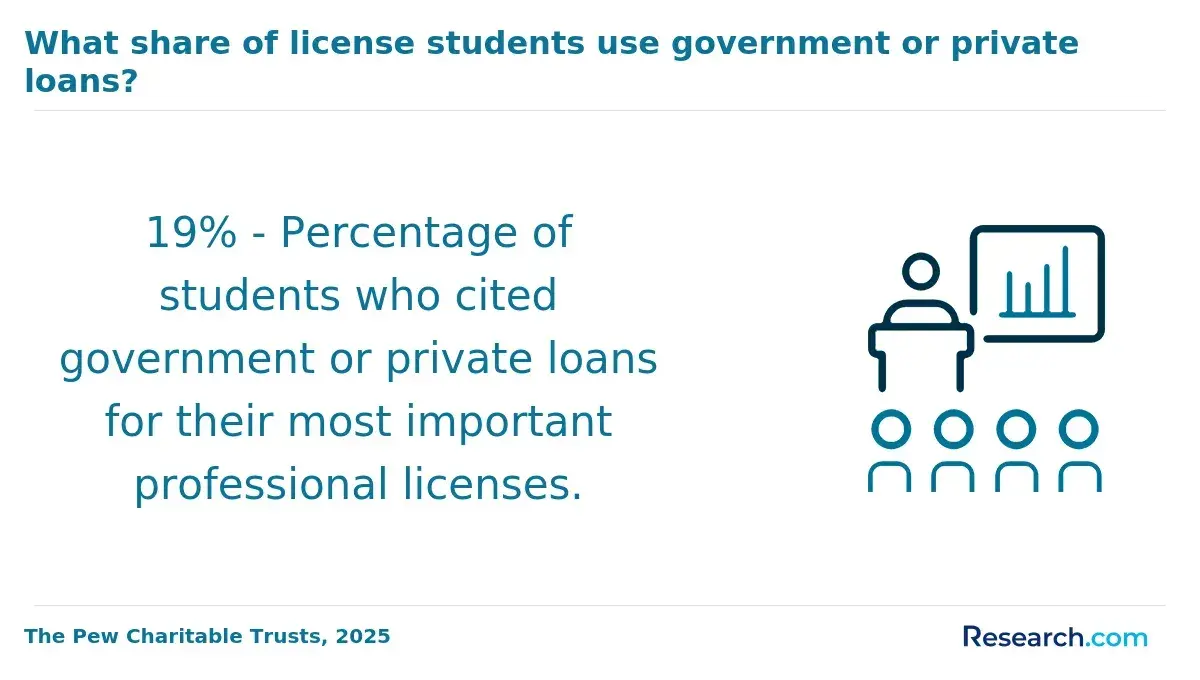
- Usage Trends: Nearly 37% of graduate students utilized federal financial aid during the 2020-21 academic year, underscoring its role in advanced education financing.
A professional pursuing a master's degree in supply chain management shared that managing the fafsa process initially felt overwhelming, especially balancing work and study commitments. He emphasized the importance of gathering all financial documents early and appreciated having a clear timeline to follow.
"Submitting my fafsa as soon as it opened gave me peace of mind," he said, noting that early application allowed access to better loan terms and additional campus employment opportunities. His experience highlights how preparation and understanding the graduate fafsa nuances can ease financial stress while advancing career goals.
What Federal Loans Are Available for Financing a Supply Chain Management Master's Degree?
Federal student loans remain a critical financing option for those enrolled in a supply chain management master's degree, especially when other aid sources fall short. To clarify key aspects of federal borrowing, here are important details graduate students should consider:
- Direct Unsubsidized Loans: Available without regard to financial need, these loans carry fixed interest rates near 7%. Interest accumulates from disbursement, and students can borrow up to approximately $20,500 annually, higher than undergraduate limits.
- Graduate PLUS Loans: Designed to cover remaining educational expenses beyond unsubsidized loans, these require a credit check and have interest rates around 8%. Borrowing limits can reach the full cost of attendance minus other financial aid, but repayment starts soon after funds are released unless deferred.
- Loan Differences From Undergraduate Aid: Unlike undergraduate loans, graduate options do not include subsidized loans, so interest always accrues during schooling. Additionally, the borrowing caps are elevated, reflecting more expensive graduate studies.
- Disbursement Timeline: Federal loans typically arrive at the institution at the beginning of each semester. It's essential to verify with your school to ensure funds coincide with tuition and fee deadlines.
- Responsible Borrowing: Estimating total costs-including tuition, fees, and living expenses-will help establish realistic borrowing needs. Prioritize scholarships and grants before relying on loans, as federal borrowing should be a last resort to minimize long-term debt.
For prospective students seeking comprehensive financial aid strategies, exploring online masters counseling programs may offer insights on combining funding sources effectively.
What Scholarships and Fellowships Exist Specifically for Supply Chain Management Master's Students?
Financial support through scholarships and fellowships can play a vital role for those pursuing a supply chain management master's degree. These funding avenues vary widely, each with distinct qualifications and obligations.
The following points highlight key aspects candidates should consider to maximize their chances of securing aid.
- Scholarships vs. Fellowships: Scholarships typically reward merit or financial need and don't require recipients to engage in research or service. Fellowships usually come with responsibilities like conducting research or assisting with projects tied to the program, often providing a deeper engagement with the academic community.
- Professional Organizations' Awards: Groups such as the Council of Supply Chain Management Professionals and the Institute for Supply Management offer targeted scholarships. These awards frequently honor leadership skills, academic accomplishments, or dedication to advancing the field.
- Application Deadlines: The deadlines for scholarships and fellowships frequently precede those established by universities for financial aid. Starting early enables students to meet all requirements without last-minute stress.
- Specialized Funding Sources: Exploring discipline-specific databases and joining professional networking sites focused on supply chain management can uncover lesser-known, highly targeted funding opportunities.
- Government and Academic Fellowships: Some fellowships are provided by government entities or universities, supporting innovative research in logistics, sustainability, or supply chain technologies. These often involve structured applications and can include teaching or research commitments.
Reflecting on a professional's experience after completing her master's in supply chain management, she recalled the challenge of juggling numerous applications while maintaining her coursework. "It was overwhelming at times, especially keeping track of different deadlines and requirements," she shared.
However, securing fellowships that aligned with her research interests helped her not only fund her education but also deepen her expertise. She emphasized the importance of early preparation and networking, noting how making connections through professional associations opened doors to exclusive funding.
Her advice to future students is to stay organized, seek guidance, and view these awards as stepping stones to both financial ease and career growth.
How Can Graduate Assistantships Help Pay for a Supply Chain Management Master's Degree?
Graduate assistantships offer essential financial support for students pursuing a Supply Chain Management master's degree, helping to ease tuition and living expenses. Below are key aspects to consider when exploring these opportunities:
- Types of Assistantships: Positions generally fall into three categories: teaching assistantships (TAs) involve aiding in course instruction; research assistantships (RAs) focus on assisting faculty with academic research projects; and administrative assistantships support departmental functions. Each type provides both financial aid and valuable professional experience.
- Awarding Process: Assistantships are usually assigned by academic departments or faculty members rather than the university's financial aid office. Prospective students should proactively contact Supply Chain Management program directors or department coordinators early in the application process to learn about available openings.
- Financial Benefits: These roles commonly offer a stipend alongside a tuition waiver, which may cover part or all of the tuition fees. This combination often makes assistantships one of the most advantageous forms of graduate funding available.
- Time Commitment and Impact: Most assistantships require 10 to 20 hours of work weekly. While this supplemental income is beneficial, balancing these duties with coursework might lengthen the time needed to graduate.
- Current Trends: Data from the Council of Graduate Schools report shows nearly 40% of master's students in business-related areas benefit from assistantship or fellowship funding, highlighting their growing importance in graduate education financing.
Are There Employer Tuition Reimbursement Options for Supply Chain Management Master's Programs?
Working professionals pursuing a supply chain management master's degree can significantly reduce education costs through employer tuition assistance or reimbursement programs. Leveraging these benefits requires a strategic approach that aligns your academic goals with your company's policies.
The following key points outline effective steps to maximize employer-sponsored tuition support.
- IRS Section 127 Benefits: Employers may provide up to $5,250 annually in tax-free tuition assistance under IRS Section 127. This benefit offers a cost-effective way to fund your degree without increasing taxable income.
- Review Employee Benefits Package: Thoroughly examine your company's benefits documentation or consult HR to confirm if tuition assistance is offered. Eligibility requirements often include limits on degree programs, waiting periods, and accredited institution mandates.
- Employment and Service Commitments: Many programs require you to remain employed with the company for a specific period, usually one to two years after degree completion, to avoid repayment obligations. Understanding these commitments is critical before enrolling.
- Prepare a Formal Proposal: Present a well-crafted proposal to HR or management demonstrating how your supply chain management master's degree directly supports your role and contributes organizational value. Highlighting the return on investment can improve approval chances.
- Trend Insight: A recent National Center for Education Statistics report found that about 44% of working graduate students utilize employer-sponsored educational assistance, reflecting its increasing role in funding graduate degrees like supply chain management.
What State-Based Financial Aid Opportunities Exist for Supply Chain Management Graduate Students?
State governments play a vital role in funding graduate education for supply chain management master's degree students through targeted grants, scholarships, and other financial aid options. These resources can help reduce the overall cost and make advanced study more accessible.
Below are important elements of state-based financial support that prospective students should consider when evaluating regional scholarships for supply chain management master's degrees:
- State Grants and Scholarships: Many states offer merit-based or need-based awards specifically for graduate students attending accredited in-state institutions. These often prioritize fields such as business, logistics, or areas aligned with local workforce demands.
- Loan Forgiveness Programs: Graduates who work in high-need sectors or underserved regions may qualify for state-sponsored loan repayment assistance. Some programs target supply chain management roles tied to economic development initiatives.
- Tuition Equity and Residency Benefits: Reduced tuition rates or expanded financial aid often apply to residents, including programs supporting minority or immigrant populations. Maintaining residency and enrollment at public universities is usually required.
- Workforce Development Incentives: Several states collaborate with employers to offer aid linked to commitments to remain employed locally after graduation in supply chain-related industries.
- Application Timing and Funding Limits: State financial aid pools are typically limited and competitive. Early application submission and frequent communication with the state higher education agency can enhance the likelihood of receiving support.
According to the National Association of State Student Grant and Aid Programs (NASSGAP), state-funded grant aid for graduate students rose by 4% recently, signaling increased investment in workforce-aligned graduate studies across the US. Graduate students should also explore federal options, institutional fellowships, and employer assistance to combine multiple funding sources effectively.
For those considering alternative paths, programs like a librarian degree online demonstrate the diversity of accessible graduate funding models.
How Do Institutional Grants and University Fellowships Factor Into Supply Chain Management Funding?
Prospective supply chain management master's degree students should consider institutional grants and university fellowships as vital components of their funding strategies. These awards help reduce overall educational expenses, making graduate studies more accessible.
Below are essential factors to keep in mind when exploring institutional grants for supply chain management master's programs.
- Merit-Based and Need-Based Awards: Many universities offer institutional grants to attract talented supply chain management candidates. These awards often include full or partial tuition remission and are granted either based on academic merit or demonstrated financial need, significantly lowering out-of-pocket costs.
- Departmental Fellowships: Fellowships managed by the supply chain management department or graduate school provide stipends or research funds linked to the student's area of specialization. These awards often operate separately from the university's central financial aid office.
- Distinct Administrative Channels: Students should clearly distinguish between financial aid programs administered by the financial aid office and those handled directly by academic departments. This difference influences application timing, procedures, and eligibility criteria.
- Proactive Communication: Asking admissions representatives explicitly about university fellowships funding supply chain management graduate students can uncover financial aid opportunities that are not widely publicized.
- Comparing Multiple Offers: Applying to several institutions and systematically comparing their grant and fellowship packages enables students to strategically select programs that minimize expenses and maximize aid benefits.
These institutional funding options, combined with federal aid and professional scholarships, form a comprehensive financial plan for graduate study. For those evaluating broader costs, understanding the construction management degree cost can offer comparative insights on managing tuition expenses.
What Role Do Professional Associations Play in Funding a Supply Chain Management Master's Degree?
For prospective supply chain management master's students, professional organizations offer valuable financial support that can ease the cost of graduate education. Exploring these resources early can open doors to various funding options.
Below are some common forms of aid provided by such associations:
- Scholarships and Fellowships: Many groups award scholarships tailored specifically for graduate students in supply chain management. These often require membership and academic achievement, making early involvement beneficial.
- Travel Grants and Conference Funding: Associations frequently provide funding for students to attend relevant conferences and workshops, facilitating networking opportunities and presentation of research.
- Research and Project Awards: Certain organizations recognize exceptional research or projects with financial prizes or stipends, which can strengthen a student's resume.
- Mentorship and Professional Development Stipends: Some offer awards connected to mentorship programs, combining financial support with career guidance from industry professionals.
- Membership and Application Strategies: Membership is often required to qualify for many awards. Applying early and submitting personalized statements that align with supply chain management topics significantly enhance the chances of funding.
How Can Income-Driven Repayment and Loan Forgiveness Programs Apply to Supply Chain Management Graduates?
For master's degree students pursuing a career in supply chain management, understanding options for managing student loan repayment can significantly ease financial stress after graduation. The following points highlight important federal programs and considerations related to income-driven repayment and loan forgiveness.
- Income-Driven Repayment Plans: Options like SAVE, IBR, PAYE, and ICR adjust monthly federal loan payments based on your income and household size. This allows recent graduates in supply chain management to better align repayment amounts with early career earnings, providing greater financial flexibility.
- Public Service Loan Forgiveness (PSLF): PSLF offers forgiveness of federal student loans after 120 qualifying payments while working full-time in eligible public service roles. Careers in government agencies, nonprofit organizations, or academic institutions within supply chain management may qualify, helping graduates reduce long-term debt.
- Exclusion of Private Loans: Only federal student loans are eligible for these repayment plans and forgiveness programs. Borrowers should limit private loan borrowing, as these loans lack similar benefits and repayment flexibility.
- Career Impact on Eligibility: Pursuing supply chain roles in public-sector logistics, nonprofit supply chains, or academic research can increase chances of qualifying for forgiveness programs. Early job planning can influence financial outcomes.
- Utilizing Official Tools and Counseling: Prospective borrowers should reference the Federal Student Aid website for up-to-date details on repayment plans and use calculators tailored to supply chain management salary projections. Meeting with a financial counselor can provide personalized repayment models and strategic advice.
What Graduates Say About Paying for a Supply Chain Management Master's Degree with Financial Aid
- Felix: "Choosing a supply chain management master's degree was a strategic move for me, as I wanted to deepen my understanding of global logistics and operations. While the program's cost was significant, I viewed it as an investment in my future that would pay off through better job opportunities. Since graduating, I've noticed a marked improvement in my confidence and ability to lead complex projects, which has accelerated my career growth."
- Courtney: "I decided to pursue a supply chain management master's to pivot from a general business background toward a specialized skillset that is highly sought after in today's market. The tuition fees were manageable with scholarships, which made balancing finances less daunting. Reflecting on my experience, the degree not only expanded my technical knowledge but also opened doors to roles in international trade that I hadn't thought possible before."
- Asha: "My motivation to earn a supply chain management master's was driven by a desire to enhance operational efficiencies within manufacturing firms. Despite concerns about the program's cost, the long-term benefits outweighed the initial expense. Professionally, the degree has given me a competitive edge, allowing me to contribute more strategically and advance into senior positions faster than I anticipated."
Other Things You Should Know About Supply Chain Management Degrees
To manage costs in 2027, explore scholarships and grants offered by institutions or professional organizations. Consider part-time employment to offset expenses, create a detailed budget, and use tax-advantaged savings accounts like 529 plans or employer tuition assistance programs.
Crowdfunding allows students to raise money via platforms such as GoFundMe and Kickstarter. By appealing to personal networks and the public, students can gather incremental donations to offset tuition costs. While not guaranteed, crowdfunding can serve as an innovative approach to finance educational pursuits.
Part-time and online supply chain management students remain eligible for many types of financial aid, including federal loans and some scholarships. However, some grants and assistantships may require full-time enrollment, which can limit options. It is important to verify aid eligibility with the institution before enrolling to ensure appropriate funding is available.
References
- Am I Eligible for Public Service Loan Forgiveness? - Saving For College https://www.savingforcollege.com/article/which-jobs-qualify-for-public-service-loan-forgiveness
- List of Top 7 Supply Chain Management Scholarships https://www.scmdojo.com/list-of-top-7-supply-chain-management-scholarships/
- Online Master's in Supply Chain Management Degrees | edX https://www.edx.org/masters/online-masters-in-supply-chain-management
- Top 10: Supply Chain Associations | Supply Chain Magazine https://supplychaindigital.com/top10/top-10-supply-chain-associations
- Logistics and Supply Chain Management MS https://online.usm.edu/graduate/logistics-trade-and-transportation-ms/
- Education loan for master’s in the U.S. https://www.mpowerfinancing.com/financial-empowerment/education-loan-for-master-in-usa
- Loan Forgiveness Program https://som.yale.edu/programs/mam/affording-your-mam/loan-forgiveness-program
- Some student loan borrowers pay 'more than necessary,' advisor says. What to know about relief programs https://www.cnbc.com/2025/12/14/student-loan-borrowers-forgiveness-idr-plans.html
- Tuition Reimbursement Programs [A Guide for HR and Employers] https://compt.io/blog/employee-tuition-reimbursement/
- Income-Driven Repayment Plan Loan Forgiveness - Student Loan Borrowers Assistance https://studentloanborrowerassistance.org/for-borrowers/dealing-with-student-loan-debt/loan-cancellation-forgiveness-bankruptcy/cancellation-forgiveness-options/idr-cancellation/


