
2027 How to Verify Accreditation for Instructional Design Degree Programs

Co-Founder and Chief Data Scientist
Many prospective students struggle to determine if an instructional design degree program is properly accredited, risking enrollment in a school that might not be recognized by employers or qualify for federal financial aid. According to the U. S. Bureau of Labor Statistics, employment in instructional design is projected to grow 9% by 2032, emphasizing the importance of accredited education for career readiness.
This article outlines key steps and reliable resources for verifying accreditation, helping students make informed decisions to protect their investment and ensure their credentials hold value throughout their careers.
Key Benefits of Accredited Instructional Design Degree Programs
- Accreditation assures academic quality by meeting rigorous standards, ensuring instructional design programs effectively prepare students with current, evidence-based teaching and learning methodologies.
- Only accredited instructional design programs qualify students for federal financial aid, which expands access and reduces the financial burden for many pursuing degrees.
- Employers and licensure bodies often recognize degrees from accredited programs, increasing graduates' job prospects and professional credibility in a competitive market.
What Does Accreditation Mean for Instructional Design Degree Programs?
Accreditation is a formal evaluation process that educational programs undergo to confirm they meet established standards of quality and rigor. For instructional design degree programs, accreditation ensures the curriculum, faculty expertise, and learning outcomes align with industry and academic requirements. These programs often seek recognition from regional accrediting bodies recognized by the U.S. Department of Education, such as the Higher Learning Commission or the Middle States Commission on Higher Education. Nearly 70% of students enroll in accredited instructional design programs, highlighting the importance of accreditation for instructional design programs as a marker of trust and credibility within higher education.
The practical implications of accreditation for students include assurance that the program consistently meets quality standards and delivers a comprehensive curriculum relevant to current industry needs. Accredited programs are regularly reviewed to encourage continuous improvement and uphold academic integrity. This process protects students from substandard offerings and ensures their education supports long-term success. Students researching programs may also find valuable resources and degree options, such as the online ai degree pathway, which similarly benefits from accreditation standards that maintain educational quality and relevance.
What Types of Accreditation Should a Instructional Design Degree Program Have?
Recognizing different types of accreditation is essential when evaluating the quality and legitimacy of instructional design degree programs. These accreditations ensure academic credibility, influence credit transfer, and enhance career outcomes. The key accreditation types prospective students should consider include:
- Institutional Accreditation: This accredits the entire college or university, guaranteeing that overall academic standards meet established criteria. Institutional accreditation impacts a student's eligibility for federal financial aid and the transferability of credits between institutions.
- Programmatic or Specialized Accreditation: Focused specifically on the instructional design program itself, this accreditation verifies that the curriculum and training align with industry-relevant standards. It is crucial for employer recognition and preparing graduates for professional roles within instructional design.
- Regional and National Accreditation: Regional accreditation is often seen as more rigorous and widely accepted by employers and other institutions, whereas national accreditation tends to be associated with career-focused or specialized schools. Understanding these distinctions helps students select a program that best fits their academic and professional goals, including finding an accredited instructional design program with recognized credentials.
- Licensure or Professional Practice Accreditation: Some instructional design degree programs align with accreditations that support licensure or professional certifications. This is particularly important for graduates pursuing specific career paths requiring official credentials or recognized professional standards.
For students interested in related fields, comparing options such as an engineering online degree can provide insight into how accreditation influences program credibility and career pathways across disciplines.
How Can You Verify If a Instructional Design Degree Program Is Accredited?
Verifying accreditation for an instructional design degree program is vital to ensure the education quality, eligibility for federal financial aid, and the value of the credential for career or licensure advancement. Confirming accreditation protects your investment and helps avoid unrecognized or substandard programs.
Several key approaches can help you verify legitimate accreditation for instructional design degree programs in the United States:
- U.S. Department of Education Database: Search the official database to find accredited schools and programs. This database lists recognized accrediting bodies, allowing you to confirm that the institution's accreditation is valid and up to date.
- Council for Higher Education Accreditation (CHEA): Review CHEA's comprehensive list of recognized accreditors. Matching the program's accrediting agency against CHEA's listings ensures the accreditation has widespread academic recognition.
- Direct School Confirmation: Contact the admissions or registrar's office to request verification of accreditation credentials. Ask for details about the accrediting agency and the program's status to guarantee transparency.
- Programmatic Accreditation Review: Some instructional design programs offer specialized accreditation beyond institutional approval. Investigate whether the program holds any program-level accreditation that speaks to its specific academic rigor and industry relevance.
In addition to verifying accreditation for instructional design degrees, prospective students might explore related fields such as a library science degree to broaden career options.
Breakdown of Public Fully Online Title IV Institutions

What Red Flags Indicate a Instructional Design Program May Not Be Accredited?
Spotting warning signs of unaccredited instructional design degree programs is crucial to safeguarding your academic reputation, maintaining eligibility for financial aid, and securing reliable career prospects. Below are key indicators to watch for when assessing a program's legitimacy.
- Claims of "Lifetime" Accreditation: Genuine accreditation requires periodic reviews to ensure program quality over time. Programs boasting permanent accreditation without re-evaluation likely lack authentic oversight, which could undermine your degree's value.
- Unrecognized Accrediting Agencies: Legitimate programs are accredited by agencies approved by the U.S. Department of Education or the Council for Higher Education Accreditation (CHEA). If a school references obscure or unverifiable organizations, it may not meet standard educational benchmarks.
- Suspiciously Low Tuition: While affordability matters, tuition that is significantly lower than comparable accredited programs may reflect poor quality or an unaccredited status. This can disqualify students from federal financial aid and limit future opportunities.
- Misleading Program Details: Vague course descriptions or exaggerated job placement promises often indicate a lack of transparency. Prospective students should expect clear outlines of curriculum content, qualified faculty information, and realistic outcome data.
Are Online Instructional Design Degree Programs Accredited?
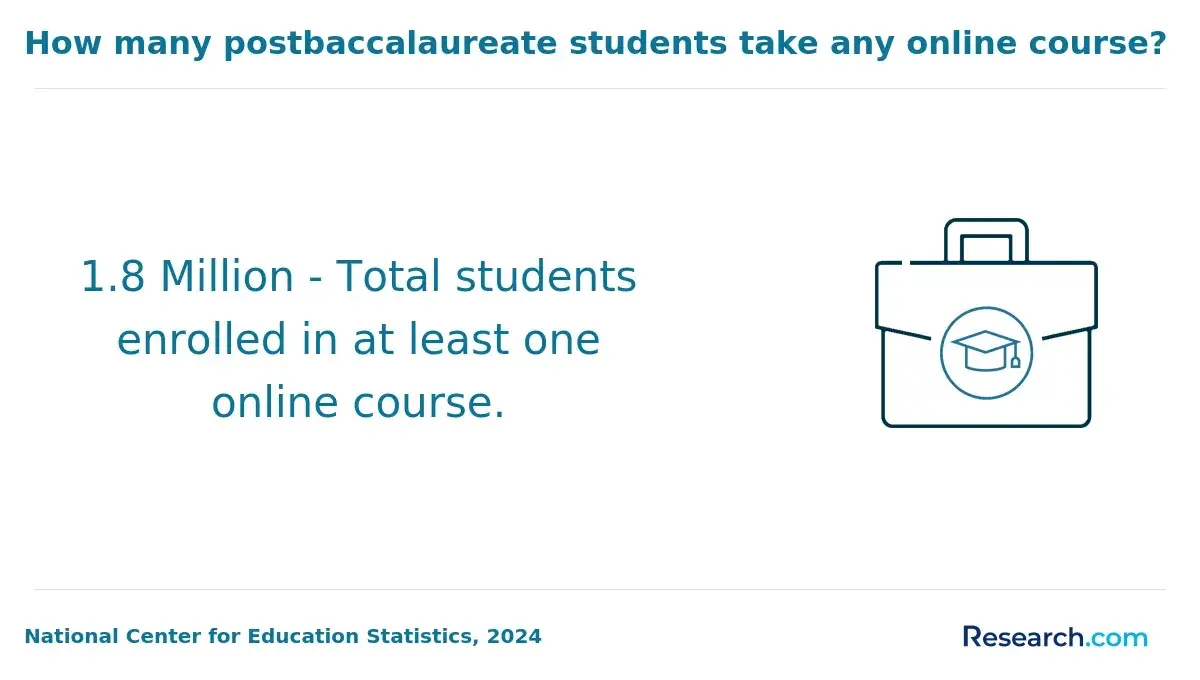
Online instructional design degree programs can indeed be accredited by recognized regional or national agencies, ensuring they meet the same rigorous standards as traditional campus-based programs. Accreditation guarantees academic quality, including well-developed curricula, measurable learning outcomes, and proper institutional oversight, which is essential for students seeking credible credentials and access to federal financial aid. In 2020, approximately 37% of postsecondary students were enrolled exclusively in distance education courses, highlighting the need to confirm the legitimacy of online programs. Accredited programs maintain accountability for both coursework and student support, providing a comparable educational experience that employers and licensure bodies often require for professional recognition.
I recently spoke with a graduate of an online instructional design program to get his perspective on accreditation. He shared that navigating the application process was challenging, especially because he wanted assurance upfront that the program's accreditation would be respected by employers. "I spent a lot of time verifying the accrediting agency's credentials and how the degree would be viewed in the job market," he said. Despite initial doubts, he found the program's comprehensive coursework and accessible support services reassuring. "Knowing the program held proper accreditation made me confident that my degree would open doors rather than close them," he reflected, emphasizing that accreditation played a vital role in his overall satisfaction and career readiness.

Does Accreditation Affect Licensure Eligibility for Instructional Design Careers?
Accreditation is a critical factor for students aiming to pursue instructional design careers that involve licensure or regulated professional credentials. It can significantly influence eligibility for certification processes and compliance with licensing requirements. The following points highlight how accreditation shapes these outcomes.
- Licensure Exam Qualification: Graduating from an accredited program is often mandatory to qualify for professional licensure or certification exams within instructional design-related fields. Many credentialing bodies require proof of completion from recognized institutions before allowing candidates to test.
- Licensing Board Standards: State and regional licensing authorities typically verify an applicant's education by confirming program accreditation. This scrutiny ensures that candidates meet established academic standards deemed necessary for licensure approval.
- Employer and Regulatory Recognition: Degrees from accredited programs carry greater credibility with employers and regulatory agencies, increasing job prospects and acceptance in regulated environments. Unaccredited credentials may be viewed as insufficient or less reliable.
- Consequences of Non-Accreditation: Students who attend non-accredited programs might encounter barriers such as exclusion from licensure examinations, limited eligibility for federal financial aid, challenges transferring academic credits, and restricted access to professional development opportunities.
Will Credits From an Accredited Instructional Design Program Transfer to Another School?
Credits earned from an accredited instructional design program can often transfer to another school, which is particularly important for students who change institutions, seek advanced degrees, or relocate. Several key factors determine whether these credits will be accepted by a different school.
- Institutional Accreditation Type: Credits from regionally accredited institutions tend to be accepted more widely than those from nationally accredited or unaccredited schools. The type of accreditation impacts the perceived quality and legitimacy of the coursework when evaluated by the receiving institution.
- Course Equivalency and Curriculum Alignment: Schools review course content carefully to confirm it matches their academic standards. If the instructional design courses align closely with the receiving school's curriculum, credits are more likely to transfer.
- Receiving School Transfer Policies: Each school has distinct rules about which credits they accept and how they apply toward degree requirements, affecting the transferability of instructional design program credits.
- Limits on Transfer Credits: Many institutions cap the number of transferable credits, especially for upper-level courses, which may restrict how many instructional design credits students can carry forward.
When I asked a graduate of an instructional design degree program about her experience transferring credits, she shared that the process required patience and persistence. "I had to carefully gather syllabi and course descriptions to demonstrate how my previous coursework matched their requirements," she explained. While initially uncertain if all credits would be accepted, she found that open communication with the transfer advisors helped clarify policies. This process reinforced how crucial it is to research each school's criteria well in advance. Ultimately, she felt positive that her credits were respected and that the transfer eased her path toward completing an advanced degree.
Does a Instructional Design Program Need Accreditation to Qualify for Financial Aid?
Accreditation is a key determinant for qualifying for federal, state, and institutional financial aid, with about 85% of federal aid recipients attending accredited institutions. This status impacts eligibility for various funding sources and influences overall affordability. Important factors to consider include:
- Federal Student Aid Eligibility: Programs must be accredited by agencies recognized by the U.S. Department of Education to qualify for Title IV funding, including Pell Grants and federal loans. Without this accreditation, students cannot access these essential federal aid options.
- State and Military Benefits: Many state tuition assistance programs and military education benefits, such as GI Bill funding, require enrollment in accredited instructional design programs. This ensures that the program meets specific standards and that students can utilize these financial resources.
- Institutional Scholarships and Grants: Accredited status often makes students eligible for internal scholarships and grants offered by schools, providing additional financial relief. Institutions prioritize funding for students in fully accredited programs, reducing out-of-pocket expenses.
- Quality Assurance and Funding Access: Accreditation serves as a quality benchmark that many financial aid programs rely on, limiting support to approved programs and protecting students from substandard education investments.
How Does Program Accreditation Influence Employability in Instructional Design Fields?
Accreditation is a crucial factor for students considering their career prospects and job market credibility in instructional design fields. According to a survey by the Association for Talent Development, 78% of employers prefer hiring instructional designers with degrees from accredited programs. This statistic underscores how accreditation impacts employability and professional recognition. The following points highlight key ways accreditation shapes career opportunities in this field.
- Employer Recognition: Accredited degrees assure employers that candidates have completed curricula that meet rigorous, independent quality standards. This trust often results in greater confidence in graduates' skill sets and job readiness.
- Professional Credibility: Graduates from accredited instructional design degrees are viewed as competent and committed to industry standards, which is vital in a profession that values innovation and adaptability. This credibility enhances their standing in the job market.
- Certification and Licensure Eligibility: Many advanced certifications and licensure options require a degree from an accredited institution. Holding such credentials broadens access to specialized roles and promotes career advancement in instructional design.
- Market Competitiveness: Accreditation improves competitiveness by aligning academic preparation with employer expectations, helping graduates differentiate themselves among peers. Additionally, financial aid eligibility linked to accredited programs supports sustained educational growth.
For prospective students evaluating degree options, considering the benefits of accredited instructional design degrees for employability is essential. To identify affordable pathways that maintain academic quality, resources such as cheapest edd programs can offer valuable guidance.
Do Graduates From Accredited Instructional Design Programs Earn Higher Salaries?
Accreditation can significantly influence earnings potential for instructional design graduates by signaling the quality and rigor of their education to employers. On average, graduates from accredited instructional design programs earn between $65,000 and $85,000 annually, while those from non-accredited programs typically make $50,000 to $65,000. Several factors contribute to this salary disparity.
- Employer Preference: Employers prioritize candidates from accredited programs because accreditation indicates adherence to rigorous academic standards and current curricula, enhancing trust in the graduate's capabilities.
- Advanced Opportunities: Graduates of accredited programs are often eligible for higher-level positions that require demonstrated expertise and verified qualifications, which can lead to increased salary offers.
- Industry Recognition: Accreditation provides professional recognition that improves reputation and creates valuable networking opportunities critical for career development in instructional design graduate salary comparison.
- Career Advancement: Those holding accredited degrees often find it easier to pursue certifications and leadership roles, opening long-term career paths with better compensation and stability.
Students exploring options may consider 1 year master's programs as a time-efficient path to acquire accredited credentials that enhance both academic credibility and employability within the instructional design field.
What Graduates Say About Their Accredited Instructional Design Degree
- Kaysen: "Learning about accreditation was a game-changer for me; I had no idea how critical it was to ensure my instructional design degree would be recognized by employers. I took the time to research the accrediting bodies listed on the university's website and cross-checked them with official education department resources to confirm legitimacy. Earning an accredited degree gave me confidence and opened doors to roles I hadn't considered before, truly elevating my professional journey. "
- Jalen: "Reflecting on my journey, understanding the accreditation process helped me avoid programs that didn't meet industry standards. I methodically verified accreditation through recognized national agencies and even reached out directly to the school's admissions office for confirmation. Completing an accredited instructional design degree instilled professionalism and trustworthiness in my profile, which has been invaluable in consulting projects. "
- Beau: "I approached the selection of my instructional design program very pragmatically, knowing that accreditation would affect my career mobility. I checked the program's accreditation on multiple official websites and reviewed feedback from alumni who emphasized its importance. Finishing an accredited degree not only validated my skills but also gave me a competitive edge when applying for positions in corporate training environments. "
Other Things You Should Know About Instructional Design Degrees
Accredited instructional design degree programs generally require students to complete a blend of coursework in education theory, technology integration, and curriculum development. Many programs also include a capstone project or practicum to provide hands-on experience. Admission usually requires a bachelor's degree, and some programs may ask for relevant work experience or prerequisite courses.
Yes, accredited instructional design programs must adhere to standards set by recognized accrediting agencies, such as curriculum rigor, faculty qualifications, and assessment methods. These programs are expected to continuously evaluate and improve their curriculum to meet evolving industry needs. Compliance with ethical guidelines and quality assurance processes is also critical for maintaining accreditation.
In 2027, accredited instructional design programs typically require faculty to possess a doctorate or extensive professional experience in the field. Accreditation bodies assess faculty qualifications through peer reviews, examining their educational background, published work, and industry contributions, ensuring they meet current academic and professional standards.
References
- MS Instructional Design and Technology: Course & Salary Details https://online.stu.edu/degrees/education/ms-ed-instructional-design-technology/courses-and-salary-details/
- Best Certification for Breaking into Instructional Design field | Articulate - Community https://community.articulate.com/discussions/exchange/best-certification-for-breaking-into-instructional-design-field/1231669
- 7 Unlocking Epic Accreditation Benefits for Your Success! https://www.actd.us/accreditation-benefits/
- Disclosure Requirements for Institutions Receiving Federal Aid From the U.S. Department of Education https://thevalecollegeibadan.com/advocacy/state/disclosure-requirements-for-institutions-receiving-federal-aid/
- Transfer of Credit & Experiential Equivalent Credit Policies - InterNACHI® https://www.nachi.org/catalog-transfer-credit-policy.htm
- Learning Design and Technology | College of Education https://education.uky.edu/edc/isd
- The Importance of Accreditation for EdTech Companies: Ensuring Quality and Trust https://www.qahe.org/article/the-importance-of-accreditation-for-edtech-companies-ensuring-quality-and-trust/
- Instructional Design Certificate or Masters Degree - Experiencing Elearning https://christytuckerlearning.com/instructional-design-certificate-or-masters-degree/comment-page-1/
- Master of Science in Instructional Design & Learning Technology - Eastern Kentucky University https://www.eku.edu/class/art-and-design/ms-instructional-design-and-learning-technology/
- Is Instructional Design a Good Career Path? | Goodwin University https://www.goodwin.edu/enews/is-instructional-design-a-good-career/


