
2027 How to Verify Accreditation for Marriage & Family Counseling Degree Programs

Co-Founder and Chief Data Scientist
Students often face challenges when selecting marriage & family counseling degree programs without verifying accreditation, risking wasted time and lost financial aid. Nearly 30% of counseling graduates report difficulties obtaining licensure due to attending non-accredited schools. Accreditation ensures a program meets quality standards and qualifies graduates for state licensure and employer recognition.
Without this verification, students may encounter limited employment opportunities despite their degree. This article discusses how to verify accreditation status effectively and offers practical guidance to help prospective students confirm program credibility, safeguarding their academic investment and future career in marriage & family counseling.
Key Benefits of Accredited Marriage & Family Counseling Degree Programs
- Accreditation ensures academic quality assurance by confirming programs meet rigorous standards essential for effective marriage & family counseling training.
- Only accredited programs qualify students for federal financial aid, easing the financial burden during their studies.
- Graduates from accredited programs gain employer recognition and meet state licensure requirements, improving job prospects and professional credibility.
What Does Accreditation Mean for Marriage & Family Counseling Degree Programs?
Accreditation in higher education is a rigorous process where independent agencies evaluate programs to ensure they meet established academic standards. For students evaluating marriage & family counseling programs, accreditation by bodies such as the Commission on Accreditation for Marriage and Family Therapy Education (COAMFTE) is a crucial indicator of quality.
Over 7,000 U.S. institutions and programs hold recognized accreditation, underscoring the value placed on verified educational excellence. This accreditation importance in marriage & family counseling degree programs helps students identify programs that adhere to professional benchmarks and academic rigor.
The practical impact of accreditation extends beyond a quality label; it ensures that students receive up-to-date curriculum content, qualified faculty instruction, and reliable student support services. Accredited programs demonstrate a commitment to continuous improvement and accountability, which is essential for career readiness in marriage & family counseling.
Students enrolling in accredited programs can be confident that their education is designed to prepare competent, ethical practitioners. Those looking for advanced options may also explore EdD programs that offer fast-track opportunities aligned with these standards.
What Types of Accreditation Should a Marriage & Family Counseling Degree Program Have?
Knowing the different types of accreditation a marriage & family counseling degree program holds is essential for assessing its quality and legitimacy. Accreditation affects academic standards, credit transfers, and career outcomes.
Below are the key accreditation types to consider when choosing a program:
- Institutional Accreditation: This accredits the entire educational institution, ensuring comprehensive quality and integrity. It influences eligibility for federal financial aid and the ease of transferring credits, which is vital for students planning to continue their education or require financial support.
- Regional vs. National Accreditation: Regional accreditation is often seen as more prestigious and widely accepted than national accreditation. Employers and other academic institutions typically recognize regionally accredited degrees more readily, which impacts both career advancement and further study opportunities.
- Programmatic or Specialized Accreditation: Specialized accreditation focuses specifically on counseling or marriage & family therapy programs. It verifies that the curriculum meets industry standards and is crucial for licensure. Many state licensing boards require completion of programs accredited by recognized agencies, emphasizing the importance of selecting a program with proper certification. Recognized accreditation agencies for marriage & family counseling programs often include bodies like CACREP.
- Licensure-Relevant Accreditation: Accreditation aligned with state licensure requirements helps ensure graduates meet the necessary criteria to pass certification exams and obtain professional licenses. This alignment enhances employment prospects and supports long-term career success in the counseling field.
Prospective students may also explore accredited online counseling programs to find options that combine quality accreditation with flexible learning formats.
How Can You Verify If a Marriage & Family Counseling Degree Program Is Accredited?
Confirming accreditation is crucial to ensure a marriage & family counseling degree program upholds academic quality, qualifies for federal financial aid, and satisfies licensure requirements vital for career advancement. Without accreditation, students risk limited employment opportunities and challenges in obtaining professional licensure.
Here are several reliable ways to verify a program's accreditation status:
- U.S. Department of Education Database: Search this official resource to identify institutions and programs recognized for meeting federal standards. Use it to confirm the legitimacy of the marriage & family counseling degree program and its institution.
- Council for Higher Education Accreditation (CHEA): Consult CHEA's directory to verify whether the program or school holds accreditation from agencies they recognize. This step ensures the accreditation is from a credible, validated authority.
- Direct School Confirmation: Reach out to the school's admissions or registrar's office to request official accreditation documentation. Schools should clearly disclose both institutional and programmatic accreditation details pertinent to marriage & family counseling degrees.
- Programmatic Accreditation Check: Specifically look for accreditation by specialized organizations such as the Commission on Accreditation for Marriage and Family Therapy Education (COAMFTE). This confirms the curriculum aligns with professional and licensure standards.
- Explore Related Programs: Researching options via resources that list cheap psychology masters programs can also provide insight into affordable, accredited programs related to the counseling field.
What Red Flags Indicate a Marriage & Family Counseling Program May Not Be Accredited?
Identifying warning signs of unaccredited marriage & family counseling programs is vital to safeguard academic reputation, qualify for financial aid, and secure licensure opportunities. Recognizing these red flags helps prospective students make informed decisions.
Key indicators to watch for include:
- Lifetime Accreditation Claims: Genuine accrediting bodies require programs to maintain standards through regular review, so promises of "lifetime" accreditation are often unrealistic and signal possible fraud or lack of oversight.
- Missing Recognized Accreditation: Programs not accredited by agencies approved by the U.S. Department of Education or the Council for Higher Education Accreditation (CHEA) may lack credibility and jeopardize students' access to federal aid and licensure eligibility.
- Suspiciously Low Tuition: Tuition fees far below typical rates for accredited marriage & family counseling programs may indicate poor curriculum quality or limited resources, which can hinder proper training.
- Vague Program Descriptions: Avoid programs that use ambiguous terms like "certified" instead of "accredited" or fail to clearly disclose their accreditation status, as transparency is essential for trustworthiness.
Are Online Marriage & Family Counseling Degree Programs Accredited?
Online marriage & family counseling degree programs can indeed receive accreditation, which is essential for ensuring the program meets established standards of educational quality, instructional effectiveness, and institutional governance. Accreditation impacts a student's ability to access federal financial aid, transfer credits, and gain recognition from employers and licensing boards.
Studies show that approximately 37% of graduate students participate in distance learning, highlighting the growing legitimacy of online education. Accrediting bodies apply the same rigorous evaluation criteria to online programs as they do to traditional campus-based options, assessing curriculum relevance, faculty credentials, and student support to guarantee comparable learning outcomes and academic integrity.
When asked about his experience, a graduate of an online marriage & family counseling degree program shared how initially navigating the accreditation landscape felt overwhelming. He recalled researching various programs to confirm their credentials, knowing that not all online degrees carry the same weight.
"It was reassuring to find that the program's accreditation meant my coursework would be recognized professionally," he said. Despite challenges like balancing work and study, the structured support and clear guidelines provided by the accredited program helped him stay on track and confident in his training's legitimacy.
Does Accreditation Affect Licensure Eligibility for Marriage & Family Counseling Careers?
Accreditation is a crucial factor for students pursuing licensure in marriage & family counseling, as it directly influences eligibility and professional recognition. Below are key considerations on how accreditation impacts licensure and career prospects:
- Licensure Exam Eligibility: Most states require completion of an accredited counseling program to qualify for licensure exams. Without this, candidates may be barred from taking essential licensing tests, halting their path to professional practice.
- Licensing Board Requirements: State and regional licensing bodies often mandate that applicants hold degrees from programs accredited by recognized agencies. Failure to meet these standards can result in ineligibility for licensure or delayed credentialing processes.
- Employer and Regulatory Recognition: Accreditation signals that a program meets industry standards, influencing employer hiring decisions and acceptance by professional organizations. Degrees from non-accredited institutions may be viewed as less credible.
- Limitations for Students: Graduates of non-accredited programs may face obstacles such as ineligibility for financial aid, difficulty transferring credits, and restricted access to advanced certifications or licenses required for career advancement.
Will Credits From an Accredited Marriage & Family Counseling Program Transfer to Another School?
Students who may switch schools, advance their education, or move to a different location need to know if credits from an accredited marriage & family counseling program will transfer smoothly. This can significantly reduce both time and costs when pursuing their academic goals.
Several important factors determine credit transferability:
- Institutional Accreditation Type: Credits earned from regionally accredited institutions tend to be accepted more broadly compared to those from nationally or programmatically accredited schools. This is because regional accreditation is often regarded as more rigorous and widely recognized.
- Course Equivalency and Curriculum Alignment: Transferability hinges on how closely the courses from the original program match the receiving school's curriculum in content and academic rigor. Strong alignment increases the chances credits will be accepted.
- Receiving School Transfer Policies: Each school sets its own specific guidelines for accepting transfer credits, including minimum grade requirements and the maximum number of credits transferable. Familiarity with these rules is key to anticipating credit acceptance.
- Limits on Transfer Credits: Even when credits are approved, many institutions impose caps on the total transferable credits, especially for specialized degrees like marriage & family counseling. Students must plan accordingly to meet degree requirements.
I spoke with a graduate of a marriage & family counseling degree program who shared her experience navigating credit transfer. She recalled feeling anxious about whether the effort she'd invested would count toward her new degree when she relocated. "It took several phone calls to admissions and academic advisors to clarify policies," she said.
Her persistence paid off, though not without compromises; some credits transferred fully while others required supplementary coursework. She reflected, "Understanding each institution's nuances early on is crucial. It saved me time, helped avoid unexpected setbacks, and ultimately kept me focused on my goal to become licensed."
Does a Marriage & Family Counseling Program Need Accreditation to Qualify for Financial Aid?
Accreditation is essential for determining eligibility for federal, state, and institutional financial aid in marriage & family counseling programs. Over 85% of federal financial aid recipients attend accredited institutions, underscoring the importance of this status.
The following points highlight key considerations regarding accreditation and financial assistance:
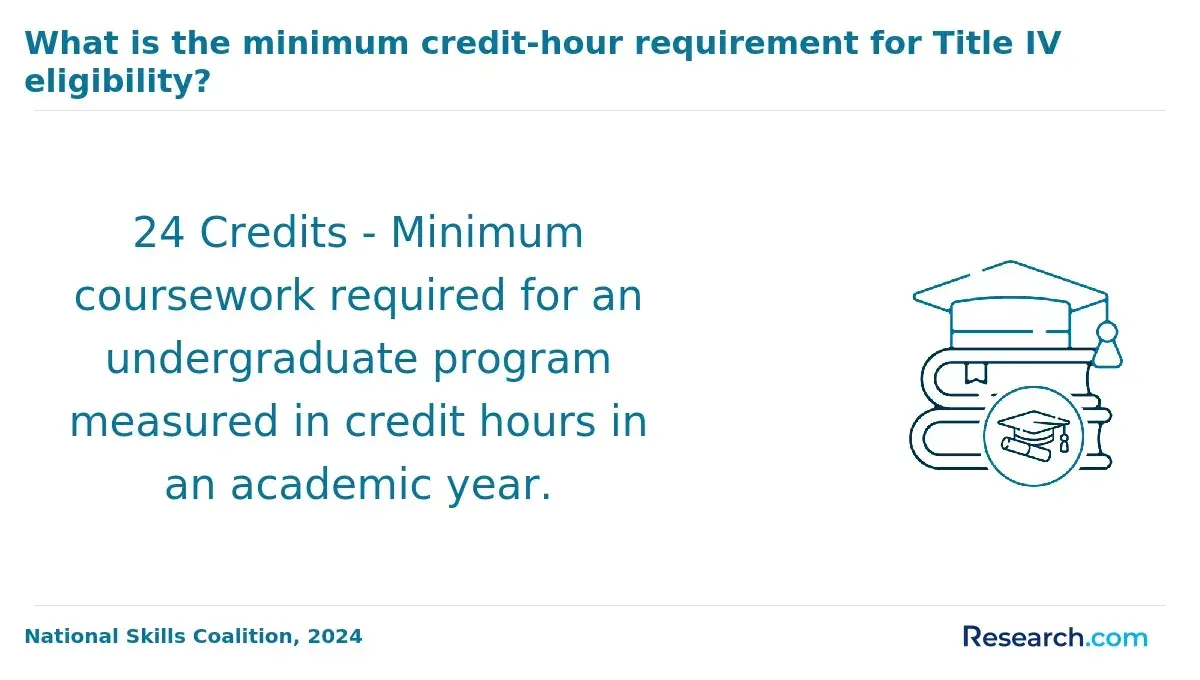
- Federal Aid Eligibility: Programs must be accredited by recognized agencies to qualify for Title IV federal aid, including Pell Grants and federal student loans. Without accreditation, students cannot access these critical funding options.
- State and Military Benefits: Many state scholarship programs and military education benefits require enrollment in accredited programs to approve financial support. Lack of accreditation limits access to these additional aid sources.
- Institutional Scholarships: Accredited programs often have greater financial resources, offering scholarships and grants unavailable to non-accredited students. This can significantly reduce tuition and related expenses.
- Investment Protection: Accreditation verifies educational quality and helps ensure students' qualifications are respected by employers and licensing boards, safeguarding their financial and professional investment.
How Does Program Accreditation Influence Employability in Marriage & Family Counseling Fields?
Accreditation plays a critical role for students pursuing a career in marriage & family counseling, influencing both job market credibility and long-term career prospects. A 2022 industry survey found that over 75% of counseling employers prefer applicants from accredited programs, highlighting accreditation's impact on employment opportunities for marriage & family counseling graduates.
The following points illustrate how accreditation supports employability in this field:
- Employer Recognition: Accredited programs are recognized by employers as meeting stringent academic and ethical standards. This recognition assures hiring managers that graduates have received thorough training relevant to current counseling practices, enhancing their desirability in competitive job markets.
- Professional Credibility: Accreditation builds trust in a graduate's preparedness and professionalism. Holding a degree from an accredited program signals commitment to quality education and increases confidence among employers and clients alike.
- Licensure Eligibility: Accreditation is often a mandatory requirement for licensure and advanced certifications in marriage & family counseling. This impacts the ability to practice legally and limits barriers to licensure, which is essential for accessing higher-level employment roles and advancing a counseling career.
- Financial Aid and Accessibility: Accredited programs generally qualify students for federal financial aid, reducing debt burdens and enabling more graduates to enter the workforce with fewer financial constraints. This aspect indirectly supports employability by making education more accessible.
In addition, earning your degree from an accredited program distinguishes you in a crowded job market. It demonstrates professionalism and dedication, attracting agencies and private practices that prioritize quality care.
For students interested in cost-effective options that maintain high academic standards, exploring an affordable online bachelor's degree can be a strategic step toward achieving career goals in marriage & family counseling. Understanding the impact of accreditation on marriage & family counseling licensure and employment outcomes is essential when evaluating degree programs to ensure the best professional opportunities.
Do Graduates From Accredited Marriage & Family Counseling Programs Earn Higher Salaries?
Accreditation significantly influences earnings potential for graduates from marriage & family counseling programs because it assures employers of a program's educational quality and professional standards. Data show that professionals graduating from accredited marriage & family counseling programs earn average salaries between $50,000 and $70,000 annually, roughly 10% to 15% higher than those from non-accredited programs, whose typical wages range from $45,000 to $60,000.
Several factors contribute to these salary differences:
- Employer Preference: Many organizations require or favor candidates from accredited marriage & family counseling programs, viewing them as better prepared and more credible for the role.
- Eligibility for Advanced Roles: Graduates from accredited programs often qualify for supervisory, administrative, or specialized clinical positions that provide higher compensation compared to entry-level roles.
- Industry Recognition: Accreditation indicates compliance with rigorous standards, which increases professional respect and strengthens negotiating power for better pay.
- Long-Term Career Growth: Accreditation can simplify licensure and certification processes, enhancing job security and opening doors for promotion and increased earning potential.
For students investigating marriage & family counseling degree options, verifying program accreditation is crucial not only for academic credibility but also to maximize future income and career progression. Exploring top online degrees can also reveal efficient pathways that blend quality education with strong salary outcomes.
What Graduates Say About Their Accredited Marriage & Family Counseling Degree
- Shanaiah: "Graduating from an accredited marriage & family counseling program gave me confidence that my education met national standards. I made sure to check the program's accreditation through official counseling boards and found it reassuring when my credits smoothly transferred for licensure. This assurance directly helped me secure a counseling position quickly after graduation."
- Danielle: "As someone new to the counseling field, I took time to research each school's accreditation status before enrolling in a marriage & family counseling degree program. I contacted accreditation bodies and read reviews to confirm their legitimacy. Completing the accredited program not only validated my skills but also opened doors to professional networks and continuing education opportunities. "
- Hannah: "Ensuring the marriage & family counseling degree I pursued was properly accredited was a deliberate step in my career development. I thoroughly verified accreditation through recognized associations, understanding how crucial it is for professional credibility and client trust. This foundation has allowed me to practice with confidence and has significantly impacted my ability to advance within the field. Robert "
Other Things You Should Know About Marriage & Family Counseling Degrees
A varied curriculum can affect accreditation status if it doesn't meet the accreditation standards for curriculum content and learning outcomes. Accrediting bodies evaluate curriculum relevance, ensuring it includes essential topics and skills for marriage and family counseling. Deviations could risk accreditation if they don't align with recognized standards.
Yes, curriculum design must align with standards set by accrediting bodies to maintain accreditation status. Accredited programs must include coursework covering core competencies such as therapy techniques, ethics, human development, and clinical practicum. Failure to meet these educational requirements could jeopardize accreditation and student eligibility for licensure.
Accredited marriage & family counseling programs must undergo periodic review and renewal processes, usually every 5 to 7 years. These reviews assess curriculum, faculty qualifications, student outcomes, and adherence to accreditation standards. Continuous compliance with these criteria is necessary to retain accreditation over time.
Accreditation ensures that marriage & family counseling programs provide adequate supervised clinical training hours necessary for licensure. Students should verify that the program offers clinical practicum or internship placements that meet state licensing board requirements. Proper clinical experience is crucial for developing practical skills and fulfilling licensure eligibility.
References
- COAMFTE Accreditation Benefits to Students https://www.coamfte.org/COAMFTE/COAMFTE/Accreditation/For_Students.aspx
- Accreditation - CACREP https://www.cacrep.org/accreditation/
- Five Things to Consider When Choosing an MFT Program https://www.online-psychology-degrees.org/list-articles/five-things-to-consider-when-choosing-an-mft-program/
- What Financial Aid Is Available for Marriage and Family Counseling Students? https://www.marriageandfamilycounselingdegrees.com/faq/what-financial-aid-is-available-for-marriage-and-family-counseling-students/
- Marriage Family Therapist Salary 2025: $50K-$122K by State https://psydprograms.org/how-much-do-marriage-family-therapists-make/
- Marriage & Family Therapists Salary (2023 Median) https://www.allpsychologyschools.com/marriage-and-family-therapy/salary/
- LMFT Careers | Impact Modern Society and Human Well-Being https://www.tuw.edu/school-news/lmft-careers-how-impact-modern-society/
- MFT License Portability https://www.aamft.org/AAMFT/Advocacy/MFT%20License%20Portability.aspx
- Marriage and Family Therapy Financial Aid https://www.family-institute.org/graduate-education/master-science-marriage-family-therapy/financial-aid


