2027 Information Security & Assurance Internship Requirements: Hours, Placements, and Supervision

Co-Founder and Chief Data Scientist
Many students entering information security & assurance programs face uncertainty about internship commitments. Balancing academic schedules with required hours can be challenging, especially since over 70% of such internships involve placements in corporate IT security teams, government agencies, or managed service providers.
Supervision varies widely, from direct mentorship by experienced cybersecurity analysts to more independent project oversight. Understanding these elements is crucial for meeting degree requirements and gaining practical skills.
This article clarifies typical internship hours, explains common placement processes, and outlines supervision expectations to help students navigate and fulfill their information security & assurance internship obligations effectively.
Key Things to Know About Information Security & Assurance Internship Requirements
- Internship hours, typically 120 to 160, require careful academic scheduling to balance coursework and practical experience without extending time to degree completion.
- Placement depends on site availability and partnerships, often limiting student options to local or affiliated organizations specializing in cybersecurity and risk management.
- Supervision mandates qualified professionals who adhere to evaluation criteria assessing technical skills, ethical understanding, and problem-solving capabilities throughout the internship.
Do All Information Security & Assurance Degrees Require an Internship?
Internships are frequently incorporated into information security & assurance degree programs to provide students with hands-on experience that supplements theoretical learning.
Approximately 64% of students in computer and information science fields engage in internships, underscoring their common role in preparing students for professional environments.
However, internship placement policies in information security & assurance programs vary significantly depending on the curriculum design and institutional guidelines:
- Program Type: Bachelor's degree programs in information security & assurance are more likely to require internships compared to associate or certificate programs, which may offer more flexible practical options.
- Accreditation Expectations: Programs accredited by organizations like ABET or designated as CAE Cybersecurity centers often mandate experiential components such as internships to meet industry and educational standards.
- Specialization Tracks: Certain specialization tracks within information security & assurance degrees may insist on internships to develop essential competencies for focused career paths, while others might allow alternative practical experiences.
- Alternative Experiential Learning: Some programs substitute traditional internships with projects, simulations, or cooperative education experiences, providing substantial hands-on learning without requiring formal placements.
Students exploring accelerated EdD programs online or other advanced study options should thoroughly investigate their institution's internship requirements to ensure alignment with career preparation goals.
What Requirements Must Be Met Before Starting a Information Security & Assurance Internship?
Internship programs in Information Security & Assurance set prerequisites to ensure students are sufficiently prepared for the responsibilities involved in handling sensitive organizational data.
According to the National Association of Colleges and Employers (NACE), nearly 80% of employers expect interns to demonstrate relevant academic progress before placement, emphasizing the importance of meeting eligibility criteria.
Below are some common requirements students must satisfy before starting their internship:
- Minimum GPA: Students typically need to maintain a cumulative GPA of around 3.0 or higher. This benchmark reflects academic competence and readiness to engage in technical and professional tasks within the internship.
- Completed Coursework: Candidates are often required to have finished foundational classes in security principles such as network security, cryptography, and risk management. This academic background ensures interns have the necessary theoretical knowledge before practical application.
- Application Approval: Internships usually require a formal application process, which may include submission of transcripts, a statement of purpose, and faculty recommendations. This helps internship supervisors evaluate candidates' professional and ethical qualifications.
- Background Checks: Due to the sensitive nature of security roles, passing a background check is commonly mandatory. This screening protects organizational integrity by verifying applicants have no compromising histories.
- Legal Eligibility: Some programs demand proof of citizenship or legal work authorization to comply with federal or industry regulations, ensuring candidates are eligible to participate in these security-sensitive internships.
How Many Internship Hours Are Required for Information Security & Assurance Degrees?
Internship hour requirements for information security & assurance degrees are established to ensure students gain practical, hands-on experience crucial for their professional development.
Typically, programs require between 120 and 180 hours, which often translates to 3 to 6 academic credits; one credit usually corresponds to about 40 to 60 internship hours.
Several factors influence how these hours are set within different programs and institutions:
- Academic Credit Equivalencies: Internship hours generally reflect academic credit policies, with institutions calibrating the required time to match credit hour expectations and graduation requirements.
- Program Level: Undergraduate and graduate programs differ, as bachelor's degrees often demand more total hours than master's programs, which may emphasize shorter but more intensive internships.
- Accreditation Standards: Programs accredited by organizations like ABET often have stricter mandates on experiential learning, resulting in more clearly defined or higher hour commitments.
- Scheduling Factors: Full-time students usually complete internships within a single semester, while part-time students might extend the internship duration over several terms to accommodate their course load.
A graduate with an information security & assurance degree shared his insights on internship hours, recalling that "managing the required 150 hours felt demanding but necessary." He explained that balancing internship responsibilities with academic work initially caused stress, especially during busy semesters.
Securing the right placement also took effort, as roles varied widely in relevance and learning opportunities. Despite these challenges, he valued the experience as a critical stepping stone, noting that "the hands-on skills I developed during those hours made the theory from classes come alive."
Where Do Information Security & Assurance Students Complete Internships?
Internship environments for Information Security & Assurance students play a crucial role in developing practical skills across varied operational contexts. A 2023 survey found that about 42% of these internships occur in corporate settings, illustrating significant sector diversity.
Below are typical locations where internships provide essential hands-on experience:
- Corporate Organizations: Students often intern in industries such as banking, healthcare, technology, and retail. These roles offer exposure to large IT departments focused on cybersecurity challenges like data protection and threat detection across major cities.
- Government Agencies: Federal, state, and local institutions provide internships centered on national security, regulatory compliance, and critical infrastructure defense. These placements highlight public sector cybersecurity frameworks and policies.
- Nonprofit Organizations: Internships here emphasize safeguarding sensitive information while supporting social missions. Students contribute to protecting data in mission-driven environments.
- Research Institutions: Universities and dedicated research centers provide opportunities to engage in cybersecurity research and software development focused on innovative assurance solutions.
Students looking for tailored program options can explore affordable online counseling programs that may offer related experiential learning opportunities in Information Security & Assurance student internship locations in the United States.
How Are Internship Placements Assigned in Information Security & Assurance Programs?
Internship placements in information security & assurance programs are carefully organized to reflect both academic goals and employer needs. Approximately 70% of students secure placements through formal collaboration between schools and industry partners, highlighting the importance of structured coordination.
The following outlines common approaches institutions take to match students with suitable internship opportunities:
- Faculty-Guided Matching: Faculty members often review students' skills and preferences, recommending placements based on their professional networks and the specific competencies required by partner organizations.
- Student-Driven Applications: Some programs encourage students to independently seek positions by submitting applications through centralized internship portals or directly contacting companies, fostering proactive engagement.
- Centralized Placement Systems: Universities may use a centralized platform where internship coordinators assess qualifications and collaborate with employers to assign students in alignment with curricular goals.
- Partnership-Based Assignments: Established relationships between institutions and certain companies frequently lead to recurring placement opportunities tailored to program requirements.
When asked about how internship placements were assigned in her program, an information security & assurance degree student recalled feeling initially overwhelmed by the coordinated process. "I wasn't sure if my interests would line up with the available options," she explained.
However, having faculty guidance proved invaluable as advisors connected her with companies needing skills she was eager to develop. She appreciated the balance between structured assistance and her own initiative during applications.
Reflecting on the experience, she remarked that this approach gave her confidence and clarity about her career path while ensuring the internship was meaningful and relevant to her studies.
Are Virtual or Remote Internships Available?
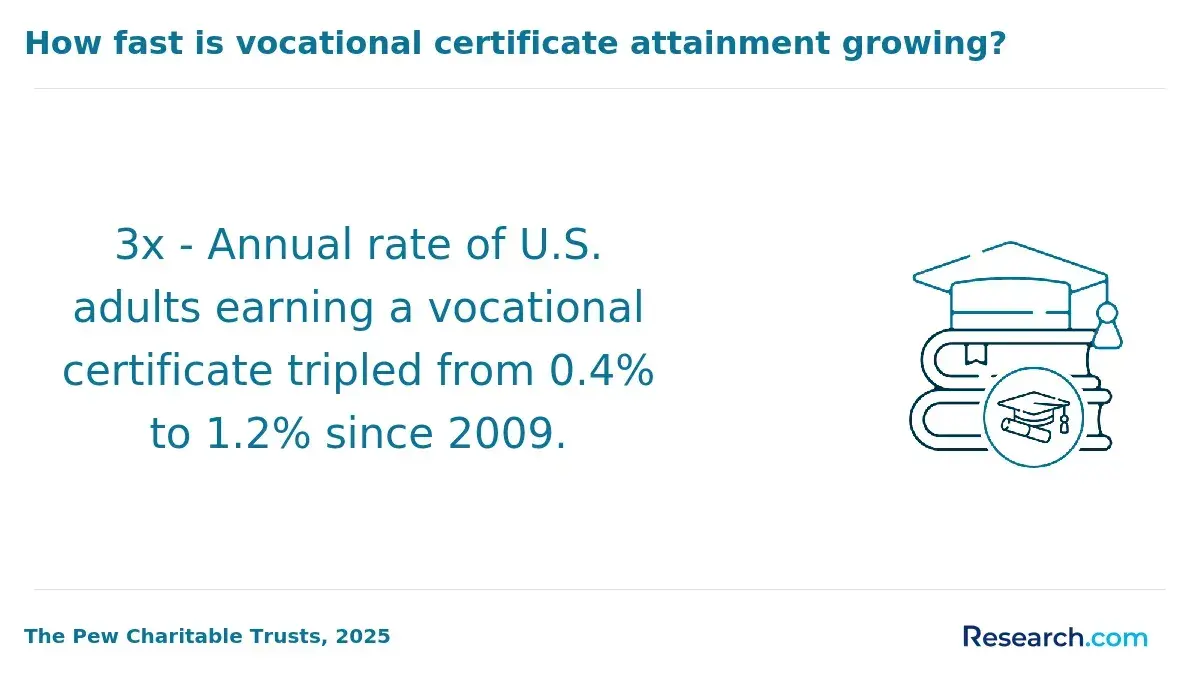
Remote and virtual internships have become a prominent feature of modern work, with nearly 70% of STEM internship opportunities now offering fully online or hybrid formats. This trend is particularly relevant to Information Security & Assurance students, who benefit from gaining practical experience in cybersecurity without being limited by location.
As remote work structures grow, internships increasingly adapt to provide flexible and accessible options for emerging professionals. The following outlines how these formats operate and their availability within educational programs.
Virtual internships in Information Security & Assurance typically combine both real-time and independent tasks, facilitated through tools like Slack, Microsoft Teams, and secure cloud services. This setup allows students to collaborate remotely on projects, participate in virtual meetings, and complete training while managing their schedules with greater autonomy.
The flexibility also broadens access to employers beyond geographic boundaries, although the specific availability of remote or hybrid internships depends on each academic program's requirements. Some programs may insist on hybrid models to ensure hands-on training and supervision, underscoring the importance of verifying placement policies and expectations early on.
Are Part-Time Internships Allowed for Working Students?
Part-time internships are an important option for students in information security & assurance programs who need to balance work and academic commitments.
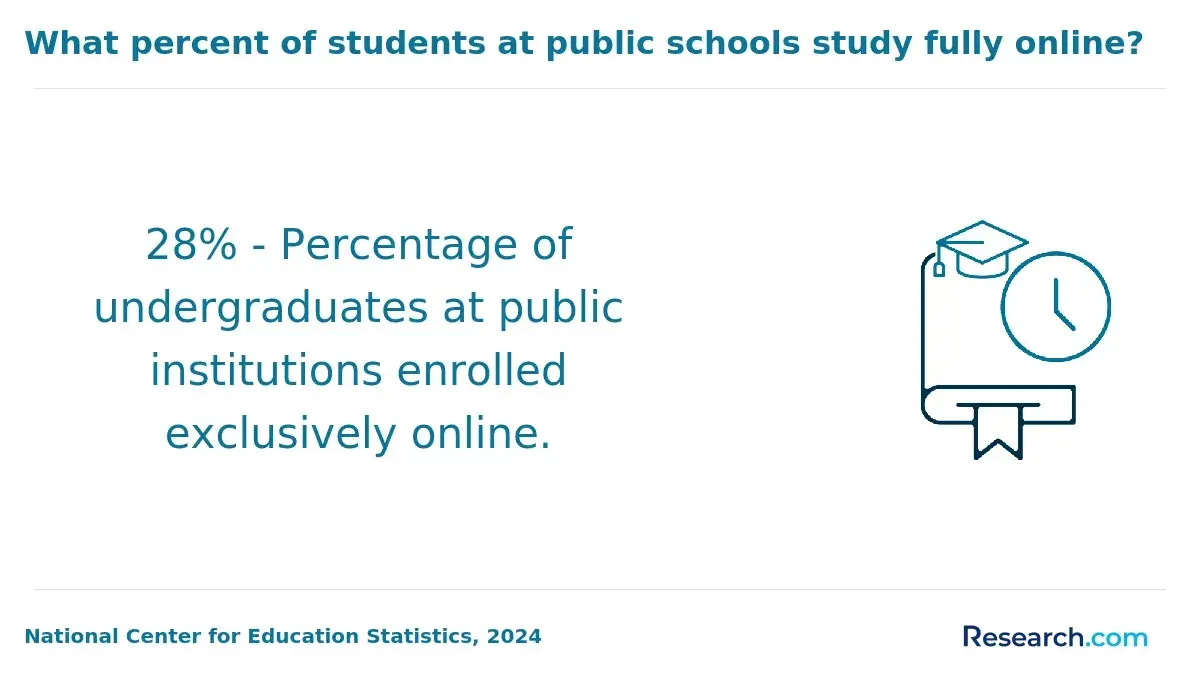
According to a report from the National Center for Education Statistics, approximately 43% of undergraduate students in the U.S. work while pursuing their studies. This highlights the need for flexible internship models that accommodate working students.
Below are key features common to part-time internships in this field:
- Scheduling Flexibility: Many programs and employers allow students to complete internship hours over extended periods, typically 15-20 hours weekly, spread across days that avoid class conflicts.
- Employer Accommodations: Workplaces often adjust assignments or offer remote work options to support students' availability and maintain a manageable workload.
- Academic Workload Balance: Part-time internships reduce pressure during busy academic terms, helping students sustain their classroom performance while gaining practical experience.
- Program-Specific Limits: While flexible, programs may require minimum weekly hours or set maximum timeframes to ensure students meet practical training expectations within the curriculum.
These adaptive internship arrangements make it feasible for working students to satisfy degree requirements without compromising their job or studies, thus supporting career readiness in the information security & assurance profession.
What Supervision Is Required During a Information Security & Assurance Internship?
Supervision is a crucial element in information security and assurance internship supervision guidelines, ensuring students gain essential practical skills and professional habits. According to recent data, approximately 78% of interns report that consistent mentorship markedly enhances their readiness for professional roles.
The supervision framework incorporates several key components designed to balance learning with accountability:
- Faculty Oversight: Faculty members supervise academic aspects by aligning internship tasks with educational objectives. They conduct regular check-ins and facilitate communication between students and employers to maintain adherence to program standards.
- Workplace Mentorship: Onsite professionals act as mentors, guiding interns through real-world security protocols. This hands-on support includes providing constructive feedback to help interns apply theoretical knowledge ethically and effectively.
- Progress Monitoring: Continuous evaluation through formal meetings or informal weekly discussions tracks intern development. These feedback loops identify strengths and improvement areas, fostering both skill growth and confidence in handling sensitive information.
- Professional Development: Mentorship emphasizes the cultivation of ethical behavior, confidentiality, and decision-making skills necessary for success in the cybersecurity field. Such guidance reinforces required supervision standards for information security and assurance internships.
Students pursuing these internships should understand that structured oversight is integral to acquiring relevant skills and maintaining professional integrity.
For those exploring options, programs that incorporate comprehensive supervision are often highlighted among the best associate degrees in the information security and assurance field.
How Are Information Security & Assurance Internships Evaluated?
Evaluating internships in Information Security & Assurance is essential for ensuring that students meet academic and industry standards. A 2023 survey by the National Cybersecurity Student Association found that 78% of accredited programs utilize combined supervisor and faculty evaluations to measure internship effectiveness.
This multifaceted assessment includes several key approaches:
- Supervisor Reviews: Workplace mentors provide detailed feedback on the intern's technical skills, professionalism, and application of classroom knowledge in real-world contexts. These evaluations focus on supervision and feedback in information security & assurance internship assessments, helping gauge on-the-job performance.
- Reflective Assignments: Interns are often required to submit reflections that critically assess their experiences and challenges. This self-assessment helps educators understand the depth of learning and personal growth, adding insight beyond technical performance.
- Performance Benchmarks: Programs set specific project goals or technical competencies aligned with academic objectives. Meeting these benchmarks ensures proficiency in areas like risk assessment, threat analysis, and security protocol implementation throughout the internship.
- Faculty Assessments: Faculty review submitted documentation and project reports to verify the internship's integration with the broader curriculum. This academic oversight complements workplace evaluations and maintains rigorous educational standards.
- Combined Metrics: Many programs combine these evaluation methods for a balanced assessment of both practical skills and critical thinking. Using this blend supports experiential learning outcomes critical to Information Security & Assurance.
Students considering degree options might also explore programs emphasizing practical experience, such as an online real estate bachelor's degree, which similarly values real-world internships to build career readiness.
What Challenges Do Information Security & Assurance Students Face During Internships?
Internships provide vital practical experience for information security & assurance students but frequently come with notable challenges. Around 60% of interns report moderate to high stress related to workload and performance demands during these placements.
Below are some common difficulties students often navigate during their internships:
- Balancing Schedules: Managing internship hours alongside academic coursework can be tough, requiring effective time management to fulfill both obligations without burnout. This juggling act is a frequent source of strain for many students.
- Workplace Adaptation: Adjusting to professional norms such as punctuality, communication styles, and teamwork expectations poses challenges, particularly for those new to corporate environments. Developing these soft skills is essential but can initially cause anxiety.
- Transportation and Finances: Unpaid or low-paid internships often demand costly commutes or limit the ability to take on additional jobs, making it difficult for students to sustain themselves financially. These constraints may impact overall internship participation.
- Professional Responsibility: First-time professional exposure brings increased responsibility, which may overwhelm students unaccustomed to workplace pressures. Handling these new demands while maintaining performance can be stressful.
- Internship Supervision Difficulties: Limited guidance or inconsistent supervision complicates learning and growth, amplifying the challenges students face during internships in information security & assurance.
Despite these hurdles, internships remain crucial for applying classroom knowledge and building valuable networks. Students seeking alternatives or additional credentials can explore options like the history masters online to balance education with professional development more effectively.
What Graduates Say About Information Security & Assurance Internship Requirements
- Ford: "My internship in information security & assurance required a commitment of over 300 hours, which was both challenging and rewarding. The hands-on placements in real-world cybersecurity departments helped me understand the intricacies of threat detection and response. Having a supervisor to guide me throughout the process made a significant difference in how much I was able to learn and apply."
- Ashleigh: "Reflecting on my internship, I appreciated the structure of the supervised program within the information security & assurance degree. The mentorship I received was invaluable, especially in navigating complex security protocols and compliance standards. This experience laid a solid foundation that has propelled my career forward in the cybersecurity field."
- Dominic: "The impact of my information security & assurance internship cannot be overstated. Through strategic placements, I gained practical skills that textbooks alone could never provide. The hours I spent working directly with industry professionals helped me build a network and boosted my confidence in professional environments."
Other Things You Should Know About Information Security & Assurance Degrees
Yes, some programs allow students to divide their required internship hours across more than one organization. This flexibility helps students gain diverse experiences, but each placement must meet the program's criteria for relevance and supervision. Coordination with the academic advisor is essential to ensure all hours are properly documented and approved.
In 2027, information security & assurance internships typically require students to complete between 120 to 150 hours. This range can vary depending on the specific institution or company offering the internship, but it generally reflects the industry standard for gaining meaningful experience.
Many institutions establish a minimum GPA threshold, often around 2.5 to 3.0 on a 4.0 scale, for students to be eligible for internships. This requirement ensures that candidates possess a solid academic foundation before engaging in professional environments. Specific requirements vary by program and employer.
Yes, given the sensitive nature of the information handled, most internships require students to undergo background checks. These screenings may include criminal history and employment verification to comply with security protocols. Completion of these checks is usually mandatory before beginning the internship.
References
- Internship on Cyber Security Engineering Study Programme | IT College | School of Information Technologies | TalTech https://taltech.ee/en/internship-it/itcollege
- Remote Cyber Security Internship Jobs https://www.virtualvocations.com/q-remote-cyber-security-internship-jobs.html
- Summer Cybersecurity Internships https://capital-placement.com/internships/summer-cybersecurity-internships/
- Cyber Security Internships | The Intern Group | Global Internships https://theinterngroup.com/career-fields/cyber-security-internships
- Cyber and IT Interns | CISA https://www.cisa.gov/careers/work-rolescyber-and-it-interns
- Cybersecurity Internships | Where to Find Them and How to Secure One https://www.cyberdegrees.org/resources/cybersecurity-internships/
- Information Security & Assurance - Harare Institute of Technology https://www.hit.ac.zw/information-security-assurance/
- Your Comprehensive Guide to Cybersecurity Internships https://cybersecurityguide.org/resources/cybersecurity-internships/
- Cyber Security Remote Internships out of Greece https://www.internhq.com/remote-internships/computer-science-and-information-technology/cyber-security-greece/
- Key Skills for a Successful Cyber Security Internship - Bristow Holland https://www.bristowholland.com/insights/industry-insights/key-skills-for-a-successful-cyber-security-internship/