
2027 Is a Clinical Mental Health Counseling Master's Degree Worth It? ROI, Salary & Career Impact

Co-Founder and Chief Data Scientist
Many prospective students face uncertainty about the value of a clinical mental health counseling master's degree amid rising education costs and a competitive job market. According to the U.S. Bureau of Labor Statistics, the median annual wage for mental health counselors was $49,770 in 2024, with employment projected to grow 21% through 2034.
However, program expenses and potential debt raise questions about return on investment. This article analyzes salary data, ROI metrics, admission factors, and employer perspectives, helping readers assess how the degree impacts financial outcomes, career advancement, and long-term professional fulfillment.
Key Things to Know About the Value of Clinical Mental Health Counseling Master's Degree
- Admission usually requires a bachelor's degree and relevant experience; programs span 2-3 years, blending coursework with clinical internships for licensure eligibility.
- Median salaries range from $45,000 to $60,000 annually, with the highest earners exceeding $75,000, varying by location and specialization.
- Long-term growth aligns with industry demand; candidates should compare program costs, flexibility, and accreditation to optimize ROI and career potential.
How Much Does a Clinical Mental Health Counseling Master's Degree Cost?
Costs for a clinical mental health counseling master's degree vary widely, influencing the long-term return on investment for prospective students. Below is a detailed breakdown of average tuition fees and related expenses to help candidates benchmark their options effectively:
- Public In-State Tuition: In-state students at public universities typically pay between $7,000 and $15,000 per year. With programs lasting two to three years, total tuition ranges from approximately $14,000 to $45,000.
- Public Out-of-State Tuition: Out-of-state students usually face higher costs, ranging from $15,000 to $30,000 annually. Over the program's length, tuition totals $30,000 to $90,000.
- Private University Tuition: Private institutions charge $20,000 to $50,000 per year, equating to $40,000 to $150,000 in total tuition expenses, depending on program duration.
- Online Program Costs: Online options can reduce costs slightly, with total tuition between $10,000 and $40,000. However, technology fees of $500 to $1,500 annually and potential living savings vary by situation. Flexible pacing in online degrees, such as in many one-year online master's programs, can also affect total outlay.
- Ancillary Expenses: Beyond tuition, students incur costs for textbooks ($1,000 to $2,000 overall), housing, transportation, and living expenses, which can amount to $15,000 or more yearly.
- Program Length and Format Impact: Three-year programs generally cost more but may offer part-time or online formats to spread expenses. Accelerated curricula increase per-semester tuition but can reduce total living costs by shortening completion time.
What Financial Aid and Scholarships Are Available for Clinical Mental Health Counseling Master's Students?
Graduate education in clinical mental health counseling can be expensive, making financial aid vital for students aiming to manage costs effectively. Around 60% of graduate students use federal loans or scholarships to finance their degrees. Knowing about different funding sources can help prospective students navigate available options strategically.
Below is a concise overview of common financial aid categories relevant to clinical mental health counseling master's students:
- Federal Graduate Loans: These comprise subsidized and unsubsidized loans. Subsidized loans remain interest-free during enrollment, while unsubsidized loans accrue interest immediately. Both require repayment after graduation, usually following a six-month grace period.
- Institutional Grants and Scholarships: Many universities provide need-based or merit-based aid tailored for clinical mental health counseling graduate programs. Early application is advisable since eligibility often depends on academic performance and financial need.
- External Scholarships: Organizations such as the American Counseling Association offer scholarships specifically for counseling students, often demanding essays and demonstrations of dedication to the profession.
- State and Professional Association Aid: Certain states and counseling bodies give loan forgiveness or tuition assistance to students who commit to working in underserved areas or particular counseling roles.
- Competitive Application Strategies: Highlighting relevant experience, defined career goals, and strong academics improves scholarship chances. Researching discipline-specific opportunities through professional websites is recommended for finding targeted aid.
For those assessing pathways, exploring MSW programs can offer insights into allied fields and financial support models that may parallel clinical mental health counseling.
What Is the Average Salary for Clinical Mental Health Counseling Master's Degree Holders?
Salary prospects for those holding a clinical mental health counseling master's degree differ notably by experience, region, and work setting, making it vital for prospective students to gauge potential earnings accurately. Below are important salary factors to consider based on trusted sources like the Bureau of Labor Statistics, LinkedIn Salary, and Glassdoor:
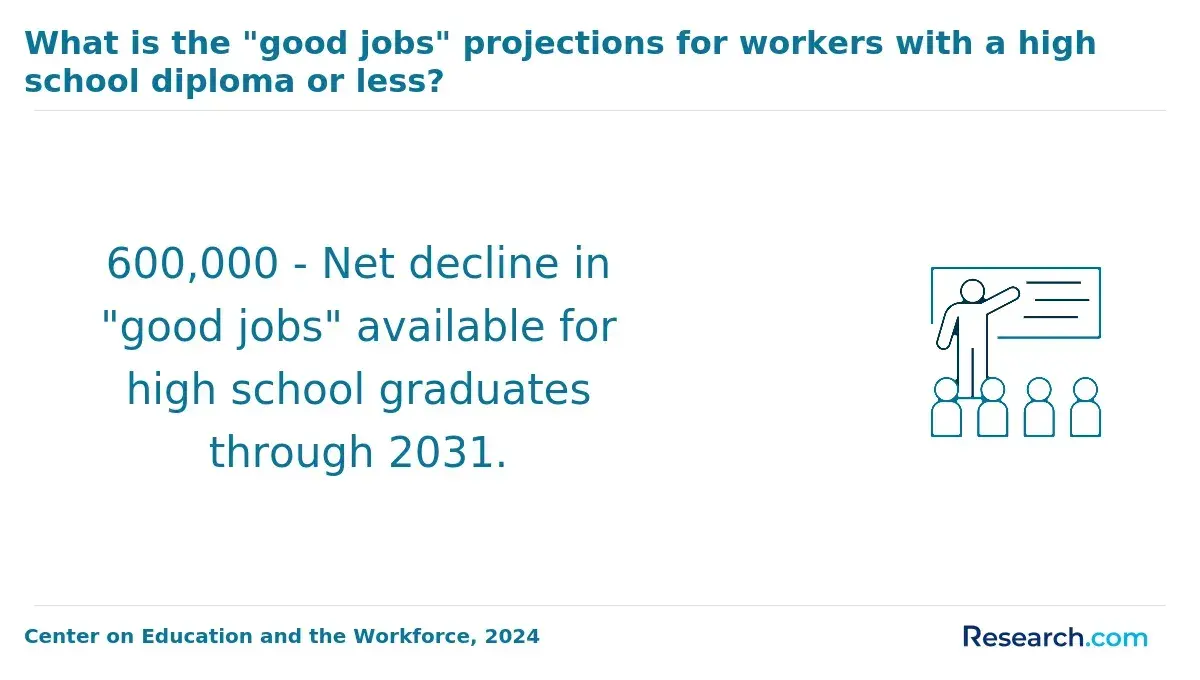
- Entry-Level Earnings: Graduates in the early stages typically earn between $40,000 and $50,000 yearly, surpassing bachelor's degree holders who often make around $35,000 to $40,000. This premium reflects the additional training and credentials gained through the master's program.
- Mid-Career Salary Growth: Counselors with five to ten years of experience generally see increases to a range of $55,000 to $65,000, compared to bachelor's degree holders whose wages usually level off near $45,000 to $50,000 during this period.
- Senior-Level Compensation: Experienced professionals with over a decade in the field can earn from $70,000 to $85,000 or higher, particularly in leadership or specialized clinical roles.
- Employment Sector Impact: Private practices often provide higher but less predictable incomes, while public and nonprofit employers offer steadier salaries with benefits, usually at a somewhat lower pay scale.
- Geographical Influence: Urban centers, especially coastal areas and states like California and New York, tend to offer elevated salaries due to living costs and demand, unlike more rural or central regions.
When speaking with a graduate from a clinical mental health counseling master's program, they shared how balancing coursework alongside part-time work was demanding but ultimately rewarding. They noted that the master's degree expanded their opportunities beyond entry-level roles. This individual emphasized that the investment in advanced education required careful budgeting during their studies but opened doors to more specialized clinical work and supervisory responsibilities not accessible with just a bachelor's degree.
How Does a Clinical Mental Health Counseling Master's Degree Impact Long-Term Career Advancement?
For those evaluating a clinical mental health counseling master's degree, understanding how it influences long-term career advancement is essential. Beyond the initial salary bump, this degree can impact promotion possibilities, leadership eligibility, and professional growth.
Below are key considerations that illustrate its broader career effects:
- Promotion Rates: Graduates with this master's degree often achieve higher promotion rates than those with only a bachelor's. The advanced skills and knowledge gained prepare them for supervisory and managerial positions, accelerating long-term career advancement with clinical mental health counseling degree benefits.
- Leadership Opportunities: Holding such a degree makes candidates more competitive for leadership roles like clinical director or program coordinator, as employers prioritize those with demonstrated clinical expertise and a commitment to the profession.
- Professional Credibility and Networks: Earning this advanced degree boosts credibility and opens access to broader professional networks, which are crucial for referrals, collaboration, and career development.
- Employer Preferences: Many healthcare and counseling organizations require or highly prefer a master's degree for senior roles, helping graduates stand out in competitive hiring and ensuring job security.
- Industry Variability: In private practices and hospital settings, the degree is often essential, while in community outreach programs it may be advantageous but not mandatory, reflecting diverse employer expectations.
- Continuing Education Foundations: This master's serves as a foundation for further studies, such as doctoral programs or professional certifications, expanding career and earning potential significantly.
Prospective students should also consider program affordability when planning their career trajectory; options such as an engineering degree online highlight the importance of cost-effectiveness in graduate education paths.
What Is the Return on Investment (ROI) of a Clinical Mental Health Counseling Master's Degree?
Prospective students can gain a clearer understanding of the financial and career outcomes associated with a clinical mental health counseling master's degree by examining several key factors. This overview highlights essential elements to consider when measuring the return on investment for this graduate program.
Here are the critical components:
- Total Program Cost: Expenses such as tuition, fees, and course materials vary widely. Public universities often charge between $20,000 and $50,000, while private institutions may exceed $70,000, impacting overall affordability.
- Lifetime Salary Premium: Those holding this degree typically secure higher wages compared to bachelor's graduates. Median annual earnings for licensed counselors generally range from $50,000 to $60,000, with potential growth depending on specialization and geographic region.
- Payback Period: On average, graduates recover their educational investment within 3 to 7 years. This timeframe fluctuates based on starting salary and how quickly one advances into higher-paying roles.
- Opportunity Cost: Full-time study often requires sacrificing current income and benefits, which can affect early-stage return calculations.
- Institution Type and Career Path: Accredited programs from recognized universities typically yield better employment prospects and salary outcomes. Choices between clinical practice and other counseling fields can cause significant variation in earnings and ROI.
- Use of ROI Tools: Online calculators help personalize ROI forecasts by factoring in tuition financing, salary expectations, and career trajectory.
A graduate I spoke with shared how the structured curriculum and supportive faculty helped streamline their transition from a different career. They recalled, "It was challenging to balance work and study, but having clear goals made it manageable." This individual emphasized how the degree opened doors to licensure and more specialized positions faster than anticipated, making the initial investment feel worthwhile despite upfront hardships.
What Are the Admission Requirements for a Clinical Mental Health Counseling Master's Program?
Admission to clinical mental health counseling master's programs generally hinges on a blend of academic qualifications and experiential evidence. While criteria differ across institutions, especially when comparing elite programs to more accessible ones, most applicants face similar requirements.
Below is an outline of typical components considered during the application review:
- Undergraduate GPA Benchmarks: A minimum GPA near 3.0 on a 4.0 scale is commonly expected to demonstrate stable academic achievement. More selective schools may set higher GPA thresholds or scrutinize applicants' grade improvements and course difficulty.
- Standardized Test Requirements: The GRE often remains a staple, though numerous programs have waived this, particularly following the pandemic. The GMAT is rarely relevant. Prospective students should verify specific institutional policies regarding these exams.
- Prerequisite Coursework: Foundational knowledge in psychology, human development, and statistics is frequently mandatory. Institutions may specify exact credit or course requirements to ensure readiness for graduate-level study.
- Statement of Purpose: This personal essay plays a crucial role by conveying motivation, professional objectives, and alignment with the program's goals. Crafting a thoughtful and specific statement helps distinguish candidates.
- Letters of Recommendation: Usually two or three are required, often from academic mentors or supervisors familiar with the applicant's strengths and potential for success in counseling.
- Relevant Experience: Practical or research exposure in mental health or related social services strengthens applications by evidencing preparedness for clinical work.
- Competitive Differentiators: Attributes such as diverse experiences, interpersonal skills, resilience, and engagement in volunteering or specialized internships often elevate an applicant's profile in a competitive pool.
What Is the Minimum GPA Requirement for a Clinical Mental Health Counseling Master's Program?
Minimum GPA requirements for clinical mental health counseling master's programs typically range from 2.5 to 3.0 on a 4.0 scale, but these thresholds vary widely depending on the institution's ranking and selectivity. Highly competitive programs often require a GPA closer to 3.5 or above, while less selective schools may accept candidates with GPAs slightly below 2.5 if supplemented by strong credentials. According to the Council for Accreditation of Counseling and Related Educational Programs (CACREP), GPA is just one factor among many considered during admissions evaluations.
Applicants with lower undergraduate GPAs can still present a competitive application by emphasizing other strengths. For those considering an online phd in leadership or similar advanced degrees, bolstering one's academic profile through post-baccalaureate coursework or professional experience is a proven strategy.
Key points to understand about minimum academic GPA standards for clinical mental health counseling graduate admission include:
- Typical GPA Thresholds: Most programs set minimum cumulative undergraduate GPAs between 2.5 and 3.0, with some variation reflecting institutional reputation and competitive admissions processes.
- Compensating Factors: A lower GPA may be offset by robust work experience, persuasive letters of recommendation, a compelling personal statement, or competitive GRE scores where required.
- Conditional Admission Options: Some programs offer conditional admission or probationary enrollment, allowing borderline applicants to demonstrate their academic ability during an initial trial period before full matriculation.
- Importance of Program Fit: Selecting programs whose admission criteria prioritize experience, diversity, or personal background can enhance acceptance chances beyond focusing solely on GPA.
- Application Strategies: Candidates with suboptimal GPAs should focus on strengthening other application components and consider additional coursework to improve their academic records.
Is an Online Clinical Mental Health Counseling Master's Degree as Valuable as an In-Person Degree?
For those evaluating whether to pursue a master's degree in clinical mental health counseling online or on campus, it's important to understand how employer and industry views have shifted, especially after remote learning became widespread during the COVID-19 pandemic. Consider these key points:
- Employer Acceptance Has Grown: Post-pandemic, employers increasingly recognize that online clinical mental health counseling degrees from accredited programs carry the same value as traditional ones. Accreditation remains the foremost criterion, rather than the mode of delivery, when judging a candidate's qualifications.
- Equivalent Academic Rigor: Online programs accredited by recognized bodies maintain curricula that meet identical standards to those offered in person, ensuring graduates meet licensing and certification requirements without compromise.
- Networking Varies by Format: While in-person programs often provide richer face-to-face engagement with peers and faculty, leading to stronger professional bonds, online students benefit from virtual networking opportunities, though these can lack the spontaneity and local connection of campus-based interactions.
- Career Services Differ: Campus programs typically have established local partnerships aiding internship placements and career counseling. Although online programs are enhancing their virtual support services, geographic limitations can restrict direct access to certain employers and agencies.
- Situations Suited to Online Degrees: Online formats offer vital flexibility for working adults, parents, or those in remote locations who cannot relocate. Accredited online options deliver quality education without the added costs and logistics of campus attendance.
- Advantages of In-Person Attendance: Students wanting immersive experiences, stronger community ties, or region-specific fieldwork opportunities often gain more from attending on-site programs where they can build local networks and access placements tied to particular geographic areas.
What Jobs Can You Get With a Clinical Mental Health Counseling Master's Degree?
For individuals holding a clinical mental health counseling master's degree, knowing which career paths offer the best financial and professional returns is crucial. Different roles vary in their degree requirements, licensure needs, and earning potential.
The following highlights key occupations where this credential plays a vital role, along with emerging opportunities shaped by evolving industry demands and technology:
- Licensed Professional Counselor (LPC): This core position almost always mandates a master's degree and official state licensure. LPCs operate in diverse settings like private clinics, hospitals, and community organizations, typically earning between $50,000 and $75,000, with higher wages often seen in metropolitan markets or niche specialties.
- Clinical Director or Program Manager: These leadership roles require experience beyond the degree, usually several years of clinical practice. Professionals in such posts manage counseling teams or clinic operations and generally receive salaries above $80,000, especially within larger healthcare institutions or nonprofits.
- Substance Abuse Counselor or Behavioral Therapist: While some jobs in this field accept certifications, possessing a master's degree significantly improves employment prospects and earnings. These counselors usually work in rehabilitation or correctional settings, earning $40,000 to $65,000 with room for professional growth.
- School or College Counselor: Educational counseling roles demand a master's degree and often additional certifications. Pay scales vary considerably by school district and educational level, usually ranging from $45,000 to $70,000.
- Telehealth Counselor: Growing alongside technological advances, telehealth counseling allows remote work but still requires licensure. Pay rates match traditional counseling roles, sometimes with added flexibility or bonus structures.
- Mental Health Researcher or Consultant: While doctoral degrees may be preferred in research-centric roles, an affordable online master's in clinical psychology may also offer a competitive edge. These professionals engage in applied research or policy consulting, with salaries commonly starting around $60,000, particularly in government or academic environments.
How Do Employers and Industries Value a Clinical Mental Health Counseling Master's Degree?
Prospective students evaluating the industry demand for clinical mental health counseling professionals benefit from understanding how various employer types perceive the master's degree in this field. Employer valuation affects hiring priorities and career advancement, influencing whether the degree delivers strong professional returns.
Being aware of disciplinary preferences and strategically communicating the degree's relevance can enhance employment prospects:
- Large Corporations: These employers often view the degree as essential for roles in employee wellness and corporate mental health initiatives, valuing its demonstration of clinical expertise and adherence to ethical standards.
- Government Agencies: Federal, state, and local agencies typically require the master's degree for licensed counseling positions, appreciating its practical orientation and alignment with regulatory demands.
- Startups: Startups may weigh flexible skills and relevant experience more heavily than formal credentials, yet holding a clinical mental health counseling master's degree can distinguish candidates in mental health-related roles.
- Nonprofits: Nonprofit organizations generally recognize this master's as the terminal degree within community-based counseling, prioritizing clinical practice and client interaction skills.
- Disciplinary Variation: In many counseling sectors, the master's degree is the professional standard, whereas research-driven or administrative roles may preferentially seek doctorates or MBAs.
- Communicating Degree Value: Applicants should emphasize applied skills, licensure eligibility, and measurable client outcomes, linking academic training to specific organizational goals during applications and interviews. Those interested in advancing their credentials might explore PsyD programs online to complement their master's qualifications.
Is a Clinical Mental Health Counseling Master's Degree Worth It?
Recognizing how employers value a clinical mental health counseling master's degree can shape career planning and application strategies. Different organizations prioritize this credential according to their operational needs and industry standards, affecting hiring and advancement prospects.
- Employer Type Variations: Large corporations and government entities typically treat the degree as a fundamental qualification, linking it closely with licensure and professional standards. In contrast, startups and nonprofit organizations may place more weight on hands-on experience but still acknowledge the master's as beneficial for specialized counseling roles.
- Industry Perceptions: Surveys reveal that roughly 70% of employers regard the clinical mental health counseling master's as a baseline credential for clinical counseling positions. This prevalence reflects confidence in the degree's role in ensuring competency and ethical practice within structured work environments.
- Disciplinary Context: Within clinical mental health counseling, the master's often serves as the terminal professional degree necessary for licensure, unlike sectors where a doctorate or MBA is favored for career progression. This distinction underscores the degree's critical function for clinical practice compliance.
- Effective Communication of Degree Value: Applicants should highlight licensure qualification, specialized clinical training, and relevant practicum experience. Demonstrating client outcomes and adherence to ethical decision-making enhances the degree's practical significance during interviews and on applications.
What Graduates Say About Their Clinical Mental Health Counseling Master's Degree
- Diana: "Applying for admission to the clinical mental health counseling master's program was initially daunting, but I found that carefully reviewing the official academic catalogs and accrediting agencies gave me a clearer sense of what to expect. This thorough preparation helped me approach the process with confidence and clarity. Now, navigating the diverse job landscape has been exciting, as the program's focus on practical skills opened doors I hadn't anticipated."
- Lisa: "Reflecting on my journey, relying on federal education resources to understand clinical mental health counseling degree requirements proved indispensable in managing course loads and practicum hours effectively. The admission process was straightforward once I knew exactly what materials to prepare, which diminished much of my initial anxiety. Entering the job market, I realized how diverse the opportunities are for graduates, from community health centers to private practices, enriching my career prospects."
- Kerry: "My experience in the clinical mental health counseling master's program was shaped by a professional approach to both academics and career planning. I depended heavily on official academic catalogs and accreditation information to ensure my program met rigorous standards. Applying was a strategic process, and today, as I explore employment options, I appreciate how the degree's recognition across industries validates the hard work I invested."
Other Things You Should Know About Clinical Mental Health Counseling Degrees
In 2027, aspiring Clinical Mental Health Counselors may face challenges such as student debt from tuition, balancing work and study commitments, and the emotional toll of addressing serious mental health issues. Additionally, regulatory changes may impact licensure requirements, necessitating careful planning and adaptation.
A clinical mental health counseling master's degree provides foundational knowledge and training required for licensure as a professional counselor, whereas certifications typically build on this foundation to demonstrate specialization or advanced competency in areas like addiction counseling or trauma therapy. While certifications can enhance job prospects and expertise, they usually require a master's degree and supervised experience as prerequisites. Therefore, the master's degree is essential for initial credentialing and practice, with certifications serving as complementary qualifications.
One major challenge of pursuing this degree is the time and financial commitment, as programs typically take two to three years to complete and may involve considerable tuition costs. Another risk is the competitive nature of practicum placements and post-graduation licensure requirements, which can delay entry into the workforce. Additionally, students must be prepared for the emotional demands of clinical work, including exposure to client trauma and maintaining professional boundaries.
References
- 25 Counseling Scholarships for Graduate Students https://teach.com/online-ed/counseling-degrees/best-online-counseling-programs/scholarships/
- Best Online Counseling Degree Programs 2025 https://www.psychology.org/rankings/best-online-counseling-programs/
- 5 High-Paying Jobs with a Master’s in Counseling| University of Bridgeport https://www.bridgeport.edu/news/high-paying-jobs-with-a-masters-in-counseling/
- 9 Careers With a Master’s in Clinical Mental Health Counseling https://www.thechicagoschool.edu/insight/career-development/careers-with-masters-degree-clinical-mental-health-counseling/
- 50+ Scholarships & Resources for Counseling Master's Students https://www.onlinemastersdegrees.org/student-resources/counseling/
- Master of Science in Clinical Mental Health Counseling https://bulletin.sfsu.edu/colleges/health-social-sciences/counseling/ms-clinical-rehabilitation-mental-health-counseling/
- M.A. in Clinical Mental Health Counseling Admission Requirements https://www.agnesscott.edu/graduate-studies/graduate-programs/mental-health-counseling/admission-clinical-mental-health-counseling.html
- Therapist Salary: Mental Health Counselor Salaries for 2025 https://www.allpsychologyschools.com/mental-health-counseling/salary/
- Master's Degree in Mental Health Counseling https://www.ccu.edu/ccu/counseling/mental-health-counseling/


