2027 Is a Higher Education & Adult Education Master's Degree Worth It? ROI, Salary & Career Impact

Co-Founder and Chief Data Scientist
Many prospective students wonder if a master's degree in higher education & adult education justifies its cost and time investment. Recent data shows that professionals holding this degree earn a median annual salary about 15% higher than those with only a bachelor's in education, yet student loan debt averages over $30,000. Workforce demand for specialized education roles is growing by 8% annually, intensifying competition for advanced credentials.
This article analyzes salary trends, ROI, employer expectations, and program costs to guide readers in deciding if pursuing this degree aligns with their career goals, financial situation, and long-term professional growth.
Key Things to Know About the Value of Higher Education & Adult Education Master's Degree
- Admission typically requires a bachelor's degree and relevant experience; programs often offer flexible formats, combining online and in-person courses to accommodate working professionals.
- Graduates can expect median salaries around $60,000-$75,000, with roles in administration, student affairs, and academic advising demonstrating steady demand.
- Long-term earning potential improves with experience and advanced credentials; comparing program cost, flexibility, and institutional reputation is essential for maximizing ROI.
How Much Does a Higher Education & Adult Education Master's Degree Cost?
The financial investment in a higher education & adult education master's degree varies widely depending on the type of institution, residency status, and program format. While the average price for adult education master's program fluctuates, graduates in this field can anticipate an average salary growth of about 8% over ten years according to labor statistics. Below is a breakdown of typical costs to help prospective students benchmark their options.
- Public In-State Tuition: Tuition for in-state students at public universities generally ranges from $8,000 to $15,000 annually. Since many master's programs run for two years, total tuition often falls between $16,000 and $30,000.
- Public Out-of-State Tuition: Out-of-state students face higher rates, roughly $15,000 to $30,000 per year, translating to total tuition costs of $30,000 to $60,000 for the full program.
- Private University Tuition: Private institutions usually charge $25,000 to $50,000 annually. This means students may pay from $50,000 up to $100,000 for a typical two-year degree.
- Online Program Fees: Tuition for online master's programs ranges considerably but often aligns with in-state public university rates, usually between $12,000 and $40,000 total. Online options can reduce expenses related to commuting and housing. Those interested in faster completion might explore accelerated speech pathology programs online, which share similar pricing dynamics.
- Ancillary Costs: Additional fees include textbooks ($1,000-$2,000 yearly), technology and campus fees ($500-$1,500 annually), and living expenses that average $10,000-$15,000 yearly, varying by location.
- Program Length and Format: Programs typically last between 18 months and three years. Accelerated or part-time formats may alter total cost and impact income during study if students reduce work hours.
What Financial Aid and Scholarships Are Available for Higher Education & Adult Education Master's Students?
Many prospective higher education & adult education master's students face significant costs, making financial aid options essential to consider. Approximately 80% of graduate students use some form of financial aid, highlighting its importance in managing tuition and related expenses. Below are key funding sources to explore when seeking financial aid options for higher education and adult education master's students.
- Federal Loans: Graduate students may obtain subsidized and unsubsidized federal loans. Subsidized loans are need-based, with the government paying interest during study, while unsubsidized loans begin accruing interest immediately. Repayment generally starts six months after graduation or dropping below half-time enrollment.
- Institutional Grants: Universities frequently offer grants for higher education & adult education master's candidates based on merit or financial need. These awards do not require repayment and often prioritize academic accomplishments and professional goals.
- External Scholarships: Organizations like the American Association for Adult and Continuing Education provide scholarships targeted at this field. Eligibility typically involves enrollment status, field of study, leadership, or community involvement.
- Discipline-Specific Funding Searches: Using databases such as Fastweb or Peterson's can help identify specialized scholarships and grants tailored to higher education & adult education. Aligning your applications closely with scholarship requirements improves success rates.
- Building a Competitive Application: Strong applications emphasize clear career objectives, relevant experience, academic records, and compelling personal statements. Letters of recommendation and community engagement further strengthen these submissions.
For those comparing educational investments, examining alternatives such as certifications that pay well alongside scholarships and grants available for higher education and adult education graduate programs can provide a broader understanding of return on investment.
What Is the Average Salary for Higher Education & Adult Education Master's Degree Holders?
Prospective students considering a higher education & adult education master's degree often weigh salary prospects as a key factor. Earnings vary considerably based on career stage, sector, and geographic location. Below are important considerations regarding compensation in this field.
- Experience Impacts Salary Levels: Entry-level graduates tend to earn between $45,000 and $60,000 annually, while professionals with five to ten years of experience typically see salaries ranging from $65,000 to $85,000. Seasoned experts, particularly those in leadership roles, can earn upwards of $90,000, demonstrating clear progression potential.
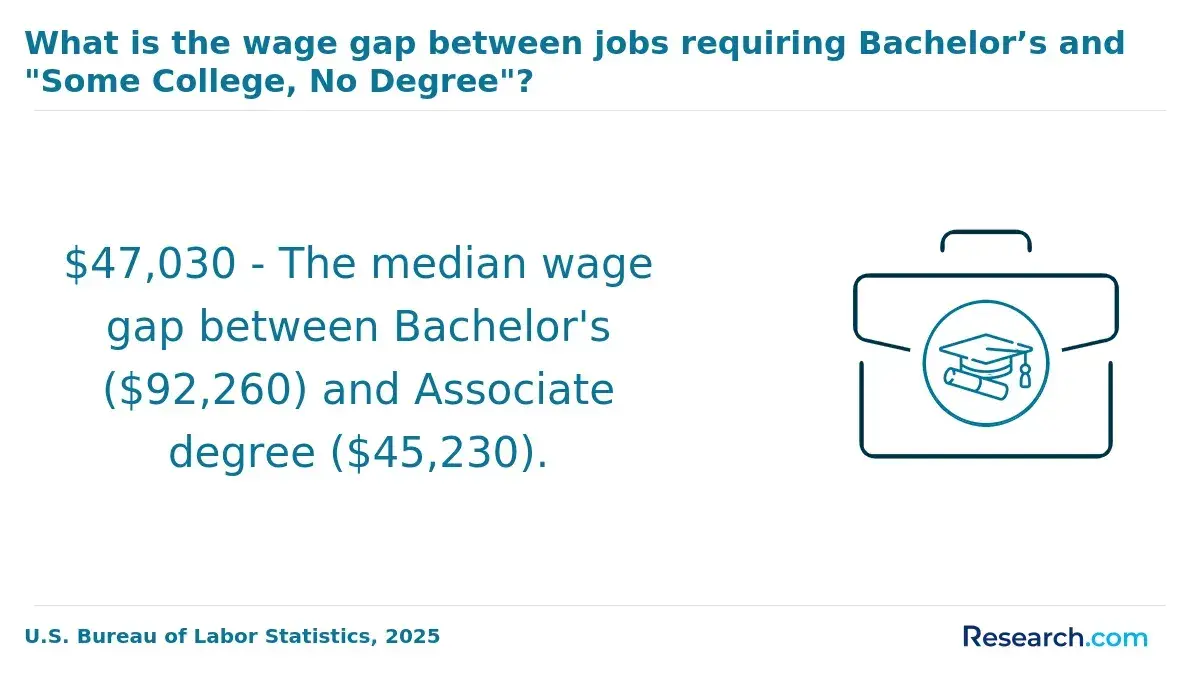
- Master's Degree Wage Premium: Those holding a master's graduate degree generally receive 15% to 25% higher pay than bachelor's degree holders in the same field. This advantage increases with specialization and tenure, underscoring the financial benefits of advanced education according to Bureau of Labor Statistics data.
- Sector-Specific Salary Differences: Private organizations and corporate training entities usually offer higher base salaries compared to public institutions and nonprofits, which may compensate with other benefits but tend to have lower pay scales.
- Regional Cost of Living Effects: Salaries are often higher in metropolitan areas, especially the Northeast and West Coast, where living expenses are elevated. Conversely, rural and smaller urban areas may offer more modest salaries balanced against lower costs.
A graduate I spoke with described the multifaceted journey of completing their higher education & adult education master's program while working full time. They recalled the challenges of managing coursework alongside professional responsibilities, emphasizing how the degree helped unlock new leadership opportunities and salary increases. Reflecting on the investment, they noted that the credential provided not only financial returns but also increased confidence and a broader network, which have been vital in advancing their career beyond initial expectations.
How Does a Higher Education & Adult Education Master's Degree Impact Long-Term Career Advancement?
Evaluating the long-term career benefits of a higher education and adult education master's degree is critical for prospective students aiming to advance beyond initial salary increases. This analysis highlights how earning this degree can enhance promotion opportunities, leadership access, and overall career trajectory. Key factors influencing professional growth include:
- Promotion Rates: Graduates with this master's degree generally achieve higher promotion rates than those with only a bachelor's, as employers recognize their advanced training as proof of dedication and expertise.
- Leadership Roles: Many educational institutions require or strongly favor candidates with a master's for leadership and administrative positions such as department heads or program coordinators, opening doors to these vital roles.
- Access to Senior Positions: Particularly in university administration and adult learning program management, this degree is often essential for attaining senior-level jobs that carry significant responsibility and influence.
- Professional Credibility: Holding a higher education and adult education master's degree enhances credibility among peers and supervisors, fostering increased trust and decision-making authority within organizations.
- Expanded Networks: Graduate programs facilitate lasting professional connections that can lead to collaborations, mentoring, and job opportunities well after graduation.
- Employer Preferences: Many employers prioritize candidates with master's credentials in hiring and promotion processes, reflecting a preference for demonstrated advanced knowledge and skills.
- Industry Variability: While essential in higher education institutions and public agencies, the degree is sometimes merely advantageous in corporate training or nonprofit sectors where work experience may carry greater weight.
- Continuing Education Foundations: This master's provides a strong foundation for further studies like doctoral programs or professional certifications, which can further boost career advancement and open specialized academic or professional paths.
Prospective students interested in expanding their qualifications might also explore opportunities related to an online counseling degree to complement their skills and career goals.
What Is the Return on Investment (ROI) of a Higher Education & Adult Education Master's Degree?
Prospective students considering a higher education & adult education master's degree gain valuable insight by examining the potential financial benefits relative to costs. This assessment highlights key factors to help estimate career outcomes and the typical timeline to justify the investment.
Here are the main elements influencing the return on investment (ROI) for this degree:
- Total Program Cost: Includes tuition, fees, and additional expenses like books and technology. Public universities usually offer more affordable tuition, whereas private or specialized programs may require a larger financial commitment.
- Lifetime Salary Premium: Graduates often enjoy salary increases between 10% and 20% compared to those holding only a bachelor's degree. These gains vary widely based on career path, sector, and geography.
- Payback Period: Typically, it takes between three and seven years to recover the total cost of the program through increased earnings. This period depends on how much extra income the graduate secures each year after completing the degree.
- Opportunity Cost: The income forgone during full-time study can significantly influence ROI. Part-time or online options may help reduce this financial sacrifice.
- Institution Type and Career Track: Graduates from reputable public institutions or those moving into leadership positions tend to experience higher ROI. Conversely, roles with limited salary growth may yield lower financial returns.
- Use of ROI Calculators: Utilizing online calculators that factor in customized salary projections, tuition costs, and loan interest can clarify individual financial outcomes and support better-informed decisions.
One graduate I spoke with reflected on the complexity of balancing work, study, and personal life during the program. They noted, "Managing my job alongside coursework was challenging, but the flexibility of the online format made it easier." Through careful budgeting and planning, they mitigated lost income while gaining skills that led to administrative promotion within three years. This personal experience highlights that while the financial payoff depends on many variables, thoughtful approaches can enhance the overall return.
What Are the Admission Requirements for a Higher Education & Adult Education Master's Program?
Master's programs in higher education & adult education generally evaluate candidates through a combination of academic and experiential factors. Admissions committees look for evidence that applicants possess the foundational knowledge and skills to succeed. Below are the key admission elements typically required by these programs:
- Undergraduate GPA Benchmarks: Candidates usually need a minimum GPA around 3.0 on a 4.0 scale to demonstrate consistent academic achievement. More competitive programs may require higher GPAs or offer conditional acceptance based on other strengths.
- Standardized Test Scores: Many programs request GRE scores, while some accept GMAT or waive testing based on applicant background. Performance on these exams can influence admissions decisions, especially at top-tier institutions.
- Prerequisite Coursework: Foundational classes in education, psychology, or related disciplines ensure that applicants have necessary baseline knowledge. Students missing prerequisites might need to complete additional courses either before or during enrollment.
- Statement of Purpose: This document enables applicants to express their goals, motivations, and alignment with program missions. A clear and compelling statement strengthens the application by demonstrating thoughtful commitment.
- Letters of Recommendation: Typically, two or three letters from academic or professional references are required. Strong endorsements that speak to the applicant's skills, experience, and potential impact add depth and credibility.
- Relevant Work or Research Experience: Prior involvement in educational settings, administration, or research often enhances applications by showcasing practical knowledge and dedication to the field.
- Competitive Applicant Differentiators: Outstanding candidates highlight leadership roles, published work, or community participation linked to education. Tailoring materials to illustrate unique strengths and clear career objectives can improve admission chances.
- Variation Across Institutions: Top-ranked programs tend to have stricter admission standards and place greater emphasis on academic records and experience, whereas less selective schools may prioritize potential and fit over rigid metrics.
What Is the Minimum GPA Requirement for a Higher Education & Adult Education Master's Program?
The minimum GPA requirement for graduate admissions gpa standards for higher education and adult education degrees typically depends on the selectivity and ranking of the institution. While many master's programs in this field set a baseline GPA of around 3.0 on a 4.0 scale, some more selective universities may require 3.3 or even 3.5 for admission. Yet, a lower undergraduate GPA does not automatically disqualify applicants; admissions committees often consider other strengths that demonstrate readiness and potential for success in advanced study.
Below are key points to consider when evaluating GPA expectations and alternatives.
- Common GPA Thresholds: Most programs expect a cumulative undergraduate GPA of at least 3.0, which signals satisfactory academic performance. Less competitive programs might accept candidates with GPAs as low as 2.75, depending on the overall profile of the applicant.
- Offsetting Low GPA: Applicants with subpar GPAs can strengthen their case by presenting strong professional experience, compelling personal statements, or high GRE scores. These elements help provide evidence of motivation and capability beyond academic records.
- Conditional Admission: Some universities provide conditional admission or probationary enrollment options for those whose GPA falls short but who show promise through other credentials. This allows students to prove themselves by meeting specific GPA standards during initial coursework.
- Strategies for Applicants: Candidates with lower GPAs should highlight relevant work achievements, seek strong recommendation letters, and invest in preparing for standardized tests. Connecting with program advisors and targeting schools with flexible admissions policies can also improve chances of acceptance.
For those researching advanced degrees, comparing GPA demands against financial and career goals is essential. Prospective students interested in related fields might explore options like online MFT programs to understand alternative pathways and financial considerations within graduate education.
Is an Online Higher Education & Adult Education Master's Degree as Valuable as an In-Person Degree?
Prospective students weighing the choice between online and in-person formats for a higher education & adult education master's degree often wonder about the impact on how employers perceive their credential. This topic is crucial as remote learning has become more widespread and employer attitudes have adjusted significantly post-pandemic. Below are key considerations regarding employer perceptions, program rigor, and the comparative benefits of each delivery mode.
- Employer Perceptions Have Shifted Positively: Since the pandemic accelerated remote education, many employers recognize online degrees from accredited institutions as credible and comparable to traditional in-person degrees. Research indicates that over 70% of employers value online credentials when the program is reputable and properly accredited.
- Academic Rigor Remains Consistent: Accredited online master's programs generally uphold the same standards, curriculum goals, and instructional expertise as their campus-based counterparts, ensuring students acquire equivalent competencies and knowledge regardless of the format.
- Networking Varies but Is Still Accessible: While in-person programs provide spontaneous networking and direct interaction, many online courses now offer virtual meetups, forums, and regional events to foster professional connections, though they may lack some informal networking advantages of on-campus settings.
- Career Services Differ by Format: Online students can access remote career support like counseling and interview prep, yet on-site career fairs and direct employer engagement often give campus students distinct opportunities beneficial for certain job markets.
- Accreditation Is the Primary Quality Indicator: Employers focus predominantly on the institution's accreditation rather than the delivery method, making the choice of a well-recognized accredited program essential for degree acceptance and value.
- When Online Study Makes Sense: Flexible online programs suit working adults, international learners, or those with family responsibilities, offering convenience without sacrificing educational quality if the program is established and accredited.
- When In-Person Learning Provides Advantages: Students seeking hands-on experiences, personalized mentorship, or local professional networks may benefit more from attending on campus where these elements are more readily available.
What Jobs Can You Get With a Higher Education & Adult Education Master's Degree?
Prospective students pursuing a higher education & adult education master's degree benefit from knowing which careers value this qualification as mandatory and which roles consider it an asset. This distinction clarifies where the degree directly influences eligibility versus where it enhances competitiveness in evolving professional landscapes. Below is an outline of prominent positions across different sectors relevant to graduates of these programs.
- Postsecondary Education Administrator: Typically requiring a master's degree as a baseline, these professionals oversee academic programs, enrollment management, and budgeting in colleges or universities. Median salaries hover near $97,500, with top-tier institutions offering considerably higher compensation.
- Training and Development Manager: Commonly found in corporate environments, this role benefits from an advanced degree by sharpening leadership and instructional design capabilities. The median pay is around $120,000, and certifications such as the Certified Professional in Learning and Performance (CPLP) further enhance job prospects.
- Adult Literacy and Continuing Education Instructor: Often a master's degree is required, especially for college-level teaching roles in community colleges or nonprofits. Compensation varies but averages approximately $56,000, with urban centers and specialized programs providing higher earnings.
- Educational Consultant: This growing field frequently values master's credentials to support expertise in applying technology and data analysis toward adult learning improvements. Salaries range from $65,000 to above $100,000, depending on sector and specialization.
- Student Affairs Professional: These roles support campus life and student development; advancement usually requires a master's degree. Average earnings sit near $60,000 but can increase with experience and leadership, particularly at research-intensive universities.
- Corporate Learning Specialist: Focused on adult workforce skill development, these positions benefit significantly from graduate training in professional development design. Salaries vary widely, with mid-career professionals earning about $70,000 and higher wages common in tech sectors.
How Do Employers and Industries Value a Higher Education & Adult Education Master's Degree?
Employer perceptions of higher education and adult education master's degree programs vary significantly by sector, affecting career advancement and hiring decisions. Understanding these differing views is critical for prospective students evaluating the industry demand for higher education and adult education master's graduates. This knowledge helps candidates emphasize relevant skills and experiences that align with employer expectations.
- Employer Type Variation: Large corporations often regard a master's degree as evidence of specialized knowledge and leadership ability, whereas government agencies may require it for roles tied to educational policy and training. Startups typically prioritize hands-on skills and adaptability over formal degrees, while nonprofits frequently value the master's for managing educational programs and community initiatives.
- Disciplinary Expectations: In fields like higher education administration and adult learning, the master's degree is usually the standard professional credential suitable for mid-level leadership roles. However, doctorate degrees are preferred in research-heavy academic positions, and business-related roles may favor an MBA rather than a master's in education.
- Industry Survey Data: Surveys indicate that about 60% of employers in education and training sectors recognize a master's as essential for career advancement. There is growing employer appreciation for candidates with specialized adult education skills capable of addressing evolving workforce development challenges.
- Communicating Degree Value: Job seekers should highlight how their degree delivered practical, sector-specific skills and leadership training. Emphasizing experience with project management, data-driven decision-making, and adult learning theories effectively translates academic credentials into workplace impact.
- Promotion and Salary Impact: Across industries, holding a master's degree often correlates with higher starting salaries and accelerated promotion tracks. Still, ongoing professional development and relevant work experience are crucial to fully leveraging the degree's benefits.
Students exploring career options may also consider related pathways, such as pursuing an affordable online construction management degree, depending on their interests and financial goals.
Is a Higher Education & Adult Education Master's Degree Worth It?
For prospective students considering a higher education & adult education master's degree, understanding how various employers perceive this credential is critical. Different sectors value the degree differently, influencing hiring and promotion outcomes.
- Employer Type Perspectives: Large corporations and government bodies often regard the master's degree as essential for roles in policy, administration, and training. Startups may emphasize practical experience more but still recognize the specialized skills the degree provides. Nonprofits generally prize the credential for leadership and program development positions, viewing it as evidence of dedication and expertise.
- Disciplinary Differences: In educational institutions and community colleges, the master's degree frequently serves as the standard terminal qualification for leadership and adult education roles. In contrast, universities and research-oriented organizations often favor candidates with doctoral or MBA degrees for senior administrative roles, particularly those related to strategic planning or financial management.
- Survey Insights: Industry surveys show that approximately 60-70% of hiring managers in education-focused fields see the master's degree as important for career progression. However, its perceived value varies based on job function and the size of the institution.
- Communicating Degree Value: Job seekers enhance their prospects by directly linking coursework and practicum experience to employer needs. Highlighting competencies such as program evaluation, leadership, and adult learning strategies can effectively demonstrate the practical relevance of the degree in professional settings.
What Graduates Say About Their Higher Education & Adult Education Master's Degree
- Rose: "Applying for admission to the higher education & adult education master's program was a transformative experience that challenged my expectations. The detailed guidance from official academic catalogs made understanding the degree requirements manageable, and I felt confident navigating the complexities. What truly helped was the insight into industries hiring graduates, which assured me that this path was a solid investment in my future career."
- Peter: "The job landscape for higher education & adult education master's graduates can seem daunting at first, but relying on federal education resources and accrediting agencies helped me identify roles aligned with my skills. Reflecting on my journey, I appreciate how the admission process set the tone for a rigorous and rewarding experience. It's rewarding to see how this degree opens doors in both academic and administrative sectors."
- Jordan: "My approach to managing the requirements of the higher education & adult education program was rooted in carefully studying the official academic catalogs and accreditation standards, which provided clarity and structure. Getting admitted was just the beginning; the most exciting part was exploring how diverse industries value this master's degree. I am enthusiastic about having made a decision that not only enhanced my knowledge but also expanded my professional opportunities."
Other Things You Should Know About Higher Education & Adult Education Degrees
A master's degree in higher education & adult education offers a broader and deeper understanding of institutional policies, student development, and educational theory compared to professional certifications. Certifications tend to focus on specific skills or knowledge areas for immediate job functions, such as academic advising or student affairs. While certifications can enhance certain credentials quickly, the master's degree provides a stronger foundation for leadership roles and career advancement in higher education administration.
Challenges include balancing coursework with professional and personal responsibilities, as many students in this field may be working while studying. Financial costs and potential student debt are considerable factors to consider. Additionally, the job market in higher education can be competitive and sensitive to budget cuts, which may affect job security and advancement opportunities after graduation.
In 2027, individuals with a Master's Degree in Higher Education & Adult Education can expect to earn a median salary ranging from $55,000 to $80,000 annually, depending on their role, location, and experience in the field. Factors such as additional certifications and specialization may also influence earning potential.
References
- Adult Education, M.S. https://suny.buffalostate.edu/programs/bpid/5
- Mastercard Foundation Scholars Program https://mastercardfdn.org/en/what-we-do/our-programs/mastercard-foundation-scholars-program/
- Professions for Master of Education - Friends University https://www.friends.edu/graduate/education-graduate/professions-master-education/
- What Can You Do With a Masters In Education? | NU https://www.nu.edu/blog/what-can-you-do-with-a-masters-in-education/
- How does a college degree improve graduates’ employment and earnings potential? - APLU https://www.aplu.org/our-work/4-policy-and-advocacy/publicuvalues/employment-earnings/
- Master's Programs | ACE https://ace.edu/degree-programs/masters-degrees/
- Can a Master’s in Education Increase Your Salary? https://www.ndnu.edu/articles/education/masters-in-education-salary.html
- How a Master's Degree Can Boost Your Career https://www.dbu.edu/blog/how-a-masters-degree-can-boost-your-career.html
- What Can You Do with a Master of Education Degree (M.Ed.)? https://www.yorkvilleu.ca/blog/what-can-you-do-with-a-master-of-education-degree/
- The Ministry of Science has new data on studies that offer good job prospects https://study.gov.pl/news/ministry-science-has-new-data-studies-offer-good-job-prospects