2027 Are Online Behavioral Health Master's Degrees Respected by Employers? Hiring Trends & Career Outcomes

Co-Founder and Chief Data Scientist
Consider a working professional who completed an online behavioral health master's program but faces skepticism during job interviews. Employers often question whether online degrees offer the same depth and practical training as traditional programs. This concern is reflected in a recent survey where 42% of hiring managers reported hesitancy toward online behavioral health credentials compared to campus-based ones.
Such doubts can impact salary offers and career progression for graduates. This article will examine how accreditation, institutional reputation, and evolving skills-based hiring trends influence the respect afforded to online behavioral health degrees and the career outcomes graduates can expect.
Key Benefits of Knowing Whether Online Behavioral Health Master's Degrees Are Respected by Employers
- Employers increasingly respect accredited online behavioral health degrees, recognizing graduates' comparable workplace performance and practical skills to traditional program alumni.
- Graduates holding online degrees report similar promotion rates and salary increases, with 67% advancing within five years compared to 70% from on-campus programs.
- Online behavioral health master's credentials expand career prospects by aligning with skills-based hiring trends, emphasizing competencies over educational delivery format.
How Have Employer Perceptions of Online Behavioral Health Master's Degrees Changed Over the Past Decade?
Employer perceptions regarding online behavioral health master's degrees have notably shifted since the early 2010s. Back then, widespread skepticism stemmed largely from the stigma attached to for-profit colleges, which undermined confidence in the rigor and credibility of online programs.
Early surveys showed many employers doubted whether such credentials were truly equivalent to traditional, campus-based degrees, especially in clinical fields like behavioral health.
The COVID-19 pandemic accelerated the evolution of employer acceptance for online behavioral health degrees by forcing rapid adoption of remote learning across higher education. This sudden shift normalized online education and encouraged many employers to reassess their biases.
According to a recent survey by Champlain College, 84% of employers now express greater acceptance of online education than before the pandemic, reflecting a measurable change in attitude and trends in hiring graduates with online behavioral health master's degrees.
Today, employers emphasize accreditation and institutional prestige as the primary criteria when evaluating online behavioral health programs. This quality-centric approach replaces previous concerns about delivery format, allowing online degree holders from reputable universities to compete fairly in the job market.
Prospective students exploring options may also find value in programs listed among easy online degrees that pay well as a resource for credential evaluation.
- Early Skepticism: Initial employer doubts centered on the negative reputation of for-profit colleges, limiting the acceptance of online behavioral health master's degrees despite rising enrollments.
- Pandemic Impact: The widespread shift to remote learning during the pandemic prompted employers to reevaluate online credentials across disciplines, including behavioral health.
- Data-Backed Shift: Recent evidence, such as Champlain College's 2023 survey, highlights that a substantial majority of employers now show increased openness to online degrees.
- Accreditation Emphasis: Accreditation and university reputation have become the key filters employers use to judge the validity of online behavioral health credentials.
- Focus on Quality: Employers prioritize graduate competencies and program rigor, acknowledging that well-respected online programs produce qualified professionals.
What Do Hiring Managers Actually Think About Online Behavioral Health Graduate Credentials?
Employer perceptions of online behavioral health master's degrees have shifted notably over the last decade. Surveys from the National Association of Colleges and Employers (NACE) and the Society for Human Resource Management (SHRM) reveal that many recruiters now see degrees from accredited online programs as comparable to traditional ones when the curriculum is rigorous and skills are clearly demonstrated.
However, acceptance varies by sector, company size, and geography, reflecting nuanced employer preferences for online behavioral health graduate credentials. Larger healthcare organizations and urban employers tend to value online degrees more due to greater exposure to diverse educational pathways. Smaller or rural employers may show more caution, often due to reduced familiarity with online education.
Recruiters emphasize program reputation and accreditation, noting that online degrees from respected universities carry significant weight. As one SHRM respondent explained, "We're focused on the candidate's knowledge and ability to apply it, not just how they earned their degree."
Clinical skills, hands-on experience, and well-crafted portfolios often weigh more heavily than simply whether the education was online or in-person. This perspective reflects a broader trend of diminishing bias against online credentials in professional fields, especially in behavioral health where applied competencies and communication skills are critical.
For graduate students evaluating programs and career outcomes, practical skills and alumni success increasingly influence hiring and salary negotiations. Those exploring affordable pathways may also consider options like the cheapest online PhD for related fields as part of their extended educational planning.
- Sectors Vary: Healthcare and large urban employers show greater acceptance of online behavioral health degrees due to broader exposure to alternative learning formats.
- Company Size Matters: Larger organizations are more open to online credentials, while smaller firms may still harbor some skepticism.
- Accreditation Is Key: Graduates from accredited, reputable programs face less employer skepticism regardless of delivery mode.
- Skill-Based Hiring: Employers prioritize clinical skills, portfolios, and internship experience over the educational format.
- Growing Acceptance: Survey data indicates decreasing bias against online behavioral health master's degrees as digital education quality improves.
Does Accreditation Determine Whether an Online Behavioral Health Master's Degree Is Respected?
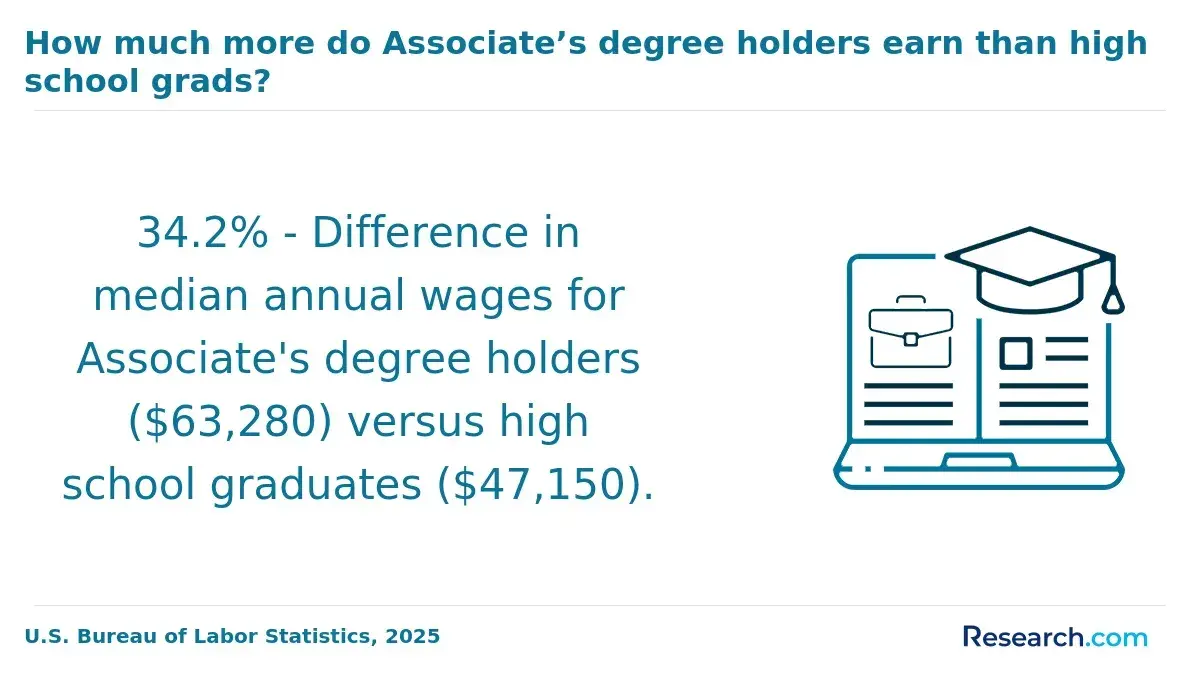
Employers and licensing authorities prioritize the type of accreditation when evaluating online behavioral health master's degrees. Regional accreditation certifies the entire school's academic quality and is often necessary for federal aid, but programmatic accreditation assesses the specific behavioral health program's curriculum, faculty expertise, and compliance with industry benchmarks.
This focused accreditation tends to carry greater weight with credentialing bodies because it aligns directly with professional standards and licensure requirements.
Prospective students should verify any program's accreditation through reliable resources such as the U.S. Department of Education's Database of Accredited Postsecondary Institutions and Programs (DAPIP) and the Council for Higher Education Accreditation (CHEA) directory. These tools help confirm authenticity and prevent enrollment in unaccredited or diploma mill institutions, which typically are disregarded in professional settings.
For behavioral health fields, discipline-specific accreditors like the Council on Social Work Education (CSWE) and the Commission on Accreditation for Marriage and Family Therapy Education (COAMFTE) endorse programs that meet rigorous academic and clinical criteria. Holding these specialized accreditations often enhances a graduate's competitiveness in the job market and facilitates licensure pathways.
Students must avoid unaccredited programs, regardless of format, as these rarely lead to professional credentials or employment opportunities. The growing trend of online graduate enrollment-over 40% of master's students in 2022 pursued online formats-reflects increasing recognition of well-accredited online degrees among employers when these programs meet established standards.
- Accreditation Types: Regional accreditation applies broadly to institutions, while programmatic accreditation targets specific behavioral health disciplines, often influencing employer and licensing decisions more directly.
- Verification Resources: The U.S. Department of Education's DAPIP and the CHEA directory provide official, up-to-date listings to confirm genuine accreditation.
- Discipline-Specific Standards: Accreditations like CSWE and COAMFTE validate that programs offer professional training aligned with licensure and competency expectations.
- Risks of Unaccredited Programs: Degrees lacking recognized accreditation usually prevent graduates from earning licenses or securing jobs in behavioral health professions.
- Online Degree Trends: A significant portion of graduate students now choose online options, contingent on programs maintaining reputable accreditation.
A professional who enrolled in an online behavioral health master's program shared that his journey was initially marked by uncertainty about whether employers would value a virtual degree. He emphasized the importance of confirmed accreditation, saying, "I had to dig into official databases to trust the program's legitimacy before committing."
He recalled moments of doubt, especially when applications came back without interviews, but found reassurance when a supervisor noted his degree's CSWE accreditation during a job offer discussion. He reflected, "Knowing the program was properly accredited gave me confidence and helped others see me as qualified despite the online format."
This experience highlighted how accreditation proved essential not only for acceptance in the field but also for personal peace of mind during his career transition.
How Does Institutional Reputation Affect the Value of an Online Behavioral Health Master's Degree in the Job Market?
Institutions granting online behavioral health master's degrees often carry a "brand premium," where the university's reputation transfers to its graduates, regardless of online or campus attendance. Prominent universities like Johns Hopkins University and the University of Southern California offer flagship online behavioral health programs that maintain identical faculty, curriculum rigor, and accreditation as their in-person counterparts.
This consistency plays a crucial role in how employers view applicants from these schools.
Data from employer-hiring pipelines, including surveys such as the National Association of Colleges and Employers (NACE) employer member reports, highlight that school name recognition remains a significant factor affecting employer perception. However, relying solely on prestige may be misplaced.
The impact of institutional accreditation on online behavioral health careers demonstrates that graduates from well-accredited mid-tier programs with strong industry partnerships and effective career placement services can achieve outcomes comparable to or better than those from higher-ranked universities with less robust employer connections.
Candidates should also consider practical skills and program relevance, as these increasingly influence hiring decisions alongside brand value. For those weighing program options, assessing alumni outcomes and employer networks is essential to understanding how an online behavioral health master's degree translates into salary negotiations, career advancement, and professional growth.
- Brand Premium: Prestigious institutions confer reputational benefits to their graduates, maintaining employer trust across online and on-campus programs.
- Flagship Consistency: Leading universities ensure online behavioral health degrees match the quality and standards of their traditional programs.
- Employer Recognition: Surveys like NACE reveal that firm name recognition shapes hiring preferences but is balanced by demonstrated competencies.
- Mid-Tier Advantage: Accredited programs with industry ties and strong career support often produce competitive or superior employment outcomes.
- Informed Decision-Making: Evaluating accreditation, employer connections, and program outcomes helps optimize professional value and growth.
Those exploring top paying degrees should similarly analyze how these factors influence career trajectories in behavioral health and beyond.
What Salary Outcomes Can Online Behavioral Health Master's Graduates Realistically Expect?
The 2024 BLS 'Education Pays' report highlights that workers with master's degrees earn notably higher median weekly wages and face lower unemployment rates compared to those holding only bachelor's degrees across various sectors. Focusing on behavioral health careers, median annual salaries for master's degree holders typically range from $50,000 to $70,000, while bachelor's graduates earn between $40,000 and $55,000.
This wage gap demonstrates the clear economic benefit of advanced education in this field.
When considering the difference between online and on-campus behavioral health graduate programs, research from New York University's School of Professional Studies and other institutions shows minimal salary variation linked solely to delivery format, provided the program quality, reputation, and specialization remain consistent.
This reflects increasing employer confidence in online credentials.
Prospective students should weigh return on investment carefully, taking into account tuition costs, program length, and expected salary increases. For instance, a two-year program costing $30,000 that results in a $15,000 yearly salary boost can allow graduates to recover their expenses within a few years after completion.
Additionally, online master's enrollments have grown by nearly 12% in 2023 according to the National Center for Education Statistics, underscoring the rising appeal of flexible, distance learning formats in behavioral health education.
- Salary Differentials: Master's degree holders in behavioral health earn approximately 20-30% more than bachelor's degree holders, per BLS data analysis.
- Delivery Format Equality: No significant salary differences are found between online and on-campus graduates when accounting for program variables.
- Financial Feasibility: Evaluating tuition, duration, and income gains helps determine the potential return on investment for online behavioral health degrees.
- Employer Confidence: Accreditation and institutional reputation remain key factors influencing employer acceptance of online degrees.
- Enrollment Growth: Steady increases in online master's program participation indicate expanding opportunities and acceptance in the field.
I recently spoke with a professional who built her career after completing an online behavioral health master's degree. She recounted initial skepticism about whether her online credential would hold weight during salary negotiations and job searches. However, she found that her program's strong accreditation and practical training were immediately recognized by employers.
The flexibility of online study allowed her to maintain work while advancing her education, enabling a prompt salary increase shortly after graduation. Reflecting on the journey, she emphasized that while the online format posed challenges like self-discipline and time management, the career payoff made the experience rewarding and well worth the effort.
Which Behavioral Health Industries and Employers Are Most Receptive to Online Master's Degree Holders?
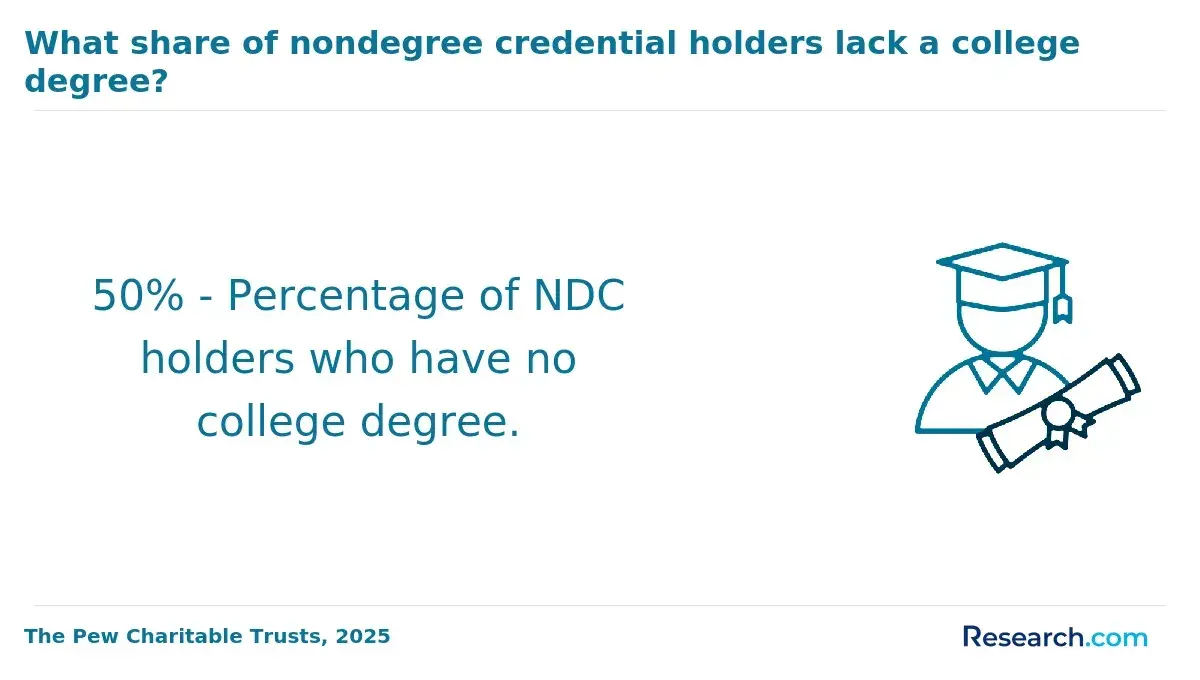
Within the behavioral health arena, employers' acceptance of online master's degrees varies notably by sector. Healthcare organizations and government agencies top the list, consistently showing openness to credentials earned through accredited online programs. Nonprofit organizations follow closely, valuing demonstrated skills and alignment with their mission over the format of the degree.
On the other hand, consulting and technology firms have traditionally preferred traditional degrees but are progressively shifting toward evaluating candidates based on skills and experience, rather than solely on where their degree was obtained.
The move toward skills-based hiring is gaining momentum. According to the National Association of Colleges and Employers' Job Outlook 2026 survey, 70% of employers prioritize relevant competencies over educational format, which benefits graduates from online programs by focusing on what candidates can do rather than how they earned their degrees.
This trend is helping to close the gap between online and campus-based degree holders across many behavioral health-related industries.
Large healthcare entities, including several Fortune 500 companies, have started actively recruiting graduates from accredited online behavioral health programs. Public sector employers at the state and local levels also frequently accept online credentials, especially for positions requiring professional licenses or certifications.
These employers often prioritize accreditation and proven professional experience instead of rigid degree-format standards.
When evaluating the acceptance of online degrees, it is essential to rely on documented evidence and employer policies. Anecdotal claims without clear citation should be treated cautiously.
Prospective students should focus on factors like institutional accreditation, alumni career outcomes, and meaningful employer partnerships to assess the credibility and value of an online behavioral health degree.
- Sector Acceptance Ranking: Healthcare and government employers lead online degree acceptance, followed by nonprofits and then consulting and technology sectors slowly embracing skills-based evaluation.
- Skills-Based Hiring: Seventy percent of employers now assess candidates based on skills, leveling the field for online program graduates across various industries.
- Employer Profiles: Major healthcare organizations and public agencies often recruit online degree holders; some large corporations waive strict degree format requirements.
- Accreditation and Reputation: Employer focus lies on accredited programs with strong alumni outcomes rather than the modality of degree delivery.
- Data-Driven Insight: Valid assessments require transparent employer policies and verifiable data, avoiding unsupported generalizations about acceptance.
How Do Online Behavioral Health Master's Programs Compare to On-Campus Programs in Terms of Curriculum and Academic Rigor?
Many online behavioral health master's programs offered by established universities mirror their on-campus counterparts in curriculum, faculty, and assessments. This curriculum equivalency ensures that graduates, whether online or in person, achieve comparable learning outcomes, which builds employer trust in the value of these degrees.
Regional and programmatic accreditation agencies require online programs to meet rigorous quality benchmarks, guaranteeing that academic standards remain consistent across delivery methods. Such accreditation reassures employers that an accredited online degree meets the same academic threshold as traditional formats.
Peer interaction and collaborative learning, often cited as challenges in online education, are addressed through synchronous classes, virtual cohorts, and project-based assignments. These elements replicate the team dynamics and communication skills critical to behavioral health careers.
However, some specializations have hands-on lab or clinical placement requirements that cannot be fully completed online. Leading programs work with local agencies to arrange these essential in-person experiences, ensuring students satisfy all practicum components.
Data from the National Center for Education Statistics indicates a 20% growth in enrollment in online graduate programs between 2019 and 2022, reflecting growing employer acceptance of remote credentials in behavioral health fields.
- Curriculum Equivalence: Online and on-campus programs share identical syllabi, faculty, and assessments, ensuring consistent academic rigor.
- Accreditation Standards: Regional and programmatic accrediting bodies enforce quality benchmarks across delivery methods, safeguarding employer confidence.
- Collaborative Learning: Virtual cohorts and synchronous sessions foster essential peer engagement and teamwork skills.
- Clinical Requirements: Partnerships with local clinics enable fulfillment of practica and hands-on lab components.
- Enrollment Growth: Online behavioral health master's programs have seen a 20% rise in enrollment, signaling increasing market acceptance.
What Role Does the Online Learning Format Play in Developing Job-Ready Skills for Behavioral Health Careers?
Online learning in behavioral health master's programs has transitioned from skepticism to recognition as an asset in developing job-ready skills. Self-directed study cultivates critical capabilities such as time management and discipline, aligning with the National Association of Colleges and Employers (NACE) career readiness framework's emphasis on practical skills.
Additionally, digital collaboration tools and asynchronous communication foster project management and digital literacy-competencies increasingly valued by employers in a remote and hybrid work environment.
Curriculum designers in accredited online behavioral health programs intentionally integrate assignments, case studies, and interactive projects that build these competencies despite lacking a traditional campus. Employer surveys and graduate outcome data reveal that alumni of online programs often match or exceed the practical skills of their on-campus peers, contributing to the positive impact of virtual learning on behavioral health career skills development.
However, online students must compensate for fewer in-person networking opportunities by proactively engaging in virtual career fairs, mentorship, and professional groups.
- Self-Directed Learning: Online behavioral health programs demand independent schedule management and study planning, fostering self-motivation and time management that employers value.
- Digital Collaboration: Utilizing forums, video conferencing, and shared tools replicates workforce communication, preparing students for real-world team environments.
- Curriculum Design: Practical assignments and case studies embedded in courses align with employer expectations, ensuring applicable skill development.
- Comparable Skill Levels: Data from employers and graduate outcomes suggest online graduates possess skills equal to or surpassing those of traditional students.
- Networking Challenges: Online learners need to proactively seek mentorship and industry connections to balance fewer face-to-face interactions.
Prospective students interested in affordable options might consider exploring the cheapest psychology degree online to evaluate cost alongside program quality and outcomes.
What Do Graduate Employment Outcomes and Alumni Data Reveal About Online Behavioral Health Master's Degrees?
Graduate employment outcomes and alumni career data offer critical insights into the real-world value of an online behavioral health master's degree. Prospective students should request official placement rates, median salaries, and employer partner lists directly from programs to evaluate how graduates perform in the job market.
This detailed, program-level information is more instructive than broad statistics or promotional claims.
The National Center for Education Statistics' IPEDS graduation rate data and the National Association of Colleges and Employers (NACE) graduate outcomes benchmarks provide useful external frameworks for comparison. By measuring a program's published outcomes against these sector averages, applicants can discern whether graduates achieve competitive success or lag behind typical employment markers.
Self-reported employment data from schools may be biased or unverified, often overstating graduate success. Programs that have their outcomes audited by independent accounting firms or validated through third-party surveys like those conducted by NACE offer more trustworthy evidence of graduate achievement and program rigor. Such verified employment outcomes are crucial in assessing true program quality.
Employer acceptance of online behavioral health degrees has increased as accreditation standards and institutional reputation have strengthened. Skills-based hiring trends increasingly value demonstrated competencies, underscoring the importance of alumni career outcomes for behavioral health graduates.
These outcomes significantly affect salary negotiations and long-term career growth.
Students exploring online options should also consider cost efficiency, comparing pathways such as the cheapest cybersecurity degree programs, which exemplify transparent employment data reporting and affordability.
- Request Official Data: Directly obtain placement rates, salaries, and employer partnerships from online behavioral health programs before enrolling to assess graduate success accurately.
- Use External Benchmarks: Compare program outcomes against NCES IPEDS and NACE benchmarks to evaluate relative performance within the sector.
- Verify Data Reliability: Favor programs with third-party audited outcomes or independently validated surveys over self-reported employment statistics.
- Accreditation Matters: Recognize that accredited institutions with reputable online behavioral health programs gain stronger employer acceptance.
- Alumni Outcomes Impact: Consider alumni career outcomes for behavioral health graduates as a key factor in salary potential and professional advancement.
What Are the Biggest Misconceptions Employers Have About Online Behavioral Health Master's Degrees?
Despite lingering doubts, many outdated myths about online behavioral health master's degrees no longer hold true. One major misconception is that these degrees suggest weaker academic performance. However, a recent Excelsior College and Zogby Poll revealed that 83% of executives regard online degrees as equally credible compared to traditional programs. Another false belief is that online behavioral health programs commonly lack accreditation.
Reputable online degrees undergo rigorous reviews identical to campus-based offerings, ensuring graduates have trustworthy qualifications. Additionally, people often assume online programs are easier or quicker, implying less dedication.
In fact, accredited online behavioral health programs enforce strict academic standards and require comparable effort and time commitments. The growing acceptance of remote work, along with top-tier universities expanding into online education, has reduced the stigma attached to online credentials.
Today's employers prioritize skills and outcomes over the mode of learning, closing the credibility gap significantly.
- Academic Rigor: Accredited online behavioral health programs uphold demanding standards equal to traditional degrees, disproving myths about reduced difficulty.
- Accreditation Validity: Online degrees recognized by reputable accrediting bodies guarantee professional credibility and employer trust.
- Employer Acceptance: The majority of hiring managers now view online qualifications as equally legitimate, reflecting widespread market confidence.
- Remote Work Influence: The shift toward virtual workplaces supports the normalization and respect of online academic credentials.
- Elite Institution Presence: Online programs offered by prestigious universities boost the perceived value and prestige of these degrees.
What Is the Long-Term Career Outlook for Professionals Who Hold an Online Behavioral Health Master's Degree?
Occupations closely linked to behavioral health that typically require or benefit from a master's degree-such as mental health counselors, marriage and family therapists, and social workers-are forecasted to grow between 15% and 23% through 2032, according to BLS data.
Median annual salaries for these jobs span from around $48,000 for social workers up to over $60,000 for specialized therapists, reflecting solid income potential.
Research from the BLS Monthly Labor Review shows a notable earnings increase tied to earning an advanced degree, with average wages rising by approximately $24,588 annually-from about $69,459 before to $94,047 after obtaining the degree-in related occupations.
This financial boost highlights the value of pursuing a behavioral health master's.
Once professionals build a strong performance record, the distinction between an online or traditional master's degree generally becomes irrelevant to employers and promotion panels, who focus instead on proven skills and results.
Enrollment figures from the National Center for Education Statistics reflect this acceptance trend, showing that over 2.5 million graduate students studied exclusively online in 2023-24. This widespread adoption signals expanding employer confidence in online behavioral health degrees.
- Projected Job Growth: Behavioral health-related roles requiring master's degrees are expected to grow 15%-23%, outpacing average job market growth and offering substantial opportunities.
- Salary Advancement: Completing an advanced degree corresponds with an average annual wage increase of more than $24,000 across relevant fields, affirming the degree's financial impact.
- Credential Longevity: Degree format matters less over time, as employers prioritize demonstrated experience and results over whether a master's was earned online or in person.
- Growing Online Enrollment: With more than 2.5 million graduate students enrolled exclusively online, the format is now mainstream and widely accepted by employers.
What Graduates Say About Employer Reception to Their Online Behavioral Health Master's Degree
- Linnea: "Completing my online behavioral health master's degree was a game-changer professionally. My employer was initially skeptical about the value of an online program, but once they saw the accredited curriculum and my practical skills in action, their confidence grew rapidly. It has definitely opened doors and made me feel more empowered in my role."
- Samuel: "I chose an accredited online behavioral health master's degree because I knew credibility mattered in this field. Reflecting on my experience, the acceptance from my workplace exceeded my expectations-they viewed my degree as just as rigorous as traditional programs. This has made a profound impact on my career shift and growth."
- Eleanor: "My employer was very supportive of my decision to pursue an online behavioral health master's degree, especially since it was accredited and flexible with my schedule. This program gave me the confidence to transition careers smoothly, and I now feel well-prepared to contribute meaningfully in my new professional setting."
Other Things You Should Know About Behavioral Health Degrees
Yes, professional licensure or certification is often essential for employment in behavioral health fields. Employers prioritize licensed professionals for roles requiring direct patient care, underscoring the importance of ensuring your online program meets accreditation standards needed for licensure exams.
Skills-based hiring emphasizes demonstrated competencies over the mode of education. Employers increasingly value practical skills such as clinical assessment, case management, and culturally competent care. Online behavioral health master's programs that emphasize hands-on training and fieldwork report better employer reception, as graduates can prove their readiness with tangible experience alongside their degrees.
Students should ask if the program is accredited by a recognized agency, whether it meets state licensure requirements, and what opportunities exist for supervised fieldwork or internships. It is also important to inquire about the program's reputation in the industry and employment rates of graduates to gauge employer acceptance. Understanding how the program prepares students for certification exams is equally crucial.
References
- What Employers need to know about EAPs and Digital Mental Health https://www.starlingminds.com/what-employers-need-to-know-about-eaps-and-digital-therapy/
- The Myths of Online Learning Dispelled - Healthcare Management Degree Guide https://www.healthcare-management-degree.net/faq/the-myths-of-online-learning-dispelled/
- Why Pursue an Online Counseling Degree? | University of Bridgeport https://www.bridgeport.edu/news/pursue-an-online-counseling-degree-now/
- The Ultimate Guide to Accreditation for Master’s Students https://www.onlinemastersdegrees.org/student-resources/graduate-school-accreditation/
- A comparative study for mental health challenges of students: Online versus on-campus education https://www.cedtech.net/article/a-comparative-study-for-mental-health-challenges-of-students-online-versus-on-campus-education-13337
- The Long-Term Impact of Online Learning on Career Development: Health Sciences | Caduceus https://cipcourses.com/blog/the-long-term-impact-of-online-learning-on-career-development-health-sciences/
- 10 Fulfilling Mental Health Careers You Can Train for Now | Palo Alto University https://paloaltou.edu/resources/blog/mental-health-careers-you-can-start-now
- Master’s in Psychology - Is it Worth it? https://onlinecounselingprograms.com/online-counseling-degrees/online-masters-in-psychology/reasons-get-masters-in-psychology/
- Online Master’s in Psychology: Job Roles and Career Opportunities - SNHU https://in.snhu.edu/blogs/online-master-in-psychology-degree-job-roles-and-career-scope
- Mastering Behavioral Health: Is a Master’s Degree Right for You? https://masterspublichealth.com/masters-in-behavioral-health/