
2027 Online vs On-Campus Behavioral Health Degree Programs: Pros & Cons

Co-Founder and Chief Data Scientist
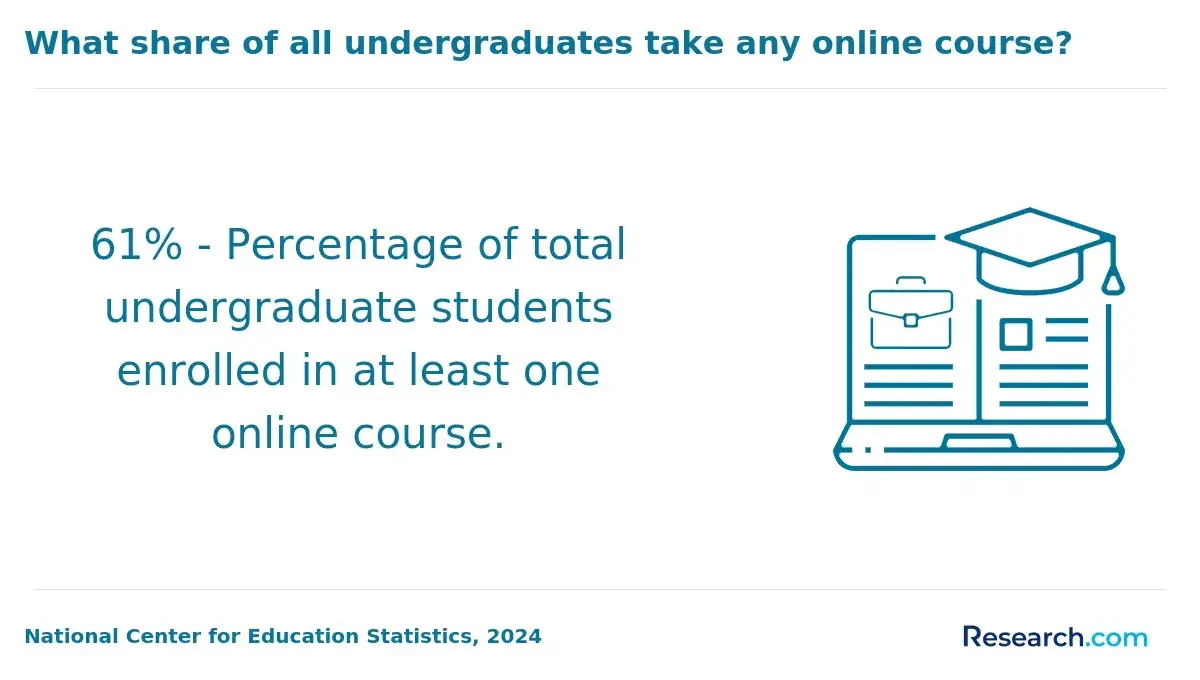
The rising demand for flexible education has propelled online behavioral health degree programs into the spotlight. According to the National Center for Education Statistics, over 40% of U.S. college students have enrolled in at least one online course in recent years. This trend underscores the growing appeal of remote learning options for many prospective students.
This article provides a detailed comparison of online and on-campus behavioral health degree programs, focusing on key factors such as flexibility, cost, learning experiences, and career outcomes. The analysis aims to equip readers with informed insights to make strategic decisions about their educational pathways.
Key Benefits of Online vs On-Campus Behavioral Health Degrees
- Online behavioral health degree programs offer flexibility, allowing 75% of students to balance work and study effectively, which is ideal for those with busy schedules.
- Distance learners often save on average 40% in costs related to commuting and housing, making online programs more affordable overall.
- On-campus programs provide direct access to hands-on training and immediate interaction with faculty, which 68% of employers value for practical skill development in behavioral health careers.
Are Online vs. On-Campus Behavioral Health Programs Structured the Same Way?
Online and on-campus behavioral health degree programs differ significantly in how courses are structured, delivered, and how students engage with the material and their peers. These differences shape the learning environment and influence the overall student experience.
The following comparison highlights key structural elements that distinguish online and on-campus behavioral health programs.
- Course Delivery: Online programs use digital platforms offering access to lectures, readings, and assignments at any time, allowing for self-paced learning through interactive modules and multimedia content. On-campus programs deliver courses in face-to-face settings with live lectures and discussions, fostering immediate feedback and a more traditional classroom experience.
- Class Schedules: Online formats provide flexibility by letting students decide when to engage with course materials, making it easier to balance studies with work or family commitments. In contrast, on-campus programs require attendance at scheduled classes, which helps maintain routine but may be less adaptable for those with external obligations.
- Interaction and Collaboration: Online students connect through discussion forums, video calls, and chat features, enabling collaboration but with less immediacy than in-person conversations. On-campus students benefit from direct, face-to-face interaction via group projects and classroom discussions, which can enhance networking and deepen peer relationships.
- Student Engagement: Technology in online programs supports engagement through assignment reminders and structured digital feedback, demanding strong self-motivation and discipline. On-campus programs offer hands-on experiences with direct supervision, benefiting students who thrive under structured support and external accountability.
Are Admission Requirements the Same for Online vs On-Campus Behavioral Health Degree Programs?
Colleges and universities maintain consistent academic standards for online and on-campus behavioral health degree programs to ensure that graduates meet equivalent licensing and professional requirements. However, they may differ in evaluating an applicant's readiness for online learning, including technical skills and self-motivation.
Here is a comparison of the key similarities and differences in admission requirements between online and on-campus behavioral health programs:
- Academic Qualifications: Both formats usually require a bachelor's degree from an accredited institution with a minimum GPA, typically ranging from 2.5 to 3.0. Some online programs may accept slightly lower GPAs if applicants demonstrate recent academic improvement or hold relevant certifications.
- Work Experience: Prior experience in mental health or human services is valued in both types, but online programs often emphasize applicants' ability to work independently, as shown through professional or volunteer work. Some online programs explicitly recommend or require such experience to ensure self-discipline for remote study.
- Application Materials: Applicants generally submit a completed application, personal statement, transcripts, and recommendation letters for both. Online programs may request additional documents showing technical readiness or a written commitment to attend in-person practicum placements within a specified geographic radius.
- Interview Process: In-person interviews and group discussions via online platforms are used in both formats. However, online programs frequently conduct remote interviews focusing on applicants' preparedness for virtual collaboration and independent study.
- Geographic and Citizenship Restrictions: Online programs might limit eligibility to residents of certain states or require U.S. citizenship, whereas on-campus programs often accept a broader range of applicants, including international students.
- Standardized Tests: Most behavioral health programs do not require GRE scores regardless of format, though non-native English speakers applying online may need to provide English proficiency test results.
For those exploring behavioral health degree online admission requirements, understanding these distinctions helps determine the best fit. Students interested in accelerated pathways might also consider options like the 1 year masters program, which can be available in an online format.
Do Online Behavioral Health Students Receive the Same Academic Support as On-Campus Students?
Universities have significantly expanded their academic support systems in recent years to ensure that online behavioral health students receive resources and assistance comparable to those available for their on-campus peers. This effort reflects growing recognition of the need for equitable educational experiences regardless of learning format.
Below is a comparison of the main academic support services typically offered to both online and on-campus behavioral health students.
- Tutoring Services: Universities provide virtual tutoring for online students using video calls, chat, and shared digital workspaces, paralleling the face-to-face tutoring available on campus. These services enable students from both formats to master course material and enhance their academic performance.
- Academic Advising: Online advising is accessible via email, phone, and video conferencing, allowing students to consult regularly with advisors about course selection, degree planning, and career goals. On-campus students benefit from in-person meetings, though both groups report high satisfaction when advisors are reachable and responsive.
- Library Access: Digital libraries grant online students full access to research databases, e-books, and scholarly articles, similar to the physical and electronic resources available on campus. While on-campus students may use in-person library services, online learners often engage through virtual librarian consultations to support their research needs.
- Faculty Interaction: Behavioral health faculty engage online students through discussion boards, scheduled video meetings, and timely email feedback, fostering meaningful academic support and mentorship. On-campus students enjoy face-to-face interactions, but structured online communication can be equally effective for building relationships.
- Mental Health and Wellness Services: Institutions increasingly offer remote counseling, wellness workshops, and crisis hotlines to online students, mirroring on-campus mental health offerings. Some online learners, however, seek more tailored virtual support to address specific challenges they face.
How Long Does It Take to Complete an Online vs an On-Campus Behavioral Health Degree?
The time it takes to complete a behavioral health degree varies widely based on the program's delivery format, the student's individual pace, and the flexibility of their schedule. Whether choosing an online or on-campus program, these factors play a crucial role in shaping the overall duration of study. Here is a comparison of average completion times and flexibility between online and on-campus behavioral health degree programs.
Below is a breakdown of the typical timelines and factors influencing graduation pace for each format:
- Online Behavioral Health Degree: Most online bachelor's programs are designed with a standard four-year timeline similar to on-campus options, but they offer greater flexibility through asynchronous classes and year-round enrollment. Motivated students, especially those with transfer credits, may accelerate completion to as little as 12-18 months by taking advantage of accelerated tracks and summer sessions, which is ideal for working professionals or those balancing family commitments.
- On-Campus Behavioral Health Degree: On-campus programs typically follow a structured, semester-based schedule with a standard four-year completion time for full-time students. These programs provide less flexibility for acceleration, though some institutions offer summer courses or credit for prior learning. The set class times and face-to-face format support routine but can delay graduation if students must reduce course loads or retake classes due to scheduling conflicts.
A professional who pursued an online behavioral health degree shared that his experience highlighted the unique timing challenges and benefits of distance learning. He explained that juggling a full-time job and family made the program's flexible pacing essential, allowing him to spread coursework over about two and a half years, longer than accelerated options but faster than a traditional four-year plan.
"The ability to choose when and how fast I studied made all the difference," he reflected. Though occasionally feeling overwhelmed, he valued the freedom to adjust his schedule around personal obligations without compromising progress. His journey underscored how online programs can cater to diverse life situations, making degree completion feasible where a rigid campus schedule might not have.
Are Online Behavioral Health Programs Cheaper Than On-Campus Ones?
Tuition, fees, and related expenses for behavioral health degree programs can vary significantly depending on whether students choose online or on-campus study formats. Generally, online behavioral health programs tend to be less expensive, mainly due to differences in living costs and fee structures.
Below is a detailed breakdown of the main cost factors influencing the total price of each learning format to help understand where savings typically occur and where costs may be comparable.
- Tuition and Fees: Online programs often offer lower base tuition rates, and many public institutions provide in-state tuition to all online students regardless of residency. For instance, the average total cost for an online psychiatric nurse practitioner program ranges from $35,000 to $70,000, compared to $45,000 to $90,000 for similar on-campus programs. However, some online programs may charge additional technology or distance learning fees, so it's important to review fee structures carefully.
- Living Expenses: One of the largest savings for online students comes from reduced housing, meal plans, and commuting costs since they can study from their current location without relocating. In contrast, on-campus students often face higher living expenses, including dormitory fees, meal plans, transportation, and parking, which can significantly increase overall costs.
- Technology Costs: While online students save money by avoiding travel, they may incur extra expenses for reliable internet access, computer equipment, and specialized software. Although technology fees can add several hundred to a few thousand dollars over the course of a degree, these expenses are usually outweighed by savings on housing and commuting.
- Financial Aid Availability: Both online and on-campus students are generally eligible for federal financial aid, scholarships, and employer tuition assistance. Some online programs even provide specific scholarships for distance learners, and the ability to continue working while studying online can help offset costs more effectively.
- Schedule Flexibility and Opportunity Cost: The flexible nature of online behavioral health degrees usually allows students to maintain employment during their studies, reducing lost income and enhancing affordability. Conversely, on-campus schedules may be less flexible, limiting students' ability to work full-time while enrolled.
If you are exploring affordable online behavioral health degree programs, it can be helpful to research institutions that serve a diverse range of students, including those that act as a college with open admission, to maximize access and cost-effectiveness.
What Are the Financial Aid Options for Online vs On-Campus Behavioral Health Programs?
Both online and on-campus students pursuing behavioral health degrees may qualify for various financial aid options, but eligibility and accessibility often differ depending on the format of the program and the policies of the institution. Understanding these variations is crucial for students when deciding between online and traditional campus programs.
Below is a comparison of the main financial aid options available for online vs on-campus behavioral health students, highlighting key differences in availability and eligibility:
- Federal Aid: Both online and on-campus students at accredited schools can apply for federal aid, including Pell Grants, federal loans, and work-study programs, by submitting the FAFSA. However, many online learners study part-time, which can limit eligibility for direct federal loans requiring at least half-time enrollment.
- State Aid: State financial aid typically supports residents attending in-state schools and may extend to online programs if the institution is based in-state and accredited. Conversely, out-of-state online programs often do not qualify for state aid, creating a notable difference for online students compared to their on-campus peers.
- Scholarships and Grants: Institutional scholarships and grants often favor traditional on-campus students, especially those enrolled full-time or starting in the fall. Online and part-time students usually have fewer scholarship opportunities despite frequently having greater financial need, which affects their access to reduced costs and loan forgiveness for behavioral health students in Ohio and elsewhere.
- Employer Tuition Reimbursement: Both program types may qualify for employer assistance, but online degrees offer greater flexibility for working adults. This flexibility makes them attractive for professionals who want to advance their careers without leaving their jobs.
- Private Student Loans: Available to all students regardless of program format, private loans depend on credit history and institutional accreditation. They generally have less favorable terms than federal loans and should be considered carefully by anyone seeking financial aid options.
Students interested in fast completion times might also explore short online master's programs, which can offer financial aid packages suited to online learners balancing work and study.
Are Online Behavioral Health Programs as Credible as On-Campus Ones?
Accreditation plays a vital role in establishing the credibility of both online and on-campus behavioral health programs. Organizations like CACREP ensure that programs meet stringent standards in curriculum design, faculty qualifications, and supervised clinical experiences.
Accredited online degrees mirror the rigor of traditional programs, often employing advanced tools such as telehealth simulation platforms and live video conferencing to provide quality supervision. These standards guarantee that whether a student studies online or on campus, they receive comparable academic preparation and practical training essential for licensure and certification.
Faculty expertise and curriculum consistency across both formats further reinforce their equal credibility in developing competent behavioral health professionals.
Perceptions among employers, licensing bodies, and academic institutions have evolved positively towards online behavioral health degrees, especially when earned from accredited programs that include supervised fieldwork. Recent surveys indicate that credentials obtained through online study are viewed as equivalent to on-campus degrees in terms of readiness for professional practice.
The stigma once associated with online education has diminished due to improved virtual learning technology and strong partnerships between programs and industry leaders. Innovations such as interactive case studies and telehealth skills training have become integral parts of online curricula, enhancing practical competency.
These advancements, combined with the flexibility and accessibility of online learning, continue to reshape perceptions of credibility, making online behavioral health education a trusted and often preferred pathway for learners and employers alike.
Do Employers Prefer Online vs On-Campus Behavioral Health Degrees?
Employer attitudes toward online versus on-campus behavioral health degrees are becoming increasingly balanced, reflecting a broader acceptance of diverse educational pathways. According to a 2024 survey by the National Association of Colleges and Employers (NACE), 87.4% of employers reported hiring graduates with online degrees, with all respondents noting no difference in starting salaries between online and in-person degree holders.
While some employers, particularly in the United States, still tend to favor in-person graduates for perceived advantages in leadership and communication skills developed through on-campus experiences, this preference is diminishing. Key hiring factors such as university reputation, program accreditation, and candidates' demonstrated skills now carry more weight than the degree format itself.
Many institutions offer both online and traditional formats, often issuing diplomas without specifying the mode of study, which contributes to this leveling of perceptions.
Evolving workplace norms, especially the rise of remote and hybrid work models, have significantly influenced employer perceptions of online education. As productivity and professionalism become less tied to physical presence, employers increasingly value flexibility and digital literacy-qualities often honed through online programs.
Research shows that over 70% of organizations hired applicants with online degrees in the past year, and 61% of human resource leaders regard online learning as equal or superior in quality to traditional programs. This trend suggests the divide between online and on-campus degrees in behavioral health will continue to narrow, particularly as accreditation standards ensure consistent program quality across formats.
Ultimately, the candidate's ability to showcase relevant competencies and skills remains paramount in hiring decisions.
When I spoke with a professional who completed her behavioral health degree entirely online, she shared insights about navigating the job market post-graduation. She explained, "Initially, I wondered if employers would view my online degree differently, but once I demonstrated my skills and knowledge during interviews, the format became a non-issue."
She credited the flexibility of her online program for allowing her to balance work and study, which strengthened her time management and self-motivation-attributes highly valued by her employer. Reflecting on her journey, she noted that the accreditation of her program and the strong reputation of her university opened doors, emphasizing that tangible evidence of capability outweighed any concerns about the degree's delivery method.
Do Online vs On-Campus Behavioral Health Program Graduates Earn the Same Salaries?
Salary comparisons between online and on-campus behavioral health program graduates are increasingly shaped by factors beyond the learning format itself, such as accreditation and employer reputation. Understanding these influences is essential for those curious whether earning a behavioral health degree online results in lower pay compared to traditional methods.
Below is an overview of current salary trends and the main factors affecting earning potential for graduates, addressing whether employers pay less for online behavioral health degrees.
Several key factors determine salary outcomes for online versus on-campus behavioral health graduates:
- Accreditation and Institutional Reputation: Employers prioritize degrees from accredited and respected institutions regardless of delivery format. Graduates from reputable programs, whether online or traditional, usually command similar starting salaries if the program aligns with industry standards.
- Employer Perceptions: The stigma against online degrees has decreased significantly, especially following the normalization of remote learning during the COVID-19 pandemic. Most employers in behavioral health now focus on skills and licensure rather than how the degree was earned, though some traditional settings may still prefer on-campus credentials for specialized roles.
- Specialization and Credentials: Salaries depend heavily on one's specialization and certifications. For instance, psychiatric mental health nurse practitioners earn comparable salaries online or on-campus when holding the same credentials, sometimes reaching averages near $151,587 annually.
- Geographic and Practice Setting: Compensation varies widely based on location and work setting, with urban and private practice jobs often paying more, independent of a graduate's degree format.
- Cost, Schedule Flexibility, and Support: Online programs often provide lower tuition and greater flexibility, allowing students to work while studying and potentially reduce debt. Conversely, on-campus programs may offer stronger academic support and networking opportunities early in one's career. Students seeking affordable options might explore cheapest online universities that accept financial aid to balance cost and quality.
- Experience and Career Progression: Long-term earnings grow with experience and professional development, and salary differences between online and on-campus graduates diminish when credentials and job performance are equal.
How Do You Decide Whether an Online vs On-Campus Behavioral Health Program Is Right for You?
Choosing between online and on-campus behavioral health programs largely depends on your personal learning preferences, lifestyle, and professional goals. Deciding the best fit for you involves careful consideration of several important factors.
Below are key points to help you evaluate which program format-online or on-campus-best aligns with your circumstances and ambitions.
- Learning Style: If you prefer self-paced study and are comfortable with digital platforms, online programs often suit your needs. However, on-campus behavioral health degrees with clinical placement support may better serve students who thrive in face-to-face environments with direct access to instructors and hands-on learning.
- Flexibility Needs: Online programs offer considerable flexibility, ideal for working adults balancing jobs and family commitments. This makes them some of the best online behavioral health degree programs for working adults who need to tailor their schedules without sacrificing educational quality.
- Budget Considerations: Online programs can reduce expenses related to commuting, housing, and campus fees. Some even provide in-state tuition rates regardless of location, helping to manage costs effectively. For affordable options, prospective students should explore cheap online bachelors programs.
- Networking Opportunities: On-campus programs often facilitate more spontaneous interaction with peers and faculty, enhancing professional networking potential. Developing these connections can be critical for career advancement in behavioral health fields.
- Access to Campus Resources: Attending classes on campus grants access to libraries, labs, and counseling services that enrich learning and support practical training. Online learners have limited direct access to these resources, which can affect certain aspects of professional preparation.
Here's What Graduates of Online vs On-Campus Behavioral Health Programs Have to Say About Their Degree
- Jasmine: "Completing my behavioral health degree entirely online allowed me the flexibility to balance work, family, and studies seamlessly. I appreciated how the program offered interactive live sessions and a wealth of digital resources that made learning engaging despite the distance. Starting my career as a telehealth counselor was a natural step because of the strong virtual communication skills I built. It feels rewarding to help clients from various regions, expanding my impact beyond a single community. This degree truly empowered me to pursue my passion on my own terms."
- Marcus: "Attending an on-campus behavioral health program gave me invaluable hands-on experiences and fostered genuine connections with faculty and peers. The in-person mentorship and direct involvement in community outreach programs deepened my commitment to improving mental health services locally. Graduating from this program also opened doors to internships that led to full-time roles in residential treatment centers. Reflecting on my journey, I'm grateful for the supportive campus environment that not only enhanced my skills but also helped me grow personally."
- Leila: "The hybrid format of my behavioral health degree struck the perfect balance between flexibility and face-to-face learning. Being able to study remotely while still attending essential on-campus workshops helped me apply theoretical knowledge practically and adapt quickly in professional settings. This degree prepared me for diverse work environments, and I've advanced rapidly in my career as a community behavioral specialist. The opportunity to engage both virtually and in person enriched my education and fostered resilience in managing complex cases."
Other Things You Should Know About Online & On-Campus Behavioral Health Degree Programs
Online behavioral health degrees provide greater flexibility in scheduling, allowing students to study from any location. They often enable students to continue working while pursuing their degree. Additionally, online programs may offer a wider range of course options and can be more affordable due to the lack of commuting and campus fees.
In 2027, online behavioral health programs often offer virtual networking, relying on forums and webinars, while on-campus programs provide face-to-face interactions. The online format affords greater flexibility, although in-person campuses may foster stronger personal connections with peers and faculty.
Networking opportunities in on-campus programs are more direct, with face-to-face interactions and access to campus events. Online programs often include virtual networking through discussion forums and video collaborations, which may require more effort to build strong professional relationships. Both can lead to valuable connections when actively engaged.
References
- Is course delivery model (entirely online vs mix of online and in-person classes) associated with college students’ mental health? https://www.news-medical.net/news/20221206/Is-course-delivery-model-(entirely-online-vs-mix-of-online-and-in-person-classes)-associated-with-college-studentse28099-mental-health.aspx
- Master’s Behavioral Sciences Degrees | University of Phoenix https://www.phoenix.edu/online-behavioral-sciences-degrees/masters.html
- Clinical Mental Health Counseling | On Campus or Online Master's | Merrimack College https://online.merrimack.edu/ms-in-clinical-mental-health-counseling/
- Are Online Counseling Degrees Respected? | University of Bridgeport https://www.bridgeport.edu/news/are-online-counseling-degrees-respected/
- Online Education vs. On-Campus Tuition: How ACE Online Degree Programs Help Keep Your Costs Down | ACE Blog https://ace.edu/blog/online-education-vs-on-campus-tuition-how-ace-online-degree-programs-help-keep-your-costs-down/
- Healthcare Training: Should I Go On Campus or Online? | AIMS Education https://aimseducation.edu/blog/online-healthcare-training-vs-traditional-education
- Balancing Technology and Mental Health: A Study of Online Education's Influence on Graduate Student Achievement - OJDLA https://ojdla.com/articles/balancing-technology-and-mental-health-a-study-of-online-educations-influence-on-graduate-student-achievement
- Online vs. On-Campus Psychiatric NP Programs https://www.nurse.com/nursing-resources/pmhnp-resources/online-vs-on-campus-pmhnp-programs/
- Tuition and Financial Aid https://counseling.education.wm.edu/admissions/tuition-and-financial-aid
- Online degree costs vs traditional degrees: which is more affordable? https://collegeonline.io/blogs/online-degree-costs-vs-traditional-degrees


