
2027 One-Year Online Public Policy Master's Degree Programs: Accelerated Options, Costs & Outcomes

Co-Founder and Chief Data Scientist
Professionals holding degrees in unrelated fields often face the challenge of transitioning into public policy without sacrificing years of work experience or income. The burgeoning demand for timely education solutions makes one-year online public policy master's programs a compelling option. Recent data indicate that 62% of public policy graduates from accelerated online programs secure relevant employment within six months, highlighting the effectiveness of these pathways.
This article explores various accelerated options, associated costs, and expected career outcomes, aiming to guide prospective students in making informed decisions about entering the public policy field efficiently and affordably.
Key Things to Know About One-Year Online Public Policy Master's Degree Programs
- Online programs offer flexibility for working professionals, allowing recent graduates and career changers to balance studies with employment or personal commitments effectively.
- Accelerated one-year formats enable rapid skill acquisition, helping students quickly adapt to evolving policy environments and enhance career prospects.
- International applicants benefit from access to global networks, fostering diverse professional connections and cross-cultural policy understanding, essential in today's interconnected world.
What Exactly Is a One-Year Online Public Policy Master's Degree Program, and How Does It Differ from a Standard Graduate Format?
A one-year online public policy master's degree program offers an accelerated pathway to graduate education by condensing a traditional two-year curriculum into roughly 12 months. This format achieves faster degree completion through intensive course loads and compressed semesters, sometimes featuring multiple terms within one year. Unlike conventional part-time or full-time programs, the one-year option demands students manage multiple core classes, interactive online sessions, and capstone projects simultaneously.
Programs such as Harvard Kennedy School's Mid-Career Master in Public Administration, the University of Southern California's online Master of Public Administration, and Syracuse University's online Master of Public Administration demonstrate how rigorous curricula are adapted for online delivery within this compressed timeframe. These accelerated formats retain comprehensive coverage of critical areas including policy analysis, economics, ethics, and management.
This one-year online public policy master's degree benefits working professionals, career changers, and recent graduates seeking rapid re-entry into the workforce. It offers the flexibility necessary for employed students to balance studies with their jobs while advancing credentials swiftly. Prospective students should weigh differences between accelerated and traditional public policy programs, especially in terms of course intensity and time commitment.
- Speed and Efficiency: The accelerated structure enables degree completion in about a year through condensed semesters and heavier course loads per term, contrasting with traditional two-year pacing.
- Academic Rigor: Despite the compressed schedule, curricula maintain robust coverage of essential public policy topics, requiring strong time management and dedication.
- Flexibility for Busy Professionals: Online formats allow learners to study while working, supporting career advancement without putting professional life on hold.
- Selective Admission: Applicants typically need a solid academic background, relevant work experience, and prerequisite coursework to thrive in the challenging pace.
- Targeted Career Outcomes: Graduates gain credentials that facilitate fast integration into public policy roles or advancement in their fields.
For those interested in comparing costs and financial aid options related to such graduate programs, reviewing resources about BCBA masters programs online may provide useful insights into affordable education paths.
Which Accredited Universities Currently Offer Legitimate One-Year Online Public Policy Master's Programs?
Prospective students seeking accredited one-year online public policy master's programs in the US should prioritize regionally accredited institutions, as this accreditation assures rigorous academic standards recognized nationwide. Regional accreditation is distinct from national accreditation, which typically pertains to vocational or technical schools, and it carries significant weight for public policy graduates pursuing professional credibility or further education. Furthermore, programmatic accreditations from bodies such as the Network of Schools of Public Policy, Affairs, and Administration (NASPAA) add a layer of specialized quality assurance that prospective students should consider.
Below are five top universities, representing major U.S. regions, that offer accelerated or one-year online master's programs in public policy or closely related fields. These institutions all hold regional accreditation and many also maintain NASPAA accreditation, ensuring academic rigor and professional value.
- University of Southern California (West Coast): USC offers a NASPAA-accredited, accelerated Master of Public Policy online through the Price School of Public Policy. This program typically completes in 12 months with tuition around $60,000. USC is regionally accredited by the WASC Senior College and University Commission.
- University of North Carolina at Chapel Hill (Southeast): UNC's online Master of Public Administration, which includes a public policy concentration, is designed as a 12-month accelerated program. It carries regional accreditation from the Southern Association of Colleges and Schools Commission on Colleges (SACSCOC) and NASPAA, with tuition near $24,000.
- University of Michigan-Flint (Midwest): This HLC-accredited university provides an accelerated online Master of Public Administration with policy studies tracks, completed typically in 12-15 months, at a more affordable cost of about $18,000 total.
- University of Texas at Dallas (South Central): UTD's one-year online Master of Public Affairs focuses on public policy analysis, with regional accreditation by the Southern Association of Colleges and Schools. Tuition approximates $30,000.
- Boston University (Northeast): BU offers an accelerated Master of Public Administration online, including an option to specialize in public policy. Accredited by the New England Commission of Higher Education (NECHE) and NASPAA, students can complete the program in one year, with tuition near $54,000.
For those evaluating programs, it is essential to review admissions standards, prerequisites, and financial aid options, as well as outcomes like employment and salary trajectories specific to accelerated public policy master's degrees online. Reliable, vetted databases such as the U.S. Department of Education's College Navigator and Peterson's provide updated information on institutional accreditation, programmatic accreditation, and program legitimacy to support informed decisions. Interested students may also explore EdD online programs for various accelerated degree options.
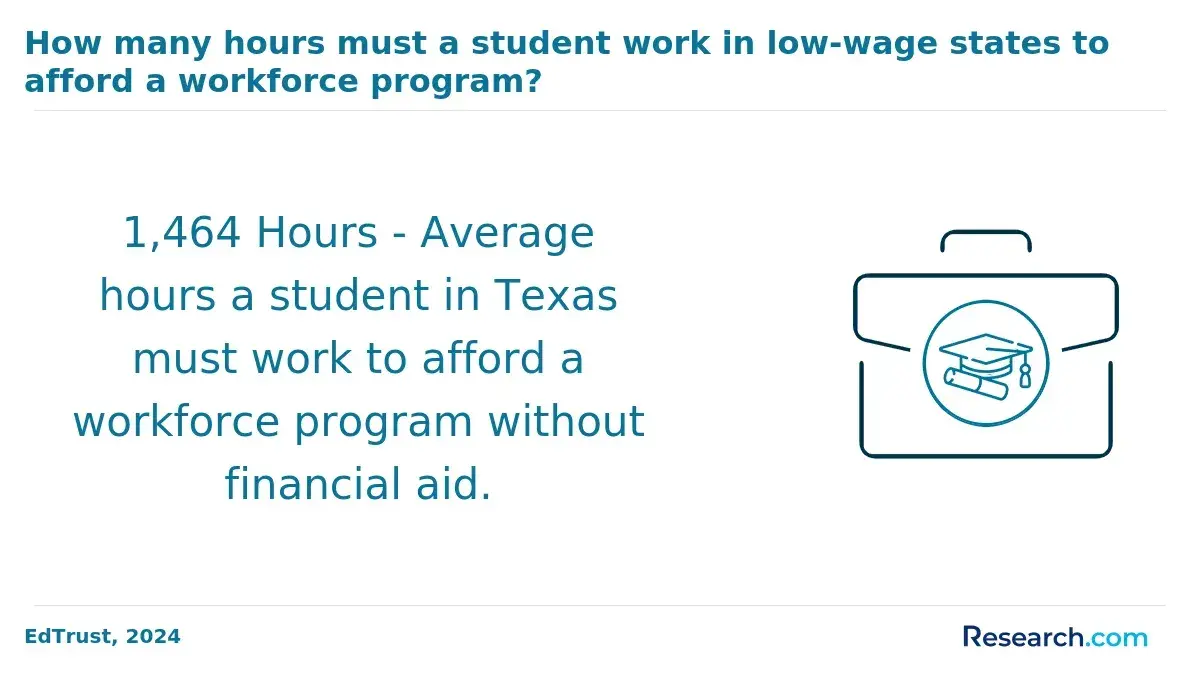
How Much Does a One-Year Online Public Policy Master's Program Typically Cost in Tuition and Fees?
Tuition for a one-year online public policy master's program varies widely based on institution type. Public universities typically charge between $15,000 and $30,000 for in-state students, offering more affordable rates. Private schools, however, often set tuition between $35,000 and $60,000 regardless of residency, reflecting their resources and reputation.
- Tuition and Fees: Tuition is the principal expense, but additional fees can increase the total cost. Public institutions usually offer discounted rates for residents, while private universities have uniform charges. Some programs may bill per credit hour rather than a flat rate, so confirming the exact structure is important.
- Technology and Course Materials: Students should plan for technology fees that support online platforms and software access, often ranging from $200 to $1,000 annually. Textbooks and other instructional materials may add at least $500 depending on the curriculum's demands.
- Proctoring and Exam Fees: Remote exam proctoring is common in online programs and typically incurs fees between $50 and $150 per assessment. These charges can accumulate based on the number of exams required during the accelerated year.
- Residency or On-Campus Requirements: While most programs deliver courses fully online, some may require brief campus visits lasting a few days to a week. Travel and lodging expenses for these residencies are usually additional costs not included in tuition.
- Requesting Complete Cost Details: With the variation in expenses, it's critical for prospective students to obtain a detailed disclosure of all charges from each institution. This transparency helps prevent unexpected costs and supports accurate financial planning before enrollment.
Data from the National Center for Education Statistics highlights an approximate 3% yearly increase in graduate tuition over the last decade, underscoring the importance of a thorough understanding of total program costs.
When I spoke with a professional who pursued an online public policy master's to transition careers, he shared that budgeting was one of the most daunting steps. Although tuition was manageable, unexpected proctoring fees and the cost of mandatory software subscriptions added up quickly. "I had to carefully track every charge to avoid surprises," he noted. Navigating each school's disparate fee schedules required persistence, but knowing the full scope of costs allowed him to focus on his studies without financial stress. He emphasized that asking for a complete breakdown upfront saved him from last-minute financial hurdles during an already intense program timeline.
What Financial Aid and Scholarship Options Are Available for One-Year Public Policy Master's Students?
Graduate students pursuing one-year public policy master's financial aid options should begin by completing the FAFSA early, as accelerated program start dates often differ from traditional schedules. Federal loans offer fixed interest rates and flexible repayment plans, making them a primary funding source. Work-study programs are also accessible but vary by institution and funding availability.
Merit-based scholarships for accelerated public policy master's programs reward academic excellence, professional achievements, and leadership experience. Departmental fellowships provide specialized financial support, frequently with stipulations such as interviews or additional applications specific to public policy students.
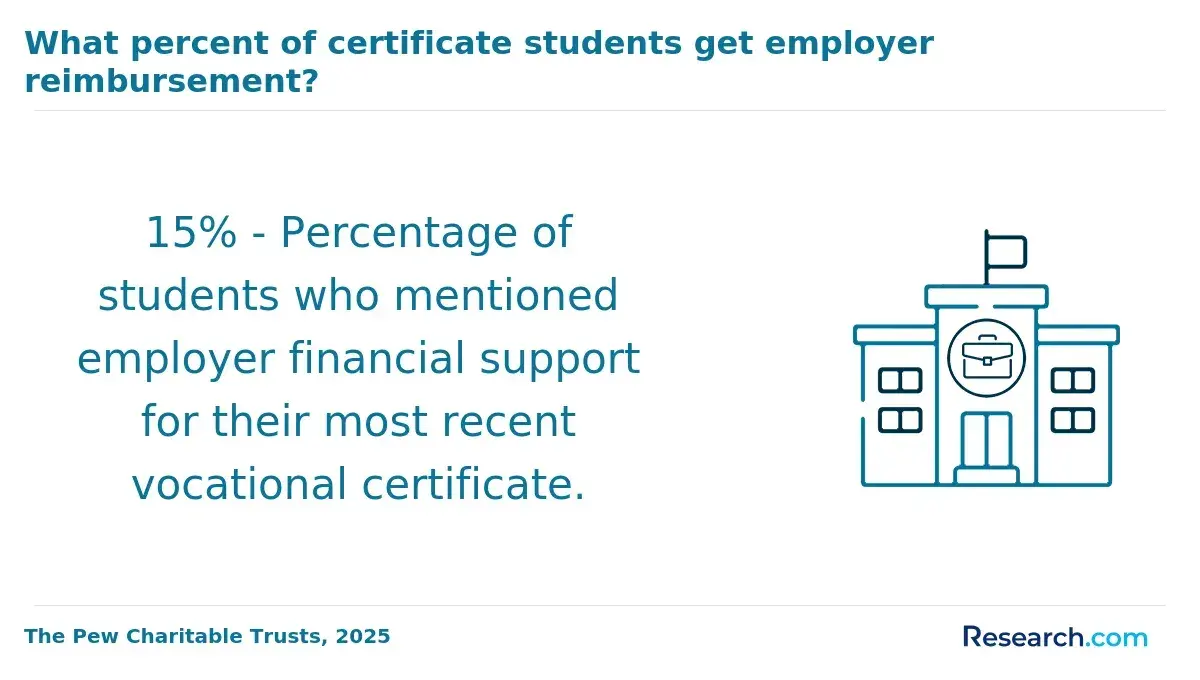
Employer tuition reimbursement is an alternative funding strategy for working students, but eligibility and benefits differ widely across employers. It's essential to coordinate with your human resources department to understand your company's policies. Additionally, tools like the College Board's Scholarship Search can help identify external scholarship opportunities beyond institutional aid.
- Federal Financial Aid Eligibility: Students in accelerated public policy programs qualify for federal loans and may receive work-study funds; timely FAFSA submission aligned with unique start dates is crucial.
- Merit-Based Scholarships and Fellowships: Awards often consider academic performance and leadership, while fellowships offer targeted stipends or tuition reductions within the public policy department.
- Employer Tuition Reimbursement: Many employers support graduate education costs; verifying eligibility with your employer ensures maximized benefits.
- Application Timing Coordination: Accelerated schedules require careful alignment of financial aid applications with program admissions to avoid delays.
- Scholarship Search Tools: Utilizing resources like the College Board's Scholarship Search expands available funding options outside institutional offerings.
Recent statistics indicate nearly 70% of graduate students receive some form of financial aid, underscoring the importance of exploring all funding sources when applying to accelerated public policy master's programs. Prospective students may also explore a CACREP-accredited program for related financial guidance.
What GPA, Prerequisites, and Professional Experience Do One-Year Public Policy Master's Programs Require?
Most one-year online public policy master's programs generally expect applicants to hold a minimum undergraduate GPA of around 3.0 on a 4.0 scale. However, admissions committees often evaluate grades in the context of each candidate's previous institution, recognizing the differences in grading standards worldwide. This flexible approach allows a more nuanced review of academic performance rather than rigid cutoffs.
Applicants typically need foundational courses in subjects such as statistics, economics, and introductory policy analysis. When prerequisite classes are missing, candidates may be required to complete them either before starting the program or during the early stages to build the necessary analytical skills.
Professional experience is increasingly influential in admissions decisions. Many programs waive standardized test mandates like the GRE when applicants demonstrate relevant work in public administration, nonprofit organizations, or related fields. This trend highlights the growing value placed on real-world expertise in accelerated program admissions.
Requirements vary significantly across institutions, so prospective students should consult each program's official admissions information to understand specific expectations fully.
- Minimum GPA Requirements: Most programs set a baseline of approximately 3.0 but consider institutional grading differences to assess academic readiness.
- Prerequisite Coursework: Essential courses typically include statistics, economics, and policy analysis; deficiencies must be addressed through additional coursework.
- Role of Professional Experience: Relevant job experience may replace standardized testing requirements, especially in accelerated tracks emphasizing practical skills.
- Variation Across Programs: Admissions standards are not uniform, making it vital for applicants to review each program's criteria directly.
- Admissions Trends: Approximately 40% of these programs now prioritize professional experience over standardized tests, reflecting a shift toward applied learning.
A professional who advanced her career after completing an online public policy master's shared that navigating the admissions process felt both challenging and rewarding. She noted, "While I was concerned about my undergraduate GPA not being perfect, the admissions team's consideration of my work experience in government roles was encouraging." She also explained how taking a supplementary economics course before enrollment boosted her confidence. "The blend of prior experience and filling those academic gaps helped me feel prepared once the program began," she reflected, emphasizing how tailored admissions decisions can open doors for applicants with diverse backgrounds.
Are GRE or GMAT Scores Still Required for Accelerated Online Public Policy Master's Admissions?
Many accelerated online public policy master's programs have increasingly adopted test-optional or test-free admissions policies following the pandemic. This evolution aims to enhance accessibility and recognize diverse qualifications beyond traditional standardized tests like the GRE or GMAT. However, some programs still require these scores under specific conditions, such as lower undergraduate GPA or insufficient relevant work experience.
Applicants with substantial professional backgrounds-typically five or more years in government, nonprofit, or related sectors-or advanced degrees often qualify for waivers. Additionally, a strong academic record in public policy or connected disciplines can sometimes replace standardized testing requirements. A well-prepared portfolio showcasing leadership, policy analysis, or research expertise may also improve admission chances and reduce the need for test scores.
Since admissions standards can change rapidly, it's crucial to frequently consult each program's official admissions page to stay up to date. Policies vary widely across institutions and evolve as schools respond to shifting educational priorities and applicant profiles.
- Test-Optional Adoption: A majority of online public policy master's programs now allow applicants to submit their materials without GRE or GMAT scores, reflecting a broader move toward holistic application reviews.
- Experience-Based Waivers: Many institutions grant test score exemptions to candidates with significant professional experience or prior graduate coursework, emphasizing practical qualifications.
- Academic Performance Alternatives: Strong undergraduate GPAs and coursework in relevant areas can sometimes substitute for testing requirements, signaling academic readiness.
- Portfolio Impact: Professional portfolios that demonstrate policy-relevant skills and achievements can strengthen applications and lessen reliance on standardized assessments.
- Policy Variability: Admissions criteria differ significantly; checking individual program requirements regularly is essential for accurate guidance.
According to a 2023 Council of Graduate Schools survey, over 60% of public policy master's programs adopted test-optional policies since 2020, highlighting this ongoing shift to more flexible admissions standards.
How Are Courses Structured and Delivered in a One-Year Online Public Policy Master's Program?
One-year online Public Policy master's programs often use synchronous or asynchronous course delivery to balance flexibility with engagement. Synchronous courses require students to attend live, scheduled sessions, promoting real-time interaction with instructors and classmates. In contrast, asynchronous courses allow students to access materials and complete assignments on their own time, which benefits working professionals and international students managing varied schedules.
The compressed structure of these programs means students typically enroll in 12 to 15 credit hours per term, demanding an intensive weekly workload of 25 to 35 hours that includes readings, discussions, and assignments. Due to the accelerated timeline, assignments often follow a weekly or biweekly cadence to ensure steady academic progress without backlog.
Capstone projects, practicums, or theses play a critical role in integrating theory with practical skills in Public Policy degrees. To accommodate the year-long format, these culminating experiences usually begin early, sometimes alongside core courses, with dedicated mentorship and frequent progress reviews to support timely completion.
- Synchronous vs. Asynchronous Delivery: Synchronous learning offers scheduled live classes fostering interaction, while asynchronous allows flexible study pace, accommodating diverse lifestyles and time zones.
- Compressed Credit Load: Students face 12-15 credit hours per term, translating to a rigorous weekly study commitment of 25-35 hours to meet accelerated deadlines.
- Accelerated Assignment Cadence: Frequent weekly or biweekly submissions maintain continuous progress and prevent workload bottlenecks in intensive terms.
- Capstone and Practical Components: Practical projects start early and run concurrently with coursework, emphasizing application of policy theories in real-world scenarios.
A 2023 survey by the Online Learning Consortium found that 68% of students in accelerated Public Policy programs primarily engage through asynchronous learning, reflecting the growing demand for flexible study options in these fast-track degrees.
What Core Curriculum and Specialization Tracks Are Covered in a One-Year Online Public Policy Master's Degree?
One-year online public policy master's curriculum focus centers on a rigorous core designed to build essential skills rapidly. Core courses typically include policy analysis, economics tailored for policy decisions, quantitative research methods, and governance frameworks. This concentrated training equips students with the analytical tools needed to understand and influence policy across various sectors within an accelerated timeline.
Specialization tracks in accelerated public policy programs allow students to deepen expertise in areas such as health policy, environmental policy, social justice, international development, and urban planning. Tailoring studies through these concentrations improves career readiness by offering practical knowledge specifically aligned with the challenges and job requirements in targeted policy subfields.
Compared to traditional two-year public policy master's programs, accelerated formats maintain curriculum depth but compress content and pace. This demands greater time commitment and discipline but delivers critical theoretical work and applied skills efficiently. Students benefit from focused learning experiences and faster entry into the workforce, though elective variety may be more limited within the shorter program duration.
Reputable programs regularly review and update their course content by consulting policy experts and current industry trends. This curriculum upkeep ensures graduates remain competitive and prepared for contemporary issues, integrating emerging technologies and practices that reflect shifting policy landscapes.
- Core Curriculum Foundations: Courses on economics, policy analysis, research methods, and governance provide essential analytical tools and knowledge, enabling students to understand and influence public policies broadly across sectors.
- Specialization Tracks: Concentrations like health policy or international development allow students to gain focused expertise, making them more competitive for specific roles and industries within the policy landscape.
- Comparison to Traditional Programs: Accelerated programs condense core study into a shorter timeframe, maintaining depth but requiring greater time commitment and self-discipline, favoring motivated students seeking rapid professional advancement.
- Curriculum Updates and Relevance: Regular review processes involving academic and industry feedback ensure curricula remain aligned with best practices, emerging policy challenges, and technological advancements.
- Career-Ready Skill Development: The blend of theory with practical applications within both core and specialization courses prepares graduates to navigate and impact real-world policy environments effectively.
Prospective students evaluating accelerated public policy degrees should also consider financial aspects, carefully comparing tuition and aid options. For related research on affordable graduate degrees, one might refer to the MLIS degree listings that highlight cost-effective online master's programs.
How Do One-Year Online Public Policy Programs Balance Academic Rigor With Accelerated Completion?
One-year online public policy accelerated programs often face skepticism concerning their academic challenges and whether they can maintain rigor within compressed timelines. However, many well-designed programs prove that quality is not sacrificed but rather enhanced by deliberate strategies that foster focused, deep learning. Students in these accelerated tracks benefit from cohort models, which build supportive, collaborative communities that improve engagement and accountability.
Block scheduling and intensive course modules are fundamental to sustaining rigor in these programs, allowing learners to immerse themselves fully in complex subjects over short spans. This approach contrasts with typical semester-long courses by promoting deeper understanding without superficial coverage. Faculty typically hold advanced degrees and possess relevant professional experience, ensuring high academic standards comparable to traditional public policy master's programs.
To address the demands of a rapid curriculum, many programs incorporate comprehensive student support services such as advising, tutoring, and career coaching tailored for accelerated degree paths. These resources are critical for student success and often correlate with favorable employment outcomes. Prospective students should seek programs that publish alumni job placement statistics and maintain strong industry connections as markers of program effectiveness and real-world relevance.
- Cohort Models: Structured groups foster peer support, collaboration, and steady progression, which is vital for overcoming the unique academic challenges of accelerated online public policy programs.
- Block Scheduling and Intensive Modules: Short, immersive study periods promote thorough understanding and retention of material, countering concerns about compromised depth in accelerated formats.
- Qualified Faculty: Instructors with advanced degrees and relevant field experience uphold rigorous academic standards and bring practical insights to coursework.
- Comprehensive Student Support: Academic advising, tutoring, and career services are customized to the fast pace of one-year master's programs, enhancing student outcomes and professional readiness.
- Alumni Networks and Outcomes Data: Transparent reporting of job placement rates and robust alumni connections reflect program quality and graduate success in the public policy job market.
For those interested in related graduate-level options, exploring PsyD programs can provide insights into comparable accelerated and online degree structures in other fields.
What Technology Tools and Software Skills Are Students Expected to Learn in an Online Public Policy Master's Program?
One-year online public policy master's programs require students to master various software and digital tools essential for data analysis, policy evaluation, and communication. Employers increasingly expect candidates to demonstrate technical fluency alongside foundational policy knowledge, making these competencies vital for career success. Adequate hardware, including a modern computer with a minimum of 8GB RAM, and reliable high-speed internet (at least 25 Mbps) are necessary to support data-heavy coursework and virtual collaboration.
Many programs offer free or discounted access to industry-standard software to ease students' financial burden.
- Statistical Analysis Tools: Software like Stata, R, and SPSS are widely used for quantitative analysis, enabling students to assess economic and policy impacts rigorously.
- Geospatial Information Systems (GIS): Training in GIS programs such as ArcGIS helps students visualize and interpret spatial data critical for location-based policy decisions.
- Data Visualization Platforms: Tools like Tableau and Microsoft Power BI allow students to transform complex datasets into clear visual stories to support advocacy and policymaking.
- Programming Languages: Basic proficiency in Python or SQL is taught to automate data processes and enhance research efficiency.
- Collaboration and Project Management Tools: Platforms such as Microsoft Teams, Slack, and Zoom mirror professional environments, fostering teamwork and effective communication.
In 2023, over 70% of federal policy analysts were reported to require advanced skills in data analytics software, underscoring the growing demand for these technical capabilities in public policy careers.
Can Students Pursue a One-Year Online Public Policy Master's Degree While Working Full-Time?
One-year online public policy master's programs demand considerable time, typically requiring 15 to 25 hours per week depending on credit load and course intensity. Students generally enroll in 12 to 15 credits per semester, with study time averaging 3 to 5 hours per credit weekly. Those balancing full-time jobs often rely on strategies such as strict time-blocking to carve out dedicated study periods outside work hours, while employer support through flexible schedules or remote work arrangements significantly aids success. Asynchronous coursework further enables learners to manage assignments and lectures on their own time, accommodating diverse work and family commitments.
Institutional reports indicate that 30% to 50% of online public policy students remain employed full time during the program, signaling feasibility with careful planning. Prospective students should consult admissions counselors regarding expected workloads, availability of part-time options, and support services designed for working professionals to gauge fit and flexibility effectively.
- Weekly Time Commitment: Anticipate dedicating 15-25 hours weekly, varying with your credit load and course demands. This commitment is crucial for balancing studies alongside employment.
- Time-Management Strategies: Utilizing methods like time-blocking and benefiting from asynchronous formats helps integrate coursework without compromising job responsibilities.
- Employer Support: Negotiating flexible hours or remote work days plays a vital role in handling academic demands and maintaining work performance.
- Employment Among Students: Up to half of public policy master's candidates study while working full time, demonstrating the program's adaptability.
- Key Admissions Questions: Clarify workload expectations, part-time pathways, deadline policies, and available support to ensure the program aligns with personal and professional needs.
What Graduates Say About Their One-Year Online Public Policy Master's Degree Program
- Wynona: "Opting for an online public policy master's degree was a decisive move for me to transition from a technical role into government affairs. The program's flexibility allowed me to continue working full-time while gaining invaluable insights, and the affordable tuition made it a smart investment. Today, I'm proud to say it positioned me perfectly for leadership roles I wouldn't have accessed otherwise."
- Peter: "Reflecting on my decision to pursue an online public policy master's, I appreciate how the curriculum balanced theory with practical application, which enhanced my analytical skills. I was initially concerned about the cost, but the savings compared to traditional programs relieved much of the financial pressure. Earning this degree has truly elevated my credibility and expanded my network within the policy sector."
- Andrew: "From a professional standpoint, the online format of my master's in public policy provided the ideal combination of convenience and depth. I chose this route primarily to deepen my understanding of policy design without pausing my career, and the competitive pricing was an important factor. This program has directly influenced my career trajectory, allowing me to contribute more strategically to my organization's goals."
Other Things You Should Know About Public Policy Degrees
Credit transfer policies for one-year online public policy master’s programs depend on the institution but generally allow transferring up to a third of required credits. Ensure previous coursework aligns with the 2027 program curriculum guidelines for eligibility.
Graduates of one-year online public policy master's programs often see competitive salary increases and improved career prospects, particularly if they enter or return to sectors like government, nonprofit management, or consulting. The accelerated format allows professionals to re-enter the workforce faster, which can accelerate upward mobility. However, outcomes vary based on prior experience, network strength, and the reputation of the institution awarding the degree.
While one-year online programs offer flexibility and speed, drawbacks may include limited networking opportunities and less in-depth coursework. Additionally, some employers may perceive traditional, in-person credentials as more comprehensive, though this is changing as online education quality improves.
References
- Public Policy MSc https://www.ucl.ac.uk/prospective-students/graduate/taught-degrees/public-policy-msc
- Online Master’s Programs No GMAT Required (GMAT Waivers) https://www.onlineeducation.com/faqs/online-masters-degrees-no-gmat-required
- 4+1 Accelerated Programs | Public Administration and Policy | Binghamton University https://www.binghamton.edu/public-administration-and-policy/academic-programs/mpa/4plus1.html
- Is it possible to complete a Master's degree while working full-time? https://academia.stackexchange.com/questions/142827/is-it-possible-to-complete-a-masters-degree-while-working-full-time
- Software – Essential (Tools) for Public Policy - Master's Program in Public Policy (MPP), Kautilya School of Public Policy, Best MPP Program https://www.kspp.edu.in/blog/software-essential-tools-for-public-policy
- One moment, please... https://www.profellow.com/fellowships/fully-funded-masters-programs-in-public-policy-and-public-administration/
- One-year Masterâs Program of Public Policy (MP1) | National Graduate Institute for Policy Studies (GRIPS) https://www.grips.ac.jp/en/education/inter_programs/policy/
- Financial Aid and Scholarships | Department of Public Policy https://dpp.ceu.edu/financial-aid
- Can I Get a Master’s Degree and Work Full-Time? | Goodwin University https://www.goodwin.edu/enews/can-i-get-a-masters-degree-and-work-full-time/
- MSc Public Policy and Management (Online) https://www.soas.ac.uk/study/find-course/msc-public-policy-and-management-online


