
2027 Competency-Based Online Public Policy Master's Degrees

Co-Founder and Chief Data Scientist
Many prospective students struggle with balancing work, family, and education when considering a public policy master's degree. Traditional credit-hour programs often impose rigid schedules and fixed timelines, creating barriers for career changers seeking flexible, efficient pathways. Competency-based online programs address this by allowing learners to progress at their own pace, demonstrating skills and knowledge without unnecessary coursework.
According to the National Center for Education Statistics, enrollment in distance education graduate programs, including competency-based formats, has grown by over 30% in the last five years. This article explores how competency-based public policy degrees function and guides readers on navigating admissions, curriculum, and career benefits.
Key Benefits of Competency-Based Online Public Policy Master's Degree
- Competency-based online public policy master's degrees offer working professionals flexible pacing and scheduling, allowing them to balance career and study without rigid semester timelines.
- These programs accelerate skill acquisition by focusing on mastery of core competencies, often enabling students to complete coursework faster than traditional credit-hour models.
- Students gain access to global networks of peers and experts, fostering international collaboration and enhancing career opportunities in diverse public policy sectors.
What Is a Competency-Based Public Policy Master's Degree, and How Does It Work?
For prospective students exploring competency-based online public policy master's degrees, grasping how competency-based education (CBE) operates is essential. This format contrasts sharply with traditional credit-hour models by centering on proving mastery of skills and knowledge over accumulating seat time. Below are key aspects that explain how competency-based learning works in public policy programs, providing greater flexibility and relevance for graduate-level learners.
- Mastery Over Seat Time: Unlike traditional programs that require fixed credit hours, learners demonstrate their competencies by completing targeted assessments. This focuses on actual skills and understanding critical to public policy rather than attendance or time spent in class.
- Self-Paced Learning Modules: Courses are typically broken into modular units that students progress through independently. This allows faster advancement through familiar topics and more time on challenging areas, accommodating diverse learning speeds.
- Continuous Assessment and Feedback: Frequent evaluations such as projects or applied tasks ensure achievement of program goals. Faculty and mentors provide ongoing support to help students succeed in demonstrating required competencies.
- Alignment with Adult Learners' Needs: CBE is designed to meet the schedules of working professionals and adult students. Removing rigid class times enables balancing study with work and other responsibilities, appealing to those pursuing a competency-based public policy master's degree explained through personalized pacing.
- Growing Popularity: Over 35% of U.S. postsecondary institutions have adopted some form of CBE, signaling a shift towards personalized, competency-focused graduate education paths.
Prospective students interested in public policy might also consider reviewing the best majors to ensure alignment with their career goals and academic strengths.
What Are the Admission Requirements for a Competency-Based Online Public Policy Master's Program?
Prospective students applying to competency-based online public policy master's programs should be aware that admissions criteria reflect the unique focus on demonstrated skills and flexibility in learning pace. These programs often differ from traditional credit-hour models in how they evaluate applicants, emphasizing relevant experience and holistic review. Here are key points to consider when preparing your application:
- Bachelor's Degree and Official Transcripts: A completed bachelor's degree from an accredited institution is typically required. Applicants must provide official transcripts that verify academic history and readiness for graduate-level study.
- Professional Experience: While not always mandatory, prior work or volunteer experience in public policy or related areas is preferred by many programs. Demonstrating competencies through such experience can enhance your application, especially since many programs focus on applied skills over traditional academic metrics like GPA requirements for online public policy master's degrees.
- Letters of Recommendation: Strong endorsements from academic or professional contacts provide valuable insights into your skills, work ethic, and potential for success within a competency-based education model.
- Standardized Test Waivers: Unlike traditional graduate admissions, many competency-based education (CBE) programs waive GRE or GMAT requirements to reduce barriers, placing greater emphasis on relevant experience and competencies.
- Holistic Applicant Evaluation: Admissions committees review entire applications, considering academic records, professional achievements, and evidence of essential competencies rather than focusing solely on numerical indicators.
Applicants can strengthen their candidacy by emphasizing specific projects or roles that showcase analytical, leadership, and communication skills relevant to public policy. Additionally, exploring options like an associate degree in 6 months online can be a strategic step for building foundational knowledge or meeting prerequisite requirements before advancing to a master's program.
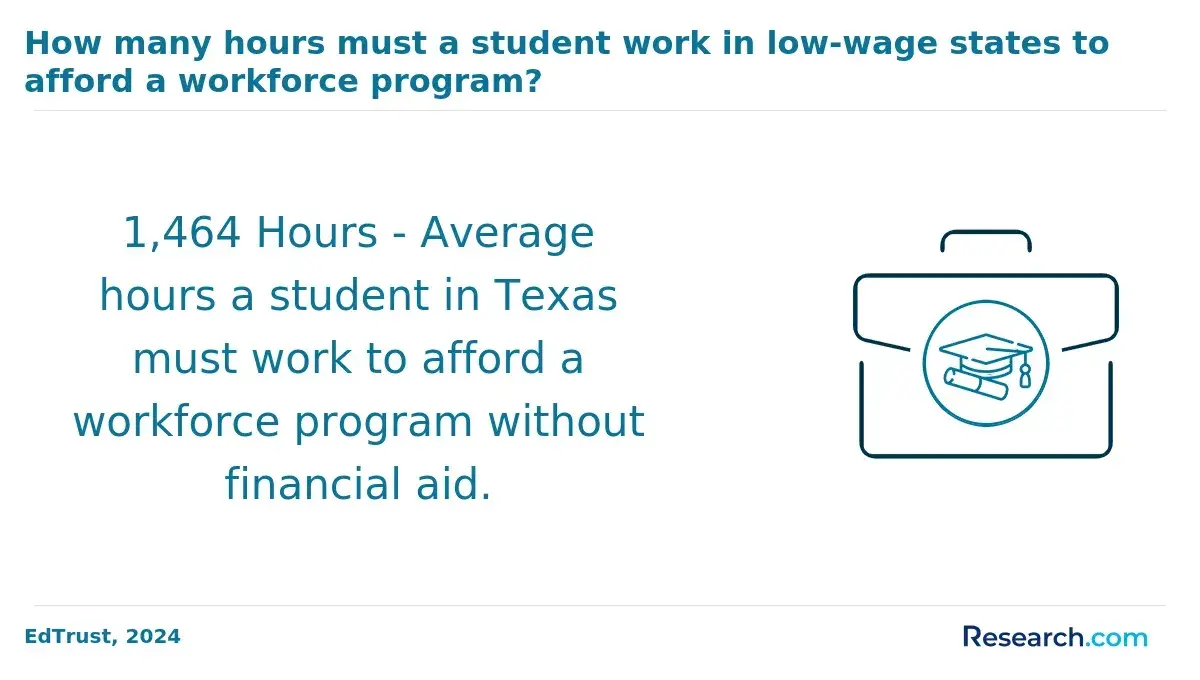
What Is the Minimum GPA Requirement for a Public Policy Competency-Based Master's Program?
Prospective students exploring competency-based online public policy master's programs should know that undergraduate GPA remains a common criterion, though many institutions apply flexible approaches. Below are essential considerations regarding GPA expectations and alternative evaluations.
- Typical GPA Baseline: Most accredited programs seek applicants with at least a 3.0 GPA on a 4.0 scale, signaling preparedness for rigorous graduate study and competency achievement.
- Allowance for Lower GPAs: Some schools may reduce or waive GPA thresholds if candidates present substantial professional experience, leadership roles in public policy, or other relevant accomplishments that showcase practical ability.
- Alternative Assessments: Many CBE models emphasize portfolios, competency demonstrations, or prior learning credits, which can compensate for academic shortcomings by highlighting applied skills and knowledge.
- Holistic Admissions: Committees often incorporate letters of recommendation, personal statements, and work history to evaluate readiness beyond numerical GPA figures, aligning with competency-based principles.
- Individual Research Recommended: Given the variability across institutions, carefully reviewing each program's published criteria and consulting admissions advisors can provide tailored insights and clarify GPA-related policies.
A professional who enrolled in a competency-based online public policy master's program shared that despite not having a stellar GPA, the ability to highlight extensive policy work experience was a game-changer. He recalled feeling anxious about his academic record but found the admissions process refreshing in its focus on real-world competencies. "I was grateful my portfolio and practical skills counted just as much," he noted, describing how this flexibility gave him confidence during application and ultimately helped him shift career paths smoothly.
How Long Does It Take to Complete a Competency-Based Public Policy Master's Degree Online?
Prospective students considering a competency-based online public policy master's degree will find that understanding program length is vital for effective planning. The typical timeframe can vary greatly depending on personal pace and commitments. Below are key points to help navigate the expected duration for these programs.
- Flexible, Self-Paced Structure: CBE prioritizes mastery over credit accumulation, allowing learners to progress at a speed that fits their individual schedules and grasp of material. This flexibility supports diverse learning styles and life demands.
- Completion Time Range: Highly driven students with significant study availability might finish in about 12 months, whereas those balancing work or family often take up to three years. This reflects the adaptable pacing typical of competency-based public policy master's degree completion time.
- Subscription-Based Tuition Model: Many programs charge tuition per term rather than by credit, incentivizing faster progress since completing more competencies within a subscription period does not increase cost.
- Prior Learning Assessment and Transfer Credits: Students with relevant work experience or previous education can receive credit for mastered competencies, reducing the overall duration of the program.
- Realistic Timeline Setting: It's important to evaluate weekly work hours, personal duties, and familiarity with public policy content when planning a study schedule. Clear goal setting and regular progress checks promote steady advancement.
Students also interested in related fields might explore options like an online master's in counseling for broader career opportunities.
How Much Does a Competency-Based Online Public Policy Master's Degree Cost?
Prospective students exploring competency-based online public policy master's degrees will find that tuition models play a critical role in shaping overall costs. Understanding the different pricing approaches helps clarify expected expenses and financial planning. Below are the main tuition structures and factors affecting affordability.
- Subscription-Based Tuition: This model charges a fixed fee for each term, allowing students to complete as many competencies as they can within that timeframe. It benefits determined learners who accelerate through courses quickly, often lowering total costs compared to standard credit-hour billing.
- Per-Competency or Per-Credit Pricing: Programs using this method charge based on the number of competencies or credits completed. While transparent, it can raise expenses if students take longer to master material, contrasting with the capped nature of subscription plans.
- Reduced Overall Expenses: Competency-based education often costs less than traditional master's programs, thanks to faster completion times, lower administrative overhead, and flexible pacing that minimizes indirect costs like lost income and housing.
- Financial Aid Availability: Various options such as federal student loans, employer tuition reimbursement, and scholarships curated for public policy students can significantly ease financial burdens.
- Comprehensive Cost Assessment: Beyond tuition, it's important to factor in fees for technology, course materials, and opportunity costs related to time investment, ensuring a full picture of total expenses.
A professional who pursued a competency-based online public policy master's after changing careers shared that the flat-rate term pricing encouraged her to move quickly through familiar topics without worrying about escalating tuition. She found balancing work and study challenging but appreciated that the program's affordability and flexible structure allowed her to manage finances and family responsibilities simultaneously. Reflecting on her experience, she noted how understanding all supplementary costs upfront, including software fees and textbooks, made budgeting less stressful. Overall, she values how the cost model aligned well with her learning pace and financial situation, reinforcing her decision to choose a competency-based pathway.
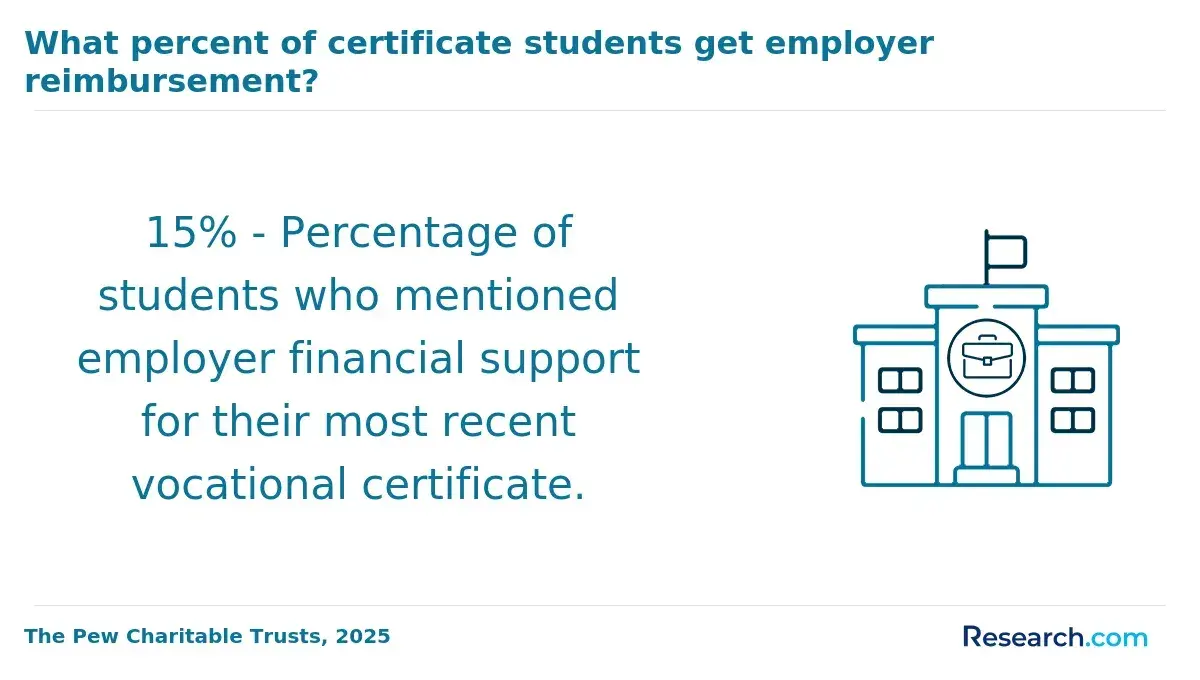
Which Accrediting Bodies Recognize Competency-Based Public Policy Master's Programs?
Accreditation is a crucial factor for those considering a competency-based online public policy master's degree, as it impacts both the recognition of the credential by employers and eligibility for federal financial support. The following points highlight essential accreditation aspects to evaluate when choosing a program.
- Key Regional Accreditors: Institutions offering competency-based degrees are typically accredited by regional agencies such as the Higher Learning Commission (HLC), Southern Association of Colleges and Schools Commission on Colleges (SACSCOC), or WASC Senior College and University Commission (WSCUC). These bodies ensure the school adheres to high academic standards nationally.
- Programmatic Accreditation: Some public policy programs also pursue accreditation from discipline-specific organizations that focus on the academic quality and measurable learning outcomes related to public policy, adding another layer of validation.
- Verification Through Official Resources: Applicants should confirm a program's accreditation via the U.S. Department of Education's Database of Accredited Postsecondary Institutions and Programs (DAPIP), which reliably verifies institutional and program legitimacy.
- Impact on Financial Aid and Career Prospects: Only programs accredited by recognized agencies qualify students for federal aid, including grants and loans. Employers also tend to prefer candidates with degrees from properly accredited schools, influencing job and advancement opportunities.
- Caution Against Unrecognized Accreditors: Beware of programs claiming accreditation from unrecognized or predatory agencies, as such credentials often lack legitimacy, limiting professional and academic mobility.
What Core Competencies and Curriculum Areas Are Covered in a Public Policy CBE Master's Program?
Competency-based online public policy master's programs organize learning around well-defined, measurable outcomes directly linked to industry standards and professional expectations. This approach focuses on practical skills, allowing students to demonstrate mastery through real-world applications. Below are key elements commonly found in the competency frameworks of these programs.
- Analytical Reasoning and Data Skills: Students develop the ability to interpret data, evaluate evidence, and apply quantitative and qualitative methods to address public policy issues effectively.
- Leadership and Collaborative Practice: Programs emphasize communication, management, and teamwork skills, preparing students to lead diverse groups and work collaboratively in complex policy environments.
- Domain-Specific Technical Expertise: Coursework targets specialized areas such as economics, regulatory processes, and governance structures, equipping students with the tools necessary for focused public policy careers.
- Ethical Standards and Public Responsibility: A foundational focus is placed on ethical considerations in policymaking, ensuring graduates are prepared to promote transparency, resolve conflicts of interest, and maintain public trust.
- Applied Problem-Solving through Real-World Projects: Curriculum includes practical projects that simulate real public policy challenges, enhancing students' abilities in policy design, implementation, and evaluation beyond theoretical knowledge.
Prospective students should carefully examine each program's competency framework to ensure it aligns with their career objectives and the requirements of their chosen public policy sector.
What Delivery Formats and Technology Platforms Are Used in Online Public Policy CBE Programs?
For students exploring competency-based online public policy master's programs, recognizing the technology infrastructure behind course delivery is essential. These platforms influence how students engage with material and instructors, shaping the learning experience. The following features illustrate the core technology tools for online public policy competency based education:
- Learning Management Systems (LMS): Most CBE public policy programs use robust LMS platforms like Canvas, Blackboard, or proprietary university systems. These digital hubs allow students to access assignments, submit work, participate in assessments, and communicate with faculty and peers efficiently.
- Asynchronous Learning: Central to many competency-based programs is self-paced study, enabling students to explore lectures and readings at times that fit their schedules. This flexibility is especially valuable for working professionals and international students balancing diverse commitments.
- Synchronous Components: Some programs include live webinars, virtual discussions, and real-time case studies to enhance interaction and provide direct faculty access. While these sessions encourage deeper engagement, attendance may be optional to maintain flexibility.
- Accessibility and Mobile Compatibility: Quality programs ensure that content is accessible via screen readers, captioned videos, and adaptable interfaces. Mobile-friendly platforms let learners use smartphones or tablets, supporting study on the go.
- Technical Support Services: Reliable support is vital; many programs offer help desks, live chat, and tutorials to promptly resolve technical challenges and maintain uninterrupted progress.
Prospective students interested in the technology behind CBE public policy programs can benefit greatly from requesting a platform demo or free trial. This hands-on evaluation helps determine if the technology suits their learning preferences and device capabilities. Those also exploring related fields might compare with mft programs to understand differing delivery approaches.
How Are Students Assessed, and How Is Mastery Demonstrated in Public Policy CBE Programs?
For prospective students exploring competency-based online public policy master's degrees, grasping how assessment differs from traditional exams is crucial. Unlike standard timed tests, public policy CBE programs assess students through practical demonstrations of knowledge. The following points explain the key aspects of competency-based assessment methods in public policy master's programs.
- Performance-Based Demonstrations: Mastery is typically shown through real-world tasks such as simulations, capstone projects, and portfolios. These assessments focus on applying public policy concepts practically rather than relying on conventional exams.
- Faculty and Competency Assessors: Experienced evaluators assess student work using standardized rubrics aligned with professional public policy standards, ensuring fairness and transparency in evaluating competencies.
- Resubmission and Growth Focus: If initial work does not demonstrate mastery, students can revise and resubmit, emphasizing learning and development rather than punishment for early mistakes.
- Evidence-Based Mastery Over Letter Grades: This assessment approach generates concrete evidence of competencies achieved, often viewed by employers as more meaningful than traditional letter grades alone in demonstrating a graduate's abilities.
Embracing these competency-based assessment methods allows students to engage deeply with their learning and present clear, skill-based proof of their expertise. Demonstrating mastery in online public policy competency-based education not only enhances academic success but also improves career readiness. For those interested in other innovative degree options, explore the psyd programs usa to understand how varied competency-based education models operate across disciplines.
What Transfer Credit and Prior Learning Assessment Options Exist for Public Policy CBE Programs?
For students pursuing competency-based online public policy master's degrees, prior learning assessment (PLA) offers valuable opportunities to receive academic credit for existing expertise. By demonstrating mastery gained through professional experience, certifications, or prior coursework, learners can accelerate their degree progress and reduce overall costs. Below are essential aspects of PLA in public policy CBE programs.
- Portfolio Evaluation: Students may submit a detailed portfolio illustrating relevant professional achievements, certifications, and training. Faculty review these materials to assess competency mastery, potentially granting credit toward degree requirements.
- Standardized Exams: Accepted options often include CLEP (College Level Examination Program) and DSST (DANTES Subject Standardized Tests). These exams test knowledge in subjects aligned with public policy and can translate into transferable credits.
- Challenge Exams: Some schools create their own subject-specific exams that allow students to demonstrate proficiency in particular public policy courses, bypassing certain class requirements upon passing.
- Transfer Credit Policies: Most CBE programs impose limits on the number of credits earned through PLA or transferred-typically between 30% and 50% of total degree credits-to ensure comprehensive engagement with core coursework.
- Time and Cost Efficiency: Accumulating PLA credits can shorten program duration and decrease tuition expenses, making online CBE degrees more attainable for working professionals and experienced students.
Prospective applicants should compile documentation of their public policy work and certifications and inquire about specific PLA guidelines when engaging with admissions representatives.
What Career Outcomes and Professional Opportunities Does a Public Policy CBE Master's Degree Unlock?
Career advancement is a key consideration for those pursuing a competency-based online public policy master's degree. As employers place greater emphasis on proven skills rather than traditional academic credentials, graduates with well-documented competency portfolios can set themselves apart in job searches and interviews. The following points outline how this degree can enhance professional opportunities.
- Expanded Career Roles: Graduates are qualified for a variety of positions such as policy analyst, program manager, public affairs coordinator, or government relations advisor across public, nonprofit, and private sectors.
- Salary Expectations: Market data indicates that entry to mid-level salaries for public policy professionals range between $55,000 and $90,000 annually, with more experienced candidates earning well over $100,000 in senior roles.
- Skill-Based Hiring Trends: Many employers prioritize applicants who can clearly demonstrate relevant competencies. Competency-based education (CBE) graduates can showcase detailed portfolios that highlight their practical expertise and problem-solving skills.
- Industry Recognition and Demand: Fields such as healthcare, education, environmental policy, and urban planning actively seek professionals with validated skills in public policy, making these graduates attractive candidates.
- Networking and Professional Engagement: Participation in professional associations, alumni networks, and industry groups connected to CBE programs provides access to mentorship, job leads, and continuous career development opportunities.
What Graduates Say About Their Competency-Based Online Public Policy Master's Degrees
- Wallace: "Choosing a competency-based online public policy master's was a game changer for me because it allowed me to leverage my professional experience and complete courses at my own pace. The affordability of the program was a major factor, especially since it offered a high-quality education without the hefty price tag of traditional degrees. Now, with my degree in hand, I feel empowered to influence policy decisions more effectively in my workplace."
- Peter: "Reflecting on my journey, the flexibility of the competency-based public policy program was invaluable as I balanced work and study. I appreciated how the cost was transparent and manageable, which eased the financial stress commonly associated with graduate studies. This degree has broadened my critical thinking and practical skills, enabling me to contribute more strategically to public initiatives in my city."
- Andrew: "From a professional standpoint, the decision to pursue a competency-based online public policy master's was driven by the need for relevant, real-world skills that I could immediately apply. The streamlined cost structure was a refreshing departure from traditional tuition fees, allowing me to complete the program without incurring overwhelming debt. Ultimately, this program heightened my leadership capabilities and opened doors to new career opportunities in the public sector."
Other Things You Should Know About Public Policy Degrees
In 2027, competency-based Public Policy master's programs are increasingly recognized by employers and graduate schools for their focus on practical skills and personalized learning. They tend to view graduates as having strong self-management capabilities, although perceptions may vary based on the program's reputation and accreditation.
Competency-based programs focus on demonstrating mastery of specific knowledge and skills rather than completing a set number of credit hours. This allows students to progress at their own pace, potentially finishing faster if they have prior knowledge or experience. Traditional online master's programs follow a fixed schedule with set courses and deadlines, which may be better suited to students who prefer structured timelines and cohort learning.
In 2027, flexibility and self-paced learning are key advantages of competency-based Public Policy master's degrees. Students can progress at their own pace, allowing them to balance studies with other commitments. However, a lack of structured interaction with peers and faculty and varying employer recognition can be potential drawbacks.
References
- What Can I Do with a Master of Public Policy Degree? https://publicpolicy.pepperdine.edu/blog/posts/what-can-i-do-with-a-master-of-public-policy-degree.htm
- 8 Tech-Based Solutions for Designing and Delivering CBE https://www.instructure.com/resources/blog/8-tech-based-solutions-designing-and-delivering-cbe
- What Are the Benefits of a Public Policy Degree? https://www.ivywise.com/ivywise-knowledgebase/what-are-the-benefits-of-a-public-policy-degree/
- General Schedule Qualification Policies https://www.opm.gov/policy-data-oversight/classification-qualifications/general-schedule-qualification-policies/
- Accreditation Standards and Procedures - Canadian Association of Programs in Public Administration https://cappa.ca/en/what-we-do/accreditation/standards-and-procedures/
- Roster of Accredited Programs https://www.naspaa.org/accreditation/roster-accredited-programs
- Competency-Based Education | East Texas A&M https://www.etamu.edu/competency-based-education/
- Credit for Prior Learning - White Mountains Community College https://www.wmcc.edu/credit-for-prior-learning/
- Competency-based education (CBE): A landscape overview https://feedbackfruits.com/blog/competency-based-education-higher-education-a-landscape-overview
- Master of Arts in Public Policy https://www.ceu.edu/academics/degrees/ma-public-policy


