
2027 How to Become a Certified Financial Planner in North Charlotte

Co-Founder and Chief Data Scientist
North Carolina represents a promising landscape for Certified Financial Planners (CFPs), with the financial advisory sector growing steadily and employing over 12,000 professionals statewide. This demand reflects the increasing complexity of personal and business finances among residents and highlights the value of expert guidance. Pursuing a CFP designation in North Carolina offers not only career stability but also opportunities for impactful client relationships in diverse communities.
This article, crafted by seasoned career planning experts, explores the essential steps to become a Certified Financial Planner in North Carolina. It provides clear, accurate guidance to help aspiring professionals navigate certification requirements, education pathways, and licensing processes to establish a rewarding career in this field.
Key Things to Know About Becoming a Certified Financial Planner in North Carolina
- Earning a bachelor's degree is essential, with many North Carolina CFP candidates choosing finance or accounting, aligning with the national average, where 92% of certified planners hold a relevant degree.
- Completing the CFP Board's education coursework and passing the rigorous exam are crucial; North Carolina's growing finance sector, especially in Charlotte, demands high competency, reflected in a 62% national pass rate.
- Gaining at least 6,000 hours of qualified work experience enables practical skills development, key in North Carolina, where financial advisory roles grew by 8% over five years, underscoring workforce expansion.
- What are the education requirements to become a certified financial planner in North Carolina? Education Requirements
- How do you prepare for the CFP exam in North Carolina? How do you prepare for the CFP exam in North Carolina?
- What certifications and licenses do financial planners need in North Carolina? Certifications and Licenses
- How often do you need to renew your CFP certification in North Carolina? How often do you need to renew your CFP certification in North Carolina?
- What continuing education is required to maintain CFP certification in North Carolina? Continuing Education
- How much does it cost to become a certified financial planner in North Carolina? Costs
- What skills do you need to become a successful certified financial planner? Skills
- Which industries or firms hire CFP professionals in North Carolina? Which industries or firms hire CFP professionals in North Carolina?
- What is the average salary of a certified financial planner in North Carolina? Average Salary
- How can certified financial planners advance their careers in North Carolina? How can certified financial planners advance their careers in North Carolina?
What are the education requirements to become a certified financial planner in North Carolina?
Completing the proper education is fundamental for those aiming to become CFPs in North Carolina, as it lays the groundwork for both the certification process and a successful career. Proper education equips candidates with the skills and knowledge essential to navigate the complex financial planning landscape confidently.
Below are the key educational components necessary to meet the education requirements to become a CFP in North Carolina.
- Bachelor's Degree Requirement: Earning a bachelor's degree from an accredited institution is the cornerstone of CFP certification. While the degree can be in any field, it signifies a level of academic achievement necessary for further specialized study in financial planning.
- CFP Board-Approved Coursework: Candidates must complete specific courses approved by the CFP Board, covering critical topics such as investments, insurance, estate planning, and income taxation. These courses build a deep understanding of essential financial planning principles to prepare for the CFP exam.
- Financial Planning Knowledge: Educational programs offered by institutions like North Carolina A&T State University and North Carolina State University focus on imparting comprehensive knowledge about personal finance issues. This understanding is vital for crafting effective, client-focused financial plans.
- Continuing Education Requirements: Beyond initial certification, maintaining CFP status requires ongoing education to stay current with industry changes, regulations, and best practices. This commitment reflects a dedication to continual professional growth.
For those exploring careers with accounting degree and finance, examining careers with accounting degree options may also provide valuable perspectives on complementary opportunities within financial services.
How do you prepare for the CFP exam in North Carolina?
Proper preparation for the CFP exam is essential because it not only enables candidates to pass this challenging test but also reflects their capability to deliver knowledgeable and ethical financial planning services. Approaching the exam strategically strengthens a candidate's command of complex topics and sharpens problem-solving skills.
The following are key strategies to guide North Carolina candidates through this demanding process.
- Develop a Structured Study Plan: Allocate consistent weekly study hours over several months, breaking down topics into manageable sections. This disciplined approach prevents last-minute cramming and ensures complete coverage of all exam content.
- Use CFP Board-Approved Review Materials: Engage with official practice exams and study guides tailored to the exam's format and depth, supplemented by reputable third-party courses to suit varied learning styles.
- Join Study Groups or Enroll in Prep Courses: Collaborate with peers or participate in guided courses to deepen understanding, gain different perspectives, and receive mentorship from experienced CFP professionals.
- Practice with Mock Exams and Review Weak Areas: Take timed, full-length practice tests to build endurance and expose knowledge gaps, then concentrate review efforts on weaker subjects to boost overall confidence.
A CFP from North Carolina, who graduated from a local university, shared his reflections on preparing for the exam. He recalled juggling full-time work with his study schedule as one of the toughest challenges, emphasizing how crucial time management became. "Breaking down the content into daily goals helped me avoid feeling overwhelmed," he explained. He also found value in joining a study group that met weekly, describing the exchanges as "invaluable for clarifying complicated topics."
One unexpected insight he shared was the importance of recognizing test anxiety early and adopting physical exercise as a coping strategy, which improved his focus during practice exams and on the final exam day. His experience reflects the balance of persistence, resourcefulness, and self-awareness crucial to navigating the CFP exam journey in North Carolina.
What certifications and licenses do financial planners need in North Carolina?
Holding the proper certifications and licenses is essential for CFPs in North Carolina to maintain professional credibility, meet legal and ethical standards, and provide comprehensive financial advice to their clients. To navigate this professional path successfully, you should familiarize yourself with the key certifications and licenses required or commonly held by financial planners in the state.
Below are the primary credentials that form the foundation of a trustworthy and compliant financial planning practice.
- Certified Financial Planner (CFP) Certification: This certification is the cornerstone for anyone pursuing certified financial planner requirements in North Carolina. Awarded by the Certified Financial Planner Board of Standards, it demands completion of a CFP Board-registered education program, passing a rigorous exam, having at least three years of relevant experience, and adhering to strict ethical standards. This credential signals a planner's expertise and fiduciary commitment.
- Investment Adviser Representative License (Series 65 or Series 7/66): To legally offer investment advice or manage portfolios for compensation, financial planners must obtain this license. The process involves passing either the Series 65 exam or both Series 7 and 66 exams, all administered by FINRA, and registering through the Investment Adviser Registration Depository. Holding an investment adviser representative license North Carolina professionals ensures compliance with state regulations when working with client assets.
- State Insurance Producer License: For those advising on or selling life insurance and fixed annuities, this license granted by the North Carolina Department of Insurance is mandatory. It requires completing a 20-hour pre-licensing course and passing a state exam, with continuing education to maintain it. This license allows planners to provide comprehensive risk management and protection planning services.
- Securities Licenses for Variable Products (Series 6 or Series 7): Selling investment-linked insurance products like variable life insurance or variable annuities requires additional securities licenses such as the Series 6 or Series 7. These FINRA-administered licenses, generally secured through firm sponsorship, expand a planner's capabilities in offering investment solutions.
- Other Advanced Designations (Optional): Many planners advance their expertise with credentials like Chartered Financial Consultant (ChFC), Chartered Financial Analyst (CFA), or Personal Financial Specialist (PFS). While optional, these designations exhibit deepened specialization and may boost professional credibility and career opportunities.
Choosing the right path can be complex and personal, so learning more about which accounting specialization is best may provide additional perspective on aligning your career goals within the financial sector.
How often do you need to renew your CFP certification in North Carolina?
Maintaining an active CFP certification in North Carolina is vital to demonstrate ongoing competence, ethical commitment, and compliance with the CFP Board's standards, helping certified financial planners stay aligned with evolving industry practices and regulatory expectations.
Here are the key renewal requirements that guide this process:
- Renewal Period: Certification must be renewed annually, with expiration on the last day of the certification month indicated on the CFP Board ID card or online account. This routine renewal encourages consistent adherence to professional standards and accountability.
- Ethics Course Completion: Every two years, CFPs are required to complete a 2-hour ethics course designed to deepen understanding of ethical guidelines and reinforce commitment to integrity. This ongoing education is essential for maintaining client trust and upholding the profession's reputation.
- Renewal Fees: An annual, non-refundable certification fee must be paid to maintain active status. Timely payment is important to avoid penalties and ensures continued support of the CFP Board's operations, preserving the value of the credential.
- Continuing Education (CE): Beyond ethics, CFPs complete continuing education to keep pace with changes in financial planning practices and regulatory developments. This requirement fosters professional growth and ensures planners provide current and high-quality advice.
What continuing education is required to maintain CFP certification in North Carolina?
Continuing education plays a vital role for CFP® professionals in maintaining sharp expertise amid evolving financial laws, ethical demands, and best practices. This ongoing learning ensures planners provide clients with trustworthy, up-to-date advice grounded in a broad understanding of the field.
Here are the essential continuing education requirements that support this professional commitment:
- Total CE Hours Required: CFP® professionals must complete 30 hours every two years, ensuring regular knowledge renewal across financial planning disciplines without carrying hours forward.
- Ethics Training: A specialized 2-hour Ethics course, approved by the CFP Board, must be completed each reporting period to address the profession's unique ethical challenges.
- Approved Providers and Formats: CE credits are earned mainly through registered sponsors, with options to submit non-registered courses for CFP Board review, supporting flexible yet accountable learning paths.
- Quality Standards: Courses must cover principal knowledge topics, be taught by qualified experts, and meet length requirements, safeguarding the education's professional integrity.
When speaking with a North Carolina certified financial planner who graduated from a local university, she reflected on the process with thoughtful candor. She described balancing demanding client work while intentionally scheduling her ethics course early in the reporting period to alleviate year-end pressure. "It's not just ticking boxes," she said, "but committing to understand evolving issues that really affect my clients' lives."
Though navigating course approval initially felt complex, her persistence brought a rewarding sense of confidence and professional pride. This journey of continual learning, she affirmed, is what truly sustains a meaningful, trusted practice in North Carolina's financial planning community.
How much does it cost to become a certified financial planner in North Carolina?
The cost to become a certified financial planner in North Carolina can vary widely based on several factors, but it ultimately represents a significant and necessary investment in a long-term financial planning career. To better understand the CFP certification fees and expenses in North Carolina, here are the key costs involved in the process.
- Education and Coursework Fees: Completing the required financial planning coursework is a fundamental step and typically ranges from $2,995 to $7,195. These programs cover essential topics like risk management, investment planning, and estate planning, helping you fulfill the CFP Board's education requirements and build a solid foundation for your career.
- CFP Exam Fees: Registration for the CFP exam generally costs between $825 and $1,025, with the price varying depending on when you register. This fee is mandatory and separate from any preparatory courses, covering your access to the certification exam itself.
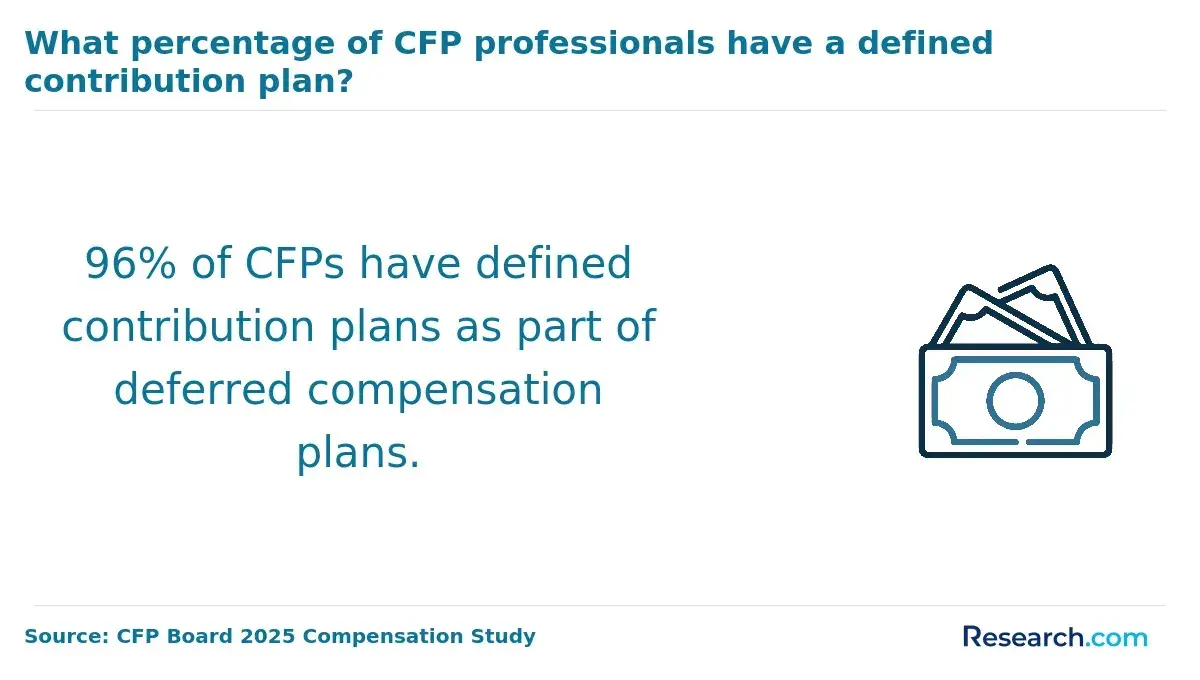
- Certification and Renewal Costs: After passing the exam, you will incur an initial certification fee plus ongoing annual dues to maintain your status. CFP professionals must also complete 30 hours of continuing education every two years to stay current in the industry, making these costs an ongoing but essential part of maintaining your credentials.
- Optional Prep Course Expenses: Many candidates find value in supplementing their studies with third-party prep courses or study materials. These vary in price, ranging from affordable online options to more comprehensive packages, and can enhance your exam preparedness and confidence.
For those considering advanced financial education, exploring opportunities such as an accounting graduate degree online can further bolster your expertise and career prospects in financial planning.
What skills do you need to become a successful certified financial planner?
Developing both strong technical knowledge and refined interpersonal abilities is essential for success as a CFP in North Carolina, where meeting diverse client needs demands more than just financial expertise. The key skills required for certified financial planners in North Carolina blend analytical prowess with communication and ethical standards, forming a foundation that supports career growth and client trust.
The following competencies highlight what distinguishes top practitioners in the field.
- Analytical Thinking - The ability to evaluate complex financial data, interpret market trends, and construct personalized financial plans is crucial. This skill drives success in areas like investment and retirement planning, enabling CFPs to provide advice that thoughtfully balances risk, tax implications, and client goals.
- Communication - Clear and empathetic communication helps CFPs translate intricate financial concepts into understandable terms, fostering client confidence and ensuring that recommendations can be effectively acted upon. This is especially important in a state with diverse populations and financial backgrounds.
- Ethical Judgment - Adhering to a strict ethical code is vital for maintaining client trust and protecting reputations. Ethical judgment involves prioritizing client interests, discretion, and transparent conflict resolution, all of which contribute to long-term professional success.
- Client Relationship Management - Strong relationships are built on understanding clients' unique needs and tailoring advice accordingly. Experience in client interaction deepens through practical exposure, reinforcing the value of trust and repeat business in financial planning careers.
- Adaptability - The financial landscape is ever-changing due to regulatory updates, economic conditions, and technological advances. Effective CFPs remain flexible, continuously updating their knowledge and adjusting strategies to align with evolving client circumstances in North Carolina's dynamic economy.
Those aspiring for a career in financial planning should consider programs like the MBA with accounting concentration to strengthen their technical foundation and complement their interpersonal skills, positioning themselves strongly in this competitive field.
Which industries or firms hire CFP professionals in North Carolina?
CFP professionals in North Carolina can access rewarding career paths across a variety of sectors that appreciate advanced financial expertise and a client-focused advisory approach. Many financial advisory firms hiring CFPs in North Carolina offer diverse roles suited to different interests and skills.
Below are key industries and firm types that employ certified financial planners in North Carolina:
- Wealth Management Firms: These firms, from major players to regional boutiques, rely on CFPs to design personalized financial plans, manage portfolios, and lead client relationships. Such environments provide exposure to high-net-worth clients and ample opportunities for professional growth and specialized training.
- Banks and Credit Unions: Large banks and local credit unions seek CFPs to integrate investment advising with traditional banking services. Professionals in these roles benefit from strong institutional support, continuing education, and a broad client base to help refine their advisory skills.
- Insurance Companies: CFPs at insurers guide clients on life, health, and retirement insurance, blending risk management with financial planning. These positions offer structured development paths and a chance to address both protection and wealth accumulation needs.
- Investment and Brokerage Firms: Vanguard, Fidelity, and local broker-dealers hire CFPs to craft tailored investment strategies and support clients through financial decisions and life changes. Firms typically provide access to advanced technology and research tools, aligning with the evolving financial landscape.
- Independent Financial Advisory Practices: Many CFPs choose independence, establishing fee- or commission-based practices to deliver comprehensive planning and retirement consulting. This path encourages entrepreneurial growth and specialization in niche markets or demographics.
- Corporate and Employee Benefits Consulting: CFPs in this sector focus on advising organizations and employees about retirement plans, stock options, and executive compensation, requiring expertise in regulatory frameworks and benefits optimization.
- Nonprofit and Military Financial Counseling: Opportunities exist for CFPs to provide financial education and counseling in nonprofit settings or for military members, driving social impact through financial empowerment.
For those considering specialization, tapping into related areas like forensic accounting master's programs can further enhance their analytical and advisory capabilities in the financial sector.
What is the average salary of a certified financial planner in North Carolina?
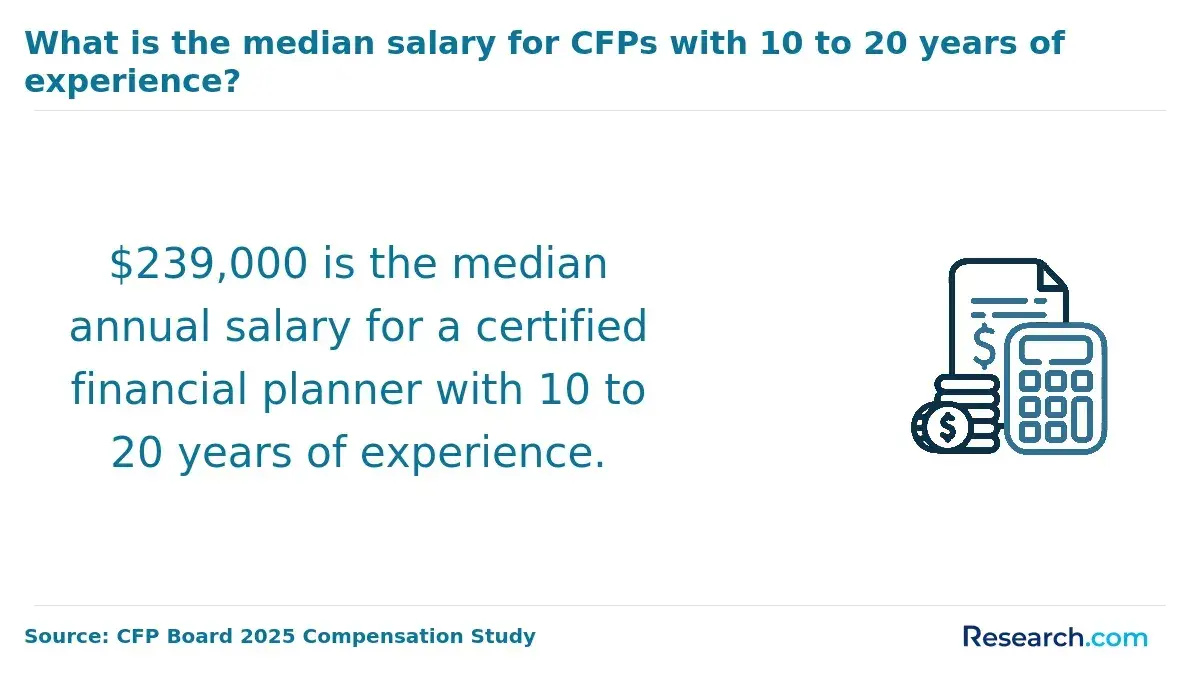
The average salary of CFPs in North Carolina varies widely due to several important factors shaping their earning potential across different regions and career stages. Below are the key influences that determine how much a CFP can expect to earn in this state.
- Experience Level: Earnings start modestly for entry-level CFPs, typically below $60,000, but grow significantly with experience. Seasoned professionals who cultivate specialized skills or managerial roles can earn upwards of $120,000 annually.
- Industry or Employer Type: Salaries fluctuate based on the employer's size and clientele. Large firms located in financial hubs tend to offer higher base pay and bonuses compared to smaller, possibly remote companies where starting salaries can be noticeably lower.
- Certifications and Credentials: Holding the CFP® certification itself commands a salary premium over non-certified planners. Additional credentials, such as CFA or CPA, further expand a planner's market value and income opportunities.
- Geographic Location: Urban areas like Charlotte provide top wages due to a dense financial services sector, while smaller cities and rural locations generally have reduced compensation, balanced somewhat by lower living costs.
- Client Base and Specialization: Advisors working with high-net-worth clients or specializing in complex planning services tend to generate higher revenue through fees and commissions, which directly boosts their salary potential.
How can certified financial planners advance their careers in North Carolina?
Advancing a career as a CFP in North Carolina is crucial for expanding one's client base, increasing income potential, and stepping into leadership or specialized industry roles. To effectively navigate this competitive field, CFPs should consider several key strategies that promote sustained growth and professional distinction.
- Pursue Advanced Certifications: Earning designations such as Chartered Financial Analyst (CFA) or Chartered Life Underwriter (CLU) enhances credibility and signals a commitment to expertise, opening doors to higher-level opportunities and greater earning potential.
- Gain Experience in Niche Financial Planning Areas: Specializing in sectors like estate planning or retirement income strategies allows CFPs to meet complex client needs, differentiate themselves, and attract high-net-worth clients seeking tailored advice.
- Build a Strong Client Network: Expanding professional relationships through networking events and associations creates new business opportunities and fosters mentorship that supports career advancement.
- Leverage Technology and Financial Tools: Mastery of digital platforms, analytic software, and emerging tech enhances efficiency and client service, keeping CFPs competitive in a rapidly evolving marketplace.
- Seek Leadership or Management Roles: Taking on supervisory positions enables CFPs to influence strategic decisions and develop management skills, further positioning themselves as industry leaders.
What Do Certified Financial Planners in North Carolina Say About Their Career?
- Newt: "Pursuing my CFP certification through the University of North Carolina at Charlotte was a transformative experience. The curriculum was rigorous yet deeply connected to the local economic landscape, preparing me not just with technical skills but also an understanding of North Carolina's unique financial needs. Starting my career as a financial planner in a local school allowed me to merge education with fiscal responsibility, directly impacting students' futures in meaningful ways. The stability of this role, combined with the chance to foster financial literacy among young people, continues to fuel my passion every day. "
- Alicia: "The process of becoming a certified financial planner at Duke Financial Academy was both challenging and rewarding. It gave me the confidence to serve diverse communities across North Carolina and address specific challenges like rural financial accessibility. Working initially at a local school gave me exceptional insight into how early financial education can shape lifelong habits. This role has been deeply fulfilling as I watch students grow in their understanding and take control of their financial futures. The opportunity for career growth in this state's educational institutions is impressive and very encouraging. "
- Santos: "Completing my CFP program at North Carolina State University was a pivotal step that propelled my professional development forward. The program's blend of theory and practical application tailored to North Carolina's evolving economy gave me a competitive edge. Starting my career in a local academic setting, I quickly saw how financial planning can be a tool for community empowerment. This experience has helped me evolve both personally and professionally, fostering a true sense of purpose in contributing to the well-being of our youth and their families. "
References
- Business and Finance Courses | Tax and Notary Public Courses | Certificate Programs https://lifelonglearning.ncsu.edu/business-and-finance/
- What Are The Ethical Standards For Certified Financial Planners? | Harvest Wealth Partners | Certified Financial Planner Valparaiso https://www.harvestwp.com/what-are-the-ethical-standards-for-certified-financial-planners/
- Accreditations & Other Credits | NCACPA CPA https://www.ncacpa.org/accreditations-credits/
- Jobs in North Carolina https://careers.cfp.net/jobs/north-carolina/
- profile icon https://www.niche.com/places-to-live/search/best-cities-for-young-professionals/s/north-carolina/
- Certified Financial Planner in Charlotte, NC https://www.cardinallegacywealth.com/what-is-a-cfp
- - YouTube https://www.youtube.com/watch
- 10 Best North Carolina Cities To Retire on $3K or Less Per Month https://finance.yahoo.com/news/10-best-north-carolina-cities-120109465.html
- CFP and RICP Designations - Parsons Wealth Management - Charlotte, NC https://www.raymondjames.com/parsonswealthmanagement/about-us/cfp-and-ricp-designations
- CFP® Certification : https://www.cpmfinancialservices.com/CFP-Certification.8.htm
Other Things You Should Know About Becoming a Certified Financial Planner in North Carolina
To become a Certified Financial Planner in North Charlotte in 2027, you must complete a CFP Board-registered education program, pass the CFP exam, hold a bachelor's degree, have relevant professional experience, and agree to the CFP Board's Code of Ethics and Standards of Conduct.
As of 2027, the annual certification fee for Certified Financial Planners (CFPs) in North Charlotte is $355. This fee is required to maintain your certified status and to support ongoing professional development and compliance with industry standards.
Certified Financial Planners in North Charlotte must complete 30 hours of continuing education every two years to maintain their certification. This includes ethics training, which accounts for 2 of those hours, as mandated by the CFP Board.


