
2027 How to Become a Certified Financial Planner in Georgia

Co-Founder and Chief Data Scientist
Georgia's financial advisory sector is growing steadily, with a 12% projected increase in demand for certified financial planners by 2030. This rise reflects the state's expanding economy and increasing need for expert financial guidance. Pursuing certification in Georgia offers access to a competitive job market and higher earning potential, with median salaries above the national average. Practical knowledge combined with certification significantly enhances career opportunities in banking, insurance, and investment sectors.
This article outlines clear steps to become a certified financial planner in Georgia. Prepared by experts in career planning, it delivers precise information to guide readers through educational requirements, exam preparation, and licensure processes, ensuring a focused path to success.
Key Things to Know About Becoming a Certified Financial Planner in Georgia
- Complete a CFP Board-approved education program; over 1,500 programs nationwide prepare candidates with essential financial planning knowledge.
- Pass the CFP exam, which has a national pass rate around 60% and is required to practice as a certified financial planner in Georgia.
- Fulfill the experience requirement by gaining 6,000 hours of professional financial planning work or 4,000 hours through an apprenticeship to meet Georgia's standards.
- What are the education requirements to become a certified financial planner in Georgia?
- How do you prepare for the CFP exam in Georgia?
- What certifications and licenses do financial planners need in Georgia?
- How often do you need to renew your CFP certification in Georgia?
- What continuing education is required to maintain CFP certification in Georgia?
- How much does it cost to become a certified financial planner in Georgia?
- What skills do you need to become a successful certified financial planner?
- Which industries or firms hire CFP professionals in Georgia?
- What is the average salary of a certified financial planner in Georgia?
- How can certified financial planners advance their careers in Georgia?
What are the education requirements to become a certified financial planner in Georgia?
Completing the proper education is essential for aspiring Certified Financial Planners (CFP) in Georgia to ensure they have the expertise and credentials necessary to provide trustworthy, compliant financial advice. Meeting these standards not only supports professional growth but also aligns candidates with rigorous national certification criteria. Below are the key educational components required for this certification:
- Bachelor's Degree Requirement: Candidates must earn a bachelor's degree from an accredited institution recognized by the U.S. Department of Education. This degree can be in any discipline, offering flexibility, but it must be completed either before or within five years after passing the CFP exam. This step firmly establishes foundational academic qualifications often expected by employers and clients.
- CFP Board-Approved Coursework: Completion of specialized CFP Board-approved education programs in Georgia is mandatory. Candidates must take courses covering nine core subjects, such as investment planning, tax planning, and ethics, accumulating at least 15 credits. This targeted curriculum builds the essential knowledge base tailored for financial planning professionals.
- Development of Financial Planning Knowledge: Beyond technical skills, education emphasizes understanding economics, accounting, tax law, and effective client communication. These competencies prepare planners to address complex financial situations and deliver holistic advice suited to Georgia's diverse economy and client needs.
- Continuing Education Requirements: After certification, CFP professionals must undertake 30 hours of continuing education every two years, including ethics training approved by the CFP Board. This ensures practitioners stay current with evolving regulations, financial products, and best practices, maintaining professional competence.
For those curious about the best career path for CPA, understanding these education requirements offers a comparable roadmap to success within financial planning and related fields.
How do you prepare for the CFP exam in Georgia?
Proper preparation is essential for passing the rigorous Certified Financial Planner (CFP) exam, as it demonstrates a candidate's readiness to provide professional financial planning services and distinguishes them in a competitive field. Successful candidates rely on targeted strategies to build knowledge, improve test-taking skills, and manage their time efficiently. The following key steps can guide effective preparation for the CFP exam in Georgia:
- Structured Study Plan: Develop a clear and realistic study schedule that dedicates consistent weekly hours over several months. This approach helps ensure you cover all exam topics thoroughly while balancing other commitments, fostering steady progress and confidence.
- Approved Review Materials: Use CFP Board-endorsed textbooks, practice exams, and toolkits to align your preparation with the official exam content. These resources deepen your understanding of financial planning principles and reduce the risk of gaps in knowledge.
- Study Groups and Prep Courses: Engage with fellow candidates or join instructor-led courses to clarify difficult concepts and benefit from diverse perspectives. Collaboration encourages active learning and accountability, making study time more productive.
- Mock Exams and Practice Questions: Regularly test yourself with full-length practice exams and a broad range of questions. This sharpens your time management, familiarizes you with exam formats, and builds the confidence needed to perform well under pressure.
What certifications and licenses do financial planners need in Georgia?
Holding the proper certifications and licenses is essential for Certified Financial Planners (CFPs) in Georgia to maintain professional credibility, meet legal and ethical standards, and provide comprehensive financial advice that aligns with industry regulations. Here are the main certifications and licenses required or commonly held by financial planners working in Georgia:
- Certified Financial Planner (CFP) Certification: This is the gold standard credential administered by the CFP Board. To earn it, you must complete an approved education program, hold a bachelor's degree, pass a rigorous national exam, accumulate 6,000 hours of professional experience, and uphold strict ethical standards. This certification demonstrates technical expertise and commitment to client-focused financial planning.
- Series 65 License: Required for financial planners who provide investment advice for a fee in Georgia unless they hold an exempting designation such as the CFP®. This license is administered by FINRA and covers investment laws, ethics, and regulations. Passing the Series 65 exam is necessary to act as an Investment Adviser Representative (IAR) in the state.
- Series 7 License: Needed if you plan to buy and sell securities like stocks, bonds, and mutual funds on behalf of clients. Also administered by FINRA, this license enables you to operate as a registered representative of a broker-dealer and is often paired with additional state compliance exams.
- Insurance Producer License: Required to sell insurance products such as life, health, disability, or variable annuities in Georgia. This state license requires pre-licensing education, passing a state exam, and continuing education, allowing you to integrate risk management products into your financial advice.
- State Registration as an Investment Adviser Representative (IAR): In addition to federal requirements, you must register with the Georgia Securities Division if offering investment advisory services. This involves submitting applications, passing the Series 65 exam, and background checks to ensure legal compliance.
How often do you need to renew your CFP certification in Georgia?
Maintaining an active CFP® certification in Georgia is key to demonstrating ongoing competence, commitment to ethics, and adherence to CFP Board standards. Here are the main renewal requirements that ensure professionals stay current and compliant:
- Renewal Period: Certification expires on the last day of the month shown on your CFP Board ID card. Renewal must be completed annually by this date to avoid penalties and maintain your right to use the CFP® marks.
- Annual Certification Fee: A non-refundable fee is required each year to renew your certification. Missing the payment deadline triggers a $75 late fee and risks suspension of your certification privileges.
- Renewal Application and Ethics Declaration: You must submit an annual renewal application online, affirming compliance with the CFP Board's Code of Ethics and Standards of Conduct. This process includes disclosing any legal or regulatory issues that might affect your status.
- Ethics Course Requirement: Every two years, complete a 2-hour CFP Board-approved ethics course. This keeps your ethical knowledge fresh and aligned with evolving industry standards.
- Continuing Education (CE): Ongoing education is required biennially to stay up to date with financial planning practices, tax laws, and regulations relevant to Georgia's market.
What continuing education is required to maintain CFP certification in Georgia?
Continuing education is essential for CFP professionals to stay current with evolving financial regulations, ethical standards, and industry best practices, ensuring they provide knowledgeable and ethical advice. Here are the key continuing education (CE) requirements for maintaining CFP certification in Georgia:
- Total CE Hours: You must complete 30 hours of CE every two years to keep your certification active. This biennial renewal ensures you keep pace with changes in tax laws, investment strategies, and planning techniques.
- Ethics Training: At least 2 of the 30 hours must focus on ethics approved by the CFP Board. This requirement strengthens your commitment to client trust and professional integrity.
- Approved Providers: Courses must be taken from CFP Board-approved providers, like recognized Quality Partners, to guarantee high-quality content tailored to financial planning.
- Learning Formats: You can choose from live seminars, webinars, online self-study, or interactive formats, as long as they meet CFP Board standards. This flexibility helps you fit learning into your busy schedule.
How much does it cost to become a certified financial planner in Georgia?
The total cost of becoming a Certified Financial Planner (CFP) in Georgia can vary depending on your chosen education path, exam preparation needs, and ongoing certification expenses, but it represents an investment in a long-term financial planning career. Below are the main expenses you should expect as you pursue CFP certification in the state.
- CFP Education and Coursework Fees: These cover the required financial planning courses either through a full CFP Board-registered program or a Capstone course for those with prior credentials. Tuition at institutions like the University of Georgia ranges from about $3,250 for self-paced options to $4,250 for instructor-led classes, while other providers' programs range from roughly $2,995 to $7,195.
- Textbooks and Study Materials: Textbooks are generally not included in tuition and can add several hundred dollars to your total costs. These essential study materials vary in price depending on whether you buy new or used versions and where you purchase them.
- Financial Calculator: A specific financial calculator, such as the HP-12C or HP-10bII, is necessary for coursework and the exam. This tool usually costs between $40 and $60 and should be considered a required investment.
- CFP Exam Registration Fee: Registering for the CFP exam costs between $925 (early) and $1,025 (late), paid directly to the CFP Board to cover exam administration.
- Exam Preparation (Optional): Many candidates opt for third-party review courses or study packages, which range from $300 to $2,000 or more, helping improve exam success chances through extra practice and resources.
- Certification Application Fee: After passing the exam and meeting experience requirements, you pay a one-time $200 fee to apply for CFP certification.
- Annual Renewal and Continuing Education: Maintaining your CFP credential requires a $355 annual renewal fee and completing 30 hours of continuing education every two years. Continuing education courses vary in cost, typically between $25 and $100 per course.
- Other Potential Expenses: Expect additional costs such as travel for in-person classes or exams, retake fees, and possible background check or fingerprinting fees depending on employer or regulatory requirements.
Overall, the certified financial planner certification cost Georgia candidates face can range widely-from about $4,450 to $11,200-depending on educational choices and optional exam preparation. For those interested in further education related to accounting and financial planning, exploring online master degree programs in accounting can also be a valuable step alongside CFP certification.
What skills do you need to become a successful certified financial planner?
Developing both technical and interpersonal skills is essential for Certified Financial Planners (CFPs) in Georgia to effectively navigate complex financial concepts and build lasting client trust. The following key skills provide a strong foundation for those aiming to meet the skills needed for CFP certification Georgia and succeed in this challenging field:
- Analytical Thinking - Mastering the ability to dissect diverse financial data sets, like investments and taxes, is vital. This skill empowers CFPs to spot patterns, evaluate risks, and design customized financial strategies aligned with each client's goals.
- Effective Communication - Translating complex financial jargon into clear, actionable advice helps clients feel confident in their decisions. CFPs develop rapport by ensuring their guidance is accessible and meaningful, bridging the gap between expertise and client understanding.
- Ethical Judgment - Adhering to a strict code of ethics fosters trust and credibility. Ethical judgment ensures CFPs protect sensitive information and always prioritize clients' best interests, a non-negotiable expectation in financial planning professions.
- Client Relationship Management - Building strong, enduring relationships requires active listening and empathy. Skilled planners deliver personalized service that keeps clients engaged and satisfied, often supporting families and businesses over many years.
- Adaptability - The financial landscape is ever-changing, driven by new laws and market shifts. CFPs must stay informed and agile, continuously updating their knowledge and client strategies to maintain relevance and effectiveness.
The certified financial planner competencies Georgia professionals develop include these core areas, complemented by specialized education such as a graduate certificate in public accounting, which further sharpens technical expertise and preparation for the CFP exam.
Which industries or firms hire CFP professionals in Georgia?
CFP professionals in Georgia can find career opportunities across diverse sectors that value financial expertise and client advisory skills. The range of industries hiring certified financial planners in Georgia reflects a strong market for those with solid financial planning capabilities. Here are the main industries and types of firms where CFPs commonly build their careers:
- Wealth Management and Registered Investment Adviser (RIA) Firms: These firms focus on personalized financial planning, investment management, and retirement strategies for affluent individuals. CFPs develop customized plans and maintain ongoing relationships, gaining experience with complex financial situations and advanced strategies.
- Banks and Financial Institutions: Banks across Georgia, including Atlanta, employ CFPs to provide integrated financial advice such as investment recommendations, retirement planning, and savings solutions. These roles offer structured training and collaboration opportunities with other finance professionals.
- Insurance Companies: CFPs working in insurance firms help clients manage risk through life, health, and property insurance products. This setting enhances skills in risk assessment and complements comprehensive financial planning.
- Independent Financial Advisory Practices: Many CFPs choose independent firms or solo practice to offer broad financial planning and tax advice. This path allows for autonomy, entrepreneurial growth, and the potential to specialize in niche areas of financial planning.
- Investment Firms and Asset Managers: CFPs in these firms focus on portfolio management and investment analysis, supporting wealth-building goals for both individual and institutional clients. They benefit from exposure to sophisticated products and advanced career development.
For those considering advanced credentials alongside CFP certification, exploring options like the cheapest online accounting masters degree can provide useful financial and accounting expertise that complements a financial planning career.
What is the average salary of a certified financial planner in Georgia?
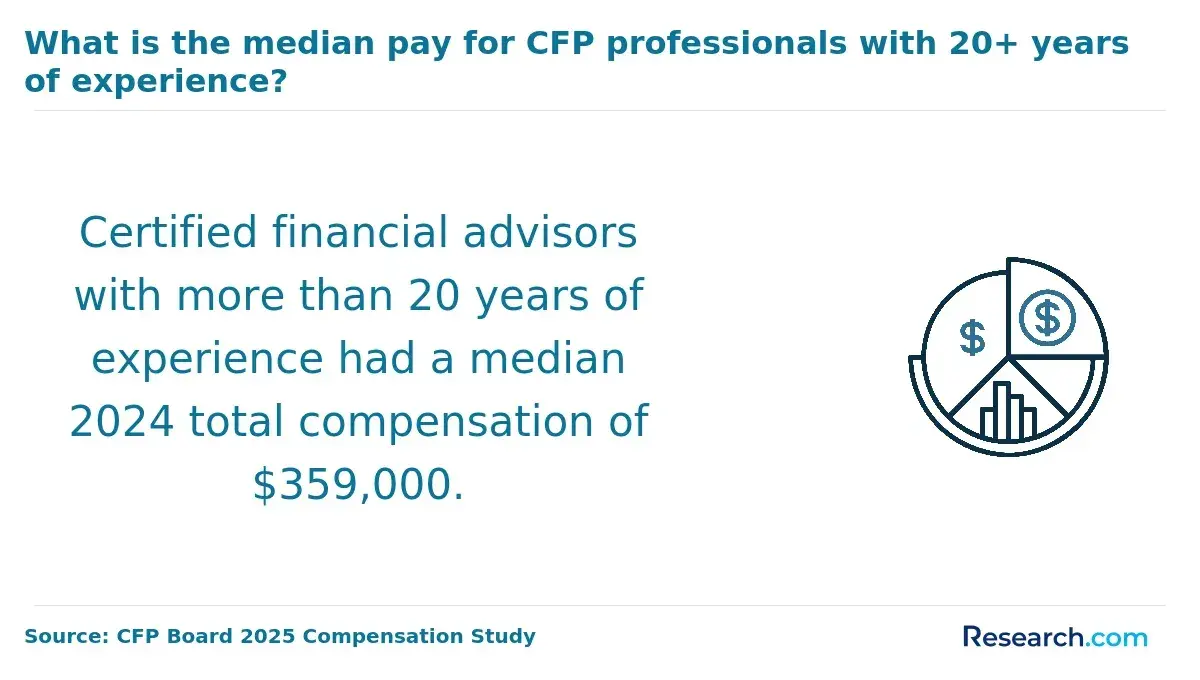
The average salary of a Certified Financial Planner (CFP) in Georgia depends on several important factors that shape earning potential and career growth. Here are the main elements that influence how much a CFP can expect to make in the state:
- Experience Level: Starting salaries for entry-level CFPs often begin around $58,669, increasing as professionals gain experience. Those with several years under their belt or at the top of their field can earn upwards of $116,000 annually, reflecting the value of expertise and client trust.
- Industry or Employer Type: Salaries vary significantly depending on the employer. Specialized firms and executive search companies frequently offer higher pay, with some industry leaders paying over $130,000. Other organizations like banks, wealth management firms, and insurance companies may offer different mixes of base pay and performance incentives.
- Certifications and Credentials: Having additional certifications beyond the CFP designation, such as expertise in estate planning or tax law, can open doors to higher-paying roles. Advanced credentials demonstrate depth and professionalism that firms reward with better compensation.
- Geographic Location: Metropolitan areas like Atlanta tend to offer higher salaries, averaging around $122,480 due to higher living costs and client wealth. Smaller cities such as Columbus and Macon report somewhat lower averages near $109,840, but may offer other lifestyle benefits.
- Client Base: CFPs working with affluent or large asset clients typically command higher fees and generate more revenue, resulting in increased pay. Building and maintaining strong client relationships is critical for long-term career advancement and income growth.
How can certified financial planners advance their careers in Georgia?
Career advancement is essential for Certified Financial Planners (CFPs) in Georgia who want to expand their client base, increase income potential, and assume leadership or specialized roles in a competitive market. Implementing targeted strategies can help CFPs progress effectively. Here are key approaches to career growth in Georgia's financial planning industry:
- Pursue Advanced Certifications and Specializations: Obtaining additional credentials beyond the core CFP® certification showcases expertise in specific financial planning areas, making planners more attractive to clients and employers and often leading to higher compensation.
- Develop Expertise in Niche Areas: Specializing in retirement, estate planning, tax optimization, or risk management helps CFPs serve targeted client groups more efficiently and command premium fees for their specialized knowledge.
- Build and Maintain a Strong Professional Network: Actively engaging with other financial professionals and attending industry events in Georgia generates client referrals and collaborative opportunities that support career progression.
- Leverage Technology and Financial Tools: Mastering modern software and digital platforms improves client service and operational efficiency, positioning planners as innovative and competitive in the marketplace.
- Pursue Leadership and Management Roles: Moving into team lead, branch manager, or partner positions increases professional influence and income, requiring skills beyond technical expertise such as business strategy and staff development.
What Do Certified Financial Planners in Georgia Say About Their Career?
- Completing my CFP certification through the University of Georgia was truly transformative. The program's strong local connections gave me a smooth transition into a career helping students and families navigate their financial futures. Working within an academic institution in Georgia has allowed me to see firsthand the impact thoughtful financial planning has on the community's growth. I find deep satisfaction in empowering the next generation to make informed decisions for their well-being and financial independence. Hazel
- After finishing the Georgia Institute of Technology's CFP curriculum, I embarked on my career in a local school environment, which has been a rewarding challenge. Georgia's diverse economic landscape meant I had to adapt my approach frequently, especially considering the agricultural and urban influences. This role has accelerated my professional development, teaching me to balance technical expertise with cultural sensitivity. Being able to foster financial literacy among youth in this unique context feels both impactful and inspiring. Jasmine
- My experience earning a CFP credential from Mercer University highlighted how personal growth intertwines with professional success. Starting work as a financial planner in a local Georgia school gave me a front-row seat to the challenges families face here, from fluctuating markets to resource allocation. The steady demand for qualified planners in this region promises career stability and opens doors for advancement. I take pride in contributing to positive change through education and financial empowerment for our community. Dwight
Related Articles for Nearby States
- 2027 How to Become a Certified Financial Planner in South Carolina
- 2027 How to Become a Certified Financial Planner in Florida
- 2027 How to Become a Certified Financial Planner in Alabama
- 2027 How to Become a Certified Financial Planner in Tennessee
- 2027 How to Become a Certified Financial Planner in North Charlotte
- 2027 How to Become a Certified Financial Planner in Mississippi
- 2027 How to Become a Certified Financial Planner in Kentucky
- 2027 How to Become a Certified Financial Planner in Virginia
- 2027 How to Become a Certified Financial Planner in Louisiana
- 2027 How to Become a Certified Financial Planner in West Virginia
References:
- CFP® Exam Prep Review Class Schedules https://www.kaplanfinancial.com/cfp/exam-prep-review/class-schedules
- Full Time jobs in Georgia | Employer https://careers.cfp.net/jobs/georgia/full-time/employer/
- Certified Financial Planner (CFP) Salary in Georgia (2025) - ERI SalaryExpert https://www.salaryexpert.com/salary/job/certified-financial-planner-cfp/georgia
- Financial Planner vs. Financial Advisor: What’s the Difference? https://www.investopedia.com/articles/personal-finance/040215/financial-advisor-vs-financial-planner.asp
- Course Catalog https://www.webce.com/maxonefinancial/catalog/courses/georgia-insurance-continuing-education
- Certified Financial Planner vs. Financial Planner: What's the Difference? https://www.legalzoom.com/articles/certified-financial-planner-vs-financial-planner-whats-the-difference
- 45 cfp Jobs in Atlanta, GA, October 2025 | Glassdoor https://www.glassdoor.com/Job/atlanta-cfp-jobs-SRCH_IL.0,7_IC1155583_KO8,11.htm
- CFP Continuing Education (CE) Requirements & Programs https://www.cfp.net/for-cfp-pros/continuing-education
- Financial Advisor vs. Accountant: Do You Need a CFP or a CPA? - NerdWallet https://www.nerdwallet.com/article/investing/financial-advisor-vs-accountant
- Salary: Certified Financial Planner in Atlanta, GA, United States 2025 | Glassdoor https://www.glassdoor.ie/Salaries/atlanta-ga-united-states-certified-financial-planner-salary-SRCH_IL.0,24_IM52_KO25,52.htm
Other Things You Should Know About Becoming a Certified Financial Planner in Georgia
In 2027, aspiring Certified Financial Planners in Georgia need to possess a bachelor's degree or higher from an accredited institution and complete a CFP Board-approved education program that covers key financial planning topics. This ensures candidates are equipped with the essential knowledge for certification.
Certified Financial Planners (CFPs) in Georgia must adhere to the rigorous ethical standards established by the CFP Board, which include principles such as integrity, objectivity, competence, fairness, and confidentiality. These standards require CFPs to act in the best interests of their clients, avoiding conflicts of interest and fully disclosing any potential biases. Additionally, Georgia CFPs must comply with state regulations and maintain ongoing education to uphold professional conduct and competence. Together, these ethical obligations ensure that financial planners provide trustworthy and transparent advice, fostering client confidence and protecting the integrity of the profession.
In 2027, the Certified Financial Planner Board of Standards, Inc. is responsible for approving financial planning programs in Georgia. Aspiring CFPs must complete coursework from these Board-registered programs to be eligible for the CFP exam.


