2027 How to Become a Certified Financial Planner in New Mexico

Co-Founder and Chief Data Scientist
New Mexico's financial advisory sector is growing steadily, with employment for financial planners projected to increase by 7.5% over the next decade, surpassing national averages. The state's diverse economy and increasing population create a rising demand for qualified certified financial planners. Pursuing certification in New Mexico offers access to a dynamic market with competitive salaries and opportunities for professional growth in both urban and rural communities.
This article provides a detailed, expert-backed guide on how to become a certified financial planner in New Mexico. It covers essential certification requirements, educational paths, and practical steps to enter this profession, ensuring readers receive accurate and comprehensive information to navigate their career development effectively.
Key Things to Know About Becoming a Certified Financial Planner in New Mexico
- Complete a bachelor's degree and a CFP Board-registered education program; over 60% of New Mexico CFP candidates hold degrees in finance or related fields.
- Pass the CFP Certification Examination, a rigorous test that evaluates your knowledge across financial planning, investment, and retirement strategies.
- Accumulate at least 6,000 hours of relevant work experience, as New Mexico's finance sector demands practical expertise prior to certification.
- What are the education requirements to become a certified financial planner in New Mexico?
- How do you prepare for the CFP exam in New Mexico?
- What certifications and licenses do financial planners need in New Mexico?
- How often do you need to renew your CFP certification in New Mexico?
- What continuing education is required to maintain CFP certification in New Mexico?
- How much does it cost to become a certified financial planner in New Mexico?
- What skills do you need to become a successful certified financial planner?
- Which industries or firms hire CFP professionals in New Mexico?
- What is the average salary of a certified financial planner in New Mexico?
- How can certified financial planners advance their careers in New Mexico?
What are the education requirements to become a certified financial planner in New Mexico?
Completing the proper education is fundamental for aspiring Certified Financial Planners (CFPs) in New Mexico, as it ensures the development of essential expertise and ethical standards required to deliver professional financial advice.
Meeting these academic criteria also equips candidates to successfully navigate the demands of the CFP® exam and future financial planning practice. The following key components outline the essential education requirements for certification:
- Bachelor's Degree: Candidates must obtain a bachelor's degree or higher from an accredited institution recognized by the U.S. Department of Education. The degree can be in any field and may be completed either prior to passing the CFP® exam or within five years afterward, providing a broad academic foundation critical for analytical and communication skills required in financial planning.
- CFP Board-Approved Coursework: Completion of CFP Board Registered Program coursework is mandatory. This coursework covers fundamental topics such as professional conduct, risk management, investment and tax planning, retirement savings, estate planning, and a capstone course. Some advanced degrees or credentials may allow for exemptions from parts of this coursework, streamlining the path to certification.
- Financial Planning Knowledge: The curriculum is designed to deliver thorough practical and theoretical preparation across the financial planning process. Programs, including those at institutions like Eastern New Mexico University, encompass personal finance, investments, tax strategies, and final capstone projects to prepare candidates for client needs and regulatory expectations effectively.
- Continuing Education Requirements: After certification, CFP professionals in New Mexico must fulfill ongoing education obligations to maintain their credential. This continuing education ensures adherence to evolving industry standards, ethical obligations, and technical proficiency essential for professional practice.
For those considering advanced roles within accounting and finance, exploring options for accounting career development may provide additional pathways to enhance expertise and credentials.
How do you prepare for the CFP exam in New Mexico?
Proper preparation for the Certified Financial Planner (CFP) exam is essential not only because it rigorously tests financial planning proficiency but also because passing demonstrates a candidate's ability to deliver professional, ethical financial services.
Effectively preparing ensures candidates build the comprehensive knowledge and confidence necessary for success. Key strategies for exam readiness include:
- Create a Structured Study Plan: Establish a realistic schedule that allocates 10-15 hours weekly over several months, prioritizing weaker subjects first and maintaining consistent progress through regular reviews and goal-setting.
- Use CFP Board-Approved Review Materials: Leverage official resources such as content outlines and practice exams alongside supplementary materials like textbooks and flashcards to deepen understanding and reinforce retention.
- Join Study Groups or Prep Courses: Engage with peers or instructors to foster accountability, clarify complex concepts, and benefit from shared insights, enhancing comprehension and motivation.
- Practice with Mock Exams and Timed Drills: Simulate exam conditions by completing full-length, timed tests and daily practice questions to sharpen test-taking skills, improve time management, and reduce anxiety.
A CFP from New Mexico, who graduated from a local university, shared that balancing a rigorous study schedule with his professional obligations was the greatest challenge. He emphasized how joining a regional study group helped him gain new perspectives on difficult topics while maintaining motivation.
"I found that simulating the six-hour exam environment at home was invaluable; it was exhausting but built my endurance and confidence," he reflected.
He also noted the importance of pacing himself and incorporating regular breaks to avoid burnout. This personal approach, combined with tailored study methods, proved critical in navigating the demands of the CFP exam in New Mexico.
What certifications and licenses do financial planners need in New Mexico?
Holding the proper certifications and licenses is essential for Certified Financial Planners (CFPs) in New Mexico to maintain professional credibility, meet legal and ethical standards, and provide comprehensive financial advice that complies with regulatory requirements.
The following key certifications and licenses are fundamental for CFPs practicing in the state:
- Certified Financial Planner (CFP) Certification: This certification, awarded by the Certified Financial Planner Board of Standards, requires completing a bachelor's degree, specific financial planning coursework, passing a comprehensive exam, and accruing professional experience. It also mandates adherence to a strict code of ethics and ongoing continuing education, signaling that planners meet nationally recognized standards and act in clients' best interests.
- State or Federal Securities Licenses (Series 65, Series 7, Series 66): To legally provide investment advice or sell securities in New Mexico, CFPs must hold appropriate licenses such as Series 65, 7, or 66, administered by FINRA and NASAA. These licenses enable planners to act as investment adviser representatives or securities representatives, ensuring compliance with both state and federal laws. Obtaining an investment adviser license New Mexico is critical for those offering investment management or advisory services.
- Insurance Producer License: This state-issued license allows CFPs to sell life, health, property, or casualty insurance products. Candidates must complete pre-licensing education, pass a state exam, and submit to a background check. This license is necessary for planners who provide comprehensive financial strategies that include insurance solutions and wish to receive commissions from insurance sales.
- Additional Professional Designations: While not mandatory, many CFPs pursue credentials like the Chartered Financial Analyst (CFA), Chartered Financial Consultant (ChFC), or Personal Financial Specialist (PFS) to demonstrate expertise in specialized financial planning areas and differentiate their practice.
Prospective financial planners should also consider exploring which accounting specialization is best to complement their financial planning skills and enhance career opportunities.
How often do you need to renew your CFP certification in New Mexico?
Maintaining an active CFP® certification in New Mexico is crucial for demonstrating ongoing competence, ethical commitment, and adherence to the CFP Board's standards, ensuring financial planners uphold public trust and professional credibility.
The following outlines the key renewal requirements for CFP professionals in the state:
- Annual Renewal Period: Certification must be renewed every year by submitting a Renewal Application and paying the required annual fee to the CFP Board. This process ensures that planners regularly confirm their professional standing and compliance.
- Ethics Course Completion: Every two years, CFPs are required to complete a 2-hour CFP Board-approved ethics course. This requirement reinforces high ethical standards and keeps professionals informed of updates to the Code of Ethics and Standards of Conduct.
- Renewal Fees: The annual certification fee is mandated by the CFP Board and must be paid by the expiration date indicated on the certification. Timely payment avoids late fees and the risk of losing CFP credentials.
- Renewal Application: Each year, CFPs complete an application including an ethics declaration and updates on personal and professional conduct, as well as legal or regulatory matters. This upholds accountability and transparency within the profession.
- Continuing Education (CE): Beyond ethics, CFPs must fulfill ongoing CE requirements every two years to maintain certification, ensuring they stay current with industry trends and regulatory changes relevant to their practice.
What continuing education is required to maintain CFP certification in New Mexico?
Continuing education is vital for Certified Financial Planner (CFP) professionals in New Mexico to stay informed about evolving financial regulations, uphold ethical standards, and apply best practices in their client services.
Below are the key continuing education (CE) requirements that ensure CFPs maintain their certification and provide high-quality advice.
- Total Continuing Education Hours: CFPs must complete 30 hours of continuing education every two years. This ongoing learning guarantees that planners remain knowledgeable and competent amid industry changes.
- Ethics Training Requirement: Within the 30 hours, 2 hours must focus on CFP Board-approved ethics education, emphasizing fiduciary duty and professional integrity.
- Approved Course Providers: CE courses need to be offered by CFP Board-approved providers to ensure curriculum quality and relevance to financial planning practice.
- Acceptable Learning Formats: Professionals may fulfill their CE through self-study, webinars, or live seminars, providing flexibility suited to different learning preferences.
When speaking with a certified financial planner from New Mexico who graduated from a local school, she reflected on the challenge of balancing her professional workload with CE requirements.
"Staying on top of reporting and selecting quality courses that truly impact my advisory work took careful planning," she recalled. She found the ethics courses particularly engaging, noting they deepened her understanding of complex client situations.
Despite occasional time constraints, she viewed continuing education as a rewarding opportunity that kept her practice current and strengthened client trust over time.
How much does it cost to become a certified financial planner in New Mexico?
The total cost of becoming a Certified Financial Planner (CFP) in New Mexico varies based on education choices, exam preparation, and ongoing certification requirements, but it remains a strategic investment in a long-term financial planning career.
Below is an outline of the primary expenses candidates can expect as they advance through the certification process.
- Education and Coursework Fees: Candidates must complete CFP Board-approved coursework to qualify for the exam. Tuition can range from $3,000 to $10,000 depending on the program and institution, with options like Eastern New Mexico University offering relatively affordable certificate programs. These courses provide the foundational knowledge necessary for both certification and practical career skills.
- CFP Exam Registration Fee: Registration for the CFP exam is managed by the CFP Board and costs $925 for early registration or $1,025 for the standard rate. This fee covers exam administration and processing, making passing this exam a crucial milestone toward certification.
- Certification Application and Initial Fees: After successfully passing the exam, candidates pay a one-time application fee of $200 plus a $455 initial certification fee for the first year. These cover essential background checks, experience verification, and official CFP registration.
- Ongoing Renewal and Continuing Education Costs: Maintaining CFP certification requires an annual renewal fee of $455 and completing 30 hours of continuing education every two years. Course costs vary from $30 to $100 per credit hour, ensuring professionals stay current with industry standards and ethics over time.
- Optional Exam Prep Courses: Many candidates opt for preparatory courses costing between $900 and $2,000. These packages often include live instruction, practice exams, and study materials, providing valuable structure and guidance during exam preparation.
- Background Check and Miscellaneous Fees: Additional charges may include background checks, fingerprinting, and transcript requests typically costing under $100, covering administrative requirements within the certification process.
Considering the median costs and variations, the CFP certification cost New Mexico candidates face generally falls between $5,000 and $15,000, reflecting a significant commitment to professional development.
For those evaluating career options, understanding these fees is essential, particularly when compared to other opportunities like a payroll career path, which may have different financial and educational demands.
What skills do you need to become a successful certified financial planner?
Developing both technical expertise and interpersonal skills is essential for Certified Financial Planners (CFPs) in New Mexico, as it ensures they can navigate complex financial landscapes while building strong client relationships.
To excel in this profession, mastering a set of essential financial planning skills in New Mexico is critical. The following key capabilities form the foundation of a successful CFP career:
- Analytical Thinking: Effective CFPs analyze extensive financial data, assess investment risks, and craft tailored financial plans that align with client objectives. This skill involves a robust grasp of investment planning, tax strategy, and risk management, which are integral components of New Mexico's CFP Board-registered education programs.
- Effective Communication: Clear and accessible communication is vital for translating complex financial theories into practical advice. Strong communication and analytical skills for New Mexico financial planners enable them to ensure clients fully understand their options and make informed decisions.
- Ethical Judgment: Acting as fiduciaries, CFPs must uphold the highest ethical standards by strictly adhering to the CFP Board's Code of Ethics and Standards of Conduct. This commitment underpins client trust and preserves the professional integrity of financial planning.
- Client Relationship Management: Building and maintaining trust through tailored advice and attentive service is fundamental. CFPs must be adept at understanding diverse client goals, addressing concerns proactively, and adjusting plans to evolving circumstances, strengthening client loyalty over time.
- Adaptability: Given the constantly changing regulatory environment and market dynamics, continual learning is imperative. CFPs in New Mexico often engage in ongoing education-such as online bookkeeping courses and other professional development opportunities-to stay current and responsive to industry shifts.
Which industries or firms hire CFP professionals in New Mexico?
Certified Financial Planner (CFP) professionals in New Mexico can find career opportunities across diverse sectors that value financial expertise and client advisory skills.
These opportunities span various industries and firms that commonly employ CFPs, each offering unique roles and paths for growth.
- Wealth Management Firms: These firms provide comprehensive financial services including investment management, retirement, and estate planning. CFPs develop personalized plans and offer ongoing guidance, often working with high-net-worth clients, which enhances their expertise in advanced financial strategies.
- Banks and Credit Unions: Financial institutions like banks and credit unions employ CFPs to deliver retirement planning, investment advice, and insurance solutions. These roles offer a structured environment where CFPs build a broad skill set and establish strong client relationships, reflecting some of the leading financial planning firms in New Mexico.
- Insurance Companies: Insurance firms hire CFPs to integrate risk management and insurance planning into clients' financial strategies. CFPs analyze risks thoroughly and communicate complex coverage options such as life and disability insurance, improving clients' overall financial security.
- Investment Firms: CFPs working in investment firms manage client portfolios and provide strategic investment advice. Staying informed about market trends and regulations is essential, supporting clients in achieving their financial goals through diversified investments.
- Independent Financial Advisory Practices: These practices offer more flexible work arrangements where CFPs tailor plans to individual client needs like retirement or estate planning. This setting allows deeper client engagement and autonomy in professional development, attracting many companies hiring certified financial planners in New Mexico.
Prospective CFPs may consider enhancing their credentials through relevant education paths such as online accounting degree programs, which can complement their financial expertise and expand career opportunities.
What is the average salary of a certified financial planner in New Mexico?
The average salary of Certified Financial Planners (CFPs) in New Mexico varies widely based on several critical factors that shape earning potential and career advancement. These factors influence not only annual income but also opportunities for growth within the financial planning profession.
Key considerations include:
- Experience Level: Salary generally increases with years of experience. Entry-level CFPs typically start near $49,150 annually, while seasoned professionals in competitive markets can earn well above $100,000, reflecting their enhanced expertise and client portfolios.
- Industry or Employer Type: CFPs employed by large financial institutions, wealth management firms, or banks, particularly in urban centers like Santa Fe, often receive higher compensation compared to those at smaller firms or rural practices. For instance, financial advisors in Santa Fe average nearly $174,000 annually, significantly outpacing salaries in Albuquerque and less populated regions.
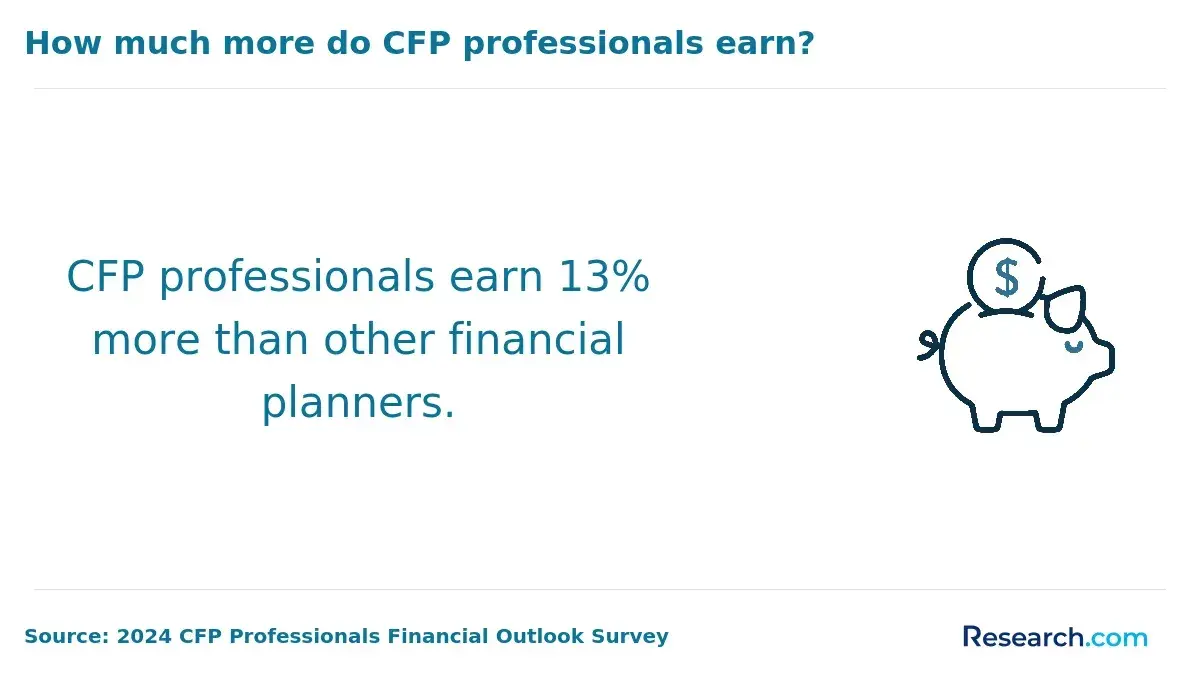
- Certifications and Credentials: Holding the CFP designation substantially improves earning potential over non-certified advisors. Additional qualifications such as CFA or CPA credentials further elevate salary and professional standing by demonstrating specialized knowledge and commitment to excellence.
- Geographic Location: Urban areas in New Mexico offer greater salary prospects and client opportunities. Salary disparities between cities like Santa Fe and Albuquerque highlight how location impacts compensation, with less populated areas tending toward lower averages but potentially offering closer client relationships.
- Client Base and Book of Business: The size and wealth of a CFP's clientele directly affect income. Advisors managing affluent or large client portfolios command higher fees and commissions, making sustained relationship-building and reputation crucial for maximizing earnings.
How can certified financial planners advance their careers in New Mexico?
Career advancement is crucial for Certified Financial Planners (CFPs) in New Mexico who aim to expand their client base, increase income potential, and assume leadership or specialized roles within the state's evolving financial planning sector.
The following strategies outline essential approaches for CFPs seeking to enhance their professional standing and long-term success.
- Pursue Advanced Certifications Beyond CFP®: Obtaining credentials such as the Chartered Financial Consultant (ChFC) or Personal Financial Specialist (PFS) highlights expertise in complex areas like estate planning and tax strategy, increasing employability and salary potential.
- Develop Expertise in Niche Areas: Specializing in retirement planning, education savings, or wealth management for high-net-worth clients helps CFPs differentiate themselves in New Mexico's competitive market.
- Build a Strong Client Network: Cultivating relationships with clients and professional referral sources fosters a sustainable practice and creates pathways to leadership positions.
- Leverage Financial Planning Technology: Mastery of industry-standard software and CRM systems enhances efficiency and service quality, essential for managing diverse client portfolios.
- Seek Leadership and Management Roles: Progressing through career levels within firms prepares CFPs for advanced responsibilities and partnership opportunities in New Mexico's financial institutions.
What Do Certified Financial Planners in New Mexico Say About Their Career?
- Completing the Certified Financial Planner program at the University of New Mexico truly opened doors for me here in the Land of Enchantment. The curriculum was rigorous yet rewarding, equipping me with the skills to address the unique financial planning needs of our diverse populations, especially in indigenous and rural communities. Starting my career as a CFP at a local school allowed me to combine my passion for education with personal finance, providing stability and growth opportunities that are rare in other states. Helping students understand their financial futures has been one of the most fulfilling experiences of my life. Aiyana
- When I began working as a certified financial planner in a local school system in New Mexico, I was struck by the strong sense of community and resilience in the students and families I served. The state's distinct cultural heritage and economic challenges present unique hurdles, but also inspiring chances to make a real impact. Professionally, the opportunities for advancement here have been substantial, with a supportive network of educators and planners promoting continual growth. My time at New Mexico State University prepared me well, but it's the daily interactions and community work that fuel my passion. Marcus
- Studying financial planning at Highlands University gave me a solid foundation, but practicing here in New Mexico has taught me invaluable lessons about adaptability and cultural sensitivity. The environment here is unlike any other, blending vast natural resources with urban development, which requires a tailored approach to financial advice. As a CFP working in an academic setting, I've seen firsthand how empowering students with financial literacy can transform their futures and strengthen our communities. This career has expanded my personal growth tremendously and constantly challenges me to be a better mentor and planner. Leila
Related Articles for Nearby States
- 2027 How to Become a Certified Financial Planner in Arizona
- 2027 How to Become a Certified Financial Planner in Colorado
- 2027 How to Become a Certified Financial Planner in Texas
- 2027 How to Become a Certified Financial Planner in Utah
- 2027 How to Become a Certified Financial Planner in Oklahoma
- 2027 How to Become a Certified Financial Planner in Nevada
- 2027 How to Become a Certified Financial Planner in Kansas
- 2027 How to Become a Certified Financial Planner in Wyoming
- 2027 How to Become a Certified Financial Planner in Nebraska
- 2027 How to Become a Certified Financial Planner in California
References:
- Financial Advisor vs. Financial Planner - Kaplan Financial https://www.kaplanfinancial.com/resources/getting-started/financial-advisor-vs-financial-planner
- profile icon https://www.niche.com/places-to-live/search/best-places-to-live/s/new-mexico/
- Financial Planner in Santa Fe and Albuquerque, NM - The Hire Firm https://www.thehirefirm.com/financial-planner-jobs-in-santa-fe-and-albuquerque-nm/
- CFP Lookup & Verification Tool https://www.cfp.net/verify-a-cfp-professional
- New Mexico FEE-ONLY Financial Advisors - FeeOnlyNetwork.com https://www.feeonlynetwork.com/nm-financial-planner/
- Finance Degree in New Mexico - Best Programs for 2025 | UniversityHQ https://universityhq.org/best-colleges/new-mexico/online-finance-degrees/
- Financial Planner Salary in New Mexico – NM | Stock Broker | Advisor Salaries | What is a Financial Planner? | What does a Financial Planner do? https://www.financialplannerworld.com/new-mexico-financial-planner-salary/
- Certified Financial Planner Exam (CFP®) | Prometric https://www.prometric.com/exams/cfp
- Difference Between Certified Financial Planner and Financial Advisor https://hudsonfinancialplanning.com.au/l/difference-between-certified-financial-planner-and-financial-advisor/
- Ethics for New Mexico CPAs - WebCPE https://webcpe.net/courses-for-cpas/all-courses/ethics-for-new-mexico-cpas
Other Things You Need to Know About Becoming a Certified Financial Planner in New Mexico
To become a Certified Financial Planner in New Mexico in 2027, candidates must hold a bachelor's degree, complete CFP Board-approved education, pass the CFP exam, have three years of relevant experience, and adhere to strict ethical standards. Continuing education is also required to maintain certification.
In 2027, aspiring Certified Financial Planners in New Mexico must complete a CFP Board-registered education program, pass the CFP exam, hold a bachelor's degree, gain 6,000 hours of professional experience, and adhere to ethical standards set by the CFP Board. 1. **Question** What are the key steps to becoming a Certified Financial Planner in New Mexico in 2027? **Answer** To become a Certified Financial Planner in New Mexico in 2027, complete a CFP Board-approved education program, pass the CFP Certification Exam, gain relevant work experience, obtain a bachelor's degree, and agree to the CFP Board’s ethical standards and requirements. 2. **Question** Can employers in New Mexico cover the cost of your CFP certification? **Answer** Yes, some employers in New Mexico may offer financial support for CFP certification costs as part of professional development benefits. This depends on the company’s policies, so it's advisable to discuss sponsorship opportunities with your employer or HR department.
Employers in New Mexico may cover the cost of CFP certification, but this largely depends on the company's policies and commitment to employee development. Many financial firms and larger employers recognize the value of CFP certification in enhancing professional expertise and client trust, making them more likely to offer reimbursement or sponsorship for certification expenses.
However, such support is not guaranteed and often requires employees to demonstrate how the certification aligns with their job role or business goals. It's advisable for prospective CFP candidates to inquire directly with their employer about available education benefits or professional development programs that might cover certification costs.