
2027 How to Become a Certified Financial Planner in Ohio

Co-Founder and Chief Data Scientist
Ohio's growing financial sector presents a promising landscape for certified financial planners, with employment in this field expected to rise by 8% through 2030. The state's diverse economy and aging population increase demand for expert financial guidance, enhancing career stability and growth potential. Pursuing certification in Ohio aligns with emerging trends in personalized financial planning and technological integration, positioning professionals for future success.
This article, crafted by career planning experts, outlines the essential steps to become a certified financial planner in Ohio. It provides clear, authoritative guidance to help candidates navigate certification requirements and seize evolving opportunities in this dynamic profession.
Key Things to Know About Becoming a Certified Financial Planner in Ohio
- Complete a bachelor's degree with coursework in finance, economics, or accounting as Ohio's growing finance sector demands qualified analysts.
- Pass the CFP® exam after gaining three years of relevant experience, aligning with national certification standards used by over 90,000 professionals worldwide.
- Stay updated on Ohio-specific regulations and continuing education, as compliance will evolve with emerging fintech trends and state financial planning requirements.
- What are the education requirements to become a certified financial planner in Ohio?
- How do you prepare for the CFP exam in Ohio?
- What certifications and licenses do financial planners need in Ohio?
- How often do you need to renew your CFP certification in Ohio?
- What continuing education is required to maintain CFP certification in Ohio?
- How much does it cost to become a certified financial planner in Ohio?
- What skills do you need to become a successful certified financial planner?
- Which industries or firms hire CFP professionals in Ohio?
- What is the average salary of a certified financial planner in Ohio?
- How can certified financial planners advance their careers in Ohio?
What are the education requirements to become a certified financial planner in Ohio?
Completing the proper education is fundamental for those aiming to meet the CFP education requirements in Ohio, as it builds the essential expertise needed to navigate the evolving financial planning landscape.
As the role of a Certified Financial Planner becomes increasingly complex with new regulations and technologies, having a solid educational foundation is more important than ever.
The following key components outline what the educational journey to becoming a CFP in Ohio typically entails.
- Bachelor's Degree: A four-year degree in fields such as Financial Planning, Business, or Accounting forms the academic backbone for aspiring planners. These programs not only cover core finance and economics principles but also develop analytical and strategic thinking skills critical for crafting comprehensive financial plans.
- CFP Board-Approved Coursework: Completion of courses approved by the CFP Board ensures candidates are trained in areas like tax planning, retirement strategies, risk management, and estate planning. This specialized training aligns with the certification's rigorous standards and prepares students to excel in the CFP exam and professional practice.
- Financial Planning Knowledge: Deepening understanding of investment strategies, insurance products, and financial documentation is crucial. Programs offered by institutions like the University of Cincinnati emphasize applied knowledge, equipping students to address real-world client needs effectively and adapt to industry innovations.
- Continuing Education Requirements: Post-certification, CFP professionals must engage in ongoing education to stay current with regulatory changes and emerging financial tools. This commitment promotes lifelong learning and reflects the dynamic nature of the financial planning profession.
Moreover, for individuals interested in enhancing their qualifications, pursuing an accounting certificate can offer valuable complementary skills that support broader financial expertise.
As demand grows for adaptable financial planners, fulfilling these Ohio certified financial planner degree pathways will remain a cornerstone of professional success.
How do you prepare for the CFP exam in Ohio?
Proper preparation is essential for passing the rigorous Certified Financial Planner (CFP) exam, as it not only ensures mastery of complex financial topics but also signals a candidate's readiness to offer professional financial planning services with confidence.
To navigate this demanding process successfully, candidates can adopt several key strategies that enhance focus, knowledge retention, and test-day performance.
- Structured Study Plan: Organizing a detailed study schedule helps candidates allocate sufficient time to all critical subjects, such as investments and retirement planning, preventing last-minute cramming and promoting deeper understanding.
- CFP Board-Approved Review Materials: Relying on official review guides and practice questions ensures alignment with exam standards, while emphasizing frequently tested themes sharpens exam-specific skills.
- Joining Study Groups or Prep Courses: Engaging with peers and instructors in group settings offers motivation and diverse perspectives, fostering a collaborative environment that can clarify difficult concepts and reinforce learning.
- Practicing with Mock Exams: Simulated full-length tests build familiarity with the exam format and timing, improving time management and boosting confidence to handle real exam pressures.
When I asked a CFP from Ohio who graduated from a local university about his preparation experience, he reflected on the emotional challenges and discipline required.
He recalled late nights balancing work and study, often relying on weekend prep courses to stay accountable. Practice exams were particularly eye-opening, revealing gaps he hadn't anticipated and pushing him to refine weaker topics.
"It wasn't just about memorizing content," he explained, "but about consistently applying concepts under timed conditions."
His journey highlighted how perseverance combined with structured support proved essential for success in Ohio's competitive CFP landscape.
What certifications and licenses do financial planners need in Ohio?
Holding the proper certifications and licenses is essential for Certified Financial Planners (CFPs) in Ohio to maintain professional credibility, comply with legal and ethical standards, and provide comprehensive financial advice across diverse client needs.
Below are the key certifications and licenses that a CFP in Ohio typically requires to deliver trusted, full-spectrum financial planning services.
- Certified Financial Planner (CFP) Certification: This nationally recognized credential, granted by the Certified Financial Planner Board of Standards, demonstrates mastery in financial planning, tax strategies, retirement, and ethics. Candidates must complete specific education, pass a rigorous exam, hold a bachelor's degree, and accumulate professional experience to earn and maintain this certification.
- Ohio Securities Licenses (Series 65, 7, 66): These licenses, managed by FINRA and the Ohio Division of Securities, authorize financial planners to provide investment advice and sell securities. The Series 65 license enables advisor representation, Series 7 permits securities sales, and Series 66 combines both roles, forming the regulatory backbone for offering investment solutions in Ohio.
- Ohio Insurance Producer License: Issued by the Ohio Department of Insurance, this license allows CFPs to sell life insurance, annuities, and related insurance products. Obtaining it requires pre-licensing courses, a state exam, and ongoing ethics-focused education, supporting planners who integrate insurance into holistic financial strategies.
- Additional Certifications (PFS, ChFC, CLU): Many Ohio CFPs pursue further designations such as the Personal Financial Specialist, Chartered Financial Consultant, or Chartered Life Underwriter to deepen expertise and address complex client needs. These certifications signify specialized knowledge and can enhance a planner's credentials in competitive markets.
As the financial services industry evolves, combining these certifications with ongoing education will become increasingly important to meet higher standards and adapt to regulatory changes.
For those starting out, exploring related fields can also offer valuable career insights, such as examining the accountant salary Philippines trends that point to global finance opportunities.
How often do you need to renew your CFP certification in Ohio?
Maintaining an active Certified Financial Planner (CFP) certification in Ohio is vital for showcasing ongoing competence, ethical commitment, and adherence to the CFP Board's rigorous standards.
Here are the key renewal requirements that CFPs must meet to keep their certification current and aligned with evolving industry expectations:
- Annual Renewal Period: CFPs must renew their certification every year by submitting a Renewal Application and paying the annual fee. This process confirms their dedication to the CFP Board's Code of Ethics and maintains their legal right to use the CFP designation in Ohio's competitive market.
- Certification Renewal Application: Each renewal requires submitting an application that includes an Ethics Declaration and disclosures about any regulatory or legal issues. This ensures transparency and sustains public trust in the CFP credential.
- Ethics Course Requirement: Every two years, CFPs must complete a CFP Board-approved, 2-hour ethics continuing education course. This ongoing training bolsters ethical decision-making and helps prepare planners for new challenges in a complex regulatory environment.
- Continuing Education (CE) Requirement: CFPs must complete CE requirements biennially that encompass both technical and ethics content. This helps professionals stay informed about changing regulations and emerging financial trends, fostering high-quality client advice.
- Annual Renewal Fee: A non-refundable fee is due annually alongside the application. Timely payment avoids late fees and prevents interruption of certification status, supporting consistent compliance and professional standing.
What continuing education is required to maintain CFP certification in Ohio?
Continuing education is essential for CFP professionals to stay ahead of rapidly evolving financial regulations, ethical standards, and best practices that shape effective client advising.
To keep pace with these changes, Ohio CFPs must meet several ongoing CE requirements designed to maintain high professional standards and confidence. These include:
- Total CE Hours Required: Professionals are expected to complete 30 hours of continuing education every two years, fostering a habit of continual learning that ensures their knowledge remains current in a dynamic financial environment.
- Ethics Training Requirement: Two hours must be dedicated to CFP Board-approved ethics courses, reinforcing the commitment to fiduciary responsibility and integrity that underpins trusted financial planning.
- Approved Course Providers and Reporting: CFP professionals are encouraged to select registered courses that automatically report credits to the CFP Board, simplifying compliance and allowing more focus on professional growth.
- Acceptable Learning Formats: CE can be earned through live courses, self-study, college classes, or developing educational content, providing flexibility that accommodates diverse learning preferences and busy schedules.
One Ohio-based certified financial planner, a graduate of a local university, shared her experience managing these continuing education obligations.
"Balancing client work with CE hours felt daunting at first," she reflected, "but choosing registered courses that report automatically eased the process significantly."
She emphasized how the ethics training reshaped her approach to client relationships and how flexible formats allowed her to learn during quieter periods in her practice. Her journey underscores the practical challenges and rewards of maintaining certification in an ever-changing industry.

How much does it cost to become a certified financial planner in Ohio?
The total cost of becoming a Certified Financial Planner (CFP) in Ohio can vary depending on your chosen educational path, exam preparation, and ongoing certification requirements, but it remains an important investment for a long-term career in financial planning.
Below is a breakdown of the main expenses involved in the certification process, illustrating where your funds are typically directed.
- Education and Coursework Fees: To qualify for the CFP exam, candidates must complete credentialed coursework, often available through certificate or degree programs. In Ohio, these programs typically cost between $3,000 and $7,000, with prices possibly higher at private institutions. Some may pursue options like an associate accounting program to build foundational knowledge relevant to financial planning.
- CFP Exam Fee: The cost to take the CFP exam ranges from $925 for early registration to $1,225 for late registration. This fee covers the comprehensive assessment designed to evaluate your proficiency in financial planning principles.
- Certification and Renewal Costs: After passing the exam, candidates pay an initial certification fee of $455. Maintaining the credential requires a renewal fee every two years, also $455, along with mandatory continuing education to stay current with industry changes.
- Optional CFP Exam Prep Course Expenses: Many candidates invest in exam prep courses, often costing between $600 and $2,000, offering practice exams, review sessions, and tailored instruction. These courses are optional but can significantly impact success rates.
- Background Check and Application Fees: Ethical standards require a background check as part of the certification process, with administrative fees typically ranging from $50 to $100, ensuring candidates meet professional integrity requirements.
- Continuing Education (CE) Costs: To remain certified, CFPs complete about 30 hours of continuing education biennially, with costs averaging $900 to $1,500. These programs help professionals adapt to regulatory updates and evolving best practices.
What skills do you need to become a successful certified financial planner?
Developing both technical and interpersonal skills is essential for Certified Financial Planners (CFPs) in Ohio to navigate the complexities of the financial world and build meaningful client relationships.
Mastering these skills positions CFPs to adapt to changing market trends while delivering personalized advice that meets diverse client needs.
Below are some key competencies that shape the future success of financial planners in this dynamic environment:
- Analytical Thinking: This skill enables CFPs to dissect intricate financial data and spot emerging patterns that affect investment and retirement strategies. With rapid technological advances, analytical thinking will be crucial for interpreting new data sources and crafting innovative financial solutions tailored to evolving client goals.
- Communication: As financial products and regulations become more complex, the ability to clearly convey concepts and strategies grows more important. Effective communication helps CFPs build trust, ensure client comprehension, and foster long-term relationships that support business growth in a competitive market.
- Ethical Judgment: Upholding stringent ethical standards is fundamental for CFP professional skills and responsibilities, especially amid increasing scrutiny and regulatory changes. Ethical judgment safeguards client interests, reinforces credibility, and strengthens the reputation of financial planners among discerning clients.
- Client Relationship Management: Personalization and responsiveness to individual client needs will continue to set successful CFPs apart. Strong relationship management supports client retention and opens doors to referrals, a critical growth factor in a field where reputation is key.
- Adaptability: The financial landscape is rapidly shifting due to technological innovation and policy updates, making adaptability indispensable. CFPs able to swiftly integrate new tools, strategies, and regulatory changes will maintain relevance and deliver proactive advice that anticipates future economic conditions.
For professionals looking to strengthen their foundational business skills alongside financial expertise, exploring bookkeeping courses can provide valuable insights into managing accurate client records and understanding financial statements, further enhancing overall competency.
Which industries or firms hire CFP professionals in Ohio?
CFPs in Ohio can find career opportunities across diverse sectors that value financial expertise and client advisory skills, enabling them to thrive in dynamic work environments.
These professionals typically work in settings where strategic financial planning and personalized client solutions are prioritized.
Below are the main industries and types of firms that commonly hire CFP professionals in Ohio.
- Wealth Management Firms: CFPs collaborate with high-net-worth individuals and families to develop tailored financial plans, focusing on investment, retirement, tax, and estate strategies. These firms emphasize continuous learning and mentorship, which supports advancement into leadership roles, making them top wealth management companies in Ohio.
- Banks and Financial Institutions: Large and regional banks employ CFPs to manage client portfolios and provide comprehensive financial advice. These roles offer structured teams and advanced digital tools that foster professional growth and ensure compliance with industry standards.
- Insurance Companies: CFPs guide clients through risk management by integrating insurance products like life and disability coverage into broader financial plans. These firms help planners deepen regulatory knowledge and product expertise, essential for advising on long-term care and retirement insurance.
- Investment Advisory and Brokerages: Firms in this sector engage CFPs to assist clients with investment products and market strategies, enhancing planners' analytical capabilities and paving the way for specialized advisory roles.
- Independent Financial Advisory Practices: Many CFPs opt for entrepreneurial paths, founding or working in independent firms that offer personalized financial planning. These practices provide flexibility and growth opportunities supported by resources like the CFP Board Career Center, making financial planning firms hiring CFPs in Ohio accessible through various platforms.
As financial planning continues to evolve with emerging technologies and changing client needs, aspiring CFPs might consider how their future roles could blend traditional advisory functions with innovative approaches.
For those still deciding if finance suits their goals, exploring if is accounting a good career for the future can provide valuable insight into financial professions related to CFP paths.
What is the average salary of a certified financial planner in Ohio?
The average salary of a Certified Financial Planner (CFP) in Ohio varies widely based on several key factors that reflect the dynamic nature of the finance sector and the evolving local economy.
These elements shape not only salary but also long-term career growth and specialization opportunities. Below are the main influences on CFP earnings in Ohio:
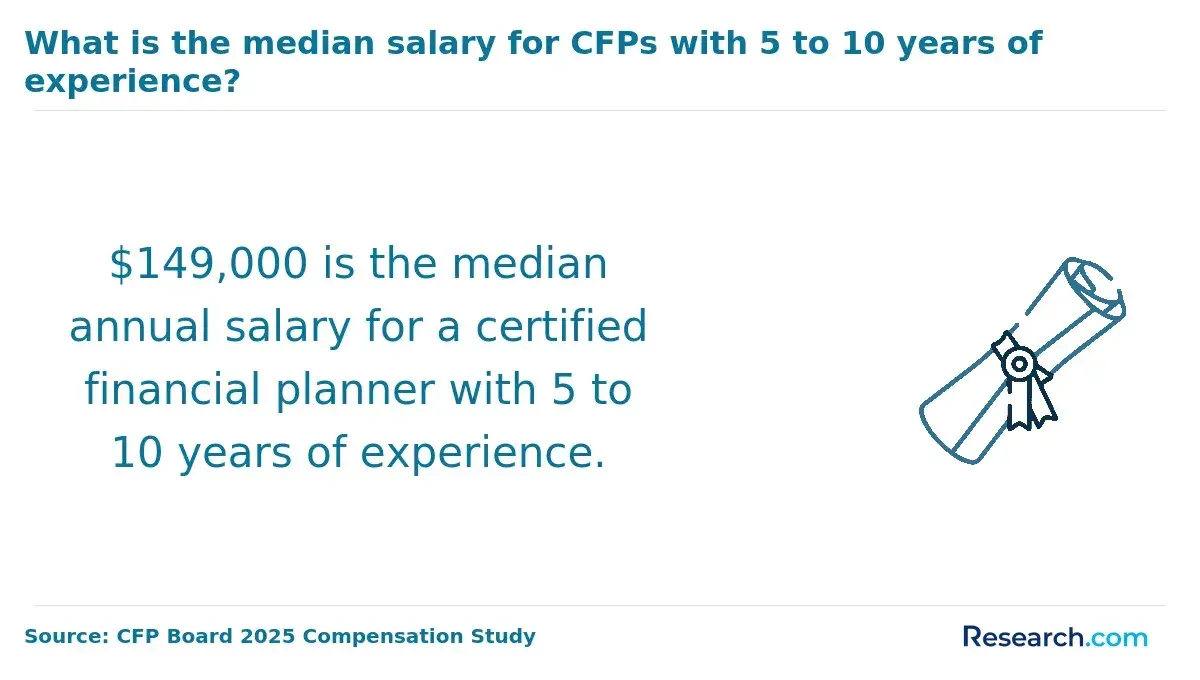
- Experience Level: Early-career CFPs typically start with salaries near $82,700, while seasoned professionals with extensive experience can surpass $130,000. As expertise deepens and a strong client base develops, income growth often accelerates significantly.
- Industry or Employer Type: CFPs working for large firms or specialized investment companies in metropolitan regions tend to earn more than those in smaller or nonprofit organizations. Employer business models, such as fee-only versus commission-based, also contribute to variations in compensation.
- Certifications and Credentials: Holding the CFP credential is a crucial salary booster, but additional certifications like CFA or CLU can open doors to higher-paying, specialized roles, enhancing marketability and professional standing.
- Geographic Location: Urban centers such as Columbus, Cleveland, and Cincinnati offer higher average salaries-sometimes exceeding $130,000-due to concentrated demand and wealth, while smaller cities or rural areas generally report lower averages.
- Client Base: Advisors serving high-net-worth individuals or businesses often command larger fees and asset-based compensation, leading to increased earnings, whereas those focusing on broader retail segments may experience steadier but comparatively lower income streams.
How can certified financial planners advance their careers in Ohio?
Career advancement is essential for Certified Financial Planners (CFPs) in Ohio who seek to expand their client base, increase their income potential, and assume leadership or specialized roles in the dynamic financial services sector. Embracing targeted strategies can pave the way for sustained professional growth and success.
Key approaches include the following:
- Pursue Advanced Certifications and Credentials: Obtaining additional designations such as the Chartered Financial Consultant (ChFC) can enhance expertise, boost professional credibility, and open doors to higher-paying opportunities in Ohio's competitive market.
- Gain Experience in Niche Financial Planning Areas: Specializing in fields like retirement or tax planning allows CFPs to meet specific client needs, positioning themselves as indispensable experts within boutique firms or specialized advisory groups.
- Build a Strong Client Network and Personal Brand: Active engagement in local professional associations and community events helps CFPs establish trusted reputations, expanding referral opportunities and business growth.
- Leverage Technology and Financial Planning Tools: Mastering state-of-the-art software and digital platforms improves efficiency and client service, keeping planners at the forefront of evolving industry demands.
- Seek Leadership, Management, or Mentorship Roles: Advancing into supervisory positions enhances influence within firms and often leads to greater compensation and strategic impact.
What Do Certified Financial Planners in Ohio Say About Their Career?
- Completing my Certified Financial Planner certification at Cleveland State University gave me a strong local foundation paired with practical skills tailored to Ohio's economic landscape. Starting my career in a local school environment allowed me to directly impact students' lives by equipping them with essential financial knowledge, which enriched my sense of purpose and community involvement. The stability and growth opportunities in Ohio's education system have been a major plus, enabling me to steadily advance while making a meaningful difference in young people's futures. The blend of professional development and the ability to give back truly keeps me passionate about this career path. Sean
- Reflecting on my journey as a certified financial planner who graduated through the University of Cincinnati's program, I appreciate the perfect balance of rigorous academics and real-world preparation I received. Working in a local school setting from the start pushed me to adapt financial concepts to suit younger audiences and diverse backgrounds typical of Ohio communities. This career has allowed me to grow personally and professionally by blending my love for education with financial literacy. I feel proud knowing my work helps foster long-term financial wellness among Ohio's youth while also embracing the unique opportunities Ohio offers in workforce development. Linda
- Pursuing my CFP certification through Ohio State University was a transformative experience that connected me to the rich resources and cultural diversity of the state. Embracing Ohio's distinct economic challenges, particularly in Rust Belt areas, gave me a practical edge when counseling students and families about their financial futures. Professionally, Ohio's supportive educational institutions have offered me continuous advancement opportunities, enabling me to develop as a leader and mentor within both academic and local communities. Helping others build financially secure futures here is deeply rewarding and keeps me inspired every day. Alex
Related Articles for Nearby States
- 2027 How to Become a Certified Financial Planner in Indiana
- 2027 How to Become a Certified Financial Planner in Kentucky
- 2027 How to Become a Certified Financial Planner in West Virginia
- 2027 How to Become a Certified Financial Planner in Pennsylvania
- 2027 How to Become a Certified Financial Planner in Michigan
- 2027 How to Become a Certified Financial Planner in Illinois
- 2027 How to Become a Certified Financial Planner in Virginia
- 2027 How to Become a Certified Financial Planner in Tennessee
- 2027 How to Become a Certified Financial Planner in North Charlotte
- 2027 How to Become a Certified Financial Planner in Missouri
References:
- How to become a Financial Planner in Ohio – OH | License Certification Requirements | Job Description | What is a Financial Planner? | What does a Financial Planner do? https://www.financialplannerworld.com/ohio/
- CFP® Exam Requirements & Eligibility Guide https://www.cfp.net/certification-process/exam-requirement
- Financial Planning Concentration https://www.bgsu.edu/business/departments-and-programs/finance/programs/finance-planning.html
- College for Financial Planning | CFFP | A Kaplan Company https://www.cffp.edu/
- CFP Career Paths: A Master Guide https://300hours.com/cfp-career-paths/
- What does a Certified Financial Planner (CFP) do? Career Overview, Roles, Jobs | AFCPE https://careercenter.afcpe.org/career/certified-financial-planner-cfp
- How to Become a CFP® Professional https://www.kaplanfinancial.com/resources/getting-started/how-to-become-a-cfp-professional
- Your Questions Answered https://www.theamericancollege.edu/learn/faqs
- profile icon https://www.niche.com/places-to-live/search/best-places-for-families/s/ohio/
- Certified Financial Planner vs. Financial Planner: What's the Difference? https://www.legalzoom.com/articles/certified-financial-planner-vs-financial-planner-whats-the-difference
Other Things You Need to Know About Becoming a Certified Financial Planner in Ohio
To become a Certified Financial Planner in Ohio in 2027, you must complete a bachelor's degree from an accredited institution, finish a CFP Board-Registered Program, and cover topics such as financial planning, insurance, investments, taxes, retirement, and estate planning.
Certified Financial Planners (CFPs) in Ohio are required to adhere to strict ethical standards established by the CFP Board, which emphasizes integrity, objectivity, competence, fairness, confidentiality, professionalism, and diligence. These standards ensure that CFPs act in the best interests of their clients, providing transparent and unbiased financial advice.
Ohio CFPs must also comply with state regulations alongside maintaining the CFP Board's Code of Ethics and Professional Responsibility, which mandates continual education and full disclosure of any conflicts of interest.
Upholding these ethical principles is essential for maintaining public trust and fostering long-term client relationships in financial planning.
The Certified Financial Planner Board of Standards oversees the certification of financial planners in Ohio in 2027. This body establishes the education, examination, experience, and ethics requirements needed to achieve the CFP designation, ensuring that certified professionals meet national standards.


