2027 How to Become a Certified Financial Planner in Massachusetts

Co-Founder and Chief Data Scientist
Massachusetts offers a robust environment for certified financial planners (CFPs), with the state's financial services sector employing over 50,000 professionals and expected to grow steadily. Careers in financial planning here provide above-average salaries and diverse opportunities, reflecting the region's strong economy and affluent population. However, prospective CFPs should consider regional market competitiveness and specific certification requirements before committing to this path. Understanding these factors can influence both career success and long-term professional development.
This article explores the essential steps to become a certified financial planner in Massachusetts, drawing on expert insights in career planning. It aims to provide clear guidance and address critical considerations for anyone pursuing this career, helping readers make informed decisions based on reliable, evidence-based information.
Key Things to Know About Becoming a Certified Financial Planner in Massachusetts
- Complete the CFP Board's education requirement, which includes coursework in financial planning, tax, retirement, and estate planning-important as Massachusetts hosts over 4,000 financial advisors needing this credential to meet state demand.
- Pass the rigorous CFP exam that covers financial management, investing, and ethics; only about 60% of candidates nationwide succeed on the first try, so thorough preparation is vital.
- Gain at least three years of qualifying professional experience, reflecting industry standards and Massachusetts' competitive job market, where experienced CFPs can command higher salaries.
- What are the education requirements to become a certified financial planner in Massachusetts?
- How do you prepare for the CFP exam in Massachusetts?
- What certifications and licenses do financial planners need in Massachusetts?
- How often do you need to renew your CFP certification in Massachusetts?
- What continuing education is required to maintain CFP certification in Massachusetts?
- How much does it cost to become a certified financial planner in Massachusetts?
- What skills do you need to become a successful certified financial planner?
- Which industries or firms hire CFP professionals in Massachusetts?
- What is the average salary of a certified financial planner in Massachusetts?
- How can certified financial planners advance their careers in Massachusetts?
What are the education requirements to become a certified financial planner in Massachusetts?
Completing the proper education is a foundational step for anyone aiming to become a Certified Financial Planner in Massachusetts, ensuring candidates are well-prepared to meet professional standards and regulatory requirements. The education requirements for certified financial planner in Massachusetts involve multiple components that together build the essential knowledge and skills for this complex field. These educational components include:
- Bachelor's Degree in Any Discipline: Candidates must earn a bachelor's degree or higher from an accredited institution recognized by the U.S. Department of Education. The degree need not be in finance or a related area, allowing individuals from diverse academic backgrounds to pursue certification. However, the degree must be completed within five years if the CFP exam is taken beforehand.
- CFP Board Registered Programs in Massachusetts: Completing coursework through a CFP Board-registered program is required before taking the certification exam. These programs cover nine critical areas such as investment planning, tax strategies, and professional conduct, providing comprehensive education tailored to financial planning's practical and ethical demands.
- Financial Planning Knowledge and Practical Skills: The curriculum emphasizes applying financial principles to real-world planning, including risk management, retirement, and estate considerations. This preparatory work helps candidates integrate theory with the complexities of client-focused financial advice.
- Continuing Education for License Maintenance: After certification, maintaining the CFP credential in Massachusetts requires ongoing education. Initially, planners must complete 60 hours of continuing education every three years, decreasing to 45 hours for subsequent periods to stay current with evolving practices and regulations.
For those interested in how financial careers compare, reviewing data such as financial accountant salary information could provide useful context when considering professional options related to certification.
How do you prepare for the CFP exam in Massachusetts?
Proper preparation is essential to pass the rigorous Certified Financial Planner (CFP) exam, as successfully completing it demonstrates a candidate's readiness to offer professional financial planning services in Massachusetts. Effective preparation involves not only thorough knowledge acquisition but also strategic time management and confidence building. Below are key strategies to enhance exam readiness for aspiring CFPs in Massachusetts:
- Create a Structured Study Plan: Develop a realistic schedule that balances study sessions with personal and professional commitments. This prevents burnout and ensures comprehensive coverage of exam topics, including state-specific regulations.
- Use CFP Board-Approved Review Materials: Rely on official study guides and prep courses to focus on core competencies and Massachusetts-relevant content, maintaining alignment with current standards and financial regulations.
- Join Study Groups or Prep Courses: Participating in local study groups or instructor-led programs fosters peer support, accountability, and clarity on complex concepts, particularly those unique to Massachusetts financial planning.
- Practice With Mock Exams: Consistent exposure to full-length and topic-specific practice tests enhances familiarity with exam formats and hones time management skills, vital for navigating the lengthy CFP exam.
What certifications and licenses do financial planners need in Massachusetts?
Holding the proper certifications and licenses is essential for Certified Financial Planners (CFPs) in Massachusetts to maintain professional credibility, meet legal and ethical standards, and provide comprehensive financial advice in a state with complex regulatory requirements. Below are some of the main certifications and licenses that help financial planners establish trust and comply with these standards.
- Certified Financial Planner (CFP) Certification: This credential is granted by the CFP Board after completing a bachelor's degree, a CFP Board-registered education program, passing the CFP exam, and acquiring relevant work experience. The CFP certification requirements in Massachusetts reflect a comprehensive commitment to expertise across investment, tax, retirement, and estate planning, making it a foundational credential in the field.
- Series 65 and Series 66/7 Licenses: Financial planners who provide investment advice without a CFP designation often need to pass the Uniform Investment Adviser Law Examination (Series 65) or the combination of the Uniform Combined State Law Examination (Series 66) and the General Securities Representative Examination (Series 7). These licenses are administered by FINRA and are vital for those acting as registered investment adviser representatives. The Series 65 exam for financial planners in Massachusetts is a critical step to legally advise clients on securities and investment products.
- Insurance Producer Licenses: Many Massachusetts financial planners also pursue insurance producer licenses to legally sell insurance products, an important part of integrated financial planning. These licenses require passing state insurance exams and fulfilling continuing education, ensuring planners remain knowledgeable about evolving insurance regulations and products.
- Other Professional Designations: Though optional, credentials like the Chartered Financial Analyst (CFA) or Chartered Financial Consultant (ChFC) enhance specialization and credibility. These designations signal advanced investment analysis skills or broader consulting expertise, supporting planners in competitive markets.
For those researching career options and compensation in this field, exploring the highest paying accounting jobs can provide additional insights into related financial career pathways.
How often do you need to renew your CFP certification in Massachusetts?
Maintaining an active CFP® certification in Massachusetts is a key indicator of a professional's dedication to ongoing competence, ethical behavior, and adherence to the CFP Board's rigorous standards. The renewal process involves several important requirements that collectively uphold the integrity and quality of financial planning services. Below are the main renewal obligations CFPs must fulfill.
- Annual Renewal Period: CFP certification must be renewed every year, with the application and fee submitted by the expiration date on the CFP Board ID or account. This annual cycle emphasizes consistent compliance and helps sustain trust between planners and their clients.
- Ethics Course Completion: Every two years, CFPs are required to complete a 2-hour ethics continuing education course approved by the CFP Board. This training aims to reinforce ethical decision-making and responsiveness to regulatory expectations, promoting professional accountability.
- Renewal Application: A yearly application must be submitted online including an Ethics Declaration and disclosures about any legal or regulatory issues. This thorough attestation supports transparency and allows the CFP Board to monitor adherence to professional standards.
- Renewal Fees: An annual, non-refundable fee is required for renewal, with late payments incurring additional charges and potentially risking certification status. These fees fund the Board's oversight and regulatory functions.
- Continuing Education: Beyond ethics training, CFPs must complete additional continuing education hours every two years to stay updated on industry developments and best practices, ensuring they remain informed financial professionals.
What continuing education is required to maintain CFP certification in Massachusetts?
Continuing education enables Certified Financial Planner (CFP) professionals in Massachusetts to stay current with evolving financial regulations, ethical standards, and best practices, ensuring the highest quality advice for their clients. The essential continuing education (CE) obligations include the following key requirements that help maintain this professional standard:
- Total CE Hours: CFPs must complete 30 hours of continuing education every two years to sustain their knowledge and expertise relevant to the profession's dynamic landscape.
- Ethics Training: Two of the 30 required hours must focus on CFP Board-approved ethics courses, reinforcing critical professional principles and public trust.
- Approved Providers: Courses should be pre-approved by the CFP Board and conducted by qualified instructors to guarantee credible content delivery and compliance.
- Learning Formats: The CFP Board accepts a variety of formats, including live seminars, online modules, and on-demand sessions, offering flexibility to fit diverse schedules.
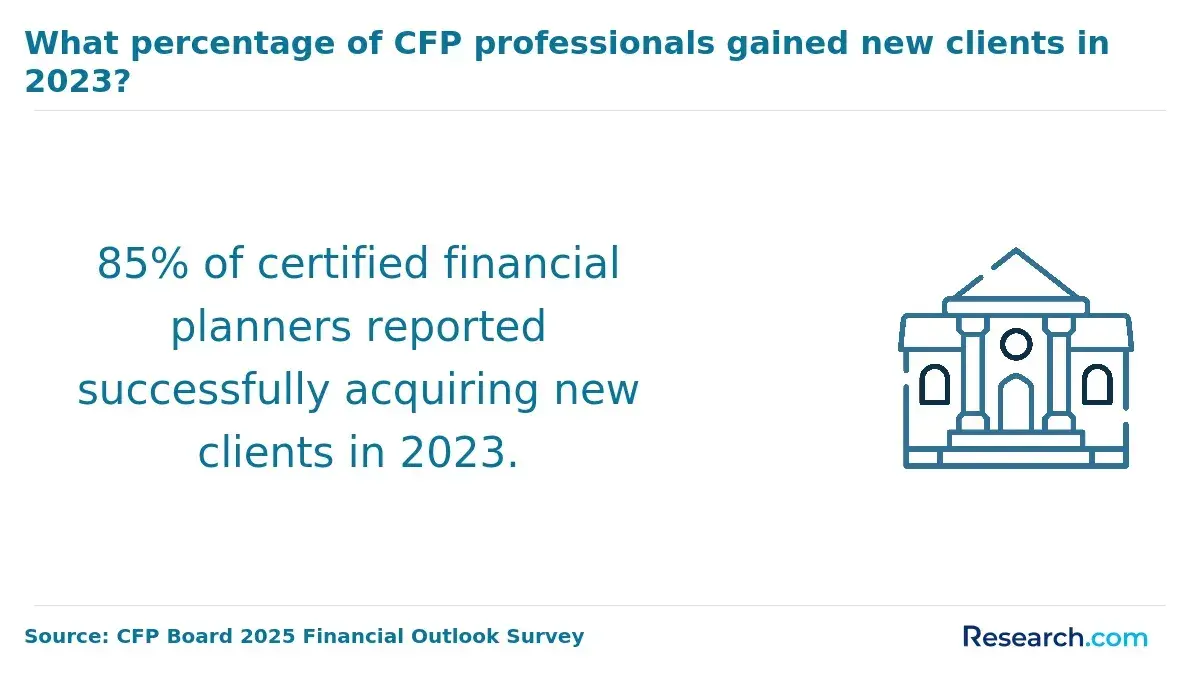
How much does it cost to become a certified financial planner in Massachusetts?
The total cost of becoming a Certified Financial Planner (CFP) in Massachusetts varies based on education choices, exam registration timing, and individual preparation needs, reflecting a substantial investment in a long-term financial planning career. Below is an overview of key expenses associated with the certification process to help you budget accordingly.
- Education and Coursework Fees: Completing a CFP Board-registered education program is mandatory, covering essential topics like retirement and estate planning. Typical costs range from $4,500 to $6,000, although local providers may offer options under $3,000. This foundational step meets eligibility requirements for the CFP exam and supports your overall understanding of financial planning principles.
- CFP Exam Fees: Exam fees differ based on registration time, starting at $825 for early registration and increasing to $1,025 for late sign-ups. The exam encompasses a broad range of financial planning material, and investing in adequate preparation can help minimize the risk of costly retakes.
- Certification and Renewal Costs: After passing the exam and satisfying experience requirements, there is a one-time $200 application fee to obtain the certification. Maintaining the credential involves a $455 annual renewal fee, which supports ongoing professional development and access to CFP Board resources.
- Optional Exam Prep Course Expenses: Many candidates choose additional prep courses, with prices starting around $995, to improve their chances of first-time exam success. These courses often provide structured review and practice exams, which can be especially valuable for busy professionals balancing work and study.
- Continuing Education and Miscellaneous Costs: CFPs must complete 30 hours of continuing education every two years, including ethics training. While some educational programs may be included through memberships, additional costs can arise from materials, conferences, or in-person sessions. Despite these expenses, these activities help keep knowledge current and skills sharp.
For those seeking further advancement in finance, pursuing a master of accountancy might be a complementary educational path to enhance career prospects beyond CFP certification.
What skills do you need to become a successful certified financial planner?
Developing both technical expertise and strong interpersonal skills is essential for CFPs in Massachusetts to navigate the complexities of financial planning while building trust with clients. This balance fosters the essential financial planning skills in Massachusetts that allow planners to address diverse client needs effectively. The following key abilities are particularly important for success in this field:
- Analytical Thinking - This skill enables CFPs to carefully evaluate client data, tax implications, and market trends to tailor financial strategies. Given Massachusetts' rigorous certification process, which includes comprehensive exams, planners develop the critical thinking necessary to assess risks and opportunities objectively and create client-centered plans.
- Effective Communication - Mastering clear, accessible dialogue is crucial for explaining complex financial concepts and gaining client confidence. Communication and analytical skills for CFPs in Massachusetts work hand-in-hand, as planners must translate technical details into understandable advice while responding to regulatory disclosure requirements.
- Ethical Judgment - CFPs must prioritize fiduciary responsibility by adhering to strict ethical standards, ensuring transparency and integrity in all client interactions. This judgment is vital to maintaining the professionalism that protects client interests and upholds the reputation of the financial planning profession.
- Client Relationship Management - Building long-term partnerships with clients demands empathy, trust, and consistent engagement. This interpersonal skill is strengthened through extensive practical experience, reflecting the importance of understanding clients' evolving financial situations over time.
- Adaptability - The financial landscape continually evolves with new regulations and products, requiring planners to stay current through ongoing education. Adaptability ensures CFPs can revise strategies promptly while maintaining compliance and delivering relevant advice.
For those exploring advanced qualifications, pursuing an accounting MBA degree can further enhance both analytical and communication abilities, reinforcing a CFP's capacity to succeed in Massachusetts' demanding financial environment.
Which industries or firms hire CFP professionals in Massachusetts?
CFP professionals in Massachusetts can find career opportunities across diverse sectors that value financial expertise and client advisory skills, reflecting the state's strong demand for qualified financial planners. Massachusetts financial advisory firms hiring CFP professionals often span various industries, each offering unique roles and growth potential. Below are the main industries and firms that commonly seek Certified Financial Planner career opportunities in Massachusetts industries.
- Wealth Management Firms: These firms concentrate on personalized wealth growth and transfer strategies, where CFPs design retirement plans, investment approaches, and estate planning solutions. The collaborative nature of wealth management supports ongoing skill development and access to affluent client portfolios.
- Banks and Financial Institutions: CFPs in large regional and national banks act as financial advisors or client managers, guiding clients through investment products and banking services. Such organizations provide structured career pathways and a stable client base within regulated environments.
- Insurance Companies: Here, CFPs combine risk management with financial planning by recommending life, health, and long-term care insurance products as part of larger strategies. These positions enhance insurance expertise while cross-training in investment and retirement planning.
- Investment Advisory Firms: Independent and boutique firms hire CFPs to manage portfolios, analyze markets, and offer tailored investment advice. This setting encourages adaptability and a keen understanding of market trends and regulations.
- Independent Financial Advisory Practices: CFPs working independently enjoy autonomy in client management and financial guidance. Though entrepreneurial skills are essential, this path offers flexibility and potential for higher earnings.
For those considering the financial planning field in Massachusetts, understanding industry diversity can clarify potential pathways. Additionally, if you are evaluating educational investments related to this career, insights into masters in accounting salary may provide useful context for financial decision-making.
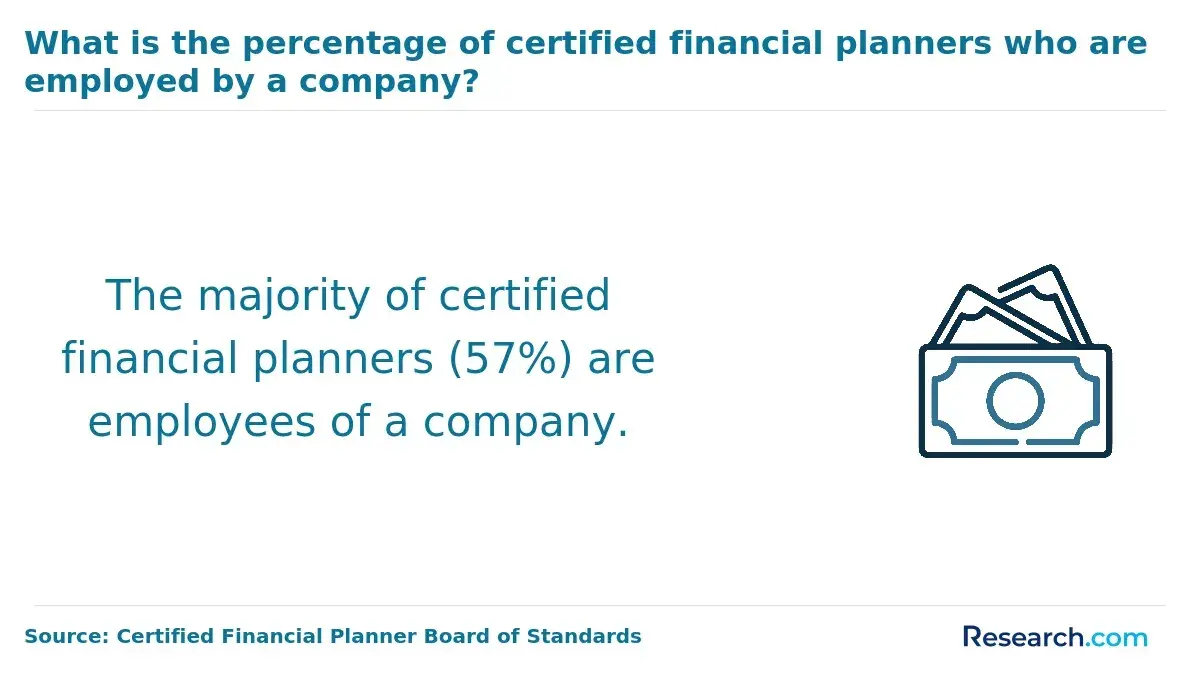
What is the average salary of a certified financial planner in Massachusetts?
The average salary of Certified Financial Planners (CFPs) in Massachusetts varies widely, influenced by several key factors that shape earning potential and career trajectories. Below are the primary considerations affecting salaries in this field:
- Experience Level: Salary increases with experience, starting around $103,000 for entry-level CFPs and rising to $150,000-$225,000 mid-career. Seasoned professionals in leadership roles can earn well above $300,000, reflecting greater responsibility and expertise.
- Industry or Employer Type: Compensation differs significantly depending on the employer. Larger financial institutions or wealth management firms typically offer higher salaries compared to smaller practices or nonprofit organizations, impacting overall earnings.
- Certifications and Credentials: Holding a CFP certification generally results in about a 10% higher salary compared to non-certified advisors. Additional certifications can further enhance credibility and provide a competitive edge in the job market.
- Geographic Location: Salary variation exists within Massachusetts itself. Urban centers like Boston often have more lucrative opportunities due to a higher concentration of financial services compared to smaller cities such as Peabody.
- Client Base: CFPs who cater to high-net-worth clients or large corporations tend to earn more than those serving smaller or less affluent clientele, as larger client assets translate into higher fees and commissions.
How can certified financial planners advance their careers in Massachusetts?
Advancing one's career as a Certified Financial Planner (CFP) in Massachusetts is crucial for those aiming to expand their client base, enhance earning potential, and secure leadership or specialized roles in the state's competitive financial sector. The following strategies outline effective pathways to professional growth and long-term success for CFPs in Massachusetts.
- Pursue Advanced Certifications: Expanding credentials beyond the CFP® designation with certifications like Chartered Financial Analyst (CFA) or Accredited Investment Fiduciary (AIF) increases credibility and access to senior roles, appealing to firms valuing multidisciplinary expertise.
- Gain Experience in Niche Financial Planning Areas: Specializing in sectors such as retirement or estate planning can differentiate CFPs, enabling them to attract clients seeking tailored advice and command higher fees within Massachusetts's evolving market.
- Build a Strong Client Network: Engaging with local financial associations and professional events fosters mentorship, referrals, and collaborations, which are vital for sustainable career advancement in the region.
- Leverage Technology and Financial Tools: Mastery of advanced software and digital platforms enhances advisory efficiency and positions planners as innovative leaders meeting modern client expectations.
- Seek Leadership or Management Roles: Assuming team lead or department head positions leverages experience into greater influence and compensation, provided planners demonstrate compliance expertise and effective mentorship.
What Do Certified Financial Planners in Massachusetts Say About Their Career?
- Pursuing my CFP certification through Boston University's comprehensive program was a transformative experience. The curriculum not only equipped me with the technical skills but also deeply connected me to Massachusetts's dynamic financial landscape. Starting my career advising students at a local academic institution allowed me to witness firsthand how sound financial planning can empower the next generation. The stability and respect the profession holds in this community inspire me every day to keep growing. I genuinely feel that I'm making a real difference in helping young people secure their futures. Andre
- The journey to becoming a certified financial planner at Northeastern University was rigorous, yet incredibly rewarding. Working at a local school has enriched my professional path, allowing me to blend financial expertise with educational mission-driven work. Massachusetts's unique blend of innovation and tradition creates distinct challenges and opportunities that push me to refine my strategies constantly. I appreciate how this career stimulates both my analytical skills and my passion for community impact, fostering personal and professional growth simultaneously. Jin
- Completing my CFP certification through UMass Amherst opened doors to a meaningful career where I could contribute beyond just numbers. My role working at a local academic institution allows me to mentor students, helping them navigate financial decisions that will affect their entire lives. Massachusetts's supportive environment for financial professionals fuels my ambition to constantly develop and advance in my field. It's fulfilling to witness the ripple effect of positive financial habits cultivated in our community, and I am proud to be part of this essential profession. Laila
Related Articles for Nearby States
- 2027 How to Become a Certified Financial Planner in Rhode Island
- 2027 How to Become a Certified Financial Planner in Connecticut
- 2027 How to Become a Certified Financial Planner in New Hampshire
- 2027 How to Become a Certified Financial Planner in New York
- 2027 How to Become a Certified Financial Planner in Vermont
- 2027 How to Become a Certified Financial Planner in New Jersey
- 2027 How to Become a Certified Financial Planner in Maine
- 2027 How to Become a Certified Financial Planner in Pennsylvania
- 2027 How to Become a Certified Financial Planner in Delaware
- 2027 How to Become a Certified Financial Planner in Maryland
References:
- 52 cfp Jobs in Massachusetts, October 2025 | Glassdoor https://www.glassdoor.com/Job/massachusetts-cfp-jobs-SRCH_IL.0,13_IS3399_KO14,17.htm
- 10 Best Places To Live in Massachusetts on Only a Social Security Check https://www.nasdaq.com/articles/10-best-places-to-live-in-massachusetts-on-only-a-social-security-check
- Browse jobs | CFP Board Career Center https://careers.cfp.net/jobs/
- Maintaining Your Certification with CFP® Continuing Education https://www.bostonifi.com/resources/cfp-resources/maintaining-your-certification-with-cfp-continuing-education
- CFP Continuing Education (CE) Requirements & Programs https://www.cfp.net/for-cfp-pros/continuing-education
- 20 Best cfp jobs in boston, ma (Hiring Now!) | SimplyHired https://www.simplyhired.com/search
- Certification Education Program https://www.theamericancollege.edu/learn/professional-designations-certifications/cfp
- Financial Planning Program | Boston University Metropolitan College CPE https://cpe.bu.edu/financial-planning/
- RICE Fees & Registration https://www.sec.state.ma.us/divisions/securities/rice/rice-fees-and-registration.htm
- Registration & Tuition | CFP Financial Planning Program | BU https://financialplanningonline.bu.edu/registration-and-tuition/
Other Things You Should Know About Becoming a Certified Financial Planner in Massachusetts
To become a Certified Financial Planner in Massachusetts in 2027, candidates must possess a bachelor’s degree from an accredited institution. Additionally, completion of a CFP Board-registered program is required. This includes coursework in financial planning topics to ensure candidates are well-prepared for the CFP Certification Examination.
In 2027, to become a CFP in Massachusetts, complete a CFP Board-registered program, pass the CFP exam, gain 6,000 hours of professional experience, and adhere to the Board’s ethical standards. Also, earn a bachelor's degree and complete continuing education requirements every two years.