2027 How to Become a Certified Financial Planner in Louisiana

Co-Founder and Chief Data Scientist
Louisiana offers a growing market for certified financial planners, with over 15% projected employment growth in the financial advisory sector through 2030. The state's diverse economy and increasing demand for financial expertise make it a strategic location for pursuing certification. Certified financial planners in Louisiana enjoy competitive salaries and opportunities to support a broad client base, including individuals and businesses seeking retirement, investment, and tax planning.
This article, prepared by seasoned career planning experts, outlines the necessary steps to become a certified financial planner in Louisiana. It presents essential certification requirements, educational paths, and professional standards to guide prospective candidates efficiently toward their career goals.
Key Things to Know About Becoming a Certified Financial Planner in Louisiana
- Complete a bachelor's degree and finish the CFP Board's required coursework, covering financial planning, insurance, investments, tax, and retirement topics essential for Louisiana's finance industry.
- Pass the CFP exam, a rigorous test assessing competence and ethics; Louisiana's rapidly growing population increases demand for credentialed planners.
- Fulfill the experience requirement with at least 6,000 hours of professional financial planning experience or 4,000 hours of apprenticeship under a certified planner.
- What are the education requirements to become a certified financial planner in Louisiana?
- How do you prepare for the CFP exam in Louisiana?
- What certifications and licenses do financial planners need in Louisiana?
- How often do you need to renew your CFP certification in Louisiana?
- What continuing education is required to maintain CFP certification in Louisiana?
- How much does it cost to become a certified financial planner in Louisiana?
- What skills do you need to become a successful certified financial planner?
- Which industries or firms hire CFP professionals in Louisiana?
- What is the average salary of a certified financial planner in Louisiana?
- How can certified financial planners advance their careers in Louisiana?
What are the education requirements to become a certified financial planner in Louisiana?
Completing the proper education is essential for aspiring Certified Financial Planners (CFPs) in Louisiana, as it guarantees they possess both the theoretical foundation and practical expertise necessary to offer competent financial advice. Meeting stringent education requirements is a vital step for professionals seeking to earn certification and establish credibility within Louisiana's competitive financial services sector. The key educational components include the following:
- Earn a Bachelor's Degree: Candidates must obtain at least a bachelor's degree from an accredited institution, which can be in any discipline. Many individuals choose majors such as finance, accounting, or business to build a stronger knowledge base that enhances career opportunities.
- Complete CFP Board-Approved Coursework: To qualify for the CFP exam, candidates need to finish a comprehensive curriculum through CFP Board-Registered programs in Louisiana. These programs, offered by institutions like Loyola University New Orleans or Louisiana State University, cover essential topics including estate planning, retirement, investment management, insurance, and tax planning.
- Develop Financial Planning Knowledge: The coursework emphasizes all core areas of financial planning and integrates ethics and professional conduct. This preparation ensures candidates meet industry standards and are ready to provide effective client solutions before sitting for the certification exam.
- Fulfill Continuing Education Requirements: After certification, CFP professionals in Louisiana must complete 30 hours of ongoing education every two years. This commitment helps them stay current with evolving regulations and best practices, maintaining the quality and relevance of their financial guidance.
Prospective CFPs can also benefit from related programs such as accounting certificate programs to further strengthen their expertise in key financial disciplines.
How do you prepare for the CFP exam in Louisiana?
Proper preparation is essential for passing the rigorous Certified Financial Planner (CFP) exam, as it demonstrates a candidate's readiness to deliver professional financial planning services with competence and ethical standards. To achieve success on the CFP exam in Louisiana, candidates should adopt several key strategies that build knowledge, refine time-management skills, and foster confidence throughout the study process.
- Create a Structured Study Plan: Developing a detailed, consistent schedule helps candidates systematically cover all exam topics over several months, preventing last-minute cramming and promoting deeper understanding.
- Use CFP Board-Approved Review Materials: Focusing on materials endorsed by the CFP Board or reputable local programs ensures relevance to the exam's content and structure, allowing candidates to track progress and identify areas needing improvement.
- Join Study Groups or Prep Courses: Engaging in collaborative learning environments provides peer support, expert guidance, and opportunities to clarify complex concepts, enhancing overall retention and motivation.
- Practice with Mock Exams: Completing timed, full-length practice tests familiarizes candidates with exam pacing, reduces anxiety, and highlights knowledge gaps that require further review.
- Connect with Mentors: Seeking advice from experienced CFP professionals in Louisiana offers personalized strategies, encouragement, and insights into the regional financial planning landscape.
What certifications and licenses do financial planners need in Louisiana?
Holding the proper certifications and licenses is essential for Certified Financial Planners (CFPs) in Louisiana to maintain professional credibility, meet legal and ethical standards, and provide comprehensive financial advice that addresses client needs effectively. For those considering the financial planner license requirements in Louisiana, several key credentials are necessary to establish a recognized and compliant practice. Below are the primary certifications and licenses required or commonly held by CFPs in the state:
- Certified Financial Planner (CFP) Certification: This nationally respected certification is awarded by the Certified Financial Planner Board of Standards, Inc. Candidates must complete CFP Board Registered Program coursework, hold at least a bachelor's degree, pass a rigorous exam, and fulfill ethics and experience criteria. The CFP certification signifies expertise across investment, tax, retirement, estate, and insurance planning.
- State Investment Adviser Representative Registration: To legally provide personalized investment advice in Louisiana, financial planners must register as investment adviser representatives with the Louisiana Office of Financial Institutions using the FINRA IARD system. Passing the Series 65 exam is generally required, although holding the CFP certification can exempt candidates from this exam, demonstrating equivalent professional competence.
- Securities Licenses (Series 65, Series 7, and Series 66): These licenses, administered by FINRA, authorize financial planners to offer various investment and securities services. The Series 65 permits fee-based advisory roles, Series 7 allows sales of a broad range of securities, and Series 66 combines securities agent and investment adviser qualifications. CFPs in Louisiana may be exempt from these exams due to overlapping standards with the CFP certification.
- Louisiana Insurance Producer License: Professionals advising on life, health, or annuity insurance products must obtain this license through the Louisiana Department of Insurance. Candidates must pass a state-specific exam and fulfill continuing education requirements, enabling them to legally sell and manage insurance policies, a critical component of holistic financial planning.
- Continuing Education Requirements: Maintaining CFP certification and other licenses in Louisiana involves completing regular continuing education, such as 30 hours biennially with required ethics training. These mandates ensure financial planners stay current with evolving laws, regulations, and industry best practices, reinforcing their professional standing.
Those seeking to advance in this field may find it helpful to explore accounting jobs and careers to understand related financial professions and opportunities.
How often do you need to renew your CFP certification in Louisiana?
Maintaining an active CFP® certification is essential for financial planners in Louisiana to demonstrate ongoing professional competence, ethical commitment, and compliance with the standards set forth by the CFP Board. The following outlines the key renewal requirements that ensure CFP professionals remain current and uphold industry standards.
- Annual Renewal Period: CFP certification must be renewed every year, with the renewal application and fee submitted before the expiration date. This consistent cycle aligns Louisiana CFPs with national standards, promoting uniformity in credential maintenance.
- Continuing Education Requirement: CFPs are required to complete continuing education to stay informed about evolving financial planning practices and regulations. This requirement supports ongoing professional development and technical proficiency.
- Ethics Course Completion: Within the continuing education requirement, CFPs must complete a CFP Board-approved ethics course every two years. This training reinforces adherence to ethical standards and the commitment to responsible client service.
- Renewal Application Submission: Each year, CFPs must submit an application affirming compliance with the CFP Board's Code of Ethics and Standards of Conduct. The application includes disclosures related to legal or regulatory issues to maintain transparency and trust.
- Annual Renewal Fees: Payment of an annual certification fee is mandatory to retain CFP status. Timely fee submission prevents late penalties and supports the ongoing administration of certification standards.
What continuing education is required to maintain CFP certification in Louisiana?
Continuing education is vital for Certified Financial Planner (CFP) professionals to stay current with evolving financial regulations, ethical standards, and industry best practices, ensuring they provide the highest quality advice to clients. The key continuing education (CE) requirements for CFPs in Louisiana are as follows:
- Total CE Hours Required: Thirty hours must be completed every two years to maintain certification, promoting ongoing professional development and competency.
- Ethics Training: At least two hours must focus on CFP Board-approved ethics content, emphasizing adherence to the Code of Ethics and fostering client trust.
- Approved Course Providers: CE credits must come from CFP Board-registered programs or undergo a vetting process if non-registered, ensuring educational quality and relevance.
- Acceptable Learning Formats: CFPs may choose from live classes, live online sessions, or interactive self-study courses, allowing flexibility while maintaining rigorous standards.
How much does it cost to become a certified financial planner in Louisiana?
The total cost of becoming a Certified Financial Planner (CFP) in Louisiana can vary based on several factors, including the choice of education provider and preparation materials; however, this expense represents a vital investment for those pursuing a long-term financial planning career. Below are the primary expenses involved in the CFP certification process in Louisiana.
- Education and Coursework Fees: Completing the required education typically involves enrolling in a CFP Board-approved program that covers essential topics like investments, tax planning, and estate planning. These programs usually range from $1,000 to $5,000 or more, depending on the institution and delivery method.
- CFP Exam Fees: The CFP exam fee is approximately $825 for the full exam, with variations depending on registration timing and retakes. This one-time fee covers the administration of the exam, a critical step to achieving certification.
- Certification and Renewal Costs: After passing the exam, CFP professionals pay an annual certification fee, typically about $355, which supports continuous professional standards and continuing education requirements for maintaining the credential.
- Optional Prep Course Expenses: Many candidates choose to invest in additional preparation courses that range from $500 to $2,000 or more. These courses enhance exam readiness and can increase the likelihood of success.
For learners exploring further education options related to finance, considering an accounting graduate degree online may provide valuable knowledge complementary to financial planning expertise.
What skills do you need to become a successful certified financial planner?
Success as a Certified Financial Planner in Louisiana requires a harmonious blend of technical proficiency and strong interpersonal skills, which together empower planners to navigate complex financial scenarios and foster meaningful client relationships. Developing these capabilities enhances a planner's ability to meet the demanding certified financial planner qualifications Louisiana professionals face and thrive in a competitive environment. The following key skills are essential for effective performance and long-term career development.
- Analytical Thinking - Proficient CFPs analyze intricate financial information to devise customized strategies that align with client objectives and regulatory frameworks. This skill underpins their expertise in investment analysis, tax planning, and retirement solutions, all vital components for meeting the specialized requirements of financial planner skills Louisiana.
- Communication - Clear and empathetic communication helps planners translate complex financial concepts into understandable advice tailored to clients' diverse literacy levels. Strong communicators build lasting trust, encouraging client retention and positive referrals within Louisiana's financial sector.
- Ethical Judgment - Commitment to the CFP Board's ethical standards is paramount, ensuring planners prioritize client interests and uphold compliance with state and federal laws. Ethical judgment safeguards both client assets and the planner's professional reputation.
- Client Relationship Management - Cultivating trust through active listening, cultural awareness, and personalized engagement is especially crucial in Louisiana, where strong community values influence client expectations. Effective relationship management differentiates planners in a competitive market.
- Adaptability - Adapting to evolving regulations, economic trends, and technological advances enables CFPs to provide relevant, efficient service. Staying current with continuing education and embracing innovation is essential for sustained success.
Those preparing for a career in financial planning may also consider the benefits of pursuing the fastest accounting degree online to strengthen their foundational knowledge and expedite entry into the profession.
Which industries or firms hire CFP professionals in Louisiana?
Certified Financial Planner (CFP) professionals in Louisiana can find rewarding career opportunities across diverse sectors that highly value financial expertise and client advisory skills. These opportunities span a wide range of industries, each offering unique roles and growth potential for those pursuing a CFP designation. The following list highlights the main industries and types of firms that commonly employ CFP professionals in Louisiana:
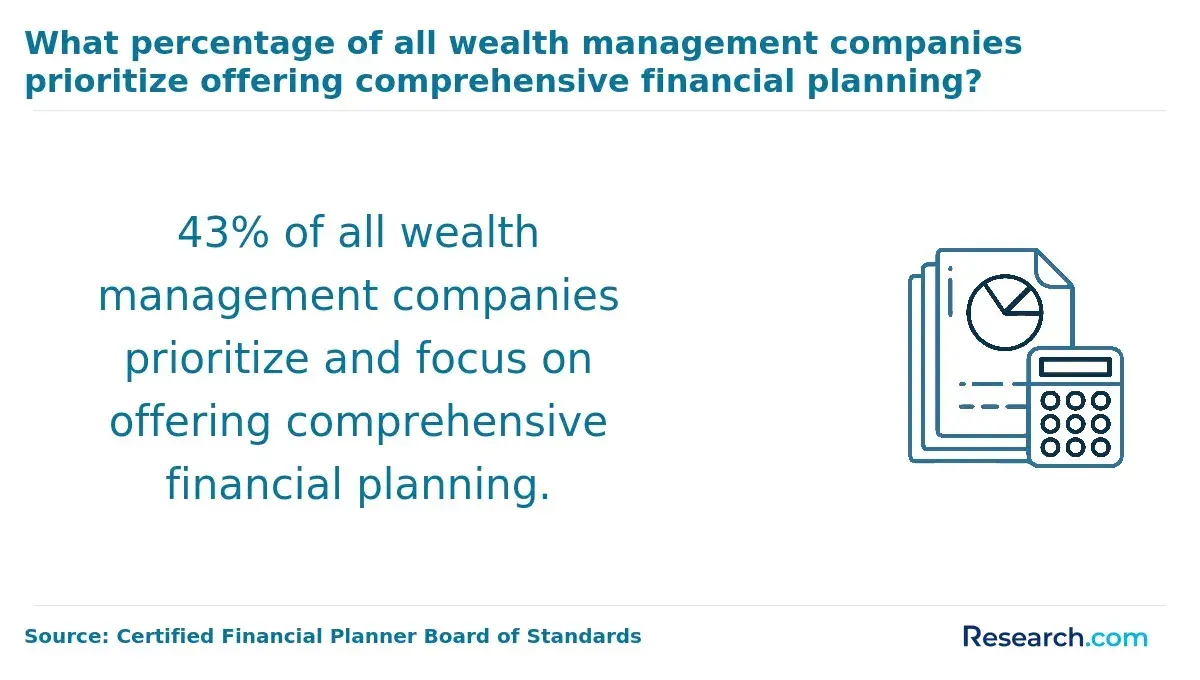
- Wealth Management Firms: CFPs in these firms provide comprehensive financial planning, investment management, and estate planning, primarily for high-net-worth clients. This environment fosters deep professional development through managing complex financial situations and utilizing advanced planning tools.
- Banks and Financial Institutions: CFPs working here offer integrated financial advice to clients, including retirement and risk management planning. These firms often support career growth with robust training programs and opportunities to develop diverse financial skills.
- Insurance Companies: Professionals in this sector help clients navigate risk assessment and select appropriate insurance products like life insurance and annuities. Insurance companies also provide valuable licensing support and specialized training to CFPs.
- Investment Advisory Firms: These firms emphasize unbiased financial guidance and portfolio management. CFPs conduct market research and maintain client relationships while benefiting from a client-centered culture and ongoing professional development.
- Independent Financial Planning Practices: Many CFPs operate independently or in small offices, delivering personalized advice on retirement, taxes, and estate planning. This path allows autonomy and closer client engagement tailored to specific needs.
- Employee Benefits and Retirement Consulting Firms: CFPs advise businesses on employee benefits and retirement plans, providing counseling and helping ensure regulatory compliance. This niche encourages expertise in benefits administration and retirement planning.
- Healthcare and Nonprofit Organizations: Some CFPs work within healthcare or nonprofit sectors to promote financial wellness and literacy through counseling and educational resources.
For aspiring planners seeking comprehensive financial backgrounds, additional credentials such as a forensic accounting program may enhance analytical skills complementary to CFP expertise.
What is the average salary of a certified financial planner in Louisiana?
The average salary of Certified Financial Planners (CFPs) in Louisiana varies significantly based on several critical factors influencing both compensation and long-term career prospects. These factors shape earning potential and the professional trajectory within the financial planning field in Louisiana. Key influences on CFP salaries include the following:
- Experience Level: Entry-level CFPs generally start with lower salaries, but with increased experience, professionals can earn substantially higher pay and may advance into senior or management roles, reflecting their greater expertise and market value.
- Industry or Employer Type: CFPs employed by large financial institutions, wealth management firms, or boutique advisory companies typically receive higher compensation compared to those at smaller firms or operating independently, where income may be more commission-based and variable.
- Certifications and Credentials: In addition to the CFP designation, acquiring advanced credentials-such as the Chartered Financial Analyst (CFA)-can elevate salary ranges, as employers prefer candidates with specialized knowledge and continual professional development.
- Geographic Location: Salaries fluctuate widely between cities; for example, CFPs in metropolitan areas like New Orleans and Lafayette often earn between $120,000 and $152,000 annually, whereas those in Baton Rouge and Shreveport tend to earn closer to $60,000 to $73,000.
- Client Base: CFPs serving high-net-worth individuals or corporate clients can command higher fees and commissions than those working with broader consumer markets, making client portfolio and relationships a decisive factor in income levels.
How can certified financial planners advance their careers in Louisiana?
Career advancement is crucial for Certified Financial Planners (CFPs) in Louisiana aiming to expand their client base, increase earning potential, and assume leadership or specialized roles within a competitive market. Effective strategies can help CFPs build credibility, expertise, and lasting professional success. Key approaches include:
- Pursue Advanced Certifications: Earning additional credentials beyond the CFP® designation demonstrates specialized knowledge, enhances professional credibility, and often leads to higher income through attracting high-net-worth clients.
- Gain Niche Expertise: Focusing on specific financial planning areas such as retirement or estate planning allows CFPs to differentiate themselves and meet the distinct needs of Louisiana's diverse population, generating referrals and repeat business.
- Build a Strong Client Network: Delivering excellent client service and engaging actively with local business communities fosters trust and expands opportunities through word-of-mouth recommendations.
- Leverage Technology and Tools: Adopting advanced financial software and CRM systems streamlines operations, increases efficiency, and enhances personalized client engagement.
- Seek Leadership Roles: Taking on management responsibilities boosts earning potential and provides chances to influence firm strategy and mentor junior advisors.
What Do Certified Financial Planners in Louisiana Say About Their Career?
- Completing my Certified Financial Planner program at Tulane University provided me with an exceptional foundation in financial principles tailored to Louisiana's unique economic landscape. Starting my career in a local school allowed me to connect deeply with students from diverse backgrounds, inspiring them to pursue financial literacy passionately. The opportunity to contribute positively to the community while advancing professionally has been incredibly rewarding. Louisiana's vibrant culture and economic challenges motivate me daily to educate with empathy and expertise. Hayley
- The journey to becoming a CFP through the Louisiana State University Online program was both rigorous and fulfilling, equipping me with crucial skills that I use every day as I teach in a local academic institution. I appreciate the job stability and career growth prospects this path has given me. Reflecting on my experience, the ability to influence young people's financial futures while considering Louisiana's cultural and economic uniqueness really sets this career apart. Helping students navigate their financial goals in this rich community environment fills me with pride. Gerard
- Pursuing my CFP certification at Xavier University of Louisiana opened doors to exciting professional development and leadership roles within local schools. The cultural diversity and resources in Louisiana present unique challenges and opportunities that make my work deeply impactful. Being part of shaping financial education for the next generation in this region has been both a personal and professional growth journey. The passion I have for nurturing financial literacy here is unmatched, grounded in both knowledge and a commitment to community well-being. Brandon
Related Articles for Nearby States
- 2027 How to Become a Certified Financial Planner in Mississippi
- 2027 How to Become a Certified Financial Planner in Arkansas
- 2027 How to Become a Certified Financial Planner in Texas
- 2027 How to Become a Certified Financial Planner in Alabama
- 2027 How to Become a Certified Financial Planner in Tennessee
- 2027 How to Become a Certified Financial Planner in Missouri
- 2027 How to Become a Certified Financial Planner in Oklahoma
- 2027 How to Become a Certified Financial Planner in Florida
- 2027 How to Become a Certified Financial Planner in Kentucky
- 2027 How to Become a Certified Financial Planner in Georgia
References:
- What is the CSRIC™ Designation? https://www.kaplanfinancial.com/resources/career-advancement
- Highland Wealth - (14) Our Expertise | Baton Rouge, LA https://highlandwealth.nm.com/our-expertise.htm
- Certified Financial Planner (CFP) https://www.banktrainingcenter.com/CFP.asp
- CPE - Louisiana State Board of CPAs https://cpaboard.state.la.us/cpe/
- Renewal Policies https://www.cfp.net/for-cfp-pros/continuing-education/renewal/renewal-policies
- PLPC Renewal Information https://www.lpcboard.org/page/plpc-renewal-information
- Financial Planner Salary in Louisiana – LA | Stock Broker | Advisor Salaries | What is a Financial Planner? | What does a Financial Planner do? https://www.financialplannerworld.com/louisiana-financial-planner-salary/
- Certified Financial Planner vs. Financial Planner: What's the Difference? https://www.legalzoom.com/articles/certified-financial-planner-vs-financial-planner-whats-the-difference
- 15 Best Places in Louisiana for a Couple to Live on Only Social Security https://finance.yahoo.com/news/15-best-places-louisiana-couple-231035619.html
- 130 Certified Financial Planner jobs in Louisiana https://www.linkedin.com/jobs/certified-financial-planner-jobs-louisiana
Other Things You Should Know About Becoming a Certified Financial Planner in Louisiana
In 2027, Certified Financial Planners in Louisiana must follow the CFP Board's Code of Ethics and Standards of Conduct. This includes acting with integrity, competence, diligence, and professionalism while prioritizing the client’s best interests in financial planning engagements.
In 2027, to become a Certified Financial Planner in Louisiana, you must complete a CFP Board-registered program, pass the CFP exam, hold a bachelor’s degree, and have 6,000 hours of financial planning experience or 4,000 hours of an apprenticeship. Ethics requirements involve adherence to the CFP Board's Code of Ethics.