
2027 How to Become a Certified Financial Planner in California

Co-Founder and Chief Data Scientist
California hosts one of the largest concentrations of certified financial planners (CFPs) in the United States, reflecting a growing demand for expert financial guidance. According to recent statistics, the state employs over 15,000 CFP professionals, underscoring robust career opportunities in a dynamic market. The financial services sector in California continues to expand, fueled by a diverse economy and an increasing emphasis on personal and corporate wealth management. Pursuing certification enhances credibility and opens pathways to advanced roles, making it a strategic career move for aspiring financial advisors.
This article explores the essential steps to become a certified financial planner in California. Developed by seasoned career planning experts, it offers clear, reliable information to guide prospective candidates through certification requirements, industry expectations, and professional advancement strategies. Readers will gain comprehensive insights to support successful entry into this competitive profession.
Key Things to Know About Becoming a Certified Financial Planner in California
- Complete a CFP Board-registered education program, which typically requires 18 to 24 months of study covering financial planning, tax, retirement, and estate planning.
- Pass the CFP Certification Exam, a rigorous 170-question test with a pass rate around 60%, designed to assess comprehensive financial planning knowledge and ethical standards.
- Gain at least three years (6,000 hours) of relevant professional experience in the finance industry before applying for certification, reflecting California's robust and competitive CFP workforce estimated at over 10,000 licensed professionals.
- What are the education requirements to become a certified financial planner in California?
- How do you prepare for the CFP exam in California?
- What certifications and licenses do financial planners need in California?
- How often do you need to renew your CFP certification in California?
- What continuing education is required to maintain CFP certification in California?
- How much does it cost to become a certified financial planner in California?
- What skills do you need to become a successful certified financial planner?
- Which industries or firms hire CFP professionals in California?
- What is the average salary of a certified financial planner in California?
- How can certified financial planners advance their careers in California?
What are the education requirements to become a certified financial planner in California?
Completing the proper education is essential for individuals aiming to become Certified Financial Planners in California, as it establishes a strong foundation of technical expertise and ethical standards needed to serve clients effectively.
The rigorous educational path equips candidates to meet the diverse challenges of financial planning in a competitive market. The key educational requirements include the following components:
- Bachelor's Degree Requirement for Certified Financial Planner California: Candidates must obtain a bachelor's degree or higher from an accredited institution in any discipline before passing the CFP exam or within five years afterward. While not mandatory to study finance specifically, degrees that include coursework in business or economics offer an advantageous foundation.
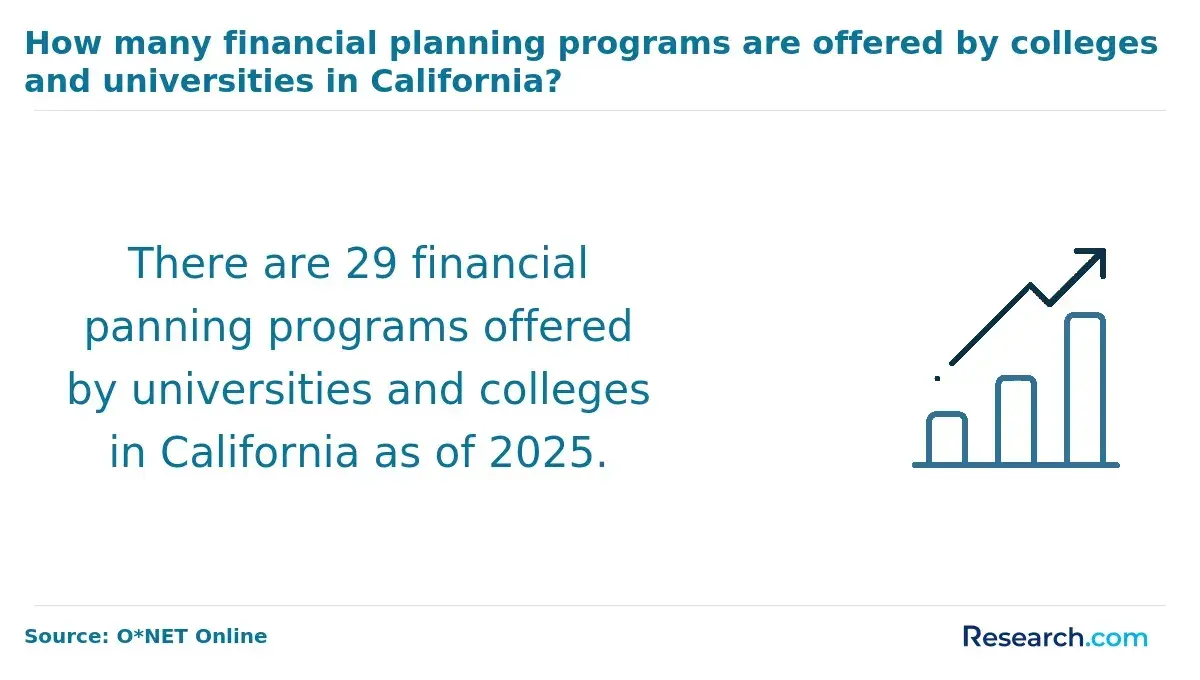
- CFP Board Registered Program in California: Completion of a CFP Board-approved education program covering nine core areas is mandatory. These programs, offered by several California institutions, provide at least 15 credits focused on essential financial planning domains, ensuring comprehensive preparation for certification and practice.
- Gaining Financial Planning Knowledge: The approved coursework blends theory and application through case studies and a capstone course, where candidates develop a detailed financial plan. This practical approach fosters skills necessary to create actionable client strategies and to meet professional expectations.
- Continuing Education Requirements: After certification, CFP professionals must fulfill 30 hours of continuing education biennially, including ethics training. This ongoing learning mandates staying current with evolving laws and financial tools, sustaining professional competency in California's dynamic environment.
For those interested in related career paths, understanding how to become a financial accountant may offer useful insights alongside the CFP educational requirements.
How do you prepare for the CFP exam in California?
Proper preparation for the Certified Financial Planner (CFP) exam is crucial due to its comprehensive and challenging nature, reflecting a candidate's aptitude for delivering expert financial planning services in California's competitive market.
Effective study techniques enable candidates to consolidate knowledge, refine analytical abilities, and build the confidence necessary for success. The following strategies outline essential steps for CFP exam readiness in California.
- Create a Structured Study Plan: Establish a consistent schedule that balances broad content review with focused practice on weaker topics, typically involving 10-15 hours weekly over several months. Breaking study time into manageable segments supports retention and prevents burnout while allowing for frequent self-assessment and adjustment.
- Use CFP Board-Approved Review Materials: Rely on official resources such as the CFP Board's candidate handbook and prep checklist to ensure alignment with exam content, supplemented by reputable third-party materials to deepen understanding of core financial planning concepts.
- Join Study Groups or Prep Courses: Engage in collaborative learning environments that encourage discussion and problem-solving, benefiting from expert guidance and peer support which enhance comprehension and motivation.
- Practice with Mock Exams: Simulate real testing conditions to build exam stamina and improve time management, while using performance feedback to identify and target persistent weaknesses.
A CFP from California who graduated from a local university shared that balancing demanding work commitments with study was initially overwhelming.
He emphasized the importance of incremental progress, saying, "I focused on mastering one topic at a time and used regular mock exams to measure my improvement. It was frustrating at moments, but seeing steady gains kept me motivated."
He also highlighted the value of connecting with peers through online study groups, which provided both accountability and diverse perspectives.
This thoughtful, disciplined approach ultimately transformed his preparation experience, reinforcing that success depends not only on knowledge but also on resilience and adaptability.
What certifications and licenses do financial planners need in California?
Holding the proper certifications and licenses is essential for Certified Financial Planners in California to maintain professional credibility, comply with legal and ethical standards, and deliver comprehensive financial advice that meets clients' complex needs.
Below is an outline of the key certifications and licenses that form the foundation for successful financial planning careers in the state.
- Certified Financial Planner (CFP) Certification: This designation is the industry benchmark awarded by the Certified Financial Planner Board of Standards. Achieving this credential requires completing CFP Board-approved coursework, earning a bachelor's degree, acquiring extensive professional experience, and passing a rigorous exam. It signifies expertise in areas like investment, tax, estate, and retirement planning while requiring ongoing education to uphold ethical standards.
- State or Federal Securities Licenses (Series 65, Series 7, Series 63/66): Financial planners providing investment advice typically must obtain licenses regulated by FINRA or state authorities. The Series 65 license enables independent fee-based advisory services, whereas Series 7 and Series 63/66 licenses are necessary for those selling securities or acting as broker-dealers. These licenses assure regulatory compliance and validate knowledge of investment products and laws.
- California Insurance Producer License: This state-issued license is mandatory for CFPs who offer insurance products such as life, health, or disability insurance. Obtaining it involves pre-licensing education, passing a state exam, and meeting continuing education requirements. The license allows planners to integrate risk management solutions into their financial strategies.
- Additional Professional Certifications: Certifications like Chartered Financial Consultant (ChFC), Chartered Financial Analyst (CFA), and Personal Financial Specialist (PFS) are pursued by many planners to enhance their expertise in specialized areas. Although not required for CFP designation, these credentials expand advisory capabilities and bolster professional reputation.
- Education Requirements: All CFP candidates must have a bachelor's degree from an accredited institution along with specialized financial planning coursework through a CFP Board Registered Program. California universities such as UCLA and UC Berkeley offer these programs, providing a solid foundation to meet Certified Financial Planner California Requirements.
Achieving these credentials can lead to access to higher-paying positions in finance, as seen in various accounting jobs and markets across the state.
How often do you need to renew your CFP certification in California?
Maintaining an active CFP® certification in California is essential for demonstrating ongoing technical competence, ethical commitment, and adherence to CFP Board standards, which collectively safeguard public trust in the financial planning profession.
The following outlines the key renewal requirements that uphold these high standards.
- Annual Renewal Period: CFP® professionals must submit a Renewal Application and pay the certification fee annually before the certification expiration date. Timely renewal prevents lapses that could jeopardize professional standing and use of the CFP® marks.
- Ethics Declaration: Each renewal cycle requires completing an Ethics Declaration to affirm compliance with the CFP Board's Code of Ethics and Standards of Conduct. This process ensures transparency and accountability, especially in California's stringent regulatory environment.
- Continuing Education (CE): CFP® certificants must fulfill CE requirements on a two-year cycle to stay current with evolving industry practices and regulatory changes. CE completion is mandatory to maintain certification validity.
- Renewal Fees: An annual, non-refundable fee supports the CFP Board's regulatory and educational programs. Payment alone does not guarantee renewal; all other requirements must be met.
What continuing education is required to maintain CFP certification in California?
Continuing education is vital for Certified Financial Planner (CFP) professionals in California to stay abreast of evolving financial regulations, ethical standards, and industry best practices, ensuring they provide competent and trustworthy advice.
The following points summarize key continuing education (CE) requirements that uphold the high standards expected of CFP certificants.
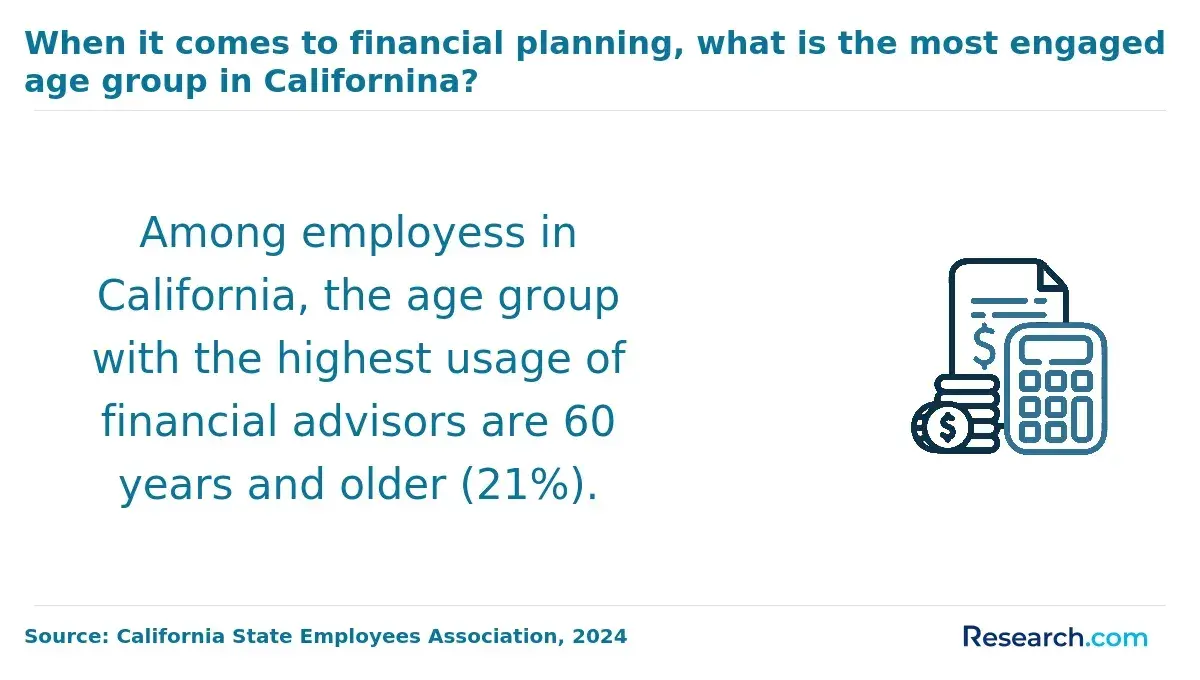
- Total CE Hours Required: CFPs must complete 30 hours of continuing education every two years, reinforcing their technical knowledge across essential financial planning areas.
- Ethics Training Requirement: At least 2 of the 30 hours must be from a CFP Board-approved ethics course, emphasizing professional integrity and client trust.
- Approved Course Providers and Topics: CE credits are earned through CFP Board-registered programs covering principal knowledge areas such as tax, investment, and retirement planning.
- Learning Formats and Flexibility: CFPs can choose from live seminars, webinars, self-study, or authoring courses, accommodating diverse learning styles while meeting Board standards.
A certified financial planner from California, who graduated from a well-regarded local university, shared her experience managing CE requirements amid a busy practice.
She described balancing client appointments with selecting high-quality courses as a "challenging yet rewarding puzzle," appreciating the variety of learning formats that allowed her to study flexibly.
She noted, "Committing to ethics training was particularly meaningful-it deepened my understanding beyond textbook principles to real-world dilemmas."
Her reflections reveal that while the process demands discipline, it ultimately enriches both professional expertise and confidence in client relations.
How much does it cost to become a certified financial planner in California?
The total cost of becoming a Certified Financial Planner (CFP) in California varies based on educational background, coursework provider, and exam preparation choices, representing a significant investment toward a long-term career in financial planning.
Below is an outline of the primary expenses involved in achieving CFP certification to help you plan your finances accordingly.
- Education and Coursework Fees: Candidates must complete a CFP Board-registered education program, which may include a full seven-course sequence or an accelerated capstone course for those with relevant degrees. These fees typically range from $2,995 to $7,195, depending on the provider and format, and are crucial for fulfilling the CFP Board's education requirement.
- CFP Exam Fees: Registering for the CFP exam costs between $825 and $1,025 depending on whether you register early, on time, or late. This fee covers the comprehensive exam testing competency across all core areas of financial planning and must be paid to the CFP Board directly.
- Certification and Renewal Costs: After passing the exam and completing required work experience, candidates must pay an annual certification fee to maintain CFP status, which is separate from any state-mandated licensing fees in California. This ongoing cost should be incorporated into long-term budgeting.
- Optional Exam Prep and Study Materials: Many candidates invest in additional resources such as third-party review courses, practice exams, or study guides to improve their exam readiness. These materials can cost several hundred to over a thousand dollars but are not mandatory for certification.
- Additional Expenses: Consider budgeting for incidental costs like travel to testing centers, retake fees, and professional organization dues. Additionally, California candidates may need specific licenses depending on their career path, such as an associate degree in accounting or other credentials.
What skills do you need to become a successful certified financial planner?
Becoming a successful Certified Financial Planner in California requires a balanced mastery of both technical expertise and interpersonal skills, allowing professionals to navigate complex financial scenarios while fostering meaningful client connections.
Developing these essential skills for certified financial planners in California ensures that advisors can deliver tailored solutions and uphold the highest professional standards. Key competencies for successful financial planning careers in California include the following:
- Analytical and Problem-Solving Skills: Proficient CFPs demonstrate the ability to assess intricate financial data and craft personalized strategies encompassing investment planning, retirement savings, tax considerations, and estate planning. These analytical skills underpin effective decision-making and directly impact client outcomes.
- Clear Communication: Translating technical financial jargon into clear, understandable language is crucial for building client trust and promoting informed choices. Expertise in this area addresses varying levels of financial literacy and strengthens long-term advisory relationships.
- Ethical Judgment and Fiduciary Responsibility: Adherence to fiduciary duty demands prioritizing client interests above all else, managing conflicts of interest prudently, and maintaining unwavering ethical standards. This commitment is foundational to professional credibility and client confidence.
- Client Relationship Management: Skillful financial planners cultivate empathy and actively listen to client goals, needs, and risk tolerance, which supports the development of customized financial plans. Experience gained through real-life practice enhances these vital interpersonal capabilities.
- Adaptability and Continuous Learning: The financial sector's evolving regulations and market conditions require CFPs to remain informed and agile. Pursuing ongoing education keeps advisors competitive and responsive to client needs, a necessity emphasized by the growth forecasts in the industry.
Prospective financial planners aiming to build a solid foundation in these areas may also consider exploring accelerated accounting degree programs online to strengthen their technical proficiency rapidly.
Which industries or firms hire CFP professionals in California?
Certified Financial Planner professionals in California can find career opportunities across a variety of sectors that value financial advisor firms in California for their expertise in personalized client guidance and comprehensive financial planning.
These industries offer diverse roles with opportunities for professional growth and specialization. Below are the main types of firms and industries commonly hiring CFPs in California:
- Wealth Management Firms: These leading wealth management companies hiring CFPs in California provide roles such as Wealth Advisor and Senior Financial Planner, focusing on high-net-worth clients. CFPs collaborate on tailored investment, tax, and estate planning strategies, benefiting from advanced resources and long-term client engagements that foster specialization.
- Banks and Credit Unions: Major banks and credit unions employ CFPs to deliver financial consulting, analyzing clients' financial situations and recommending suitable products like loans and insurance. These institutions often offer structured training and encourage professional certification development within a diverse client environment.
- Insurance Companies: CFPs in insurance firms integrate risk management with financial planning to design comprehensive protection and retirement solutions. These companies promote specialized designations and provide incentives to build client portfolios, supporting advancement into leadership roles.
- Investment Firms and Broker-Dealers: Serving as Investment Consultants or Portfolio Managers, CFPs in these firms develop and monitor investment strategies, often focusing on niche areas such as sustainable investing. The competitive atmosphere emphasizes continuous learning and mentorship.
- Independent Financial Advisory Practices: Many CFPs choose independent RIAs or solo practices, offering fee-only fiduciary financial planning with flexibility across niches like tech professionals or retirees. This path emphasizes autonomy, business development skills, and income potential.
For those considering advanced specialization, completing a forensic accounting graduate certificate can complement financial planning expertise and broaden career opportunities.
What is the average salary of a certified financial planner in California?
The average salary of Certified Financial Planners (CFPs) in California varies widely and is influenced by several important factors that affect earning potential and career advancement.
Below are the key elements shaping compensation for CFPs in the state.
- Experience Level: Salaries generally increase significantly with experience. Entry-level CFPs earn modest salaries, but seasoned professionals with specialized skills or leadership roles can earn well over $300,000 annually.
- Industry or Employer Type: CFPs working at large investment banks, wirehouses, or established wealth management firms typically receive higher base salaries and bonuses compared to those at smaller firms or non-profits. Ownership or self-employment can also lead to greater income but comes with added risks.
- Certifications and Credentials: Holding the CFP® certification itself commands higher wages than non-certified peers. Additional qualifications like CFA or CPA designations further enhance marketability and salary prospects, especially in competitive California markets.
- Geographic Location: Salaries differ widely within California. Areas with high costs of living and robust financial sectors, such as San Jose and the Bay Area, offer substantially higher pay than smaller cities or rural regions.
- Client Base: CFPs serving high-net-worth individuals or niche markets often command premium fees. Building a strong, complex client portfolio is critical for maximizing long-term earnings and professional growth.
How can certified financial planners advance their careers in California?
Career advancement is crucial for Certified Financial Planners (CFPs) in California seeking to broaden their client base, enhance income potential, and secure leadership or specialized roles within the financial planning industry.
Strategic career development enables CFPs to thrive in a competitive market and sustain long-term success. The following key strategies outline essential pathways for professional growth in the field:
- Pursue Advanced Professional Designations: Obtaining credentials such as the Chartered Financial Consultant (ChFC) or Chartered Life Underwriter (CLU) allows CFPs to demonstrate specialized expertise, setting them apart in California's sophisticated financial marketplace.
- Develop Expertise in Niche Planning Areas: Specializing in segments like estate planning, tax strategy, or retirement planning helps CFPs attract affluent clients and command higher compensation by positioning themselves as experts rather than generalists.
- Build and Maintain a Robust Client Network: Strengthening long-term client relationships fosters referrals and repeat business, facilitating the transition to senior advisory roles within firms.
- Master Financial Planning Technology and Tools: Proficiency in platforms and software enhances efficiency and supports remote client service, a critical advantage given California's high remote work capacity.
- Pursue Leadership and Management Opportunities: Advancing to roles such as Lead Advisor or Partner requires leadership skills and mentoring, achievable through active engagement in development programs and professional networking.
What Do Certified Financial Planners in California Say About Their Career?
- Pursuing my CFP certification through the University of San Diego's program gave me the technical foundation and local insight needed to excel in California's dynamic financial landscape. The diversity of clients here, combined with the state's unique economic challenges, has propelled me to customize my strategies and grow professionally every day. Starting a career in a local school allowed me to merge my passion for education with financial planning, which is incredibly fulfilling when you see young people grasp the importance of financial wellness early on. The stability and respect I've gained in this field continue to motivate me to expand my knowledge and give back to the community. Kevin
- Completing my CFP training at the Golden Gate Academy opened doors to incredible opportunities in California's academic sector. Working in a local school setting has given me a meaningful way to use my skills to impact students' futures beyond the classroom. The chance to nurture financial literacy among youth here, while navigating California's complex economic environment, has been a rewarding challenge that fuels my professional growth. Balancing the state's tech-driven economy with traditional financial planning keeps my work fresh and exciting every day. Liam
- Becoming a certified financial planner in California has been an enriching journey of both personal and professional development. I earned my certification from the Pacific Coast Financial Academy, an experience that was rigorous yet incredibly rewarding. My role in a local academic institution provides a platform to influence the financial minds of tomorrow, fostering community resilience and empowerment. California's unique cultural and economic diversity offers challenges, but they have helped me evolve my skills and deepen my commitment to creating positive change. Aaliyah
Related Articles for Nearby States
- 2027 How to Become a Certified Financial Planner in Nevada
- 2027 How to Become a Certified Financial Planner in Oregon
- 2027 How to Become a Certified Financial Planner in Arizona
- 2027 How to Become a Certified Financial Planner in Idaho
- 2027 How to Become a Certified Financial Planner in Utah
- 2027 How to Become a Certified Financial Planner in Washington
- 2027 How to Become a Certified Financial Planner in New Mexico
- 2027 How to Become a Certified Financial Planner in Colorado
- 2027 How to Become a Certified Financial Planner in Montana
- 2027 How to Become a Certified Financial Planner in Wyoming
References:
- CERTIFIED FINANCIAL PLANNER https://careers.usc.edu/organizations/certified-financial-planner/
- Continuing Education Requirements https://www.cfp.net/for-cfp-pros/continuing-education/continuing-education-requirements
- Jobs in California https://careers.cfp.net/jobs/california/
- Certified Financial Planner Certification Continuing Education in California https://www.lspm.org.uk/2022/news.aspx
- Everything You Need to Know About Certified Financial Planners (CFP) https://mployeradvisor.com/blog/everything-you-need-to-know-about-certified-financial-planners-cfp
- CFP® Code of Ethics https://www.firstanchorwealth.com/cfp-code-of-ethics
- Salary: Certified Financial Planner in United States 2025 | Glassdoor https://www.glassdoor.com/Salaries/certified-financial-planner-salary-SRCH_KO0,27.htm
- Annual CE Requirements https://www.csea.org/CSEA/Education%20and%20Events/Annual_CE_Requirements/CSEA/Thrive/Annual_CE_Requirements.aspx
- 7 Financial Advisor Skills You Need to Have https://emoneyadvisor.com/blog/7-skills-you-need-to-be-a-successful-financial-advisor/
- CFP® Certification https://www.financialcouncil.com/cfp-certification
Other Things You Need to Know About Becoming a Certified Financial Planner in California
The first step to becoming a Certified Financial Planner (CFP) in California in 2027 is to complete a CFP Board-registered education program. This program provides the essential financial planning knowledge and competencies required before taking the CFP Certification Examination.
Certified Financial Planners in California must complete 30 hours of continuing education every two years to maintain certification in 2027. This includes at least two hours of CFP Board-approved ethics coursework. These credits ensure professionals stay current with industry standards and practices.
To become a Certified Financial Planner in California in 2027, candidates must earn a bachelor's degree, complete a CFP Board-approved education program, pass the CFP exam, garner three years of relevant work experience, and adhere to the CFP Board's Code of Ethics and Standards of Conduct.


