
2027 How to Become a Certified Financial Planner in Arizona

Co-Founder and Chief Data Scientist
Arizona's financial planning field is growing rapidly, with a 12% increase in demand projected over the next decade. This rise reflects the state's expanding economy and the increasing need for personalized financial advice. Becoming a Certified Financial Planner (CFP) opens doors to rewarding career opportunities in a vibrant market. The certification signals expertise and trust, vital qualities in this competitive arena.
This article explores the clear steps to become a CFP in Arizona. Crafted by career planning experts, it offers essential guidance to navigate certification requirements, education pathways, and licensing details. Readers will find precise, reliable information to embark on this professional journey with confidence.
Key Things to Know About Becoming a Certified Financial Planner in Arizona
- Complete a bachelor's degree and a CFP Board-registered education program, essential steps since over 25,000 professionals in Arizona hold finance-related degrees.
- Pass the rigorous CFP exam, which covers comprehensive financial planning topics; nationally, only about 60% of candidates succeed on their first try, highlighting its challenge.
- Accumulate at least 6,000 hours of relevant professional experience, joining the 2,500+ certified financial planners currently practicing in Arizona's growing finance sector.
- What are the education requirements to become a certified financial planner in Arizona?
- How do you prepare for the CFP exam in Arizona?
- What certifications and licenses do financial planners need in Arizona?
- How often do you need to renew your CFP certification in Arizona?
- What continuing education is required to maintain CFP certification in Arizona?
- How much does it cost to become a certified financial planner in Arizona?
- What skills do you need to become a successful certified financial planner?
- Which industries or firms hire CFP professionals in Arizona?
- What is the average salary of a certified financial planner in Arizona?
- How can certified financial planners advance their careers in Arizona?
What are the education requirements to become a certified financial planner in Arizona?
Building a successful career as a Certified Financial Planner in Arizona starts with a solid educational foundation, blending both academic achievement and specialized training. This foundation not only equips candidates with essential skills but also instills the ethical mindset required to navigate the complexities of financial advising.
The following points highlight the key education requirements you need to embark on this journey.
- Bachelor's Degree Requirement: Candidates must obtain at least a bachelor's degree from an accredited institution; the degree can be in any field. This bachelor's degree requirement for financial planners in Arizona signifies the dedication and academic rigor essential for entering the profession.
- CFP Board-Approved Coursework: Completing coursework through CFP Board-registered programs in Arizona is crucial. These programs cover vital topics such as professional ethics, investment strategies, tax and retirement planning, and more, preparing candidates with the core knowledge needed for certification.
- Comprehensive Financial Planning Knowledge: The prescribed courses ensure mastery over 72 specific learning objectives mandated by the CFP Board. This extensive curriculum readies future planners to create thorough, ethical financial plans tailored to real-life client situations.
- Continuing Education Requirements: After certification, maintaining status requires 30 hours of continuing education every two years, including ethics updates. This ongoing learning keeps planners current with industry changes and evolving client needs.
For those interested in broadening their financial expertise, exploring a certificate in accounting can complement these core requirements and enhance career prospects.
How do you prepare for the CFP exam in Arizona?
Proper preparation is essential for passing the rigorous Certified Financial Planner (CFP) exam, as it not only boosts the chances of success but also shows a candidate's readiness to offer expert financial planning services in Arizona. To confidently face this challenge, consider these proven strategies crafted to build knowledge, sharpen skills, and foster exam-day confidence:
- Create a Structured Study Plan: Establishing a clear, disciplined schedule helps you tackle all exam topics methodically and avoid last-minute stress. A well-organized plan balances study hours with other commitments, ensuring steady progress over several months.
- Use CFP Board-Approved Review Materials: Selecting official, up-to-date resources aligns your preparation with the exam's current format and content. These materials offer practice questions and case studies that deepen understanding and improve your ability to apply concepts in real scenarios.
- Join Study Groups or Prep Courses: Engaging with peers and instructors in live courses or study groups encourages active learning. These collaborative environments clarify difficult topics and introduce strategies specifically tailored for the CFP exam.
- Practice with Mock Exams: Simulating test conditions with full-length practice exams helps familiarize you with timing and pacing. Repeated practice highlights strengths and weaknesses, allowing focused review before the real exam.
What certifications and licenses do financial planners need in Arizona?
Holding the proper certifications and licenses is essential for Certified Financial Planners (CFPs) in Arizona to maintain professional credibility, meet legal and ethical standards, and provide comprehensive financial advice across various areas of specialization. These credentials ensure that planners are well-equipped to navigate complex regulations and meet client needs.
Here are the key certifications and licenses you'll encounter on the path to becoming a respected CFP in Arizona:
- Certified Financial Planner (CFP) Certification: This foundational certification, granted by the Certified Financial Planner Board of Standards, Inc., requires completing an approved education program, earning a bachelor's degree, passing a rigorous CFP Exam, gaining up to 6,000 hours of relevant experience, and pledging to uphold strict ethical standards. It serves as the hallmark of professionalism for Arizona financial planners and is highly valued for boosting both credibility and client trust.
- FINRA Securities Licenses (Series 7 and Series 65/66): If you plan to buy or sell securities or provide investment advice for compensation, obtaining securities licenses is mandatory. The Series 7 license allows a wide range of securities sales, while Series 65 or 66 enables you to act as an investment adviser representative. These licenses are governed by federal agencies and align with Arizona's adoption of federal standards.
- Arizona Insurance Producer License: For CFPs offering insurance products like life or health insurance, securing a state-issued insurance producer license is required. This involves passing a state exam and maintaining continuing education, empowering planners to integrate insurance strategies into holistic financial plans.
- Registered Investment Adviser (RIA) Registration: Financial planners managing client portfolios might need to register as RIAs depending on assets under management. Smaller advisers register with the Arizona Corporation Commission, while larger ones report to the SEC, ensuring adherence to fiduciary duties and transparency.
- Other Professional Designations: While not mandatory, many Arizona CFPs enhance their expertise and marketability through additional certifications such as Chartered Financial Consultant (ChFC), Certified Public Accountant (CPA), or Chartered Life Underwriter (CLU). These credentials deepen knowledge in specialized fields like tax or estate planning, enriching the planner's service offering.
Exploring these credentials will help you navigate the diverse and rewarding landscape of Arizona CFP certification requirements. For those curious about choosing areas of specialization in accounting, these designations offer excellent pathways to refine your focus and expertise.
How often do you need to renew your CFP certification in Arizona?
Maintaining an active Certified Financial Planner (CFP) certification in Arizona showcases your dedication to ongoing competence, ethical commitment, and alignment with CFP Board standards. To keep this valuable credential current, you need to understand the key renewal requirements outlined below:
- Renewal Period: Every two years, CFPs must renew their certification to remain in good standing. This regular cycle encourages professionals to stay sharp with evolving industry practices and maintain regulatory compliance.
- Ethics Course Completion: A two-hour, CFP Board-approved ethics course forms part of the continuing education requirement, reinforcing your commitment to professional integrity. This focused training helps embed core ethical principles essential for financial planners.
- Renewal Fees: The annual certification fee, while non-refundable, is a fundamental part of maintaining your status. Additional costs may apply for continuing education courses, which are vital to fulfilling renewal obligations.
- Continuing Education (CE): Completing approved CE hours keeps you current with the latest financial planning trends and regulatory updates. This continual learning journey ensures your skills and knowledge evolve alongside the profession.
What continuing education is required to maintain CFP certification in Arizona?
Continuing education keeps Certified Financial Planner (CFP) professionals in Arizona sharp, helping them navigate shifting financial laws, ethics, and best practices that shape excellent client care. To stay on this adventurous path of growth, here are the essential continuing education requirements they follow:
- Total CE Hours Requirement: CFPs must complete 30 hours of continuing education every two years, ensuring their knowledge and skills stay current and relevant.
- Ethics Training: Two of these hours focus specifically on ethics, reinforcing commitment to integrity and trustworthiness in financial planning.
- Approved Course Providers: Courses must come from CFP Board-registered sponsors, guaranteeing quality and meaningful learning experiences.
- Acceptable Learning Formats: Professionals can choose from live classes, webinars, or self-study options, making it easier to fit learning into varied lifestyles.
How much does it cost to become a certified financial planner in Arizona?
The total cost of becoming a Certified Financial Planner (CFP) in Arizona can vary depending on several factors, but it undeniably represents an investment in a long-term financial planning career. Exploring the financial aspects of this path reveals a combination of required fees and optional resources that build toward certification and professional growth. Here's a closer look at the key expenses involved.
- Education and Coursework Fees: Completing a CFP Board-Registered Education Program is mandatory and usually costs between $3,000 and $8,000. These courses cover essential topics like investments and tax planning and can be taken through universities, colleges, or online platforms. For those looking at related credentials, considering online master degree programs in accounting might also complement their financial planning expertise.
- CFP Exam Fee: After coursework, the exam fee is approximately $925, covering the comprehensive CFP Certification Examination. Passing this exam demonstrates the ability to apply financial planning principles in practical scenarios and advances candidates toward earning the CFP mark.
- Certification and Renewal Costs: Maintaining the CFP credential requires an annual fee of $575 starting in late 2025. This fee supports ongoing certification validity, access to resources, and funds efforts to promote ethical financial planning standards.
- Optional Exam Prep Courses: Many candidates invest additionally in exam prep resources, ranging from a few hundred to over a thousand dollars. These include live reviews, online question banks, and study guides, enhancing readiness and confidence before the exam.
Other important costs include background checks averaging $75 and continuing education to keep certifications current, which can vary widely in price. Altogether, the CFP certification cost in Arizona reflects a thoughtful balance of foundational learning, examination, and lifelong professional development.
What skills do you need to become a successful certified financial planner?
Mastering financial planning skills needed in Arizona requires a blend of sharp technical abilities and polished interpersonal talents to navigate the evolving landscape of client needs and market dynamics. To thrive as a Certified Financial Planner, embracing a diverse skill set is your gateway to impactful, trusted advice. Here are essential skills that pave the way for success:
- Analytical Thinking: This skill unlocks the power to sift through complex financial data and tailor strategies with precision. Analytical insight helps uncover patterns and foresee outcomes, fueling personalized solutions that align perfectly with client goals.
- Communication Skills: The heart of trust-building lies in clear, empathetic dialogue. Sharpening communication and analytical skills for Arizona CFPs means translating intricate financial concepts into relatable language, ensuring clients feel confident and informed every step of the way.
- Ethical Judgment: Standing firm on integrity anchors every recommendation in your client's best interest. Ethical judgment not only cements credibility but also nurtures lasting relationships built on transparency and trustworthiness.
- Client Relationship Management: Beyond numbers, understanding what drives your clients empowers you to craft truly personalized plans. Exceptional relationship management transforms transactional exchanges into enduring partnerships through genuine connection and responsiveness.
- Adaptability: The financial world shifts swiftly, so staying nimble by embracing new regulations and markets keeps your advice fresh and relevant. Adaptability invites continuous learning, such as acquiring a graduate certificate in professional accounting, which can boost your versatility and confidence in tackling emerging challenges.
Which industries or firms hire CFP professionals in Arizona?
Certified Financial Planners (CFPs) in Arizona can explore a variety of career opportunities across diverse sectors that highly value financial expertise and client advisory skills. These roles not only provide financial stability but also foster professional growth in dynamic environments. Below are key industries and types of firms commonly hiring CFP professionals in Arizona:
- Wealth Management Firms: Wealth management firms such as Savvy and Florida Financial Advisors employ CFPs to craft comprehensive financial plans tailored to clients' unique goals. These firms encourage strong client relationships and continuous skill development in strategic investment management, making them ideal for those seeking robust wealth management jobs in Arizona.
- Banks: Banks use CFPs to blend traditional banking products with investment strategies to help clients manage portfolios effectively. This structured environment enhances financial analysis skills while offering diverse client service experiences.
- Insurance Companies: At insurance companies like NYL - Lance Gillman, CFPs integrate insurance products into holistic financial plans, aiding clients in risk management and financial protection. This role sharpens expertise in specialized financial advice tied to insurance solutions.
- Investment Firms: Firms like Vanguard hire CFPs to develop personalized investment approaches, tax management techniques, and disciplined strategies. This setting promotes expanding investment knowledge and deepening advisory capabilities.
- Independent Financial Advisory Practices: Independent practices like Spence, Cassidy & Associates allow CFPs autonomy to build client-focused services and specialized financial planning niches. These firms often foster entrepreneurial growth and strategic partnerships.
For those interested in advancing their financial knowledge further, exploring what is a masters in accounting offers valuable insight into excelling in financial planning firms in Arizona and beyond.
What is the average salary of a certified financial planner in Arizona?
The average salary of Certified Financial Planners (CFPs) in Arizona can vary widely depending on a range of factors that shape both their earnings and career paths. Several key elements come into play when considering how much a CFP might make in this vibrant state. Here are some of the main influences on CFP salaries in Arizona:
- Experience Level: Salaries tend to grow significantly with experience. Newer CFPs, within their first few years, might earn around $65,000 annually, while those with considerable expertise, typically 5-9 years or more, can see salaries rising to the $84,000 range or beyond. This growth reflects not only technical skills but also client trust and portfolio expansion.
- Industry or Employer Type: Where you work matters. Large financial advisory firms often offer higher salaries and better bonuses compared to smaller or boutique companies. Employer size and reputation can also impact benefits and career development opportunities.
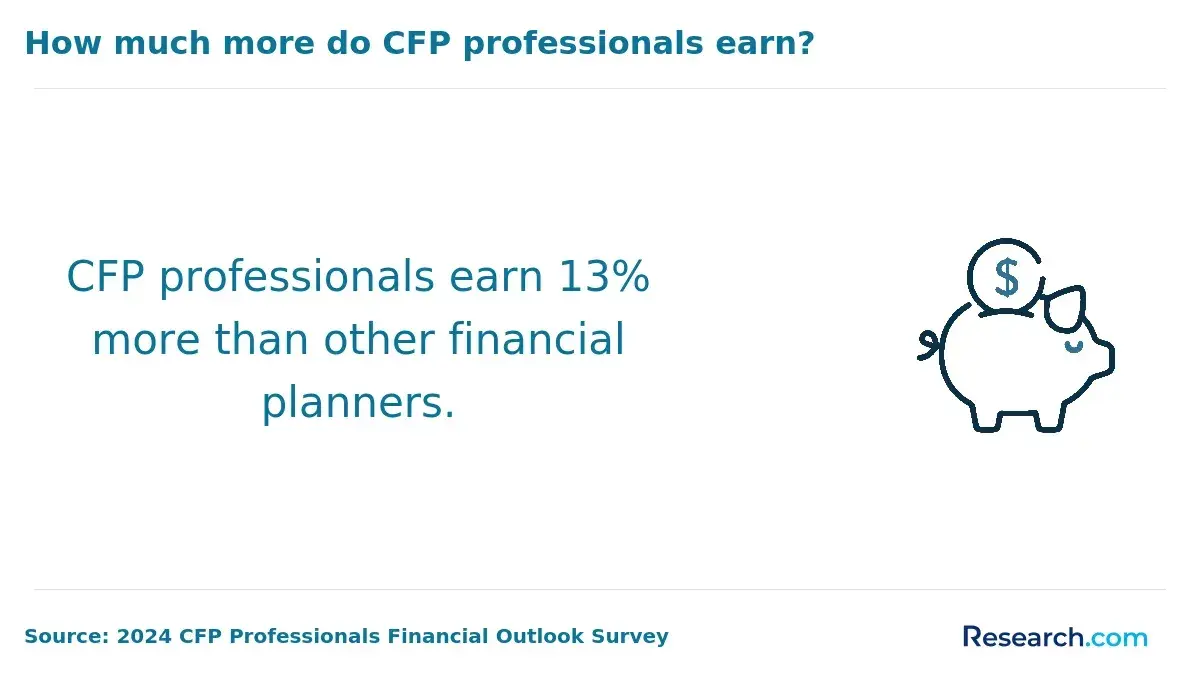
- Certifications and Credentials: Holding the CFP certification itself boosts salary potential significantly by showcasing professionalism. Additional credentials or specialized financial knowledge can push earnings higher by proving expertise in niche markets.
- Geographic Location: Location within Arizona plays a key role, with cities like Phoenix offering higher average salaries - around $102,500 - because of demand and cost-of-living differences compared to smaller towns.
- Client Base: The type of clients served directly affects income. Managing portfolios for high-net-worth or corporate clients usually results in greater fees and commissions than working primarily with smaller individual accounts.
How can certified financial planners advance their careers in Arizona?
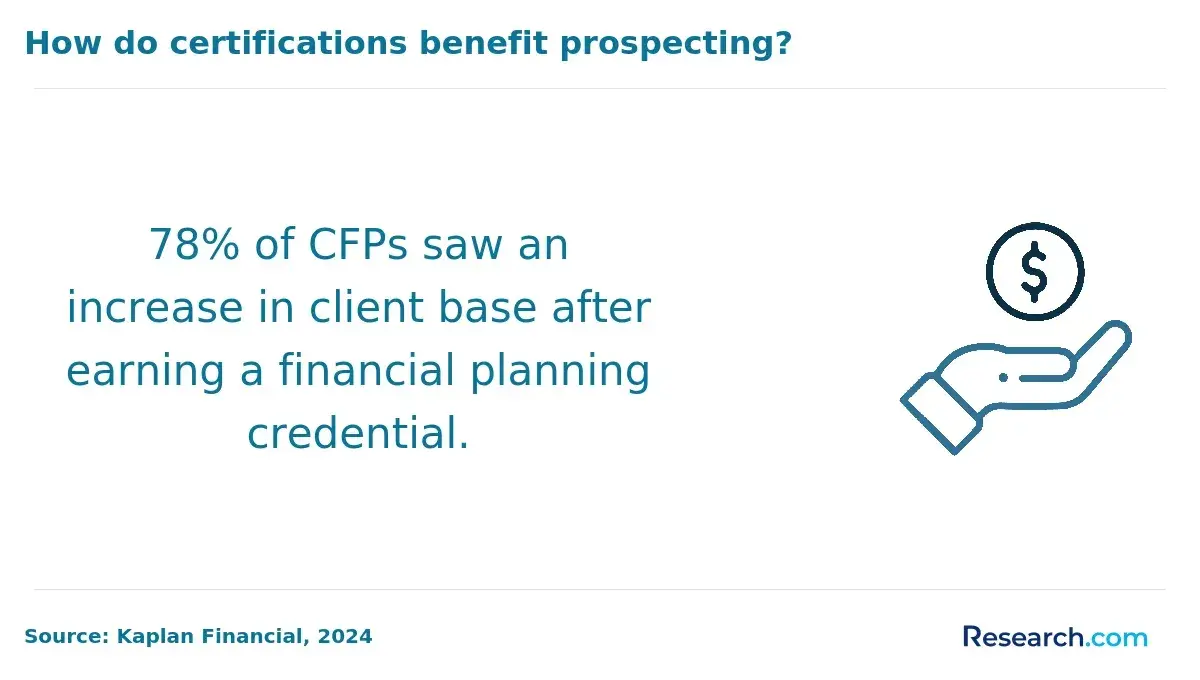
For Certified Financial Planners (CFPs) in Arizona, advancing one's career is essential to expanding a client base, increasing income potential, and stepping into leadership or specialized roles within the dynamic financial services market. Embracing growth opportunities requires strategic actions that open new doors and deepen expertise. Here are key approaches CFPs can explore to elevate their professional journey:
- Pursue Advanced Certifications: Earning credentials beyond the CFP designation, such as CFA or CIMA, signals a commitment to expertise and can unlock access to specialized, higher-paying roles.
- Gain Experience in Niche Areas: Developing skills in retirement planning, estate strategies, or tax optimization allows CFPs to cater to targeted client segments, enhancing their market differentiation.
- Build a Strong Client Network: Cultivating relationships through referrals and partnerships with local institutions drives business growth and influence within the Arizona financial community.
- Leverage Technology and Financial Tools: Mastering digital platforms and software improves efficiency and client experience, meeting the rising demand for tech-savvy advisors.
- Seek Leadership or Management Roles: Taking on supervisory positions boosts income and impact by shaping team direction and advancing firm objectives.
What Do Certified Financial Planners in Arizona Say About Their Career?
- Completing my Certified Financial Planner program at Grand Canyon University was a transformative experience that set the foundation for my career. Starting to work at a local school allowed me to directly impact students' financial literacy, which is incredibly rewarding. Arizona's diverse population and unique economic landscape offer distinct challenges, but they also provide endless opportunities to tailor financial advice that genuinely makes a difference. The blend of academic experience and local knowledge has helped me grow both professionally and personally over the years. Andre
- Embarking on my journey as a CFP after graduating from Arizona State University's financial planning program gave me invaluable insights into the unique financial challenges facing our community. Working in a local school environment, I discovered a passion for educating young minds about practical money management and responsible investing. Arizona's vibrant culture and growing economy have created a dynamic background where financial planners can thrive and innovate. Professionally, the career stability and advancement potential make this path both fulfilling and exciting. Liang
- Reflecting on my time at Pima Community College's financial planning curriculum, I can say it provided me with a solid groundwork in the essentials of personal finance. Joining a local school staff as a CFP gave me a chance to contribute positively to students' futures while also developing my skills in a practical setting. The state's mix of urban and rural areas adds variety to my work, demanding creative financial solutions to fit different lifestyles. This career not only offers continual professional growth but also the gratifying feeling of making a real community impact. Abigail
Related Articles for Nearby States
- 2027 How to Become a Certified Financial Planner in New Mexico
- 2027 How to Become a Certified Financial Planner in Nevada
- 2027 How to Become a Certified Financial Planner in California
- 2027 How to Become a Certified Financial Planner in Utah
- 2027 How to Become a Certified Financial Planner in Colorado
- 2027 How to Become a Certified Financial Planner in Texas
- 2027 How to Become a Certified Financial Planner in Oklahoma
- 2027 How to Become a Certified Financial Planner in Kansas
- 2027 How to Become a Certified Financial Planner in Wyoming
- 2027 How to Become a Certified Financial Planner in Idaho
References:
- Main Menu https://www.arizona.edu/degree-search/majors/personal-and-family-financial-planning
- Gilbert Arizona Certified Financial Planner https://www.millerwm.com/certified-financial-professional
- Continuing Education Providers | DIFI https://difi.az.gov/ice
- 20 Best cfp jobs in arizona (Hiring Now!) | SimplyHired https://www.simplyhired.com/search
- CFP Code of Ethics and Standards of Conduct https://www.cfp.net/ethics/code-of-ethics-and-standards-of-conduct
- Financial Planner Salary in Arizona – AZ | Stock Broker | Advisor Salaries | What is a Financial Planner? | What does a Financial Planner do? https://www.financialplannerworld.com/arizona-financial-planner-salary/
- 52 cfp Jobs in Arizona, October 2025 | Glassdoor https://www.glassdoor.com/Job/arizona-cfp-jobs-SRCH_IL.0,7_IS483_KO8,11.htm
- Arizona Insurance Continuing Education https://learn.questce.com/insurance/continuing-education/Arizona-AZ/
- Financial Planning, Undergraduate Certificate https://catalog.nau.edu/Catalog/details
- What Are The Ethical Standards For Certified Financial Planners? | Harvest Wealth Partners | Certified Financial Planner Valparaiso https://www.harvestwp.com/what-are-the-ethical-standards-for-certified-financial-planners/
Other Things You Should Know About Becoming a Certified Financial Planner in Arizona
Certified Financial Planners (CFPs) in Arizona are required to adhere to rigorous ethical standards set by the CFP Board, which emphasize integrity, objectivity, and professionalism. These standards mandate that CFPs place their clients' interests above their own, avoid conflicts of interest, and maintain confidentiality. Additionally, Arizona CFPs must comply with state regulations and remain diligent in providing clear, transparent financial advice. Upholding these ethical principles ensures trust and accountability in the financial planning profession throughout the state.
To become a Certified Financial Planner in Arizona, candidates must hold a bachelor's degree in any discipline from an accredited institution. Additionally, they need to complete a CFP Board-registered program covering essential financial planning topics before taking the CFP exam.


