
2027 How to Become a Certified Financial Planner in Alabama

Co-Founder and Chief Data Scientist
Alabama presents a growing demand for certified financial planners, with the Bureau of Labor Statistics projecting a 10% increase in financial advisor roles statewide by 2030. This growth reflects the state's expanding economy and rising personal wealth, making a career in financial planning highly rewarding both professionally and financially. Pursuing certification here offers access to a competitive market and the chance to make a meaningful impact on individuals' financial futures.
This article, prepared by career planning experts, will guide aspiring professionals through the required steps to become a certified financial planner in Alabama. Readers will find clear, practical advice to navigate education, experience, and examination requirements essential for success in this field.
Key Things to Know About Becoming a Certified Financial Planner in Alabama
- Earn a bachelor's degree with relevant coursework in finance, economics, or business, meeting the Certified Financial Planner Board's educational requirements that over 70% of Alabama's finance workforce adheres to.
- Complete the CFP Board's comprehensive exam preparation, as passing this rigorous exam is essential; Alabama ranks in the top 30 states for CFP professionals, reflecting strong local demand.
- Accumulate three years of qualifying professional experience in financial planning to meet licensure standards and join Alabama's growing community of over 1,000 practicing CFPs.
- What are the education requirements to become a certified financial planner in Alabama?
- How do you prepare for the CFP exam in Alabama?
- What certifications and licenses do financial planners need in Alabama?
- How often do you need to renew your CFP certification in Alabama?
- What continuing education is required to maintain CFP certification in Alabama?
- How much does it cost to become a certified financial planner in Alabama?
- What skills do you need to become a successful certified financial planner?
- Which industries or firms hire CFP professionals in Alabama?
- What is the average salary of a certified financial planner in Alabama?
- How can certified financial planners advance their careers in Alabama?
What are the education requirements to become a certified financial planner in Alabama?
Completing the proper education is essential for aspiring Certified Financial Planners (CFPs) in Alabama to develop the expertise and ethical grounding required to serve clients effectively. Meeting the CFP Board education requirement in Alabama ensures you have a solid foundation in key financial planning areas, preparing you to build trust and deliver value in your practice.
The following outlines the key educational components for becoming a CFP in Alabama:
- Bachelor's Degree Requirement: You must earn a bachelor's degree or higher from an accredited institution recognized by the U.S. Department of Education. This degree can be in any field but must be completed before or within five years after passing the CFP® exam, providing a broad academic base essential for addressing complex financial situations.
- CFP Board-Approved Coursework: Completion of specialized college-level courses through a CFP Board Registered Program is mandatory. These courses cover vital subjects like Professional Conduct, Investment Planning, Tax and Retirement Planning, and culminate in a Financial Plan Development Capstone, ensuring you gain expertise aligned with industry standards and expectations.
- Gaining Financial Planning Knowledge: The coursework is carefully designed to offer comprehensive knowledge and practical skills in insurance, investments, tax management, and more. This equips you to create well-rounded financial plans that address diverse client goals, enhancing your ability to serve effectively in Alabama's dynamic financial sector.
- Continuing Education Requirements: After certification, you must complete 30 hours of continuing education every two years. This ongoing commitment keeps your skills sharp and your knowledge current, which is vital for adapting to evolving regulations and maintaining professional excellence.
If you're exploring related fields, consider learning more about the accounting career path, which shares foundational financial knowledge valuable to many professionals.
How do you prepare for the CFP exam in Alabama?
Proper preparation is essential for passing the rigorous Certified Financial Planner (CFP) exam because it not only proves a candidate's readiness to deliver professional financial planning services but also sharpens the ability to apply knowledge in real-life situations. To build a solid foundation for success, candidates in Alabama should focus on several key strategies that balance knowledge acquisition, time management, and practical experience:
- Structured Study Plan: Creating a detailed study schedule helps candidates allocate enough time to each major topic, aligning with the CFP Board's emphasis areas. This forward planning prevents last-minute cramming and ensures steady progress toward mastery.
- CFP Board-Approved Review Materials: Using officially sanctioned resources guarantees that candidates familiarize themselves with the exam format and relevant content, which builds confidence and reduces surprises on test day.
- Study Groups or Prep Courses: Engaging with peers or instructors creates a supportive environment where challenging concepts become clearer through collaboration, fostering motivation and accountability.
- Mock Exams and Practice Questions: Regularly taking practice tests replicates exam conditions, helping candidates identify weaknesses and develop effective time management skills critical for the real exam.
What certifications and licenses do financial planners need in Alabama?
Holding the proper certifications and licenses is crucial for Certified Financial Planners (CFPs) in Alabama to maintain professional credibility, meet legal and ethical standards, and provide clients with comprehensive financial advice tailored to their needs. To guide you through the essential credentials for a successful career, here are the primary certifications and licenses required or commonly held by CFPs in Alabama:
- Certified Financial Planner (CFP) Certification: This designation, granted by the Certified Financial Planner Board of Standards, Inc., represents the highest standard of expertise in financial planning. Earning the CFP certification involves completing board-approved coursework, holding a bachelor's degree, passing a challenging exam, and meeting experience and ethical guidelines. Universities in Alabama, like the University of Alabama and Auburn University, offer CFP Board Registered Programs that help fulfill educational requirements, making this a key step for those pursuing CFP certification requirements in Alabama.
- State Securities License (Series 65): To legally provide investment advice for compensation, CFPs must pass the Series 65 exam and register as Investment Adviser Representatives with the Alabama Securities Commission. This license ensures you understand state laws, ethical standards, and investment principles essential for responsible financial advising.
- Broker-Dealer Securities Licenses (Series 7 and Series 63): These licenses, administered by FINRA, allow financial planners to buy and sell securities like stocks and bonds for clients. The Series 7 covers a broad base of securities knowledge, while the Series 63 focuses on state-level regulations, making them important for a well-rounded practice in Alabama.
- Insurance Producer License: If you plan to recommend or sell insurance products such as life or health insurance, obtaining this license from the Alabama Department of Insurance is necessary. It requires passing a state exam and maintaining continuing education, allowing you to legally integrate insurance solutions into your financial planning services.
- Additional Certifications: Some CFPs also pursue certifications like Accredited Financial Counselor (AFC), Chartered Financial Consultant (ChFC), or Chartered Financial Analyst (CFA) to deepen their expertise. For example, the AFC® credential is valuable for specialists focused on client education and debt management, complementing core CFP skills.
If you want to understand more about various career paths in finance and how to navigate education requirements effectively, exploring resources like how to become accountant can offer useful insights. Preparing for Alabama financial advisor licensing exams is an important part of building your professional foundation and earning the trust of your clients.
How often do you need to renew your CFP certification in Alabama?
Maintaining an active CFP® certification in Alabama demonstrates your ongoing commitment to professional excellence, ethical integrity, and adherence to the high standards set by the CFP Board. To keep your certification current, you must fulfill several important renewal requirements each year and every two years. Here are the key steps to follow:
- Annual Renewal Period: CFP® certification must be renewed annually by submitting a Renewal Application and paying the certification fee. This yearly process ensures that you consistently confirm your compliance with ethical standards and maintain your ability to use the CFP® marks.
- Ethics Course Completion: Every two years, you must complete a 2-hour ethics continuing education course approved by the CFP Board. This requirement strengthens your understanding of professional ethics and keeps you aligned with the latest guidelines that govern financial planning conduct.
- Renewal Application: Along with application submission each year, you must provide an ethics declaration and disclose any legal or regulatory issues faced during the past year. This transparency fosters trust in your professional standing and allows the CFP Board to uphold its rigorous oversight.
- Renewal Fees: Timely payment of the annual certification fee by the expiration date is essential. Missing the deadline can lead to a $75 late fee and risking loss of your certification status, so managing this step carefully helps protect your credentials.
- Continuing Education (CE): In addition to ethics training, you must complete other continuing education credits every two years. This ongoing learning keeps you ahead of industry trends and regulatory changes important for serving your clients effectively.
What continuing education is required to maintain CFP certification in Alabama?
Continuing education is vital for CFP professionals to keep pace with evolving financial regulations, ethical standards, and best practices, ensuring they provide top-tier advice. To maintain certification in Alabama, CFPs must meet several key continuing education requirements that support their growth and client trust. These include:
- Total CE Hours Requirement: CFPs must complete 30 hours of continuing education every two years, keeping their knowledge current across essential financial planning topics.
- Ethics Training: At least 2 of the 30 hours must focus on CFP Board-approved ethics education, reinforcing integrity and professionalism in client relationships.
- Approved Course Providers: All CE courses must be registered with the CFP Board, ensuring quality instruction from verified universities and organizations.
- Acceptable Learning Formats: CFPs can choose from live seminars, online courses, self-study, or even teaching, offering flexibility to fit continuing education into busy schedules.
How much does it cost to become a certified financial planner in Alabama?
The total cost to become a Certified Financial Planner in Alabama can vary depending on education choices, exam preparation, and ongoing certification requirements, but it's a strategic investment in a rewarding and stable financial planning career. Below are the key expenses you should expect as you pursue your CFP certification cost in Alabama.
- Education and Coursework Fees: Completing the required coursework through a CFP Board-registered program is essential. In Alabama, tuition often ranges from $3,000 to $7,000 depending on the provider and format. These courses build foundational knowledge in retirement, taxes, and estate planning to prepare you for the exam and your career.
- CFP Exam Registration Fee: The national CFP Board sets the exam fee, which is currently $925. This covers sitting for the challenging certification exam that tests your comprehensive financial planning skills and knowledge.
- Certification and Annual Renewal Fees: After passing the exam, maintaining your certification includes an annual fee of $575 starting October 1, 2025. Keeping your credentials active also means meeting continuing education standards and ethical guidelines.
- Optional Exam Prep Course Expenses: Many candidates boost their success chances by enrolling in exam prep courses costing between $500 and $2,000. These courses often offer practice tests and expert instruction focused on exam strategies.
- Background Check and Application Fees: The CFP Board requires a background check adding about $100 to $150, along with an initial certification application fee typically under $200. These ensure you meet professional and ethical standards.
- State-Specific Licensing or Registration Fees: While CFP certification is national, planners providing investment advice in Alabama may need to register with state regulators, with fees ranging from $75 to a few hundred dollars based on license type.
- Continuing Education and Professional Development: To maintain your certification and stay current, expect to invest $50 to $200 per continuing education course. Some employers may cover these costs, but it's important to budget for ongoing learning to advance your expertise.
The overall cost to become a certified financial planner in Alabama typically ranges from $4,500 to $10,000 initially, with ongoing yearly investments for renewal and education. If you're exploring career paths, understanding what can you do with an accounting degree might complement your skills well as you pursue financial planning.
What skills do you need to become a successful certified financial planner?
Developing both technical and interpersonal skills is essential for those pursuing a career as a Certified Financial Planner (CFP) in Alabama, where navigating complex financial landscapes and connecting with diverse clients go hand in hand. To meet the skills needed for CFP certification Alabama and excel in this demanding profession, focus on cultivating the core competencies that drive success and client trust. Here are the key skills every aspiring CFP should develop:
- Analytical Thinking - Mastering the ability to interpret financial data and evaluate various investment options allows you to create tailored strategies that align with clients' unique goals. This skill underpins accurate financial forecasting and risk assessment, making it crucial for informed decision-making.
- Communication - Exceptional communication helps break down complex financial concepts into clear, actionable advice. Effective communication builds client confidence and empowers them to make smart decisions in areas like budgeting, retirement, and investments.
- Ethical Judgment - Upholding unwavering ethical standards is vital in maintaining fiduciary responsibility and ensuring client interests come first. In Alabama, where regulatory bodies emphasize integrity, ethical judgment builds credibility and long-term client relationships.
- Client Relationship Management - Strong interpersonal skills foster empathy, reliability, and responsiveness, helping you build lasting relationships. These qualities encourage client loyalty and support ongoing achievement of financial objectives.
- Adaptability - The financial environment is always evolving, influenced by market trends and regulatory shifts. Staying current and embracing continuous learning, such as pursuing an MBA in accounting, ensures you remain agile and effective in your planning strategies.
Which industries or firms hire CFP professionals in Alabama?
CFP professionals in Alabama can explore rewarding opportunities across many sectors that value advanced financial planning skills and client-focused advisory expertise. The variety of workplaces means you can choose an environment that fits your style and career goals. Below are key industries and firms that commonly hire financial planning firms in Alabama.
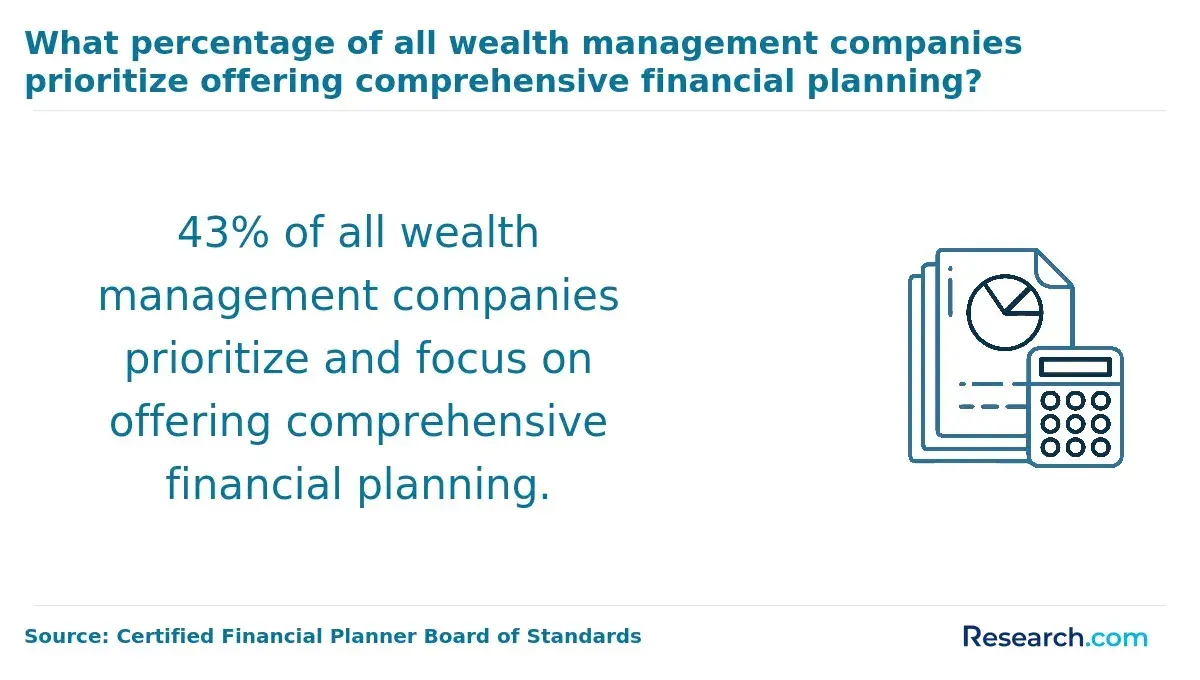
- Wealth Management Firms: These firms specialize in comprehensive financial planning, investment management, and holistic wealth strategies. CFPs often engage deeply with clients to create tailored plans, supporting long-term relationships and developing nuanced expertise.
- Banks and Trust Companies: Regional banks like Regions Bank employ CFPs to advise high-net-worth clients on trusts, estate planning, and multifaceted financial strategies. These settings promote multidisciplinary teamwork and professional growth through training and education programs.
- Insurance Companies: Insurance-focused firms such as COUNTRY Financial hire CFPs to integrate risk management products like life or disability insurance into broader financial plans. These companies foster development by offering training and opportunities to build personal client networks.
- Investment Firms and Brokerages: Firms like Edward Jones engage CFPs as financial advisors who grow client portfolios and manage investments. These roles come with mentoring, licensing support, and pathways toward senior advisory positions.
- Independent Financial Advisory Practices: Many CFPs embrace entrepreneurial paths by founding or joining boutique advisory firms. This independence allows for flexible client selection, customized financial plans, and direct impact on business growth.
- Corporate Financial Planning and Analysis (FP&A): Some large corporations employ CFPs for budgeting and strategic planning roles that support organizational decisions, offering exposure to corporate finance and broader management opportunities.
As you prepare for CFP jobs in Alabama financial services industry, consider how gaining specialized knowledge, like from a forensic accounting program, can enhance your qualifications and differentiate you within these competitive fields.
What is the average salary of a certified financial planner in Alabama?
The average salary of Certified Financial Planners (CFPs) in Alabama can vary widely depending on several important factors that shape earning potential and career progression. Here are the key influences to consider:
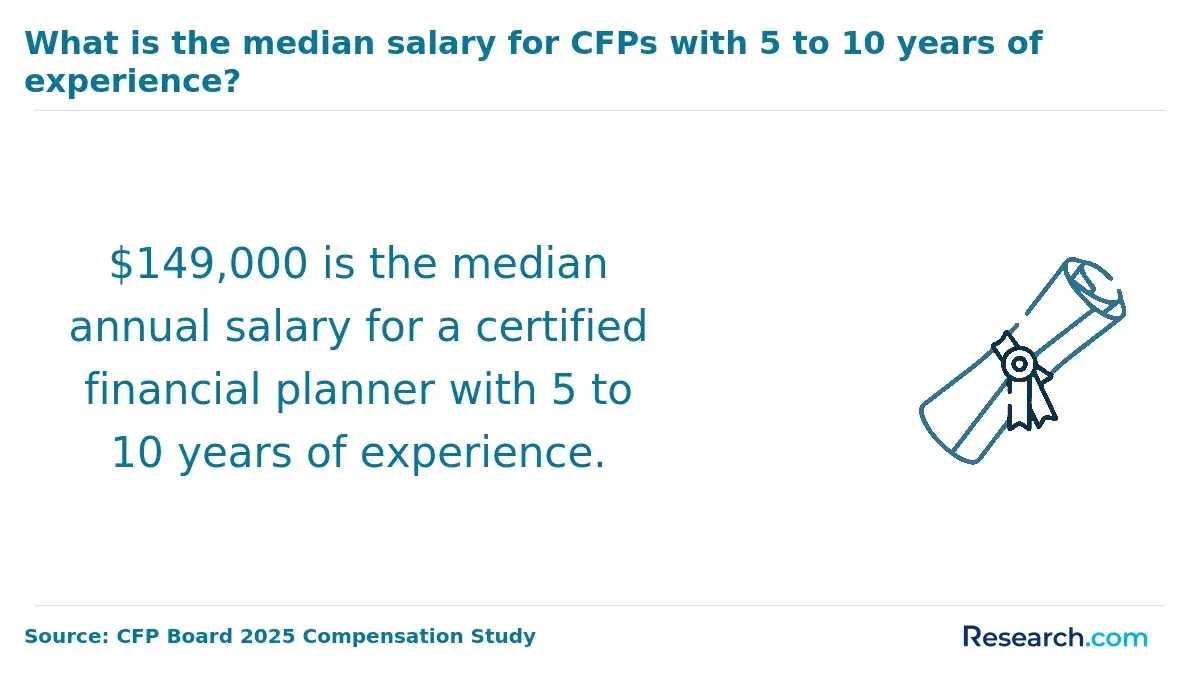
- Experience Level: Salaries grow as you gain experience. Entry-level CFPs earn less, while those with many years in the field can command significantly higher incomes due to stronger client relationships and proven success.
- Industry or Employer Type: Working for large national firms or wealth management companies often results in higher pay compared to smaller firms or independent practice. Compensation models vary between salaries, commissions, or asset-based fees, impacting overall earnings.
- Certifications and Credentials: Holding the CFP credential itself boosts salary prospects. Additional designations like CFA or CPA add further value, signaling expertise that attracts employers and clients willing to pay a premium.
- Geographic Location: Salaries differ within Alabama, with urban centers like Birmingham offering higher average pay than smaller towns. Urban areas present more opportunities to work with affluent clients and larger firms.
- Client Base and Business Development: Your ability to cultivate and retain a wealthy client base can dramatically increase your income. Strong business development skills translate directly into greater commissions and asset management fees.
How can certified financial planners advance their careers in Alabama?
Career advancement is essential for Certified Financial Planners (CFPs) in Alabama who wish to expand their client base, increase their income potential, and take on leadership or specialized roles within the state's competitive financial sector. To achieve long-term success and professional growth, consider these key strategies:
- Pursue Advanced Certifications: Obtaining credentials like Chartered Financial Consultant (ChFC) or Personal Financial Specialist (PFS) highlights your expertise and dedication to lifelong learning, setting you apart from peers.
- Gain Experience in Niche Areas: Specializing in estate planning or retirement strategies allows you to address specific client needs and opens doors to unique career opportunities.
- Build a Strong Client Network: Leveraging local associations, referral systems, and community involvement helps grow your client base and establishes your reputation as a trustworthy professional.
- Leverage Technology and Financial Tools: Mastering advanced software and digital platforms improves service efficiency and enables you to reach a broader, often younger, clientele.
- Seek Leadership or Management Roles: Pursuing supervisory positions provides opportunities to influence firm strategy, mentor others, and achieve higher compensation.
What Do Certified Financial Planners in Alabama Say About Their Career?
- Completing my Certified Financial Planner program at Auburn University was a transformative experience. The curriculum not only provided me with essential knowledge but also connected me with a strong network of professionals in Alabama. Starting my career in a local school allowed me to witness firsthand the positive financial impact I could have on families and students alike. I cherish how my work contributes to a more financially savvy community while offering stability and growth in this rewarding profession. Jacel
- Beginning my career as a certified financial planner within an academic institution here in Alabama gave me a unique sense of purpose. The challenges of guiding young people through financial education in a region rich in tradition have deepened my appreciation for the cultural nuances that shape financial decisions. This role has encouraged my personal growth, fostering patience and empathy while enhancing my expertise in tailored financial planning that respects our local environment and values. Angeluz
- Attending Tuskegee University for my CFP certification opened doors I hadn't imagined. Alabama's distinctive economic landscape presents both challenges and opportunities for financial planners, and I've thrived by developing strategies that align with community needs. The potential for career advancement here is impressive, and being able to mentor aspiring planners keeps me passionate about the profession. Helping to improve financial literacy in underserved areas has been especially fulfilling. Tyrone
Related Articles for Nearby States
- 2027 How to Become a Certified Financial Planner in Mississippi
- 2027 How to Become a Certified Financial Planner in Tennessee
- 2027 How to Become a Certified Financial Planner in Georgia
- 2027 How to Become a Certified Financial Planner in Florida
- 2027 How to Become a Certified Financial Planner in Louisiana
- 2027 How to Become a Certified Financial Planner in Arkansas
- 2027 How to Become a Certified Financial Planner in Kentucky
- 2027 How to Become a Certified Financial Planner in South Carolina
- 2027 How to Become a Certified Financial Planner in North Charlotte
- 2027 How to Become a Certified Financial Planner in Missouri
References:
- Top 5 Cities in Alabama to Raise a Family https://www.dsldmortgage.com/blog/top-5-cities-in-alabama-to-raise-a-family/
- ALDOI - Professional Designations in the Insurance Industry https://aldoi.gov/licensing/Designations.aspx
- Alabama Insurance CE Requirements & Renewal https://www.adbanker.com/licensing-requirements/insurance/alabama/continuing-education/
- 15 cfp Jobs in Alabama, October 2025 | Glassdoor https://www.glassdoor.com/Job/cfp-Alabama-SRCH_KO0,3_IL.4,11_IS105.htm
- Browse jobs | CFP Board Career Center https://careers.cfp.net/jobs/
- How to Renew an Alabama Insurance License https://prelicensetraining.com/al/page/stateRequirements/CE/
- Financial Planner vs. Financial Advisor: What’s the Difference? https://www.investopedia.com/articles/personal-finance/040215/financial-advisor-vs-financial-planner.asp
- MS in Consumer Sciences, concentration in Family Financial Planning and Counseling - Online and Distance Degrees - UA Online | The University of Alabama https://online.ua.edu/degrees/ms-in-consumer-sciences-concentration-in-family-financial-planning-and-counseling/
- Difference: Financial Advisor vs. Financial Planner https://www.cfp.net/news/2024/04/financial-advisor-vs-financial-planner
- How to Become a Financial Advisor in Alabama – AL | Series 65 Exam | License Certification Requirements | What is a Financial Planner? | What does a Financial Planner do? https://www.financialplannerworld.com/alabama-advisor/
Other Things You Should Know About Becoming a Certified Financial Planner in Alabama
Certified Financial Planners in Alabama must adhere to the Certified Financial Planner Board of Standards' Code of Ethics and Standards of Conduct in 2027. These ethical standards include integrity, competence, diligence, and professionalism to ensure trust and reliability in financial planning services.
To become a Certified Financial Planner in Alabama in 2027, candidates must complete a CFP Board-registered program. These programs typically include coursework in financial planning, taxation, retirement planning, and estate planning, meeting the prerequisites for the comprehensive CFP exam.
Employers in Alabama may cover the cost of CFP certification, but it largely depends on the company's policies and commitment to professional development. Many financial firms and advisory companies recognize the value of having Certified Financial Planners on staff and offer tuition reimbursement or sponsorship programs to help employees pursue certification. However, this support is not guaranteed and often requires employees to agree to certain conditions, such as remaining with the firm for a specified period after certification. Prospective CFP candidates should inquire directly with their employer about available financial assistance or professional development budgets to fund certification costs.


