
2027 Can You Get Licensed With an Online Behavioral Health Degree? Requirements, Rules, and What to Know

Co-Founder and Chief Data Scientist
Many students pursuing an online behavioral health degree wonder if this path qualifies them for state licensure to practice professionally. Nearly 60% of behavioral health graduates struggle with misunderstandings about eligibility due to differing state regulations and accreditation nuances. The complexity increases as some states have specific prerequisites about coursework, supervised hours, and exam requirements.
Navigating these rules is crucial to avoid delays or denial in licensure. This article clarifies common licensure requirements, explores how online degrees fit into the regulatory landscape, and guides readers through essential steps to ensure their education leads to valid professional credentials.
Key Benefits of Getting Licensed with an Online Behavioral Health Degree
- Licensure with an online behavioral health degree enhances career eligibility and professional credibility, meeting state requirements that validate your expertise and grant legal permission to practice.
- Licensed professionals enjoy expanded employment opportunities across clinical, counseling, and community health settings, greatly improving job mobility within diverse healthcare environments.
- Holding a license correlates with higher long-term earning potential and advancement prospects, as employers often prioritize credentialed candidates for leadership and specialized roles.
Can You Get Licensed With an Online Behavioral Health Degree?
Licensure is achievable with an online behavioral health degree when the program includes accredited coursework covering essential subjects such as counseling theories, ethics, and clinical skills. Completing these academic requirements prepares graduates for licensure exams required by licensing boards. In addition to theoretical knowledge, these programs incorporate practicum and internship components that provide supervised, hands-on experience necessary for state licensing. Many online programs facilitate this fieldwork through partnerships with local agencies, ensuring students meet practical training mandates within their communities. Considering online behavioral health degree licensure requirements early in the education process helps candidates select programs that align with their professional goals.
Obtaining a license through an online behavioral health program grants access to regulated career paths like licensed professional counselor or licensed clinical social worker roles. Licensed professionals often take on increased job responsibilities and larger client caseloads, along with enjoying better salary potential compared to non-licensed practitioners. Given varying state-specific regulations, confirming that an online program meets those standards is critical before enrolling. For those interested in expedited degree options, exploring accelerated dnp programs may offer additional pathways to advance in health-related fields.
Do Licensing Requirements for Behavioral Health Vary by State?
Licensing rules for behavioral health professionals exist to ensure practitioners meet necessary standards of professional competence and public safety. These requirements vary widely across states; a survey by the Association of State and Provincial Psychology Boards found that nearly 60% of states have unique mandates for supervised clinical experience, reflecting significant diversity in licensure standards. Below are key areas where state-specific behavioral health licensing rules commonly differ.
- Examination Requirements: States may require different exams, such as the National Counselor Examination combined with a state-specific law test, or accept only the national exam. These variations influence preparation strategies and timelines for licensure.
- Supervised Practice Hours: The amount of supervised clinical experience needed before licensure ranges from 1,500 to 4,000 hours. This affects how long students or professionals must work under supervision and delays full practice eligibility.
- Continuing Education: Mandates for ongoing training vary in both required hours and approved topics. This impacts how licensed professionals maintain credentials and stay current across states.
- Scope of Practice Definitions: Different states outline distinct boundaries for what behavioral health professionals can do independently, influencing the type of work licensure holders can perform and their professional roles.
- Renewal Procedures: License renewal requirements, including frequency and fees, differ by jurisdiction, affecting long-term career planning and costs.
These differences underscore the importance of researching behavioral health licensure requirements by state, especially for those pursuing online degrees or planning to move. Prospective students may also consider related fields; for example, exploring medical billing and coding online schools can expand career options in healthcare administration.
Are Online Behavioral Health Programs Different From Campus Programs for Licensure?
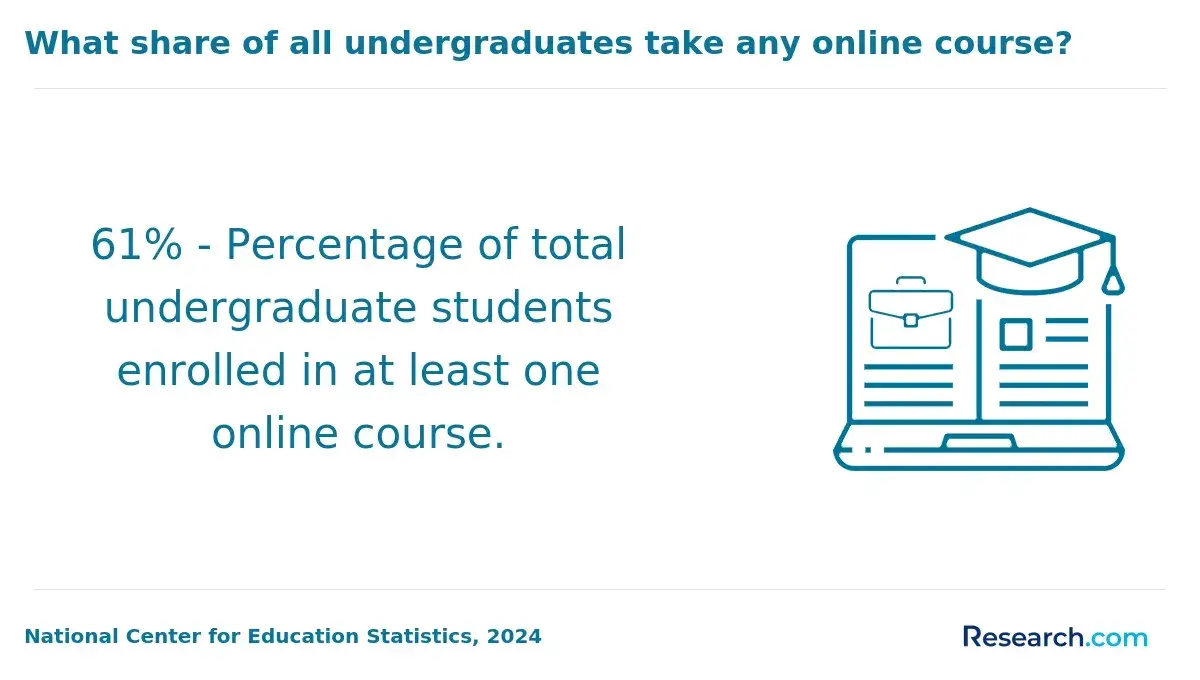
The format of a behavioral health program-whether online or on-campus-does not impact eligibility for professional licensure. Over 70% of employers now regard online behavioral health degrees as equally credible compared to traditional campus programs, reflecting a growing acceptance in the field.
- Curriculum Consistency - Both delivery formats cover core topics such as psychological theories, ethics, and intervention strategies. Licensing boards prioritize curriculum that aligns with state requirements, regardless of whether classes are virtual or in person.
- Clinical Experience Requirements - Completion of supervised clinical hours remains essential and must take place in real-world environments. Online programs typically help students secure local practicums to fulfill these practical training obligations.
- Skill Development and Assessments - Exams, case analyses, and performance demonstrations are equally rigorous across formats. These assessments aim to prepare students comprehensively for licensure examinations and professional responsibilities.
- Employer and Regulatory Views - Regulatory bodies and employers increasingly recognize online degrees as valid pathways to licensure. This shift reduces bias against online credentials and emphasizes the quality and accreditation of the program itself.
A licensed professional who completed his behavioral health degree online shared that navigating local clinical placements was initially challenging but ultimately manageable thanks to the program's support. He appreciated the flexibility of elective courses, noting that the ability to tailor these classes allowed him to strengthen areas of personal and professional interest. "The electives gave me practical skills I didn't expect to find in an online program," he reflected. His experience confirmed that while online behavioral health education requires discipline and proactive planning, it offers comparable preparation for licensure as traditional campus routes.
Does an Online Behavioral Health Degree Require Clinical or Practicum Hours?
Online behavioral health degree programs include required clinical or practicum hours designed to prepare students for real-world professional practice and licensure. These practical experiences are essential for developing critical skills such as client assessment, counseling strategies, and ethical decision-making.
Key aspects of clinical or practicum requirements include:
- Typical Hours Required: Clinical hour requirements for behavioral health licensure vary but usually range from several hundred to over a thousand hours, depending on licensing board mandates and program specifics. These hours are essential for hands-on experience.
- In-Person Placements: Practicum hours generally take place in hospitals, community mental health centers, schools, or private practices, enabling direct client interaction that is vital for skill development and professional readiness.
- Supervised Practice: Licensed professionals supervise these clinical hours, ensuring that students meet professional standards, adhere to ethical guidelines, and receive constructive feedback to enhance their competency.
- Local Partnerships for Online Students: Online programs accommodating clinical hour requirements collaborate with local organizations near students' residences, making it possible to complete necessary in-person practicum experiences without sacrificing the flexibility of online coursework.
For those exploring related fields, information on accelerating degree options can be found in the healthcare management degree online program listings.
Whether seeking information on online behavioral health degree clinical hour requirements or the specific practicum hours for behavioral health licensure, understanding these components helps ensure candidates meet licensure eligibility and professional standards.
What Licensing Exam Is Required After Earning an Online Behavioral Health Degree?
Licensing exams serve as a vital checkpoint to confirm that candidates possess the necessary expertise for safe and competent behavioral health practice. Successfully passing these exams opens the door to professional licensure, a mandatory credential for counselors and therapists. Around 70% to 75% of first-time test takers clear these exams, highlighting the importance of diligent exam preparation. Below are key points about the licensing exams after completing an online behavioral health degree:
- Exam types: The two primary exams are the National Clinical Mental Health Counseling Examination (NCMHCE), which prioritizes clinical judgment through scenario-based cases, and the National Counselor Examination for Licensure and Certification (NCE), focusing largely on foundational counseling knowledge.
- Content areas: Both exams cover human growth and development, counseling theories, group counseling techniques, assessment methods, and professional ethics to ensure breadth and depth of counselor competence.
- Exam format: The NCE consists mostly of multiple-choice questions, while the NCMHCE incorporates simulated clinical cases designed to evaluate practical decision-making under realistic conditions.
- Preparation strategies: Effective study approaches include reviewing official exam content outlines, joining study groups, and completing timed practice tests to build confidence and familiarity.
- Retake policies: States typically permit several retakes but usually impose waiting periods between attempts to encourage further study and skill refinement.
- Online degree recognition: Candidates who complete their behavioral health degree online face no differentiation in exam standards, reflecting parity with on-campus graduates in regulatory and professional acceptance.
When I spoke with a licensed professional who earned her behavioral health degree online, she shared insight into her licensing journey. She found the clinical simulation section of the NCMHCE unexpectedly challenging, requiring her to think critically beyond textbook knowledge. "It wasn't just memorizing facts; it demanded real-time judgment," she recalled. She emphasized that balancing full-time work with preparing for the test demanded discipline and persistence, but the flexible pacing of online study was invaluable. After passing, she described a profound sense of accomplishment, noting the exam truly validated her readiness to support clients confidently. Her experience underscores that while the licensing exam is rigorous, thorough preparation and resilience make professional licensure attainable for online graduates.
Is Supervised Work Experience Required After an Online Behavioral Health Degree?
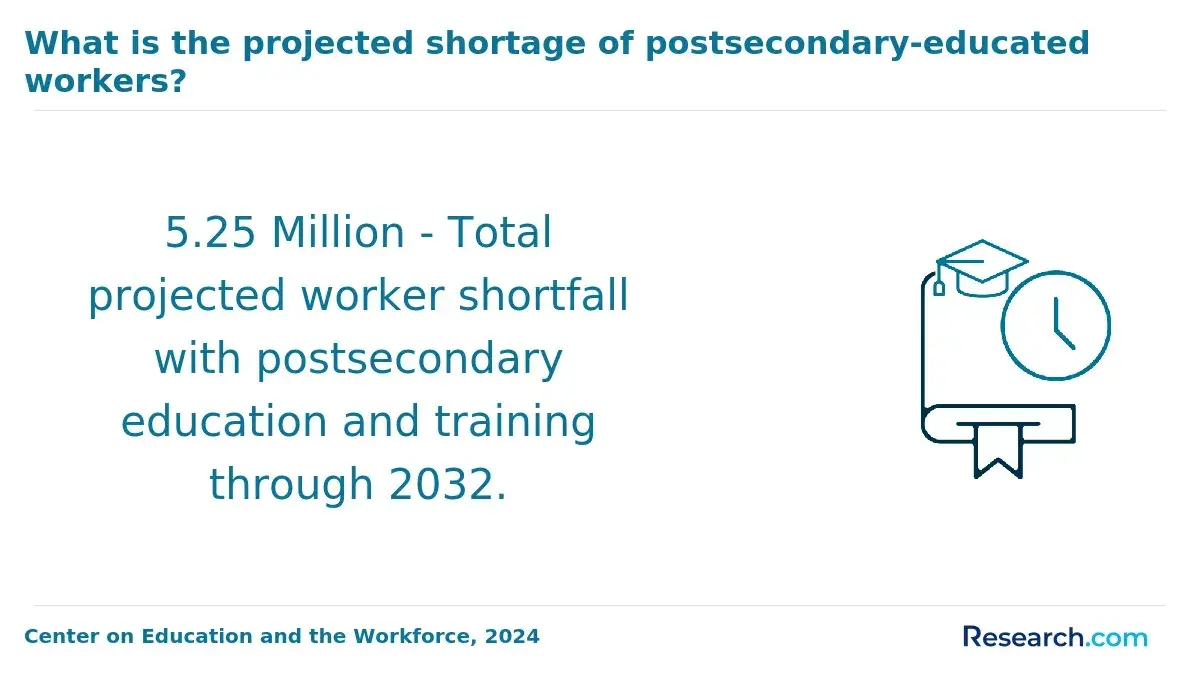
Yes, completing supervised work experience is generally mandatory after earning an online behavioral health degree for licensure. This hands-on training bridges academic knowledge with practical skills, ensuring graduates are prepared to provide professional, ethical care. Currently, about 85% of U.S. states require supervised experience as part of licensing standards. The following points outline the essential elements of this requirement.
- Required Duration: States typically mandate between 1,500 and 4,000 hours of supervised experience, depending on licensing criteria and specialty areas.
- Practice Settings: Supervision usually occurs in clinical, community, or organizational environments, giving trainees real-world exposure to diverse client needs.
- Mentorship: Licensed professionals guide students through their training, providing ongoing feedback to refine assessment, treatment planning, and communication skills.
- Skill Development: Direct client interaction helps build practical competencies crucial for professional growth and confidence in decision-making.
- Licensure Preparation: Documented supervised hours certify candidates' eligibility for licensing exams and readiness to practice independently and responsibly.
Supervised work experience is a critical step that supports safe, effective service delivery and compliance with ethical and legal standards in behavioral health professions.
Does Licensure Reciprocity Apply to Online Behavioral Health Graduates?
Licensure reciprocity allows professionals licensed in one state to obtain a license in another state without completing the full licensing process again. This flexibility is vital for behavioral health graduates seeking to practice across state lines and access broader career opportunities. Several factors influence whether reciprocity applies to online behavioral health graduates:
- Eligibility criteria: Most states require holding an active license, passing relevant exams, and meeting continuing education standards. These requirements ensure that transfers uphold professional quality and protect public safety.
- State agreements and interstate compacts: Some states participate in agreements that facilitate licensure transfer for certain behavioral health professions. However, these compacts vary widely, and not all states recognize licenses from online programs automatically.
- Program accreditation and content: States assess whether the online degree comes from an accredited institution and if the curriculum aligns with their licensure standards. This evaluation includes verifying if supervised clinical hours meet state-specific requirements.
- Application process: Reciprocity often involves submitting transcripts, proof of supervised practice, background checks, and paying additional fees. Graduates may face administrative hurdles depending on the receiving state's policies.
- Potential limitations: Some states impose restrictions if the online behavioral health program lacked in-person or clinical components they consider essential. These limitations can affect the ease of securing licensure transfer, influencing career mobility.
Prospective students and professionals should carefully review behavioral health license reciprocity rules in target states to understand how online behavioral health licensure transfer will impact their plans. For those exploring affordable education options that support career growth, consider programs recognized for quality, like the cheapest online healthcare administration degree. Proper planning helps navigate licensure complexities and aligns educational choices with professional goals.
What Are the Pros and Cons of Online Behavioral Health Programs for Licensure?
Online behavioral health programs have grown rapidly, with enrollment rising by more than 30% as students seek degrees supporting licensure eligibility. Many applicants prioritize programs that offer clear pathways to professional certification and licensure. Below is an overview of key advantages and disadvantages relevant to licensure and career readiness.
Pros
- Flexibility: Students can balance work, study, and personal obligations, making it easier to complete licensure coursework.
- Improved Accessibility: Online formats open opportunities to those in remote or underserved regions lacking traditional program options.
- Practical Experience Opportunities: Many programs facilitate clinical hours through local placements, helping meet supervision requirements.
Cons
- Limited Face-to-Face Supervision: Reduced direct oversight can impact the quality of clinical training necessary for some state boards.
- Hands-On Training Challenges: Certain skills require in-person practice that online courses may inadequately address.
- Employer Perceptions: Some organizations remain cautious about online degrees, potentially affecting job placement after licensure.
- Networking Constraints: Fewer in-person interactions may limit professional connections integral to career advancement.
Does Getting Licensed With an Online Behavioral Health Degree Affect Salary?
Obtaining licensure with an online behavioral health degree significantly impacts salary and career opportunities. Licensed behavioral health professionals earn approximately 20-30% more than their non-licensed peers, demonstrating the value employers place on verified expertise and responsibility. This salary difference highlights the financial benefits tied to licensure and underscores its importance in professional advancement.
Licensure often leads to enhanced earning potential through various channels, making it a critical factor in evaluating the impact of online behavioral health license on salary. Key influences include:
- Access to Higher-Paying Roles: Licensed professionals qualify for clinical and specialized positions that typically offer higher salaries than entry-level or support roles. These roles often require advanced skills and carry greater responsibilities, which are compensated accordingly.
- Eligibility for Leadership Positions: With licensure, individuals become candidates for supervisory or administrative roles, which include increased pay and influence within healthcare organizations. These positions also enhance long-term career stability.
- Independent Billing Opportunities: Licensed behavioral health workers are often authorized to bill clients or insurance independently, providing an additional income stream and greater financial autonomy within their practice.
- Improved Job Security and Recognition: Licensure enhances professional credibility and job stability, as licensed practitioners are more competitive in a crowded job market. This recognition can translate into higher salaries and better employment terms.
While earning an online behavioral health degree satisfies educational criteria, graduates must ensure their program meets the necessary board standards for licensure eligibility. Navigating these regulatory requirements carefully is essential to fully capitalize on salary differences with licensed behavioral health degree holders. For those weighing the financial and professional advantages, exploring the cheapest online dnp programs can be a strategic starting point for affordable advanced education pathways.
What Jobs Can You Get With or Without a License as an Online Behavioral Health Degree Holder?
Obtaining licensure greatly influences the range of career opportunities available to behavioral health graduates. While licensed professionals often access clinical roles with higher earning potential, many graduates enter the field in supportive positions without a license. Licensed workers earn roughly 30% more than their non-licensed peers, highlighting the financial and professional impact of certification. Below are examples of common roles for each path.
Jobs With a License
- Licensed clinical social worker: Provides direct mental health therapy and develops treatment plans, requiring state certification and offering pathways to advanced clinical practice.
- Licensed professional counselor: Diagnoses and treats behavioral health disorders, enabling independent practice and access to supervisory roles in therapeutic settings.
- Marriage and family therapist: Specializes in family dynamics and relationship counseling, usually licensed, with potential for private practice and specialized therapies.
Jobs Without a License
- Case manager: Coordinates client care and resources, focusing on advocacy and support rather than clinical diagnosis, suitable for entry-level positions.
- Behavioral health technician: Assists with crisis intervention and treatment support under supervision, offering practical experience in clinical environments.
- Peer support specialist: Provides community-based support using lived experience, emphasizing recovery and outreach without the need for licensure.
What Graduates Say About Getting Licensed with an Online Behavioral Health Degree
- Arthur: "I was initially worried about the cost of pursuing a behavioral health degree online, but the program's affordability truly surprised me-the total costs were manageable compared to traditional schools. The flexibility of the online format allowed me to balance work and study effectively, and the comprehensive curriculum prepared me thoroughly for licensure. Today, I'm proudly working as a licensed professional, and I attribute much of my career growth to this accessible program. "
- Roger: "Reflecting on my journey, the decision to enroll in an online behavioral health degree program was both economical and wise, considering the average cost aligned well with my budget constraints. The coursework challenged me to grow intellectually while the virtual classroom environment felt supportive and engaging. Achieving licensure post-graduation opened doors I hadn't imagined, solidifying my commitment to this career path. "
- Miles: "From a professional standpoint, the online behavioral health degree program offered excellent value, especially with licensure preparation included without excessive fees. The experience was rigorous and professionally enriching, thanks to interactive modules and real-world applications embedded throughout the curriculum. Graduating from this program has significantly elevated my credentials and client trust in my practice. "
Other Things You Should Know About Behavioral Health Degrees
In 2027, graduates with an online behavioral health degree may face challenges such as navigating differing state-specific licensure requirements and ensuring program accreditation is recognized. Additionally, gaining supervised clinical experience, often a licensing prerequisite, could require in-person placements, complicating the process for entirely online graduates.
Yes, nearly all states require applicants to pass a criminal background check as part of the licensing process. This ensures client safety and professional standards, and applicants must disclose any relevant legal history.
References
- Licensed Mental Health Counselor - Florida Board of Clinical Social Work, Marriage & Family Therapy and Mental Health Counseling https://floridasmentalhealthprofessions.gov/licensed-mental-health-counselor/
- Portability 2021 https://www.amhca.org/advocacy/portability/portability2021
- Mental Health Licensing Requirements by State - Updated Summer 2025 - HealthCare Recruiters International https://hcrnetwork.com/mental-health-licensing-requirements-by-state-updated-summer-2025/
- Which States Offer Reciprocity For LPC Licensure For Mental Health Counselors? https://www.betterhelp.com/advice/therapist-tools/which-states-offer-reciprocity-for-lpc-licensure/
- 6 Pros and Cons of Enrolling in an Online Bachelor's Degree in Counseling Program https://www.counselingpsychology.org/pros-cons-bachelors-counseling/
- LMHP: Licensed Mental Health Professional - Counseling Degrees Online https://www.counselingdegreesonline.org/licensure/lmhp
- Licensure for behavioral health https://telehealth.hhs.gov/licensure/licensure-for-behavioral-health
- The Emerging Field of Behavioral Health Paraprofessionals https://www.nga.org/publications/the-emerging-field-of-behavioral-health-paraprofessionals/
- LCMHC License by Reciprocity | North Carolina Board of Licensed Clinical Mental Health Counselors https://www.ncblcmhc.org/Licensure/Applying/Reciprocity
- Guide To Online Counseling Degrees https://www.psychology.org/online-degrees/counseling/


