
2027 Cloud Computing Degree vs. Certificate: Which Should You Choose?

Co-Founder and Chief Data Scientist
Today's students and professionals face significant choices when deciding between earning a degree or a certificate in cloud computing. Both credentials can enhance career prospects, yet they differ in time commitment, depth of study, and cost. For example, degrees typically cover broader topics over several years, while certificates focus on specialized skills in a shorter time.
Cloud computing roles are projected to grow by 15% over a decade, highlighting strong demand for skilled workers. This article compares degrees and certificates to help learners weigh their educational goals, budget, and schedule when choosing the best path for advancing their cloud computing careers.
Key Points About Cloud Computing Degree vs. Certificate Programs
- Degrees offer comprehensive knowledge and typically lead to higher salary potential, with cloud professionals earning an average of 15% more than certificate holders.
- Certificates emphasize practical skills and faster completion, ideal for professionals seeking immediate job-ready competencies or role transitions.
- Degrees support long-term career growth through broader IT foundations, while certificates provide targeted expertise, suitable for specific cloud platforms or technologies.
What Are the Differences Between Cloud Computing Degree and Certificate Programs?
Both cloud computing degrees and certificate programs can open doors to rewarding tech careers, yet they differ in several important ways. Recognizing these differences enables students to invest in education that aligns with their career ambitions and preferred timelines.
Below is a comparison highlighting key distinctions between these two educational paths.
- Career Advancement: Degrees typically offer a broader foundation which may help in securing higher-level positions or leadership roles. Certificates are usually focused on specific skills, ideal for professionals seeking quick skill upgrades or entry into the field.
- Depth of Learning: Degree programs provide extensive theoretical knowledge and cover diverse topics, benefiting those aiming for comprehensive understanding. Certificate courses concentrate on practical, job-ready skills suitable for learners who prefer hands-on training with immediate application.
- Time Commitment: Degrees require a longer study period often spanning multiple years, fitting students ready for an extended educational journey. Certificates are shorter, making them attractive for individuals needing rapid credentialing or balancing education with other commitments.
- Flexibility: Certificate programs are generally more adaptable with online or part-time options, catering to working professionals. Degree paths might be more structured and less flexible but offer a more cohesive educational experience.
How Long Does It Take to Complete a Cloud Computing Degree vs. a Certificate Program?
Completion time is a critical factor for students deciding between a cloud computing degree vs. certificate. Understanding the time commitment involved helps learners align their education with career goals and personal schedules.
- Typical Duration: Completing a cloud computing certificate program typically ranges from 3 to 12 months, making it a faster option for quick skill acquisition. In contrast, a cloud computing degree-such as an associate or bachelor's degree-takes significantly longer, usually between 2 to 4 years due to its broader academic scope.
- Flexibility: Certificate programs are often self-paced or offer flexible online delivery, allowing motivated students to finish rapidly, sometimes in as little as three months. Degree programs may offer part-time or online options; however, even with flexible pacing, degrees involve requirements that extend the timeline.
- Factors Affecting Timeline: Several elements influence how quickly students complete either program. Prior experience or transfer credits can shorten degree durations, while the program's structure-such as competency-based or self-paced formats-also plays a role.
Certificates are ideal for those seeking fast entry or upskilling in cloud computing roles, focused on practical, job-specific skills. Degrees deliver a broader foundation of knowledge but require a larger time investment.
For those exploring efficient degree options, some schools offer accelerated pathways like a 6 month associate online degree, which can reduce the typical cloud computing degree duration.
Can You Complete a Cloud Computing Degree or Certificate Entirely Online?
The growth of online education has made it increasingly feasible to complete both a cloud computing degree and a certificate entirely online. Many U.S. universities and colleges, such as Purdue Global, Thomas Edison State University, and Capella University, offer fully remote programs tailored to working professionals nationwide.
These programs leverage virtual labs and interactive online coursework to develop technical skills without attending a physical campus. Similarly, online cloud computing certificate programs are available through institutions like Miller-Motte College and other vocational schools, providing flexible, remote learning options.
Students interested in easier and accessible programs can also explore easy degrees to get online as a way to advance their education efficiently.
When deciding between an online cloud computing degree or certificate, it's important to consider the inclusion of hands-on training, internships, or licensure preparation. Most programs incorporate virtual labs to replicate real-world cloud environments, allowing practical experience remotely.
While some degrees or certificates may require or offer optional internships potentially involving in-person components, these are less common in fully online tracks.
Prospective students should assess whether programs are 100% online with virtual labs and remote assessments to fit their career aspirations and personal circumstances, ensuring the online format aligns with their professional goals.
Breakdown of All 4-Year Online Title IV Institutions

What Are the Admission Requirements for a Cloud Computing Degree vs. a Certificate Program?
Admission requirements play a crucial role in deciding between a cloud computing degree and a certificate program, as they influence who can enroll and how accessible each pathway is for different students. Understanding these requirements helps align your education and career stage with the right option. Below is a clear side-by-side comparison of admission requirements for these program types.
Admission Requirements for Cloud Computing Degree Programs
- Educational Background: Most bachelor's degree programs require applicants to have a high school diploma or a General Educational Development (GED) certificate.
- Transcripts: Official transcripts from previous schools must usually be submitted to verify prior educational achievement.
- Minimum GPA: Some universities require a minimum cumulative GPA, often around 2.0 for undergraduate and 3.0 for graduate degrees.
- English Proficiency: Non-native English speakers may need to prove proficiency through tests such as the TOEFL or IELTS.
- Personal Statement or Essay: Certain institutions ask for a brief essay outlining personal goals and readiness for the program.
- Age Requirement: Some programs set a minimum age requirement, typically ranging from 14 to 18 years depending on the institution.
Admission Requirements for Cloud Computing Certificate Programs
- Educational Background: Many certificate programs require only a high school diploma or GED, making them accessible to a broader audience including those without college degrees.
- Prior Experience: These programs generally do not require prior college coursework or industry experience but may recommend basic computer literacy.
- Transcripts: Fewer certificate programs require official transcripts, though some may request proof of educational attainment.
- English Proficiency: Basic English proficiency may be needed for non-native speakers, usually with less stringent standards than degree programs.
- Application Form: The application process is often simple, involving a short form and basic documentation.
Certificate programs usually provide a more accessible entry point, while degree programs demand more comprehensive documentation and eligibility verification. For those interested in affordable education options, exploring a low cost master's degree online could be a viable path.
Choosing the right program depends on understanding cloud computing degree admission requirements and cloud computing certificate eligibility criteria to ensure the best fit for your goals and background.
How Many Credits Do You Need to Complete a Cloud Computing Degree vs. a Certificate?
Knowing how many credits are needed for a cloud computing degree or certificate is crucial for planning your academic path and managing your time effectively. Understanding these credit requirements helps clarify the time commitment and depth of study involved.
Here's a straightforward comparison of credit expectations for these programs:
- Associate Degree: Typically requires about 60 credit hours, combining foundational coursework with general education studies.
- Bachelor's Degree: Usually demands between 120 and 124 credit hours, including major-specific and general education courses, providing a comprehensive education in the field.
- Certificate: Generally involves 12 to 18 credit hours focused exclusively on core cloud computing skills without additional general education requirements.
When I spoke to a student who opted for a cloud computing certificate instead of a degree, he shared how the condensed nature of credits appealed to him.
"I wanted to gain practical skills quickly to transition my career without the long commitment a degree requires," he explained. He described balancing work and study, appreciating the focused curriculum that allowed him to dive straight into specialized topics like cloud security and platform management.
Although challenging at times, especially juggling responsibilities, the certificate's structure made completing the program manageable and rewarding, emphasizing skill acquisition over broad academic coursework.
What Is the Average Tuition for a Cloud Computing Degree vs. a Certificate?
Tuition costs play a critical role when deciding between pursuing a cloud computing degree or a certificate, as they directly affect your financial investment and potential career returns. Comparing the typical tuition ranges for each option can clarify which path aligns best with your goals and budget.
Below is a detailed comparison of average tuition for cloud computing degree programs versus certificate programs, highlighting the key financial factors to consider.
Average Tuition for Cloud Computing Degree Programs
- Tuition Range: Bachelor's degrees in cloud computing generally range from approximately $8,636 (in-state) to $20,565 (out-of-state) annually at public universities, with private or elite schools charging significantly more.
- Per Credit Costs: Online bachelor's programs typically cost between $186 and $726 per credit, varying by institution and residency; some schools offer flat-rate tuition per term.
- Program Length: Degree programs usually require 120-124 credit hours over four years, leading to a higher total tuition compared to certificates.
- Online vs. On-Campus: Online degrees can be more affordable, sometimes as low as $4,770 annually, reducing overall expenses while offering flexibility.
- Additional Fees: Expect extra costs such as textbooks, technology, and certification exams, which can add several thousand dollars to the total.
Average Tuition for Cloud Computing Certificate Programs
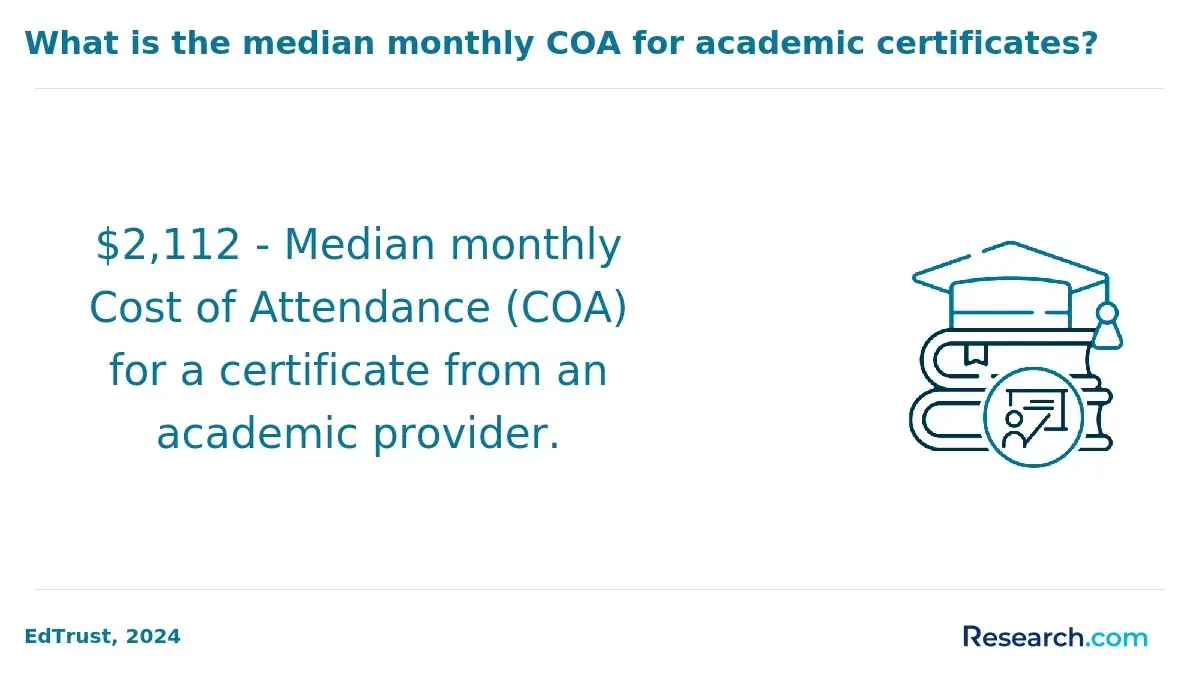
- Tuition Range: Undergraduate certificates typically cost between $12,000 and $23,180 in total tuition, making them a more cost-effective option than degrees.
- Per Credit Costs: Similar per-credit rates to degree programs apply, often around $514 per credit, but fewer credits are required-usually 20-40 credit hours.
- Program Length: Certificates can be completed in under a year to about 18 months, reducing overall tuition and related expenses.
- Online vs. On-Campus: Many certificate programs are offered online, providing added flexibility and potential savings on commuting or housing.
- Additional Fees: Beyond tuition, additional costs for fees, textbooks, and equipment may total $1,000-$2,500 per program.
Students comparing cloud computing degree average tuition cost and cloud computing certificate program tuition fees should also consider career objectives, as certificates offer faster entry while degrees may enable broader opportunities and higher earnings.
For more detailed pathways and options, see quick degrees that pay well.
Can You Transfer Certificate Credits Toward a Cloud Computing Degree Later On?
Yes, certificate credits can often be transferred toward a cloud computing degree, but it depends on several factors. Institutional policies vary, with some universities, like Western Governors University and Arizona State University, providing clear guidelines on which certificate courses transfer.
Accreditation plays a crucial role; credits from regionally accredited schools or recognized industry programs have a higher chance of acceptance. Additionally, only courses closely aligned with the degree's core or elective requirements are typically eligible for transfer.
Other key considerations include transfer credit limits set by institutions and minimum grade requirements, often a C or above, for credits to qualify. It is vital to consult with academic advisors to confirm how many certificate credits apply before enrolling in a degree program.
Some community colleges design certificates to integrate smoothly with degree pathways, but students should always verify transfer options first to avoid surprises and make the most of their educational investment.
Reflecting on a student's experience after completing a cloud computing certificate, she shared how navigating credit transfer was initially confusing. "I wasn't sure which courses would count toward my degree," she said.
After speaking with advisors and reviewing transfer policies, she discovered that several core certificate classes applied directly to her degree program, giving her a head start. She appreciated the clarity of the process once she understood the requirements and felt more motivated knowing her earlier efforts were recognized.
This smoother transition made her educational path feel more connected and rewarding, highlighting the value in confirming credit transferability up front.
Are Certificate Programs Accredited the Same Way as Cloud Computing Degrees?
Certificate programs in cloud computing are generally not accredited in the same way as degree programs. Degrees in cloud computing offered by U.S. colleges and universities undergo formal accreditation by regional or national agencies, which review faculty credentials, curriculum standards, and student services.
In contrast, cloud computing certificates typically represent industry certifications granted by well-known technology companies like AWS, Microsoft, or Google rather than academic institutions.
These certificates rely on the issuer's reputation and market demand for specific skills rather than comprehensive educational oversight.
While both types of credentials indicate expertise, only degrees undergo a rigorous institutional review process tied to academic quality assurance.
Accreditation plays a crucial role in verifying the quality of education, enabling credit transfer between institutions, and supporting employer recognition, particularly for degree programs.
For certificates, recognition depends more on alignment with current technologies and employer needs than on formal accreditation.
Students evaluating programs should confirm that degree-granting schools hold recognized accreditation and that certificates are issued by reputable, market-leading organizations. Additionally, programs should offer updated content and practical experience to ensure relevance.
Before enrolling, it is essential for students to verify accreditation status through established accrediting bodies to ensure the credential's value and legitimacy.
What Jobs Can You Get with a Cloud Computing Degree vs. a Certificate?
Both cloud computing degrees and certificates can open pathways to technology careers, though they often lead to different types and levels of roles. Understanding the distinctions helps individuals decide which credential best fits their career goals. Below is a comparison of typical job options associated with each qualification.
Jobs You Can Get with a Cloud Computing Degree
- Cloud Solutions Architect: Designs and oversees cloud infrastructure, ensuring it meets an organization's strategic needs across departments.
- Cloud Engineer: Develops and maintains cloud systems, focusing on scalability, security, and performance in complex environments.
- DevOps Engineer: Integrates software development and IT operations to accelerate delivery and improve reliability of cloud applications.
- IT Project Manager: Coordinates cloud technology projects, managing teams and resources to align with business objectives.
- Systems Administrator: Manages and supports cloud-based server infrastructure, ensuring uptime and security.
- Cloud Security Analyst: Protects cloud assets by identifying vulnerabilities and implementing security protocols across platforms.
Jobs You Can Get with a Cloud Computing Certificate
- Cloud Support Specialist: Provides technical assistance and troubleshooting for cloud service users, often handling immediate operational issues.
- Cloud Administrator: Oversees daily cloud platform operations, managing resource allocation and system maintenance.
- Network Administrator: Maintains and secures network connectivity within cloud environments, supporting data flow and access.
- Junior Cloud Engineer: Assists in building and deploying cloud solutions under supervision, focusing on practical tasks and learning.
- Cloud Technician: Performs hands-on technical work such as configuring hardware and software to support cloud infrastructure.
What Is the Average Starting Salary for a Certificate vs. Cloud Computing Degree Graduates?
Salary potential often differs between cloud computing certificate holders and degree graduates. These differences arise from the depth of education, experience opportunities, and long-term career prospects.
To better understand this, here is a side-by-side review of the average starting salary for cloud computing certificate holders versus degree graduates.
- Typical Salary Range: Graduates with a cloud computing certificate typically earn between $90,000 and $105,000 per year, while those with a cloud computing bachelor's degree or higher start around $100,000 to $115,000 annually.
- Career Entry Speed: Certificate holders can enter the workforce quickly, especially in roles such as cloud support associate or junior cloud consultant. Certifications like AWS Certified Solutions Architect or Microsoft Azure Administrator often command salaries at the higher end of the certificate range.
- Industry and Location Impact: Salaries vary by industry sector, with finance and healthcare frequently offering higher pay. Additionally, tech hubs like San Francisco and New York can raise starting salaries by $20,000 or more, influencing the overall compensation.
- Experience and Certification Stack: Prior IT experience, even if unrelated, can boost offers for both groups. Having multiple or advanced certifications can increase starting pay, especially for certificate holders without a degree.
- Long-Term Growth Outlook: Degree graduates usually have greater earning potential over time, particularly when pursuing advanced or management roles. A degree also opens up opportunities requiring deeper theoretical knowledge or strategic oversight.
Both pathways offer competitive options, and for those curious about a certificate that pays well, the cloud computing certificate remains an attractive choice.
Understanding the average starting salary for cloud computing certificate holders alongside the cloud computing degree vs certificate salary comparison can help in deciding which educational route fits best with your career goals.
Here's What Graduates of Cloud Computing Programs Say About Their Degree or Certificate
- Tristan: "Pursuing the cloud computing certificate program was a fantastic decision for me because it offered a focused learning experience at a much faster pace compared to a full degree. The affordability was a big plus, especially since certificates typically cost a fraction of degree programs, letting me upskill quickly and land a job in the industry without the burden of long-term tuition. If you need to break into cloud roles fast, certificates are a practical choice. "
- Diana: "Opting for a cloud computing degree gave me a comprehensive understanding that goes beyond basic skills, which I found essential for long-term career growth. While it took more time and financial investment-degrees often run significantly higher in cost than certificates-the in-depth coursework and networking opportunities made a significant difference in how I approached complex problems in my job. It's best if you have the time and resources to commit to an immersive education. "
- Ashleigh: "completed both the cloud computing certificate and degree programs, and I can confidently say that the certificate accelerated my entry into the field, while the degree fortified my knowledge and expanded my career prospects. The certificate's affordability allowed me to test the waters before investing in the more extensive and costly degree, which ultimately opened doors to senior roles. Balancing cost, depth of learning, and timing is crucial, and combining both paths worked perfectly for my goals. "
Other Things You Should Know About Cloud Computing Degrees
Experienced professionals should consider factors like time investment, cost, and career goals. A certificate might be sufficient for those seeking skill enhancement or quick career shifts, while a degree could be preferable for roles requiring a deeper theoretical understanding or for those aiming for leadership positions.
In 2027, a Cloud Computing certificate can offer faster entry into the workforce, often leading to roles like cloud technician or support specialist, but may lack the depth needed for senior positions. A degree provides a comprehensive education, preparing individuals for leadership roles and specialized positions like cloud architect.
In 2027, work experience plays a crucial role. For individuals with substantial experience, a certificate can be a cost-effective skill booster. However, newcomers to the industry might prefer a degree, which offers foundational knowledge and better preparation for a long-term career.
References
- Pros and cons of CS degrees vs. cloud certification programs | TechTarget https://www.techtarget.com/searchcloudcomputing/tip/CS-degrees-vs-cloud-certifications-Compare-the-pros-and-cons
- IT Certifications vs. Degree: Which is Better for Your Career? https://bachelors-completion.northeastern.edu/knowledge-hub/it-certification-vs-degree/
- Cloud Computing Certificate https://www.ferris.edu/business/cloud-computing-certificate/homepage.htm
- Cloud Computing Salary: Your 2025 Guide https://www.coursera.org/articles/cloud-computing-salary
- Certificate Program vs Degree: Which Credential Best Fits Your 2025 Goals? https://www.verifyed.io/blog/certificate-program-vs-degree
- Certifications vs. Degrees: What IT Courses Should You Pursue? https://www.logitrain.com.au/blog/certifications-vs-degrees-what-it-courses-should-you-pursue.html
- Cloud Computing Certificate FAQ | UVA SCPS https://www.scps.virginia.edu/programs/cloud-computing-certificate/cloud-computing-certificate-faq
- How to Become a Cloud Engineer: A Complete Guide | DataCamp https://www.datacamp.com/blog/how-to-become-a-cloud-engineer
- Cybersecurity Certificate vs. Degree: Which Should You Choose? https://www.nu.edu/blog/cybersecurity-certificate-vs-degree/
- What is Cloud Computing? Career Paths and Certifications https://www.lpu.in/blog/what-is-cloud-computing-career-paths-and-certifications/


