2027 Is a School Psychology Master's Degree Worth It? ROI, Salary & Career Impact

Co-Founder and Chief Data Scientist
Deciding whether to invest time and money in a school psychology master's degree can be challenging. With the average graduate salary around $72,000 per year and rising demand projected at 8% growth through 2031, potential students must weigh financial returns against costs. Yet, variations in program length, tuition, and local job markets complicate this choice.
Many applicants struggle to understand how credentialing compares to alternative certifications or how employer perceptions affect career advancement. This article breaks down salary data, ROI metrics, admission trends, and career outcomes to help prospective students evaluate the real value of a school psychology master's degree and make an informed decision.
Key Things to Know About the Value of School Psychology Master's Degree
- Admission typically requires a bachelor's degree in psychology or education; programs blend coursework with supervised internships, lasting 2-3 years for comprehensive practical training.
- The median annual salary for school psychologists is approximately $78,000, with variations based on location, experience, and employment setting.
- Long-term growth is strong, with a projected 8% job increase; comparing program costs, flexibility, and accreditation ensures alignment with career goals and ROI.
How Much Does a School Psychology Master's Degree Cost?
Prospective students evaluating a school psychology master's degree must consider tuition and related expenses carefully because the field is expected to grow by 8% over the next decade, reflecting steady demand and potential salary growth. Assessing the average tuition for school psychology master's programs alongside ancillary costs helps create a realistic financial plan.
Below is a detailed overview to guide your evaluation of program costs:
- Public In-State Tuition: Typically ranges from $8,000 to $20,000 per year. In-state students benefit from subsidized rates at state universities, making these programs more affordable for residents, but costs vary depending on the institution and program length.
- Public Out-of-State Tuition: Out-of-state students usually pay between $15,000 and $35,000 annually. The higher fees reflect the absence of residency subsidies, which can significantly increase total program expenses.
- Private Institution Tuition: Private colleges generally charge between $25,000 and $50,000 per year. These costs are consistent regardless of residency and may include additional fees such as technology charges.
- Online Programs: Online master's degrees in school psychology range widely, from $12,000 to $40,000 for the entire program. This format can reduce commuting and housing expenses, though students may still face technology fees and course material costs. For those considering affordable alternatives, exploring cheap MSW programs online can provide useful comparisons.
- Ancillary Costs: Textbooks, required software, housing, and living expenses add approximately $6,000 to $12,000 annually. Housing expenses vary by location, and internship-related travel or materials should also be budgeted.
- Program Length Impact: Most programs take 2 to 3 years. Longer programs will increase tuition and living costs, but part-time options may help spread financial burdens over time.
- Total Cost Range: Overall investment typically falls between $30,000 and $100,000, depending on factors like institution type, residency status, program length, and format. These figures serve as a benchmark when comparing the school psychology master's degree cost breakdown across different programs.
What Financial Aid and Scholarships Are Available for School Psychology Master's Students?
Graduate education costs can be substantial, with debt for graduate students averaging over $66,000 according to the National Center for Education Statistics. For students pursuing a school psychology master's degree, understanding financial aid options is essential to mitigate expenses and maximize return on investment.
Below are key funding sources and strategies to consider when applying for scholarships for school psychology graduate students:
- Federal Graduate Loans: These include subsidized loans, which do not accrue interest while enrolled, and unsubsidized loans, which begin accruing interest immediately. Both require repayment after graduation, often with flexible terms to accommodate borrowers' financial situations.
- Institutional Grants and Fellowships: Many universities offer need-based or merit-based grants tailored for school psychology students. These awards generally do not require repayment and often factor in academic performance and financial need.
- External Scholarships: Prestigious organizations such as the American Psychological Association and the National Association of School Psychologists provide scholarships based on academic merit, professional aspirations, or membership status. Searching discipline-specific scholarships is vital to securing funding.
- State-Specific Funding: Certain states allocate scholarships or loan forgiveness to address local shortages in school psychology professionals. These programs may require recipients to commit to working in regional schools after graduation.
- Application Strategies: Building a strong application involves emphasizing relevant experience, maintaining a competitive GPA, submitting compelling essays, and obtaining robust recommendation letters. Early research on scholarship deadlines is critical to success.
Prospective students should also explore accelerated degree options for reducing tuition costs and time in school, such as 1-year MSW programs online no BSW, to compare various funding and program structures that align with their goals and financial capacity.
What Is the Average Salary for School Psychology Master's Degree Holders?
For those considering a master's degree in school psychology, understanding salary trends is essential to evaluate its financial merit. Salaries vary widely by experience, sector, and location, influencing long-term career value. Below are key points to consider:
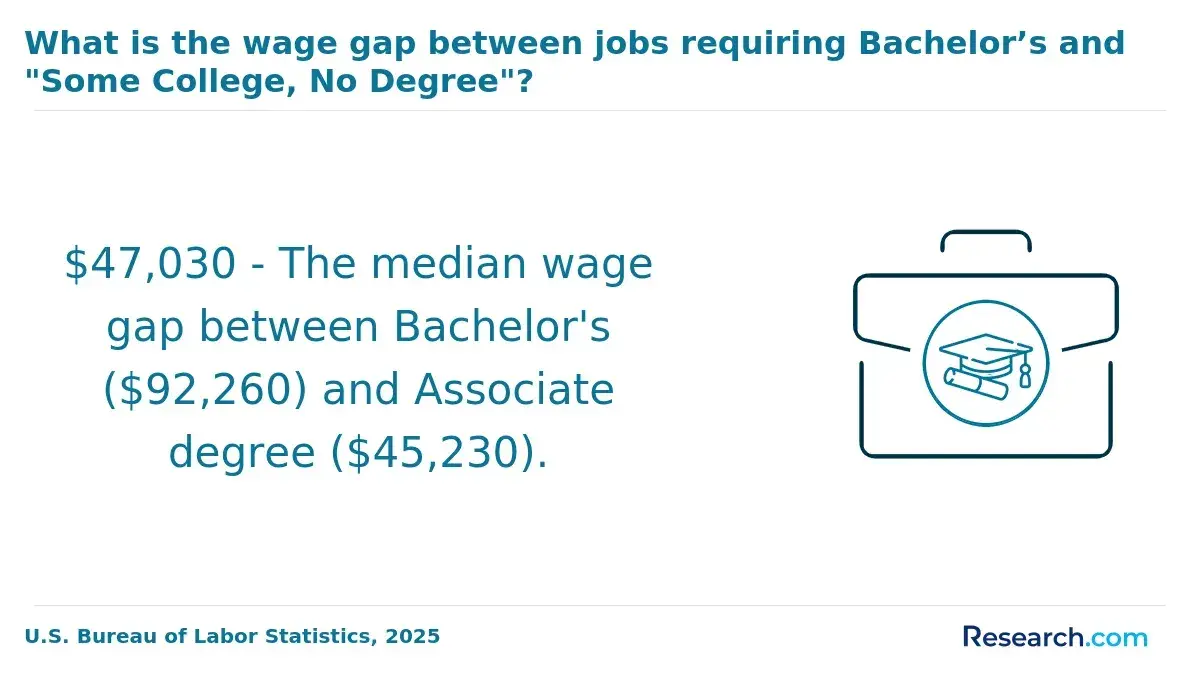
- Salary by Experience Level: Early-career professionals with a master's typically earn between $55,000 and $65,000 annually. With more experience, salaries rise to the $70,000-$85,000 range mid-career, while senior practitioners can exceed $90,000, particularly when holding additional certifications or leadership roles.
- Wage Advantage Over Bachelor's Holders: Those with only a bachelor's in related fields often earn $35,000 to $50,000, indicating a substantial 30-50% income boost for master's graduates in school psychology.
- Impact of Employment Sector: Public school districts, the main employers, offer stable pay and benefits, while private and nonprofit sectors sometimes pay less but may provide niche roles and greater flexibility that affect earning potential.
- Regional Variations: Salaries tend to be 15-25% higher in urban and high-cost states like California and New York, whereas rural or lower-cost areas typically offer more modest compensation.
When asked about his experience, a graduate of a school psychology master's program recalled the demanding nature of balancing coursework with practicum placements. Despite the stress, he emphasized how the degree opened doors to roles with better salaries and professional growth.
"Earning the master's was challenging, but it definitely was a turning point in my career, helping me secure positions I wouldn't have accessed otherwise," he reflected. This perspective highlights the real-world value of advancing education in this field.
How Does a School Psychology Master's Degree Impact Long-Term Career Advancement?
For prospective students considering how a school psychology master's degree influences long-term career growth with a school psychology master's degree, understanding its impact beyond initial salary increases is essential. This degree not only enhances earning potential but also significantly shapes professional advancement.
Key factors shaping career trajectory include the following:
- Promotion Rates: Those holding a master's in school psychology typically experience higher promotion rates compared to bachelor's degree holders. The advanced knowledge and skills gained prepare graduates for supervisory and administrative roles, positively affecting their career progression.
- Leadership Opportunities: The credential opens pathways to leadership positions such as department heads, program coordinators, or consultants. These roles often require a master's degree, allowing graduates to influence educational policies and practices system-wide.
- Professional Credibility: Earning a master's degree elevates professional reputation and trust within educational and clinical communities. This enhanced credibility can translate to greater job security and involvement in strategic projects or committees.
- Expanded Networks: Graduate programs connect students with faculty, alumni, and professionals in the field. These networks are invaluable for mentorship, collaboration, and discovering job opportunities.
- Industry Essential vs. Advantageous: In many public schools and healthcare settings, this degree is essential for licensure and employment. However, some private or alternative educational sectors regard it as advantageous but not mandatory.
- Post-Master's Education and Certifications: Continuing education, including doctoral studies and specialized certifications, builds upon the master's foundation to advance eligibility for senior roles, keeping professionals competitive and current with industry standards.
For those evaluating financial returns, comparing this degree to other college majors that make the most money can provide valuable insight into long-term benefits and professional growth.
What Is the Return on Investment (ROI) of a School Psychology Master's Degree?
This section offers prospective students insight into the financial and career outlook associated with pursuing a master's degree in school psychology. It focuses on the balance between the costs incurred during education and the long-term benefits graduates can expect.
Key considerations include:
- Total Program Cost: Tuition varies widely depending on whether the program is public or private, your residency status, and additional expenses like books or relocation. These upfront costs form the foundation of your investment.
- Lifetime Salary Premium: Graduates with a master's in school psychology earn noticeably higher salaries than those with only a bachelor's degree. Median wages hover around $78,000 annually but differ by location, setting, and experience.
- Payback Period: Generally, it takes between three to seven years to recover education costs through increased earnings. Employment in well-resourced districts or private settings typically accelerates this timeframe.
- Best-Case ROI Scenario: Attending an affordable program and securing a high-paying role in a demand-heavy region can result in returns exceeding double the initial investment within 15 years.
- Worst-Case ROI Scenario: Those facing higher tuition, prolonged credential completion, or working in lower-paying areas may find their payback extends longer and lifetime financial gains are less substantial.
- Opportunity Cost: The income forgone while studying full time adds to overall expense. Many tackle this by studying part-time or through assistantships to reduce lost earnings.
- Use of ROI Calculators: Online tools allow potential students to customize inputs-like tuition and expected salary-to estimate personal ROI more accurately before committing.
When I spoke with a graduate who completed a master's in school psychology, they recalled feeling anxious about the financial commitment. However, balancing part-time work and careful budgeting made the process more manageable.
"I was surprised by how much the salary boost helped me recover costs faster than I expected," they said. They also highlighted access to hands-on practicum experiences that made job hunting after graduation much easier, easing the transition into their career and enhancing the overall return on their investment.
What Are the Admission Requirements for a School Psychology Master's Program?
Admission standards for master's programs in school psychology differ widely, though certain expectations are commonly shared across institutions. Applicants seeking to stand out typically present a strong academic background, relevant professional exposure, and a compelling narrative about their career goals.
The following points highlight essential admission criteria and strategies:
- Undergraduate GPA Benchmarks: Most programs expect a minimum GPA around 3.0 on a 4.0 scale, with more competitive schools often aiming for 3.5 or above. Excellence in coursework related to psychology or education signals readiness for graduate study.
- Standardized Test Requirements: The GRE may be required by some programs, though its necessity is declining. When required, solid verbal and quantitative scores can enhance an application, especially at selective universities.
- Prerequisite Coursework: Candidates usually need foundational classes in psychology, statistics, and developmental psychology. These ensure the applicant has sufficient knowledge to succeed in focused school psychology topics.
- Statement of Purpose: This essay should clearly articulate professional aspirations, motivation for pursuing school psychology, and alignment with the program's strengths. A well-written statement provides admissions committees insights into the candidate's commitment and fit.
- Letters of Recommendation: Two or three endorsements from faculty or supervisors familiar with the applicant's academic and professional abilities are typically required. Recommendations that highlight relevant skills and character can significantly influence decisions.
- Relevant Work or Research Experience: Practical involvement in educational, counseling, or psychological research settings demonstrates applied knowledge and dedication, often giving candidates an edge over others.
What Is the Minimum GPA Requirement for a School Psychology Master's Program?
The minimum GPA requirements for a school psychology master's program vary significantly based on the institution's prestige and program selectivity. Many higher-ranked programs expect at least a 3.0 undergraduate GPA, reflecting their competitive admissions standards.
However, some reputable programs accept GPAs as low as 2.7, particularly when applicants demonstrate strengths elsewhere. In these cases, a low GPA may be offset by strong professional experience, a compelling personal statement, or high GRE scores, which showcase research skills and dedication. For applicants with suboptimal GPAs, exploring conditional admission or probationary enrollment pathways can provide alternative routes into a program.
Below is a summary of important considerations and actionable strategies for navigating these GPA thresholds and enhancing competitiveness:
- GPA Expectations Vary by Program: Top-tier school psychology programs often require a minimum 3.0 GPA, while less selective institutions consider applicants with GPAs around 2.7 to 2.9. These variations reflect differing institutional priorities and the relative competitiveness in admissions.
- Offsetting a Low GPA: Strong work experience, a carefully written personal statement, and high GRE scores help compensate for lower academic records. Demonstrating relevant skills or research commitment is essential for strengthening an application.
- Conditional Admission Options: Some schools offer conditional admission requiring students to meet specific grade thresholds in early coursework to maintain full enrollment and progress in the program.
- Probationary Enrollment: This alternative enrollment allows borderline applicants to prove academic capability during initial semesters under close evaluation, with continued participation contingent on meeting performance benchmarks.
- Application Enhancement Strategies: Focusing on recommendation letters, internships, and writing samples can add significant value. Engaging in volunteer or research projects is also an effective way to bolster candidacy and demonstrate motivation.
Prospective students should carefully weigh these factors to decide whether applying to a school psychology master's program fits their academic profile and career goals. For those interested in leadership in related fields, programs such as a doctorate in leadership online can also be valuable to explore.
Is an Online School Psychology Master's Degree as Valuable as an In-Person Degree?
For those considering a master's degree in school psychology, understanding how employers view online versus in-person programs has become increasingly important. The COVID-19 pandemic accelerated acceptance of remote education, reshaping perceptions around educational delivery.
Here are key insights into how these formats compare and what factors influence their value:
- Employer Acceptance Has Grown: Since the pandemic, many employers acknowledge that accredited online school psychology degrees match the quality of traditional programs. This acceptance depends on regional norms and employers' familiarity with online education standards.
- Accreditation Remains Key: Employers chiefly assess whether a program is accredited, placing less emphasis on whether it's online or face-to-face. The legitimacy of the institution and curriculum quality are the strongest indicators of program value.
- Academic Rigor Is Comparable: Accredited online degrees often replicate the academic demands and clinical experiences of in-person studies. Some online programs include live sessions and supervised placements to maintain skill development.
- Networking Experiences Differ: In-person students typically have direct interaction with peers, faculty, and nearby professionals, facilitating relationship-building. Online learners may connect virtually but might find local networking opportunities more limited.
- Career Support Varies: Campus programs usually offer direct access to job fairs and internships in the local area, while online offerings may provide virtual resources. Carefully reviewing individual program support services is essential.
- When Online Is Advantageous: For those balancing work, family, or living in remote locations, accredited online degrees offer flexibility without sacrificing education quality. They allow students to continue working and avoid relocation expenses.
- In-Person Offers Local Benefits: Students aiming for strong community ties or hands-on internships nearby often gain more from attending on campus. These face-to-face connections can lead to mentorship and job opportunities less accessible through remote learning.
What Jobs Can You Get With a School Psychology Master's Degree?
For those pursuing a master's degree in school psychology, understanding the range of career opportunities is vital to assessing the degree's practical value. Some positions strictly require this credential, while others view it as a strong advantage that enhances competitiveness. Both longstanding and newer roles shaped by advances in education and technology offer varied pathways.
Below are some key options graduates should consider:
- K-12 School Psychologist: This well-established role necessitates a master's degree plus state licensure or certification. Practitioners mainly serve public and private schools, conducting assessments and supporting students' academic and emotional well-being. Salaries typically average around $79,000 annually, with urban and specialized school settings often offering higher pay.
- Educational Consultant: These professionals advise schools and districts on implementing research-backed strategies. Although a master's degree is generally required, additional certification is not always necessary but experience can be crucial. Compensation ranges broadly from $70,000 to $100,000 depending on clientele and location.
- Behavioral Specialist: This role focuses on behavior intervention programs, frequently within schools or healthcare. Credentials like Board Certified Behavior Analyst (BCBA) can boost earning potential. Average salaries vary from $65,000 to $90,000 based on experience and employment sector.
- Neuropsychological Technician or Assistant: Graduates with a master's gain a competitive edge in assisting neuropsychologists, although further specialization is common. Pay ranges from $50,000 to $75,000, with opportunities for growth tied to additional credentials.
- Private Practice or Counseling Roles: Some establish independent practices centered on youth mental health, requiring licensure beyond the master's degree. Earnings fluctuate widely, sometimes surpassing $80,000 in competitive regions.
- Research Analyst in Educational Settings: Master's holders often fill research roles shaping educational policies and programs across universities, government, or nonprofits. Salaries generally fall between $60,000 and $95,000.
- School Administrator with a Focus on Student Services: Advancement into administrative positions overseeing special education or counseling units is possible but may require additional certification or a doctorate. Compensation frequently exceeds $85,000 annually.
- Technology and Educational Software Specialist: Emerging opportunities exist where school psychology expertise combines with educational technology development or consultation. Experience in software development enhances prospects, with pay typically ranging from $70,000 to $110,000.
How Do Employers and Industries Value a School Psychology Master's Degree?
For prospective students weighing the financial and professional benefits of a school psychology master's degree, understanding employer attitudes is critical. Different sectors recognize this credential in varying ways, influencing job prospects and career advancement. Awareness of these distinctions helps applicants tailor their approach, ensuring the degree's value is clearly communicated and aligned with their goals.
- Large Corporations Favor Specialized Expertise: Major companies with employee assistance or educational health programs often place high value on school psychology master's degrees. They seek candidates with strong backgrounds in child development and mental health, often prioritizing those with relevant certifications and professional experience as well.
- Government Agencies Prefer Professional Credentials: Many government employers, including school districts and social service departments, view the master's as a baseline qualification. This degree supports eligibility for specialized roles and provides a clear pathway for career progression within public education and community services.
- Startups Seek Versatility and Innovation: Startups may not uniformly require the degree but appreciate candidates who apply psychological principles flexibly, especially in educational technology or mental health projects. Practical skills and adaptability are often valued as much as formal academic credentials.
- Nonprofits Value Mission Alignment: Organizations focused on youth development and mental health typically regard the degree highly for its direct relevance. Alongside academic qualifications, commitment to the cause and hands-on experience play essential roles in hiring decisions.
- Disciplinary Variation in Credential Weight: In school psychology careers, the master's degree frequently serves as the terminal professional qualification. This contrasts with fields where doctorates or MBAs dominate, affecting salary potential and advancement opportunities distinctively.
- Communicating Degree Value Effectively: Prospective candidates should highlight applied skills, completed internships, and certification achievements when applying or interviewing. Demonstrating how the master's degree meets specific employer needs can greatly enhance perceived value in competitive job markets.
Those considering the cost implications alongside these professional factors may also explore related fields' affordability for comparison. For example, understanding construction management degree online cost can offer useful perspective when evaluating return on investment in specialized master's programs.
Is a School Psychology Master's Degree Worth It?
Prospective students should consider how various employers view a school psychology master's degree to better position themselves in a competitive job market. Employer attitudes influence hiring and advancement opportunities, making it important to understand these perspectives.
- Employer Type Variation: Large corporations and government bodies often see a school psychology master's as a credible credential for roles linked to educational program design and public health. Startups may be less acquainted with the degree but appreciate its relevance when connected to child development or learning technologies. Nonprofits serving youth typically regard this qualification as vital for leadership and intervention roles.
- Disciplinary Context: Within school psychology, the master's degree frequently serves as a terminal professional credential adequate for many applied positions. This contrasts with fields where higher degrees like doctorates or MBAs are standard, especially for research or administrative careers, making the master's degree more aligned with direct educational practice.
- Employer Sentiment and Surveys: Research shows 60-70% of organizations in education and health value this master's for mid-level positions. However, attitudes vary, and some employers also emphasize experience or supplemental certifications alongside the degree for candidate evaluation.
- Communicating Degree Value: Applicants are advised to highlight practical skills and relevant hands-on experiences gained during their studies. Linking specific coursework and practicum outcomes to job demands helps clarify the degree's practical application, addressing any employer unfamiliarity with the specialty.
What Graduates Say About Their School Psychology Master's Degree
- Jan: "Applying to the school psychology master's program felt daunting at first, but using the official academic catalogs allowed me to clearly understand the prerequisites and streamline my application. Navigating the job landscape afterward revealed a surprising variety of roles beyond schools, including community mental health and consultation services. Staying connected with accrediting agencies gave me confidence that my degree met the highest professional standards, which employers appreciated."
- Simon: "Reflecting on my journey, the toughest part was balancing the application process with understanding the diverse industries hiring school psychology graduates. I relied heavily on federal education resources to grasp the program requirements accurately and to plan for licensure. This approach paid off professionally, helping me find a role that matched my skills in a specialized educational setting."
- Dane: "The moment I decided to pursue a master's in school psychology, I dove into official academic catalogs to map out all degree requirements precisely. I also found that accrediting agencies' guidelines were invaluable in ensuring the program's credibility and quality. Professionally, exploring various job options helped me realize how versatile my degree could be, from direct student support to policy development roles."
Other Things You Should Know About School Psychology Degrees
In the context of 2027, pursuing a School Psychology Master's Degree offers comprehensive knowledge and the depth needed for independent practice, whereas professional certifications may provide specialized, shorter training. Both paths have value, but the degree often offers greater career advancement and salary potential.
Pursuing a school psychology master's degree involves challenges such as rigorous coursework, demanding field placements, and limited program availability which can affect accessibility. Financial investment and potential student debt are additional considerations. Graduates must also be aware of state-specific licensure requirements, as these can vary and impact career opportunities after graduation.
References
- Return on Investment https://psych.csuci.edu/students/graduateschoolguide/return-on-investment.htm
- What Does A School Psychologist Do? | Psychology.org https://www.psychology.org/psychology/school-psychology/career-overview/
- Scholarships and Financial Aid for School Psychology Students https://www.csulb.edu/college-of-education/school-psychology/scholarships-and-financial-aid-for-school-psychology
- Online Master’s in School Psychology https://onlinecounselingprograms.com/online-counseling-degrees/online-masters-in-psychology/school-psychology/
- What Can You Do With a Master's in Psychology? https://gsep.pepperdine.edu/blog/posts/what-can-you-do-with-a-masters-in-psychology.htm
- A Return on Investment Analysis of an Ed.S. degree in School Psychology: When Does a School Psychologist Degree Pay off? Influence of Population Density on a School Psychologist’s Ability to Recoup the Costs of Graduate School https://scholars.uky.edu/en/publications/a-return-on-investment-analysis-of-an-eds-degree-in-school-psycho/
- School Psychology Graduate Funding https://education.uoregon.edu/spsy/funding
- 2025 Career Outlook for School Psychologists - Supplemental Health Care https://shccares.com/blog/schools/career-outlook-for-school-psychologists/
- What You Can Do with an MS in Psychology: The Pathway to Possibility https://paloaltou.edu/resources/blog/what-you-can-do-ms-psychology-pathway-possibility