
2027 Return on Investment (ROI) of a School Psychology Degree Program

Co-Founder and Chief Data Scientist
Imagine a professional considering a school psychology degree amid rising tuition and a competitive job market. Although the demand for school psychologists is increasing, with employment projected to grow 8% from 2022 to 2032, uncertainty about salary prospects and credentialing delays can create hesitation. Many candidates question whether the investment of time and money will translate into career stability and financial growth. This article examines the return on investment of a school psychology degree by analyzing costs, employment trends, average salaries, and industry demand to help readers make informed decisions about pursuing this specialized educational path.
Key Things to Know About School Psychology Degree ROI
- School psychology graduates have a median annual salary of approximately $78,000, with potential increases reaching over $100,000 in administrative roles within a decade.
- Career advancement is strong, with opportunities to specialize in areas like neuropsychology, consultation, or leadership positions in educational settings.
- Job stability remains high due to consistent demand in public schools, private sectors, and community agencies, supported by growing mental health awareness among youth.
How Is ROI Calculated for a School Psychology Degree Program?
Return on investment (ROI) in higher education measures the financial value a degree provides compared to the total costs and time invested. For prospective students, calculating ROI offers a clear way to weigh the benefits of a school psychology degree program against its expenses and duration.
Several key factors contribute to calculating return on investment for school psychology degrees:
- Tuition and Fees: This includes all direct costs such as tuition, textbooks, technology fees, and related academic expenses. Managing program cost is crucial, but the quality of education remains a significant factor in determining overall value.
- Opportunity Cost: Time spent enrolled means missed income and professional growth opportunities. This factor captures the earnings students forgo while completing their studies, reflecting the real economic sacrifice.
- Time to Completion: The length of the program affects both direct expenses and lost income. Programs that accelerate degree completion, such as certain EdD programs, can improve ROI by shortening the path back to work and earning.
- Post-Graduation Salary: Starting salaries and expected income growth for school psychologists are pivotal in assessing financial returns. Higher salaries and steady raises enhance ROI, reflecting labor market demand and career progression.
- Career Advancement and Job Stability: Opportunities for promotions, specialization, and consistent employment increase lifetime earnings potential, bolstering the long-term ROI beyond initial salary considerations.
This school psychology degree program cost versus earnings analysis enables informed decisions by factoring in both immediate and future financial impacts of earning the degree.
How Much Does a School Psychology Degree Program Cost?
Accurately gauging the total cost of a school psychology degree is vital for measuring its return on investment, especially as graduate tuition continues to rise, with average student debt now surpassing $66,000. This financial reality underscores the importance of considering all expense categories before committing to a program.
Key cost factors influencing the value of a school psychology degree include:
- Tuition and fees: These represent the largest and most variable portion of expenses, depending on whether a program is public or private and in-state or out-of-state, directly impacting how much debt students accumulate.
- Books and materials: Costs for textbooks, testing tools, and specialized software can add up significantly over several years, often underestimated by applicants.
- Living and relocation: Moving for school can lead to substantial housing, transportation, and other daily expenses, which may considerably raise the overall cost.
- Opportunity cost: Time dedicated to coursework limits the ability to maintain full-time employment, meaning potential earnings during study are foregone.
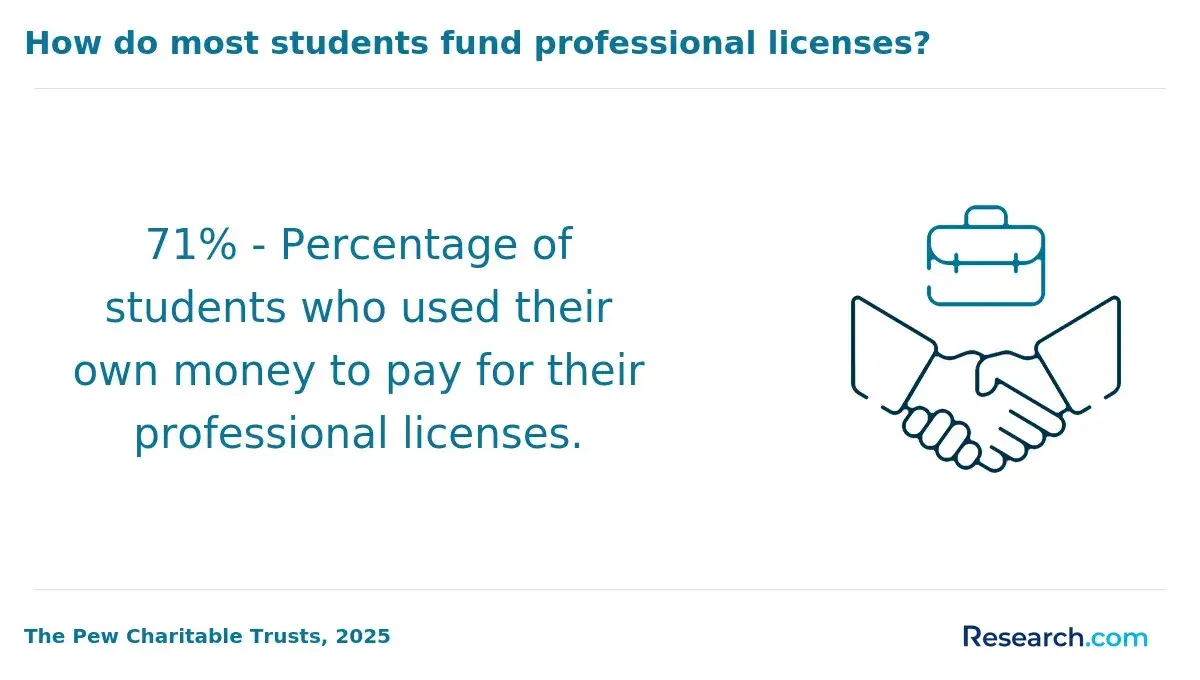
- Indirect costs: Fees for licensure exams, unpaid internships, and additional certification expenses may introduce unexpected financial burdens.
Speaking with a recent graduate of a school psychology program, he described the experience as both rewarding and challenging. "I hadn't fully realized how living expenses off-campus would stack up against my income," he explained. Balancing an unpaid internship with part-time work stretched his finances thin, causing stress but ultimately reinforcing his commitment to the profession. He emphasized that knowing these hidden costs upfront would have helped him plan better and avoid surprises during his training.
What Financial Aid Is Available for School Psychology Degree Programs?
Financial aid reduces initial expenses and lessens the debt burden for students pursuing a school psychology degree, thereby enhancing their long-term return on investment (ROI). Nearly 85% of graduate students in the U.S. depend on financial assistance to help cover education costs, highlighting its critical role in affordability.
Below are common types of financial aid that can improve ROI by lowering the total cost and debt load associated with school psychology programs:
- Scholarships: Awarded based on merit, scholarships offer funds that do not need to be repaid, helping reduce how much students must borrow and thereby improving their financial outcomes after graduation.
- Grants: Typically granted based on financial need, these free funds directly decrease program expenses, minimizing the reliance on loans and fostering better debt management.
- Fellowships: Providing stipends in exchange for teaching or research responsibilities, fellowships supply income during studies while also enhancing experience and future earning potential.
- Employer tuition assistance: Many employed students benefit from partial or full tuition reimbursement, lowering upfront costs without increasing debt and strengthening overall ROI.
- Federal student loans: Although loans increase debt, federal options often feature lower interest rates and flexible repayment plans, making them a viable way to finance education when combined with other aid.
How Long Does It Take to Complete a School Psychology Degree?
The length of time required to complete a school psychology degree directly influences the return on investment (ROI) by affecting opportunity costs, total educational expenses, and when graduates can begin earning professionally. Finishing sooner generally reduces costs and allows earlier entry into the workforce, enhancing overall financial benefits.
Several important factors shape how long it takes to complete this degree and how those factors impact ROI:
- Full-time vs. part-time enrollment: Attending full-time typically leads to faster graduation, which lowers cumulative tuition costs and opportunity costs but can require a heavier immediate workload. Part-time students may balance work or personal commitments better but extend the timeline and increase total costs.
- Online and accelerated programs: These options often shorten program duration by offering flexible pacing or condensed semesters. This can improve ROI by reducing living expenses and lost income, though they may demand high self-discipline and time management skills.
- Transfer credits: Bringing in previous coursework can shorten the degree pathway, cutting tuition and time spent away from paid employment. However, credit acceptance varies widely, so planning is essential.
- Internship and thesis requirements: Practical training and research projects are typically mandatory, adding time but providing crucial hands-on experience and credentials that enhance licensure and earning potential.
- Scheduling flexibility: Programs that allow customizable course loads or evening and weekend classes can help students maintain income streams while studying, though this may stretch the program length.
When I spoke with a recent school psychology graduate about her experience, she reflected on the balancing act she faced. She explained how initially enrolling full-time was too demanding alongside her job, so she switched to part-time, stretching her studies over five years. Though it took longer than anticipated, she appreciated the ability to continue working and support herself financially. She also shared that completing a thesis and internship simultaneously was stressful but rewarding, saying, "Those experiences really shaped how confident I feel stepping into my role now." Her story highlights that while completion time varies, the pathway often intertwines with personal circumstances and career goals, ultimately influencing the degree's value beyond just the calendar.
Is ROI Higher for Online or On-Campus School Psychology Programs?
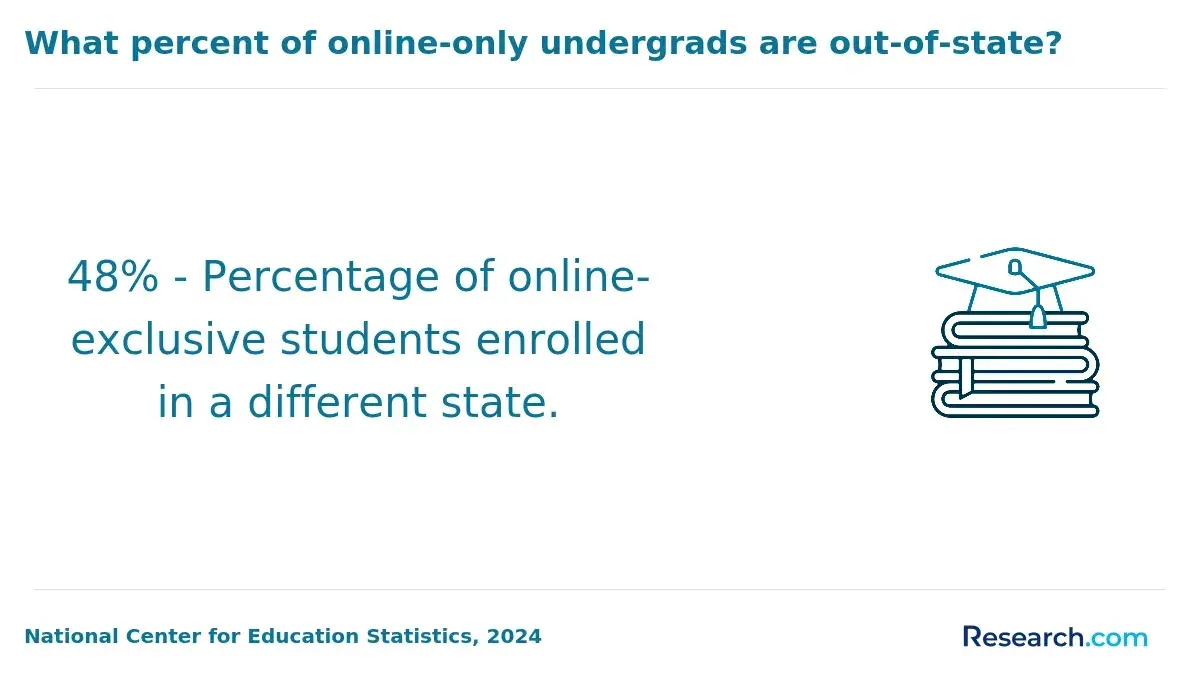
The delivery format of school psychology degree programs can significantly influence return on investment (ROI) through differences in cost, flexibility, and career outcomes. Online enrollment in graduate education programs, including those for school psychology, has increased by over 50% in the past five years, reflecting growing acceptance of online credentials. This trend underscores shifting dynamics in how students weigh the financial and professional benefits of online versus on-campus degrees.
Below are several key factors that impact ROI when comparing online and on-campus school psychology programs:
- Tuition and fees: Online programs generally have lower tuition and associated fees, reducing upfront expenses and easing financial strain.
- Opportunity cost: Flexibility offered by online study allows students to maintain employment and minimize lost income, improving overall ROI compared to full-time on-campus attendance.
- Time to completion: Both formats often require similar durations, though some students finish faster online due to accelerated scheduling options.
- Networking and career services: On-campus programs typically provide stronger direct access to networking opportunities and career resources that can enhance job placement and professional growth.
- Employer perception and long-term earnings: Hiring managers may vary in how they value online versus traditional training; some may prefer in-person practicum experiences, which can affect earning potential over time.
For prospective students evaluating the return on investment for school psychology degrees, considering these factors alongside individual circumstances is essential. Those interested in cost-effective options may explore online degrees in counseling through resources like online degrees in counseling to find affordable pathways to certification.
What Is the Average Salary After Earning a School Psychology Degree?
Post-graduation salary is a key factor in determining the return on investment (ROI) of a school psychology degree, as it directly impacts how quickly graduates can recover the costs of tuition and time invested. The average salary for school psychologists in the US typically ranges from $60,000 to $90,000 annually, with entry-level roles near the lower range and experienced professionals earning toward the higher end.
Several factors influence salary outcomes and affect ROI in school psychology degree salary expectations:
- Industry: Compensation varies between public school systems, private schools, and healthcare settings, affecting overall earnings and financial returns.
- Geographic location: Salaries tend to be higher in urban regions and states with a greater cost of living, which can enhance the program's ROI.
- Experience level: More years in the field generally lead to promotions and specialized roles that provide increased income over time.
- Specialization: Focusing on niche areas such as neuropsychology or behavioral intervention can result in higher salary offers and improved ROI.
- Career level: Advancement into administrative or consulting positions usually leads to significant salary growth, boosting financial returns.
Prospective students considering a school psychology degree should also explore options for a psychology degree online to balance cost and earning potential effectively.
Does a School Psychology Degree Lead to Promotions?
Promotions play a crucial role in enhancing the return on investment (ROI) for those pursuing a school psychology degree by enabling salary increases, expanded responsibilities, and greater career mobility. Advancing in this field often leads to higher pay and more influential roles, which makes the initial educational expenses more financially rewarding over time.
A growing trend in education and workforce development is the emphasis on credential-based promotions. Many school districts and educational organizations now require advanced degrees or certifications for leadership and specialized positions, underscoring the value of further education beyond basic licensure.
Several key factors illustrate how a school psychology degree supports promotion opportunities and overall career advancement with school psychology degree considerations:
- Credential Requirements: Meeting the criteria for advanced roles typically requires earning a master's or specialist degree in school psychology. These credentials make candidates eligible for supervisory and leadership positions in many districts.
- Leadership Preparation: Programs often include training in administration and leadership, equipping graduates with the skills needed to manage teams and lead initiatives effectively.
- Employer Support: Some employers offer tuition reimbursement or financial incentives, reducing the net cost of education and boosting the ROI.
- Internal Promotion Policies: Schools frequently prioritize candidates with higher qualifications when filling advanced positions, giving degree holders a competitive edge.
- Experience and Education Synergy: The combination of accumulated experience and advanced educational credentials improves eligibility for top-tier roles and elevates career trajectory.
For professionals aiming to enhance their leadership capabilities, exploring online doctoral programs in leadership can be a valuable next step in complementing a school psychology background with advanced leadership expertise.
Overall, promotion opportunities for school psychologists often hinge on the attainment of advanced degrees, highlighting the significant role a school psychology degree plays in maximizing both financial returns and professional growth within the education sector.
Which Industries Offer the Best ROI for School Psychology Graduates?
Return on investment (ROI) for graduates of a school psychology degree program varies widely across industries due to differences in salary levels, career progression opportunities, and demand for specialized skills. These factors influence how effectively graduates can capitalize on their qualifications in different professional settings.
Several industries offer the strongest ROI for school psychology graduates. These sectors not only compensate well but also provide career growth aligned with skill utilization and long-term demand:
- Healthcare and behavioral services: This industry values clinical expertise and often offers higher compensation rates. Graduates benefit from clear pathways for advancement and increased responsibility, enhancing their overall ROI.
- Government agencies: Positions in public health, mental health policy, and education provide competitive salaries, comprehensive benefits, and job stability, contributing to strong ROI returns.
- Private practice and consulting: Entrepreneurship opportunities allow graduates to directly influence their income potential. Expanding a client base can lead to substantial earnings growth, making this sector attractive for maximizing ROI.
- Nonprofit organizations: Though initial pay may be lower, these roles offer meaningful career progression through grant-funded projects and community program involvement, adding value beyond salary.
Traditional education settings such as public and private schools tend to provide steady employment and salary growth but may offer limited promotion opportunities, which can affect long-term ROI. Higher education roles that focus on research-driven career advancement also contribute to moderate ROI.
Prospective students and career changers evaluating the highest paying industries for school psychology graduates should consider how well their skills align with market demands. For those exploring flexible learning pathways or cost-effective options, online college programs can be a viable route. Understanding these dynamics is key to assessing the best ROI careers in school psychology.
Does Accreditation Affect ROI for a School Psychology Degree?
In the context of school psychology degree programs, accreditation signifies that a program has met rigorous standards set by recognized accrediting organizations, ensuring a high-quality curriculum and adequate training. This validation is crucial for the return on investment because employers often give preference to graduates from accredited programs, which can improve job prospects and salary potential.
Additionally, accreditation is frequently tied to licensure requirements, a key credential needed to practice as a school psychologist. A growing trend in the workforce shows increased employer emphasis on formal credentials and licensure, making accreditation an important factor for prospective students to consider.
Accreditation also affects long-term financial and career advantages by fostering employer trust, which can lead to better job stability and advancement opportunities. Students enrolled in accredited programs typically qualify for federal financial aid, including loans and grants, reducing the upfront cost of education.
Credits earned are more likely to transfer smoothly to other institutions if further education is pursued, supporting career flexibility. Moreover, since licensure is often contingent upon graduating from an accredited program, accreditation directly influences the ability to legally practice and move between states, thereby enhancing career mobility and overall ROI.
Is a School Psychology Degree Worth It?
Financial and career factors heavily influence the return on investment (ROI) of a school psychology degree. These include the cost of tuition, the program's duration-usually two to three years-and the income potential after graduation. Entry-level salaries for school psychologists in the U.S. typically hover around a median annual wage of $80,000, which compares favorably to many other education-related fields. Opportunities for career growth, such as moving into administrative or counseling positions, also contribute to the overall ROI.
The value of a school psychology degree varies depending on individual circumstances. High demand for qualified school psychologists generally enhances job prospects, but a degree's worth may diminish if program costs are steep and financial aid is limited. Online or part-time formats can increase ROI by helping students maintain income while studying. Ultimately, personal career goals and readiness to meet licensing requirements play a critical role in maximizing both financial and professional returns.
What Graduates Say About The ROI of Their School Psychology Degree
- Briar: "Choosing a traditional school psychology degree program was one of the best investments I've made in my future. While the average cost of attendance hovered around $30,000, the depth of hands-on experience and networking opportunities proved invaluable. Now, as a practicing school psychologist, I see the long-term ROI in both my career satisfaction and financial stability."
- Jessa: "Going the online route for my school psychology degree felt like the right choice given my work and family commitments. Although the tuition seemed steep at about $25,000, I found the flexibility well worth it, especially knowing the profession's competitive salary outlook. Completing the program has opened doors I hadn't even imagined, proving that the investment paid off."
- Reese: "I chose a part-time school psychology program because balancing work with study was essential for me. The cost was around $20,000, which felt manageable when broken into semesters, and its value became clear as I advanced professionally. The degree has significantly enhanced my credibility and effectiveness in school settings, affirming that the financial and time commitments were a smart choice."
Other Things You Should Know About School Psychology Degrees
Location significantly influences the 2027 ROI of a school psychology degree. Salaries can vary widely between states and even districts. Urban areas often offer higher wages but also come with a higher cost of living, which can affect net ROI. Additionally, some states may have a higher demand for school psychologists, impacting job availability and compensation.
Challenges include limited job openings in some regions, competition for desirable positions, and the need for state licensure or certification which can add time and cost. Salary growth may be slow in certain districts, and budget cuts can affect employment stability. Understanding these factors is important when assessing the long-term ROI of the degree.
References
- What Does A School Psychologist Do? | Psychology.org https://www.psychology.org/psychology/school-psychology/career-overview/
- Careers in School Psychology: Making a Difference https://www.thechicagoschool.edu/insight/psychology/school-psychology-careers/
- That Question: “What’s a Psychology Degree Worth, Anyway?" https://www.psychologytoday.com/us/blog/head-of-the-class/201403/that-question-whats-a-psychology-degree-worth-anyway
- ROI Graduate - FREOPP https://freopp.org/roi-in-higher-education/roi-graduate/
- School Psychologist Salary (2025 Earning Guide by State) https://www.allpsychologyschools.com/school-psychology/salary/
- Grad School: Should I Get a Traditional or Online I/O Master's/Ph.D.? - NeoAcademic https://neoacademic.com/2012/05/09/grad-school-online-or-brick-and-mortar-io/
- Return on Investment For an Online Psychology Degree https://www.onlinepsychologydegrees.com/articles/return-on-investment-for-an-online-psychology-degree/
- Funding Your Psychology Degree | Scholarships And Other Aid https://www.accreditedschoolsonline.org/psychology/resources/scholarships/
- 10 Reasons to Be a School Psychologist https://www.thrivingschoolpsych.com/10-reasons-to-be-a-school-psychologist/
- 2025 Career Outlook for School Psychologists - Supplemental Health Care https://shccares.com/blog/schools/career-outlook-for-school-psychologists/


