
2027 Is an Online Interdisciplinary Studies Bachelor's Degree Worth It?

Co-Founder and Chief Data Scientist
Facing a career crossroads after earning a degree in an unrelated field, many working professionals consider an online interdisciplinary studies bachelor's degree to gain versatile skills. This flexible program appeals especially to those juggling jobs or family commitments. Recent data shows that nearly 35% of students enrolled in online interdisciplinary studies programs are adults returning to education to enhance employability. Yet, questions remain about whether this degree delivers tangible career benefits and long-term value. This article examines key factors-including job prospects, program quality, and industry demand-to help readers decide if pursuing an online interdisciplinary studies bachelor's degree is a worthwhile investment.
Key Things to Know About the Value of an Online Interdisciplinary Studies Bachelor's Degree
- Online interdisciplinary studies degrees offer flexible schedules and credit transfer options, aiding working parents and veterans in aligning education with personal and professional goals.
- Many military-friendly programs provide affordable tuition and financial aid, resulting in a competitive return on investment compared to traditional degrees.
- Employers increasingly recognize interdisciplinary skills for diverse roles, enhancing career advancement and graduate school prospects across multiple industries.
What Are the Real Costs of Earning an Online Interdisciplinary Studies Bachelor's Degree, and How Do They Compare to On-Campus Programs?
Tuition per credit hour for an online interdisciplinary studies bachelor degree is generally lower than for traditional on-campus programs. According to IPEDS data and the College Board's Trends in College Pricing report, national averages are about $300 to $400 for online courses versus $400 to $600 on campus, though actual costs vary by region and accreditation. These cost differences between online and on campus interdisciplinary studies programs reflect a significant opportunity for savings, especially when some online programs offer in-state pricing regardless of residency.
- Tuition: Online programs commonly charge a flat per-credit rate, sometimes with no distinction between in-state and out-of-state students, making it more affordable than traditional tuition models.
- Fees: On-campus students often pay additional fees for campus services and activities, while online learners may encounter technology fees for platform use and exam proctoring, typically at a lower overall expense.
- Required Technology: Online study requires a reliable computer, high-speed internet, and occasionally software subscriptions, which constitute upfront costs not usually needed for on-campus attendance.
- Indirect Costs: Commuting, housing, and meals often add substantial expense for campus students. Online learners, including military veterans and working adults, benefit from avoiding these costs by studying remotely.
At least four accredited online interdisciplinary studies bachelor's programs-Western Governors University, Fort Hays State University, Thomas Edison State University, and the University of North Texas-list tuition below the national online average. For more information on affordable degrees, including financial aid options, explore online colleges offering cost-effective pathways.
Understanding the difference between the published tuition and the net price after scholarships, grants, and aid is crucial, as many students ultimately pay far less than sticker price. This distinction empowers prospective students to calculate a realistic total cost and plan accordingly.
What Is the Return on Investment (ROI) of an Online Interdisciplinary Studies Bachelor's Degree Over a Career Lifetime?
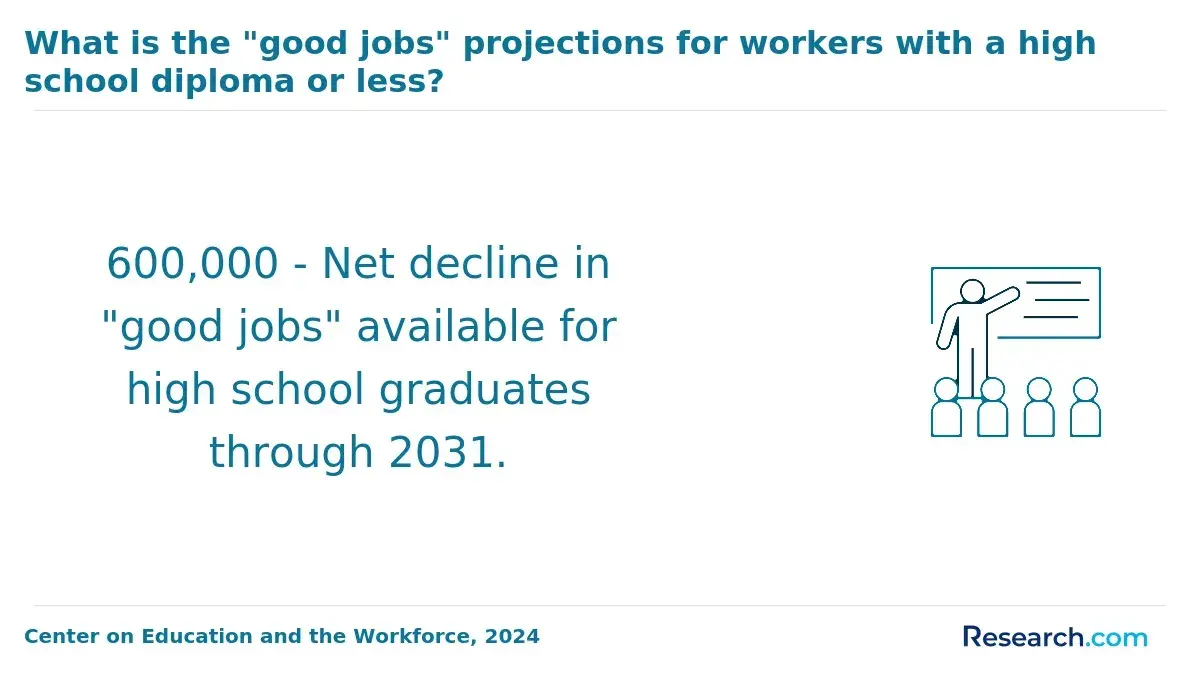
The return on investment (ROI) for an online interdisciplinary studies bachelor's degree reflects the balance between the total cost of earning the degree and the additional income it enables over a lifetime. This financial measure compares lifetime earnings of graduates against those holding only a high school diploma or other degrees, accounting for tuition, fees, and lost income while studying, as detailed by the Georgetown University Center on Education and the Workforce.
Using data from the PayScale College ROI Report, the discipline-specific analysis places online interdisciplinary studies within a context highlighting earning potential versus cost. Typically, online programs with lower tuition fees enhance ROI by reducing upfront expenses. To estimate ROI, calculate total degree costs-often between $15,000 and $40,000-then compare projected lifetime earnings for interdisciplinary studies graduates, which average around $1.2 million over 40 years, against earnings without a degree.
- 10-Year ROI: Low-cost online interdisciplinary studies programs often exceed the national average ROI for all bachelor's degrees within ten years, thanks to lower debt burdens and steady income growth.
- 20-Year ROI: After twenty years, graduates commonly see even greater returns-ROI percentages may reach 200% or more as salaries increase and career advancement takes hold.
- National Average Comparison: The national average ROI for all bachelor's degrees is generally lower, particularly when factoring in high tuition and time out of work, making affordable online interdisciplinary studies programs financially advantageous.
Beyond finances, the degree offers meaningful non-monetary returns. Graduates report improved job satisfaction, greater career mobility, and enhanced professional credibility-benefits that support long-term career resilience though not directly reflected in salary figures. These advantages often assist working parents, military veterans converting service credits, and mid-career professionals.
For those exploring related fields, an online psychology degree can provide another option with comparable flexibility and career opportunities.
How Do the Salary Outcomes for Online Interdisciplinary Studies Bachelor's Graduates Compare to Those With Traditional Degrees?
Graduates holding an online interdisciplinary studies bachelor's degree generally earn starting salaries comparable to those who graduated on campus, with median entry-level pay between $40,000 and $50,000 annually. After roughly a decade, mid-career earnings tend to increase into the $65,000 to $75,000 range, reflecting the impact of accumulated experience and professional specialization.
- Median Starting Salary: Online alumni typically report initial wages within the same range as traditional graduates, according to PayScale data, underscoring parity across delivery modes.
- Mid-Career Earnings: Ten years post-graduation, income growth is notable, often reaching upwards of $70,000, influenced by work history and additional credentials.
- Institutional Reputation: Data from IPEDS and transparency reports highlight that schools with robust career services and transparent graduate outcomes can enhance earning potential for graduates, regardless of online or in-person study.
- Regional Market Effects: Salary differences often reflect geographic factors; metropolitan and economically strong regions offer elevated compensation compared to rural areas.
- Specialization and Advancement: Pursuing additional certificates, minors, or graduate education frequently boosts salary prospects significantly within five to ten years after earning the degree.
A professional who completed an online interdisciplinary studies bachelor's degree shared that overcoming self-doubt and balancing family responsibilities were his biggest hurdles. "Managing coursework alongside work and parenting was tough, but asynchronous classes gave me the flexibility I needed," he explained. He valued the ability to leverage prior military experience for credit and appreciated how the program's competency-based options accelerated his progress. When asked about salary expectations, he noted that the degree opened doors to roles he hadn't considered before, and though income growth took time, "the practical skills I gained helped me negotiate raises and move into leadership." This experience suggests that while the degree's modality doesn't limit earning potential, personal dedication and strategic career planning remain crucial.
What Career Paths and Job Opportunities Are Available to Online Interdisciplinary Studies Bachelor's Degree Graduates?
Graduates with an online interdisciplinary studies degree can access diverse career paths across multiple sectors, with many opportunities requiring only a bachelor's degree. Roles in Education and Training include positions such as instructional designers and educational coordinators, where state certification is necessary mainly for classroom teaching, but many support roles demand just a degree. The Bureau of Labor Statistics (BLS) expects about 7% growth in educational services through 2032.
- Human Resources and Organizational Development: Common roles are HR specialists and employee relations managers, with employers valuing certifications like SHRM-CP for progression. This sector is predicted to grow 9%.
- Social Services and Community Outreach: Positions such as social and human service assistants or case managers often require licensure but many entry roles do not. This field is set for rapid growth of 12% by 2032.
- Business and Project Management: Graduates may pursue project coordination or business analysis, where certifications like PMP help but a bachelor's degree suffices for entry; 8% growth is anticipated.
- Communications and Marketing: Roles like public relations specialists and content creators are accessible with an emphasis in communication, showing an 11% growth rate.
Choice of concentration within an online interdisciplinary studies degree career options can sharpen job readiness in specific areas or provide adaptability across industries. For those seeking creative applications, programs related to game art degree online also illustrate how interdisciplinary approaches broaden career possibilities.
What Student Support Services Do Online Interdisciplinary Studies Bachelor's Programs Provide to Promote Success and Retention?
Knowledgeable advisors provide personalized guidance on course selection, transfer credits, and degree progression tailored to nontraditional learners such as working parents, veterans, and career changers. Their expertise with online formats ensures support adapts to diverse student needs.
Accessible virtually around the clock, tutoring services help students grapple with challenging concepts, enhancing understanding and building confidence, especially important for those juggling work or family duties.
Online writing support assists with developing papers, essays, and research assignments, fostering critical communication skills vital across interdisciplinary fields and professional environments.
Confidential telehealth options address emotional well-being by offering flexible support for stress, anxiety, and other challenges impacting academic persistence, regardless of location or schedule limitations.
Strong programs coordinate internships, provide job placement assistance, and connect students to alumni mentors. They cultivate employer partnerships that open doors to various interdisciplinary sectors, linking education directly with career opportunities.
Data from the National Survey of Student Engagement and institutional outcomes affirm that such comprehensive support structures consistently correlate with higher on-time graduation rates in online bachelor's programs.
Reflecting on these services, a professional who completed an online interdisciplinary studies bachelor's program shared how academic advising was a pivotal anchor during uncertain times balancing family and work. She described the tutoring centers as "a lifeline" when coursework became overwhelming and praised mental health counseling for helping maintain focus through anxiety. The career services office connected her with internships that shaped her emerging professional identity and introduced her to mentors who provided ongoing encouragement. "Without those consistent supports, it would have felt impossible," she noted, emphasizing how these tailored resources transformed her educational journey into a manageable and rewarding experience.
Is an Online Interdisciplinary Studies Bachelor's Degree Respected by Employers and Recognized Across Industries?
Recent findings from the Society for Human Resource Management (SHRM) reveal that over 80% of employers consider accredited online interdisciplinary studies bachelor's degrees on par with traditional campus-based qualifications. This acceptance is most notable in industries like business, healthcare management, and social services, where practical skills and adaptable knowledge are prioritized above mode of instruction.
Nonetheless, certain areas, such as engineering or clinical research, maintain a preference for specialized, in-person degrees due to hands-on requirements and regulatory standards. Despite these exceptions, major corporations-including Amazon, Deloitte, and UnitedHealth Group-actively recruit candidates holding reputable online interdisciplinary studies credentials, appreciating their broad, versatile skill sets.
Data from institutions support that graduates earning these degrees online achieve job placement rates comparable to those studying on campus, especially when programs have recognized regional or national accreditation. Flexibility and credit transfer policies especially benefit military veterans, working parents, and mid-career professionals without diminishing employer recognition.
Prospective students are advised to research how their target industry views online interdisciplinary studies degrees by consulting alumni or industry hiring managers. Selecting programs with clear graduate outcome reports and strong employer connections further improves employment prospects and aligns education choices with career goals.
What Accreditation Standards Should an Online Interdisciplinary Studies Bachelor's Program Meet to Be Considered Legitimate?
Accreditation status plays a crucial role in evaluating online interdisciplinary studies bachelor's programs-impacting credit transferability, employer recognition, and graduate school eligibility. Regional accreditation is generally seen as more prestigious and widely accepted within interdisciplinary studies fields. Credits earned at regionally accredited institutions tend to transfer more easily, are preferred by employers, and meet the requirements of most graduate programs. In contrast, national accreditation often focuses on career or technical education but may limit credit transfer and graduate school opportunities.
The U.S. Department of Education recognizes six regional accrediting bodies:
- Higher Learning Commission (HLC): Covers schools in the central United States.
- Southern Association of Colleges and Schools Commission on Colleges (SACSCOC): Oversees institutions in southern states.
- New England Commission of Higher Education (NECHE): Accredits schools in New England.
- Middle States Commission on Higher Education (MSCHE): Serves mid-Atlantic schools.
- Northwest Commission on Colleges and Universities (NWCCU): Covers northwest U.S. institutions.
- WASC Senior College and University Commission (WSCUC): Accredits schools mainly in California and the western U.S.
No specialized programmatic accreditation exists for interdisciplinary studies programs, so regional accreditation ensures the institution's overall quality. Prospective students should verify accreditation status using the official databases maintained by the Council for Higher Education Accreditation (CHEA) or the U.S. Department of Education (ED). Attending unaccredited or lapsed-accreditation programs presents serious risks, including ineligibility for federal financial aid and non-recognition of credits by employers or other schools.
Approximately 88% of bachelor's degree-granting institutions held regional accreditation as of recent National Center for Education Statistics data, reflecting broad acceptance and increasing reliability of these standards in higher education.
How Long Does It Take to Complete an Online Interdisciplinary Studies Bachelor's Degree, and What Factors Affect the Timeline?
Completing an online interdisciplinary studies bachelor's degree generally requires around 120 semester credits, which typically translates to about four years of full-time study. This standard credit framework sets the baseline for most bachelor's programs, but the actual time to graduation can vary based on factors affecting the duration of online interdisciplinary studies bachelor's programs.
Many online institutions offer accelerated eight-week course formats, allowing students to complete more classes annually than in traditional 15-week semesters. Competency-based education (CBE) pathways further shorten timelines by letting students demonstrate mastery of subjects instead of progressing solely through credit hours. Year-round enrollment options, including winter and summer terms, help maintain steady momentum and avoid lengthy breaks in coursework. These features enable motivated students, such as working parents, military veterans converting service credits, and mid-career professionals, to finish their degrees in two to three years rather than the standard four.
For instance, Western Governors University's interdisciplinary bachelor's programs average completion times just under three years, supported by their CBE model. Liberty University's online interdisciplinary studies degree also uses accelerated courses and continuous enrollment, allowing many students to graduate in about three years. Choosing faster completion not only cuts direct tuition costs but also significantly reduces opportunity costs by enabling earlier entry into full-time employment and long-term career advancement.
Prospective students should weigh these timing and cost considerations alongside factors such as transfer credit policies, accreditation, career outcomes, and financial aid availability. Exploring comprehensive resources, like top online MBA programs no GMAT-can provide additional guidance for confident enrollment decisions.
What Financial Aid, Scholarships, and Tuition Assistance Are Available for Online Interdisciplinary Studies Bachelor's Students?
Students pursuing an online interdisciplinary studies bachelor's degree can access various financial aid options to help offset education costs, a key consideration among scholarships and tuition assistance programs for accredited interdisciplinary studies bachelor's degrees nationwide. Several primary aid categories include:
- Federal Pell Grants: Need-based grants provide up to about $7,000 annually for eligible undergraduates. These funds do not require repayment and are awarded based on financial need via the FAFSA (Free Application for Federal Student Aid).
- Direct Subsidized and Unsubsidized Loans: Subsidized loans are need-based with government-covered interest during enrollment, while unsubsidized loans accrue interest immediately. Both require FAFSA completion and offer flexible repayment plans.
- Institution-Specific Scholarships: Many colleges offering online interdisciplinary studies degrees provide merit- or need-based scholarships tailored to these students. For example:
- The Online Interdisciplinary Scholarship awards $1,500 annually to students showing academic promise in interdisciplinary studies projects.
- The Cross-Disciplinary Achievement Grant provides up to $2,000 for students excelling at integrating multiple fields.
- The Nontraditional Student Scholarship offers $1,000 to adult learners returning to complete their degree online.
- State Grant Programs: Programs like the Texas Grant or California College Promise support residents enrolled in accredited online degree programs, helping reduce tuition costs.
Completing the FAFSA early-starting as soon as October before enrollment-is crucial, as many funds are distributed first-come, first-served. The FAFSA process unlocks access to most federal and institutional aid.
Prospective students should consider layering multiple aid sources-grants, scholarships, employer tuition reimbursement, and federal work-study-to minimize out-of-pocket expenses and reduce loan reliance while progressing toward degree completion.
Exploring career outcomes related to your degree is also helpful; for those wondering what can you do with an environmental studies degree, similar interdisciplinary pathways often leverage combined skill sets for diverse opportunities.
What Are the Admission Requirements for Online Interdisciplinary Studies Bachelor's Degree Programs?
Online interdisciplinary studies bachelor's programs vary significantly in admissions criteria depending on their selectivity. Competitive programs tend to require applicants to meet more rigorous academic standards, while open-access institutions emphasize accessibility for a wider range of students. Identifying which type of program aligns with your academic profile is essential.
- High School Diploma or GED: A completed high school diploma or GED certificate is typically mandatory across most programs.
- Minimum GPA: Selective programs often set minimum GPA requirements, commonly between 2.5 and 3.0 on a 4.0 scale, to indicate preparedness for college-level study. Less selective schools may admit students regardless of GPA.
- Standardized Tests: Many programs have adopted test-optional policies, so SAT or ACT scores are not always needed. Applicants should verify each school's current requirements.
- Prerequisite Coursework: Some competitive programs expect prior coursework in subjects like English, math, or social sciences to establish foundational skills.
- Application Timing: Rolling or continuous admissions eliminate strict deadlines, offering flexibility for working adults, veterans, and those changing careers.
- Improving Your Application: Candidates who fall below minimum qualifications can enhance their standing by completing community college courses, obtaining relevant certifications, or providing strong letters of recommendation emphasizing professional experience and dedication.
How Should Prospective Students Evaluate and Choose the Right Online Interdisciplinary Studies Bachelor's Degree Program for Their Goals?
Confirm the institution offers regional or national accreditation recognized by the U.S. Department of Education, ensuring quality education and credit transferability. Other factors to consider include:
- Cost and ROI: Evaluate tuition alongside additional expenses like technology fees, proctoring charges, textbooks, and potential residency requirements. Utilize net price calculators and compare graduate salary data to assess long-term value.
- Program Format and Flexibility: Consider whether courses are synchronous or asynchronous and if part-time enrollment fits your lifestyle, particularly for working adults or those with family commitments.
- Career Outcomes Data: Look for transparent information on employment rates, employer connections, and how the degree supports advancement or graduate study.
- Student Support Services: Prioritize programs that provide accessible advising, tutoring, career counseling, and technical help tailored for online learners.
- Transfer Credit Policies: Investigate acceptance of prior coursework, including military or community college credits, to potentially shorten degree completion time.
Use tools such as the U.S. Department of Education's College Scorecard and IPEDS Data Center to compare program costs and outcomes side-by-side. School-specific net price calculators can offer personalized cost details for clearer financial planning. Be mindful of hidden fees that may increase your overall cost beyond published tuition.
- Informational Interviews: Connect with admissions advisors to clarify requirements and program expectations.
- Net Price Estimates: Request comprehensive breakdowns including all fees and aid possibilities.
- Financial Aid Deadlines: Track and adhere to critical scholarship and aid application dates.
- Transfer Credit Audits: Review your existing credits to understand their applicability toward the degree.
- Target Enrollment Date: Choose a realistic start time to coordinate study plans and scheduling.
What Graduates Say About the Value of Their Online Interdisciplinary Studies Bachelor's Degree
- Dante: "Choosing the online interdisciplinary studies bachelor's degree program was a game-changer for me because it allowed me to tailor my education to fit my diverse interests. The flexibility to balance work and study was invaluable, and I appreciated how affordable the tuition was compared to traditional programs. Since graduating, I've seen a significant boost in my career opportunities-this degree truly opened doors I never thought possible."
- Collin: "Reflecting on my experience, I can say the online interdisciplinary studies bachelor's degree program provided an unmatched blend of academic freedom and practical skills. The program's cost was surprisingly reasonable, especially considering the impressive ROI I received through promotions and new job prospects. It's gratifying to know that investing in this degree helped me grow both personally and professionally in ways I hadn't anticipated."
- Dylan: "I approached the online interdisciplinary studies bachelor's degree program with a professional mindset, aiming to enhance my versatility in the job market. The curriculum's interdisciplinary approach gave me a competitive edge by exposing me to multiple fields of study simultaneously. Despite being cost-effective, the program delivered a quality education that deeply impacted my career trajectory-making the time and financial commitment entirely worthwhile."
Other Things You Should Know About Interdisciplinary Studies Degrees
Online interdisciplinary studies programs typically use a blend of asynchronous and synchronous learning formats. Students access lectures, readings, and assignments through a digital platform and often participate in virtual discussions and group projects. This setup offers flexibility for working adults and parents while requiring strong self-discipline and time management skills to succeed.
Students can often tailor their interdisciplinary studies degree by selecting concentrations such as business, education, health sciences, social sciences, or environmental studies. These specializations allow learners to create a unique educational path that aligns with their career goals, combining courses from multiple departments to develop a broad but focused skill set.
An online interdisciplinary studies degree is generally recognized by graduate programs, provided the school is regionally accredited. Its flexibility and broad academic base can be an advantage for certain advanced degrees, especially those valuing diverse knowledge. However, students aiming for highly specialized graduate fields should ensure their undergraduate coursework meets prerequisite requirements.
References
- International Student Scholarship Search & International Financial Aid https://www.iefa.org/
- Are Online Degrees Respected by Employers? https://www.collegetransitions.com/blog/are-online-degrees-respected-by-employers/
- Key Factors to Consider When Choosing an Online Bachelor’s Program https://fuelyourdigital.com/post/key-factors-to-consider-when-choosing-an-online-bachelors-program/
- How long will it take for me to complete an online degree? https://www.onlineschoolscenter.com/how-long-to-complete-online-degree/
- Earning an Interdisciplinary Online Bachelor's Degree | Champlain College Online https://online.champlain.edu/blog/earning-interdisciplinary-online-bachelors-degree
- The Need of Accreditation in Online Degree Programs https://www.onlinecu.in/blog/cu/the-importance-of-accreditation-in-online-degree-programs.php
- On the Growth and Value of Interdisciplinary Studies - Academic Briefing | Higher Ed Administrative Leadership https://www.academicbriefing.com/scholarship/curriculum/on-the-growth-and-value-of-interdisciplinary-studies/
- E-Education vs Traditional and Distance Learning: A Cost Comparison - Distance Learning Institute https://distancelearning.institute/economic-perspective/e-education-vs-traditional-distance-learning-cost-comparison/
- Consider an Online Bachelor's Degree in Interdisciplinary Studies https://www.yahoo.com/news/consider-online-bachelors-degree-interdisciplinary-studies-140831495.html
- Average Cost of Online College [2025]: Yearly Tuition + Fees https://educationdata.org/average-cost-of-online-college


