2027 Is Demand for Aerospace Engineering Degree Graduates Growing or Declining?

Co-Founder and Chief Data Scientist
Graduates with an aerospace engineering degree often face uncertainty about job availability in a competitive market. With technological advancements reshaping aviation and space exploration, understanding workforce demand is essential. According to the U. S. Bureau of Labor Statistics, employment for aerospace engineers is projected to grow 5% from 2022 to 2032, faster than the average for all occupations. This article explores whether demand for aerospace engineering degree graduates is growing or declining and provides insights into employment trends. It aims to help prospective students and professionals make informed decisions about pursuing careers in this evolving field.
Key Things to Know About the Demand for Aerospace Engineering Degree Graduates
- Employment for aerospace engineering degree graduates is steadily growing, with the U.S. Bureau of Labor Statistics projecting a 3% job growth from 2022 to 2032, aligning with aerospace sector recovery.
- Advancements in commercial space travel and defense technologies are driving demand, but cyclical defense budgets may cause regional job market fluctuations.
- Specializing in emerging areas like unmanned aerial systems or sustainable aviation can significantly enhance long-term career opportunities amid evolving industry focus.
What Factors Are Driving Demand for Aerospace Engineering Degree Professionals?
Examining the forces behind workforce demand helps prospective students assess the long-term value and stability of an aerospace engineering degree. Several key drivers influence hiring trends and employment opportunities in this evolving field.
- Industry Growth: The rising demand for commercial and defense aircraft, space exploration, and satellite deployment supports steady job openings for aerospace engineering professionals, particularly within U.S. government agencies and private aerospace companies. This robust sector expansion underscores the importance of accreditation standards for aerospace engineering degree programs in ensuring graduates meet industry expectations.
- Technological Advancement: Continuous innovation in materials, propulsion, and autonomous flight requires engineers skilled in new technologies, pushing employers to seek graduates adept at cutting-edge aerospace engineering concepts and practices.
- Regulatory Changes: Evolving safety and environmental policies create ongoing needs for redesign, testing, and compliance expertise, highlighting the impact of program accreditation on aerospace engineering careers by preparing students for these rigorous standards.
- Demographic Shifts: An aging aerospace engineering workforce leads to increased retirements, opening positions for new graduates and making this a critical period for entering the field.
- Employer Skill Requirements: Employers now emphasize interdisciplinary skills, including software and systems engineering, reflecting aerospace projects' growing complexity and reinforcing the advantage of well-rounded educational backgrounds.
Prospective students should also explore related fields and programs for diverse career paths. For example, those interested in expanding their skills may consider online MSW programs affordable to complement technical expertise with social and organizational competencies.
Which Aerospace Engineering Occupations Are Seeing the Highest Growth Rates?
Growth rates provide critical insight into which aerospace engineering career paths are expanding and likely to offer stable employment, helping students prioritize fields with strong future demand. Overall engineering employment in the United States is expected to grow about 4% over the next decade, but several specialized jobs in aerospace engineering show significantly higher growth. The following highlights the top high demand aerospace engineering jobs by industry sector.
- Propulsion Engineers: These engineers are projected to grow around 7% owing to increasing demand for more efficient aircraft engines. Typically requiring a bachelor's degree in aerospace or mechanical engineering, propulsion specialists focus on advancing jet and rocket propulsion technology.
- Systems Engineers: Systems engineers in aerospace are expected to see growth near 8% as the complexity of aerospace projects demands expertise in integrated design and testing. This role generally needs at least a bachelor's degree with strong systems architecture knowledge.
- Avionics Engineers: Projected to grow about 9%, avionics engineers benefit from rising use of advanced electronics and automation in both commercial aviation and defense. A degree in aerospace engineering with a focus on electrical systems is often required.
- Manufacturing Engineers: Increasing roughly 6%, aerospace manufacturing engineers support expanding private space ventures and commercial airlines. These professionals combine engineering principles with production processes, typically with a bachelor's in aerospace or industrial engineering.
- Structural Engineers: These specialists, growing around 5%, develop lightweight, durable materials to improve fuel efficiency. A strong background in aerospace structural design, backed by a relevant degree, is essential.
Students exploring which aerospace engineering occupations are growing fastest in the United States can benefit from considering these trends. For those seeking accessible educational opportunities to enter these high-growth fields, exploring online engineering degrees is a smart starting point to balance flexibility with quality education.
Which Industries Hire the Most Aerospace Engineering Degree Graduates?
Knowing which industries employ the most aerospace engineering graduates is crucial for assessing potential career paths and ensuring long-term job security. The following sectors stand out as the primary destinations for these professionals.
- Aerospace and Defense: This sector dominates employment for aerospace engineering graduates, focusing on creating and maintaining aircraft, spacecraft, missiles, and defense systems. Engineers contribute to evolving designs for commercial planes, military jets, and advanced satellite technologies, driven by innovation and government contracts.
- Space Exploration: Encompassing both private companies and government agencies like NASA, this industry relies on aerospace engineers for satellite missions, space vehicle development, and interplanetary research. The growth of commercial space travel and Mars programs bolsters demand for these skilled professionals.
- Automotive and Transportation: Increasingly, aerospace engineering expertise is valued in developing lightweight materials, aerodynamic designs, and efficient propulsion systems. These innovations aim to improve vehicle efficiency and reduce emissions across transportation platforms.
- Energy and Environmental Technology: Companies in this emerging field employ aerospace engineers to design renewable energy systems such as wind turbines and drones for environmental monitoring. Their engineering problem-solving skills and design knowledge are essential to advancing sustainable technology solutions.
How Do Aerospace Engineering Job Opportunities Vary by State or Region?
Geographic variations significantly impact job prospects for aerospace engineering graduates because employers are often situated near specific industry clusters or strategic locations. These regional factors shape the availability and competitiveness of positions in this specialized field.
- High-Demand States: California, Texas, Florida, and Washington lead in aerospace job openings, driven by strong industrial bases and defense contracts. These states attract professionals due to their extensive aerospace ecosystems.
- Industry Clusters: Urban centers like Seattle and Houston host concentrations of aerospace manufacturers and contractors, fostering networks that expand employment opportunities and promote career advancement.
- Urban Versus Rural: Aerospace jobs predominantly exist in metropolitan areas with research labs and airports, while rural regions offer limited roles, affecting both job quantity and type.
- Cost-of-Living Impact: Locations with a high concentration of aerospace firms often come with elevated living expenses, which can reduce the effective value of salaries despite competitive pay packages.
- Work Arrangement Trends: Although some design and engineering tasks can be performed remotely or on a hybrid basis, hands-on manufacturing, testing, and fieldwork typically require being onsite, influencing the appeal of different regions depending on job nature.
Recognizing how these geographic factors interact helps aerospace engineering graduates target their job searches more effectively based on personal preferences and market realities.
How Does Degree Level Affect Employability in Aerospace Engineering Fields?
The level of education, such as a bachelor's, master's, or doctorate degree, greatly impacts job prospects, career advancement, and professional competitiveness in aerospace engineering fields. This variation in employability across different degree levels highlights the importance of understanding how each qualification shapes career potential.
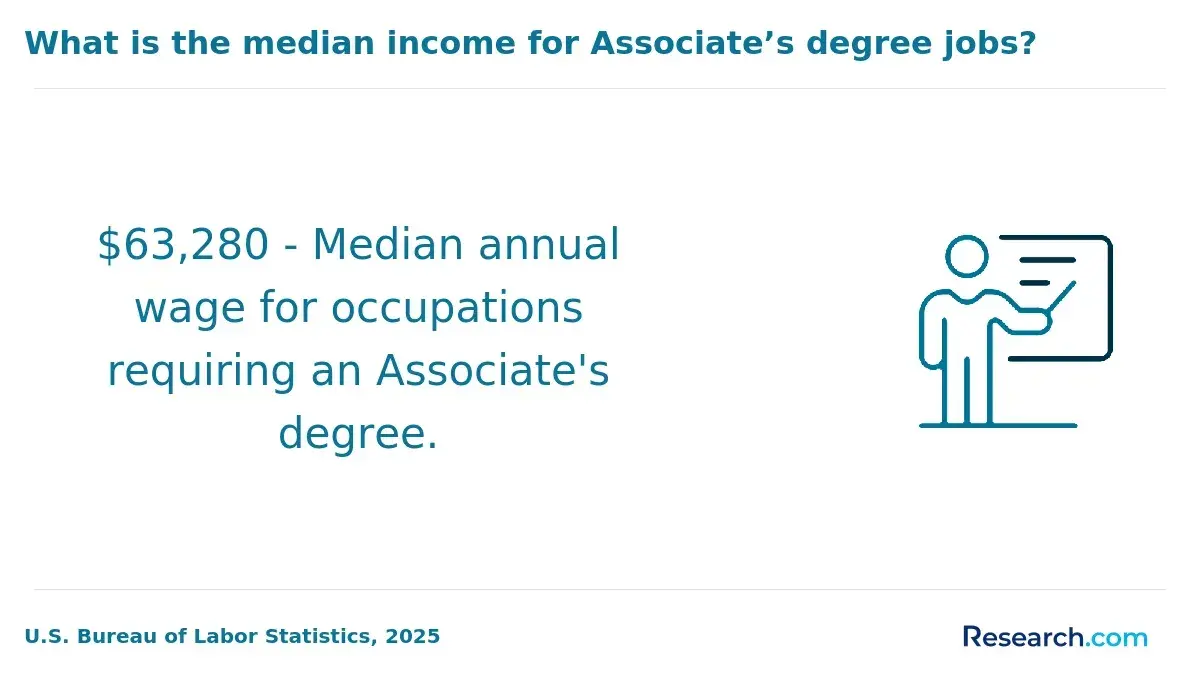
- Associate Degree: Generally prepares individuals for technical support or technician roles, focusing on practical tasks like equipment testing and maintenance. Opportunities for advancement into design or leadership positions remain limited, making it suited primarily for entry-level or support functions.
- Bachelor's Degree: Serves as the standard entry point for aerospace engineers, opening doors to roles such as design engineer, systems engineer, or aerospace analyst. This degree facilitates engagement in the development, implementation, and testing of aerospace systems, reflecting its central role in career entry.
- Master's Degree: Offers deeper technical expertise and specialization that enhances employability in senior engineering, project management, or research roles. Holding a master's degree is linked to both increased salary potential and broader advancement opportunities in aerospace engineering fields.
- Doctorate (Ph.D.): Required mainly for research, academic, or highly specialized technical careers, this degree supports leadership roles in innovation-driven projects and cutting-edge aerospace technology development. Doctoral candidates benefit from a competitive edge in jobs emphasizing advanced knowledge and original research.
The impact of degree level on aerospace engineering job prospects is evident in employment trends, with master's holders or higher experiencing approximately 10-15% greater growth compared to bachelor's degree graduates, according to the U.S. Bureau of Labor Statistics. For those considering further education, exploring marriage and family therapy online programs accredited can provide a perspective on how degree accreditation influences job opportunities across disciplines.
What Skills Are Employers Seeking in Aerospace Engineering Graduates?
Recognizing the skills most valued by employers is essential for graduates seeking to thrive in aerospace engineering careers. These abilities help professionals navigate the complexity and innovation inherent in aerospace projects. Below are several key competencies frequently sought after in this field.
- Technical Expertise: A solid grasp of core aerospace concepts such as propulsion, fluid mechanics, and materials science allows engineers to tackle intricate design and performance challenges effectively.
- CAD Proficiency: Skilled use of computer-aided design tools is indispensable for developing accurate models and simulations critical to aircraft and spacecraft component creation.
- Analytical Problem-Solving: Employers value engineers who can diagnose technical problems, optimize system behavior, and devise innovative solutions to enhance reliability and efficiency.
- Collaborative Communication: Since aerospace projects often involve multidisciplinary teams, the ability to clearly convey ideas and work well with others is crucial for project success.
- Precision and Detail Orientation: Meticulous attention to design specifications and regulatory standards ensures safety and compliance in aerospace development.
- Programming Knowledge: Familiarity with coding and software applications supports data analysis, automation, and control system design within aerospace systems.
When asked about the skills employers prioritize, a graduate of an aerospace engineering degree program reflected on their own experience transitioning into industry roles. They emphasized the challenge of applying theoretical knowledge to real-world scenarios, noting, "Understanding the nuances of teamwork and communication was just as important as technical ability-sometimes more so." They recalled instances where iterative testing and close collaboration with diverse specialists made a significant difference, saying, "It wasn't just about having the answers, but about asking the right questions and adjusting based on feedback." This perspective highlights the multifaceted skills that contribute to long-term success in aerospace engineering careers.
How Does Job Demand Affect Aerospace Engineering Graduate Salaries?
Fluctuations in job demand significantly impact starting salaries, wage growth, and long-term earning potential for aerospace engineering graduates. The U.S. Bureau of Labor Statistics reports a median annual wage of approximately $122,270 for aerospace engineers, showing how industry conditions influence compensation. These factors shape how salaries evolve as graduates enter and progress in the field.
- Higher Demand: When demand for aerospace engineers rises, employers compete for qualified candidates by offering increased starting salaries and faster wage growth to retain skilled professionals.
- Lower Demand: A surplus of graduates or reduced industry need often leads to stagnant wages and fewer salary advancements due to decreased competition for talent.
- Geographic Variation: Aerospace hubs with concentrated industry presence tend to provide better pay, reflecting local labor market conditions and the cost of living.
- Industry Health: Public and private investments in defense, space exploration, and aviation technology drive the overall demand, influencing salary trends and job opportunities over time.
Understanding the dynamic between supply and demand helps explain why graduates entering aerospace engineering during strong demand periods can experience higher starting pay and more rapid salary improvements, while those entering in weaker market conditions may face slower wage growth and increased job competition.
How Is AI Changing Demand for Aerospace Engineering Professionals?
Advancements in artificial intelligence are transforming workforce demands in aerospace engineering, with over 40% of aerospace firms accelerating AI integration by 2023. These shifts are reshaping the profession in several significant ways.
- Automation of Routine Tasks: AI-driven automation minimizes roles centered on repetitive engineering duties, encouraging professionals to develop advanced skills in AI-powered design and simulation tools, thus enhancing their value in the job market.
- New Specialized Roles: Emerging positions such as AI systems integration engineers and aerospace data analysts highlight a growing need for interdisciplinary expertise combining aerospace knowledge with AI technology, expanding career pathways.
- Evolving Skill Requirements: Mastery of machine learning, neural networks, and data analytics is becoming essential alongside traditional aerospace fundamentals, fostering greater job security and improved long-term prospects for adaptable engineers.
- Collaborative Hiring Trends: Increasingly, aerospace companies seek candidates who excel in teamwork between engineering and AI specialists, promoting innovation through cross-functional cooperation within evolving aerospace teams.
I asked a graduate of an aerospace engineering degree program about her experience witnessing AI's impact on demand for professionals like herself. She described initial apprehensions over rapidly changing technology but emphasized how embracing AI tools boosted her confidence and employability. "Learning to integrate AI concepts wasn't easy," she recalled, "but it opened doors to projects I wouldn't have imagined before." Her journey involved continuous upskilling and collaboration with AI teams, which she said transformed her perspective on engineering challenges and improved her career outlook significantly.
Is Aerospace Engineering Considered a Stable Long-Term Career?
Long-term career stability is a vital factor for students and professionals assessing aerospace engineering as a career path, as it ensures ongoing employment and financial security. Several key factors influence the stability of this profession in the United States.
- Employment Trends: Long-term employment trends demonstrate a steady demand for aerospace engineers, particularly in defense, commercial aviation, and space exploration sectors. Government contracts and consistent investments in aerospace technology significantly support career stability.
- Industry Reliance: The aerospace industry depends heavily on specialized engineering skills, which reduces the risk of job displacement. The complexity and strict regulatory standards ensure that qualified aerospace engineers are essential, limiting automation or outsourcing impacts.
- Adaptability to Change: Aerospace engineers who stay current with advancements such as electric propulsion, unmanned aerial systems, and advanced materials can access new opportunities, even amid industry shifts. However, temporary fluctuations in government funding and economic downturns may affect job availability.
- Career Advancement: Opportunities for graduate education and cross-disciplinary skills-such as cybersecurity or software development-help enhance long-term stability by broadening career options. This adaptability helps aerospace engineers withstand market shifts and remain competitive.
Considering aerospace engineering job stability in the United States is important when comparing degree options. For students seeking strong financial prospects, aerospace engineering ranks among the highest paying bachelor degrees, reinforcing its appeal for those targeting long-term professional security.
Is a Aerospace Engineering Degree Worth It Given the Current Job Demand?
The demand for aerospace engineering degree graduates in the United States is projected to grow moderately, with employment expected to increase about 3% from 2022 to 2032, according to the U.S. Bureau of Labor Statistics. This growth aligns roughly with the average for all occupations and reflects a steady requirement for skilled engineers involved in designing, testing, and enhancing aircraft and spacecraft technologies.
Factors such as ongoing aviation advancements, increased defense spending, and expanding commercial space exploration contribute to this stable demand. Despite a competitive job market with limited openings compared to the applicant pool, aerospace engineering degrees generally provide access to high-paying roles featuring significant professional challenges.
Long-term career prospects for aerospace engineering graduates often depend on degree level, specific skillsets, and alignment with evolving industry needs. Employers tend to favor candidates holding at least a bachelor's degree, while graduate-level education or relevant experience can improve job prospects.
Skills in emerging fields like unmanned aerial systems, sustainable aircraft design, and digital manufacturing enhance employment opportunities. Students considering this path should weigh their aptitude and interest in engineering disciplines carefully and may benefit from exploring what certifications can I get online to complement their education for better career outcomes.
What Graduates Say About the Demand for Their Aerospace Engineering Degree
- Donan: "Choosing to pursue an aerospace engineering degree was driven by my passion for innovation and exploration. The return on investment became clear as soon as I landed my first role in the aerospace industry, where the skills I gained translated directly to impactful projects. This degree truly set the foundation for a fulfilling career in a rapidly evolving field."
- Sheila: "Reflecting on my decision to study aerospace engineering, I am grateful for the technical depth and analytical skills I developed. The ROI extended beyond salary, providing me with confidence and adaptability that have proven invaluable in my professional growth. It shaped my career path in ways I hadn't anticipated but deeply appreciate."
- Mitch: "My aerospace engineering degree was a strategic move to enter a high-demand sector with strong career prospects. Professionally, the rigorous curriculum and hands-on experience prepared me to tackle complex aerospace challenges effectively. The degree was not only worth the investment but also essential in establishing credibility in my field."
Other Things You Should Know About Aerospace Engineering Degrees
Demand for aerospace engineering graduates in 2027 is influenced by advancements in aerospace technology, government aerospace programs, defense contracts, and the commercial space industry. Sustainable aviation initiatives and growing airline fleets also play vital roles in shaping demand.
Internships play a crucial role in providing practical experience that complements academic learning. Many aerospace engineering employers expect candidates to have completed internships or cooperative education programs. These opportunities help students develop industry connections and gain hands-on exposure to aerospace systems and technologies.
Obtaining a Professional Engineer (PE) license can enhance job prospects and credibility, especially for roles involving public safety or government contracts. Certifications in project management or specialized software, such as CAD tools, also add value. However, these certifications are typically optional and depend on the employer's requirements.
In 2027, the demand for aerospace engineering graduates is projected to grow, driven by the increasing need for innovation in aircraft design, advancements in space exploration, and the rise of private aerospace companies. This demand is fueled by technological advancements and global interest in sustainable aviation solutions.
References
- State Map for Aerospace Engineering & Operations Technologists & Technicians at My Next Move https://www.mynextmove.org/profile/state/17-3021.00
- Study Aerospace Engineering - Experience, Job Opportunities, Salary + Survey https://jobtensor.com/uk/Studies/Aerospace-Engineering
- The Salary Ranges of An Aerospace Engineer in 2024 in USA https://texasreview.com/blog/salary-ranges-of-an-aerospace-engineer-in-2024-in-usa/
- Aerospace Engineers | My Future https://myfuture.com/occupations-industries/occupations/aerospace-engineers/
- Aerospace Engineers: Salary Guide https://www.aviationjobsearch.com/career-hub/articles/career-advice/b1-engineer/aerospace-engineers-salary-guide
- The Financial Landscape of Aeronautical and Aerospace Engineering Careers - Oreate AI Blog https://www.oreateai.com/blog/the-financial-landscape-of-aeronautical-and-aerospace-engineering-careers/8b891849808995dad2c2677a16507ddf
- Is Aerospace Engineering a Stable Career in 2025? https://www.amtec.us.com/blog/is-aerospace-engineering-a-stable-career-in-2025
- 9 Top Career Paths After Aerospace Engineering – Scope & Jobs https://geu.ac.in/blog/career-in-aerospace-engineering/
- The Growing Demand for Aerospace Engineers 2025 https://www.argo-aviation.co.uk/the-growing-demand-for-aerospace-engineers-skills-airlines-and-mros-are-seeking-in-2025/
- Why AI for Aerospace: Production, Maintenance, and Quality Insights https://altair.com/blog/executive-insights/ai-in-aerospace-production-maintenance-quality