
2027 Is Demand for Curriculum & Instruction Degree Graduates Growing or Declining?

Co-Founder and Chief Data Scientist
Many education professionals wonder if pursuing a curriculum & instruction degree will lead to sustainable employment amid fluctuating school budgets and evolving educational standards. Recent data shows that employment for curriculum developers and instructional coordinators is projected to grow 6% from 2022 to 2032, faster than the average for all occupations. This growth reflects increasing demand for specialized skills in designing effective teaching methods and integrating technology into learning.
This article examines whether the demand for curriculum & instruction degree graduates is growing or declining and provides insights to help readers make informed decisions about their career paths in education.
Key Things to Know About the Demand for Curriculum & Instruction Degree Graduates
- Employment for curriculum & instruction degree graduates is stable, with many roles available in K-12 education, educational consulting, and program development sectors.
- The US Bureau of Labor Statistics projects a 7% growth for instructional coordinators through 2032, reflecting moderate but steady demand.
- Specializing in technology integration or inclusive education enhances long-term job prospects due to evolving educational tools and diversity-focused initiatives.
What Factors Are Driving Demand for Curriculum & Instruction Degree Professionals?
Analyzing the factors that drive workforce demand enables prospective students to evaluate the long-term value and career stability of a curriculum & instruction degree. Several key drivers shape hiring trends and opportunities within educational settings, influencing the need for well-prepared graduates.
- Education Industry Growth: As schools and educational institutions expand to serve increasing student populations, demand rises for qualified curriculum specialists who can design and implement effective teaching programs that meet evolving academic goals and standards.
- Technological Advancement: The rise of digital learning platforms and remote education environments requires curriculum & instruction professionals to create innovative content that seamlessly integrates technology and supports diverse learning modalities.
- Regulatory and Policy Changes: Shifting accreditation standards and policy reforms in K-12 and higher education necessitate frequent curriculum updates, underscoring the importance of understanding curriculum and instruction degree program accreditation standards to maintain compliance and instructional effectiveness.
- Demographic Shifts: Increasing classroom diversity drives the need for culturally responsive curricula, demanding instructional designers adapt materials to varied learner needs and backgrounds.
- Evolving Employer Skill Requirements: Employers in education seek professionals skilled not only in pedagogy but also in educational technology and data analysis, reflecting changing job expectations that value instructional efficiency and measurable outcomes.
These drivers create a dynamic job market for curriculum & instruction graduates who can respond to educational shifts and workforce demands. It is also essential to recognize the importance of regional accreditation for curriculum and instruction degrees when selecting a program. For those interested in additional educational pathways, exploring AI degrees online can offer complementary skills relevant to this evolving field.
Which Curriculum & Instruction Occupations Are Seeing the Highest Growth Rates?
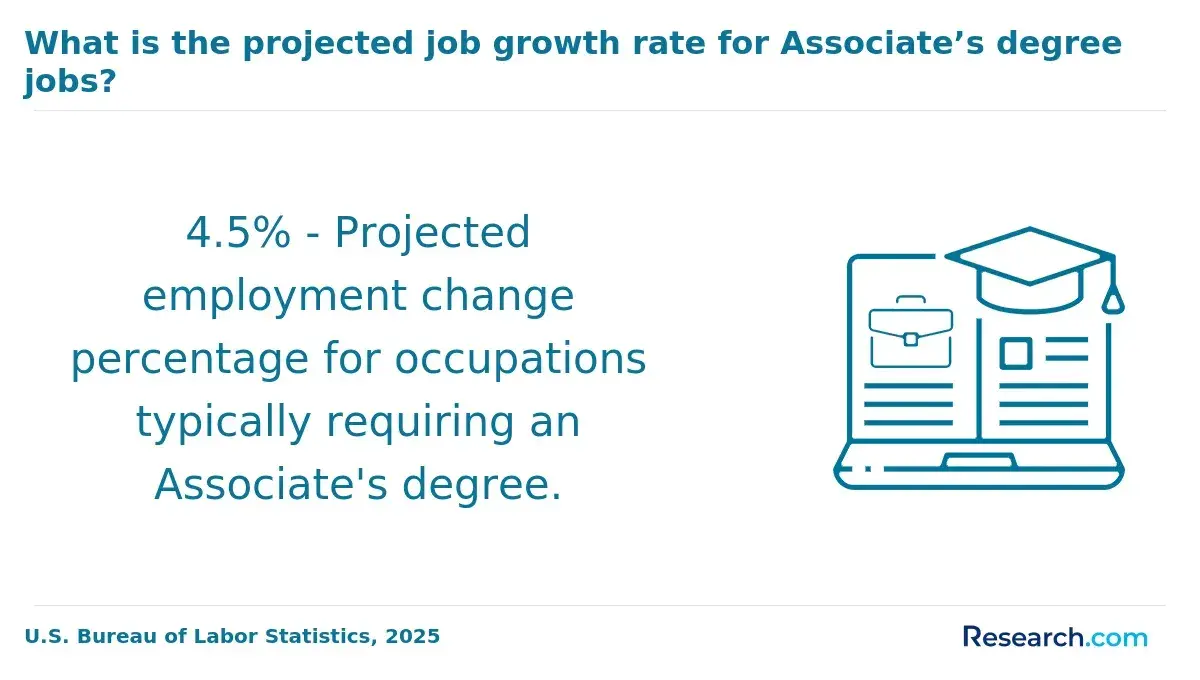
Growth rates offer vital insight for students evaluating curriculum & instruction career paths, highlighting job availability and future stability in the field. The U.S. Bureau of Labor Statistics projects an overall employment growth of 5% from 2022 to 2032, pointing to sectors with expanding opportunities. With this context, here are key occupations within curriculum & instruction experiencing the highest growth rates.
- Instructional Coordinators: Projected to grow by 10% over the next decade, this role demands expertise in updating curricula and enhancing teaching strategies across K-12 and higher education. Typically, a master's degree in education or a related field is required.
- Educational Technology Specialists: Experiencing rapid growth exceeding 11%, these specialists lead the integration of digital learning tools in schools. A background in educational technology and curriculum design is usually essential to succeed.
- Literacy Specialists: Expected to grow between 7% and 9%, literacy specialists focus on improving student reading proficiency by adapting instruction to diverse learning needs. A graduate degree in literacy or curriculum & instruction is often preferred.
- Curriculum Developers: Also anticipated to grow by 7% to 9%, curriculum developers play a critical role in crafting educational materials that cater to evolving standards and student outcomes. Advanced education in curriculum design or instructional leadership is common.
- Career and Technical Education Teachers: With roughly 8% growth expected, these educators support workforce development initiatives and skills-based learning, often requiring specialized training and certification in their industries.
Students exploring curriculum & instruction career opportunities by state and region should consider these high-growth roles while also exploring options for engineering degrees online, which complement technical education pathways and expand career prospects.
Which Industries Hire the Most Curriculum & Instruction Degree Graduates?
Knowing which industries most actively employ curriculum & instruction graduates helps students gauge career options and job security. Various sectors value the specialized skills these graduates bring to designing effective educational experiences.
- Primary and Secondary Education: Schools and districts hire graduates as curriculum developers, instructional coordinators, and trainers. Their work focuses on creating teaching resources and assessments to boost student achievement, driven by the increasing focus on education quality and standardized testing.
- Higher Education: Colleges and universities employ curriculum & instruction professionals to develop online courses, faculty training, and innovative teaching methodologies. The expansion of remote learning has significantly increased demand in this area.
- Corporate Training: Businesses seek experts to design employee development programs that improve skills and ensure compliance. These roles require applying educational principles to practical workplace learning scenarios.
- Government and Nonprofit Sectors: Workforce development agencies and nonprofits often need curriculum specialists to support community education programs and specialized training projects. Their work addresses diverse educational outreach and skill-building needs.
How Do Curriculum & Instruction Job Opportunities Vary by State or Region?
Geographic variations play a crucial role in shaping employment opportunities for curriculum & instruction graduates, impacting factors like job availability and competition. Several regional dynamics influence demand for these professionals across the United States.
- High-Demand States: States with large populations and growing school systems, including Texas, California, and New York, often have a greater number of openings for curriculum specialists and instructional coordinators. However, these areas also attract many qualified candidates, increasing competition especially in urban centers.
- Regional Industry Concentration: Regions with substantial investments in public education, such as the Northeast and Pacific Northwest, typically offer more career advancement options. In contrast, the rural Midwest and South may present fewer positions but encounter less candidate competition, which could benefit professionals willing to relocate.
- Urban vs. Rural Differences: Job availability tends to be higher in metropolitan areas due to greater school district sizes and funding. Rural locations offer limited openings but sometimes provide opportunities for those seeking less competitive environments.
- Cost-of-Living Considerations: Higher salaries in expensive regions may be balanced out by elevated living costs, impacting overall financial advantages. Graduates must weigh earnings against expenses when evaluating job offers.
- Remote and Hybrid Work Trends: Increasing adoption of remote and hybrid positions by school districts and education organizations is broadening access for curriculum & instruction professionals beyond traditional geographic hotspots, potentially reducing location-based barriers.
How Does Degree Level Affect Employability in Curriculum & Instruction Fields?
The level of education-whether associate, bachelor's, master's, or doctorate-plays a crucial role in shaping job prospects, career advancement, and workplace competitiveness within curriculum & instruction fields. Different degrees offer varying access to roles and responsibilities, impacting employment outcomes for curriculum & instruction graduates by degree type.
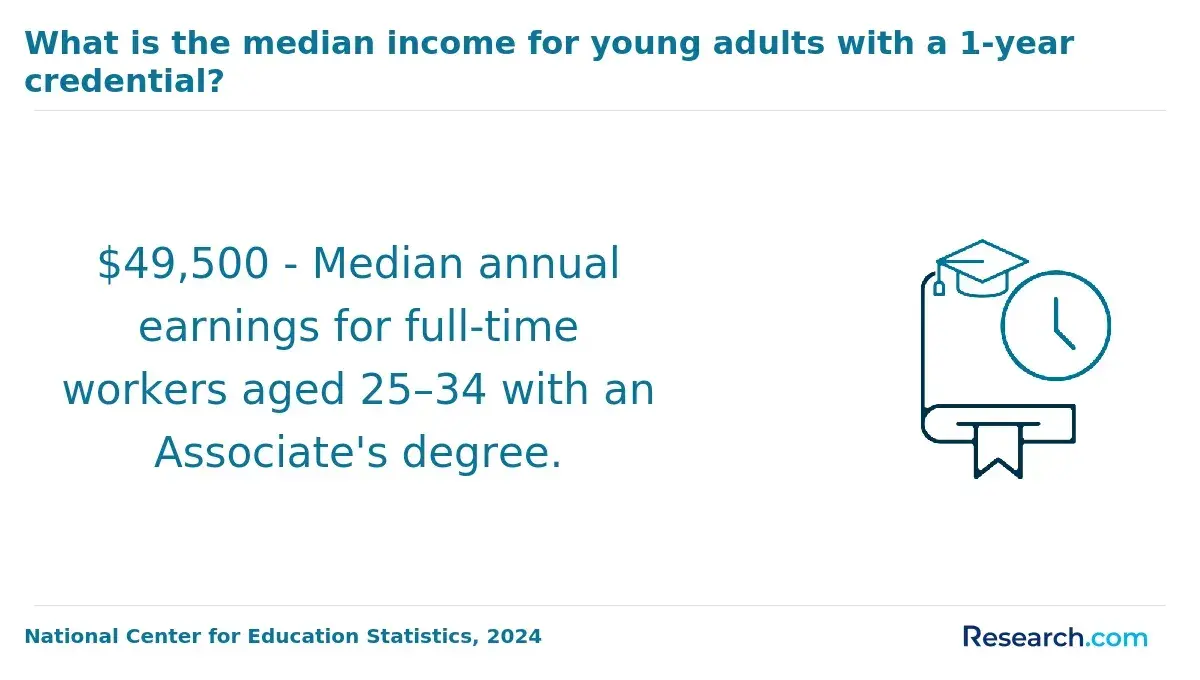
- Associate Degree: This level generally prepares individuals for support roles such as instructional aides or assistants. Employment opportunities tend to be limited to entry-level positions without leadership responsibilities or specialized instructional design duties.
- Bachelor's Degree: Holding a bachelor's opens doors to teaching roles, curriculum development, and coordination positions. Graduates with this degree frequently qualify for licensed educator jobs but often compete for higher-level roles requiring more experience or advanced training.
- Master's Degree: A master's considerably enhances employability by enabling access to senior instructional designers, educational consultants, and administrative posts. Research indicates that education professionals with a master's degree enjoy about a 13% higher employment rate compared to those with only a bachelor's. For those interested in related fields, programs like the MFT degree can also broaden career options.
- Doctorate Degree: This level often qualifies candidates for academic faculty positions, research roles, and executive curriculum leadership. A doctorate signifies deep expertise and is essential for those seeking influential roles in education policy and university-level teaching.
Higher education levels typically provide wider career growth avenues, stronger job security, and increased professional competitiveness in curriculum & instruction careers.
What Skills Are Employers Seeking in Curriculum & Instruction Graduates?
Recognizing the skills that employers prioritize in curriculum & instruction graduates is vital for securing competitive roles and succeeding in this dynamic sector. These capabilities empower graduates to shape impactful educational experiences. Below are key competencies valued by hiring professionals:
- Curriculum Development: Mastery in designing curricula that align with educational standards and accommodate diverse learner needs is highly sought. This skill enables graduates to produce engaging and effective instructional materials that foster student achievement.
- Assessment Expertise: The capacity to create and analyze assessments allows educators to monitor student outcomes accurately. Employers value this skill for its role in refining teaching methods based on data.
- Technology Proficiency: Familiarity with digital tools and platforms enhances instructional delivery in modern learning environments, including remote and hybrid settings. Graduates adept at integrating technology can drive innovative educational practices.
- Effective Communication: The ability to convey ideas clearly, both orally and in writing, supports collaboration with colleagues, administrators, and parents. This competency is essential for implementing instructional strategies and fostering teamwork.
- Data-Informed Decision Making: Using student data to guide instructional adjustments ensures ongoing improvement and accountability. Employers seek graduates who can interpret data to enhance educational outcomes.
When asked about which competencies stood out during his job search, a graduate of a curriculum & instruction degree program shared that navigating initial interviews was challenging due to the need to demonstrate practical application of these skills. He recounted, "It wasn't just about knowing theory but showing how I adapted lessons when assessments indicated gaps in learning." He described moments of uncertainty when presenting technological tools he had mastered and emphasized that articulating clear examples of collaborative projects helped solidify his candidacy. This firsthand perspective highlights how employers not only look for technical knowledge but also the confidence to apply these skills creatively and communicate their impact effectively.
How Does Job Demand Affect Curriculum & Instruction Graduate Salaries?
Fluctuations in job demand directly influence starting salaries, wage growth, and long-term earning potential for curriculum & instruction graduates. The U.S. Bureau of Labor Statistics projects a 4% growth rate for education-related jobs through 2031, reflecting steady demand that supports gradual salary increases. The following points highlight key ways job demand shapes salary trends in this field.
- Competitive Starting Salaries: When demand for skilled educators and instructional designers rises, employers increase starting pay to attract qualified candidates, improving initial compensation for graduates.
- Specialization Premiums: Certain in-demand specialization areas, such as technology integration or special education, often command higher wages as employers seek unique skill sets.
- Market Saturation Effects: An oversupply of graduates relative to available positions can lead to stagnant or declining wages due to increased competition, limiting salary growth potential.
- Economic and Budget Conditions: Fluctuations in education budgets influenced by broader economic factors impact hiring decisions and salary offers, sometimes constraining wage increases despite growing demand.
How Is AI Changing Demand for Curriculum & Instruction Professionals?
Rapid advancements in artificial intelligence are transforming workforce demands across many industries, including curriculum & instruction. According to a 2023 World Economic Forum report, half of all employees will require reskilling by 2025 due to AI integration, highlighting major shifts in job roles and skills needed in education.
These changes impact curriculum & instruction professionals in several key ways:
- Automation of Routine Tasks: AI tools streamline activities like grading and lesson planning, freeing educators to concentrate more on customizing instruction and curriculum design, thereby enhancing job efficiency and focus.
- Emerging Specialized Roles: New positions demand expertise that blends education theory with AI technology, such as instructional designers who develop AI-compatible content, expanding career paths in this field.
- Shifting Skill Sets: Proficiency in interpreting AI-driven data and analytics is increasingly vital, requiring current and future professionals to build strong data literacy for informed curriculum decisions.
- Changing Hiring Trends: Employers prioritize candidates adept at leveraging AI in educational settings, which improves job security and growth prospects for those embracing these innovations.
When I spoke with a recent graduate of a curriculum & instruction degree program about how AI influences demand, she conveyed both excitement and challenges. She shared that adapting to AI-driven tools initially felt overwhelming, requiring constant learning to stay current. Yet, she emphasized that mastering these technologies ultimately enabled her to craft more effective and personalized curricula. She reflected, "Understanding how to work alongside AI has not only made me more marketable but also enriched my professional confidence. It's about embracing change, even when it feels daunting." Her experience highlights the evolving landscape and the importance of flexibility in building a sustainable career in curriculum & instruction.
Is Curriculum & Instruction Considered a Stable Long-Term Career?
Long-term career stability is crucial for students and professionals assessing curriculum & instruction degree job stability in the U.S., as it ensures predictable job prospects and justifies investments in education and ongoing training. Several factors influence the long-term career outlook for curriculum & instruction graduates, shaping their potential for sustained employment and growth.
- Long-Term Employment Trends: The U.S. Bureau of Labor Statistics forecasts consistent demand for education professionals, as schools need curriculum experts to develop effective instructional strategies. This steady demand applies across K-12 and higher education, providing reliable job prospects for graduates in this field.
- Industry Reliance: Educational institutions depend heavily on curriculum & instruction specialists to integrate evolving pedagogical theories and meet state and federal standards. This reliance secures an essential role for these professionals, reinforcing their career stability amid changing educational priorities.
- Adaptability to Change: Professionals who embrace digital learning tools and flexible teaching models such as remote or hybrid education sustain their value in the workforce. This adaptability to technological and economic shifts enhances long-term employability in an evolving educational landscape.
- Career Advancement and Reskilling: Opportunities to move into leadership, training, or policy-making roles, as well as to specialize further, help curriculum & instruction graduates maintain relevance. Continuous professional growth ensures ongoing job security and a positive long-term career outlook.
For those seeking flexible education options to support career advancement, an EdD degree online can provide valuable pathways.
Is a Curriculum & Instruction Degree Worth It Given the Current Job Demand?
Employment for education, training, and library occupations is projected to grow steadily over the next decade, reflecting ongoing needs for skilled educators and curriculum developers. The current curriculum & instruction degree job outlook favorable condition is influenced by broad trends such as the integration of new technologies and evolving educational standards. Geographic location and school funding levels continue to impact hiring activity, as do the increasing focus on curriculum improvement and teacher training.
Regional variations in employment growth suggest that prospective graduates should pay attention to curriculum & instruction employment growth by region when considering job prospects. Advanced degrees in curriculum & instruction enhance job opportunities in K-12 education, higher education, corporate training, and consulting. Demand is generally stronger at the master's and doctoral levels due to requirements for leadership and advanced pedagogical expertise.
Candidates with skills aligned to digital education, instructional design, and online learning environments often enjoy a competitive edge. Those evaluating their options may also consider the value of starting with an associate degree as an entry point before pursuing higher credentials in the field.
What Graduates Say About the Demand for Their Curriculum & Instruction Degree
- Diane: "Pursuing a curriculum & instruction degree was one of the best decisions I ever made. The investment paid off quickly as it opened doors to leadership roles I hadn't anticipated before. The practical knowledge and skills I gained truly transformed my approach to educational design and coaching."
- Mike: "Reflecting on my time studying curriculum & instruction, I realize how critical this degree has been in shaping my career trajectory. The ROI wasn't just financial; it was about gaining confidence and credibility in my field. It's empowering to know that every lesson I design now impacts learners in meaningful ways."
- Sandra: "With a strong professional focus, I chose a curriculum & instruction degree to deepen my expertise and better serve diverse learning communities. The results exceeded my expectations, allowing me to implement innovative strategies that improved student outcomes significantly. This degree has become a cornerstone of my career development."
Other Things You Should Know About Curriculum & Instruction Degrees
Technology integration in classrooms has increased the demand for curriculum & instruction graduates who can design digital learning experiences. Educators are now expected to effectively incorporate technology into curricula, making skills in instructional technology and digital literacy increasingly valuable for graduates in this field.
In 2027, the integration of technology in classrooms has increased the demand for curriculum and instruction graduates. Schools need professionals adept at incorporating educational technologies to enhance learning outcomes, making expertise in innovative digital teaching tools indispensable.
Demand for curriculum & instruction graduates extends to corporate training, educational consulting, and nonprofit organizations focused on learning development. Factors such as shifts toward digital learning, lifelong education trends, and increased emphasis on personalized instruction shape these opportunities. Graduates with skills in instructional design and technology integration are particularly sought after.
Education policy changes, including funding allocations and curriculum standards updates, directly impact hiring in the field. Policies that emphasize standardized testing or new teaching frameworks can create demand for curriculum specialists to design aligned materials. Conversely, budget cuts or shifts in priorities may reduce available positions temporarily.
References
- What Skills Do Employers Want from Graduates? 20 Key Skills — HE Professional https://heprofessional.co.uk/edition/what-skills-do-employers-want-from-graduates-release
- The Impact of an Ed.S. in Curriculum and Instruction on Modern Classrooms https://www.ucumberlands.edu/blog/impact-of-an-eds-in-curriculum-and-instruction
- 2021 Graduate Outcomes Survey: 29% work in job not allowing full utilisation of skills or education https://www.australianindustrygroup.com.au/education-training/centre-for-education-and-training/blog/2021-graduate-outcomes-survey-29-working-in-a-job-that-does-not-allow-full-utilisation-of-skills-or-education/
- Is a Master's in Curriculum and Instruction Worth It? https://www.snhu.edu/about-us/newsroom/education/benefits-of-a-masters-in-curriculum-and-instruction
- Exploring The Impact Of AI On Curriculum Development And Student Outcomes In Higher Education https://elearningindustry.com/exploring-the-impact-of-ai-on-curriculum-development-and-student-outcomes-in-higher-education
- How to Land a Teaching Job in a New State | Zen Educate https://www.zeneducate.com/us/resources/careers-in-education/how-to-land-a-teaching-job-in-a-new-state/
- The Top 10 Graduate Skills That Employers Look For https://www.pareto.co.uk/resources/blogs/the-top-10-graduate-skills-that-employers-look-for
- Benefits of Getting a Doctorate in Curriculum and Instruction - Graduate Programs for Educators https://www.graduateprogram.org/blog/benefits-of-getting-a-doctorate-in-curriculum-and-instruction/
- Master’s Degree in Curriculum and Instruction: What to Expect https://www.columbiasouthern.edu/blog/blog-articles/2025/december/masters-degree-curriculum-and-instruction/
- Centre for Global Higher Education https://www.researchcghe.org/policy/understanding-graduate-skills-demand-in-britain-through-the-work-people-do-new-evidence-and-policy-implications/


