
2027 Credit Requirements for a Curriculum & Instruction Degree Explained

Co-Founder and Chief Data Scientist
Students pursuing a curriculum & instruction degree often face uncertainty about credit requirements, causing delays in graduation. Nearly 40% of education majors report confusion over transferring credits and completing program-specific courses on time. This uncertainty contributes to longer time-to-degree and higher educational costs. With workforce demand for skilled curriculum developers growing by 7% annually, efficient academic planning becomes crucial. This article clarifies credit requirements, transfer policies, and academic course planning specific to curriculum & instruction degrees, helping students navigate their path and achieve timely program completion.
Key Things to Know About Credit Requirements for Curriculum & Instruction Degrees
- Curriculum & instruction degrees typically require a significant total credit load, aligning with program lengths that balance theory, practice, and specialization for comprehensive educator preparation.
- Transfer credits and prior learning assessments can meaningfully reduce required coursework, accelerating degree completion and lowering educational costs for many candidates.
- Credit structures directly influence academic progression, impacting tuition expenses and graduation timelines, critical factors as demand for skilled curriculum developers grows in education sectors.
How Many Credits Are Required for a Curriculum & Instruction Degree?
Accurately assessing credit expectations is essential for effective academic planning and managing time-to-degree completion. Knowing how many credits are generally required allows students to balance course loads with personal and professional obligations.
Below is a breakdown of typical credit requirements for curriculum and instruction degree programs by academic level.
- Undergraduate bachelor's degree: Typically requires approximately 120-130 credits. These include general education requirements, foundational education theory courses, and core major coursework focused on curriculum design, instructional strategies, and assessment.
- Master's degree: Usually demands about 30-40 credits, emphasizing advanced study with specialized coursework, research methods, and applied projects. Graduate programs deepen knowledge in curriculum development, instructional leadership, and educational research.
These credit requirements for curriculum and instruction degree programs provide a framework for students to estimate program length and organize course schedules. Many students pursuing a masters in social work online also consider such credit structures for comparison, further highlighting the importance of clear credit expectations.
Careful planning around total credit hours needed for curriculum and instruction degree programs enhances academic success and timely graduation.
How Many Core and Elective Credits Are Required for a Curriculum & Instruction Degree?
Balancing core and elective credits is critical for effective academic planning in curriculum & instruction degree programs. This balance ensures students develop strong foundational knowledge while customizing their learning to match career goals. Recent trends indicate that students increasingly prefer electives that offer hands-on experience, enhancing their readiness for diverse educational roles.
Below is an overview of typical credit distributions and their significance in curriculum & instruction programs:
- Core Courses: Typically accounting for 60% to 75% of total credits, core course credits in curriculum and instruction degree programs usually range from 30 to 45 credit hours out of a 50 to 60 credit total. These courses emphasize foundational topics such as educational theory, instructional design, assessment methods, and curriculum development, equipping students with essential skills for effective teaching and educational leadership.
- Electives: Elective credit requirements for curriculum and instruction programs generally make up about 25% to 40% of the total credits, often totaling 15 to 20 credit hours. Electives provide flexibility to explore specialized areas like technology integration, differentiated instruction, or leadership skills, allowing learners to tailor their studies to their interests and career pathways.
Students planning their coursework should consider this distribution carefully to meet broad competencies while pursuing personalized academic interests. For those comparing educational options or seeking affordability, exploring resources on online engineering degrees can offer insight into structuring efficient degree plans across fields.
Do Online Curriculum & Instruction Programs Require the Same Number of Credits?
Knowing how credit requirements compare between online and on-campus curriculum & instruction programs is essential for effective academic planning and program evaluation. This understanding allows students to gauge workload expectations and anticipate time to degree completion accurately. Nearly 30% of graduate education students are now enrolled partially or fully in online curriculum & instruction programs, highlighting the growing relevance of this format.
To better navigate these options, consider the following key points:
- Standard Credit Loads: Most online curriculum & instruction degrees require between 30 and 40 credit hours, similar to traditional on-campus programs, ensuring consistent academic standards.
- Course Structure and Flexibility: Online formats often use modular courses or shorter terms, which can alter pacing and workload management but maintain total credit fulfillment.
- Workload Management: While the number of credits remains comparable, the way coursework is delivered-such as asynchronous sessions-allows students to balance studies with personal and professional commitments more flexibly.
- Credit Transferability: Policies on transferring credits between online and campus-based programs or different institutions should be reviewed carefully to avoid delaying graduation.
- Alignment with Goals: Ensuring credits meet graduation timelines and align with career advancement or licensure requirements is vital for making informed program choices.
How Many Credits Are Required in Accelerated Curriculum & Instruction Programs?
Knowing the credit requirements for accelerated programs is essential for students aiming to complete their curriculum & instruction degrees quickly and effectively. Accurate planning around credits helps manage course loads and reduces the risk of burnout during an intensive schedule.
Key factors around credit demands in these fast-paced programs include:
- Typical Credit Load: Accelerated undergraduate curriculum & instruction degrees generally require 30 to 45 credits, while graduate programs usually fall between 30 to 36 credits. Professional degrees often align with these ranges, balancing foundational knowledge and specialized skills.
- Credit Structure: Coursework is split between core classes covering pedagogy, curriculum design, and instructional methods, and electives that let students focus on niche areas such as educational technology or assessment techniques.
- Accelerated Pace Effects: Due to shortened terms, students are expected to complete more credits per semester compared to traditional timelines. This results in a more demanding workload, making strong time management and self-discipline vital.
- Transfer Credits: Many programs allow some transfer credits from prior studies, helping students reduce their remaining course requirements. Understanding these policies early maximizes efficiency toward graduation.
How Many Transfer Credits Are Accepted Toward a Curriculum & Instruction Degree?
Knowing how many transfer credits are accepted plays a vital role in helping students save time and expenses when pursuing a curriculum & instruction degree. Studies indicate that roughly 60% of students transferring into education-related fields have at least some credits recognized, highlighting the value of clear credit transfer policies.
The following details outline typical acceptance rates and their impact on degree completion.
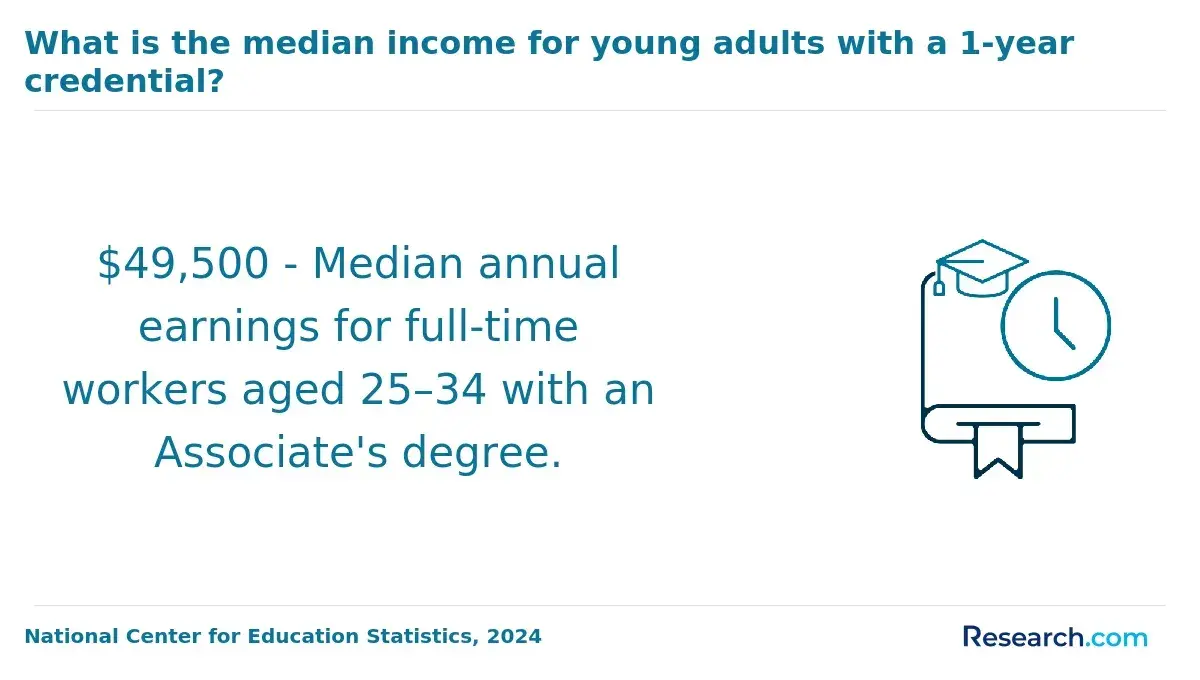
- Associate Degrees: Generally accept 60-70% of previously earned credits. These transferred credits often cover general education requirements, allowing students to focus more quickly on specialized education courses.
- Bachelor's Degrees: Usually permit up to 90 transfer credits, which can include both elective and some core curriculum courses. However, transferred credits must align closely with the receiving program's requirements to count toward graduation.
- Master's Degrees: Commonly accept between 6 and 12 credits for transfer, primarily for electives rather than core graduate courses. This limited acceptance ensures that most advanced coursework is completed within the institution conferring the degree.
- Professional and Accelerated Programs: Tend to have stricter policies, recognizing fewer transfer credits due to specialized training standards. Students should expect to complete a majority of coursework through these programs to meet competency goals.
- Doctoral Programs: Transfer credits are minimal and typically granted only for prior doctoral-level work closely related to research preparation, emphasizing original scholarly contributions.
Transferred credits usually need to correspond with curriculum content, and faculty often review transcripts carefully to maximize credit applicability without compromising academic rigor.
Can Work Experience Count Toward Curriculum & Instruction Degree Credits?
Prior learning assessment (PLA) allows students to earn academic credit for knowledge and skills gained outside traditional classrooms, including relevant professional work experience. Typically, work experience eligible for credit in curriculum & instruction degrees includes roles that demonstrate college-level learning applicable to the field.
Below are common examples of qualifying experience along with key considerations about earning credit through PLA.
- Teaching Roles: Experience in K-12 classrooms or adult education settings often qualifies if it aligns with curriculum & instruction competencies. Universities require detailed documentation such as lesson plans or supervisor evaluations to validate the learning outcomes.
- Curriculum Development: Professional work designing or revising educational programs can count toward credits when supported by portfolios or project summaries. Institutions assess whether this experience meets specific course objectives.
- Educational Leadership: Roles in administration or program coordination may be eligible, provided there is evidence of skills comparable to those taught in leadership courses. Documentation like letters from supervisors helps verify the experience.
- Training and Instructional Design: Experience creating training materials or facilitating professional development often qualifies with proper evidence, such as training session outlines or certificates.
Universities limit credit earned through PLA, commonly allowing up to one-third of the total degree credits, ensuring sufficient traditional coursework is completed. This evaluation process requires thorough documentation-portfolios, resumes, or exams-to confirm equivalency. Utilizing credit for work experience in curriculum & instruction degrees can shorten degree completion time and reduce tuition costs, benefiting students balancing professional and academic commitments.
However, students should check their institution's PLA policies carefully, as not all programs accept these credits for core courses. Those interested in efficient degree pathways may also explore affordable online MFT programs that similarly value prior experience for academic credit.
Do Licensure Requirements Affect Credit Hours in a Curriculum & Instruction Degree?
Licensure credit requirements for curriculum and instruction degree programs often lead to an increase in the total credit hours students must complete. State licensing boards typically require specific coursework, clinical hours, or practical teaching experiences to meet credentialing standards. These additional mandates are closely connected to accreditation since accredited programs design their curricula to align with state educational and licensure standards.
This connection helps students avoid redundant courses, but in states with more rigorous teacher certification policies, extra student teaching or fieldwork can extend both the time and cost needed to graduate. The impact of teacher certification on credit hours varies between online and campus-based programs, reflecting different state or licensing board regulations. Some programs may require more extensive clinical practice, which raises tuition expenses and lengthens degree completion. Aligning degree credits with licensure requirements ensures graduates are well-prepared for certification but may introduce challenges like longer academic timelines.
Prospective students should carefully review program structures and local licensure expectations to plan their academic paths efficiently. For those interested in exploring how education degrees fit in the broader career landscape, checking out degrees that make the most money can offer valuable perspective.
How Do Universities Calculate Credits for a Curriculum & Instruction Degree?
A credit hour typically represents one hour of classroom or direct faculty instruction per week, complemented by about two hours of outside work. Understanding credit calculations is essential for students planning a curriculum and instruction degree to manage their course load and ensure timely progress toward graduation.
- Lectures: These generally award one credit hour per in-class hour weekly, reflecting traditional classroom learning. Lectures form the bulk of credit requirements in curriculum and instruction degree credit requirements.
- Labs and Clinicals: These involve more hands-on time but often translate into fewer credit hours per contact hour because of their intensive nature, such as two to three lab hours corresponding to one credit. They provide practical experience critical to curriculum and instruction.
- Practicums and Capstone Projects: Credits for these vary depending on assigned workload and faculty evaluation. They combine contact hours and independent work to satisfy specialized degree components often required for completion.
- Graduate vs. Undergraduate Programs: Credit calculations can differ, with graduate courses usually more intensive and credit awarded to reflect the increased academic rigor, sometimes resulting in different credit hour allocations.
- Online vs. On-Campus Formats: Many online curriculum and instruction programs follow the same credit hour standards but offer flexible scheduling that can affect the structure of contact hours and outside work.
To understand how universities determine credit hours for education degrees like curriculum and instruction, it helps to see how institutions maintain consistency through accreditation standards.
For students exploring educational paths, comparing credit models can help in selecting an appropriate program. Students interested in shorter pathways may also consider associates degrees as alternative options within education fields.
How Do Curriculum & Instruction Degree Credit Requirements Affect Graduation Timelines?
Total credit requirements specify how many credit hours students must complete to earn a curriculum & instruction degree, directly impacting how long it takes to graduate. Most programs range from 30 to 60 credits, depending on whether the degree is at the master's, specialist, or doctoral level.
Several important factors influence how these credit requirements shape your overall timeline:
- Core credits: These essential courses build the foundation of the degree. Completing these early is vital since delaying core classes can extend your path to graduation.
- Elective requirements: Electives provide customization options but may lengthen study duration if not planned strategically alongside core coursework.
- Transfer credits: Applying previously earned credits from other programs or institutions can reduce the total needed, speeding up degree completion.
- Accelerated formats: Some programs offer fast-track options through intensive scheduling or year-round classes, allowing motivated students to finish faster.
- Prior learning assessment: Documented professional experience, certifications, or training evaluated for credit can shorten the time needed to fulfill degree requirements.
These elements influence both online and in-person curriculum & instruction degrees alike. However, online formats often offer greater flexibility in pacing, which can help students better manage the balance between required core and elective credits to graduate efficiently.
Do More Credits Lead to Better Career and Salary Outcomes for Curriculum & Instruction Graduates?
Completing additional academic credits in curriculum & instruction programs can open doors to leadership roles and specialized positions, potentially boosting career advancement and salary prospects. However, the value of extra credits depends largely on their relevance to industry needs and professional goals.
Extra credits may enhance earning potential and opportunities when they:
- Support advanced specializations: Credits focused on niche areas like data-driven instruction or special education increase eligibility for high-demand, well-compensated roles.
- Prepare for licensure or certifications: Additional coursework that aligns with state requirements or advanced credentials strengthens candidates' professional standing and job prospects.
- Develop technical skills: Credits in instructional technology or leadership can qualify graduates for administrative or coaching positions with higher pay and responsibility.
- Facilitate academic progression: Graduate-level credits may help secure promotions or transition into higher education teaching roles.
On the other hand, extra credits do not always correlate with higher salary or career growth in situations such as:
- Unfocused credit accumulation: Taking additional classes without a strategic goal often results in limited impact on earnings or advancement.
- Emphasis on experience: Employers in education frequently prioritize practical teaching effectiveness and professional networks over extra coursework.
- Non-aligned skills: Coursework unrelated to certification or market needs rarely translates into better job offers or pay.
- Increased financial and time investment: Extending education without targeted credits may raise costs without proportional salary benefits.
Labor market data indicate that the influence of additional curriculum & instruction credits varies by credential type and sector. While academic courses can strengthen qualifications for specialized or leadership roles, professional experience and relevant certifications often weigh more heavily in hiring and compensation decisions.
What Graduates Say About The Credit Requirements for Their Curriculum & Instruction Degree
- Elix: "The flexibility of the online curriculum & instruction degree program truly made it possible for me to balance work and study without feeling overwhelmed. The option to fulfill credits at my own pace, combined with the relatively affordable cost per credit compared to traditional programs, was a game changer. Earning those extra credits opened doors for me to lead curriculum development projects at my school, which has been incredibly rewarding. "
- Axel: "Reflecting on my journey, the cost efficiency of the curriculum & instruction degree program stood out most to me. Paying per credit allowed me to manage my finances better while still gaining the extra credits needed to specialize in instructional design. This has significantly improved my professional credentials, enabling me to transition smoothly into educational consulting. "
- Truley: "I approached the online curriculum & instruction degree program with a professional mindset-seeking value and practical outcomes. The program's flexible credit options allowed me to tailor my education without wasting time or money, which is crucial given the typical high cost of higher education. The additional credits I earned directly contributed to my promotion as a curriculum coordinator, proving the program's tangible impact."
Other Things You Should Know About Curriculum & Instruction Degrees
In 2027, the Curriculum & Instruction degree does not universally mandate specific internships due to varying program structures. However, some universities may integrate internships as part of field experiences, typically worth 3-6 credits. It's essential to verify with individual institutions for precise requirements.
In 2027, a typical Curriculum & Instruction degree program requires around 30 to 36 credit hours. This may vary depending on the institution, but students can generally expect to complete core courses, electives, and possible thesis or project credits within this range.
Many Curriculum & Instruction degree programs include credit requirements from related fields such as educational psychology, literacy, or special education. These interdisciplinary credits enhance a student's understanding and skill set, but the specific number and type of related credits depend on the program's curriculum design.
References
- MEd in Curriculum and Instruction - University of Pittsburgh School of Education https://www.education.pitt.edu/program/med-in-curriculum-and-instruction/
- Scope and structure of the degree https://studies.helsinki.fi/instructions/article/scope-and-structure-degree
- What Are University Credits and How Do They Transfer? - Cyprus West University https://www.cwu.edu.tr/what-are-university-credits-and-how-do-they-transfer/
- Can You Transfer Credits From a Completed Degree? https://www.edvisorly.com/student-guides/can-you-transfer-credits-from-a-completed-degree
- How the Degree Credit System Works: Everything You Need to Know https://blog.medugare.com/index.php/2023/10/16/how-the-degree-credit-system-works-everything-you-need-to-know/
- Education: Curriculum and Instruction (MA) | Master's Degree https://www.cmich.edu/program/education-curriculum-and-instruction-ma
- Bachelor Completion BA in Education, Curriculum & Instruction| Lasell University https://www.lasell.edu/graduate-studies/academics/education-curriculum-and-instruction.html
- How Colleges Award Credits For Work Experience https://www.affordablecollegesonline.org/college-resource-center/college-credit-for-work-experience/
- Curriculum and Instruction, M.Ed. https://catalog.louisiana.edu/preview_program.php
- Graduate Transfer Credit Evaluation | UMGC Europe https://europe.umgc.edu/transfers-and-credits/graduate-transfer-credit-evaluation


