
2027 Accelerated vs. Traditional Health Administration Degrees: Pros & Cons

Co-Founder and Chief Data Scientist
Choosing between accelerated and traditional health administration degrees involves weighing speed against depth. Accelerated programs often attract working adults or career changers aiming for quicker completion, while traditional degrees suit those seeking a more measured pace and comprehensive academic engagement. Notably, nearly 40% of health administration students in the U.S. now enroll in accelerated formats, reflecting their growing appeal.
This article will compare these two paths by examining time commitments, learning experiences, career outcomes, and key considerations. Understanding these factors can help prospective students select the best program to meet their personal and professional goals in health administration.
Key Points About Accelerated vs. Traditional Health Administration Degrees
- Accelerated health administration degrees offer flexibility for working adults, enabling faster completion and earlier entry into higher-paying roles within the healthcare industry.
- Traditional programs foster deeper academic engagement, allowing students to develop comprehensive knowledge and strong critical thinking skills through a balanced, paced curriculum.
- Students in traditional formats benefit from lasting peer networks and mentorship, which can enhance career opportunities and professional growth over time.
What Are the Differences Between Accelerated vs. Traditional Health Administration Programs?
Accelerated and traditional health administration degree formats differ significantly in structure, particularly in pacing, scheduling, and learning intensity. These variations shape how students experience their academic journeys and manage their time. Below is a comparison of the two program types across key areas.
Understanding these differences between accelerated and traditional health administration degrees helps prospective students decide which learning environment suits their needs best.
- Delivery format: Accelerated programs are predominantly offered online or in hybrid formats, offering flexibility to working professionals by allowing a more self-directed learning pace. Traditional programs often involve on-campus classes combined with some online elements, promoting more face-to-face interaction with faculty and peers, which can enhance engagement.
- Course intensity: Accelerated programs feature a fast-paced, intensive schedule requiring students to manage a heavier workload within a shorter time frame. This demands strong time management and suits those who thrive in rigorous settings. Traditional programs spread coursework over a longer period, providing a more moderate pace to absorb material thoroughly.
- Student profile: These programs typically attract different learners; accelerated tracks often enroll experienced healthcare professionals seeking swift advancement or career changes. In contrast, traditional formats tend to enroll recent graduates or career changers who benefit from foundational learning and extended adjustment periods.
- Networking and hands-on experiences: Because accelerated programs are often asynchronous and remote, opportunities for internships, in-person networking, and direct faculty interaction may be limited. Traditional programs generally offer more chances for internships, campus events, and peer collaboration, enriching professional relationships.
For those weighing accelerated vs traditional MHA program duration and format, exploring options like accelerated college courses can provide greater insight into how program structure impacts learning efficiency and student experience.
How Fast Can You Finish an Accelerated vs. Traditional Health Administration Program?
Program length varies significantly between accelerated and traditional health administration degrees. Accelerated formats condense coursework into shorter terms, allowing students to complete their studies faster, while traditional paths follow a standard academic pace with longer durations. Understanding these differences helps students choose the right option based on their career goals and time availability.
A comparison of completion timelines for these formats reveals notable distinctions:
- Transfer credits: Accepting previously earned credits can significantly reduce time to graduation. Accelerated programs benefit greatly from such credits, enabling students to bypass foundational courses and shorten the overall program length.
- Full-time vs. part-time enrollment: Full-time students typically finish both accelerated and traditional programs faster than part-time students. While accelerated health administration degree completion time may be around one to two years for bachelor's degrees, part-time enrollment often extends this timeline.
- Course intensity and format: Accelerated programs often feature compressed schedules or self-paced formats, increasing weekly workload to hasten progress. Traditional health administration program length usually spans four years for undergraduate degrees and two years for master's, following a less intense pace.
- Prerequisites and work experience: Having relevant prior education or professional experience can reduce required courses, especially in accelerated tracks designed to accommodate such backgrounds.
- Combined degree programs: Some universities offer combined accelerated undergraduate/graduate options allowing completion in approximately five years, shortening total education time compared to sequential degrees.
Students exploring options might find it helpful to review the easiest master's programs to get into as part of their decision-making process when considering advanced health administration studies.

What Are the Admission Requirements for Accelerated vs. Traditional Health Administration Programs?
Admission requirements for accelerated and traditional health administration programs often share common standards such as GPA, standardized test scores, and prerequisite coursework. However, these programs differ in how they evaluate academic readiness and professional experience, tailoring their admissions criteria to the specific pace and intensity of the format.
Key distinctions in admission expectations highlight these differences clearly:
- Professional Experience: Accelerated health administration degree admission requirements generally favor applicants with substantial work experience, commonly two to six years in healthcare or a related field. For instance, the University of Washington's Executive MHA expects at least six years, with many students having around ten years. Traditional health administration program prerequisites tend to be more flexible, often requiring only one year or admitting recent graduates with limited direct experience.
- Academic Performance: Both formats require a bachelor's degree, but accelerated options often set a higher minimum GPA threshold of 3.0 or above. Traditional programs usually accept a wider GPA range, typically between 2.5 and 3.0, reflecting their openness to a broader applicant pool.
- Standardized Tests: Accelerated programs may waive GRE or GMAT scores for candidates with significant professional experience, often five or more years. In contrast, traditional programs commonly require test scores unless applicants meet alternative criteria such as a higher GPA.
- Letters of Recommendation and Essays: While both formats request recommendation letters and personal statements, accelerated programs emphasize recommendations from healthcare supervisors and essays highlighting leadership achievements, aligning with their focus on experienced professionals.
- Interviews and Assessments: Accelerated programs more frequently include interviews or additional assessments to evaluate leadership potential and readiness for fast-paced study, whereas traditional programs may have less intensive screening processes.
For prospective students exploring options, understanding these differences can guide better alignment of their background with program expectations. Those interested in cost-effective pathways might also consider alternative credentials such as low cost associate degrees online, which can complement traditional health administration program prerequisites or serve as stepping stones toward advanced study.
How Are Accelerated Health Administration Courses Structured Compared to Traditional Ones?
Accelerated health administration courses condense the same curriculum into a shorter period by intensifying the pace, increasing the workload, and often utilizing flexible delivery methods. These programs contrast with traditional courses by offering a faster path to completion while covering identical content and learning objectives.
Key differences between accelerated and traditional health administration courses include:
- Course Length: Accelerated programs use shorter terms, usually 5-10 weeks, enabling completion of degrees in 2-3 years. Traditional programs follow longer semesters of 15-16 weeks, typically taking 4-5 years. Accelerated formats suit students eager for rapid workforce entry or advancement.
- Weekly Workload: The intensity in accelerated courses requires managing heavier workloads and more frequent assignments and exams within a compressed time frame. This demands strong discipline and time management, appealing to self-motivated learners, while traditional students may prefer a steadier pace for deeper study.
- Instruction Style: Accelerated degrees are often delivered online and asynchronously, allowing flexible scheduling. Traditional programs commonly require fixed class times and in-person attendance, benefiting those who value campus interaction. Both modes uphold academic standards through accreditation bodies, ensuring consistent education quality.
How Much Do Accelerated Health Administration Programs Cost Compared to Traditional Programs?
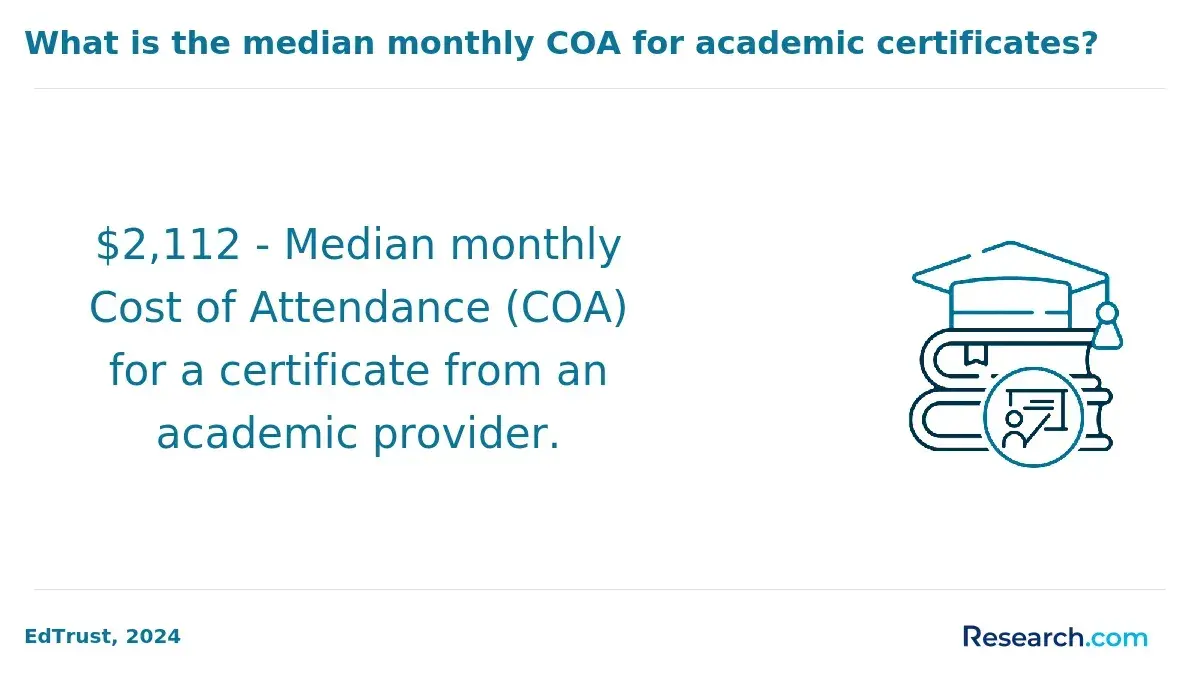
Costs in accelerated health administration programs often differ from traditional ones mainly due to their shorter length, which can reduce the total amount paid. While the price per credit hour tends to be similar or slightly higher for accelerated formats, the overall tuition may be less because students complete the program faster.
Below are some key financial considerations comparing accelerated and traditional health administration tracks:
- Tuition rate per credit: Both accelerated and traditional programs usually charge comparable fees per credit. However, some accelerated options might add a slight premium for their flexible, fast-paced structure.
- Program duration and total cost: Accelerated programs condense coursework into 12-24 months, leading to equal or modestly lower total tuition than traditional formats despite a shorter payment period.
- Living and incidental expenses: By finishing sooner, accelerated students can reduce costs related to housing, travel, and day-to-day expenses compared to those in lengthier traditional programs.
- Opportunity cost: Graduating earlier allows accelerated program students to start earning income sooner, which can offset any higher annual tuition or fees charged upfront.
- Access to financial aid: Both formats provide similar opportunities for federal aid, scholarships, and grants, maintaining comparable financial support options for students.
What Financial Aid Is Available for Accelerated vs. Traditional Health Administration Degrees?
Both accelerated and traditional health administration degree students may qualify for financial aid, but eligibility and funding timelines vary depending on program length and enrollment status. Understanding these differences helps students plan their finances more effectively throughout their studies.
Here is how financial aid options compare between the two formats:
- Federal Aid Eligibility: Both formats require completing the FAFSA and program accreditation for loans and grants. Accelerated students may need to navigate more frequent aid applications due to compressed term schedules.
- Scholarship Opportunities: Scholarships exist for both, with some aimed specifically at graduate health administration students. Awards can exceed $5,000, but availability and deadlines may differ by program structure.
- Employer Tuition Assistance: Many employers support tuition reimbursement, often favoring traditional part-time study to accommodate working schedules. Accelerated students might face limitations if coursework conflicts with job demands.
- Aid Disbursement and Renewal: Accelerated programs' faster pacing can require students to reapply or adjust financial aid more often, making vigilance over timelines essential to preventing funding gaps.
What Kind of Student Support Do Accelerated vs. Traditional Health Administration Programs Offer?
Student support is essential for academic achievement, and the availability and delivery of these services vary between accelerated and traditional health administration programs. These differences affect how students access and benefit from resources throughout their studies.
Below is a comparison of common support services found in both educational formats.
- Academic Advising: Accelerated programs usually feature structured advising with assigned faculty mentors to help students manage a fast-paced curriculum, though sessions may be less flexible. Traditional programs offer more frequent and adaptable advising, allowing students to develop long-term relationships with advisors over several years.
- Tutoring Services: In accelerated settings, tutoring is often closely tied to the coursework and focused on immediate needs, requiring quick intervention. Traditional programs typically provide broader tutoring options with more time for remediation and collaborative study.
- Career Counseling: Accelerated programs tend to deliver early, intensive career support aimed at rapid workforce entry but may offer fewer networking events. Traditional programs extend career services over a longer period, including internships, alumni connections, and ongoing workshops.
- Peer Interaction: Peer engagement in accelerated programs may be more limited due to condensed schedules, while traditional programs often foster deeper peer networks through extended group activities and campus events.
Do Graduates from Accelerated vs. Traditional Health Administration Programs Get Hired More Quickly?
Employment outcomes are often a major factor when deciding between accelerated and traditional health administration programs. Both pathways can open doors to strong careers, yet the time it takes graduates to land jobs can vary depending on several elements. Here's a look at how hiring trends and influencing factors differ between these program types:
Several insights highlight these variations:
- Employer Perception: While some hiring managers still value the thorough curriculum of traditional programs, accredited online and accelerated degrees are gaining acceptance as online education becomes more widespread.
- Career Readiness: Accelerated program students often bring existing work experience, which can lead to quicker employment, whereas traditional graduates might spend more time networking and gaining relevant skills before securing positions.
- Industry Demand: The growing need for health administrators benefits all graduates, with some online programs boasting job placement rates exceeding 90%.
Are Accelerated Health Administration Degrees Accredited the Same Way as Traditional Programs?
Accreditation ensures academic quality and legitimacy for both accelerated and traditional health administration programs regardless of pacing or delivery format. This validation impacts critical factors such as eligibility for federal financial aid, credit transferability, and employer recognition. The primary standard for master's-level health administration degrees in the U.S. is the Commission on Accreditation of Healthcare Management Education (CAHME).
Whether students enroll in accelerated or traditional tracks, programs must meet rigorous criteria in curriculum quality, faculty qualifications, and student outcomes to maintain CAHME accreditation. Thus, accelerated health administration degrees hold the same foundational level of academic credibility as traditional options, making them viable pathways for advancing healthcare leadership careers while ensuring consistent standards of education.
This parity is a key aspect of understanding CAHME accreditation for accelerated health administration programs.
The accreditation process itself typically applies equally to both traditional and accelerated program types, though institutions may adjust delivery methods to fit condensed schedules. In accelerated formats, coursework can be more intensive but must still satisfy the full spectrum of CAHME requirements on contact hours and curriculum content.
Besides programmatic accreditation, students should verify that the institution holds regional accreditation to ensure broad recognition of their degree. Confirming both institutional and programmatic accreditation is essential before enrolling to secure employer acceptance and maintain eligibility for support like federal aid.
For those considering an accelerated path, reviewing accredited online vs traditional health administration degrees can clarify options. Additionally, prospective students interested in further study may explore options such as one year doctoral programs online to advance their careers efficiently.
How Do You Choose Between an Accelerated vs. Traditional Health Administration Degree?
Choosing between an accelerated and a traditional health administration degree depends largely on your career goals, schedule flexibility, and preferred learning pace. Both options offer distinct advantages tailored to different personal circumstances.
Below are key factors to evaluate when deciding which path fits you best, especially if you're exploring the best accelerated vs traditional health administration degree programs.
- Professional Experience: Accelerated programs, typically lasting 12-18 months, are ideal for healthcare professionals with existing experience seeking rapid advancement. Traditional degrees, spanning 2-3 years, better suit recent graduates or career changers who require a comprehensive foundational education.
- Lifestyle and Work Commitments: Accelerated formats often provide online or hybrid options that accommodate working professionals unable to attend regular campus classes. However, these programs may limit internship and networking opportunities compared to traditional programs, which offer extensive hands-on experiences and professional connections.
- Learning Style and Time Management: Fast-paced accelerated programs demand strong self-motivation and the ability to manage intensive workloads. Those who prefer a moderate, balanced learning schedule might find traditional programs more suitable.
- Financial Considerations: While accelerated programs can be less expensive overall due to shorter duration, some studies show they may cost more per credit. Students should factor in total expenses, including living costs during study. For a comprehensive list of institutions, consider researching the top online trade colleges, which often include these program types.
Knowing how to decide between accelerated and traditional health administration degrees means aligning your choice with your personal situation. Taking stock of your professional background, lifestyle, learning preferences, and budget helps ensure you select a program that supports your career goals effectively.
What Students of Accelerated vs. Traditional Health Administration Programs Say About Their Degree
- Emmanuel: "Enrolling in a traditional health administration program gave me a solid foundation in healthcare management principles, but the pace sometimes felt slow, especially compared to my desire to advance quickly. The tuition was manageable, averaging around $20,000 per year, which made it easier to justify to myself. Overall, the program has been essential in helping me build a steady career path in hospital administration."
- Gage: "The traditional health administration degree I've pursued offered a comprehensive curriculum, balancing theory and practical skills, but I often struggled with the extended timeframe, as it prolonged my entry into the workforce. The cost was higher than I anticipated, nearing $25,000 annually, which required careful financial planning. Despite this, the degree has enhanced my understanding of the complexities in healthcare systems and made a positive impact on my professional confidence. "
- Isaac: "The accelerated health administration program I chose was intense and demanding, requiring me to stay highly focused while juggling personal responsibilities. Although the tuition was higher at around $30,000 annually, the faster completion time justified the investment since I could begin my career sooner. This program challenged me but ultimately gave me the skills and credentials to make quick strides in healthcare leadership."
Other Things You Should Know About Traditional vs. Accelerated Health Administration Degrees
In 2027, employer recognition of accelerated versus traditional health administration degrees largely depends on the program's credibility and accreditation. While traditional degrees are well-established, many employers are beginning to acknowledge the rigorous curriculum of accredited accelerated programs as equally valuable.
Networking opportunities in accelerated and traditional health administration programs can differ due to program length and structure. Traditional degrees usually offer more time for internships, networking events, and building relationships with faculty and peers. Accelerated programs, being shorter and more intensive, may limit these experiences but still provide access to industry professionals through online forums, career services, and condensed internship options.
In 2027, accelerated programs may offer less time for practical skills development compared to traditional degrees. However, they often incorporate intensive, focused coursework and targeted internships to ensure that students still gain essential experience despite the shorter timeframe.
References
- Attrition and success rates of accelerated students in nursing courses: a systematic review https://pmc.ncbi.nlm.nih.gov/articles/PMC4825075/
- What is the Timeline for Obtaining a Degree in Healthcare Management? - Healthcare Management Degree Guide https://www.healthcare-management-degree.net/faq/what-is-the-timeline-for-obtaining-a-degree-in-healthcare-management/
- Healthcare Management https://www.muhlenberg.edu/continuingstudies/academics/accelerateddegreeprograms/healthcaremanagement/
- Master of Science in Health Care Administration (Accelerated) https://www.csulb.edu/college-of-health-human-services/health-care-management/master-of-science-health-care-0
- The Benefits of an Online Accelerated Master’s in Health Care Management https://cps.unh.edu/blog/2023/10/benefits-online-accelerated-masters-health-care-management
- The Complete Guide to Healthcare Administration Degrees https://nurse.org/healthcare/healthcare-administration-degrees/
- Fast-Track vs. Traditional Degrees: Why Accelerated Programs Work https://www.stjohns.edu/news-media/johnnies-blog/fast-track-accelerated-programs-ccps-nyc
- Why You Should Consider An Accelerated Program | United Career Institute https://unitedcareer.edu/why-you-should-consider-an-accelerated-program/
- Comparing Accelerated vs. Traditional MHA Programs https://www.besthealthdegrees.com/mha/comparing-accelerated-vs-traditional/
- MHA admission and application https://healthsciences.missouri.edu/health-sciences/masters-degree/mha-admission-and-application/


