
2027 Is Demand for Educational Psychology Degree Graduates Growing or Declining?

Co-Founder and Chief Data Scientist
Many students and professionals wonder if pursuing a degree in educational psychology will lead to stable employment opportunities. Recent studies show the field's employment growth is expected to rise by 8% from 2022 to 2032, faster than the average for all occupations. This demand is driven by increasing recognition of the importance of cognitive and developmental support in education systems. However, understanding these trends can be challenging without clear data.
This article examines current job market trends and employment outlooks for educational psychology graduates, guiding readers on whether this degree aligns with their career goals and market realities.
Key Things to Know About the Demand for Educational Psychology Degree Graduates
- Employment for educational psychology graduates is stable, with the US Bureau of Labor Statistics projecting a 6% growth rate from 2022 to 2032.
- Specializing in school psychology or assessment increases job prospects as schools and educational agencies prioritize mental health services.
- Changes in educational policy and increased focus on inclusive learning environments drive demand for experts in educational psychology.
What Factors Are Driving Demand for Educational Psychology Degree Professionals?
Knowing the forces driving workforce demand helps prospective students gauge the long-term value and stability of an educational psychology degree. Several important factors shape hiring trends and opportunities in this field.
- Industry Growth: Expansion in educational services as schools and universities focus more on improving learning outcomes boosts demand for professionals who can support diverse student challenges.
- Technology Advancement: Increasing integration of digital tools in education prompts educational psychologists to create effective, inclusive teaching strategies suitable for varied learner needs.
- Regulatory Changes: New policies mandating special education and inclusive classroom practices elevate the need for specialists skilled in assessment and intervention, highlighting the impact of accreditation standards for educational psychology degree programs in the US.
- Demographic Shifts: Growing numbers of students with disabilities and diverse cultural backgrounds call for professionals adept at culturally responsive and individualized learning approaches.
- Evolving Employer Skills: Employers now emphasize data-driven decision-making and evidence-based interventions, valuing graduates who can interpret assessments and design research-backed programs aligned with the impact of regional accreditation on educational psychology careers.
For those interested in educational psychology and technology, exploring ai degrees may also provide additional career pathways connected to these evolving educational needs.
Which Educational Psychology Occupations Are Seeing the Highest Growth Rates?
Employment growth rates offer valuable insights for students evaluating educational psychology career paths, indicating which roles will likely provide job stability and advancement. The Bureau of Labor Statistics projects a 13% increase in healthcare-related occupations by 2032, reflecting wider growth trends in helping professions. Below are some of the top growing educational psychology careers and job outlook by region.
- School Psychologists: Expected to grow by about 8% over the next decade, school psychologists benefit from increased awareness of student mental health and the growing integration of psychological services within educational institutions. A graduate degree in educational psychology or school psychology is typically required.
- Clinical Child Psychologists: This role shows strong growth driven by expanding mental health needs among younger populations. Typically requiring a doctoral degree, demand continues to rise as early intervention becomes a priority in healthcare and schools.
- Educational Diagnosticians: Benefiting from advances in educational technology and personalized learning initiatives, educational diagnosticians see rising demand for their expertise in evaluating and supporting student needs. A master's degree with specialized training is common.
- Learning Specialists: Focused on developing tailored instructional strategies to support diverse learners, learning specialists experience growth tied to inclusive education trends and technological integration. Most positions require credentials or advanced degrees in learning or educational psychology.
- Postsecondary Educational Specialists: As higher education adapts to evolving pedagogy, these specialists help colleges create effective learning environments. Growth rates near 7% reflect increasing demand, and a master's or doctoral degree is often preferred.
Students interested in pursuing these high-growth careers may explore online counseling programs to gain flexible training options aligned with current employment trends in educational psychology.
Which Industries Hire the Most Educational Psychology Degree Graduates?
Knowing which industries employ the most educational psychology graduates enables students to evaluate potential job prospects and long-term career security. This insight reveals where their knowledge and skills are most in demand across different sectors.
Several key fields regularly recruit professionals with educational psychology backgrounds:
- Educational Institutions: Schools and universities rely on educational psychologists to create targeted learning strategies, assist students with varied needs, and conduct pedagogical research. Growing focus on inclusive education fuels demand for these experts in this sector.
- Healthcare and Mental Health Services: Clinics, hospitals, and counseling facilities integrate educational psychologists to support individuals facing cognitive or emotional challenges, enhancing multidisciplinary treatment approaches.
- Government Agencies: Public departments focused on education and social welfare engage educational psychologists to shape policies, enhance educational frameworks, and oversee community initiatives that promote childhood learning and development.
- Private Sector and EdTech Companies: Businesses developing adaptive learning platforms or training resources employ educational psychologists to ensure content and technology align with cognitive development principles and effective teaching methods.
- Research Organizations: Graduates contribute by studying educational practices, child growth, and learning processes, providing evidence to improve educational interventions and policy decisions.
The interplay of assessment expertise, intervention planning, and research skills positions educational psychology graduates as valuable assets within these industries, particularly as demand grows for personalized education and mental health support services.
Breakdown of Public Fully Online Title IV Institutions

How Do Educational Psychology Job Opportunities Vary by State or Region?
Geographic location plays a crucial role in shaping job prospects for educational psychology graduates, as demand fluctuates based on regional factors like education policies and population size. These elements contribute to varying opportunities across states and urban versus rural settings.
- High-Demand States: California, New York, and Texas offer some of the most abundant openings due to their large school populations and expansive special education programs. For instance, California alone employs over 10% of the nation's school psychologists, underscoring a significant regional need.
- Regional Industry Clusters: The Northeast and West Coast regions generally maintain stronger demand in both public education and private practices. In contrast, rural communities and certain Southern states often experience fewer job openings because of smaller districts and limited education funding.
- Urban vs. Rural Roles: Urban centers provide a broader spectrum of positions, including roles in research institutions and specialized clinics, fostering advanced career growth. However, these areas also feature heightened competition among qualified candidates.
- Cost-of-Living Impact: While metropolitan jobs tend to offer higher wages, elevated living expenses may reduce net financial benefits. Some graduates may find more sustainable long-term careers in lower-cost regions despite a lower volume of roles.
- Remote and Hybrid Work: Expanding online counseling and assessment options are increasing access to opportunities beyond traditional geographic limits, allowing educational psychology professionals to serve diverse populations regardless of location.
How Does Degree Level Affect Employability in Educational Psychology Fields?
The level of education, such as a bachelor's, master's, or doctorate degree, plays a crucial role in shaping job opportunities, career advancement, and professional competitiveness within educational psychology fields. This variation in degree levels directly impacts employability in distinctive ways.
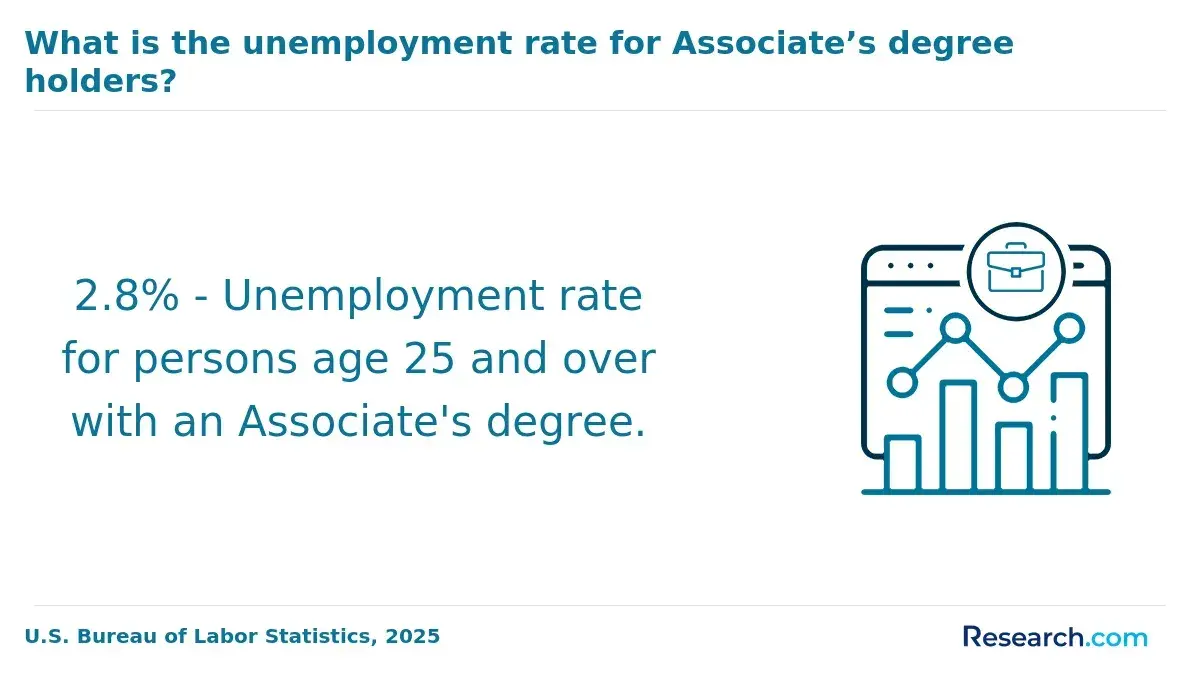
- Associate Degree: Typically considered an entry-level qualification, an associate degree allows candidates to work in supportive roles like paraprofessionals or teacher aides. However, career advancement is usually limited without further education.
- Bachelor's Degree: Often serving as the basic requirement for many roles, such as school counselors or assistant psychologists, a bachelor's provides more job opportunities but may restrict access to senior positions. This degree level is a critical factor for how degree level influences employability in educational psychology careers.
- Master's Degree: Holding a master's substantially improves employability by qualifying graduates for licensed positions such as educational psychologists, specialists, or consultants. These roles generally offer higher pay and responsibility. For those exploring options, finding affordable programs like an online psychology masters can be a strategic choice.
- Doctorate Degree: The highest academic level, a doctorate is often essential for independent practice, leadership roles, advanced research, and university teaching, making graduates highly competitive in the job market. The impact of advanced educational psychology degrees on job opportunities is most pronounced at this level.
Employment projections by the U.S. Bureau of Labor Statistics indicate an 8% growth rate for psychologists holding master's or doctoral degrees from 2022 to 2032, demonstrating the growing demand for professionals with advanced qualifications in this field.
What Skills Are Employers Seeking in Educational Psychology Graduates?
Recognizing the key skills that employers prioritize for graduates in educational psychology is essential for preparing effectively for the job market and increasing professional opportunities. These competencies directly impact the ability to support educational environments and meet diverse learner needs. Below are some of the most valued skills in this field.
- Research and Data Analysis: Proficiency in designing research studies and analyzing behavioral data equips graduates to develop evidence-based interventions and inform educational policies. This skill strengthens decision-making and program evaluation within school settings.
- Effective Communication: The ability to clearly articulate psychological concepts in both spoken and written formats ensures that educators, parents, and administrators understand assessments and recommendations, fostering collaboration and trust.
- Problem-Solving: Addressing unique learning difficulties requires creative and tailored approaches. Graduates skilled in identifying challenges and implementing individualized strategies enhance student outcomes significantly.
- Theoretical Knowledge: A solid grasp of developmental psychology and learning theories enables professionals to create age-appropriate assessments and interventions that align with students' cognitive and emotional stages.
- Collaboration: Working closely with teachers, counselors, and other specialists is vital for developing comprehensive support systems. Teamwork skills promote holistic approaches to student well-being and academic success.
When discussing employer expectations with a graduate of an educational psychology program, he recalled the challenges of balancing rigorous coursework with real-world applications. "Understanding theory was one thing," he said, "but translating that into workable solutions in diverse classroom settings was another." He emphasized how internships helped him develop patience and adaptability, vital when working with children and educators from various backgrounds. His experience reinforced that beyond technical skills, flexibility and empathy are crucial for meeting employer demands and making a meaningful impact.
How Does Job Demand Affect Educational Psychology Graduate Salaries?
Fluctuations in job demand directly impact starting salaries, wage growth, and long-term earning potential for educational psychology graduates by shaping employer competition and career advancement opportunities. For instance, the U.S. Bureau of Labor Statistics projects a 10% growth rate for psychologists, including educational psychologists, from 2021 to 2031, signaling improved salary prospects. The following points highlight how demand influences pay in this field.
- Labor Market Conditions: Economic expansion and increased investment in education typically raise demand, which drives up salaries as institutions compete for qualified professionals.
- Supply and Demand Balance: When there is a shortage of graduates in specific educational psychology specialties, employers often increase starting wages and offer better incentives to attract talent.
- Geographic Variation: Regions with higher needs for educational psychology services tend to offer higher incomes, reflecting local demand disparities and cost-of-living differences.
- Advancement Opportunities: Sustained demand supports long-term earning potential by providing ongoing openings and promotions, allowing experienced professionals to negotiate better compensation over time.
These elements create a dynamic labor market where educational psychology graduates' salaries mirror how well their skills align with educational and psychosocial needs across communities.
How Is AI Changing Demand for Educational Psychology Professionals?
Advances in artificial intelligence (AI) are transforming workforce demands within educational psychology, with nearly 60% of schools integrating AI to enhance personalized learning. This shift not only automates routine functions but also drives new professional opportunities and evolving job roles.
AI influences the field in several notable ways:
- Automation of Routine Tasks: AI handles data collection and scoring, allowing educational psychologists to dedicate more time to nuanced behavioral assessments and targeted interventions, increasing job efficiency and depth.
- Emergence of Specialized Roles: New positions such as AI implementation consultants and data interpretation specialists are arising, urging professionals to expand their expertise into technical and analytical domains, creating diverse career options.
- Changing Skill Requirements: Employers increasingly value candidates with a blend of psychological knowledge and AI literacy, including proficiency in data analytics, fostering broader and more integrated professional competencies.
- Collaborative Hiring Trends: Teams combining educational psychologists, AI developers, and educators are becoming standard to design adaptable learning environments, promoting interdisciplinary cooperation and stable employment.
When asked about how AI is reshaping demand, a graduate of an educational psychology program shared her experience adapting to this evolving landscape. She reflected on initially feeling overwhelmed by the need to acquire technical skills on top of traditional psychological training, describing the process as challenging but ultimately rewarding. "Learning to interpret AI-generated data required patience and persistence," she recalled, emphasizing how this expanded her role beyond conventional counseling and assessments. Her perspective highlights a positive yet demanding transition, illustrating that embracing AI competencies can lead to richer, more impactful career opportunities within educational psychology.
Is Educational Psychology Considered a Stable Long-Term Career?
Long-term career stability is an important consideration for students and professionals evaluating educational psychology career paths, as it influences decisions about education and professional development. Several key factors impact the long-term employment prospects of those holding an educational psychology degree.
- Steady Demand: Long-term employment trends indicate consistent demand for educational psychologists within schools and related fields like human development, special education, and counseling. This steady demand supports a stable job outlook for graduates entering the workforce.
- Industry Reliance: The expanding need for specialized knowledge in addressing diverse student needs and improving instructional methods ensures that educational psychology roles remain integral. This ongoing reliance helps maintain a dependable job market for graduates.
- Adaptability to Change: Career stability benefits significantly from the ability to integrate technological tools and data analytics into practice. Educational psychologists who adapt to evolving educational environments and policy shifts are better equipped to sustain employment despite economic fluctuations.
- Advancement and Reskilling: Opportunities for career growth through roles in research, administration, and consulting contribute to long-term stability. Support for further education and certification allows professionals to remain flexible and align their skills with evolving educational demands.
Considering the long-term career prospects for educational psychology graduates, targeting skills and credentials that align with these factors can help ensure sustained employment. For those interested in broader educational career opportunities, reviewing lists of highest paying college majors may also provide valuable insight into market trends and earning potential.
Is a Educational Psychology Degree Worth It Given the Current Job Demand?
The demand for educational psychology degree graduates in the United States reflects generally stable employment trends, with some sectors showing modest growth over the next decade. This outlook is shaped by increasing attention to mental health, learning disabilities, and educational support services within schools and related environments. Hiring activity in educational psychology-related fields is influenced by the growing need for cognitive and developmental expertise, particularly in educational institutions. Prospective students should carefully consider whether an educational psychology degree job demand is growing in the United States as part of their career planning.
Long-term career prospects for educational psychology graduates depend heavily on the degree level attained and how well candidates align their skills with evolving industry needs. Advanced qualifications such as master's or doctoral degrees typically provide better employment opportunities, as specialized roles often require expertise in assessment, intervention strategies, and data analysis. Additionally, some positions may call for certifications or licensure beyond the degree itself. For those exploring options to enhance their qualifications efficiently, exploring accredited online certificate programs can be a valuable step toward strengthening practical skills and employability.
What Graduates Say About the Demand for Their Educational Psychology Degree
- Allison: "Choosing to pursue an educational psychology degree was a pivotal decision in my career. The knowledge I gained opened doors to specialized roles in school counseling and curriculum development that I hadn't previously considered. The return on investment exceeded my expectations as I found my expertise highly sought after in educational settings."
- Brooke: "Reflecting back, my decision to study educational psychology was driven by a desire to better understand how students learn and develop. Though the journey required dedication, the impact on my professional work in instructional design has been transformative. This degree truly provided a solid foundation for advancing in education-related fields. "
- Colton: "My educational psychology degree has been instrumental in shaping my approach as a professional consultant in learning strategies. The insights gained through the program have allowed me to contribute meaningfully to improving educational outcomes for diverse populations. The investment in this degree proved worthwhile both intellectually and career-wise."
Other Things You Should Know About Educational Psychology Degrees
Government policies can significantly impact the demand for educational psychology graduates in 2027. Initiatives to improve mental health services in schools, increase funding for student support programs, or implement nationwide educational reforms could boost employment opportunities for graduates in this field.
The worst factors influencing demand in 2027 include a possible surplus of graduates due to increased enrollment in educational psychology programs, stagnant job growth in traditional sectors, and technological advances reducing traditional roles. These issues can lead to heightened competition and fewer opportunities, negatively impacting employability.
By 2026, educational psychology graduates can enhance their employability by gaining relevant certifications, engaging in continuous professional development, and acquiring experience through internships or research projects. Staying updated with industry trends and technological advancements can also improve job prospects in an evolving job market.
References
- 5 Careers For An Educational Psychology Graduate - GradSchoolHub.com https://www.gradschoolhub.com/lists/5-careers-educational-psychology-graduate/
- Career Paths after M.A. Psychology https://www.lpu.in/blog/career-paths-after-m-a-psychology/
- Fastest Growing Careers In Psychology | Psychology.org https://www.psychology.org/resources/fastest-growing-careers-in-psychology/
- Education with Psychology Graduate Outcomes https://www.bath.ac.uk/guides/education-with-psychology-graduate-outcomes/
- Global Scope of Educational Psychologist Jobs https://elearncollege.com/mental-health/global-scope-of-educational-psychologist-jobs/
- Where Have All the Educational Psychologists Gone? https://www.spencerclarkegroup.co.uk/career-hub/blog/where-have-all-the-educational-psychologists-gone/
- Educational Psychology: Degrees, Careers & What It Is https://sociology.org/educational-psychology-understanding-how-we-learn/
- What can you do with a Psychology degree? Job roles in 2025 https://www.kingseducation.com/kings-life/what-can-you-do-with-a-psychology-degree
- School Psychologist Salary Guide: What Can a School Psychologist Earn? | ProCare Therapy https://www.procaretherapy.com/blog/school-psychologist-salary-guide-what-can-a-school-psychologist-earn/
- Psychology in schools matters | BPS https://www.bps.org.uk/psychologist/psychology-schools-matters


