
2027 Is Demand for Information Technology Degree Graduates Growing or Declining?

Co-Founder and Chief Data Scientist
Many students face uncertainty about pursuing an information technology degree amid shifting job markets and emerging technologies. Employers increasingly seek candidates with up-to-date skills, yet graduates worry about saturation and automation risks. According to the U. S. Bureau of Labor Statistics, employment in computer and information technology occupations is projected to grow 15% from 2021 to 2031, much faster than the average for all occupations.
This article examines current demand trends for information technology degree graduates, analyzes key industry factors, and offers insights to help prospective students make informed decisions about their education and career paths.
Key Things to Know About the Demand for Information Technology Degree Graduates
- Employment for information technology degree graduates is steadily increasing, with a 15% projected growth through 2030, reflecting strong industry demand across multiple sectors.
- Data security, cloud computing, and artificial intelligence are driving new job opportunities, emphasizing skills specialization for sustained career advancement.
- Industry shifts toward remote work and digital transformation enhance versatility, making adaptability and continuous learning crucial for long-term job security.
What Factors Are Driving Demand for Information Technology Degree Professionals?
Knowing the key forces behind workforce demand aids prospective students in assessing the long-term value and stability of an information technology degree. Several critical drivers shape the ongoing need for IT professionals, influencing career and educational choices.
- Technological Advancement: Rapid innovation in areas like cloud computing, artificial intelligence, and cybersecurity increases the demand for skilled IT workers who can manage and deploy these technologies effectively.
- Industry Growth: Expansion of digital infrastructure in fields such as healthcare, finance, and retail creates more opportunities as organizations rely on technology to boost efficiency and enhance customer experience.
- Evolving Employer Skills: Employers increasingly seek candidates who combine technical expertise with problem-solving, adaptability, and communication skills, broadening the range of roles available to IT graduates.
- Regulatory Changes: New policies focused on data privacy and security compel companies to strengthen their IT teams with specialists aware of compliance requirements.
- Accreditation Impact: The importance of regional accreditation for IT degrees significantly affects graduate employability, as accredited programs ensure education quality and meet employer expectations, which is essential for long-term career success.
This insight supports those considering programs, including options like an online SLP program, to make well-informed decisions regarding their education and career path.
Which Information Technology Occupations Are Seeing the Highest Growth Rates?
Growth rates are an essential indicator for students weighing career paths in fields like information technology, as they reveal where employment opportunities are expanding most rapidly. Overall U.S. employment is projected to grow about 8% through 2032, making roles with significantly higher growth especially attractive. Below are some of the highest growth information technology occupations in the US, reflecting strong demand across various specialized areas.
- Software Developers: Expected to grow by roughly 25% over the next decade, driven largely by the widespread adoption of mobile applications and cloud computing services. A bachelor's degree in computer science or a related field is typically required.
- Data Scientists and Analysts: Projected to expand by around 31%, fueled by businesses increasingly relying on big data to guide strategic decisions. These roles often require at least a bachelor's degree with strong analytical skills.
- Cybersecurity Analysts: With a growth rate near 35%, demand is escalating as cyber threats increase and organizations invest heavily in defense measures. A background in information security and a bachelor's degree are common prerequisites.
- Cloud Engineers: Growth of approximately 22% reflects the industry-wide shift to cloud infrastructure. Candidates usually need a related bachelor's degree and expertise in cloud platforms and services.
These top in-demand it jobs by employment growth rate offer promising prospects for those pursuing degrees in the field. Students interested in related areas, such as online degrees in counseling, might also consider how technology intersects with other professions to diversify career opportunities.
Which Industries Hire the Most Information Technology Degree Graduates?
Knowing which industries employ the most information technology degree graduates helps students focus their career planning on sectors with strong growth and reliable job opportunities. Several fields stand out for consistently hiring IT professionals.
- Technology: This sector, including software development, cloud services, and cybersecurity firms, leads demand for IT graduates. Positions such as software engineers, systems analysts, and cybersecurity specialists are essential for creating and protecting digital infrastructure.
- Financial Services: Banks and insurance companies increasingly seek IT expertise for managing complex data systems, secure transactions, and fintech innovations. Common roles include network administrators and data analysts who ensure compliance and support decision-making.
- Healthcare: The growing use of electronic health records, telemedicine, and health data analytics drives hiring in this field. IT graduates often fill roles like health informatics specialists and systems developers, helping improve patient outcomes and administrative processes.
- Government and Education: Public sector organizations and educational institutions require IT professionals to oversee large networks, develop custom software, and maintain cybersecurity. Jobs such as IT project managers and support specialists offer stable employment in these areas.
How Do Information Technology Job Opportunities Vary by State or Region?
Geographic factors shape employment prospects for information technology graduates, affecting role availability, earning potential, and career progression. Several regional elements determine where demand is strongest and how opportunities vary.
- High-Demand States: States like California, Texas, and New York stand out due to their large technology sectors, hosting numerous firms in software development, cybersecurity, and data analytics. These areas attract the highest numbers of IT specialists, reflecting a dense concentration of both established companies and startups.
- Industry Clusters: Certain metropolitan regions such as the Pacific Northwest and Boston benefit from specialized industry clusters, including software and biotech. These concentrations provide diverse job options and promote innovation, while less urbanized areas typically offer fewer roles and limited specialization.
- Urban vs. Rural: Urban centers tend to have more IT positions with higher salaries but also higher living expenses. Rural locations generally have fewer openings and lower pay but may provide easier entry points into the field due to reduced competition.
- Cost-of-Living Impact: The salary advantages in tech hubs can be offset by elevated housing and daily expenses, influencing where graduates choose to work. Balancing compensation with living costs is a key consideration in evaluating job offers.
- Remote and Hybrid Work Trends: Increasingly, remote and hybrid roles lessen the importance of physical location, enabling graduates to compete in a broader job market. Nonetheless, local professional networks and in-person experiences often remain vital for long-term advancement.
How Does Degree Level Affect Employability in Information Technology Fields?
The level of education attained plays a crucial role in shaping job opportunities, career progression, and competitiveness within information technology fields. Different degree levels offer varying advantages, which can influence employability and specialization. Below is a comparison of common degrees and their impact on IT career prospects.
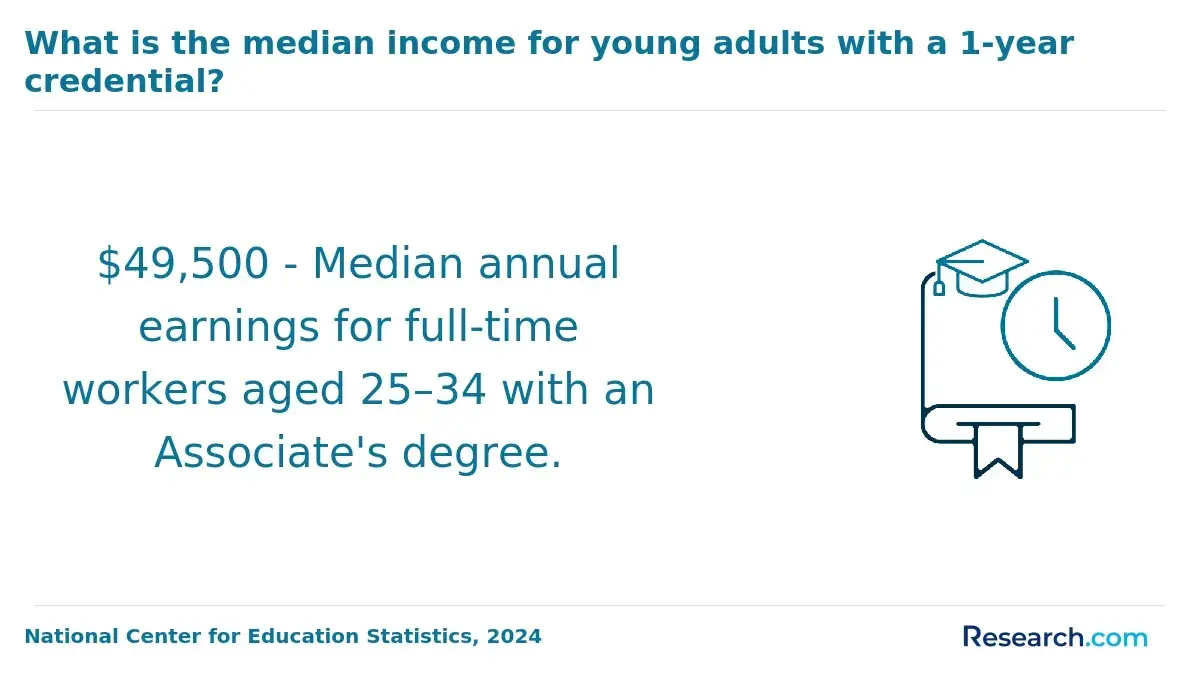
- Associate Degree: This level usually prepares graduates for entry-level IT roles such as support specialists or network technicians. While practical skills dominate, these positions often have fewer advancement opportunities, reflecting the impact of degree level on IT employability in the US.
- Bachelor's Degree: Holding a bachelor's degree typically increases competitiveness for mid-tier roles like systems analyst, software developer, and cybersecurity analyst. The broader and deeper curriculum at this level often serves as a minimum requirement for many IT jobs.
- Master's Degree: A master's degree can significantly enhance job prospects by qualifying individuals for leadership, project management, and specialized positions such as IT project manager or data scientist. This degree level emphasizes both advanced technical skills and strategic thinking, often positively affecting how bachelor's and master's degrees influence information technology job prospects.
- Doctorate Degree: Doctorate holders are usually sought for academic, research-based, or highly specialized development roles requiring deep expertise. Although less common, these positions demand extensive knowledge and contribute to groundbreaking innovations within IT.
For professionals considering further education, exploring options like an online executive MBA can complement technical expertise with business leadership skills.
What Skills Are Employers Seeking in Information Technology Graduates?
Recognizing the skills prioritized by employers is vital for anyone aiming to thrive in information technology careers, as it shapes how graduates prepare and remain competitive in an ever-changing industry. The following key competencies are frequently emphasized by hiring managers in this field.
- Programming Proficiency: Command of programming languages such as Python, Java, or C# allows graduates to build software solutions, automate tasks, and resolve technical challenges effectively.
- Cybersecurity Awareness: With the rise of cyber threats, a strong understanding of security measures and risk management helps safeguard company assets and data integrity.
- Data Analysis Capabilities: Skills in interpreting large data sets enable IT professionals to derive actionable insights that support strategic business decisions.
- Cloud Computing Knowledge: Experience with platforms like AWS or Azure is increasingly important as organizations transfer infrastructure and services to cloud environments.
- Effective Communication and Collaboration: The ability to work within diverse teams and clearly translate technical information for non-technical stakeholders fosters productive partnerships across departments.
- Critical Thinking: Employers value graduates who demonstrate creativity and resourcefulness in tackling unexpected problems and adapting solutions.
In a recent conversation with a graduate of an information technology degree program, he shared how these skills played out in his first job. "One of the biggest hurdles was explaining complex technical issues to clients without overwhelming them," he recalled, emphasizing the importance of clear communication. He also described how having solid problem-solving skills helped him navigate rapidly evolving projects where initial plans didn't always pan out. "It wasn't just about knowing the code but figuring out the best approach on the fly," he added, highlighting the ongoing learning curve even after graduation.
Breakdown of All 2-Year Online Title IV Institutions

How Does Job Demand Affect Information Technology Graduate Salaries?
Fluctuations in job demand directly impact starting salaries, wage growth, and long-term earning potential for information technology graduates. For instance, the U.S. Bureau of Labor Statistics reports the median annual wage for computer and information technology occupations was $97,430 in 2021, significantly higher than the median across all fields. These trends reflect how demand shapes the financial opportunities for graduates.
The following points highlight key ways demand influences salaries:
- Increased Negotiating Power: When labor market demand is strong, information technology graduates gain leverage to negotiate better salary offers, resulting in higher starting pay and more favorable employment conditions.
- Investment in Retention: High demand encourages employers to invest in employee training and retention programs, which support ongoing wage growth and career advancement over time.
- Competitive Pressure: Periods of low demand or oversupply intensify competition among graduates, often suppressing salaries and slowing opportunities for rapid career progression.
- Economic and Technological Cycles: Fluctuations tied to broader economic conditions and advancements in technology create variable income trajectories, requiring graduates to adapt to changing market conditions to maximize earnings.
How Is AI Changing Demand for Information Technology Professionals?
Advancements in artificial intelligence (AI) are transforming workforce demands within information technology, with estimates suggesting that up to 30% of IT tasks could be automated over the next decade. This evolution is reshaping job roles and skill requirements across the sector. Below are key ways AI influences demand for IT professionals:
- Automation Impact: While AI reduces the need for manual system maintenance and routine troubleshooting, it raises the demand for experts who can design, implement, and supervise AI-driven systems, shifting the focus from basic tasks to higher-level oversight.
- New Specialized Roles: Emerging positions such as machine learning engineers, AI ethics advisors, and data scientists are creating fresh pathways in IT, encouraging professionals to diversify their expertise beyond traditional boundaries.
- Enhanced Skill Sets: Proficiency in AI frameworks, programming languages like Python, and data analytics has become essential, as companies seek candidates who can work fluently with intelligent systems and integrate AI capabilities.
- Changing Hiring Priorities: Employers increasingly prefer IT staff who can innovate with AI-enhanced technology platforms, placing a premium on adaptability and continuous learning to maintain job security.
When asked about how AI is altering demand for IT professionals, a recent graduate shared her experience adapting to these industry shifts. She described the initial challenge of updating her skills to include AI tools and concepts, highlighting the steep learning curve but also the excitement of mastering technologies that directly impact real projects. "It felt overwhelming at times to keep pace with AI developments," she reflected, "but embracing these changes opened new doors and made me more confident about my future." Her journey underscores the importance of flexibility and ongoing education in navigating a tech landscape increasingly shaped by artificial intelligence.
Is Information Technology Considered a Stable Long-Term Career?
Choosing a career with long-term job security is crucial for students and professionals considering information technology degree paths. Several key factors influence the stability and growth potential in this field, providing insight into why it remains a resilient choice.
- Long-Term Employment Trends: The demand for IT professionals continues to grow steadily due to widespread digital transformation across industries. This consistent need acts as a buffer against economic slowdowns, supporting job stability in the field of information technology degree long-term job security.
- Industry Reliance: Organizations heavily depend on IT roles to manage critical functions such as cybersecurity, cloud computing, and data management. This foundational reliance ensures ongoing opportunities and reinforces the stability of careers in information technology sector.
- Adaptability to Change: Rapid technological innovation requires IT workers to update their skills regularly, which can be challenging but also helps professionals stay relevant. Embracing lifelong learning protects against obsolescence amid evolving economic and technological landscapes.
- Career Advancement and Reskilling: The availability of certifications, specializations, and new fields such as artificial intelligence expands career paths without the need to start over. This flexibility supports stability and growth within the information technology sector over time.
Information technology careers often align with some of the easiest college majors with high pay, combining accessible education pathways with strong employment outcomes in a stable and adaptive profession.
Is a Information Technology Degree Worth It Given the Current Job Demand?
The demand for information technology job demand in the United States remains strong, driven by the rapid integration of digital tools across all sectors. Employment in computer and information technology occupations is expected to grow significantly faster than the average for other fields over the next decade. This trend is largely fueled by the expanding needs in areas such as cloud computing, cybersecurity, and big data analytics, all of which are central to modern business operations.
As these technologies evolve, the job market continues to favor graduates with relevant IT skills and expertise. Whether an information technology degree is worth it depends on how well the degree aligns with industry demands and the level of education attained. Bachelor's degrees typically open the door to entry-level positions, but those who invest in master's degrees, certifications, or specialized training often see better career growth and higher salaries.
Employers prioritize candidates who possess current skills in cybersecurity, network management, and software development. Prospective students should consider practical experience and internships, and they may find value exploring options from online colleges with financial aid to manage costs while maintaining adaptability as technologies change.
What Graduates Say About the Demand for Their Information Technology Degree
- Leo: "Pursuing an information technology degree was one of the best decisions I ever made. The knowledge and skills I gained have paid off tremendously, both in salary and career opportunities. It opened doors to roles I never imagined attainable. "
- Zenny: "Looking back, choosing to study information technology was a thoughtful step toward ensuring long-term career stability. The degree's return on investment became clear as I moved from entry-level to managerial positions with confidence. It truly transformed my professional journey. "
- Curtis: "My experience with an information technology degree has been profoundly rewarding. It was a strategic move that equipped me with practical expertise and critical thinking skills, greatly impacting how I approach challenges at work. The ROI is evident every day in the value I provide my team and company."
Other Things You Should Know About Information Technology Degrees
In 2027, employers for Information Technology roles prioritize skills and experience often over advanced degrees. While some specialized positions may require additional qualifications, a bachelor's degree paired with relevant experience and industry certifications usually suffices for many roles in the sector.
Certifications such as CompTIA A+, Cisco's CCNA, and AWS Certified Solutions Architect can significantly enhance job prospects for IT graduates. These certifications demonstrate expertise and commitment to staying updated with industry standards, making candidates more attractive to potential employers in the competitive IT field.
References
- Top 14 Cities for Tech Roles in 2026 https://www.fullstackacademy.com/blog/top-cities-for-tech-roles
- Top five career opportunities for computer science and information technology graduates https://gbs.edu.mt/blog/top-five-career-opportunities-for-computer-science-and-information-technology-graduates/
- The Future of IT: Why Earning a Diploma in Information Technology is Essential https://www.mywestford.com/blog/the-future-of-it-why-earning-a-diploma-in-information-technology-is-essential/
- Superagency in the workplace: Empowering people to unlock AI’s full potential https://www.mckinsey.com/capabilities/tech-and-ai/our-insights/superagency-in-the-workplace-empowering-people-to-unlock-ais-full-potential-at-work
- The Rising Demand for IT Talent in Higher Education - Higher Education Jobs - Higher Education Recruitment Consortium https://www.hercjobs.org/career-advice/the-rising-demand-for-it-talent-in-higher-education/
- The impact of artificial intelligence on IT jobs https://www.sellickpartnership.co.uk/resources/blog/the-impact-of-artificial-intelligence-on-it-jobs/
- The 10 Best States for Tech Jobs - tripleten.com/blog https://tripleten.com/blog/posts/top-10-u-s-states-for-tech-professionals
- 10 Facts About Starting Career in Information Technology - SABT https://sabt.edu.au/career-in-information-technology/
- The IT job market then and now - how has the sector changed over the recent years? | ITDS https://itds.pl/news/the-it-job-market-then-and-now-how-has-the-sector-changed-over-the-recent-years/
- The 10 most in-demand tech jobs for 2025 — and how to hire for them | CIO https://www.cio.com/article/230935/hiring-the-most-in-demand-tech-jobs-for-2021.html


