
2027 Weekly Start Online Degrees vs Self-Paced Accelerated Information Technology Degree Programs

Co-Founder and Chief Data Scientist
Choosing the right format for an online Information Technology degree can be challenging for busy professionals. Nearly 60% of IT students seek flexible scheduling options to balance work and study, highlighting the need for clarity on program formats. Weekly start online degrees offer structured timelines and steady pacing, while self-paced accelerated programs provide speed and autonomy.
This article compares these formats to help prospective students align their learning style with career goals. It explores the advantages, limitations, and outcomes of each approach, guiding readers toward an informed decision that maximizes educational efficiency and workforce readiness.
Key Benefits of Weekly Start Online Degrees vs Self-Paced Accelerated Information Technology Degree Programs
- Weekly start online degrees offer consistent structure and timely feedback, enhancing student engagement and improving course completion rates in information technology programs.
- Self-paced accelerated programs provide flexibility for working professionals to learn at their own speed, often reducing time to degree and associated tuition costs.
- Both formats support diverse learning needs; weekly starts foster routine, while self-paced models empower students to balance studies with career demands, promoting overall success.
How Are Weekly Start Online Degrees and Self-Paced Accelerated Information Technology Programs Structured?
Choosing between weekly start online degree programs and self-paced accelerated information technology degree formats requires understanding how these programs differ in structure and pacing. These differences impact how students manage their time and complete coursework.
Below is a comparison highlighting key elements that students should consider when selecting the best fit for their learning style and schedule.
Weekly Start Online Degrees
- Course Pacing: Fixed weekly schedules require students to complete assignments and participate according to a consistent calendar.
- Term Length: Typically ranges from 4 to 8 weeks per course, offering a steady rhythm for course completion.
- Assessment Methods: Regular evaluations through weekly quizzes, projects, and participation grades to assess incremental understanding.
- Weekly Time Commitment: Usually between 10 to 15 hours, suited for learners benefiting from structured deadlines and cohort interaction.
Self-Paced Accelerated Degrees
- Course Access and Pacing: All materials are available upfront, allowing students to progress without fixed start dates or weekly deadlines.
- Term Length: Variable course durations enable some learners to complete programs in a few weeks, while others take several months.
- Assessment Flexibility: Open deadlines or "by the end of course" submissions provide autonomy over scheduling assignments and assessments.
- Weekly Time Commitment: Estimated 20 to 30 hours per week for accelerated pacing, demanding strong self-motivation and effective time management.
Students interested in information technology programs should consider how the weekly start online degree program structure influences pacing and deadlines compared to the self paced accelerated IT degree format. For those seeking alternatives beyond IT, exploring online MSW programs may offer similarly flexible learning paths relevant in other fields.
Are Weekly Start Online Information Technology Programs Easier to Get Into vs Self-Paced Accelerated Programs?
Choosing between weekly start online IT programs and self-paced accelerated IT degrees often comes down to how easy the admissions process is, which can impact a student's ability to begin their education promptly. Programs with weekly start dates typically accept around 75% of applicants, highlighting a more continuous and accessible entry process compared to the selective nature of accelerated formats.
Key distinctions in admissions criteria include the following:
- GPA requirements: Weekly start online IT program admissions usually expect a minimum GPA between 2.5 and 3.0, while self-paced accelerated programs often require GPAs of 3.0 or higher due to their demanding pace.
- Prerequisite coursework: Weekly start programs offer more flexibility by allowing broader prerequisite options, accommodating students from various academic backgrounds. Conversely, accelerated options generally mandate prior completion of foundational IT courses.
- Standardized testing: Weekly start programs less frequently require SAT, ACT, or technical assessment scores, emphasizing holistic admissions review. Accelerated programs sometimes include these testing requirements.
- Admission timing and support: Continuous enrollment in weekly start programs often translates to ongoing advising and support, assisting students during the admissions phase. Self-paced programs may have more limited admission windows and less immediate support.
For prospective students balancing rigorous pacing with admissions accessibility, understanding these differences is crucial. Those interested in similar considerations for other disciplines might explore CACREP online counseling programs.
How Long Does a Weekly Start Online Degree Take to Complete vs Self-Paced Accelerated Information Technology Degree?
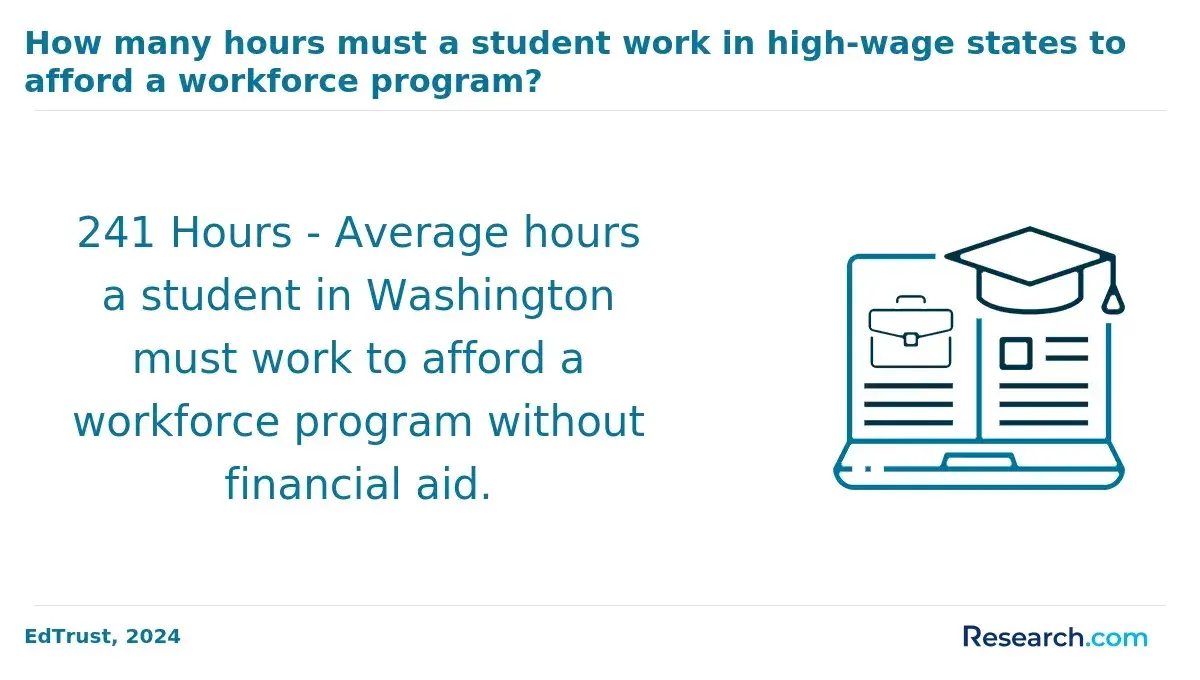
Completion time plays a critical role for students planning their education, finances, and career paths. It not only impacts how quickly they can join the workforce but also influences their tuition costs and eligibility for financial aid. Recent research indicates that about 60% of online learners favor programs offering faster completion.
Comparing weekly start online degrees to self-paced accelerated information technology programs reveals distinct differences in duration and flexibility.
- Term length: Weekly start programs use fixed, shorter terms-usually 6 to 8 weeks-with set schedules, which provides structure but limits speed. Self-paced accelerated programs eliminate term boundaries, allowing students to progress without waiting for new sessions.
- Pacing control: Students in weekly start formats follow instructor-determined deadlines, ensuring uniform progress. Conversely, self-paced learners set their own study tempo, enabling faster or slower completion based on personal availability.
- Credit load: Weekly starts often restrict maximum credits per term to maintain workload balance. Accelerated programs encourage taking heavier credit loads simultaneously, reducing total time to degree.
- Transfer credits: Both formats accept transfer credits, which can shorten overall duration, but maximizing these credits requires careful planning.
- Enrollment flexibility: Weekly start students benefit from frequent start dates but must adhere to fixed course sequences. Self-paced students enjoy continuous enrollment and can take courses in the order and timing that best suit their pace.
A professional who finished a self-paced accelerated online information technology degree shared that "balancing work and studying was intense," but the ability to control his schedule made it feasible.
He described the process as "challenging at times because there was no set rhythm, so staying motivated took discipline." Still, he noted feeling empowered by progressing "as fast as I could manage," highlighting the advantage of pacing freedom despite its demands.
How Flexible Are Weekly Start Online Degrees vs Self-Paced Accelerated Information Technology Programs?
Flexibility is essential for students who juggle work, family, and other responsibilities while pursuing online degrees. Weekly start programs enroll students in new courses every week or every other week, offering set deadlines and scheduled instructor interaction. Self-paced accelerated information technology programs allow learners to progress at their own speed without fixed start dates or deadlines.
Below is a comparison of these two formats based on key flexibility factors.
- Scheduling control: Weekly start programs follow a preset schedule with regular deadlines, while self-paced programs let students decide when and how fast to work through material.
- Pacing speed: Self-paced accelerated formats enable faster completion for those who dedicate more time, unlike weekly start programs that maintain a fixed term-based pace.
- Start dates: Weekly start degrees have frequent, recurring enrollment windows, whereas self-paced programs offer continuous enrollment without restrictions.
- Assignment deadlines: Weekly start courses enforce strict submission dates, but self-paced students often set their own goals and timelines.
- Instructor interaction: Weekly start programs may include live or synchronous sessions, whereas self-paced programs usually rely on asynchronous communication.
- Ability to pause: Self-paced students can typically pause studies without penalty; weekly start learners must follow the term structure and often re-enroll each session.
According to education data, about 30-40% of fully online students favor self-paced models for adaptability, while weekly start options appeal to those who benefit from structured scheduling and regular faculty engagement.
Are Self-Paced Accelerated Information Technology Degrees Harder Than Weekly Start Online Programs?
How difficult a program feels can greatly influence a student's choice between self-paced accelerated and weekly start online information technology degrees. The perception of challenge affects motivation and success, making it vital to consider differences in structure and support.
Below is a comparison of key aspects contributing to these differences.
- Workload intensity: Self-paced accelerated degrees often compress much material into a shorter timeframe, requiring students to manage dense coursework rapidly. Weekly start programs spread tasks over weeks, offering a steadier pace that can feel more manageable.
- Pacing expectations: Weekly start courses rely on fixed deadlines set by instructors, helping learners maintain consistent progress. Self-paced formats let students set their own schedules, which offers flexibility but demands strong time management skills to avoid falling behind.
- Self-discipline required: Without regular checkpoints or group activities, self-paced students must be highly motivated and organized to keep up. Weekly programs provide routine interaction and deadlines that can help maintain focus and accountability.
- Assessment structure: Weekly start courses typically feature frequent, scheduled assessments promoting ongoing engagement. Accelerated programs may have fewer but more cumulative evaluations, intensifying preparation efforts.
- Instructor interaction: Regular access to instructors and peers in weekly programs often supports learning and clarifies doubts promptly. Self-paced formats may limit such interactions, increasing the need for independent problem-solving.
When I spoke with a graduate from a weekly start online information technology program about her experience, she shared that the structured rhythm kept her motivated despite occasional stress. She recalled, "Having set deadlines each week helped me build a habit and avoid procrastination, even when juggling work."
She appreciated how timely feedback from instructors made challenging topics easier to grasp. While it wasn't always simple, she felt the consistent schedule and community engagement made the journey feel achievable and rewarding.
How Does Grading Differ Between Weekly Start Online vs Self-Paced Accelerated Information Technology Programs?
Grading approaches directly affect students' workload, stress levels, and expectations for advancement in online information technology programs. These factors are crucial for students weighing the demands of weekly start versus self-paced accelerated formats.
Below is a comparison highlighting key grading differences between the two.
- Assessment frequency: Weekly start programs require regular evaluations, such as quizzes and assignments, typically every week. Self-paced accelerated programs have fewer, milestone-based assessments spread over the course duration.
- Mastery requirements: Self-paced formats often emphasize demonstrating full understanding before moving forward, promoting deeper comprehension. Weekly start programs tend to focus on consistent performance without strict mastery gates.
- Pacing of evaluations: Weekly start courses follow a fixed schedule with firm deadlines, encouraging steady progress. In contrast, self-paced accelerated students have flexibility to complete assessments within overall time limits, allowing adjustments based on personal pace.
- Feedback timing: Feedback in weekly start programs is generally prompt, helping students quickly address knowledge gaps. Self-paced formats may involve delayed responses due to the irregular timing of submissions.
- Grading flexibility: Weekly start grading is more rigid, adhering to predetermined deadlines and formats. Self-paced accelerated grading accommodates varied submission times and may allow resubmissions or flexible evaluation methods.
These grading contrasts shape not only academic progress but also how students manage learning alongside other commitments, making them vital considerations for selecting between weekly start and self-paced accelerated online information technology programs.
How Does Tuition Compare Between Weekly Start Online and Self-Paced Accelerated Information Technology Programs?
Tuition structures play a critical role in students' decisions when choosing online degree programs, as they influence affordability and payment planning. Understanding these models helps prospective students manage costs and select the best fit for their financial situation and learning style.
- Pricing Structure: Weekly start online programs often charge per course or credit with fixed term fees, providing clear cost expectations. Self-paced accelerated options may use flat rates or per-credit fees tied to access periods, offering varied billing approaches.
- Time-to-Completion: Accelerated self-paced programs can shorten degree completion time, reducing living expenses and opportunity costs. Weekly start programs have set schedules that might extend total time but ensure consistent pacing.
- Cost Predictability: Fixed fees per term in weekly start formats allow students to budget reliably. In contrast, self-paced accelerated programs may concentrate fees within shorter intervals, which can make financial planning more complex.
- Course Intensity: Weekly start courses typically follow a regular rhythm suited for steady progress. Accelerated models demand a faster pace, which might increase workload intensity but enable quicker program completion.
- Additional Fees: Both formats include technology and course material charges that are generally comparable. These supplementary costs should be factored into the overall tuition assessment.
- Transfer Credits and Prior Learning: Recognition of previous coursework or experience can significantly reduce tuition in both models. This flexibility benefits returning or experienced students aiming to lower their total education expenses.
Do Weekly Start Online Information Technology Degrees Offer More Instructor Support Than Self-Paced Accelerated Programs?
Instructor support and academic guidance play essential roles for students enrolling in online degree programs, particularly in technology-related fields that require both conceptual understanding and practical application. Effective communication with instructors helps clarify complex topics, maintains motivation, and ensures timely feedback on assignments. These aspects contribute significantly to a student's overall success and satisfaction in online learning environments.
Below are key distinctions in instructor support between weekly start online degrees and self-paced accelerated programs.
- Instructor availability: Weekly start online it degree instructor support involves scheduled office hours and regular live sessions, offering predictable times when students can interact directly with instructors. Self-paced accelerated programs tend to rely more on asynchronous communication, such as email or messaging, with less consistent availability.
- Response times: Weekly start formats usually guarantee responses within 24 to 48 hours, aligning with fixed course schedules, whereas self-paced accelerated it program student assistance has variable response times depending on the instructor's workload and communication method.
- Structured interaction: Weekly start courses promote engagement through discussion boards, webinars, and cohort activities, creating a more structured and interactive experience. In contrast, self-paced learners have fewer mandatory interactions and primarily work independently.
- Live communication opportunities: Scheduled Q&A sessions and live webinars are common in weekly start programs, fostering real-time dialogue. These opportunities are rare in self-paced courses, which favor flexibility over synchronous contact.
- Academic advising: Weekly start students receive regular advising aligned with course milestones to support progress and planning. Self-paced students are expected to manage their progress actively and seek guidance when needed.
- Student independence: Self-paced accelerated programs emphasize autonomy, requiring students to take initiative in their learning journey. Weekly start formats provide more external structure and monitoring to guide students.
According to research from the Online Learning Consortium, higher student satisfaction often correlates with perceived instructor presence, which tends to be stronger in structured, cohort-based formats like weekly start programs. Those who prioritize flexibility may choose self-paced accelerated degrees but should be prepared for less direct instructor engagement.
For those interested in related fields, exploring options such as the MLIS degree can also provide insight into how program design impacts academic support.
Do Employers Prefer Weekly Start Online or Self-Paced Accelerated Information Technology Degrees?
Employer perception of online degree programs significantly influences career outcomes for graduates. Hiring managers often assess the structure and delivery of a degree as indicators of candidate readiness and workplace skills.
This makes understanding employer preferences for weekly start online it degrees and self-paced accelerated programs important for prospective students.
- Perceived Rigor: Weekly start online programs provide structured timelines with set deadlines, which employers often equate with consistent academic rigor. This structured approach can signal a candidate's ability to manage regular responsibilities over time.
- Completion Timelines: Self-paced accelerated programs enable students to finish degrees faster, demonstrating adaptability and a capacity for independent learning. Employers may appreciate the efficiency but sometimes question whether this speed affects the depth of academic challenges faced.
- Time Management Skills: Regular weekly starts require ongoing discipline to meet scheduled assignments, reflecting real-world project management skills. Self-paced students show strong self-motivation, but their unstructured pacing can raise concerns about sustained focus.
- Collaboration Experience: Programs with weekly cohorts typically incorporate collaborative projects, which align with employer expectations for teamwork in IT roles. Self-paced accelerated it degrees employer perception may be influenced by fewer opportunities for peer interaction and teamwork.
- Alignment with Workforce Needs: Weekly start models often update courses in response to evolving industry trends, supporting workforce relevance. Accelerated self-paced learners must take greater initiative to stay current, impacting employer views of their proactive engagement.
Choosing between a weekly start or self-paced accelerated online degree format depends on how well a program matches job market demands and individual learning styles. More details on available options can be found by exploring an accelerated bachelor's degree online.
Is There a Salary Difference Between Weekly Start Online vs Self-Paced Accelerated Information Technology Degrees?
Information technology graduates in the U.S. typically earn a median annual salary between $60,000 and $80,000, highlighting the financial prospects of online degree programs. Understanding potential salary differences between weekly start online degree salary comparison and self-paced accelerated IT degree earnings is crucial for students deciding on the best format for their education and future career.
Factors influencing salary differences between graduates of weekly start online programs and self-paced accelerated programs include:
- Time-to-completion: Self-paced accelerated programs often allow students to finish their degrees faster, enabling quicker entry into the workforce and potentially earlier salary gains compared to weekly start online degree formats.
- Employer perception: Some employers favor weekly start online degree programs due to their structured pacing and consistent curriculum, which may instill confidence in the candidate's preparedness.
- Skills and competencies: Both program types concentrate on developing relevant IT skills, but accelerated pacing can challenge some students' comprehension, potentially impacting the depth of technical knowledge and readiness for certain roles.
- Career advancement: Graduates who complete their degrees sooner through accelerated programs might access promotional opportunities earlier, possibly improving long-term earnings trajectories.
- Return on investment: Faster program completion reduces tuition and related educational expenses, indirectly enhancing net salary benefits by lowering overall costs.
Ultimately, practical experience and industry certifications significantly influence salary outcomes more than whether the degree follows a weekly start online degree format or a self-paced accelerated IT degree structure. Prospective students may also explore additional options and insights through online college courses to determine the optimal path for their career goals.
What Graduates Say About Their Weekly Start Online Degrees vs Self-Paced Accelerated Information Technology Degrees
- Georgia: "I chose the weekly start online information technology degree because it offered me a structured pace that fit well with my 9-to-5 job. Although the average cost was a concern, I found scholarships and payment plans that made it manageable without taking on excessive debt. Completing this program truly boosted my confidence and opened doors to advanced IT roles within my company."
- Kelly: "Opting for the self-paced accelerated information technology degree was a strategic move for me since I needed to finish quickly without compromising my work schedule. The flexibility allowed me to balance studying with freelancing, which helped cover tuition costs steadily. This approach accelerated my career progression by equipping me with up-to-date skills I immediately applied in real-world projects."
- Foster: "I enrolled in the weekly start online information technology program primarily for its regular class schedules and community support. Although the total expense was higher than I initially expected, budgeting and spreading out payments eased the financial burden. The degree made a measurable difference in my job performance and was instrumental when I negotiated a promotion at my firm."
Other Things You Should Know About Information Technology Degrees
In 2027, financial aid options largely depend on the institution offering the program. Generally, accredited programs qualify for federal financial aid irrespective of their structure. However, some institutions may offer specific scholarships or grants exclusively for either weekly start or self-paced accelerated formats, so it's essential to check the program details.
The 2027 weekly start format in IT programs encourages regular engagement with structured deadlines, fostering consistent time management skills. In contrast, self-paced accelerated programs offer flexibility, requiring students to independently develop and adhere to personal schedules, which can enhance self-discipline in time management.
Weekly start programs often provide a consistent schedule, which guides students in building structured time management skills. Conversely, self-paced accelerated programs demand more self-discipline as students control their timelines, potentially fostering stronger independent time management abilities. Both formats cultivate essential skills applicable in tech careers.
References
- Online Degree Programs: Overview | Research Starters | EBSCO Research https://www.ebsco.com/research-starters/education/online-degree-programs-overview
- Top 10 Benefits of Online Learning in Modern Education https://beal.edu/benefits-of-online-learning/
- The Fastest Online Information Technology Degrees: How to Get Your Information Technology Degree Fast https://careerkarma.com/blog/fastest-online-information-technology-degree/
- Affordable Online College Courses | Pearson Accelerated https://www.pearsonaccelerated.com/students/online-courses.html
- Picture an Online Degree at Your Own Pace https://www.snhu.edu/about-us/newsroom/education/picture-an-online-degree-at-your-own-pace
- Full-Time vs. Part-Time Online College Degrees: Pros and Cons https://global.nmsu.edu/blog/general/ft-vs-pt-online-college/
- Scheduling Courses for Flexibility and Student Success https://www.facultyfocus.com/articles/trends-in-higher-education-scheduling-courses-for-flexibility-and-student-success/
- Self-Paced Online Degree Programs https://www.umassglobal.edu/why-umassglobal/flexible-ways-to-learn/self-paced
- Self-Paced vs Virtual Instructor-Led | IT Training | QuickStart https://www.quickstart.com/blog/business-productivity/self-paced-online-courses-vs-virtual-instructor-led-courses/


