
2027 Public Policy Degree Coursework Explained: What Classes Can You Expect to Take?

Co-Founder and Chief Data Scientist
Many prospective students struggle to understand what courses a public policy degree entails and how these classes equip them for the workforce. According to the Bureau of Labor Statistics, employment in social and community service occupations, which often require public policy expertise, is projected to grow 12% from 2022 to 2032.
This article breaks down the core coursework typically involved in a public policy degree and explains how this education fosters critical thinking, data analysis, and policy evaluation to prepare graduates for diverse career paths.
Key Benefits of Public Policy Degree Coursework
- Courses in public policy develop critical analytical skills, enabling graduates to evaluate complex social issues and craft data-driven solutions, enhancing decision-making effectiveness in diverse roles.
- Studying public policy improves communication and negotiation abilities, essential for leading policy initiatives and collaborating with stakeholders across government and private sectors.
- Graduates with public policy coursework often see increased salary potential, with median wages 15-20% higher than peers without specialized policy training, reflecting demand for their expertise.
What Types of Class Do You Take in a Public Policy Degree?
Public policy degree curriculums are designed to equip students with the analytical tools and practical skills needed to address complex societal challenges. Over 70% of programs emphasize quantitative methods, reflecting the increasing reliance on data-driven policy decisions.
This combination of theory and applied learning prepares students for diverse careers. The core coursework typically includes several key categories, described below.
- Core Foundational Classes: These courses provide essential insights into policy analysis, political systems, economics, and ethics. They develop critical thinking and a broad understanding of how public policy is formulated and executed.
- Specialization or Elective Courses: Students tailor their studies by selecting topics that match their interests, such as health policy or environmental policy. These classes deepen sector-specific knowledge and align with career goals related to public policy classes and career skills.
- Research and Methods Coursework: Focused on statistics, data interpretation, and qualitative approaches, this coursework trains students in evaluating evidence and making informed policy recommendations.
- Practicum, Internship, or Capstone Experiences: Real-world assignments, including internships or final projects, offer practical exposure to applying classroom concepts. These experiences enhance communication and problem-solving abilities.
For those exploring alternative advanced degree options, a fast-track EdD degree may also be of interest as a complementary path to leadership roles in policy and administration.
What Are the Core Courses in a Public Policy Degree Program?
Core classes in a public policy degree program lay the groundwork for essential knowledge and skills that students need to analyze and influence policy decisions. These courses build critical thinking, research proficiency, and practical capabilities that prepare students for diverse career paths.
Below are key core public policy courses commonly included in most programs.
- Foundations of Public Policy Theory and Institutions: This course offers an introduction to the frameworks and institutional structures behind policy formulation. Students explore how policies are created, interpreted, and enforced within political and social contexts, building a solid conceptual base.
- Research Methods and Statistical Analysis: Focusing on quantitative and qualitative techniques, this class equips students with tools to collect, analyze, and interpret policy-related data. Skills learned here are vital for evidence-based policy assessment and decision-making.
- Policy Analysis and Evaluation Techniques: Students learn how to critically assess policy alternatives and outcomes using cost-benefit analysis, program evaluation, and performance metrics. This applied skills course bridges theory and real-world policy challenges.
- Ethics and Professional Communication: Effective communication strategies and professional ethics are emphasized to prepare students for collaborative work in public institutions. This course sharpens abilities in writing, presenting, and ethical decision-making.
- Economic Principles Related to Policy Decisions: Covering fundamental economic theories, this course helps students understand market forces and fiscal policies that influence policy options. Analytical skills in economic reasoning support comprehensive policy design.
For those interested in expanding their educational opportunities, exploring options like online business degree programs may complement a public policy degree curriculum overview and enhance career versatility.
What Elective Classes Can You Take in a Public Policy Degree?
Elective courses offer public policy students the flexibility to tailor their studies to match their unique interests and career objectives. Trends show that more than 65% of students opt for electives emphasizing quantitative skills, highlighting the increasing value of data proficiency in this field.
Below are some popular electives that help shape specialized knowledge and practical skills.
- Policy Analysis and Evaluation: This course develops methods to measure policy outcomes, equipping students for roles in government agencies and consulting firms that require rigorous assessment skills.
- Environmental Policy: Focused on sustainability laws and strategies, this elective prepares learners for careers in environmental regulation, advocacy, and resource management.
- Health Policy: Offering insight into healthcare systems and reform initiatives, it's ideal for those aiming to work in public health administration or healthcare consultancy.
- Urban and Regional Planning: Covers urban development challenges such as housing and transportation, qualifying students for positions in local government and city planning departments.
- Data Analytics for Public Policy: Teaches statistical analysis and software tools to interpret complex policy data, enhancing research capabilities and evidence-based decision-making.
- Nonprofit Management: Focuses on leadership and operational strategies within nonprofit organizations, useful for careers in social services and advocacy groups.
When asked about his reflections on elective choices, a professional who earned a public policy degree shared that selecting electives was initially overwhelming but ultimately rewarding.
He said, "Deciding which classes would best align with my career goals took time. I remember feeling anxious about whether I'd picked the right ones."
He explained that after engaging deeply with his chosen electives, he gained confidence and developed skills directly applicable to his job, emphasizing that the elective courses were crucial in shaping his career path and keeping him motivated during challenging periods of study.
Are Internships or Practicums Required in Public Policy Programs?
Practical experience components in public policy programs play a crucial role by linking academic concepts with professional environments. Around 70% of accredited programs either require or highly recommend completing internships or practicums before graduation.
These experiences typically take place in settings related to public policy and last for a set period, allowing students to apply theoretical knowledge in practice.
Key aspects of internships and practicums in public policy include:
- Program Requirements: While not universally mandatory, the majority of programs encourage hands-on experience to complement classroom study, underscoring its importance in the curriculum.
- Duration and Hours: Practical assignments usually span a semester or a summer term, with commitments ranging from 100 to 300 hours, offering substantial time to engage with real-world policy work.
- Types of Experiences: Placements most often involve work at government agencies, nonprofits, think tanks, or private-sector policy departments, exposing students to diverse institutional perspectives.
- Skills Developed: Students enhance their communication, negotiation, data analysis, and project management abilities, along with gaining insight into bureaucratic and political dynamics.
These experiences also bolster networking opportunities and provide invaluable perspective on policymaking processes, making them a highly valued part of many public policy programs.
Is a Capstone or Thesis Required in a Public Policy Degree?
Capstones and theses serve as key final projects in public policy programs, allowing students to showcase both theoretical understanding and applied skills. Nearly 70% of master's level public policy curricula require one of these capstone options to ensure meaningful integration of learning experiences.
Here's a clearer look at how these projects differ and what they demand:
- Purpose and Focus: A thesis emphasizes original research on a specific policy topic, aiming to contribute new insights through rigorous academic methods. The capstone leans toward practical problem-solving, involving real-world scenarios and often collaborative team efforts.
- Requirements: Thesis students must develop research questions, conduct detailed analyses, and produce a comprehensive written document under faculty guidance. Capstone participants typically engage in case studies, policy simulations, or consulting projects that showcase applied knowledge.
- Skills Developed: Completing a thesis strengthens research, critical thinking, and scholarly writing. Capstones build competencies in communication, policy evaluation, and teamwork, closely mirroring professional policy work environments.
- Time Commitment: Theses often take several months to a year due to the depth of research and writing involved. Capstone projects may have shorter timelines but demand sustained collaboration and practical engagement.
- Career and Academic Impact: Those considering doctoral study or research careers often benefit from a thesis. Meanwhile, capstones prepare students for immediate roles in government, nonprofits, or private sectors where applied policy skills are vital.
When I spoke with a professional who completed a public policy master's, she described choosing her culminating project as a pivotal decision. She recalled how tackling her thesis was initially daunting-formulating a unique research question felt overwhelming, and balancing intense data analysis with other coursework tested her resolve.
Yet, she found the mentorship from her advisor invaluable, providing steady guidance through complex methodologies. Reflecting back, she said the experience sharpened her ability to think critically and communicate complex ideas clearly, which later proved essential in her analytical role at a policy think tank.
She noted, "The process demanded patience and precision but ultimately gave me confidence to approach policy challenges deeply and independently." This insight highlights how capstone or thesis requirements shape not only academic achievement but professional readiness in public policy fields.
Is Public Policy Coursework Different Online vs On Campus?
Public policy coursework remains largely consistent whether completed online or in person, maintaining the same curriculum, learning objectives, and academic standards to ensure graduates develop core skills like policy analysis, research techniques, and ethical judgment.
Institutions strive to offer equal educational quality regardless of delivery method, so the knowledge and competencies gained do not differ significantly. This consistency allows students to pursue their studies confidently without concern for discrepancies in content or rigor between formats.
Differences mainly appear in how courses are taught and experienced. Online learning relies on video lectures, discussion boards, and virtual simulations, while on-campus instruction includes face-to-face lectures and in-person group work.
Interaction with faculty and peers tends to be more spontaneous and immediate on campus, compared to scheduled video meetings or online chats. Online programs generally provide greater flexibility in scheduling, which benefits those balancing education with work or personal commitments.
Access to resources also varies, with campus students using physical libraries and networking events, whereas online learners utilize virtual resources and remote platforms. Practical experiences like internships or projects may be adapted to virtual formats for online students, contrasting with on-site engagements offered to campus enrollees.
How Many Hours Per Week Do Public Policy Classes Require?
Most students pursuing a public policy degree typically spend between 12 and 20 hours per week on coursework. This weekly study hours for public policy degree generally includes about 3 to 5 hours attending lectures, 5 to 8 hours completing readings and preparing for discussions, 2 to 4 hours on assignments such as essays or exams, plus 1 to 3 hours collaborating on group projects.
Several key factors influence the time commitment for public policy classes, making workloads vary by student and program. Consider the following:
- Enrollment status: Full-time students usually dedicate more weekly hours compared to part-time students who balance work or other commitments alongside their studies.
- Course level: Upper-level and graduate courses demand deeper research and more extensive assignments than introductory classes, increasing study time.
- Format: Online programs provide flexibility but require strong self-discipline and consistent self-study habits to keep pace.
- Credits per term: The number of credits taken in a term directly affects the workload, with more credits translating to more hours required each week.
- Practicum and projects: Courses featuring practicum experiences or capstone projects elevate time demands due to hands-on work and real-world applications.
For students exploring options to fit coursework into busy schedules, options like executive MBA programs online can offer insights into balancing advanced study with professional life while managing time effectively.
How Many Credit Hours Are Required to Complete a Public Policy Degree?
Total credit hour requirements play a crucial role in determining the length and workload of a public policy degree program, impacting students' timely graduation and academic planning.
Credit hours usually fall into several key categories, outlined below:
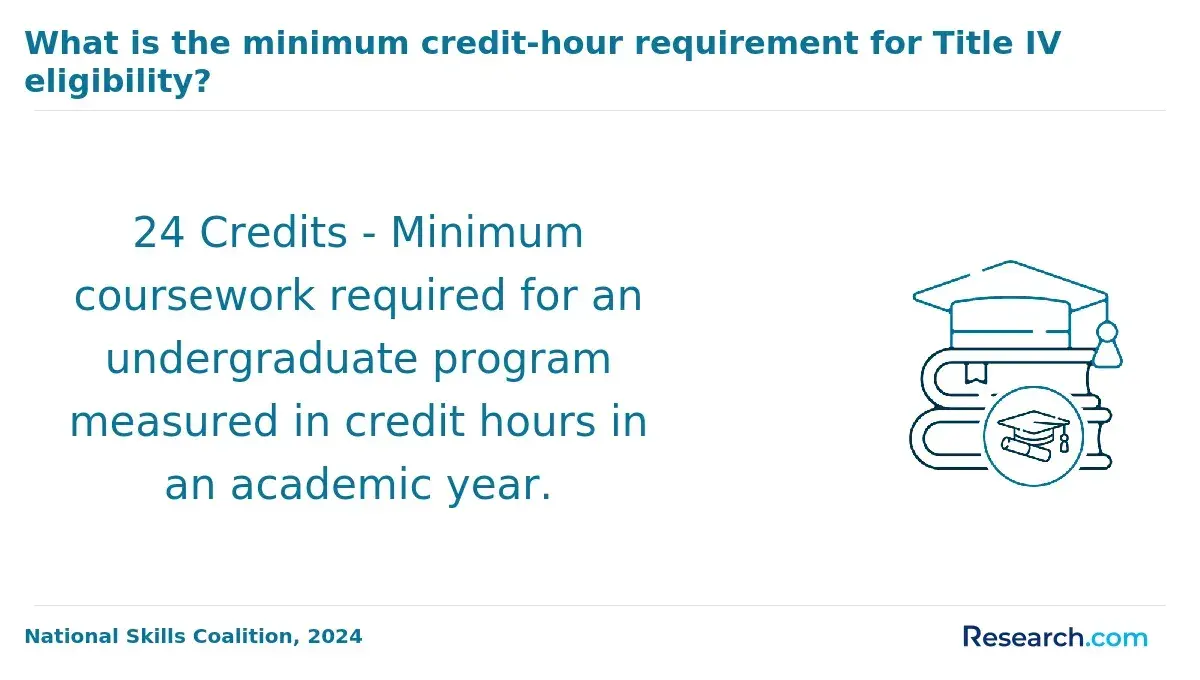
- Core Coursework: Undergraduate public policy degrees generally require 120 to 130 total credit hours, with a substantial portion dedicated to core classes. These foundational courses cover topics like policy analysis, economics, statistics, and governance, providing a broad understanding essential for the field. Graduate programs usually require 36 to 48 credit hours, focusing more intensively on specialized subjects.
- Electives: Both undergraduate and graduate degrees include electives that allow students to explore specific interests such as environmental policy, health policy, or urban planning. These courses enable customization based on career goals and academic interests, often making up 20% to 30% of total credit hours.
- Experiential Learning: Practical components like internships, practicums, capstone projects, or theses provide valuable real-world experience and applied skills. These elements are integrated differently depending on the program but are vital for career readiness, often accounting for elective credit or separate credit requirements.
Students searching for flexible scheduling might consider accelerated programs such as accelerated online bachelor degree programs, which can reduce the time needed to complete the required credit hours.
Understanding the public policy degree credit hour requirements helps students make informed decisions and plan efficiently for their academic and professional futures.
How Does Public Policy Coursework Prepare Students for Careers?
Public policy degree coursework builds critical skills and applied knowledge that prepare students for success in various career paths. The curriculum emphasizes real-world problem solving and strategic thinking, equipping graduates with abilities adaptable across sectors.
Employment in social and community service occupations, where policy expertise is essential, is projected to grow 12% from 2022 to 2032.
- Skill development: Coursework focuses on enhancing critical thinking, data interpretation, and stakeholder communication skills. These competencies enable graduates to analyze complex policy issues and effectively convey findings to diverse audiences, a key asset in any career path involving public or private sectors.
- Applied projects: Many programs incorporate case studies, simulations, or internships that replicate workplace challenges. This practical experience allows students to apply theoretical knowledge, fostering problem-solving skills and demonstrating immediate value to employers.
- Analytical tools and technologies: Public policy curricula often include training in data analysis software and research methodologies. Mastery of these tools prepares students to handle data-driven tasks, enhancing their effectiveness in roles such as policy analysis and program evaluation.
- Professional networking: Interaction with peers, faculty, and industry professionals through seminars and internship opportunities builds a valuable network. These connections can open doors to career opportunities and professional development within the field.
- Career opportunities with a public policy degree: Graduates find roles in government agencies, non-profits, consultancy firms, and corporate social responsibility divisions. The diverse skill set gained through coursework makes them competitive candidates for positions requiring strategic decision-making and policy management.
When considering how to finance a public policy degree, prospective students should explore their employer's tuition reimbursement options. Demonstrating how the degree improves career readiness through enhanced skills and applied knowledge can be persuasive.
For those weighing study options, researching affordable programs can be helpful; for instance, many online colleges offer cost-effective pathways accommodating working professionals.
How Does Public Policy Coursework Affect Salary Potential After Graduation?
Completing coursework in public policy can meaningfully enhance your earning prospects by providing specialized expertise and practical abilities that employers highly value. Studies show that graduates who focus on advanced courses in policy analysis or management often see a 10-15% increase in salary compared to those with more general credentials.
Key aspects of public policy coursework that contribute to increased salary potential include:
- Development of In-Demand Analytical Skills: Coursework emphasizes quantitative methods and data evaluation, equipping you with skills increasingly required by employers across sectors. Mastery of these tools enhances your value in roles that prioritize evidence-based decision-making.
- Completion of Specialized Advanced Courses: Engaging deeply with subjects like policy analysis or program evaluation demonstrates expertise that differentiates you in a competitive job market, often leading to higher starting salaries and faster promotions.
- Leadership and Management Training: Classes focused on leadership prepare graduates for supervisory and administrative positions, expanding the scope of potential job roles and boosting compensation through demonstrated managerial capabilities.
- Applied Learning Experiences: Practicums, internships, and capstone projects provide hands-on experience solving real-world problems, making resumes stronger and signaling readiness to employers for complex responsibilities tied to better pay.
- Preparation for Professional Certifications: Coursework aligned with certification requirements can help validate your skills formally, making you eligible for roles with higher salaries and increased professional recognition.
These educational elements not only improve your resume but also help forge professional connections and practical insights that employers reward with enhanced job opportunities and salary growth over time.
What Graduates Say About Their Public Policy Degree Coursework
- Selene: "The public policy degree program was an excellent investment despite the average cost of attendance being a bit steep. Taking the coursework online allowed me to balance my job and studies effectively, and the real-world policy applications I learned have directly propelled my career forward. I couldn't be happier with how this program enriched my professional life."
- Agnes: "Reflecting on my time in the public policy coursework, I appreciate how the moderate tuition fees provided strong value. Although I attended classes on-campus, the in-depth discussions and networking opportunities truly enhanced my understanding of policy challenges and solutions. This foundation has shaped my approach to leadership in government roles."
- Susan: "From a professional standpoint, the public policy degree coursework was worth every dollar of the investment, even with average costs considered. The flexibility of the online format gave me the freedom to apply concepts directly to my consulting work, elevating my strategic thinking and client outcomes. This degree has been pivotal in advancing my expertise in the field."
Other Things You Should Know About Public Policy Degrees
Classes on ethics and governance are common in public policy curricula because they address fundamental issues of accountability and decision-making. Students learn about the ethical considerations involved in policy development and the structures of government agencies.
This coursework fosters critical thinking about the social responsibilities of policymakers and the impact of governance on communities.
Yes, in 2027, public policy courses often include quantitative and statistical methods. These classes equip students with analytical skills necessary for assessing data, understanding economic models, and evaluating policy outcomes, which are crucial for effective policy-making and analysis.
Yes, communication and leadership are integral components of many public policy programs. Courses often focus on policy writing, public speaking, and negotiation to prepare students for stakeholder engagement and advocacy.
Leadership training helps students build the skills necessary to influence policy outcomes and lead teams effectively in government or nonprofit sectors.
References
- What Are the Benefits of a Public Policy Degree? https://www.ivywise.com/ivywise-knowledgebase/what-are-the-benefits-of-a-public-policy-degree/
- Master of Public Policy - School of Public Policy https://publicpolicy.psu.edu/graduate-programs/mpp/
- Public Policy Major - Cornell Brooks Public Policy https://www.publicpolicy.cornell.edu/undergraduate/study/public-policy/
- Online courses vs. face-to-face learning - Penn State World Campus https://www.worldcampus.psu.edu/about-us/news-and-features/online-courses-vs-face-to-face-learning
- Master of Arts in Public Policy https://www.ceu.edu/academics/degrees/ma-public-policy
- Career Opportunities With a Master’s in Public Policy - Top Salaries & Positions https://publicpolicy.pepperdine.edu/blog/posts/career-opportunities-with-a-masters-in-public-policy.htm
- Internship Requirements https://www.gettysburg.edu/academic-programs/public-policy/programs/internship-requirements.dot
- What are the options for a senior project and what is a capstone course? - Yale Jackson School of Global Affairs https://jackson.yale.edu/faq/what-is-a-capstone-course/
- The Public Policy Process https://unu.edu/merit/course/public-policy-process
- Course Descriptions Public Policy program https://mountsaintvincent.edu/academics/undergraduate-college/areas-of-study/all-areas-of-study/ba-public-policy/course-descriptions/


