2027 Online Economics Degree Programs Costs: Tuition & Fees

Co-Founder and Chief Data Scientist
Pursuing an online degree in Economics involves significant financial investment, with tuition and fees often shaping a student's budgeting and long-term planning. Higher education costs encompass not only tuition but also technology fees, course materials, and other expenses, which vary widely by institution.
Understanding these costs is essential for prospective students aiming to balance quality education with affordability. This article explores typical tuition ranges for online Economics programs, breaks down common fees, compares affordability across different types of schools, and highlights financial aid options to support students in managing expenses.
Key Points About Online Economics Degree Costs
- Average tuition for online Economics degrees ranges from $15,000 to $50,000, varying by institution type and program length.
- Costs are influenced by factors such as residency status, credit load, and access to specialized resources.
- Higher costs often reflect strong faculty, career services, and networking opportunities essential for Economics careers.
What Is the Average Cost of an Online Economics Degree?
The average tuition for online Economics degrees in 2025 typically falls between $30,000 and $70,000 for a full bachelor's program, depending on credit requirements and school. Per credit hour, costs range from about $250 to $600, with annual tuition fees anywhere from $9,000 up to $35,000 based on residency and institution type.
Costs vary significantly by degree level and whether the school is public or private. For a bachelor's degree, in-state students at public universities pay around $40,536 on average, while out-of-state students face higher fees near $59,011. Private colleges often charge approximately $63,185 for the entire undergraduate program. Master's degrees in Economics online can cost as little as $8,000 at some public universities, but elite private institutions may exceed $50,000, with most programs staying below $20,000.
Economics programs generally align in pricing with similar online degrees in business or social sciences. Differences in tuition mainly reflect the institution's status and student residency rather than subject-specific costs, making Economics a competitive choice among related fields regarding affordability and value.
What Is Typically Included in the Tuition for an Online Economics Degree?
Tuition for an online Economics degree typically includes core academic instruction delivered through a university's digital platform. This often encompasses lectures, assignments, and evaluations, alongside essential academic support like access to faculty, advising, and tutoring services. Additionally, students benefit from the necessary technology infrastructure such as learning management systems and digital submission tools.
Most programs also cover key resources and services crucial for student success. These commonly included features assist learners throughout their studies and provide critical access to digital content and university facilities.
- Instructional materials: Programs usually offer digital resources, including e-books, journal access, and case studies relevant to Economics, ensuring students have current market data and research.
- Student services: Enrollment processes, course registration, and basic career guidance are generally included in tuition fees.
- Library access: Online learners are typically granted full use of university digital libraries, which is vital for research-intensive Economics courses.
However, some costs may fall outside tuition coverage. These often include required textbooks or printed resources not provided digitally, fees for proctored examinations, and charges related to graduation processing such as diploma issuance. Understanding these additional expenses helps students plan their overall budget effectively.
What Factors Influence the Cost of Pursuing an Online Economics Degree?
The cost of an online Economics degree varies widely due to multiple important factors. Understanding these can help potential students budget effectively and select a program that fits their financial and educational goals. Here are five key factors affecting online Economics degree tuition and expenses.
- Type of school: Public universities usually offer lower per-credit rates than private institutions, with costs ranging from $200 to $660 per credit. This means a full 120-credit bachelor's program might cost between $24,000 and $79,200 depending on the institution's pricing structure.
- Residency status: Tuition can differ widely based on whether a student is in-state or out-of-state. However, many online programs adopt a flat online rate regardless of location, which can influence the online economics degree cost by state.
- Credit-hour requirements and program length: Programs that allow transfer credits or offer accelerated paths can reduce total tuition by shortening the time needed to complete the degree.
- Additional fees: Beyond tuition, technology fees and costs for access to online learning platforms are common. Some schools also include fees for student support services like advising, library access, and career centers, which add value but can increase overall costs.
- School reputation and faculty credentials: Highly ranked and accredited programs often charge more due to their academic quality and stronger career outcomes. Specialized tracks or dual degrees, such as an MBA combined with Economics, typically come with higher tuition but may improve earning potential after graduation.
For those exploring affordable pathways, it can be helpful to consider short certificate programs that pay well as alternatives or supplements to a full degree.
Are Online Economics Programs Cheaper Than Traditional Programs?
Online Economics degree programs generally offer a more affordable path compared to traditional on-campus programs for many students in 2025. Understanding the cost comparison online vs traditional Economics degree options is crucial for prospective students evaluating their educational investment.
Most universities provide lower tuition rates for online students, with total program costs at affordable schools like Georgia Southern or Missouri State starting near $5,500 and rarely exceeding $20,000. By contrast, on-campus Economics master's programs often cost between $20,000 and $30,000, especially for out-of-state students attending public universities.
One major reason why is online Economics degree cheaper than campus options is that online students avoid many campus-based fees such as health services, athletic, transportation, and activity fees, saving hundreds to thousands annually. Additionally, online learners eliminate expenses for housing, commuting, and relocation.
While some prestigious online programs like Johns Hopkins might charge as much or more than traditional programs, these cases are exceptions. For most students, online degrees offer significant tuition and total cost savings. Those hoping to identify the easiest master degree to get may also find online Economics programs a financially accessible choice without sacrificing quality.
Are There In-state and Out-of-state Tuition for Online Economics Programs?
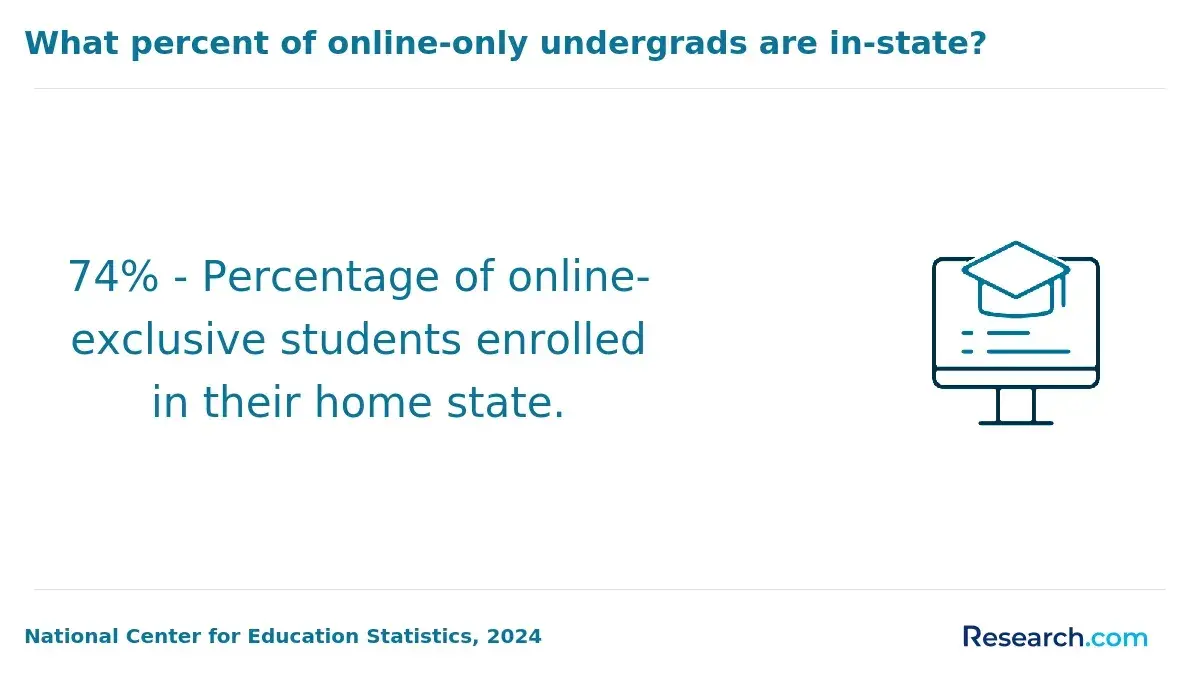
Tuition costs for online Economics degrees vary significantly depending on your residency status and the policies of each institution. Understanding these differences is crucial for budgeting your education expenses accurately. Many public universities apply different tuition rates for in-state and out-of-state students, even for online programs.
For instance, some schools, like the University of Florida, charge residents a lower rate per credit hour compared to non-residents, with a notable disparity in pricing. Other institutions, including the University of Central Florida, also impose higher fees on out-of-state students enrolled in their online Economics graduate courses. However, this is not a universal rule.
Some universities adopt a uniform tuition rate for all online students regardless of where they live. The University of Missouri, for example, offers a flat tuition rate for its online master's in Economics. Additionally, regional tuition agreements sometimes provide reduced rates for students from neighboring states. It's always advisable to verify the specific tuition policy with your chosen university before making enrollment decisions to avoid unexpected costs.
Which Schools Offer the Most Affordable Economics Degree Programs?
Many students interested in economics seek programs that combine quality education with affordability. Online options have broadened access, offering flexible schedules and competitive pricing. Identifying the most affordable online economics degree programs can help prospective learners manage costs effectively.
Below are three universities known for offering some of the cheapest online economics bachelor's degrees, each providing distinctive curriculum options and financial benefits.
- Utah State University: This university offers one of the lowest tuition rates for an online economics degree, with annual tuition around $8,042. Students may choose between a BA or BS track and focus on areas such as pre-law economics or international economics and trade. High-achieving entrants may also qualify for full-tuition scholarships, lowering expenses further.
- East Tennessee State University: Offering an online BA in Economics at a net price of approximately $11,062 annually, the program includes concentrations like International Commerce that allow for tailored academic paths without extra fees.
- Fort Hays State University: Known for its flexible online format, this university provides a BBA in International Business and Economics at a net cost near $12,420 per year. The curriculum integrates core business training with specialized economics coursework, maintaining affordability.
These schools stand out for their flat-rate pricing models, minimized extra costs for online students, and ample scholarship possibilities. For those weighing affordable online economics degree options, these programs offer significant value. Students interested in accelerating their education might also explore a fast associates degree as a potential step forward in their academic journey.
Which Schools Offer the Most Expensive Economics Degree Programs?
Many of the most expensive online Economics degree programs in the US are offered by prestigious universities known for their academic rigor and faculty expertise. These programs often justify their high tuition by providing access to renowned economists and extensive student resources. Prospective students should be aware of the cost differences among institutions when considering enrollment.
Below are some examples of the highest tuition online Economics bachelor's programs, highlighting both tuition rates and program features.
- New York University (NYU): The undergraduate Economics program at NYU costs around $60,438 per year for full-time students. Its location in New York City and strong academic reputation contribute to the premium price.
- University of Michigan-Ann Arbor: Out-of-state tuition for Economics undergraduates reaches approximately $58,072 annually. The university is known for its research-driven curriculum and faculty expertise in economic analysis and policy.
- University of California, San Diego: This program charges about $46,042 per year and offers students opportunities to engage with leading economists and interdisciplinary coursework.
Other costly online Economics degrees include the University of California, Davis and University of California, Berkeley, both with tuition near $46,000 per year. These institutions attract students seeking high-caliber programs backed by faculty research production and extensive alumni networks. For those exploring options, reviewing quick degrees that pay well can provide additional insight into cost versus career outcomes.
How Long Does It Take to See a Return on an Online Economics Degree?
Investing in an online economics degree involves weighing education costs against future earnings. Understanding when you might see a return on investment (ROI) is essential for making informed decisions about pursuing this path.
Typically, graduates recover their education expenses within five years after starting their careers. This estimate compares an average starting salary of around $85,700 to total educational costs near $243,000, which includes tuition and fees. Economics majors tend to earn a median income of about $101,400, roughly one-third higher than the average for all bachelor's degree holders, improving the speed of payback.
Several elements influence this timeline. Continuing education, such as a master's degree in economics, can increase earnings by roughly 36%, while job opportunities in economics and data analysis fields are expected to expand by about 35%, further enhancing income potential. However, factors like student loan amounts, selected institutions, and career choices can affect how quickly graduates recoup their investments, with higher debt or extended studies often lengthening the ROI period.
Are Online Economics Students Eligible for Financial Aid?
Online Economics students are generally eligible for financial aid if enrolled in an accredited program and meeting standard requirements, which often include maintaining satisfactory academic progress. Eligibility typically requires U.S. citizenship or eligible noncitizen status. Many students gain access to various support options such as federal financial aid for online economics programs and employer tuition reimbursement.
To qualify for most federal and state assistance, students must complete the Free Application for Federal Student Aid (FAFSA). This form determines eligibility for grants, loans, and scholarships for online economics degree scholarships in the United States. Some state programs and universities also offer additional education funding for Economics majors.
- Federal Pell Grants: For the 2025-26 school year, the maximum Pell Grant is $7,395. Eligibility is based on financial need and enrollment status, providing partial to full tuition coverage.
- Federal Loans: These offer lower interest rates and more flexible repayment terms than private loans, making them an accessible financing option for many online Economics students.
- Institutional Grants and Scholarships: Many universities and private organizations grant funding based on merit, financial need, or both, specifically targeting Economics majors.
Additionally, some students may benefit from dual degree program opportunities that can increase financial aid options. State grants and private scholarships sponsored by community organizations also provide vital funding resources. Employer tuition assistance programs often support students whose Economics degrees align with their job roles.
Are Online Economics Programs Expected to Increase in the Coming Years?
Online degrees in Economics offer flexibility and accessibility for many students seeking to advance their education remotely. Understanding the cost implications is crucial for prospective enrollees to plan their finances effectively.
Tuition fees for online Economics programs vary widely depending on the institution, degree level, and residency status. Generally, public universities offer more affordable rates, especially for in-state students, with costs often ranging from a few thousand dollars to over $15,000 per year. Private institutions tend to charge higher tuition, sometimes exceeding $30,000 annually. These programs typically include fees for technology and course materials, which can affect the total cost.
Projections indicate that online tuition rates will continue to increase steadily but at a slower pace compared to traditional on-campus programs. Many universities are expanding their digital course offerings, creating more competition and potentially moderating price surges. Financial aid, scholarships, and employer tuition reimbursement programs can further reduce the net expense for qualified students pursuing an online Economics degree.
What Students Say About The Cost of Pursuing Online Economics Programs
- Eli: "The professional benefits of completing my online Economics degree far outweighed the costs, which were surprisingly manageable for an advanced program. I appreciated the flexibility to study while continuing my job, which meant I didn't lose income. This degree has been a smart financial and career move that I'm proud to have pursued."
- Alexis: "Choosing an online Economics program made sense financially and personally. The cost was much lower than I anticipated, which eased my worries about funding my education. Reflecting on the experience, the degree has opened doors that made the investment well worth it despite the challenges of balancing work and studies."
- Cathy: "Pursuing my online Economics degree was a game-changer for my career, especially considering the affordable cost compared to traditional programs. The tuition was reasonable, and I've already seen a significant return on investment through better job opportunities and salary growth. I highly recommend this path for anyone looking to enhance their career without the burden of excessive debt."
Other Things You Should Know About Economics Degree Program Costs
In 2027, undergraduate online Economics degree programs generally have lower tuition compared to graduate programs. Undergraduate programs can range from $300 to $600 per credit, while graduate programs often fall between $500 and $1,200 per credit. It's essential for prospective students to verify costs directly with institutions.
Financial aid for online Economics degree programs in 2027 may include federal loans, scholarships, and grants. Students should complete the FAFSA to determine eligibility for federal aid and research institutional scholarships specific to economics studies to offset tuition costs.
References
- Tuition & Total Cost of Attendance - UMD Master of Science in Applied Economics https://masters.econ.umd.edu/tuition-cost-attendance/
- Can Online Learning Bend the Higher Education Cost Curve? https://www.aeaweb.org/articles
- Four Types of Financial Aid to Help Pay for College https://online.champlain.edu/blog/types-of-financial-aid
- Best Online Economics Degrees of 2025 https://www.forbes.com/advisor/education/science/best-online-economics-degree-programs/
- Tuition fees https://moderna.edu.pl/tuition-fees/ O
- nline Medical Billing and Coding https://www.ashland.edu/online-medical-billing-and-coding
- Programme Tuition and Financial Support https://onlinecourses.london.ac.uk/admissions/tuition-financial-aid/