
2027 Is Demand for International Relations Degree Graduates Growing or Declining?

Co-Founder and Chief Data Scientist
Recent graduates with an international relations degree often face uncertainty when evaluating career prospects amid shifting global priorities. For example, a 2023 survey found that only 58% of international relations graduates secured jobs related to their field within two years of graduation. This creates challenges in identifying which sectors are expanding and which are contracting.
Understanding these trends is critical for making informed decisions about education and career pathways. This article examines current demand patterns for international relations degree holders, analyzing employment data and industry developments to help readers navigate evolving market conditions effectively.
Key Things to Know About the Demand for International Relations Degree Graduates
- Employment in international relations increasingly favors graduates with skills in data analysis and cybersecurity, aligning with global diplomatic and security priorities.
- Projected job growth in international relations roles is moderate at around 4% annually, reflecting steady demand in government and nonprofit sectors.
- Specializing in subfields like environmental diplomacy or global health enhances career prospects due to evolving international challenges and funding priorities.
What Factors Are Driving Demand for International Relations Degree Professionals?
Identifying the key factors that drive workforce demand enables prospective students to evaluate the long-term value and stability of an international relations degree. Several core forces shape hiring trends and employment opportunities in this field.
- Industry Growth: Expansion in diplomacy, global nonprofits, and international organizations is fueled by increased global cooperation and complex geopolitical challenges. This growth sustains demand for professionals skilled in navigating multinational environments and managing diverse stakeholders.
- Technological Advancement: Employers increasingly seek candidates proficient in data analysis, cybersecurity, and digital communication tools. Integrating technology with traditional diplomatic skills significantly enhances the employability of graduates.
- Regulatory and Policy Changes: Shifts in international trade, climate policies, and security regulations create ongoing demand for specialists who understand evolving legal and compliance frameworks in a global context.
- Demographic Shifts: Migration patterns and population growth in emerging markets increase the need for international relations experts capable of managing cross-cultural engagement and humanitarian efforts, reflecting important social changes.
- Evolving Employer Skill Requirements: An interdisciplinary knowledge base-including economics, environmental science, and regional studies-combined with language proficiency and negotiation skills better prepares graduates for a competitive market. Choosing accredited international relations degree programs in the US ensures training aligned with these demands.
Students interested in related fields may also explore MSW programs, which complement social and humanitarian aspects of international relations careers.
Which International Relations Occupations Are Seeing the Highest Growth Rates?
Growth rates are a crucial indicator for students evaluating career paths within international relations, as they highlight fields with expanding opportunities and long-term stability. The U.S. Bureau of Labor Statistics projects that employment in professional and business services will grow by 9% from 2022 to 2032, reflecting robust demand across multiple sectors. This economic expansion influences which roles in international relations are expected to experience significant growth.
- International Development Specialists: These professionals are projected to see growth rates of around 10% over the next decade, driven by expanding global aid initiatives and an increased focus on sustainable development. A bachelor's degree in international relations or a related field is typically required.
- Cybersecurity Policy Advisors: Demand for these experts is rising sharply as governments and multinational organizations bolster their digital defenses, with growth near 12%. Their work often requires knowledge of cybersecurity and international law, usually supported by advanced degrees or certifications.
- Intelligence Analysts: Critical for national security and global intelligence operations, intelligence analysts benefit from favorable job prospects due to geopolitical complexities. A background in international relations combined with skills in data analysis or security studies is commonly sought.
- Foreign Affairs Analysts: Tasked with analyzing diplomatic and economic trends, these analysts support government and private sector decision-making. Growth is fueled by increasing globalization, with positions typically requiring at least a bachelor's degree.
- Global Risk Consultants: These consultants evaluate risks related to political, economic, and security changes worldwide. Demand is increasing as organizations seek to navigate complex international environments, often requiring a master's degree in international relations or a related discipline.
Students interested in high-growth international relations jobs in the United States can also enhance their qualifications through online degrees in counseling, which complement skills in conflict resolution and cross-cultural communication. Exploring the fastest growing international relations occupations globally can help align academic choices with emerging market needs.
Which Industries Hire the Most International Relations Degree Graduates?
Knowing which industries most actively hire international relations graduates enables students to better gauge their career prospects and the stability of different job markets. Several key sectors consistently seek the skills these graduates offer. Here are some of the main industries they enter:
- Government and Public Sector: Diplomacy, intelligence, and policy analysis roles are common in federal, state, and local governments. The demand stems from the need for expertise in managing foreign affairs and national security challenges.
- International Organizations: Institutions like the United Nations and World Bank employ international relations experts to oversee global development initiatives, facilitate coordination among countries, and advance peacekeeping missions.
- Non-Governmental Organizations (NGOs): Graduates often work with NGOs focused on humanitarian relief, environmental advocacy, and human rights, where they help manage programs, research issues, and promote international causes.
- Private Sector and Multinational Corporations: Businesses operating worldwide seek graduates with cross-cultural communication and geopolitical insight for roles in international business strategy, compliance, and corporate social responsibility.
- Media and Journalism: Specialized news agencies and research institutes hire graduates to deliver informed commentary and analysis on global political events and trends.
The knowledge and skills gained through international relations studies prepare graduates to engage effectively in complex global environments, making them valuable across these diverse fields.
How Do International Relations Job Opportunities Vary by State or Region?
Job prospects for international relations graduates differ widely based on geographic location due to regional economic priorities and the presence of relevant institutions. Understanding these differences is important for evaluating career opportunities, as several regional factors impact demand for experts in the field.
- High-Demand States: Areas such as Washington, D.C., Virginia, and New York accommodate numerous federal agencies, international nonprofits, and diplomatic organizations, resulting in strong job markets for international relations professionals.
- Regional Industry Concentration: States with active international trade sectors, like California and Texas, often require specialists in foreign policy and cross-border affairs, reflecting a localized need driven by economic ties.
- Urban vs. Rural Variations: Metropolitan regions offer a broader range of roles and networking possibilities, while rural locales typically have fewer positions, making metropolitan areas preferable for career advancement.
- Cost-of-Living Factors: Although urban centers frequently provide more job openings, they also feature higher living expenses, which graduates must balance against compensation levels when choosing where to work.
- Remote and Hybrid Work: Expanding telecommuting options are increasing access to positions beyond traditional hubs, though competition remains considerable and may require adaptable skill sets.
Data from the U.S. Bureau of Labor Statistics indicates that metropolitan areas generally show elevated employment rates for professions closely related to international relations, such as political analysts. This underscores the critical role location plays in shaping access to opportunities and career trajectories.
How Does Degree Level Affect Employability in International Relations Fields?
The level of education-such as a bachelor's, master's, or doctorate-significantly impacts employment prospects, career advancement, and competitiveness within international relations fields. Different degrees open distinct pathways and influence job opportunities in diverse ways.
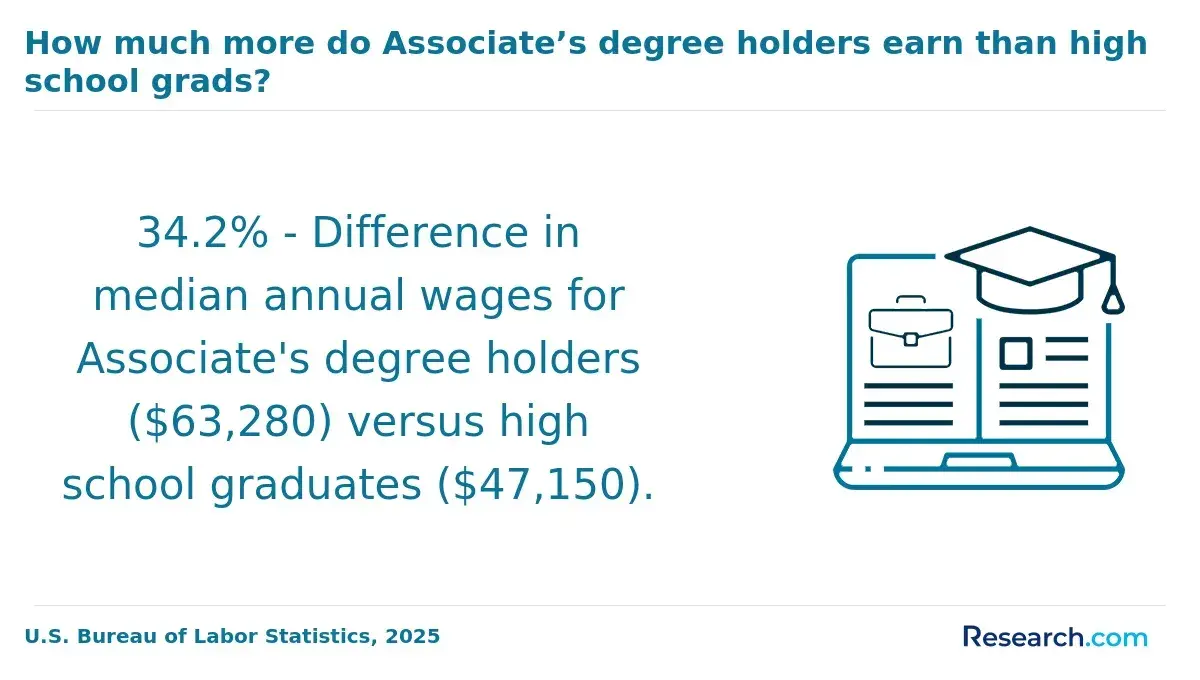
- Associate Degree: Often leads to entry-level support or administrative positions, with limited competitiveness due to a shorter curriculum and less specialized training in the international relations field.
- Bachelor's Degree: Serves as the foundational qualification for many roles, including policy analysis, research assistance, and government agency work; while it grants access to various positions, graduates frequently encounter strong competition.
- Master's Degree: Increases employability by qualifying candidates for specialized roles in diplomacy, international organizations, and high-level policy advising. Advanced degrees and job prospects in international relations fields improve substantially at this level, often yielding better salaries and career growth. Those interested in expanding their credentials may also consider pursuing an online psychology masters for related interdisciplinary skills.
- Doctorate Degree: Primarily suited for academic careers, senior research roles, and expert consultancies, this degree demands an emphasis on original research and publication, making the job market highly competitive but rewarding for specialists.
Overall, how degree level impacts employability in international relations careers reveals that advancing beyond a bachelor's degree generally unlocks more complex and higher-paying opportunities within the sector.
What Skills Are Employers Seeking in International Relations Graduates?
Recognizing the skills employers prioritize helps international relations graduates prepare effectively for the workforce and enhances their ability to compete in global job markets. The following core competencies are commonly sought after in this field.
- Analytical Thinking: Crucial for dissecting complex geopolitical events, this skill allows professionals to critically evaluate information and develop strategic policy advice grounded in solid evidence.
- Cross-Cultural Communication: This ability promotes clear and respectful dialogue with diverse international audiences, improving negotiation outcomes and fostering diplomatic relationships.
- Foreign Language Proficiency: Mastery of additional languages opens doors to broader international engagement and reveals cultural subtleties vital for effective collaboration.
- Research Expertise: Gathering credible data and interpreting global trends underpin informed decision-making and policy formulation in dynamic international settings.
- Problem-Solving Abilities: Navigating unpredictable global challenges creatively while adjusting approaches ensures adaptability and responsiveness in fast-evolving environments.
- Project Management: Organizing resources, timelines, and team efforts across multinational projects is essential for delivering coordinated results in international initiatives.
When discussing what skills employers value, a graduate of an international relations program shared his experience navigating initial career steps. He emphasized the emotional challenge of transitioning theory into practice, noting, "Understanding the theory was one thing, but applying it in real-world scenarios took patience and continuous learning." He recalled situations where adaptability and effective teamwork were tested, requiring him to quickly adjust strategies while maintaining communication across cultures. These moments reinforced for him how essential interpersonal skills and perseverance truly are in this field.
How Does Job Demand Affect International Relations Graduate Salaries?
Fluctuations in job demand directly impact starting salaries, wage growth, and long-term earning potential for international relations graduates. For example, the U.S. Bureau of Labor Statistics projects employment in related roles to grow about 5% from 2022 to 2032, suggesting modest but steady salary increases. The following points highlight how demand influences compensation in this field.
- Job Market Tightness: When demand exceeds supply, scarce skills command premium wages. Employers compete to attract qualified international relations graduates, often driving starting salaries higher in competitive sectors like government and global organizations.
- Budget Constraints: Industry-wide financial limitations can suppress starting salary offers despite rising demand. Non-profit organizations and smaller agencies may offer lower wages than corporate or government roles due to tighter budgets, affecting overall earning potential.
- Geographic Variations: Regional differences in demand lead to significant salary disparities. Urban centers with a high concentration of international entities tend to offer better compensation compared to areas with fewer related job opportunities.
- Wage Growth Over Time: Strong labor markets facilitate faster salary increases as professionals gain experience and negotiate higher pay. Conversely, weak demand slows wage progression, limiting the benefits of accumulated expertise for international relations graduates.
These dynamics illustrate how labor market conditions, supply and demand balance, and industry factors shape the financial outlook for international relations degree holders.
How Is AI Changing Demand for International Relations Professionals?
Advancements in artificial intelligence (AI) are transforming workforce demands within international relations, with 68% of global institutions planning to expand AI-focused hiring over the next five years. These changes are reshaping the profession in several critical ways.
- Task Automation: AI handles repetitive data analysis and monitoring, reducing the need for manual information gathering. However, this shift increases demand for professionals skilled in interpreting AI outputs and delivering nuanced insights.
- Emerging Specializations: New roles focused on AI ethics, cybersecurity, and algorithmic governance are developing. Experts who combine diplomatic knowledge with technological proficiency are becoming increasingly sought after.
- Evolving Skillsets: Employers prioritize interdisciplinary abilities that blend political expertise with technical literacy. Professionals adept at navigating AI tools and understanding their geopolitical effects enjoy greater job security and advancement opportunities.
- Industry Hiring Shifts: More openings appear in governmental agencies, think tanks, and multinational organizations concentrating on AI policy and regulation, reflecting broader changes in recruitment patterns.
When asked about her experience, a recent international relations graduate shared how adapting to AI changes was initially daunting. "Understanding AI's role felt overwhelming, especially balancing diplomacy and tech," she said. She described the learning curve in mastering AI analysis software and the challenge of translating complex algorithmic outputs into strategic advice. Yet, this fusion of skills now defines her daily work, and she expressed optimism about career prospects: "Being able to bridge these worlds makes me confident about where the field is headed." Her story highlights how embracing AI's influence can open new pathways rather than limit opportunities.
Is International Relations Considered a Stable Long-Term Career?
Long-term career stability is an important consideration for students and professionals evaluating international relations career paths. Several key factors influence whether this field offers steady employment and growth opportunities over time.
- Long-Term Employment Trends: Consistent demand exists for international relations graduates within government agencies, international organizations, and private sector firms involved in global affairs. This steady need supports favorable long-term career prospects for international relations graduates across multiple sectors.
- Industry Reliance: Many institutions depend heavily on specialists with expertise in diplomacy, trade negotiations, and security. This reliance ensures sustained job opportunities and dedicated budgets, reinforcing job stability in international relations careers in North America and beyond.
- Adaptability to Change: Although automation and digital tools are transforming many industries, the nuanced nature of diplomacy and cultural understanding limits full replacement by technology. Professionals who adopt new communication technologies and data analysis can maintain relevance and enhance their value.
- Career Advancement and Reskilling: Continuing education, language training, and leadership programs enable international relations professionals to pivot toward emerging roles such as global risk management or environmental policy. Access to these development opportunities further supports career resilience.
For prospective students seeking to enter this stable career field, pursuing an affordable online bachelor degree programs in international relations can be a strategic first step, providing both foundational knowledge and flexible learning options.
Is a International Relations Degree Worth It Given the Current Job Demand?
Current labor market data indicates that the job outlook for international relations graduates in the US is generally steady yet competitive. The U.S. Bureau of Labor Statistics forecasts moderate growth in fields commonly linked to this degree, such as government agencies, diplomatic services, international organizations, and nonprofit sectors. However, hiring trends often fluctuate due to geopolitical developments, changing federal funding priorities, and budget constraints.
As a result, demand in these areas is sensitive to external factors that can impact employment opportunities. Career prospects for international relations degree holders largely depend on the degree level, specialized skills, and alignment with industry needs. Employers favor candidates who enhance their education with expertise in areas like policy analysis, foreign languages, or economics.
Graduates who pursue advanced degrees or gain relevant experience tend to have stronger employment prospects, especially beyond entry-level roles like research assistance or program coordination. Students should consider developing skills in data analysis or cybersecurity to better match evolving demands, and exploring roles in private companies with global operations can broaden career options. For those seeking flexible education routes, 1 year master's programs online may offer a timely pathway to gain competitive credentials.
What Graduates Say About the Demand for Their International Relations Degree
- Troy: "Choosing to study international relations was a turning point for me. The broad curriculum helped me understand complex global issues, which has proven invaluable in my role as a policy analyst. The degree's return on investment was clear as I quickly moved into a position with increased responsibility and salary. "
- Daphne: "Reflecting on my decision to pursue international relations, I appreciate how it broadened my worldview and sharpened my critical thinking skills. While the financial payoff took some time, the deeper value lies in the versatile career paths it opened, from diplomacy to nonprofit work. This degree has been a lasting foundation for my professional growth."
- Chester: "My international relations degree has been a strategic asset in my career, particularly in international business negotiations. The analytical tools and cultural insights I gained were decisive for advancing in a competitive field. Choosing this major was both a pragmatic and inspiring choice, yielding significant professional and personal rewards."
Other Things You Should Know About International Relations Degrees
In 2027, demand for international relations graduates is highest in regions like North America and Europe, driven by their strong international organizations and diplomatic hubs. Graduates should focus on these areas for better employment opportunities in global affairs and diplomacy sectors.
In 2027, internships are crucial for international relations graduates aiming to secure employment. They provide practical experience, networking opportunities, and a deeper understanding of global dynamics, which enhances employability in a competitive job market.
Graduates can enhance their profiles with certifications in foreign languages, project management, and data analysis. Specialized programs in diplomacy or global trade can also provide a competitive edge, making them more attractive to employers seeking versatile skill sets in 2027.
References
- The Impact of AI on Diplomacy and International Relations, Brussels | LIBRe Foundation https://libreresearchgroup.org/en/a/the-impact-of-ai-on-diplomacy-and-international-relations-brussels
- Why will AI enhance, not replace, human diplomacy? - Diplo https://www.diplomacy.edu/blog/why-ai-will-enhance-not-replace-human-diplomacy/
- Artificial Intelligence: Redefining Diplomacy in the Digital Age https://www.hermescse.eu/en/artificial-intelligence-redefining-diplomacy-in-the-digital-age/
- The impact of artificial intelligence on international relations https://democraticac.de/
- Key Skills Needed for a Career in International Relations and Diplomacy https://www.schiller.edu/blog/key-skills-for-career-in-international-relations-and-diplomacy/
- Top Skills Employers Look for in International Graduates https://tgmeducation.com/top-skills-employers-look-for-in-international-graduates/
- Vacancies for "international relations" | UNjobs https://unjobs.org/skills/international-relations
- Guide to IR Jobs — Keck Center for International and Strategic Studies https://www.cmckeckcenter.org/guide-to-jobs
- Top 10 Careers in International Relations | University of Aberdeen International Study Centre https://www.aberdeen-isc.ac.uk/blog/top-10-careers-in-international-relations
- What Can You Do With An International Relations Degree? https://www.immerse.education/career-exploration/international-relations/careers-in-international-relations/


