
2027 Is Demand for Political Communication Degree Graduates Growing or Declining?

Co-Founder and Chief Data Scientist
Imagine graduating with a political communication degree only to find limited job openings in your preferred field. Many graduates face this uncertainty as the industry evolves. Recent data shows employment for political communication specialists is projected to grow 5% from 2022 to 2032, slower than average for all occupations. This gap raises questions about whether demand for graduates is truly increasing or plateauing. This article examines current trends, employment opportunities, and market challenges related to political communication degrees, aiming to provide clarity and guidance for prospective students weighing their educational and career decisions.
Key Things to Know About the Demand for Political Communication Degree Graduates
- Employment for political communication graduates is stable, with a steady demand in government, media, and advocacy sectors reflecting continued relevance.
- Job growth in related fields is projected to increase by 6% over the next decade, slightly above average for social sciences.
- Specializing in digital media or data analysis enhances long-term career prospects amid evolving political communication strategies and technology use.
What Factors Are Driving Demand for Political Communication Degree Professionals?
Analyzing the forces behind workforce demand helps prospective students evaluate the long-term value and stability of a political communication degree. Several key drivers shape job prospects for graduates in this field.
- Industry Growth: Expansion in political consulting firms, government agencies, and advocacy groups increases the need for skilled communicators who can craft compelling messages and manage public relations. This growth drives consistent hiring demands.
- Technological Advancement: The rise of digital media and data analytics requires professionals to master social media management, digital campaigning, and audience targeting. Employers favor graduates with current technological skills, reflecting a shift toward digitally proficient candidates.
- Regulatory Changes: Changes in election laws, lobbying rules, and transparency requirements elevate demand for communicators knowledgeable in legal compliance and policy navigation within political environments.
- Demographic Shifts: Increasing political engagement among younger and more diverse populations broadens communication efforts. Graduates adept at engaging culturally varied audiences enhance organizational outreach and relevance.
- Employer Skill Requirements: Evolving needs emphasize strategic thinking, crisis communication, and interdisciplinary cooperation. Those demonstrating a mix of these skills alongside core communication abilities are positioned to meet market demands effectively.
Considering the importance of political communication program accreditation can enhance prospects, as accredited political communication degrees benefit candidates by ensuring high educational standards. For those exploring further education, options such as BCBA masters programs online offer additional pathways to specialize and advance careers in related communication fields.
Which Political Communication Occupations Are Seeing the Highest Growth Rates?
Employment growth rates are a vital indicator for students evaluating political communication career paths, as they highlight where future opportunities are expanding. For instance, the U.S. Bureau of Labor Statistics forecasts an overall 13% increase in related roles through 2032, suggesting a robust labor market. This data helps identify the fastest growing political communication jobs in the United States and guides prospective graduates toward promising specialties.
- Public Relations Specialists: With a projected growth of 13%, these professionals are essential for managing organizations' public image and media relationships. Demand is rising due to an increasing need for strategic communication across all sectors, typically requiring a bachelor's degree in political communication or a related field.
- Social Media Managers: Expected to grow by 12%, this role is fueled by the rise of digital platforms and targeted political campaigning. Expertise in digital media and communications is crucial, often gained through focused academic programs and hands-on experience.
- Political Campaign Managers: Growth of around 8% reflects heightened political engagement and the complex demands of election cycles. Candidates often hold degrees in political communication combined with practical campaign experience.
- Legislative Assistants: Increasing government activity drives a 7% growth rate for these professionals who support policy analysis and legislative research, usually requiring a bachelor's degree in relevant communication or political science fields.
- Political Analysts: Forecasted to grow by 6%, political analysts provide data-driven insights and media commentary, necessitating strong analytical skills and education in political communication or related disciplines.
These top emerging roles for political communication degree holders typically require a bachelor's degree in political communication or a closely related area, often combined with practical experience in media or political environments. Students interested in expanding their career options may also explore reputable online psychology programs to supplement their understanding of audience behavior and communication strategies.
Which Industries Hire the Most Political Communication Degree Graduates?
Knowing which fields employ the most political communication graduates helps students identify where career options and long-term employment stability exist. These industries leverage the unique skills gained from political communication studies to meet their evolving communication and engagement challenges. Below are several key sectors that frequently hire graduates in this area:
- Government and Public Affairs: This area offers numerous roles such as communication officers, policy liaisons, and public relations specialists. The need to facilitate transparent communication between government bodies and citizens fuels demand for political communication expertise.
- Political Campaigns and Consulting: Graduates often fill positions like campaign managers, media strategists, or grassroots coordinators. Their ability to craft persuasive messages and coordinate outreach efforts is vital for successful electoral and advocacy campaigns.
- Media and Journalism: Employment opportunities in this sector include political journalists, analysts, and content creators. Professionals use their skills to interpret and present political developments in ways that inform and engage the public.
- Nonprofit and Advocacy Groups: These organizations rely on graduates to manage communications, mobilize supporters, and influence public policy. The strategic communication training received prepares graduates to effectively champion causes and build community support.
- Corporate Public Relations: Some graduates pursue careers in private industry, focusing on managing companies' political engagement and public affairs strategies. Their knowledge of political environments and media relations enhances corporate reputations.
Breakdown of All Fully Online Title IV Institutions

How Do Political Communication Job Opportunities Vary by State or Region?
Geographic factors play a pivotal role in shaping job prospects for political communication graduates, influencing the availability and nature of career opportunities. Several regional elements contribute to varying demand and work environments.
- High-Demand States: Locations such as Washington, D.C., California, and New York consistently show strong demand for political communication professionals due to their concentration of federal agencies, media giants, and advocacy groups.
- Regional Industry Hubs: The Southeast and Midwest may offer fewer federal positions but provide opportunities within state governments, local media, and nonprofit sectors that require communication expertise tailored to regional needs.
- Urban Versus Rural: Urban centers typically present a wider array of political communication roles, supported by denser professional networks and more active political scenes, whereas rural areas have limited offerings and less specialization.
- Cost of Living Impact: Cities like New York have abundant jobs but correspondingly high expenses, which can affect long-term career sustainability. Conversely, states with lower living costs may have fewer openings but offer a more balanced lifestyle.
- Remote and Hybrid Work: Increasing acceptance of flexible work arrangements has expanded location options, allowing graduates to engage with employers nationwide regardless of their physical base, thus broadening job accessibility.
How Does Degree Level Affect Employability in Political Communication Fields?
The level of education attained in political communication significantly shapes job prospects, career advancement, and overall competitiveness in the field. Different degree levels open varying pathways and opportunities depending on their depth and focus. Here is a breakdown comparing employability by degree level.
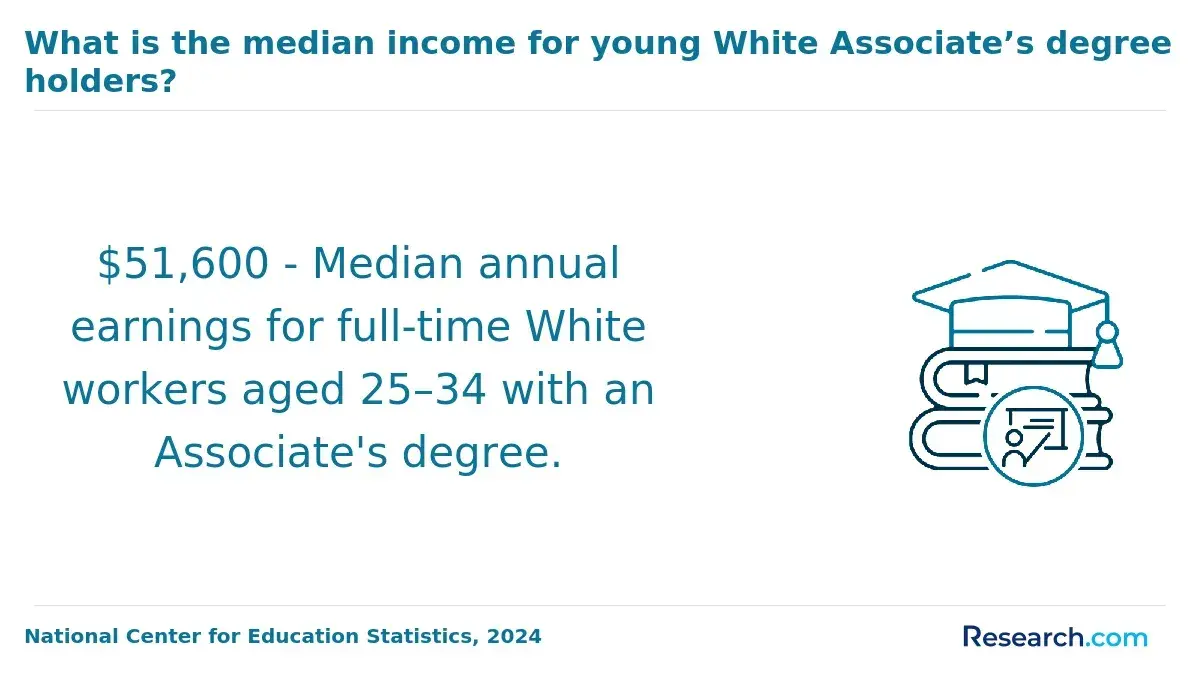
- Associate Degree: Provides essential skills suitable for entry-level positions such as communication assistants or social media coordinators. This level often limits progression without additional education, impacting long-term career growth.
- Bachelor's Degree: The standard credential for many political communication roles, enabling access to jobs like communication specialists or public affairs officers. Candidates become more competitive with experience and professional networking, reflecting the impact of degree level on political communication employability.
- Master's Degree: Equips graduates with in-depth expertise and specialization for advanced roles like communication directors or strategic consultants. Many employers prefer or require this degree for senior positions, expanding career opportunities significantly.
- Doctorate Degree: Designed for those pursuing academia, research, or high-level consulting. It enhances credibility and access to leadership roles in think tanks, government agencies, or specialized research projects.
Higher degrees deepen strategic insight and research capabilities that are essential in today's competitive market. Students should carefully consider how political communication career opportunities by education level align with their personal goals. For those exploring further education options, exploring online marriage and family therapy programs can provide additional actionable pathways.
What Skills Are Employers Seeking in Political Communication Graduates?
Grasping which skills employers prioritize is vital for those aiming to excel in political communication careers. These competencies directly influence a graduate's ability to navigate the ever-changing media and political arenas. Below are several key skills that enhance job prospects in this field.
- Strategic Messaging: Developing targeted, compelling narratives enables professionals to effectively influence public opinion and support political initiatives, making this skill indispensable in campaign and advocacy work.
- Media Literacy: Understanding how to critically assess and employ various media channels allows graduates to shape communication strategies adeptly in fast-paced news cycles and complex public relations environments.
- Research and Data Analysis: The capacity to collect, evaluate, and interpret political trends, electoral data, and demographic insights informs decision-making and optimizes messaging approaches.
- Digital Communication Skills: Expertise in social media management, content production, and analytics tools is essential for engaging audiences and amplifying political messages in the digital age.
- Critical Thinking and Problem-Solving: Tackling intricate political challenges with creativity and sound judgment is crucial for adapting strategies and responding to unexpected developments.
- Interpersonal Communication: Building trustful connections with media professionals, stakeholders, and constituents demands clarity and finesse in both writing and speaking.
When I spoke with a graduate from a political communication program about the skills employers seek, he shared how the real test began once he entered the workplace. He recalled feeling overwhelmed managing multiple communication channels during a high-stakes campaign but emphasized that "learning to stay adaptable while maintaining message consistency was key." He described long hours spent analyzing polling data and adjusting strategies based on feedback, noting how his academic training in research and media literacy "helped make sense of rapidly changing information." Ultimately, he credited his success to the ability to balance detailed planning with on-the-fly problem-solving, portraying these skills as essential for meeting employer expectations.
How Does Job Demand Affect Political Communication Graduate Salaries?
Fluctuations in job demand significantly influence starting salaries, wage growth, and long-term earning potential for political communication graduates. For instance, employment in related communications fields is projected to grow by 8% from 2022 to 2032, likely impacting salary trends positively. The following points illustrate how labor market conditions shape earning opportunities.
- Starting Salary Competition: When job openings for political communication professionals increase, employers compete to attract qualified candidates, driving up entry-level wages. Conversely, fewer positions lead to oversupply, often causing stagnant or lower starting salaries.
- Wage Growth Acceleration: High demand enables graduates to leverage skills and experience for promotions and raises more effectively, resulting in faster wage growth throughout their careers.
- Supply and Demand Balance: An excess supply of political communication graduates relative to demand typically suppresses salaries and limits career advancement opportunities, while strong demand pushes wages higher.
- Long-Term Earning Potential: Sustained employer interest in political communication expertise fosters a competitive job market, enhancing prospects for increased compensation and job mobility over time.
How Is AI Changing Demand for Political Communication Professionals?
Artificial intelligence is rapidly transforming workforce demands within political communication fields, with over 40% of organizations now leveraging AI-driven analytics to refine their strategies. This growing reliance on AI reshapes job roles and required expertise.
Key impacts of AI on demand in political communication include:
- Task Automation: AI handles repetitive duties like voter sentiment tracking, freeing professionals to craft strategic messaging and campaign narratives, which enhances job focus and productivity.
- Emergence of New Roles: There is increasing demand for experts who can ethically manage AI systems, analyze algorithmic outputs, and ensure transparency, creating specialized career paths in AI oversight.
- Skill Evolution: Employers favor candidates with advanced data literacy and technological skills alongside communication abilities, prompting graduates to embrace interdisciplinary learning for competitive advantage.
- Hiring Shifts: Organizations prioritize adaptability and a blend of creativity with data analysis, improving job security for those who continuously update their skills and engage with evolving technologies.
When asked about the changing landscape, a recent graduate reflected on her experience navigating AI's impact. She explained how initial uncertainty gave way to proactive learning, saying, "Understanding AI tools became essential, not optional. I had to constantly adapt, balancing creativity with data insights." She emphasized that this blend made her more valuable to employers and offered her greater confidence in job stability. "It's challenging but rewarding to bridge communication with technology," she shared, noting that openness to continuous growth is crucial in a field transformed by AI.
Is Political Communication Considered a Stable Long-Term Career?
Long-term career stability is a key concern for students and professionals evaluating political communication career paths, as it influences financial security and future planning. Several factors shape whether political communication remains a reliable field over time.
- Long-Term Employment Trends: Consistent demand exists for specialists skilled in crafting messages, managing public relations, and handling media for political entities. Government agencies, advocacy groups, and media organizations regularly seek these professionals, offering steady job prospects. This is reflected in the positive long-term career prospects for political communication graduates.
- Industry Reliance: Politics and public policy are persistent societal elements, so political communication roles remain vital for campaigns, policy promotion, and public engagement. This continuous reliance protects the field from sharp employment fluctuations common in more volatile industries.
- Adaptability to Change: The increasing importance of digital media and data analytics means professionals must update their skills frequently. Although this need for adaptability presents challenges, those who embrace new tools can maintain relevance and strengthen job security in a shifting media environment.
- Career Advancement and Reskilling: Many political communication roles offer clear paths to senior communication positions or transitions into strategic consulting and media management. Accessible training and certifications, including pursuing an affordable online bachelor's degree, enhance opportunities, helping professionals sustain their careers amid evolving political and technological landscapes.
Is a Political Communication Degree Worth It Given the Current Job Demand?
Demand for political communication degree graduates remains steady, though it varies by career path within this diverse field. Employment opportunities commonly align with roles in public relations, media analysis, campaign management, and government affairs. According to labor market data and growth projections from the U.S. Bureau of Labor Statistics, occupations related to these areas show growth rates near the average for all jobs. This reflects ongoing opportunities for graduates equipped with relevant skills to navigate areas essential to politics, advocacy, and public policy.
The job outlook for political communication graduates in the US depends significantly on degree level, specialized skills, and adapting to shifting industry needs. Advanced education, such as master's programs emphasizing analytics or campaign strategy, tends to enhance employability. Graduates who combine interdisciplinary skills, including digital media proficiency and data analysis, tend to find more stable career prospects. Networking and internship experiences also play critical roles in accessing varied sectors like corporate communications and nonprofit organizations, underscoring that a political communication degree can be a practical investment in the context of political communication degree salary and career stability. Prospective students may also explore online degree programs as a flexible pathway to gain these vital skills.
What Graduates Say About the Demand for Their Political Communication Degree
- Astrid: "Pursuing a political communication degree was a strategic choice for me, allowing a seamless blend of my passion for politics and media. The return on investment became clear as I quickly advanced into roles that demand sharp communication skills and a nuanced understanding of political narratives. This degree didn't just shape my career, it opened doors to opportunities I never imagined. "
- Anthony: "Looking back, choosing a political communication degree was a deeply reflective decision, grounded in my desire to influence public discourse thoughtfully and ethically. The ROI exceeded my expectations, as the skill set I developed translated directly into increased responsibilities and leadership positions in my workplace. My professional journey is a testament to how foundational the degree was to honing my critical thinking and advocacy skills."
- Julian: "From a professional standpoint, a political communication degree provided a practical toolkit essential for navigating today's complex media environment. The investment paid off through tangible career growth and the ability to contribute meaningfully to policy discussions and campaign strategies. This degree has been a pivotal element in elevating my profile and credibility in the field. "
Other Things You Should Know About Political Communication Degrees
Graduates in political communication typically need a bachelor's degree in political science, communication, or a related field. Courses in media studies, political theory, and public relations are often crucial. Advanced degrees or specialized certifications can enhance job prospects significantly.
By 2026, demand for political communication graduates is expected to grow due to the increasing complexity of digital media and the heightened need for professionals skilled in navigating political campaigns and public affairs. This growth is driven by technological advancements and an expanding global political landscape.
Political communication graduates commonly work in diverse environments including government agencies, political campaigns, media companies, public relations firms, and nonprofit organizations. These settings demand strong communication skills and the ability to manage public perception and message delivery. The work often involves high-pressure situations, especially around election cycles or policy debates.
There are generally no specific licensing or certification requirements for political communication professionals in 2027. However, certifications from organizations like the Public Relations Society of America can enhance a graduate's credentials and boost opportunities within the field. Networking remains crucial for career advancement.
References
- Master's in Communication Salaries by Career and Position (2025 Update) https://www.mastersincommunications.com/faqs/masters-in-communication-salary
- Working for a Local, State, or National Political Party https://blogs.lawrence.edu/careercenter/2024/10/working-for-a-local-state-or-national-political-party.html
- Jobs for Communications Graduates: Top 12 Best Across Industries https://www.betterup.com/blog/jobs-for-communications-graduates
- 5 Career Options for Political Communication Graduates - The Emerson Grad Life Blog https://websites.emerson.edu/grad-life/2025/06/05/5-career-options-for-political-communication-graduates/
- What you can expect to earn from ICT jobs in development https://www.devex.com/news/what-you-can-expect-to-earn-from-ict-jobs-in-development-111739
- Exploring the Graduate Employability in Political Science: Expected Sectors and Early Career Outcomes https://jocw.ittc.edu.bd/index.php/jocw/article/view/211
- Is political communication a real PROFESSION? https://lacreativeboutique.com/political-communication-real-profession/
- Is a Communications Degree Worth It? https://www.northcentralcollege.edu/news/2023/05/17/communications-degree-worth-it
- Online Communication Postgraduate Tutors Spires | Is A Master's In Communication Worth It? https://spires.co/online-communication-tutors/postgraduate/is-a-masters-in-communication-worth-it
- Political and Strategic Communication | King's College London https://www.kcl.ac.uk/study/postgraduate-taught/courses/political-and-strategic-communication-ma


