
2027 Most Recession-Resistant Careers You Can Pursue With a Political Communication Degree

Co-Founder and Chief Data Scientist
Graduates with a political communication degree often face uncertainty amid economic downturns-yet some roles withstand recessions better than others. For instance, government relations specialists experience stable demand, with employment in this sector growing 8% faster than average, according to recent Bureau of Labor Statistics data. This resilience stems from consistent public policy needs and crisis communication demands. To remain competitive, candidates must develop expertise in digital media analytics and regulatory affairs. This article explores the most recession-resistant careers available to political communication graduates and offers strategies to enhance employability in these stable yet evolving fields.
Key Points About Recession-Resistant Political Communication Careers
- Political Communication graduates excel in public relations roles, a recession-resistant field growing 8% annually due to constant demand for strategic message management across sectors.
- Government relations specialists leverage their expertise in policy and media, crucial during economic downturns as they ensure stable advocacy and regulatory navigation.
- Data analysts with Political Communication skills are increasingly sought for interpreting public opinion trends, a field expanding amid rising reliance on evidence-based decision-making.
What is the employment outlook for graduates of Political Communication?
The hiring landscape for graduates with a political communication degree remains stable, with robust opportunities across several fields. Job roles such as public relations specialists, political analysts, and communications coordinators are projected to grow by about 8% over the next decade-this rate meets or slightly exceeds the national average for all occupations. This steady increase reflects ongoing demand for expertise in shaping messages and managing public perception. Three main factors support this positive outlook:
- Consistent communication needs: Government agencies, political campaigns, and advocacy groups require clear messaging year-round, making careers with a political communication degree notably recession-resistant.
- Digital media growth: The rise of data-driven communication strategies demands specialized skills to engage diverse audiences effectively across evolving platforms.
- Focus on reputation management: As political and social climates shift, organizations prioritize crisis communication, increasing demand for experts in this area.
Graduates often experience unemployment rates nearly 2% below the overall labor market average, which highlights the relative security associated with communication-related fields. Students considering advanced education to enhance their career prospects may also explore affordable online MBA programs that complement political communication skills for broader opportunities. Overall, the employment outlook for political communication graduates underscores a promising path for those seeking recession-resistant careers with a political communication degree.
What are the most recession-resistant careers for Political Communication degree graduates?
Certain roles within political communication and related fields maintain steady demand because they fulfill essential or regulatory functions that are less affected by economic downturns. In fact, occupations tied to government and regulatory communication have experienced employment growth of 3.5% even through periods of economic contraction. Below are five high-demand careers with a political communication degree that offer stability despite recession pressures.
- Government Relations Specialist: Managing interactions between organizations and government bodies, these specialists ensure legal compliance and influence policy. Their role is critical since organizations must continuously navigate government regulations and maintain favorable relationships during tough economic times.
- Public Affairs Consultant: These consultants guide clients on effective communication with elected officials, stakeholders, and the public. The importance of reputation management and policy advocacy sustains the need for their expertise, especially when uncertainty prevails.
- Legislative Assistant: Working closely with lawmakers, legislative assistants conduct research, draft communications, and support policy development. Legislative processes continue regardless of the economy's state, making these positions indispensable.
- Corporate Communications Manager: Tasked with internal and external messaging, they protect a company's reputation and stakeholder trust during crises. Organizations prioritize this role to avoid costly misunderstandings or revenue loss during unstable economic periods.
- Political Campaign Strategist: Despite fluctuating campaign budgets, political competition often intensifies when policy debates are heightened. Skilled strategists remain in demand to organize and execute campaigns effectively as public interest grows.
For students interested in securing a resilient career path, focusing on these recession-resistant options can provide a strategic advantage. Pursuing a political communication degree opens doors to roles that remain essential regardless of economic conditions. Those seeking versatile career options may also explore opportunities in related fields, including those accessible through online engineering degrees, which similarly emphasize high-demand skills and stability.
In which industries can Political Communication degree holders find work?
Graduates with a political communication degree have versatile skills that extend beyond traditional political roles, allowing them to work across various stable industries even during economic downturns. Research indicates healthcare communication employment, for example, grows nearly 10% faster than average, highlighting the degree's broad applicability. Below are several industries where political communication graduates commonly find long-term opportunities.
- Government and Public Administration: Skilled communicators are vital for managing public affairs, shaping policy messages, and handling crisis communication. Common roles include public information officers, legislative aides, and policy advisors who engage stakeholders and influence public discourse.
- Nonprofit Sector: Effective storytelling and clear communication drive fundraising, donor relations, and advocacy efforts. Graduates often become development coordinators, outreach managers, or public relations specialists supporting social causes and organizational missions.
- Healthcare: Clear, credible health messaging is critical in public health and policy advocacy. Individuals with political communication backgrounds fit roles like patient advocacy coordinators or health communicators who navigate complex health information to benefit diverse audiences.
- Media and Journalism: Analyzing policies and communicating complex political topics to the public creates resilience in journalism careers. Political analysts, reporters, and content strategists frequently leverage their expertise to engage audiences on current affairs.
- Corporate Sector: Companies rely on professionals skilled in government relations and corporate social responsibility to handle regulatory challenges and maintain reputations. Roles include public affairs consultants and corporate communication managers who bridge business and policy environments.
When asked where political communication degree holders typically find employment, a professional graduated from an online political communication bachelor's program shared insights into his transition. "Early on, I worried my degree might be too narrowly focused, but it actually opened doors I hadn't expected," he explained. Navigating job options felt overwhelming at times, especially balancing passion with practical needs. Yet, connecting with mentors and gaining internships helped him identify sectors where his skills matched well. "I found that persistence and flexibility were key, especially when roles didn't fit the traditional political mold," he added. This experience reflects how graduates adapt creatively to various career paths beyond initial expectations.
How do public vs. private sector roles differ in stability for Political Communication graduates?
Political communication roles in the public sector generally offer more stability compared to the private sector. These jobs-found in government agencies, academic institutions, and nonprofit groups-are often backed by steady funding sources such as government budgets or long-term grants. This financial foundation helps buffer public sector positions from sharp economic downturns, resulting in only minimal employment declines during recessions.
However, public sector careers might come with slower salary increases and growth opportunities, although they often provide structured advancement paths, pension plans, and union protections. Conversely, private sector positions in corporations, PR agencies, and startups can offer quicker career progression and higher earnings but tend to be more sensitive to market fluctuations. Budget cuts during recessions frequently hit marketing and communications roles first, increasing job insecurity despite a quicker recovery potential.
Choosing between public and private sector political communication careers largely depends on individual priorities. Those valuing consistent job security and steady advancement may lean toward the public sector, while individuals motivated by rapid growth and higher compensation might accept the greater risks of private sector roles. Ultimately, a graduate's comfort with uncertainty and desired balance between stability and opportunity should guide their career path decision.
Which states have the highest demand for Political Communication graduates?
Where you choose to work can significantly impact job stability for political communication graduates-certain areas serve as key centers for related industries. Below are three states offering particularly resilient career opportunities in this field.
- California: Boasting a large population and diverse economy, California's mix of technology, entertainment, and government sectors drives steady demand for political communication professionals. Roles in public relations, policy advising, and media strategy thrive in this environment.
- Washington: Known for its concentration of federal agencies and lobbying firms, especially around Seattle and Olympia, Washington provides secure career paths focused on government relations and public affairs. The region's institutional presence supports long-term employment prospects.
- Virginia: Its proximity to the nation's capital makes Virginia a hotspot for federal government work, defense contracting, and advocacy roles. The state's influence in policy development ensures ongoing needs for skilled political communication experts.
Employment in public affairs and government relations is expected to grow faster than average, underscoring these states as strongholds for political communication graduates seeking careers less vulnerable to economic downturns.
Are there certifications that can make Political Communication careers recession-proof?
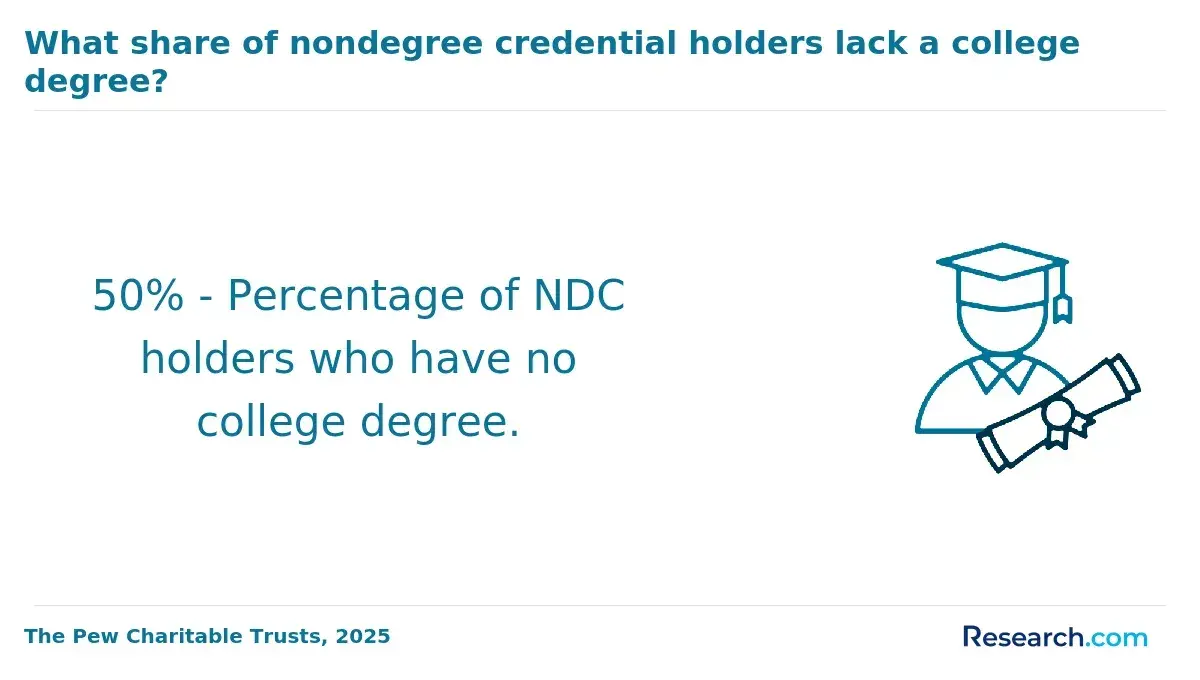
Post-graduate credentials and continuing education can serve as a layoff shield by validating specialized, high-demand expertise-studies show that professionals holding certifications are 15% more likely to retain employment during economic downturns. This makes investing in recession-proof credentials an effective strategy for political communication graduates seeking career resilience. Below are some of the most valuable certifications to consider.
- Certified Public Relations Specialist (CPRS): This credential highlights advanced proficiency in strategic communication, crucial for roles in public affairs and media relations. CPRS certification is widely recognized and often leads to improved hiring prospects in government relations and nonprofit advocacy, key fields during economic instability.
- Digital Marketing Professional (DMP): Addressing the growing need for digital engagement, the DMP certificate teaches skills in social media strategy and data analytics. With 72% of employers in communication-related fields demanding digital proficiency, this certification enhances employability in political campaigns and public policy promotion, where online outreach budgets tend to remain stable through recessions.
- Certified Political Consultant (CPC): Suitable for those advising political candidates or government agencies, the CPC designation signals mastery of campaign strategy, messaging, and ethics. This combination is increasingly sought to ensure cost-effective and compliant communications in consultancy roles.
- Google Data Analytics Certificate: Analytical skills are essential for interpreting polling data, assessing voter behavior, and evaluating policy impacts. This certification equips graduates with data analysis expertise that stays relevant irrespective of economic cycles.
- Grant Writing Certification: Focused on securing funding in public sector and nonprofit environments, this certification supports professionals in strategic fundraising-an indispensable skill as organizations rely heavily on fundraising to continue advocacy and communication projects during recessions.
Political communication certifications for career resilience also benefit from expanding knowledge through complementary fields such as blockchain technology. Interested students can explore options like the blockchain degree, which broadens expertise relevant to future digital policy challenges.
Emphasizing recession-proof credentials in political communication careers helps graduates stand out in competitive job markets, ensuring their skills remain indispensable during economic downturns.
Are there skills that Political Communication graduates should learn to improve their job security?
Continuously enhancing skill sets makes political communication professionals less vulnerable during economic slowdowns and organizational shifts. Below are essential certifications for political communication professionals to focus on for greater stability and versatility in their careers.
- Digital Media Literacy: Mastery of social media algorithms, content creation, and engagement metrics is crucial. This skill supports roles in online campaign management and media relations by enabling effective audience targeting and messaging strategies.
- Data Analysis and Interpretation: The ability to analyze polling data and campaign metrics through tools like Excel or Tableau empowers strategic decision-making. Political communication graduates with these skills can excel in policy advising and campaign roles.
- Crisis Communication: Expertise in crafting timely and clear responses during emergencies is highly sought after. This competency enhances employability in government affairs and corporate communication positions.
- Project Management: Coordinating multifaceted campaigns under tight deadlines requires knowledge of frameworks such as Agile or Scrum. These capabilities increase adaptability and effectiveness in managing political or corporate events.
- Cross-Cultural Communication: Effectively engaging diverse groups by navigating cultural nuances boosts inclusivity and message resonance. This skill is invaluable for communicators working in global or multicultural environments.
Developing these key skills allows political communication graduates to navigate a variety of fields-including public relations and campaign management-while maintaining a recession-resistant professional profile. For those also considering educational paths beyond political communications, exploring options like the cheapest psychology degree online can complement their expertise and expand their career prospects.
Does the prestige of the institution affect the recession-resistance of a Political Communication degree
School prestige can play a significant role in securing stable jobs for political communication graduates. Employers often associate well-known institutions with higher-quality education and stronger skill sets, which can provide an advantage in a competitive job market. Graduating from a reputable program may signal to hiring managers that candidates are better prepared to handle the complexities of today's political and communication landscapes.
Beyond reputation, attending the right school offers valuable networking opportunities-access to influential alumni, internships, and connections within political and media circles. These networks can open doors to better job placements and career advancement, especially in recession-resistant fields where competition is fierce.
That said, graduates from any accredited political communication program can remain competitive by consistently demonstrating proven performance. Building a strong portfolio, gaining real-world experience, and showcasing adaptability are critical factors that enable individuals to thrive regardless of their school's prestige.
How can Political Communication students ensure they meet current job market demands?
Proactively preparing for a career is crucial for political communication students aiming to align their academic skills with the shifting demands of the industry. This approach not only enhances employability but also increases job stability in competitive and unpredictable markets. Below are key strategies to help students develop relevant expertise and demonstrate readiness to employers.
- Hands-On Experience: Securing internships with government bodies, advocacy organizations, or research centers offers practical exposure to policy evaluation and media engagement, bridging classroom knowledge with career realities.
- Active Campus Involvement: Joining political clubs or debate teams sharpens messaging techniques and public speaking, essential tools for persuasive communication roles.
- Digital Skill Building: Completing projects focused on social media management or data analysis equips students with technical abilities that are increasingly vital for targeted, effective political outreach.
- Content Creation: Writing articles or managing blogs on political topics helps cultivate a professional portfolio that showcases analytical thinking and written communication skills.
- Interdisciplinary Collaboration: Working with peers in areas like law, economics, or international relations broadens the contextual lens, preparing students to navigate complex political landscapes.
When asked about how political communication students can meet today's market demands, a professional who earned an online bachelor's degree in political communication reflected on his journey: "Early on, I underestimated how vital real-world experience was. Balancing coursework with volunteer positions was tough, but those moments taught me adaptability and networking." He also mentioned feeling overwhelmed by the rapid pace of digital trends but acknowledged that persistent learning and practical application eventually built confidence. "It's about showing you can think critically and act swiftly, even when situations shift unexpectedly." His insights illustrate the challenges and rewards of aligning academic preparation with evolving industry expectations.
Do recession-resistant Political Communication careers pay well?
Recession-resistant political communication careers offer high salaries that reflect the specialized expertise required for success. According to recent data from the U.S. Bureau of Labor Statistics, professionals in communications strategy, public affairs, and government relations earn an average annual income of about $75,000. This average income of recession-proof political communication jobs exceeds the median salary in many fields vulnerable to economic downturns, highlighting the financial resilience these roles provide.
Careers such as political consulting, media relations, and corporate government affairs tend to offer lucrative income through long-term contracts and consulting fees, providing additional financial stability during recessions. Though some government or nonprofit roles in political communication may not offer top-tier salaries, they still provide consistent employment and steady income streams. This balance makes political communication an attractive field for those seeking jobs that combine reasonable pay with resilience against economic fluctuations.
Income levels can also vary considerably depending on factors such as industry, company size, geographic location, and credentials. Graduates who pursue additional certifications in digital communication, data analytics, or crisis management often benefit from higher initial offers and bonus opportunities. These financial advantages contribute to real wage growth over time. Students looking to enhance their qualifications might consider an online social work masters degree as a way to complement their skill set in related areas, further increasing career flexibility and earning potential.
What Graduates Say About Their Career After Getting a Degree in Political Communication
- Joey: "When I chose to pursue a political communication degree, I was drawn by my passion for understanding media's role in politics. This program sharpened my ability to analyze messaging critically and develop strategies, which directly helped me land a resilient role in government relations. Today, the adaptability I gained keeps me confident even in uncertain job markets."
- Morgan: "Reflecting on my journey, my political communication studies provided a strong foundation in crisis management and public affairs, essential for my career in corporate communications. The degree not only taught me to craft impactful narratives but also prepared me for the fast-paced, ever-changing environment that recession-resistant fields demand. I'm grateful for how it opened doors to a secure and meaningful profession."
- Hudson: "My decision to study political communication was driven by a desire to influence public policy through effective dialogue. The program's focus on research and ethical persuasion equipped me with skills invaluable in nonprofit advocacy. These competencies have ensured my position remains stable through economic fluctuations, emphasizing the practical strengths of my degree."
Other Things You Should Know About Political Communication Degrees
Networking is critical for career longevity in political communication, especially during economic downturns. Establishing strong professional relationships can lead to more job opportunities, contract work, and collaborations that help mitigate instability. Being connected with industry professionals also allows graduates to stay informed about emerging roles and needs in the field.
Yes, political communication graduates often have transferable skills that allow them to move into related areas such as corporate communications, journalism, public affairs, or digital marketing. Their expertise in crafting messages and understanding public sentiment is valuable across these sectors, providing alternative employment options when demand in their primary field wanes.
Technology plays a significant role in increasing the resilience of political communication careers by enabling remote work, digital campaigning, and data-driven strategy development. Graduates proficient in digital tools can adapt more easily to changing work environments and employer needs, maintaining their relevance even during economic challenges. Mastery of social media platforms and analytics is especially valuable.
References
- What is Political Communication? Careers in Political Communication https://www.mastersincommunications.com/faqs/what-is-political-communication
- Recession-Proof Careers: The Smart Path to Job Security in Uncertain Times for 2025 Graduate https://gocsb.com/recession-proof-careers-the-smart-path-to-job-security-in-uncertain-times-for-2025-graduate/
- Report: UNC System not graduating enough students in high-demand fields https://www.carolinajournal.com/report-unc-system-not-graduating-enough-students-in-high-demand-fields/
- Is public relations a recession-proof industry? - PR Daily https://www.prdaily.com/is-public-relations-a-recession-proof-industry/
- Recession-Proof Skills: What to Learn When Job Markets Become Uncertain https://ciiskills.in/blog/recession-proof-skills-for-uncertain-job-markets
- Public VS Private Sector Careers: Which One is Right for You? - MANCOSA https://www.mancosa.co.za/blog/public-vs-private-sector-careers-which-one-is-right-for-you/
- 3 types of recession-proof skills and how to develop them | edX https://www.edx.org/resources/how-to-future-proof-your-skills
- Top 5 PR Certifications That Actually Get You Hired in 2025 [Industry Guide] https://fullintel.com/blog/the-top-3-public-relations-accreditations-and-certifications/
- Public Affairs and Communications: Bridging Policy and Public Perception | EuroBrussels https://www.eurobrussels.com/article/863/public-affairs-and-communications-bridging-policy-and-public-perception
- Recession-Proof Careers: Jobs Designed to Withstand an Economic Downfall https://uafs.edu/news/2025/uafs-degrees-that-lead-to-recession-proof-careers.php


