2027 Is Demand for Professional Writing Degree Graduates Growing or Declining?

Co-Founder and Chief Data Scientist
Graduates with a professional writing degree often face uncertainty about job availability and career growth amid rapid changes in digital communication. In fact, the U. S. Bureau of Labor Statistics projects a 7% growth in technical writing jobs from 2022 to 2032, reflecting the growing demand for clear, concise documentation in technology and healthcare sectors.
This article examines current employment trends and industry demands for professional writing graduates, providing data-driven insights to help prospective students and professionals make informed decisions about their education and career path.
Key Things to Know About the Demand for Professional Writing Degree Graduates
- Employment for professional writing degree graduates is steady, with growth concentrated in digital content creation, publishing, and corporate communications fields adapting to online platforms.
- Projected job growth for professional writing roles is around 6% through 2030, reflecting average demand amid evolving content needs and new media formats.
- Specializing in technical writing or digital marketing significantly enhances long-term prospects, as industries increasingly require focused skills for niche communication demands.
What Factors Are Driving Demand for Professional Writing Degree Professionals?
Recognizing the forces behind workforce demand allows prospective students to gauge the long-term value and stability of earning a professional writing degree. These key drivers highlight how employment opportunities evolve and shape the roles available to graduates. Below are some of the primary factors influencing demand for professional writing degree holders.
- Industry Growth: Expanding sectors such as digital media, marketing, and publishing consistently require skilled writers to create clear, engaging content. This expansion sustains steady hiring needs and broadens career options for graduates from accredited professional writing degree programs in the US.
- Technological Advancement: Emerging communication platforms and content management tools have changed how organizations share information. Graduates who master digital writing and search engine optimization (SEO) techniques are highly sought after as companies prioritize enhancing their online presence.
- Evolving Employer Skill Requirements: Employers increasingly prefer writers capable of adapting to diverse formats-from technical documents to social media content. This demand for versatility benefits those who cultivate a wide range of writing skills.
- Regulatory and Policy Changes: Healthcare and legal industries require precise compliance documentation and clear communication. Such demands create opportunities for professional writing graduates adept at producing accurate and well-crafted content.
- Demographic Shifts: Growing global markets increase the need for writers skilled in multicultural communications and addressing diverse audiences. This trend opens additional career pathways for those in the field.
The importance of accreditation for professional writing graduates cannot be overstated, as it often correlates with curriculum quality and employer recognition. For students interested in combining their writing skills with emerging fields, exploring artificial intelligence degree programs may offer complementary opportunities aligned with technological innovation.
Which Professional Writing Occupations Are Seeing the Highest Growth Rates?
Growth rates are an important indicator for students evaluating career paths in professional writing because they reveal where job opportunities are expanding and where demand is strongest. The U.S. Bureau of Labor Statistics projects that healthcare occupations will grow by 16% from 2021 to 2031, highlighting broader trends in job market shifts. With that context, here are some of the top emerging jobs for professional writing degree graduates by industry.
- Technical Writers: Projected to grow approximately 12% through 2030, technical writers benefit from increased demand in technology sectors and regulated industries requiring clear, precise documentation. A bachelor's degree in professional writing or a related field is typically needed for entry into this role.
- Social Media Managers: With around 11% growth, social media managers remain vital as brands continue adopting social platforms to engage audiences effectively. This role often requires strong strategic communication skills and familiarity with digital content trends, commonly gained through a professional writing degree.
- Content Strategists: Growth near 10% reflects expanding digital marketing efforts, where businesses seek detailed messaging plans to connect with consumers online. A background in professional writing equips candidates with skills in audience analysis and content development needed in this field.
- Grant Writers: Steady growth of about 9% is supported by increased funding for nonprofits and government programs requiring persuasive, well-researched proposals. A bachelor's degree in professional writing prepares individuals for this specialized writing role.
- Copywriters: Experiencing around 8% growth, copywriters are influenced by digital advertising trends and businesses' need for compelling marketing content. Formal education in professional writing helps build the creativity and technical expertise required.
Students seeking to enter these fields should consider that typically a bachelor's degree in professional writing or a related discipline is recommended. For those interested in expanding their qualifications into other areas, an engineering online degree may provide complementary skills relevant in technical writing and technology communication.
Which Industries Hire the Most Professional Writing Degree Graduates?
Knowing which industries most frequently hire professional writing graduates helps individuals identify promising career paths and anticipate job market stability. Several key sectors consistently seek these skills, offering varied opportunities aligned with the capabilities developed through professional writing programs.
- Publishing and Media: This sector, encompassing newspapers, magazines, and digital platforms, hires professionals as content creators, editors, and technical writers. The ongoing shift to digital formats has elevated the need for engaging, well-crafted writing across multiple media channels.
- Corporate Marketing and Communications: Businesses rely on graduates for roles such as copywriters, brand storytellers, and internal communication experts. Expertise in audience targeting and professional tone makes these writers essential for effective marketing and public relations campaigns.
- Healthcare and Pharmaceuticals: Demand grows for medical writers and compliance documentation specialists who can translate complex scientific information clearly and accurately. Professional writing education equips candidates with skills important for navigating strict regulatory standards.
- Government and Nonprofit Organizations: These employers seek grant writers, proposal authors, and policy document specialists. Clear, precise writing is vital to securing funding and communicating regulations and initiatives effectively.
Breakdown of All 4-Year Online Title IV Institutions

How Do Professional Writing Job Opportunities Vary by State or Region?
Geographic differences significantly influence job prospects for professional writing graduates. Factors such as local industries, population density, and economic conditions shape where opportunities exist and how competitive the market is. Several key regional elements affect demand in this field.
- High-Demand States: California, New York, and Texas consistently provide a larger number of professional writing openings due to thriving media, technology, and marketing sectors. These states' dynamic economies create ongoing needs for skilled communicators.
- Industry Clusters: Concentrated hubs like East Coast publishing centers and West Coast tech corridors distinctly impact job availability. Professionals near these clusters benefit from greater role diversity and networking possibilities.
- Urban Versus Rural: Cities offer a broader array of writing positions across industries, while rural areas often have fewer openings, leading to increased competition or necessitating remote work solutions.
- Cost of Living: Salary increases in expensive metropolitan areas may not always mean more disposable income after expenses. Graduates must weigh pay scales against living costs when targeting job markets.
- Remote and Hybrid Work: Growing adoption of flexible arrangements expands professional writing jobs beyond traditional locations, providing alternatives for those outside major urban centers to access career opportunities.
Regional dynamics ultimately influence not just the availability of professional writing roles but also factors like competitive pressures and career advancement potential, making geographic considerations crucial for informed career planning.
How Does Degree Level Affect Employability in Professional Writing Fields?
Education level plays a crucial role in shaping job prospects, career advancement, and competitiveness in professional writing fields. Different degrees offer varied advantages and influence employability and career trajectory in unique ways. Below is an overview comparing how each degree level impacts opportunities within professional writing.
- Associate Degree: Provides foundational writing skills that prepare graduates for entry-level positions like content assistant or junior copywriter. While it offers limited employability compared to advanced degrees, it serves as a stepping stone into the industry.
- Bachelor's Degree: Most valued for many creative and technical writing jobs, this degree opens doors to roles such as content strategist, technical writer, and editor. It significantly improves employability and aligns well with professional writing graduate job prospects by degree type.
- Master's Degree: Emphasizes specialization for careers in grant writing, academic writing, or advanced communications roles. This level enhances chances for leadership opportunities and often leads to higher salaries, making it attractive to those seeking career growth.
- Doctorate Degree: Rare but impactful, it suits research-driven and university teaching positions, as well as senior leadership in communication strategy. This degree bestows the highest professional status and long-term advancement potential.
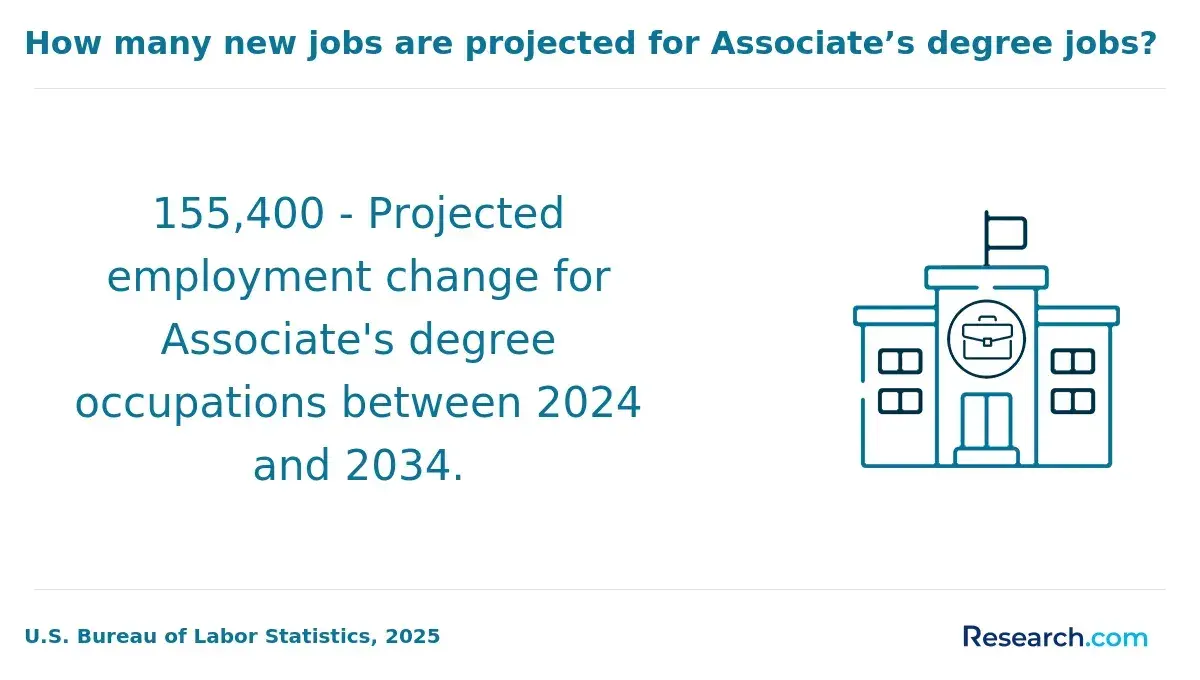
Statistics from the U.S. Bureau of Labor Statistics show that individuals with a bachelor's degree or above face about 15% lower unemployment in communication-related jobs than those holding only an associate degree, underscoring how higher education strengthens job stability in professional writing. For those exploring flexible learning options, online courses for psychology degree programs offer convenient pathways to further education and skill development.
What Skills Are Employers Seeking in Professional Writing Graduates?
Knowing which skills employers value is vital for professional writing graduates to stand out and succeed in a competitive job market. These competencies enable graduates to navigate diverse work settings and respond to evolving industry demands. The following key abilities are highly sought after:
- Effective Communication: Being able to express complex concepts clearly and succinctly allows writers to engage a wide range of audiences, making information more accessible and impactful.
- Technological Proficiency: Familiarity with tools like content management systems, SEO strategies, and multimedia editing software is essential for producing relevant and dynamic digital content.
- Analytical Research: The capacity to gather, evaluate, and synthesize information ensures accuracy and depth in writing projects, which is critical across various professional sectors.
- Team Collaboration: Professional writers often work closely with editors, designers, and marketers; being adaptable and cooperative leads to smoother workflows and stronger final products.
- Flexibility: The ability to tailor tone and style to different formats or audiences allows writers to meet diverse client needs and maintain relevance amid shifting market trends.
In a conversation with a graduate of a professional writing program, he described the challenges he faced when starting his career. "At first, I underestimated how much collaboration mattered-learning to incorporate feedback from different departments wasn't easy," he admitted. He also emphasized that mastering digital tools took time but proved invaluable, stating, "Once I got comfortable with SEO practices and content management systems, my confidence and value increased significantly." These experiences highlight that beyond technical writing skills, resilience and continuous learning are crucial to meeting employer expectations in this field.
How Does Job Demand Affect Professional Writing Graduate Salaries?
Fluctuations in job demand significantly influence starting salaries, wage growth, and long-term earning potential for professional writing graduates by affecting how many employers compete for skilled talent. The U.S. Bureau of Labor Statistics forecasts a 7% employment growth for technical writers from 2022 to 2032, slightly above average, which supports positive salary trends for graduates in this sector. The following points explain how demand shapes earning outcomes:
- Starting Salaries: When demand is high, employers offer higher entry-level wages to attract qualified professional writers quickly, creating upward pressure on starting pay.
- Wage Growth: Consistent or increasing demand enables experienced writers to secure raises and promotions that reflect their enhanced value and expertise over time.
- Long-Term Potential: Strong market demand often results in more opportunities for specialization, leadership roles, and career advancement, which boost lifetime earning potential.
- Labor Market Balance: When the supply of professional writing graduates surpasses available jobs, salaries may stagnate or decline due to competition; conversely, a shortage encourages employers to offer competitive compensation packages.
Understanding these dynamics helps students and professionals anticipate how economic and industry trends might impact their financial prospects post-graduation.
How Is AI Changing Demand for Professional Writing Professionals?
Artificial intelligence is rapidly transforming workforce needs across professional writing fields, with about 35% of content creation jobs now incorporating AI tools, according to a 2023 U.S. Bureau of Labor Statistics report. This technological shift is reshaping job roles and skill demands, influencing how employers seek professional writing talent.
Key impacts of AI on demand for professional writing professionals include:
- Automation of Routine Tasks: AI handles repetitive writing assignments like basic reports, reducing openings for entry-level writers focused on simple content but increasing the need for those skilled in nuanced writing and critical analysis.
- New Specialized Roles: Positions are emerging for professionals who curate, oversee, and refine AI-generated texts, creating opportunities that blend editorial expertise with technological understanding.
- Evolving Skill Requirements: Success now depends on adaptability, digital literacy, and strategic communication abilities rather than traditional writing alone, reflecting a broader competency spectrum.
- Hiring Pattern Shifts: Employers prefer candidates with a fusion of creative writing talent and technical savvy, responding to the changing landscape of content development and management.
When I spoke with a graduate of a professional writing degree program about how AI is influencing her career, she described a steep learning curve adapting to new technologies. "Initially, I felt overwhelmed by having to master AI content tools alongside honing my writing voice," she said. Despite these challenges, she emphasized that embracing AI has deepened her skill set and opened doors in specialized editing and strategy roles. "It's about evolving with the industry, not resisting it," she reflected, noting that this adaptability has brought long-term stability and confidence in her professional trajectory.
Is Professional Writing Considered a Stable Long-Term Career?
Long-term career stability plays a crucial role for students and professionals deciding whether to pursue professional writing as a career path, as it impacts financial security and future opportunities. Several key factors influence the stability of careers in this field.
- Long-Term Employment Trends: Demand for skilled writers remains relatively steady, particularly in marketing, communications, and technical documentation where clear and effective writing is essential. However, the rise of automation and AI-generated content can reduce opportunities in routine writing tasks, presenting challenges for some professionals.
- Industry Reliance: Sectors such as healthcare, technology, and education have a strong dependence on professional writing roles to communicate specialized information accurately. This reliance helps maintain a steady flow of jobs but requires writers to gain subject-specific expertise to remain competitive.
- Adaptability to Change: Writers who keep up with evolving digital skills like SEO optimization, content management systems, and multimedia integration improve their job security. In contrast, those who resist adapting to technological and economic shifts face diminishing prospects in a competitive job market.
- Career Advancement and Reskilling: Opportunities to transition into related fields such as content strategy, editing, or project management offer avenues for long-term growth. These alternatives enhance career stability by allowing professional writing graduates to pivot when primary roles evolve or decline.
For those considering stable professional writing careers in the United States, recognizing these factors can aid in making informed decisions. It is also helpful to explore the best bachelor degrees for broader job market insights and potential financial outcomes.
Long-term job prospects for professional writing graduates hinge on the ability to stay relevant within dynamic industries and to build skills that meet evolving market demands.
Is a Professional Writing Degree Worth It Given the Current Job Demand?
The employment outlook for professional writing graduates reflects steady growth, aligned with broader content creation and digital communication trends. The U.S. Bureau of Labor Statistics projects approximately 6% growth in fields related to professional writing, such as technical writing and communications roles, which is consistent with average job market expansion. This growth indicates ongoing demand for professionals who can craft clear, effective content across various sectors, highlighting the relevance of the degree in today's labor market. However, competition for entry-level roles remains, and hiring activity tends to favor writers with diversified skill sets.
The value of a professional writing degree depends significantly on degree level, skill versatility, and industry alignment. Graduates equipped with digital literacy, SEO expertise, and multimedia production capabilities usually experience better job prospects. Industries such as technology, healthcare, marketing, and education are particularly receptive to writers with specialized knowledge, enhancing career outcomes. Prospective students should consider combining their writing education with complementary skills and understand emerging demands, especially if aiming to enhance their long-term investment.
For more information on affordable educational options, consider exploring online colleges with financial aid.
What Graduates Say About the Demand for Their Professional Writing Degree
- Julian: "Choosing to pursue a professional writing degree was one of the best career decisions I've made. The skills I gained allowed me to diversify my writing portfolio and open doors to roles I never imagined. The return on investment was clear as I quickly advanced to a senior content strategist position."
- Rome: "Pursuing a professional writing degree gave me the foundation and confidence to shift from a freelance hobbyist to a full-time professional. The practical training and industry insights made the transition smoother and significantly improved my earning potential. Reflecting on my journey, I can say it was a truly transformative experience. "
- Kristen: "My professional writing degree has been instrumental in shaping my career with a solid blend of technical skills and creative expertise. It enabled me to produce compelling content that resonates with diverse audiences and meet rigorous deadlines. This degree proved its value by boosting both my credibility and job prospects."
Other Things You Should Know About Professional Writing Degrees
In 2027, growth areas for professional writing degree graduates include digital content creation, copywriting for online platforms, and technical writing in emerging technologies sectors. These fields are experiencing increased demand as businesses seek skilled writers to engage audiences and communicate complex information effectively.
In 2027, industries such as digital marketing, content creation, and technical documentation are increasingly hiring professional writing degree graduates. These sectors seek skilled writers to produce engaging content, manage brand narratives, and develop user manuals and online help systems.
The professional writing job market can be competitive, especially for highly desirable roles in industries like publishing and marketing. Graduates with a strong portfolio, practical experience, and digital literacy skills typically have an advantage. Networking and continuous skill improvement are important strategies to enhance employability in this evolving field.
References
- State Map for Writers & Authors at My Next Move https://www.mynextmove.org/profile/state/27-3043.00
- In the modern workplace, everyone employs professional writing skills https://lpsonline.sas.upenn.edu/features/modern-workplace-everyone-employs-professional-writing-skills
- Which Industries & Professions Use Writing? https://www.nobledesktop.com/learn/writing/industries-and-professions
- 8 careers you can have with a professional writing degree - SMWC https://www.smwc.edu/8-careers-you-can-have-with-a-professional-writing-degree-blog-apr-21/
- Professional Writing | Degree Guide By All Bachelor Degrees https://allbachelordegrees.com/degrees/professional-writing-ultimate-degree-guide/
- The Hidden Costs of Graduates Lacking Professional Business Writing Skills https://thetm.com/provider-blog/the-hidden-costs-of-graduates-lacking-professional-business-writing-skills
- Top 5 Skills Employers Look For | Nth Degree https://newmanu.edu/top-5-skills-employers-look-for
- AI’s Impact on Professional Writing — AI for Education https://www.aiforeducation.io/blog/ais-impact-on-professional-writing
- A Snapshot of Employers’ Expectations of Graduates’ Skills and Abilities in Technical Communications - Center for Engaged Learning https://www.centerforengagedlearning.org/a-snapshot-of-employers-expectations-of-graduates-skills-and-abilities-in-technical-communications/
- Professional Writing Skills for Career Success https://www.hurleywrite.com/professional-writing-skills-lead-to-success-and-promotion/