2027 Mental Health Counseling Internship Requirements: Hours, Placements, and Supervision

Co-Founder and Chief Data Scientist
What do internship requirements in mental health counseling truly involve? Understanding the breadth of necessary clinical hours, the intricacies of placement in diverse settings such as community clinics or private practices, and the nature of supervision from licensed professionals is crucial. National data shows nearly 70% of accredited counseling programs mandate a minimum of 700 supervised practicum and internship hours to ensure readiness.
These components shape both educational outcomes and professional preparedness. This article explores the essential hours, placement procedures, and supervision expectations within mental health counseling internships to guide students through meeting these critical benchmarks effectively.
Key Things to Know About Mental Health Counseling Internship Requirements
- Internship hours often require 600+ clocked hours, influencing academic schedules and demanding significant time management alongside coursework.
- Placement availability varies regionally, with competitive sites requiring early application and flexibility to secure suitable internship settings.
- Supervision mandates weekly meetings with licensed professionals, impacting learning quality through structured feedback and performance evaluation.
Do All Mental Health Counseling Degrees Require an Internship?
Internships play a critical role in many mental health counseling degree programs by bridging theoretical knowledge with practical experience. Over 95% of accredited programs include supervised clinical experiences like internships, reflecting their importance for professional development and licensure. Several key factors influence whether an internship is required, as outlined below.
- Program Accreditation: Many mental health counseling degrees accredited by bodies such as CACREP mandate internships to meet licensure eligibility requirements. These internships satisfy clinical hour obligations essential for graduates pursuing state licensure.
- Program Type: Traditional, campus-based programs often include well-defined internship components, while some fully online or accelerated programs may offer modified or hybrid experiential options that alter internship requirements.
- Specialization Tracks: Certain specialized counseling areas emphasize internships to develop niche practical skills, whereas other tracks might allow alternative hands-on experiences tailored to specific career goals.
- Alternative Experiential Learning: Some non-CACREP or less traditional programs permit substitutes for internships, including intensive practicums or research-related fieldwork, offering flexibility in fulfilling real-world training demands.
- Degree Program Structure: The curriculum design can determine internship necessity, with some programs integrating internships as a core component, while others provide options based on educational philosophy and licensure prerequisites.
Students exploring options should review specific internship requirements early in their academic planning to understand how these elements align with their professional goals. For those comparing pathways, options like an easiest RN program to get into showcase how program structures vary widely in experiential learning demands.
What Requirements Must Be Met Before Starting a Mental Health Counseling Internship?
Programs establish prerequisites for mental health counseling internships to ensure students are academically and professionally prepared to engage with clients safely and effectively. According to a 2023 survey by the Council for Accreditation of Counseling & Related Educational Programs (CACREP), over 85% of accredited programs require completion of at least 60% of coursework before starting an internship. Below are key eligibility criteria commonly required prior to beginning these field experiences.
- Minimum GPA: Students typically must maintain a minimum grade point average ranging from 3.0 to 3.2, demonstrating adequate mastery of core counseling coursework essential for clinical practice.
- Completed Coursework: Foundational classes in counseling theories, ethics, human development, and assessment techniques must be finished to ensure students have the academic background needed to apply theory effectively in real-world settings.
- Application Approval: Formal approval from an academic advisor or internship coordinator is required. This process often includes submitting an internship application outlining the student's readiness, goals, and proposed placement options to verify eligibility.
- Background Checks and Health Screenings: Many programs mandate clearance of background checks and immunization records, aligning with legal and institutional standards to protect clients and maintain professional safety in clinical environments.

How Many Internship Hours Are Required for Mental Health Counseling Degrees?
Internship hours are a vital part of mental health counseling degree programs, intended to equip students with hands-on clinical experience. Typically, programs require between 600 and 1,000 clock hours, with an approximate conversion of 100 hours equaling three academic credits. Several factors affect how these hours are set, including program type and accreditation standards.
- Accreditation Requirements: Programs accredited by recognized bodies like CACREP often set minimum hour thresholds to ensure consistent training quality and competency development.
- Degree Level: Master's programs usually mandate around 600 hours, while doctoral and advanced clinical tracks can require 1,000 or more hours reflecting deeper specialization and experience.
- Credit Hour Alignment: Institutions commonly link internship hours to credit systems, where supervised fieldwork corresponds to a certain number of academic credits based on contact hours.
- Scheduling Format: Full-time students may complete required hours in a relatively short timeframe, whereas part-time students accumulate hours across a longer period to accommodate their schedules.
A mental health counseling degree graduate remembered the internship hour requirement as both daunting and rewarding. "Balancing coursework and over 600 hours of direct client contact was challenging," he said. The process demanded effective time management and persistence to fulfill all supervised hours while gaining meaningful clinical skills. Despite occasional stress, the experience proved invaluable in preparing for professional practice, reinforcing the importance of these hour benchmarks in building confidence and competence before licensure.
Where Do Mental Health Counseling Students Complete Internships?
Internship placements in mental health counseling programs play a vital role in combining academic knowledge with hands-on experience. Nearly 40% of these internships take place in community mental health agencies, underscoring their importance as approved settings for mental health counseling internships. This variety helps students encounter diverse client needs and develop practical skills across settings.
Common environments for clinical placement options include:
- Community Agencies: These centers serve as the primary training locations where students work directly with diverse populations facing various mental health challenges, making them essential for experiential learning.
- Corporate Organizations: Many interns join employee assistance programs within companies that focus on workplace wellness, offering exposure to corporate mental health support strategies.
- Government Departments: Public sector internships typically involve delivering mental health services through state or local agencies, addressing community-wide needs and policy-driven care.
- Nonprofit Organizations: Interns gain experience catering to underserved populations in community-based nonprofit settings, often involving advocacy and specialized programming.
- Research Institutions: Some placements occur in research facilities where students contribute to psychological studies and evidence-based practice development, enhancing their professional competencies.
Students interested in exploring more diverse educational pathways within healthcare can consider options such as a nursing school with no entrance exam as complementary or alternative career avenues.
How Are Internship Placements Assigned in Mental Health Counseling Programs?
Internship placement processes in mental health counseling programs are designed to effectively connect students with suitable training sites that complement their academic goals and meet accreditation requirements. These systems balance student preferences, program resources, and agency availability to ensure meaningful experiential learning. Recent reports indicate that nearly 70% of programs use a hybrid method combining student input and institutional guidance to optimize placements. Below are common models institutions use to assign internships:
- Faculty-Guided Matching: Faculty members and field coordinators collaborate closely to pair students with agencies they have established relationships with, leveraging their knowledge of student strengths and site capabilities to foster effective placements.
- Student-Driven Applications: Students research and apply directly to preferred sites or complete interviews to express interests, allowing placement coordinators to align students with agencies that match their goals and professional focus.
- Centralized Placement Systems: Some programs employ formalized platforms or databases that track agency openings and student profiles, facilitating a systematic and equitable distribution of placements based on criteria such as availability and compatibility.
- Partnership-Based Assignments: Programs with long-standing partnerships assign students to specific agencies contracted to provide supervision and clinical training, ensuring adherence to program standards and streamlined onboarding.
A Mental Health Counseling degree student shared that navigating placement assignments was initially overwhelming due to limited site options and uncertainty about where she fit best. She recalled how input from her academic advisor made a significant difference, offering personalized recommendations that eased her anxiety. "I appreciated having someone guide me through the process because it felt less like a lottery and more like a thoughtful match," she reflected. This experience highlighted how a supportive placement system can significantly enhance a student's confidence and readiness entering their clinical internship.
Are Virtual or Remote Internships Available?
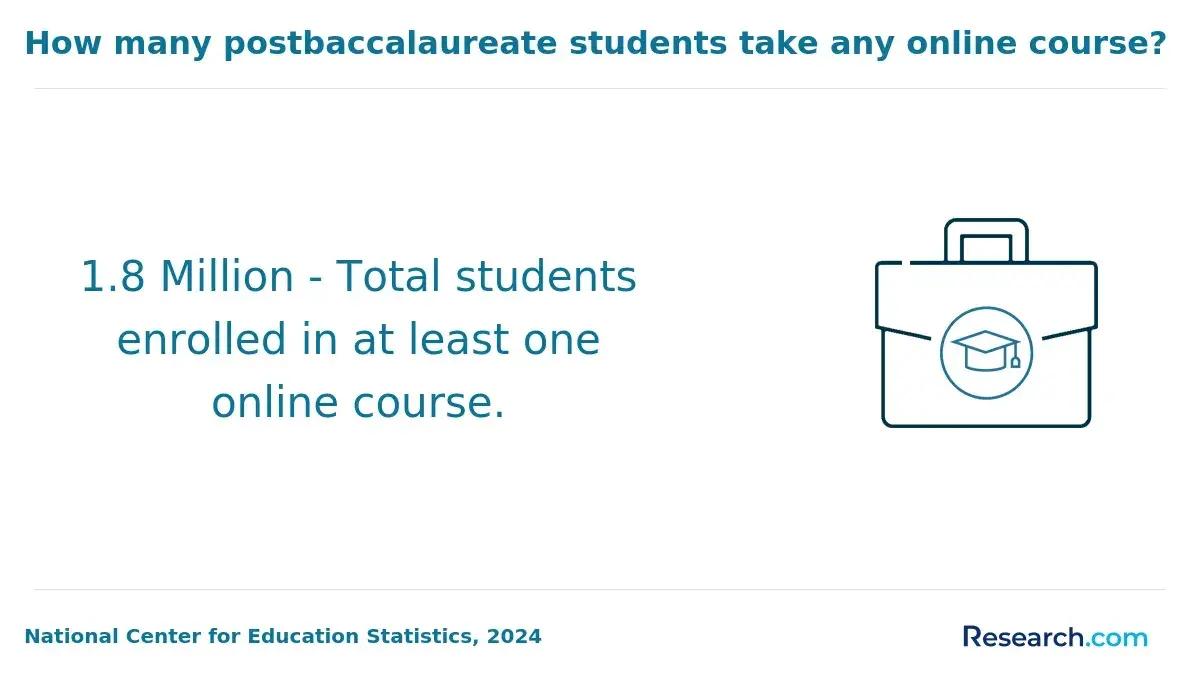
Remote and virtual internships have become a major component of mental health counseling training, reflecting the broader shift toward digital work environments. Surveys indicate that nearly 60% of behavioral health internship programs now include fully online or hybrid formats, highlighting rapid growth from purely in-person experiences. This trend is driven by advancements in technology and changing student needs for schedule flexibility. Such developments are reshaping how practical training in mental health counseling is delivered.
In these virtual or hybrid arrangements, students fulfill clinical hour requirements through video calls and secure online platforms, allowing interaction with supervisors and clients without geographic constraints. This digital setup offers greater flexibility and access to a wider variety of clinical sites that might be unavailable locally. However, the extent to which remote internships are possible varies by institution, as some programs prioritize face-to-face supervision to meet accreditation guidelines. Consequently, students should confirm internship formats early to ensure their educational path aligns with program policies.
Are Part-Time Internships Allowed for Working Students?
Many students pursuing mental health counseling balance jobs while completing their degrees, making part-time internships a valuable option. Approximately 43% of full-time college students work while enrolled, highlighting the need for flexible clinical experiences. The following points explain how part-time internships accommodate working students' unique schedules and responsibilities.
- Flexible Scheduling: Part-time internships allow students to complete required clinical hours outside traditional 9-to-5 workdays, helping them maintain steady progress without feeling overwhelmed.
- Employer Accommodations: Internship sites often recognize students' work commitments by offering evening or weekend shifts, reducing conflicts between employment and academic duties.
- Academic Workload Balance: Spreading clinical hours over a longer period enables students to align internship responsibilities with course demands and exams, promoting sustainable learning and minimizing burnout.
- Program-Specific Rules: Some mental health counseling programs require minimum weekly hours or limit the total internship duration, so students must consult advisors to navigate these guidelines effectively.
What Supervision Is Required During a Mental Health Counseling Internship?
Supervision is essential during a mental health counseling internship to foster professional growth and ensure ethical practice. Research shows that around 85% of interns report increased preparedness for their careers due to well-structured mentoring. The following key supervision components illustrate how oversight supports both student learning and professional accountability.
- Faculty Oversight: Faculty advisors from the educational institution provide academic guidance and make sure the internship complies with program standards. They oversee the intern's overall progress while integrating classroom knowledge with practical application.
- Workplace Mentors: Licensed professionals at the internship site offer hands-on feedback in real counseling situations. These mentors help interns refine their counseling techniques and navigate ethical dilemmas encountered during client interactions.
- Performance Feedback: Weekly supervision sessions allow for review of client cases, role-playing, and discussion of intervention strategies. This continuous feedback loop helps interns build confidence and improve their clinical skills.
- Progress Monitoring: Supervisors track documented hours, competencies achieved, and goals met throughout the internship. This ongoing evaluation ensures that interns meet the supervision requirements for mental health counseling internships necessary for licensure or certification.
Combining these supervision types enhances the training experience, promoting ethical practice while supporting student development. Students interested in accelerated learning pathways may explore fast degree programs that integrate rigorous internship supervision with efficient course completion.
How Are Mental Health Counseling Internships Evaluated?
Evaluating mental health counseling internships is vital for ensuring interns gain necessary skills and meet educational standards. Research shows programs using a combination of evaluation methods see a 25% increase in intern self-efficacy scores. The following are common approaches programs use to assess intern performance and learning outcomes.
- Supervisor Reviews: Supervisors provide detailed feedback on clinical skills, ethical decisions, communication, and professionalism, using narrative comments and rating scales aligned with program competencies. This method is central to supervision and feedback methods in mental health counseling internships.
- Reflective Assignments: Interns complete journals or essays analyzing experiences and challenges. These tasks demonstrate self-awareness and integration of counseling theories, supporting faculty in assessing critical thinking and self-evaluation skills.
- Performance Benchmarks: Competency checklists track specific skills like assessment techniques and client rapport. Benchmarks set clear expectations for student outcomes, allowing consistent comparison across internship placements.
- Faculty Assessments: Faculty may conduct site visits or review supervisor reports to ensure alignment with academic objectives and accreditation standards. These assessments help maintain program credibility and licensure requirements.
For students exploring program options and requirements, reviewing the best MHA online programs can provide insight into current educational practices for experiential learning in healthcare fields.
What Challenges Do Mental Health Counseling Students Face During Internships?
Internships in mental health counseling offer crucial hands-on experience but often pose considerable stress. A 2022 study found that 68% of interns reported moderate to high stress related to workload and emotional demands. Below are several typical challenges students encounter during their internships in the USA.
- Balancing Schedules: Managing coursework, part-time jobs, and personal life alongside internship hours is demanding. Many students struggle to allocate enough time for all responsibilities, creating stress and time conflicts during their mental health counseling internship challenges in the USA.
- Adapting to Professional Norms: New interns face steep learning curves adjusting to confidentiality rules, ethical guidelines, and client interactions. Navigating these expectations in real-world settings can be overwhelming initially.
- Financial and Transportation Barriers: Traveling between multiple internship sites without reliable public transit increases time and costs. Unpaid or low-paid internships add financial strain as students cover expenses without steady income.
- Handling Client Responsibilities: Applying theory to practice while managing clients' emotional needs requires confidence and emotional resilience. The pressure of meeting professional standards can generate anxiety and self-doubt.
Despite such difficulties, internships remain essential for preparing mental health counseling students. For those interested in advancing their education in related fields, a masters degree in healthcare management can complement counseling expertise and expand career opportunities.
What Graduates Say About Mental Health Counseling Internship Requirements
- Westin: "Completing my mental health counseling degree internship was a pivotal experience that truly shaped my practical skills. The requirement to complete a set number of internship hours across diverse clinical placements allowed me to encounter various client needs, enriching my understanding. I also appreciated the consistent supervision I received, which provided valuable feedback and helped me build confidence in my counseling techniques."
- Peter: "Looking back, my internship was more than just a requisite hours checklist-it was a profound journey into professional growth. The supervised internships allowed me to apply theory in real-world settings while having a mentor to guide my decisions and ethical considerations. This experience was instrumental in preparing me to enter the field as a competent and empathetic mental health counselor."
- Andrew: "My time as a mental health counseling intern solidified my commitment to this profession. The distinct variety of placements-from schools to community clinics-helped me adapt to different environments and client populations. Moreover, the supervision during my internship was key to refining my approach and stepping confidently into my career post-graduation."
Other Things You Should Know About Mental Health Counseling Degrees
In 2027, students in mental health counseling internships must adhere to ethical standards set by organizations like the American Counseling Association (ACA). These standards include maintaining confidentiality, practicing within one’s competencies, and obtaining informed consent. Students should also engage in ongoing supervision to ensure ethical and professional development.
The internship site supervisor provides direct guidance, oversees clinical work, and ensures that the student meets professional standards. This supervisor is typically a licensed mental health counselor or a qualified mental health professional responsible for mentoring and evaluating the intern's clinical competencies.
Students are generally required to maintain detailed logs of their direct client contact hours, indirect activities, and supervisory sessions. Accurate documentation helps ensure compliance with program and licensure requirements and is often reviewed by both the academic program and internship site supervisors.
References
- Mental Health and Counseling Placement Sites: Four Need-To-Know Points https://www.mojozy.org/blog/mental-health-and-counseling-placement-sites-four-need-to-know-points
- Abused Early Career Therapists: The Reality of Toxic Mental Health Internships and What to Do https://www.growingself.com/mental-health-internships/
- Qualified Supervisors for Registered Interns - Florida Board of Clinical Social Work, Marriage & Family Therapy and Mental Health Counseling https://floridasmentalhealthprofessions.gov/qualified-supervisor/
- Internship Program - Connect Counseling Center https://connectcounselingcenter.com/internship-program/
- Get Remote Mental Health Internships for Graduate Students https://www.solhealth.co/internship-program
- Section 4: Professional Practice - CACREP https://www.cacrep.org/section-4-professional-practice/
- Biohack your brain with Neurofeedback https://www.cognitiveresetcounseling.com/internships-for-nyc-therapists
- Queens Counseling for Change, LCSW, LLP https://www.qcfc.org/internships
- Four Things You Should Look for in a Mental Health Internship - Aspire Clinical Training Center https://aspireclinicaltrainingcenter.com/four-things-you-should-look-for-in-a-mental-health-internship/