2027 Most In-Demand Early Childhood Education Master's Specializations

Co-Founder and Chief Data Scientist
Shifts in workforce credentialing and evolving employer expectations reshape how prospective students assess early childhood education master's specializations. Demand varies widely by region, sector, regulatory environment, and technology adoption, making simple rankings insufficient. Specializations influence access to roles requiring licensure, managerial skills, or applied technical expertise, affecting career durability and mobility.
Employers increasingly value skill transferability and alignment with experiential components like internships and capstones. Long-term earning potential ties closely to curriculum depth, faculty expertise, and alumni outcomes rather than transient hiring surges. This article examines in-demand specializations through the lens of practical career implications and strategic decision-making across diverse professional contexts.
Key Things to Know About the Most In-Demand Early Childhood Education Master's Specializations
- Specializations in curriculum design demand strong pedagogical theory mastery but may limit immediate administrative employment, requiring tradeoffs between instructional expertise and leadership roles.
- Employer surveys in 2024 highlight a growing preference for candidates with inclusive education skills, reflecting widening regulatory and social accountability pressures on early childhood programs.
- Advanced technology integration tracks often involve higher costs and longer completion times, impacting access for working professionals but aligning with future-focused, data-driven educational methods.
What Makes a Early Childhood Education Master's Specialization "In Demand"?
An early childhood education master's specialization considered "in demand" typically reflects a nuanced combination of labor-market need, targeted skill development, and alignment with roles that demonstrate both emerging relevance and sustained professional value. Demand varies significantly by factors such as geographic region, employer type, and sector, influenced by differing licensing requirements, levels of technology adoption, and policy shifts.
Specializations that prepare graduates for positions characterized by ongoing or growing hiring rather than temporary surges are more strategically valuable. For instance, roles in administration, curriculum design, or special-needs inclusion often align with durable employer needs reinforced through evolving educational standards and workforce shortages.
Relying solely on demand as a decision criterion can obscure important tradeoffs and limitations. Job-posting volume or enrollment popularity may not accurately capture true career fit or long-term potential; marketing-driven hype and broad salary claims can be misleading.
Prospective students should critically assess how each specialization's curriculum depth, access to experiential learning, certification or licensure alignment, faculty expertise, and alumni outcomes support meaningful career advancement. The transferability of skills across related occupations within early childhood education master's specialization demand factors is crucial to maintaining flexibility amid sector changes and funding variability.
Those most likely to benefit from focusing on in-demand specializations include working professionals, career changers, and learners targeting clearer alignment with employer expectations and evolving role requirements. Given increasing regulatory and credentialing pressures, a specialization that offers concrete pathways to leadership or niche expertise can improve resilience against automation and funding fluctuations.
Prospective students might also explore options that integrate interdisciplinary research, policy, and practical leadership skills to sustain career mobility in high-growth careers in early childhood education master's programs. Those balancing graduate study with work commitments often weigh such long-term adaptability as a critical factor when choosing their specialization, sometimes alongside exploring programs for a cheap MBA online.
The 10 Most In-Demand Early Childhood Education Master's Specializations
Specializing in early childhood education at the master's level requires aligning skills with dynamic workforce needs shaped by policy changes, demographic shifts, and evolving pedagogical frameworks. Selecting a focus depends heavily on practical employer demand, licensure pathways, and the capacity to address real challenges such as behavioral issues, cultural diversity, or technology integration. Not all specializations guarantee equal adaptability, making it critical for students to analyze how skill sets translate to measurable outcomes within early learning environments.
Special education and inclusive learning: Rising identification of developmental disabilities has made expertise in inclusive practices a necessity. Employers seek professionals who can navigate legal requirements and design individually tailored interventions, which sustains steady growth despite funding variability. Specialists often collaborate closely with families and multidisciplinary teams to ensure compliance and effective service delivery.
Early childhood curriculum leadership and administration: Leadership roles demand more than pedagogical knowledge; they require operational savvy and the ability to integrate curriculum with broader organizational goals. Administrative positions grow with expanded early learning programs, though candidates must balance instructional expertise with budget and staff management challenges.
Child development and behavioral psychology: Given increased awareness of mental health from the earliest years, specialists trained in behavioral management are in demand across diverse settings. Their role often includes early identification and intervention, meeting a critical gap in workforce capacity to support children's social-emotional needs.
Language acquisition and bilingual education: Demographic trends fueling multilingual classrooms mean that skill in bilingual pedagogy gives candidates an edge. Operational challenges include adapting curriculum for varied language proficiencies, addressing inequities, and collaborating with families from diverse backgrounds.
STEM integration in early childhood: Employers are beginning to prioritize STEM competencies for early learners as foundational for future workforce readiness. Specialists must blend play-based pedagogy with rigorous conceptual frameworks, a combination that remains relatively niche but with growing market traction.
Family engagement and community partnerships: Programs investing in family and community collaboration demonstrate measurable improvements in student retention and success. Specialists in this area coordinate resources and foster communication channels, requiring relational skills alongside programmatic insight.
Early literacy and numeracy intervention: The ability to assess and address learning delays is a highly sought skill set, especially given increasing detection expectations. Specialists provide targeted support within classrooms and through referral networks, balancing diagnostic rigour with practical implementation.
Technology use in early childhood education: As digital tools expand, educators proficient in developmentally appropriate tech integration stand out. Navigating concerns around screen time and equity, these specialists advise or implement blended learning models aligned with current research.
Health, nutrition, and child wellness: Holistic education has elevated demand for professionals versed in wellness coordination, particularly as programs emphasize mental and physical health equally. Employment opportunities span education and expanding ties with healthcare systems.
Policy, advocacy, and early childhood education research: Analysts and advocates who influence legislation and funding maintain stable roles supported by increasing public investment. Their work often bridges practitioners and policymakers, requiring fluency in both applied research and systemic strategy.
One prospective graduate student, after initially leaning toward the popular STEM integration specialization, hesitated upon reviewing job postings and alumni success stories. Concerned whether the niche focus would persist amid shifting priorities, they explored the broader behavioral psychology and family engagement tracks.
Ultimately, the student prioritized programs offering practicum placements aligned with district needs and faculty with strong community ties, reflecting a pragmatic approach that balanced market demand against personal strengths and long-term flexibility.
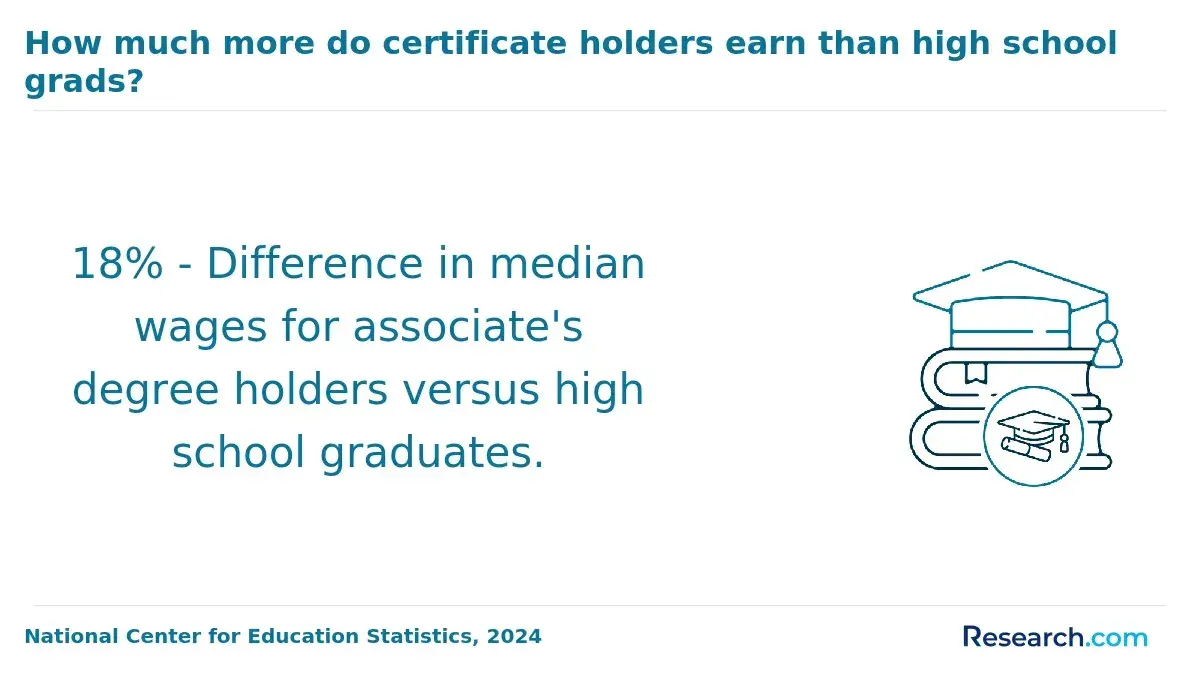
Which Early Childhood Education Master's Specializations Lead to the Highest-Paying Careers?
Part-time early childhood education master's programs are designed to balance flexibility with academic rigor, but the specific structure varies widely and directly affects how students manage workload and learning progress. Understanding these design features is essential for assessing how well a program supports sustained engagement, skill mastery, and professional integration alongside existing commitments.
- Modular Course Design: Many programs break curricula into discrete modules or short courses, enabling students to focus intensively without becoming overwhelmed. This segmented approach facilitates targeted learning but may challenge long-term retention and synthesis across topics if pacing is too accelerated.
- Asynchronous versus Synchronous Learning: Asynchronous content offers flexibility for students balancing work and life, but reduced live interaction can limit peer collaboration and instructor feedback. Programs that blend formats tend to support deeper engagement and immediate skill application.
- Extended Timeframes for Completion: Part-time tracks typically extend over two to four years, granting students the chance to absorb complex concepts and apply them in their workplaces. However, stretched timelines require sustained motivation and can dilute momentum without structured milestones.
- Fieldwork Integration: Some curricula embed practicum or applied projects that align with students' employment contexts, enhancing relevancy and experiential learning. This integration demands careful coordination with work schedules but substantially enriches practical skills and professional networking.
- Structured Peer and Faculty Interaction: Regular discussion forums, group assignments, or scheduled virtual meetings foster community and accountability, counteracting isolation common in part-time study. Programs lacking this element risk diminished student persistence and limited development of collaborative competencies.
- Assessment Flexibility and Frequency: Programs vary in how often they require assignments, exams, or portfolio submissions. Frequent smaller assessments can help track progress and reduce cramming but may increase workload pressure; less frequent, high-stakes evaluations demand robust self-discipline.
According to recent data from the National Center for Education Statistics, approximately 65% of graduate students enrolled part-time report balancing their studies with full-time employment, underscoring the need for program structures that genuinely accommodate adult learners' complex lives without compromising academic depth.
Which Early Childhood Education Master's Specializations Offer the Best Job Growth?
Assessing job growth within early childhood education master's specializations demands analysis beyond surface popularity, emphasizing employment projections, hiring trends, and evolving sector demands. Key drivers include regulatory changes, such as increased credentialing standards, and shifting employer needs favoring expertise in developmental delays, inclusive curricula, and family engagement.
The U.S. Bureau of Labor Statistics' 10% projected growth rate for preschool special education teachers through 2032 highlights how legal mandates and workforce shortages shape real opportunity rather than general market buzz. Evaluating transferability of specialization-specific skills across roles is also critical, especially for professionals balancing career shifts or seeking leadership positions within early childhood education master's concentrations for career advancement.
However, relying solely on job growth forecasts can overlook practical constraints, including geographic variability, cyclical hiring, and credential requirements often tied to internships or demonstrated experience. Many high-demand roles also demand advanced licenses or portfolios, which can delay immediate employment gains for new graduates. Furthermore, some specializations may position students well for entry-level roles but have limited pathways for sustained advancement.
Prospective students must consider whether their chosen master's concentration supports both near-term job access and longer-term professional development. Those managing work-life balance concerns should also evaluate program flexibility, similar to considerations within construction management degree online cost decisions, where practical scheduling impacts career progression as much as market demand.
Which Early Childhood Education Master's Specializations Are Best for Career Changers?
Specializations such as early intervention, special education, and curriculum design tend to be more accessible for career changers due to their flexible prerequisite structures and emphasis on applied learning. These fields often value transferable skills from healthcare, social work, or psychology, which can offset gaps in formal education training. Programs that integrate foundational coursework with focused practicum or internship opportunities facilitate smoother transitions by providing practical experience and direct exposure to classroom environments.
According to recent projections by the U.S. Bureau of Labor Statistics, employment in preschool and childcare centers is expected to grow by 9% from 2022 to 2032, underscoring persistent demand for expertise in inclusive and specialized early childhood education roles that these specializations address.
Opting for a specialization solely based on market demand carries risks, especially when the candidate lacks relevant prior experience. The steep technical learning curve and complex credentialing requirements in some specializations, such as administration or research-heavy tracks, can delay job readiness and reduce initial employability.
Additionally, career changers without established professional networks in education may face heightened competition from peers with direct background experience, complicating entry into desired roles. Awareness of how specific specializations align with credentialing pathways and employer expectations is critical to avoid investing time and resources in options that offer limited practical return or prolonged uncertainty in placement.
One graduate, previously employed in mental health services, hesitated between special education and curriculum development specializations because of differing prerequisite demands and practical skill alignment. She ultimately chose special education for its clearer licensure pathway and potential to leverage her experience with developmental disorders.
During her program, targeted internships and faculty guidance helped bridge her classroom management knowledge gap, though she acknowledged the initial months required intensive adjustment to education-specific language and assessment techniques. Her decision reflected a pragmatic balance of transferable skills and credentialing feasibility rather than a purely interest-driven choice, which eased her entry into a specialized educator role post-graduation.
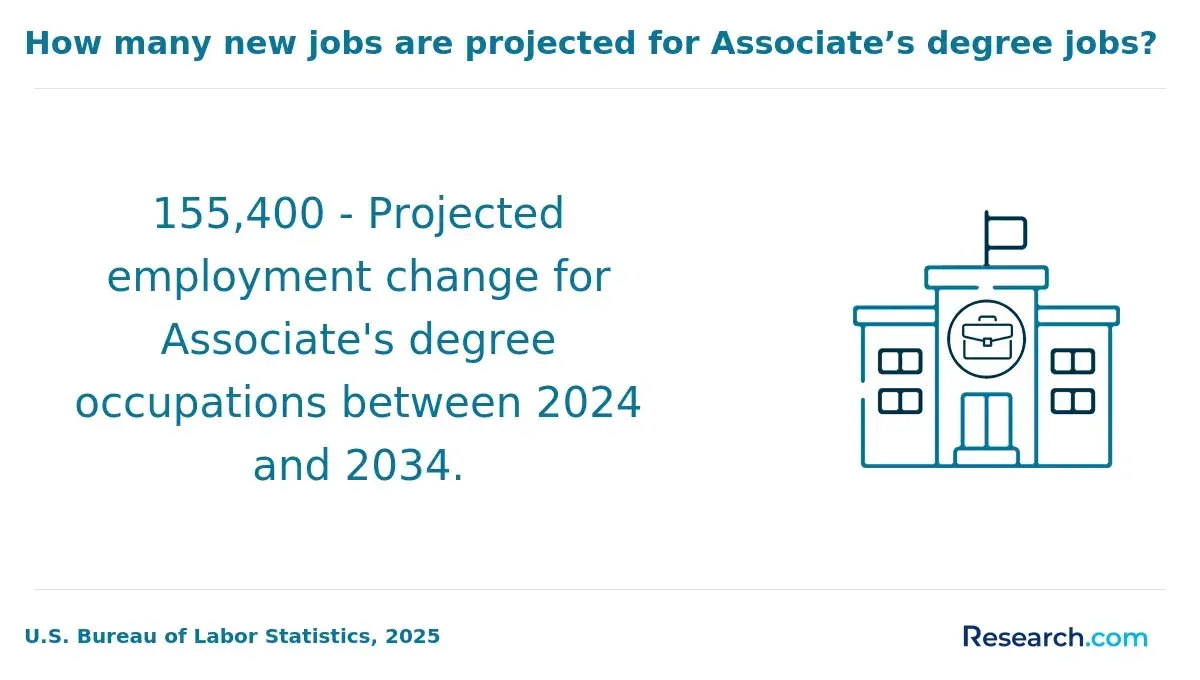
Which Early Childhood Education Master's Specializations Are Best for Working Professionals?
Working professionals weighing early childhood education master's specializations must prioritize factors such as employer relevance, schedule compatibility, and practical skill acquisition that align with their current or targeted roles. Specializations offering applied knowledge with clear pathways to advancement tend to deliver stronger returns, especially for candidates balancing full-time employment and family obligations.
For example, leadership and administration tracks prepare educators for expanding management roles, supported by a 12% projected growth in educational leadership through 2030, indicating substantial demand reflected in workforce reports. Carefully considering how a specialization fits within a candidate's realistic career trajectory and employer needs is essential, particularly for those navigating the constraints of part-time graduate study.
Some concentrations better accommodate working professionals due to the availability of online or hybrid formats, asynchronous coursework, and project-based assignments directly tied to existing job responsibilities. Specializations emphasizing certification alignment or offering flexible practicum requirements enhance feasibility without forcing career interruptions. Those evaluating master's programs in early childhood education often benefit from analyzing which tracks facilitate incremental skill-building and marketable expertise, enabling them to maintain employment while strategically advancing.
Nonetheless, some specializations with intensive clinical requirements, research-heavy curricula, or extensive fieldwork may pose significant challenges for employed students. These programs might demand extensive in-person hours or internships, limiting flexibility and complicating part-time enrollment. While such tracks can yield strong labor-market value, the trade-offs in scheduling and workload must be weighed carefully.
Ultimately, the best early childhood education graduate concentrations for career advancement are those that balance rigorous, market-driven curricula with the practical realities of professionals managing multiple commitments.
For professionals interested in related fields, programs such as the masters in communication also offer complementary skills valuable in educational settings.
How Do Online and Flexible Early Childhood Education Master's Specializations Compare?
Online and flexible early childhood education master's programs differ significantly in structure and student experience, influencing outcomes and workforce readiness. Fully online offerings often rely on asynchronous coursework, which allows individualized pacing but can limit consistent cohort interaction and synchronous faculty engagement. Hybrid models incorporate scheduled in-person sessions to meet practicum or observation requirements, critical for licensure, yet these requisite campus visits may reduce accessibility for some learners.
Accelerated tracks condense core content into shorter timeframes, demanding intense focus, while part-time programs extend duration for manageable pacing, affecting how quickly graduates enter or advance in the field. These structural differences also affect opportunities for applied projects and internships, which are essential for developing practical skills that employers in early childhood education prioritize.
Flexibility alone does not equate to program strength or employer value. Rigorous curricula with clear alignment to state licensing standards and national accreditation remain indispensable, regardless of delivery format. Employers increasingly seek candidates with verifiable hands-on experience and demonstrated collaboration skills, often cultivated more effectively through hybrid or in-person formats that integrate practicums seamlessly. Access to comprehensive career services, technology platforms that support interactive learning, and faculty mentorship are crucial components that can vary widely across flexible options.
Programs that lack these elements risk producing graduates less prepared for the multifaceted demands of early childhood education roles, where theoretical knowledge must translate into effective classroom and family engagement.
For working professionals and career changers, flexible master's paths offer the possibility to maintain employment while pursuing credentials, but this advantage requires careful consideration of workload and progression pacing. The 2024 National Center for Education Statistics report indicates that 62% of graduates from hybrid or flexible early childhood education master's programs secured jobs within six months, a figure close to traditional on-campus cohorts, underscoring that program quality and experiential learning access critically impact employability.
Prospective students should weigh networking opportunities and long-term skill acquisition against scheduling convenience to ensure their chosen specialization supports sustainable career growth rather than merely short-term academic completion.
What Skills Do Students Learn in In-Demand Early Childhood Education Master's Specializations?
In-demand master's specializations in early childhood education are designed to develop competencies that directly respond to workforce demands and sector shifts. These programs deliberately blend technical knowledge with leadership, research, and applied skills that prepare graduates for complex roles beyond basic classroom settings.
Understanding these competencies is essential for aligned career decisions and navigating diverse professional environments in education.
- Evidence-Based Instructional Design: Students engage deeply with assessment tools and curriculum development focused on diverse learning needs. Through practicums and projects, they learn to create adaptive instructional strategies that improve child outcomes-critical for employers seeking innovation in early learning settings.
- Data Analysis and Program Evaluation: Mastery of interpreting educational data and evaluating program effectiveness is cultivated via coursework and capstone projects. This analytical skill supports continuous improvement and accountability, traits increasingly valued in education administration and policy roles.
- Leadership and Policy Development: Training covers strategic planning, team supervision, and advocacy, preparing graduates for supervisory positions and policy influence. Hands-on leadership simulations and collaboration exercises help students translate theory into practice, addressing real-world management challenges in educational organizations.
- Research Methodology and Ethical Inquiry: Rigorous study design and ethical considerations underpin graduate research components. This competence enables graduates to contribute valid insights to best practices and policymaking, a skill set integral to advancing systemic improvements in the field.
- Cross-Cultural Communication and Collaboration: Emphasizing engagement with families and community stakeholders from varied backgrounds, students develop nuanced communication skills. These abilities are essential for fostering inclusive environments and meeting regulatory and societal expectations in diverse educational settings.
According to the U.S. Bureau of Labor Statistics, employment in early childhood education is projected to grow 7% through 2032, underscoring a rising demand for professionals equipped with both classroom innovation and administrative expertise. This combination of skills aligns with evolving career paths such as curriculum designers, policy analysts, and early intervention specialists, where adaptability and interdisciplinary collaboration remain vital amid regulatory and funding fluctuations.
What Are the Admissions Requirements for Popular Early Childhood Education Master's Specializations?
Admissions requirements for popular early childhood education master's specializations function both as eligibility filters and indicators of how closely a program aligns with particular professional roles or advanced skill demands. These criteria vary significantly depending on the specialization's practical focus, program rigor, and intended career outcomes, shaping applicant preparation and positioning in the job market.
- Academic Background and Prerequisite Coursework: Most programs expect applicants to hold at least a bachelor's degree, frequently in education, child development, psychology, or related fields. Applicants without direct preparation may need to complete foundational courses, reflecting the program's emphasis on readiness for complex theoretical and applied content in early childhood education master's program admissions criteria.
- Relevant Work Experience: Experience in educational or developmental settings is often critical, especially for practice-driven specializations like early intervention or inclusion. This requirement serves as a proxy for applied skills and professional maturity, often compensating for marginal academic metrics while aligning candidates with employer expectations.
- Licensure and Certification Alignment: Specializations designed for licensed teachers require valid credentials or eligibility, underscoring the connection between academic preparation and mandated professional standards. Alternative paths may admit non-licensed applicants but often mandate concurrent pursuit of licensure, signaling a dual commitment to theory and practice.
- Standardized Testing and Holistic Assessments: GRE requirements are declining, with nearly 65% of graduate education programs adopting test-optional policies according to a 2024 survey. Instead, programs emphasize writing samples, portfolios, and personal statements that reveal reflective practice and theoretical insight, which are more predictive of success in specialized career tracks.
- Interviews and Specialized Evaluations: Clinical or fieldwork-focused specializations incorporate interviews and competency assessments to ensure candidates meet safety, ethical, and skill standards. These gatekeeping practices reflect increasing demand across healthcare and educational systems for professionals who can navigate complex inclusion or intervention environments.
Given the diversity and depth of these admissions criteria, applicants should carefully assess how their backgrounds and career goals intersect with program expectations in admission requirements for popular early childhood education concentrations. Those seeking specialized qualifications may also benefit from exploring programs featured in lists like the most affordable online DBA programs, which sometimes highlight cross-disciplinary pathways or alternative entry routes.
How Should Students Compare Cost, Financial Aid, and ROI by Early Childhood Education Specialization?
Determining cost and return on investment (ROI) for a master's in early childhood education specialization is a nuanced, specialization-dependent assessment. Beyond simple tuition comparisons, prospective students must evaluate how program design, labor-market alignment, and their career stage influence expenses and financial benefits. Financial aid opportunities and indirect costs often vary significantly by specialization, affecting overall affordability and time-to-value.
- Tuition Structures and Fees: Some specializations may have higher tuition rates due to required materials, technology, or smaller cohort sizes. Additional fees for practicum supervision, certification exams, or technology access can accumulate, risking underestimating true program costs unless carefully reviewed.
- Practicum and Fieldwork Costs: Specializations emphasizing internships or practicum placements often involve travel, childcare, or unpaid hours that impact opportunity costs. These hidden expenses affect how affordable programs are, especially for working professionals balancing income loss during field experiences.
- Certification and Credentialing Expenses: Specialization areas tied to licensure may require additional application fees, background checks, or exam costs. These must be factored into financial aid planning since they vary widely and can increase debt burden beyond tuition.
- Employer Tuition Support Limits: Financial aid from employers often depends on specialization relevance or credentialing outcomes. Some fields command more employer reimbursement, while others receive minimal support, influencing net cost and affordability for employed students.
- Completion Timelines and Opportunity Costs: Programs with extended sequencing or required practicum can lengthen time to degree, increasing indirect costs. A longer duration delays earnings growth, diminishing short-term ROI, particularly for career changers balancing ongoing expenses.
Understanding these factors is crucial when comparing early childhood education specialization cost comparison and financial aid and ROI for early childhood education degrees. Real-world affordability depends on how well costs align with expected salary gains and career mobility specific to each specialization.
According to a 2024 workforce report by the National Association for the Education of Young Children, 72% of employers prefer candidates from accredited programs that also provide clear certification pathways, underscoring how ROI links to program quality and market demand.
When analyzing master's pathways, students should also consider emerging, adaptable skills within curriculums, such as digital literacy and culturally responsive pedagogy, which enhance long-term relevance. In related fields, those seeking advanced credentials might examine specialized tracks like the PhD in artificial intelligence USA to complement their education expertise in technology-driven early learning environments.
What Do Graduates Say About Their Early Childhood Education Master's Specializations?
- Otis: "After completing my master's specialization in early childhood education curriculum design, I quickly realized that having a solid portfolio and relevant internships was more valuable to employers than just holding a license. While the coursework prepared me well, the real challenge was demonstrating adaptability in classroom settings, especially when competing with candidates who had years of hands-on experience. Flexibility and networking became key components in securing my current role."
- Ronan: "Graduating with a focus on early childhood education administration opened doors to leadership roles, but I encountered salary growth limits without the proper licensure required by some districts. I found many employers prioritized certifications and proven management skills over merely holding a degree. To progress effectively, I had to pivot towards gaining targeted administrative credentials and developing strong partnerships with local schools."
- Brooks: "The master's program in early childhood education special needs prepared me to enter the workforce faster by emphasizing remote and hybrid teaching methods, which became a significant advantage during the pandemic. However, I noticed that some hiring managers still preferred candidates with specific licensing, especially for in-person roles. Balancing practical experience with ongoing certification efforts has been crucial for sustaining my career momentum."
Other Things You Should Know About Early Childhood Education Degrees
In 2027, specialization choices significantly influence job readiness in early childhood education. Specializations such as "Inclusive Education" and "STEM Integration" equip educators with essential skills highly valued by employers, enhancing their preparedness to effectively teach diverse and technologically advanced classrooms.
Employers in early childhood education often value specializations that demonstrate both leadership potential and direct classroom expertise, but this balance varies by setting. For instance, public school districts frequently prioritize candidates with expertise in inclusive education and behavior management, while private early learning centers may seek those with strong curriculum design skills. Aligning your specialization with the requirements of your target employers can streamline hiring and advancement, so it's advisable to research job postings and talk to hiring managers before committing to a track.
Leadership-focused specializations offer broader career mobility, opening doors to roles such as program directors or policy coordinators, which can provide higher earning potential and influence over early childhood systems. In contrast, intervention-focused specializations, like developmental disabilities or mental health, involve specialized skills that may limit mobility but deepen expertise and typically result in strong demand in certain sectors. For those aiming at sustainable upward mobility, prioritizing leadership tracks is generally wiser, while candidates committed to direct specialized support might choose intervention paths for immediate impactful work.
Some specializations align closely with state or national certification requirements, making them strategic for licensure and continuous professional development. For example, early intervention and special education tracks often match criteria for specialized teaching endorsements, which are prerequisites for many roles in public education. Conversely, more general leadership or curriculum-focused tracks might offer fewer direct certification pathways but can be supplemented with additional credentials later. Students should consider how their chosen specialization fits with long-term credential goals and the ongoing professional learning expectations in their intended employment environment.
References
- Different Specializations - Early Childhood Education https://www.athenacareers.edu/different-specializations-ece-degree/
- Top 10 Online Master’s in Early Childhood Education https://www.masters-in-special-education.com/best/online-masters-early-childhood-education/
- Master of Early Childhood Education | Master's Degree | SUSS https://www.suss.edu.sg/programmes/detail/master-of-early-childhood-education-mece-spe
- What is the highest paying job in Early Childhood Education? https://chevrontraining.ie/what-is-the-highest-paying-job-in-early-childhood-education/
- What Career Opportunities are There in Early Childhood Education? https://www.swinburneonline.edu.au/what-career-opportunities-are-there-in-early-childhood-education/
- Child Care and Pre-K are Strategic Economic Investments: Impact on Education https://www.ffyf.org/2021/11/12/child-care-and-pre-k-are-strategic-economic-investments-impact-on-education/
- Top Careers in Child Development https://mybrightwheel.com/blog/careers-in-child-development
- The Highest Paying Early Childhood Education Jobs | Arizona Early Childhood https://azearlychildhood.org/resources/articles/the-highest-paying-early-childhood-education-jobs/
- Why You Should Get a Master's in Early Childhood Education - Graduate Programs for Educators https://www.graduateprogram.org/blog/why-you-should-get-a-masters-in-early-childhood-education/
- Master's in Early Childhood Education Job Outlook | CUNE https://www.cune.edu/news/masters-early-childhood-education-jobs