2027 Nursing Education Degree Master's Programs Accepting Students Now

Co-Founder and Chief Data Scientist
Recent graduates, career changers, and international applicants face distinct challenges when pursuing a nursing education degree master's program. Career changers, for instance, often struggle to find flexible options that recognize prior experience while preparing them for clinical teaching roles.
The demand for qualified nursing educators is rising as 28% of current nurse faculty plan to retire within five years, intensifying the shortage. This shortage limits the capacity of programs to admit diverse candidates. This article examines nursing education degree master's programs currently accepting students, highlighting pathways tailored to various backgrounds and strategies to overcome common enrollment barriers.
Key Things to Know About Nursing Education Degree Master's Program Accepting Students Now
- Many nursing education master's programs offer flexible online and hybrid formats to accommodate working professionals balancing career and study commitments.
- Accelerated curricula emphasize practical skill development, enabling students to advance their teaching competencies within 18-24 months.
- Students gain access to extensive global networks, fostering collaboration and mentorship opportunities crucial for academic and clinical leadership roles.
What Are Nursing Education Master's Programs, and Who Are They Designed For?
A master's program in nursing education typically prepares registered nurses (RNs) to become effective educators in academic or clinical settings, focusing on teaching strategies, curriculum development, and leadership in healthcare education. These programs generally take about 18 to 24 months to complete and offer flexible formats, including fully online, hybrid, or traditional on-campus options, making them accessible to working professionals.
Nursing education master's programs accepting students now accommodate various needs with flexible scheduling and varied delivery modes.
The primary audiences for these programs include current nurses aiming to transition into teaching roles, career changers possessing a nursing background, and recent bachelor's degree graduates seeking specialization in education rather than clinical practice.
Unlike bachelor's degrees, which emphasize clinical skills, or doctoral programs that focus heavily on research, nursing education master's degrees concentrate on educational theory and practical teaching skills.
- Target Audience: Suitable for RNs with clinical experience, career changers with nursing credentials, and recent graduates pursuing educational roles in nursing.
- Program Format and Duration: Programs typically span 1.5 to 2 years with options for online or on-campus study, designed for full-time professionals and part-time students.
- Curriculum Focus: Emphasizes pedagogy, curriculum design, student assessment, and leadership relevant to nursing education.
- Degree Differentiation: Masters focus on teaching and educational leadership, bachelors on clinical nursing, and doctorates on research and advanced scholarship.
- Career Outcomes: Graduates often become nursing faculty, clinical trainers, or educational coordinators within healthcare institutions.
Admission requirements vary but typically include a bachelor's degree in nursing, satisfactory GPA thresholds, and relevant clinical experience, important information for those exploring master's degree in nursing education admission requirements. The demand for nurses with advanced education credentials is growing steadily; the Bureau of Labor Statistics projects a 6% increase in employment of nurse educators from 2022 to 2032.
For those considering further advanced practice degrees, many also explore accelerated DNP programs as a complementary pathway in nursing education and leadership.
Which Nursing Education Master's Programs Are Currently Accepting Applications?
The availability of nursing education master's programs accepting applications varies each semester due to program capacity and institutional schedules. Prospective students interested in master's in nursing education programs open for enrollment should verify directly with individual schools, as "accepting students now" may include rolling admissions or specific intake windows, which differ among institutions. University websites and accrediting bodies such as the Commission on Collegiate Nursing Education (CCNE) and the Accreditation Commission for Education in Nursing (ACEN) provide valuable, up-to-date information on program openings.
Below are representative examples of nursing education master's programs that frequently welcome new students, showcasing a variety of formats including thesis-based, professional, and accelerated options:
- Thesis-Based Master's at University A: This program blends rigorous research training with practical teaching experience, making it ideal for those planning doctoral studies or educational research roles within healthcare settings.
- Professional Nursing Education Master's at College B: Designed for working professionals, this flexible online program emphasizes curriculum development and instructional strategies. Admissions often follow a rolling schedule, allowing multiple start dates throughout the year.
- Accelerated Program at Institute C: A 12-18 month track tailored for career changers, it balances foundational nursing knowledge with pedagogy for students transitioning from unrelated fields.
- Hybrid Master's Program at University D: Combining online coursework with on-site clinical teaching practicums, this program supports flexible study while requiring hands-on experience. Fixed deadlines usually apply to fall and spring admissions.
- Non-Thesis Option at State College E: This practical and leadership-focused program prepares graduates for educational roles in hospitals and academic settings. Application cycles are updated periodically, so consulting the official site is recommended.
Those seeking nursing education master's programs currently accepting applications may also benefit from researching nursing colleges with high acceptance rates to understand a broader admissions landscape.

What Are the Admission Requirements for a Nursing Education Master's Program?
Most nursing education master's programs require submission of official undergraduate transcripts to confirm previous academic performance and completion of prerequisite courses. These often include fundamental science and nursing-related subjects, particularly for those transitioning from different fields.
Alongside transcripts, applicants need to provide two or three letters of recommendation from either academic instructors or professional supervisors who can vouch for their readiness and dedication to graduate study.
A well-articulated statement of purpose is another key component. This essay should clearly express the applicant's motivations, career ambitions, and how the program fits into their professional goals. Additionally, a current resume or CV highlighting relevant work experience, volunteer service, and certifications helps admissions teams assess the applicant's practical background.
While some programs may still request standardized test scores such as the GRE or GMAT, many institutions have waived these requirements in response to the COVID-19 pandemic, aiming to ease access. Moreover, specific prerequisites like professional nursing licenses, portfolios demonstrating clinical work, or completion of targeted undergraduate courses may also apply, depending on the institution's focus.
Because admission criteria vary widely among schools, it's essential for prospective students to consult each program's official page for the most up-to-date and detailed requirements to prepare a competitive application.
- Undergraduate Transcripts: Official transcripts verify academic history and completion of required foundational courses in science and nursing.
- Letters of Recommendation: Typically, two to three references from educators or supervisors confirm applicant readiness and commitment.
- Statement of Purpose: A personal essay detailing career goals and reasons for pursuing nursing education distinguishes candidates.
- Resume or CV: An overview of professional experience, certifications, and volunteer work provides insight into practical qualifications.
- Standardized Tests and Discipline-Specific Prerequisites: GRE/GMAT requirements vary, and some programs include nursing licensure or portfolios among their prerequisites.
A professional who enrolled in an online nursing education master's program shared that navigating diverse admission steps was initially overwhelming. He recalled, "Gathering all the transcripts and letters felt like a full-time job, especially coordinating recommendations while working."
Despite the stress, he emphasized how crafting the statement of purpose helped him clarify his vision. "It wasn't just an essay; it was the moment I realized why I wanted to shift careers." He encouraged future applicants to stay organized and reach out to programs directly, saying, "Every school's checklist was a bit different, so asking questions early really made a difference."
What Is the Minimum GPA Requirement for a Nursing Education Master's Program?
The minimum GPA requirement for most nursing education master's programs generally stands at 3.0 on a 4.0 scale, considered the foundational benchmark for eligibility. More competitive programs, however, often seek applicants with GPAs ranging from 3.3 to 3.5 or higher, reflecting their rigorous academic expectations.
Admissions committees frequently consider an upward trajectory in GPA or substantial nursing experience to offset slightly lower academic scores, recognizing diverse indicators of candidate potential.
Some institutions offer conditional admission for candidates with borderline GPAs, requiring them to meet specific academic milestones during their initial term to continue in the program. If your GPA is close to the minimum, reaching out to admissions offices can provide clarity on application strength, given other factors such as recommendations and personal statements.
For prospective students exploring options, including those interested in an online nurse practitioner degree, understanding these nuances is critical to navigating GPA thresholds for admission to nursing education graduate programs.
- Standard GPA Threshold: Most programs set a 3.0 GPA minimum, though top-tier schools often require higher academic achievement.
- Holistic Admissions Approach: Strong upward GPA trends and professional nursing experience can compensate for lower grades.
- Conditional Admission: Some schools permit provisional entry for applicants who demonstrate potential despite borderline GPAs.
- Direct Contact with Admissions: Engaging admission counselors helps clarify individual assessment practices and exceptions.
- Recent Policy Trends: As of 2023, around 35% of nursing education master's programs have updated GPA guidelines to better accommodate non-traditional applicants.
How Long Does It Take to Complete a Nursing Education Master's Program?
Master's programs in nursing education generally require one to two years of full-time study. Part-time options extend this period to two to four years, accommodating those balancing work or personal commitments. Some institutions offer accelerated programs that can be completed in as little as 12 months, while 4+1 combined bachelor's/master's degree tracks allow students to earn both degrees within five years, shortening overall study time.
The time needed to graduate varies based on program format. Thesis options often lengthen completion times due to research and writing demands, whereas non-thesis tracks emphasize coursework and practical experience.
Course load also influences duration-students taking more credits per term may finish sooner but face a heavier workload. Transfer credits from prior relevant education can reduce semesters needed, and required clinical internships or practicums impose set hour requirements that impact scheduling and program length.
Prospective students should carefully consider how quickly a program can be completed in relation to the depth of training and career preparedness it offers. Speedier completion options may not always provide the same quality or comprehensive professional preparation.
- Full-Time Versus Part-Time Enrollment: Full-time students usually complete programs within two years, while part-time students have more flexibility but take longer, often two to four years.
- Accelerated and Combined Degree Programs: Some schools provide intensive 12-month pathways and 4+1 bachelor's/master's options that reduce total time in school.
- Thesis and Coursework Options: Thesis tracks require additional research time, whereas non-thesis focuses on classwork and practical skills.
- Transfer Credits and Course Load: Applying previous credits or taking heavier course loads can shorten program time subject to school policies.
- Clinical Practicum Requirements: Required internships add to duration due to mandatory hours and scheduling constraints.
When discussing how long it takes to finish a nursing education master's program, one professional who advanced his career through an online degree shared how balancing studies with full-time work was a real challenge. He mentioned that initially the workload felt overwhelming, especially juggling clinical hours and coursework simultaneously.
However, the structure of the online program allowed him to tailor his schedule, which made managing responsibilities easier over time. Reflecting on the experience, he noted that while accelerated tracks seemed appealing, choosing a pace that provided sufficient absorption of material was essential for his confidence and success in the field.
What Is the Cost of a Nursing Education Master's Program, and How Is It Calculated?
Tuition for nursing education master's programs is typically charged per credit hour, with most degrees requiring between 30 and 45 credits. Public universities offer lower rates for in-state residents, while out-of-state students usually face higher per-credit fees. Meanwhile, many online programs maintain consistent tuition regardless of where students live, which can simplify budgeting for remote learners.
Alongside tuition, students should account for program-related expenses such as administrative and registration fees, which cover services like clinical placements and exams. Technology and lab fees are commonly added to support essential simulation tools and virtual learning environments integral to modern nursing education.
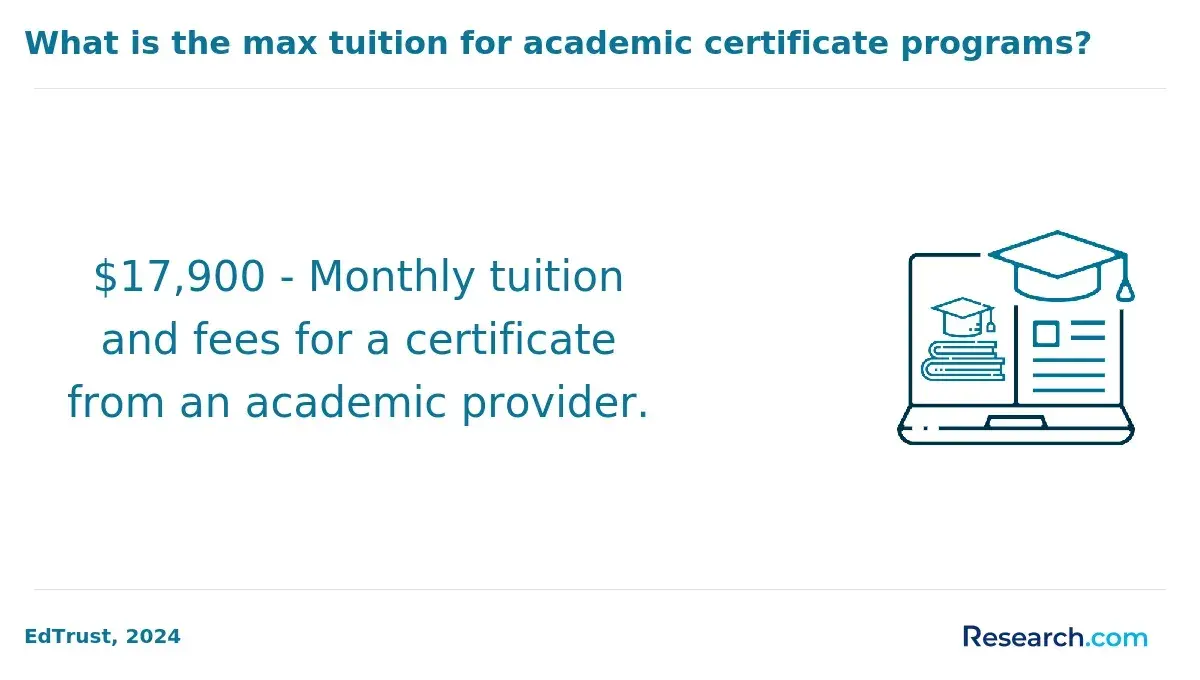
For those attending campus-based programs, additional living costs-housing, meals, transportation, and personal expenses-significantly affect the total investment. National data indicates the overall cost for nursing education master's degrees ranges approximately from $15,000 to $45,000, reflecting the diversity of public, private, and online options.
It's important to note that published sticker prices often overstate what students ultimately pay after factoring in financial aid, scholarships, and employer tuition assistance programs. This distinction highlights the need to explore funding opportunities thoroughly.
- Per-Credit Tuition: Nursing education tuition is calculated on a per-credit basis, with in-state students generally paying less at public institutions. Online programs frequently offer a flat rate regardless of residency.
- Program and Administrative Fees: These mandatory costs cover registration, exams, and clinical arrangements, adding several hundred to a few thousand dollars to the overall expenses.
- Technology and Lab Fees: Many programs charge additional fees to support simulation labs and advanced online learning tools crucial for skill development.
- Living Expenses: Students attending on campus should budget for accommodation, food, transportation, and other personal costs that may substantially increase total outlays.
- Net Cost After Aid: The sticker price does not reflect the final amount paid by most students once grants, scholarships, and employer assistance are applied.
What Financial Aid Options Are Available for Nursing Education Master's Students?
Graduate students pursuing a nursing education master's degree face a distinct financial aid landscape compared to undergraduate students, with fewer grant options and a heavier reliance on loans and assistantships. Completing the Free Application for Federal Student Aid (FAFSA) remains a crucial first step to qualify for federal loans and state programs.
Beyond federal aid, students should actively seek scholarships and fellowships specifically targeting nursing education, which are often offered by professional associations, healthcare organizations, and state nursing boards.
Many universities also provide graduate assistantships that deliver tuition waivers along with stipends in exchange for teaching or research support. These positions not only ease financial burdens but also offer valuable experience.
Additionally, some healthcare employers provide tuition reimbursement or related benefits, helping students manage the costs of advancing their education while working.
- Federal Loans and FAFSA: Filing the FAFSA unlocks access to federal loans such as Grad PLUS or Stafford loans, which are often the primary funding sources for nursing education master's students.
- Institutional Grants and Fellowships: Limited but valuable, some schools award grants and fellowships based on merit or financial need specifically to graduate nursing education candidates.
- Graduate Assistantships: Assistantships combine tuition remission with stipends, rewarding students who contribute to teaching or research efforts.
- Employer Tuition Benefits: Nurses should inquire with their employers about tuition reimbursement programs or scholarships that support ongoing education.
- Private and State Scholarships: Discipline-specific scholarships and state aid programs require timely application and research but can significantly reduce out-of-pocket expenses.
Are There Scholarships Specifically for Nursing Education Master's Students?
Scholarships for nursing education master's students come primarily from two sources: institutional scholarships granted by universities and external scholarships offered by professional associations, foundations, and government agencies. Institutional scholarships often reward academic excellence, leadership qualities, or financial need among students enrolled in a nursing education master's program.
External scholarships provide broader opportunities and may focus on minority groups, military veterans, or candidates dedicated to underserved communities, enhancing the financial aid landscape for nursing education graduate students.
Prospective students should explore the websites of key professional organizations such as the National League for Nursing (NLN) and the American Nurses Association (ANA). Additionally, scholarship aggregator databases and federal search tools like Scholarships.gov offer comprehensive and up-to-date listings.
It's crucial to carefully review each scholarship's eligibility criteria, award amount, deadlines, and whether the funding is renewable for multiple years. This strategic approach maximizes scholarship income throughout the duration of a master's program.
Enrollment in master's nursing education programs has increased by over 12% in the past three years, reflecting rising demand along with a growth in financial aid opportunities. Those seeking affordable options may also explore cheap MHA programs to complement their funding strategies or related career pathways.
- Institutional Scholarships: Awarded by universities, these scholarships prioritize students actively enrolled in nursing education master's programs, considering academic records and campus engagement.
- External Scholarships: Offered by national nursing organizations and foundations, these awards often target underrepresented populations or specialized nursing education fields.
- Research and Search Tools: Using official association websites, scholarship aggregators, and government databases is essential for finding current and specialized funding opportunities.
- Eligibility and Deadlines: Applicants must scrutinize criteria and application deadlines carefully, as requirements and availability vary widely among scholarships.
- Renewability of Awards: Many scholarships provide renewable funding that covers multiple years, easing the financial burden across a master's degree program.
What Are the Best Online Nursing Education Master's Programs Available Today?
Choosing the best online nursing education master's programs requires careful assessment of key factors that demonstrate credibility and support student success. Regional or programmatic accreditation remains crucial, as it validates the program's adherence to high academic standards, which is essential for future employment and further education.
Faculty credentials also play an important role; instructors with advanced nursing degrees and relevant teaching experience help enhance the educational experience and mentorship opportunities.
Reliable student support services, such as academic advising, tutoring, and technical assistance, are vital for online learners managing coursework alongside professional and personal demands. Additionally, career placement rates provide valuable insight into the program's effectiveness in preparing graduates for nursing education roles.
While reputable rankings can assist in identifying top accredited online nursing education master's programs, they should be just one part of your research, not the sole criterion.
One key advantage of the online format is flexibility, ideal for working adults seeking to continue their education without compromising their jobs. Asynchronous classes and adaptable schedules make it easier to balance responsibilities.
However, prospective students should be aware of trade-offs, including more limited networking opportunities and fewer hands-on experiences compared to traditional programs. Always verify a program's accreditation to ensure quality and recognition.
- Accreditation Verification: Confirm the nursing education master's program has regional or specialized accreditation to ensure it meets recognized academic standards and is respected by employers.
- Qualified Faculty: Look for instructors with advanced degrees and clinical teaching experience who enrich the curriculum and provide mentorship.
- Student Support Services: Effective advising, tutoring, and technical support promote student retention and help navigate online learning challenges.
- Flexible Scheduling: Online programs often feature asynchronous coursework that accommodates working professionals balancing study with other commitments.
- Career Outcomes: Investigate graduate employment rates in nursing education roles and connections with healthcare institutions to evaluate the impact on your career advancement.
For those seeking options with reduced application barriers, exploring online schools no application fee can make the admission process more accessible while considering flexible online nursing education master's degrees for working professionals.
How Do Accreditation Standards Affect the Value of a Nursing Education Master's Degree?
Regional accreditation evaluates an institution's overall academic quality, while programmatic accreditation focuses specifically on nursing education programs, ensuring their curriculum meets industry standards. Attending an accredited program is essential because most state licensure boards require graduation from such programs for eligibility in advanced certifications and teaching roles.
Employers also prefer graduates from accredited programs, associating these degrees with rigorous preparation and professional standards. Additionally, only students enrolled in accredited institutions can access federal financial aid, which is vital for funding graduate education.
Nursing education programs commonly receive programmatic accreditation from the Commission on Collegiate Nursing Education (CCNE) or the Accreditation Commission for Education in Nursing (ACEN). Prospective students should always verify accreditation through the U.S. Department of Education's Database of Accredited Postsecondary Institutions and Programs to ensure the legitimacy and quality of their chosen program.
- Regional vs Programmatic Accreditation: Regional accreditation certifies the quality of the entire institution, while programmatic accreditation focuses on specific nursing education programs, assuring specialized standards and relevance.
- Licensure and Certification: Graduating from accredited programs is often mandatory for passing licensure exams and obtaining advanced teaching certifications, directly affecting career progression.
- Employer Recognition: Degrees from accredited programs signal to employers that candidates have met comprehensive educational and professional standards.
- Financial Aid Eligibility: Enrollment in accredited schools is a prerequisite for receiving federal loans and grants, making accreditation critical for many students' financial planning.
- Verification Resources: The U.S. Department of Education's official database offers a reliable means for students to confirm program accreditation and avoid unrecognized institutions.
What Career Outcomes Can Nursing Education Master's Graduates Expect?
Graduates with a master's degree in nursing education often find diverse career opportunities across public institutions and private organizations. Roles frequently include nurse educators in academic environments, where professionals blend clinical expertise with teaching responsibilities. According to the Bureau of Labor Statistics, nurse educators earn a median annual wage near $75,000, with job growth projected at 6% through 2032 due to persistent nursing workforce shortages.
Holding a master's degree typically results in a salary advantage and broader leadership prospects when compared to those with only a bachelor's qualification. Graduates also pursue positions in clinical staff development, healthcare administration, and curriculum design within hospitals, health agencies, and private companies.
Leveraging strong alumni connections and career services offers vital support such as mentoring, job leads, and advancement guidance, enhancing professional growth.
- Academic Nursing Roles: Many graduates serve as nurse educators in colleges and universities, preparing students and healthcare staff while benefiting from competitive salaries and expanding job opportunities.
- Leadership and Administration: The degree facilitates entry into leadership roles focusing on clinical education, workforce development, and policy-making beyond bedside care.
- Salary and Advancement Benefits: Master's degree holders often experience higher earnings and accelerated career progression versus those with a bachelor's degree.
- Sector Diversity: Career paths extend across hospitals, community health organizations, government agencies, and private healthcare firms.
- Career Support Systems: Access to alumni networks and university career services provides essential mentoring, job leads, and professional development resources.
What Graduates Say About Their Nursing Education Degree Master's Program
- Caitlin: "I chose the nursing education master's degree because I wanted to transition from clinical work to teaching future nurses, which felt like a natural next step. The program's affordability was a big plus, allowing me to invest in my career without overwhelming debt. Since graduating, I've secured a faculty position that truly values my hands-on experience paired with the academic foundation I gained."
- Heather: "Reflecting on my journey, pursuing a master's in nursing education was a strategic decision to deepen my knowledge and open doors to leadership roles. The program was cost-effective relative to other graduate degrees, which made it accessible without compromising quality. This degree has profoundly impacted my career, providing me with the skills and confidence to develop innovative training curricula for healthcare staff."
- Lynn: "From the start, my goal was clear: enhance my expertise to inspire and educate the next generation of nurses. I appreciated that the nursing education master's program balanced reasonable tuition with comprehensive coursework tailored to professionals. After completing the degree, I quickly advanced into a managerial role where I lead educational initiatives that improve patient care outcomes."
Other Things You Should Know About Nursing Education Degrees
In 2027, support resources for nursing education master's students often include academic advising, online learning platforms, access to libraries and research databases, writing and tutoring centers, and opportunities for networking through professional organizations and alumni networks. These resources are designed to enhance learning and professional development.
Yes, many nursing education master's programs accommodate working professionals by offering flexible schedules, including evening, weekend, or asynchronous online classes. Part-time enrollment options allow students to balance full-time employment and study. However, clinical practicum components may require in-person commitment during daytime hours, so it is essential to review program requirements carefully before enrolling.
References
- School of Nursing https://www.ohsu.edu/school-of-nursing/nursing-education-online
- What's the Deal with Accreditation? https://nursingcas.org/career-insights/blog/whats-the-deal-with-accreditation
- Top 10 Cheap, Fast, Online MSN Programs https://nurse.org/articles/cheap-online-masters-degree-in-nursing/
- How Long Does It Take to Earn a Master’s Degree in Nursing? https://www.denvercollegeofnursing.edu/blog/nursing/how-long-does-it-take-to-earn-a-master-s-degree-in-nursing-.html
- Master of Science in Nursing (MSN) Admissions | St. Catherine University https://www.stkate.edu/admission-and-aid/gc/nurse-educator-msn-application-instructions
- Best Online Nursing School Master's Programs for 2025 https://www.princetonreview.com/nursing-school-rankings
- Your Questions About Online Nursing School, Answered https://www.allnursingschools.com/how-to-get-into-nursing-school/online-programs/
- What Can You Do with a Master's in Nursing? 2025 Guide | USAHS https://www.usa.edu/blog/what-can-you-do-with-msn/
- Paying for your master's degree in nursing | edX https://www.edx.org/resources/paying-for-your-masters-degree-in-nursing