
2027 One-Year Online Game Design Master's Degree Programs: Accelerated Options, Costs & Outcomes

Co-Founder and Chief Data Scientist
Many professionals with unrelated bachelor's degrees aim to enter the rapidly growing game design industry but face time constraints and high program costs. Pursuing a traditional master's degree often requires two or more years, delaying career transitions and increasing expenses.
Recent studies show that 45% of prospective students prioritize accelerated online programs to balance work and education effectively. This demand highlights the need for streamlined, cost-efficient options that do not compromise quality or accreditation.
This article explores one-year online game design master's degree programs, examining accelerated pathways, tuition costs, and graduate outcomes to guide informed decisions for career pivoters.
Key Things to Know About One-Year Online Game Design Master's Degree Programs
- Online game design master's degrees offer flexible scheduling, enabling recent graduates and working professionals to balance study with career or personal commitments effectively.
- Accelerated one-year formats condense curricula, allowing career changers to acquire in-demand skills rapidly and enter the job market sooner than traditional programs.
- International applicants benefit from global networking opportunities embedded in online cohorts, expanding professional connections across diverse game development communities.
What Exactly Is a One-Year Online Game Design Master's Degree Program, and How Does It Differ from a Standard Graduate Format?
A one-year online game design master's program accelerated format compresses the typically two-year curriculum into just twelve months. This intensive schedule requires students to take heavier course loads each semester or quarter, enabling faster degree completion without extended breaks. Programs such as the Rochester Institute of Technology's M.S. in Game Design and Development, Savannah College of Art and Design's Master of Arts in Interactive Design and Game Development, and Drexel University's accelerated master's highlight these streamlined structures. Their back-to-back semesters focus on hands-on projects and rapid skill acquisition, demanding strong time management and dedication.
Compared to the traditional two-year or part-time formats, accelerated programs involve a condensed semester structure and heightened course intensity. Beyond faster completion, this format appeals to students who can maintain a high workload consistently. The difference between one-year and standard game design graduate programs extends beyond timeline-traditional routes often allow for lighter terms and more internship or research opportunities. In contrast, the one-year format's pace suits those needing swift career shifts or quick re-entry into the job market.
Individuals benefiting most from accelerated one-year online game design degrees include working adults with relevant experience, career changers eager for rapid industry entry, and recent graduates seeking quick workforce re-entry. These programs typically assume students can commit full-time and handle concentrated academic challenges.
Financial considerations also play a role, and prospective students should investigate tuition costs, potential financial aid, and total cost-of-attendance estimates specific to these accelerated formats. For those exploring affordable options, resources detailing the most affordable online msw programs can offer comparative insights, even if in a different discipline.
- Intensive Curriculum Structure: Coursework is condensed into shorter terms with a higher credit load per semester to meet graduation requirements within 12 months.
- Accelerated Skill Development: Emphasis on project-based learning helps students quickly build professional portfolios and practical game design skills.
- Targeted Student Profile: Ideal for motivated learners, working professionals, and those aiming for rapid career transitions or early workforce reentry.
- Comparison to Traditional Formats: Unlike standard two-year programs, one-year degrees minimize downtime and require consistent high engagement and workload.
- Example Institutions: Schools like Rochester Institute of Technology, Savannah College of Art and Design, and Drexel University offer respected accelerated schedules designed for swift program completion.
Which Accredited Universities Currently Offer Legitimate One-Year Online Game Design Master's Programs?
Prospective students seeking legitimate accelerated one-year accredited online game design master's programs should prioritize regionally accredited universities. Regional accreditation ensures rigorous academic standards, broader acceptance of credits, and stronger employer recognition, which are crucial in dynamic fields like game design. While nationally accredited programs often emphasize vocational training, they may lack transferability and the reputational weight needed for career advancement. Specialized accreditations such as ABET focus mainly on technical or engineering programs rather than creative arts-oriented curricula, though they can enhance credibility where applicable.
Below are five regionally accredited universities across the major U.S. regions offering one-year or accelerated online master's degrees related to game design. These programs typically require 30 to 36 credit hours and blend creative development, technical skills, and industry insights, often delivered on compressed schedules for one-year completion.
- University of Southern California (West Coast): Features an accelerated Master of Fine Arts in Interactive Media and Game Design online, accredited by WSCUC. It lasts about 12 months with tuition near $65,000, emphasizing narrative design, user experience, and 3D graphics.
- Savannah College of Art and Design (Southeast): Offers a one-year Master of Fine Arts in Interactive Design and Game Development fully online, regionally accredited by SACSCOC. Tuition is approximately $38,000 with a curriculum balancing art direction and programming fundamentals.
- Northeastern University (Northeast): Accelerated Master of Professional Studies in Digital Media focusing on game design, accredited by NECHE. The program costs around $42,000, spans 12 months, and features strong industry partnerships.
- University of Texas at Dallas (Southwest): Provides an online Master of Arts in Arts and Technology emphasizing game design, regionally accredited by SACS. The one-year accelerated track costs about $30,000 and includes animation and gameplay mechanics.
- DePaul University (Midwest): Offers a one-year Master of Science in Game Programming fully online, accredited by the Higher Learning Commission. Tuition is roughly $47,000, designed for those combining software engineering and creative design.
Evaluating accreditation is essential for verifying education quality, eligibility for federal financial aid, and career pathways post-graduation in game design. Students can consult vetted resources such as Peterson's, the U.S. Department of Education's College Navigator, or explore options like an associate degree in 6 months online for foundational study. Admissions standards typically assess GPA, prerequisite coursework, and professional experience, ensuring academic rigor despite accelerated timelines. Graduates report favorable employment outcomes and salary growth driven by industry demand and specialized skills.
How Much Does a One-Year Online Game Design Master's Program Typically Cost in Tuition and Fees?
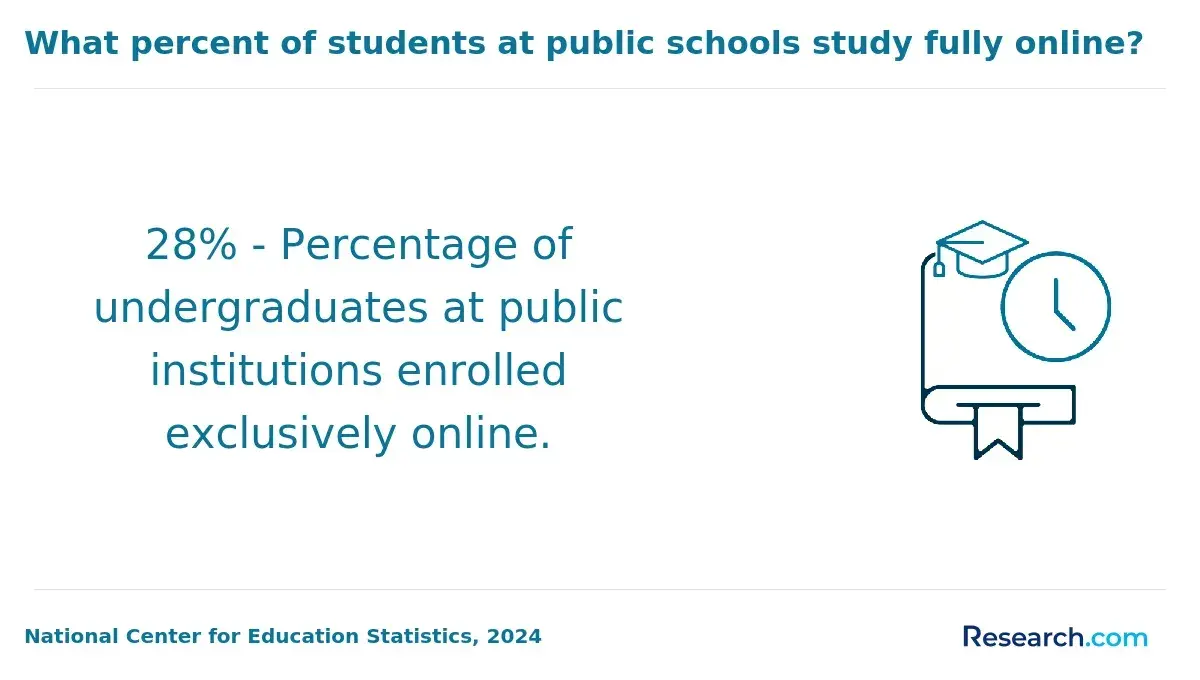
One-year online game design master's programs at public institutions generally charge tuition and fees ranging from $15,000 to $30,000. Private schools usually have higher costs, often between $30,000 and $50,000 or more. These numbers align with data from the National Center for Education Statistics (NCES) and verified institutional net price calculators.
- Technology Fees: Additional charges for technology support and online platforms typically fall between $300 and $1,000 annually, covering software licenses and IT services essential for virtual learning.
- Course Materials: Students should budget around $500 to $1,500 for required textbooks, digital resources, software subscriptions like game engines, and art supplies critical for coursework.
- Proctoring Fees: Remote exams and assessments may require proctoring fees ranging from $25 to $75 per test, which can accumulate depending on the program's structure.
- Residency Requirements: While many programs are fully online, some demand short on-campus residencies or workshops, resulting in travel and lodging costs estimated between $1,000 and $2,500.
- Financial Aid Transparency: About 65% of accelerated online graduate students now prioritize comprehensive cost disclosures before enrolling, highlighting increasing demand for clear fee breakdowns.
Before committing, prospective students should request a detailed cost-of-attendance report from each institution, ensuring all hidden fees and expenses are accounted for to avoid unexpected financial burdens.
A professional who pursued an online game design master's degree to transition careers shared that navigating the financial commitments was initially overwhelming. "I underestimated how many smaller fees added up beyond tuition," he explained, noting the importance of tracking expenses like software subscriptions and occasional travel. Despite the challenges, he valued the program's flexible format, saying, "Being able to study while managing my budget carefully made the difference in completing the degree on time and launching my new career."
What Financial Aid and Scholarship Options Are Available for One-Year Game Design Master's Students?
Graduate students in one-year online game design master's programs have access to multiple financial aid opportunities, though accelerated schedules may impact eligibility and application timing. Completing the FAFSA early is essential since fast-track programs often start on nontraditional dates, differing from standard academic calendars. Federal loans such as Direct Unsubsidized and Grad PLUS Loans remain key funding sources, but need-based grants are scarce at the graduate level. Work-study options exist but are typically limited for online learners.
- Federal Financial Aid Eligibility: Graduate students can apply for federal loans, yet must submit FAFSA accurately and promptly to meet program deadlines and secure aid. Timing challenges in accelerated programs make early application vital.
- Merit-Based Scholarships: Competitive awards based on academic performance, portfolios, or professional achievements supplement financial aid. Many require separate applications, so submitting strong documentation early improves chances.
- Departmental Fellowships and Assistantships: Some programs offer limited fellowships and teaching assistant roles with tuition waivers and stipends. Accelerated formats often reduce availability due to compressed timelines.
- Employer Tuition Reimbursement: Working students should explore employer-sponsored tuition assistance programs and verify eligibility before enrollment to enhance funding possibilities.
- Additional Scholarship Resources: Utilizing tools like the College Board's Scholarship Search and consulting each program's financial aid office helps identify specific aid options and deadlines tailored to one-year online game design master's financial aid options.
Recent data indicates that about 55% of students in accelerated graduate programs use some form of financial aid, reflecting increased accessibility. Prospective students considering fast-track degrees, including those pursuing a counseling bachelor's degree online, can benefit from strategic early financial planning.
What GPA, Prerequisites, and Professional Experience Do One-Year Game Design Master's Programs Require?
Most one-year online game design master's programs typically require applicants to have earned at least a 3.0 GPA on a 4.0 scale during their undergraduate studies. Admissions committees often evaluate transcripts from various institutions, paying close attention to grade trends and the academic reputation of the previous school. Some programs may consider candidates with slightly lower GPAs if they have strong professional backgrounds or other strengths.
- GPA Requirements: Generally, a minimum undergraduate GPA of 3.0 is expected, though some schools offer flexibility when exceptional skills or experience are demonstrated. Checking each program's specific standards is essential.
- Prerequisite Courses: Foundational coursework frequently includes programming basics, digital art, and introductory game theory. Applicants who lack these may need to complete bridge classes either before or during enrollment to stay on track with the curriculum.
- Professional Experience: Many programs highly value relevant industry experience and may waive standardized testing or prerequisite courses if applicants present strong portfolios or demonstrable skills in game development or design.
- Program Variations: Admissions expectations and requirements can differ widely between schools, making it important for prospective students to thoroughly review individual program admissions guidelines and consult advisors as needed.
Recent data shows that over 45% of online graduate programs, including those focused on game design, have reduced standardized testing mandates to emphasize previous coursework and practical experience.
A professional who launched their career after completing an online game design master's shared that, despite initially worrying about not meeting the 3.0 GPA requirement at a well-known university, her extensive industry work and a strong portfolio made a significant difference. She recalls feeling both challenged and supported while undertaking prerequisite courses concurrently, which deepened her technical skills and confidence. "The blend of practical experience with academic coursework really helped me grow," she reflected, emphasizing that balancing the compressed program's demands required dedication but ultimately accelerated her progress in the field.
Are GRE or GMAT Scores Still Required for Accelerated Online Game Design Master's Admissions?
Many accelerated one-year online master's programs in game design have shifted toward test-optional or test-free admissions in recent years, reflecting broader changes in higher education after the pandemic. While some schools no longer require GRE or GMAT scores, others still do, often allowing waivers based on specific qualifications.
A strong portfolio that highlights completed design projects, technical expertise, or published games often serves as an effective substitute for standardized test scores. Similarly, applicants with professional experience or advanced degrees related to game design may be exempt from submission of GRE or GMAT results.
Because admissions criteria can vary and evolve quickly, it is essential for prospective students to consult each program's official admissions page to confirm current requirements before applying.
- Test-Optional Movement: Most accelerated game design master's programs have eliminated mandatory GRE or GMAT score submissions to increase access for a wider range of applicants.
- Waiver Criteria: Programs that continue to request test scores often provide exemptions for candidates with relevant graduate degrees, certifications, or extensive industry experience.
- Portfolio Substitution: A comprehensive portfolio demonstrating practical skills and creativity frequently replaces standardized testing, showcasing a candidate's preparedness for graduate studies.
- International Student Policies: Some institutions still require GRE scores from international applicants, though waivers may be granted based on academic background and English proficiency.
- Policy Updates: Admissions requirements are subject to change, so continuous review of each program's official guidelines or direct contact with admissions staff is recommended before submitting applications.
Over 70% of online graduate programs in creative fields adopted test-optional policies since 2020, highlighting a significant trend toward flexible admissions for accelerated game design master's candidates.
How Are Courses Structured and Delivered in a One-Year Online Game Design Master's Program?
One-year online game design master's programs strategically combine synchronous and asynchronous delivery to optimize flexibility and maintain academic rigor. Live sessions such as lectures and critiques occur regularly, facilitating real-time interaction with instructors and peers. Meanwhile, asynchronous components include recorded materials and assignments, allowing students to study at their own pace-an essential feature given the accelerated format's demanding schedule.
The curriculum is intensely compressed, covering 30 to 36 credit hours within three to four terms. Students typically undertake 10-12 credit hours per term, requiring a weekly commitment of 20 to 30 hours to manage coursework effectively. Assignments often involve progressively complex design projects, coding tasks, and research papers, enforcing consistent engagement throughout the program.
Capstone projects and practicums serve as the academic culmination during the final term, challenging students to apply theory and technical skills to create portfolio-worthy games or prototypes. Some programs offer thesis options where students conduct original research in game design, demanding excellent time management amid an already tight timeline.
- Synchronous vs. Asynchronous Learning: The program's blend of live, interactive sessions and self-paced learning materials ensures students maintain connectivity and autonomy, both vital in the accelerated one-year structure.
- Credit Hour Distribution: With 10-12 credit hours per term, students face a heavier workload than traditional graduate programs, designed to meet a rapid graduation timeline.
- Weekly Study Commitment: A minimum of 20 hours weekly is necessary to balance project work, collaboration, and theory, supporting steady academic progress.
- Capstone and Practicum Integration: Culminating projects synthesize learning through practical application, often involving collaboration with industry professionals.
- Thesis Options and Research Focus: Research theses offer opportunities for original contributions to game design, requiring strategic planning within the condensed program.
Recent data shows accelerated programs achieve a 15% higher completion rate within 18 months compared to traditional timelines, highlighting their effectiveness for focused students moving swiftly into the game design sector.
What Core Curriculum and Specialization Tracks Are Covered in a One-Year Online Game Design Master's Degree?
One-year online game design master's degree core curriculum focus areas typically include essential courses that develop both technical and creative skills vital to game development. Foundational subjects often cover game mechanics, programming fundamentals, interactive storytelling, and user experience design. These areas provide a broad and integrated understanding of the game development pipeline within an accelerated timeline.
Specialization tracks in accelerated online game design programs allow students to concentrate their studies around specific subfields such as game programming, narrative design, visual effects, or production management. Choosing a track enhances career readiness by delivering in-depth knowledge and practical experience tailored to targeted roles in the industry.
Compared to traditional two-year Game Design master's programs, accelerated curricula maintain comparable academic rigor but condense the content into a shorter period. This requires disciplined study habits and prioritization of core subjects, often limiting some elective options but ensuring mastery of key competencies to meet current professional standards.
Reputable programs regularly update their curricula to align with the latest industry technology, software tools, and market trends. This dynamic approach ensures graduates remain competitive and proficient with current game engines, design frameworks, and production workflows, a crucial factor for career advancement. Prospective students balancing accelerated study with financial considerations can also explore options like a master in psychology online for comparison regarding degree timelines and costs.
- Core Curriculum Fundamentals: Includes essential coursework on game mechanics, programming, storytelling, design theory, and user experience to build a broad knowledge base swiftly.
- Specialization Tracks: Offers focused study options such as game programming, narrative design, and production management that hone skills for niche areas within game design.
- Accelerated Curriculum Depth: Matches traditional programs in key outcomes but condenses the timeframe, demanding disciplined study and prioritizing core material efficiently.
- Industry-Relevant Updates: Continuous curriculum updates ensure content aligns with the latest technology trends and professional standards in game design.
- Career-Ready Skillsets: Combines theoretical foundations with practical, project-based learning geared toward real-world game development challenges and employment readiness.
How Do One-Year Online Game Design Programs Balance Academic Rigor With Accelerated Completion?
One-year online game design master's programs face skepticism about academic rigor due to their accelerated format. However, comprehensive learning outcome data demonstrate that graduates perform comparably to those from traditional timelines, and employer surveys report strong satisfaction with graduates' preparedness. These programs utilize strategic curriculum structures-such as cohort models, block scheduling, and intensive modules-to maintain a high standard of engagement and depth despite compressed schedules. Cohort models foster collaborative learning, enabling continuous feedback and peer support, which sustains academic rigor within accelerated game design degree curriculum structure.
Block scheduling condenses courses into focused timeframes so students can immerse themselves fully in each topic without juggling multiple subjects simultaneously. Intensive modules prioritize hands-on projects and applied skills, essential for mastery in this field. Faculty qualifications further validate program quality; leading programs employ instructors who combine advanced degrees with professional game design experience, ensuring courses are both current and challenging. Additionally, robust student support services-including academic advising, tutoring, and career coaching-help students manage the fast pace and prepare effectively for professional advancement.
Prospective students should seek programs that offer transparent job placement rates and maintain strong alumni networks, as these serve as reliable indicators of a program's overall academic quality and career impact. When assessing options, consider exploring resources like online mft programs for comparative program details and support frameworks.
- Cohort Models Support Collaboration: Group-based learning promotes peer interaction and continuous feedback, enabling mastery of complex game design concepts within accelerated timelines.
- Block Scheduling and Intensive Modules: Condensed course periods allow deep focus on individual subjects, enhancing retention and practical skill application.
- Experienced Faculty: Instructors with industry expertise bridge theory and practice, maintaining academic rigor alongside real-world relevance.
- Comprehensive Student Support: Advising, tutoring, and career services guide students through accelerated course demands and workforce preparation.
- Alumni Success and Job Placement: Strong networking and transparent employment outcomes are key proxies for program effectiveness and quality.
What Technology Tools and Software Skills Are Students Expected to Learn in an Online Game Design Master's Program?
One-year online game design master's programs equip students with essential software skills that align closely with industry standards, ensuring readiness for dynamic game development roles. Mastery of these tools supports employer demands for both technical expertise and creative adaptability in fast-paced settings.
- Game Engines: Platforms like Unity and Unreal Engine are foundational for building interactive gameplay and environments. Courses often include scripting, physics, and asset handling to develop hands-on proficiency in these widely used engines.
- 3D Modeling & Animation Software: Programs typically cover tools such as Blender, Autodesk Maya, and 3ds Max, which are critical for crafting characters, scenery, and animations that enhance visual narratives.
- Programming & Scripting Languages: Skills in C#, C++, and Python enable students to design gameplay mechanics, AI systems, and custom tools. Practical coding experience is emphasized throughout accelerated curricula.
- Collaboration & Version Control: Mastery of Git and Perforce supports teamwork by managing code versions and project workflows, reflecting employer needs for smooth multi-developer cooperation.
- Technical Specs & Software Access: Students must have computers with dedicated GPUs and at least 16GB RAM along with reliable broadband for rendering and real-time tasks. Many programs provide no-cost or discounted licenses for professional software, reducing initial expenses.
Recent data shows 72% of job postings for game developers require familiarity with Unity or Unreal, highlighting the critical nature of these competencies for career success.
Can Students Pursue a One-Year Online Game Design Master's Degree While Working Full-Time?
One-year online game design master's programs demand a significant weekly time investment, generally requiring 12 to 15 credits per term. This workload translates to roughly 30 to 45 hours per week, covering lectures, assignments, and project development. To succeed alongside full-time work, many students use time-blocking techniques to dedicate specific periods for studying and professional duties. Employer support through flexible hours or remote work options can ease scheduling conflicts. Programs featuring asynchronous courses allow learners to access materials outside conventional work hours, enhancing adaptability. Surveys show about 40% to 60% of students enrolled in accelerated online game design master's maintain full-time employment, indicating that balancing both is feasible with proper planning. Prospective students should consult admissions advisors about:
- Expected Weekly Time Commitment: Understand the typical hours needed weekly and how they might shift with different courses or project phases.
- Course Scheduling Format: Confirm whether courses follow asynchronous, synchronous, or hybrid models and how these influence your flexibility.
- Support Services for Working Students: Explore resources like career counseling, peer groups, and partnerships that assist employed students.
- Leave and Reduced Course Load Policies: Clarify options for pauses or lower credit loads if professional responsibilities increase.
- Technology Requirements and Accessibility: Ensure the program's platforms are compatible with your devices and fit your schedule.
What Graduates Say About Their One-Year Online Game Design Master's Degree Program
- Debbie: "I chose to pursue an online game design master's degree because I wanted to switch careers from marketing to something more creative and technical. The affordability of the program was a big factor for me, as it allowed me to gain new skills without accumulating excessive debt. Ultimately, this degree opened doors for me in the gaming industry that I never thought possible before."
- Jared: "Reflecting on my journey, the cost-effectiveness and flexible schedule of the online game design program made it feasible to keep working full-time while studying. The curriculum's real-world applications significantly boosted my portfolio, helping me secure a lead designer role soon after graduation. This degree wasn't just an academic achievement; it was a vital step in advancing my career."
- Fatima: "From a professional perspective, pursuing an online game design master's degree was a strategic move to enhance my technical expertise and understanding of game mechanics. The program's reasonable tuition fees and ability to balance personal commitments were key reasons I chose this path. Since completing the degree, my credibility and opportunities in the game development field have grown substantially."
Other Things You Should Know About Game Design Degrees
The costs for a one-year online Game Design master's degree in 2027 vary by institution, with tuition typically ranging from $15,000 to $30,000. Additional expenses may include software subscriptions, textbooks, and tech fees, resulting in a total estimated cost of $18,000 to $35,000.
Employers increasingly value one-year online Game Design master's degrees for their emphasis on rapid skill acquisition and industry-focused curricula. Graduates are often seen as adaptable and ready to tackle current industry challenges, though some traditional employers may still prefer longer programs for their depth.
One main drawback is the intensity and workload of accelerated programs, which require strong time-management skills and dedication. Students may face fewer networking opportunities due to the online and compressed nature of the program. Additionally, some programs might prioritize speed over depth, impacting the breadth of elective options or research opportunities available to students.
References
- Game Design & Technology Master's Programme | University of Gothenburg https://www.gu.se/en/study-gothenburg/game-design-technology-masters-programme-n2gdt
- A Marie Kondō-Inspired Approach to Designing Accelerated Online Courses https://edtecharchives.org/journal/354/5925
- How to Succeed in the Game Design Master's Degree Program - The Hub https://hub.fullsail.edu/articles/how-to-succeed-in-the-game-design-masters-degree-program
- Indie Game Development MA (Online) https://www.falmouth.ac.uk/study/online/postgraduate/indie-game-development
- Best Online Schools and Colleges to Learn Game Design & Development | The Rookies Blog https://www.therookies.co/blog/best-online-schools-and-colleges-to-learn-game-design-development/
- Online Master’s Programs No GMAT Required (GMAT Waivers) https://www.onlineeducation.com/faqs/online-masters-degrees-no-gmat-required
- Best Online Master’s in Game Design - Online Schools Report https://www.onlineschoolsreport.com/best-online-masters-game-design/
- Best Online Master’s in Game Design in the US – Rankings https://www.collegeconsensus.com/rankings/best-online-game-design-masters/
- Game Design Master's Degree https://www.fullsail.edu/degrees/game-design-master
- Game Design | Master's Degree - Quasar Institute for Advanced Design https://quasarinstitute.it/en/postgraduate-courses/game-design-masters-degree/


