2027 How Much Does an Online Master’s in Speech Pathology Cost?

Co-Founder and Chief Data Scientist
Choosing an online master’s in speech-language pathology is partly an academic decision and partly a financial one. The degree can lead to a licensed, clinically focused career, but the cost of getting there varies widely by university, residency status, credit requirements, fees, and clinical placement expectations.
This guide explains what to expect from the online master’s in speech pathology cost in 2027, including tuition ranges, non-tuition expenses, hidden fees, financial aid options, work-study trade-offs, and how to compare programs by value rather than sticker price. It is designed for prospective SLP students who want a realistic budget before applying, borrowing, or committing to a program.
Key Things You Should Know About the Cost of an Online Master's in Speech Pathology
- Tuition varies widely, with online SLP programs typically ranging from around $30,000 to $90,000 depending on school type, residency status, and cost per credit.
- Students often save money by avoiding relocation, housing, and commuting costs associated with on-campus programs.
- Financial aid, scholarships, employer benefits, and 5-year accelerated pathways can significantly reduce out-of-pocket expenses.
What is the typical cost range for an online master's in speech pathology in 2027?
The total tuition for an online master’s in speech pathology in 2027 typically ranges from $30,000 to over $80,000. The lower end is usually found at public universities, especially when students qualify for in-state or online-specific tuition. The higher end is more common at private universities and programs with premium pricing, larger brand recognition, or extensive student support services.
According to the American Speech-Language-Hearing Association (ASHA), the median total tuition for a master's degree in this field can differ significantly based on the type of institution. That means applicants should compare total program cost, not just the advertised per-credit rate.
| Program type | Typical total tuition range | What to check before applying |
| Public, in-state universities | $30,000 to $45,000 | Residency rules, online tuition policies, and whether clinical placements are available near you |
| Out-of-state public universities and many private, non-profit institutions | $45,000 to $65,000 | Whether online students pay the same rate regardless of state residency |
| Prestigious private universities | $80,000 and above | Whether the higher price is supported by strong outcomes, placement support, and licensure preparation |
These ranges should be treated as a starting point for budgeting. The final cost can change based on fees, course load, clinical expenses, books, technology, and whether you need extra time to complete the program.
Why do tuition rates vary much between programs?
Tuition varies because online SLP programs are funded, staffed, and structured differently. Public universities often receive state support, which can reduce tuition for residents. Private universities rely more heavily on tuition, institutional resources, and endowments, which can raise the advertised price.
Reputation also affects pricing. A university with a well-known communication sciences and disorders department, established clinical partnerships, or nationally recognized faculty may charge more because applicants perceive the speech language pathologist degree as more valuable. Higher cost, however, does not automatically mean stronger clinical preparation or better employment outcomes.
Programs may also price tuition differently depending on what is included. Some online programs bundle student services, clinical placement coordination, technology platforms, test preparation, advising, or required residencies into the overall cost. Others charge lower tuition but add separate fees for these services.
When comparing programs, ask what the tuition includes and what is billed separately. A lower-cost program can become more expensive if it has high fees, limited placement support, or extra semester requirements. A higher-cost program may be easier to justify if it provides reliable clinical coordination, strong licensure preparation, and transparent completion timelines.
Does "online" automatically mean cheaper than an on-campus program?
No. An online master’s in speech pathology is not automatically cheaper than an on-campus program. Some universities charge a lower online tuition rate, but many use the same per-credit price for online and campus-based students.
The main savings usually come from expenses outside tuition. Online students may avoid relocation, campus housing, parking, and regular commuting costs. For students who would otherwise need to move to attend a program, these savings can be substantial over the full degree.
| Cost area | Online program impact | What to verify |
| Tuition | May be lower, equal, or sometimes higher than campus tuition | Per-credit rate, total credits, and residency pricing |
| Housing and relocation | Often lower if you can stay where you live | Whether any campus visits or residencies are required |
| Transportation | Usually lower for classes, but clinical travel may still be required | How far clinical sites may be from your home |
| Work flexibility | May allow continued employment, especially in part-time formats | Clinical schedule expectations and synchronous class requirements |
The better question is not whether online is cheaper, but whether it lowers your total cost of attendance while still giving you the clinical training and licensure preparation required for the profession.
What are the main cost components besides tuition?
Beyond tuition, online SLP students should budget for mandatory university fees, clinical placement expenses, books, technology, and professional preparation costs. These expenses can change the affordability of a program, especially when they are not clearly included in the advertised tuition estimate.
- University fees: These may include technology, library access, student services, distance learning, graduation, or program fees. They can add several hundred to a few thousand dollars per semester.
- Clinical placement costs: Students may need to pay for transportation, parking, professional liability insurance, background checks, drug screenings, medical tests, immunizations, or site-specific onboarding.
- Books and course materials: Graduate SLP coursework may require textbooks, digital platforms, assessment materials, or specialized software.
- Technology: Online students need a reliable computer, high-speed internet, webcam, headset, and any required learning or telepractice tools.
- Residency or immersion expenses: If the program requires campus visits, students may need to pay for travel, lodging, and meals.
Before enrolling, request a written estimate of total program costs from the admissions or financial aid office. Ask specifically about required fees, clinical requirements, campus visits, and whether placement support is included in tuition.
Are there significant hidden fees to watch out for?
Yes. Some costs are easy to miss because they do not appear in the headline tuition figure. These expenses may be small individually, but together they can create a meaningful gap between the advertised cost and the amount you actually pay.
Common hidden or overlooked costs include online exam proctoring fees, clinical onboarding charges, background checks, drug screenings, immunization records, professional liability insurance, and required technology upgrades. Students should also ask whether the program charges separate fees for placement coordination, graduation, or campus-based intensives.
It is also important to plan for post-graduation professional costs. Fees for the Praxis exam, your ASHA certification application, and your state license application together can cost over $500. These expenses occur near the end of the program, but they are directly tied to entering the profession.
A practical way to avoid surprises is to create a separate budget category for “clinical and professional expenses.” Add estimated costs before the first semester rather than waiting until the practicum or licensure stage.
How can you reduce the overall cost of your speech pathology degree?
You can lower the cost of an online speech pathology master’s by choosing programs strategically, applying for aid early, and avoiding delays that add extra semesters. The biggest savings usually come from selecting a lower-cost accredited program and keeping your path to graduation on schedule.
- Prioritize public universities: Public in-state programs are often the most affordable option, especially when residency-based tuition applies.
- Look for online tuition policies: Some online programs offer the same tuition rate to all online students, regardless of location.
- Apply for scholarships and grants: The ASHA Foundation, state associations, universities, and community organizations may offer funding for SLP graduate students.
- Compare total credits required: A lower per-credit rate does not always mean a lower total cost if the program requires more credits.
- Avoid preventable delays: Failing a prerequisite, missing a clinical requirement, or delaying a placement can add tuition and living costs.
- Ask about employer support: Some school districts, healthcare employers, or related organizations may offer tuition assistance or reimbursement.
Cost reduction should not mean choosing the cheapest option without checking quality. The goal is to find an accredited program that prepares you for certification and licensure without creating an unnecessary debt burden.
What financial aid options are available specifically for SLP students?
SLP graduate students may use a mix of federal loans, institutional aid, scholarships, grants, employer assistance, and service-based funding. The right combination depends on your program, financial need, employment status, and career goals.
The first step is completing the Free Application for Federal Student Aid (FAFSA). This determines eligibility for federal direct unsubsidized loans and Grad PLUS loans. Federal loans often provide borrower protections that private loans may not offer, so students should review federal options before turning to private financing.
SLP-specific funding may also be available through ASHA-related resources, university departments, state speech-language-hearing associations, and foundations that support students entering health or education careers. Some employers, particularly school districts and healthcare systems with staffing needs, may offer tuition reimbursement or loan support in exchange for a work commitment after graduation.
| Funding option | Best for | Key caution |
| Federal graduate loans | Students who need broad access to financing | Borrow only what you need and understand repayment terms |
| Scholarships and grants | Students seeking funding that does not need to be repaid | Deadlines can be early and applications may be competitive |
| Employer tuition assistance | Students already working in education, healthcare, or related fields | May require continued employment or a service commitment |
| University aid | Applicants with strong academic or financial profiles | Availability varies widely by program |
Apply for aid before you decide a program is unaffordable. A higher sticker price may become more manageable if the school offers institutional support, while a lower-cost program may still require careful borrowing if little aid is available.
Is it possible to work while pursuing an online SLP master's?
Yes, many students work while pursuing an online SLP master’s, but the feasibility depends on the program format, clinical schedule, and your job flexibility. Online coursework can make employment easier to maintain, especially when classes are asynchronous. Clinical requirements, however, are usually in person and may take place during standard business hours.
A full-time graduate program can be difficult to combine with full-time work. Students often underestimate the time needed for readings, assignments, group projects, observation hours, practicum preparation, and clinical documentation. During clinical placements, your availability may need to match the schedule of schools, hospitals, clinics, or private practices.
Some students reduce work hours, switch to part-time employment, choose a part-time program plan, or consider accelerated SLP programs online only if they can handle an intensive schedule. Accelerated formats may shorten time to graduation, but they can also reduce flexibility.
Before enrolling, ask the program for a realistic weekly time estimate for coursework and clinicals. Also ask when placements typically occur, whether evening or weekend clinical options are available, and whether students working full time have completed the program successfully.
How does program cost relate to future salary potential?
A more expensive SLP master’s program does not automatically lead to a higher salary. Speech-language pathologist earnings are shaped more by location, setting, experience, specialization, and employer type than by the tuition paid for the degree.
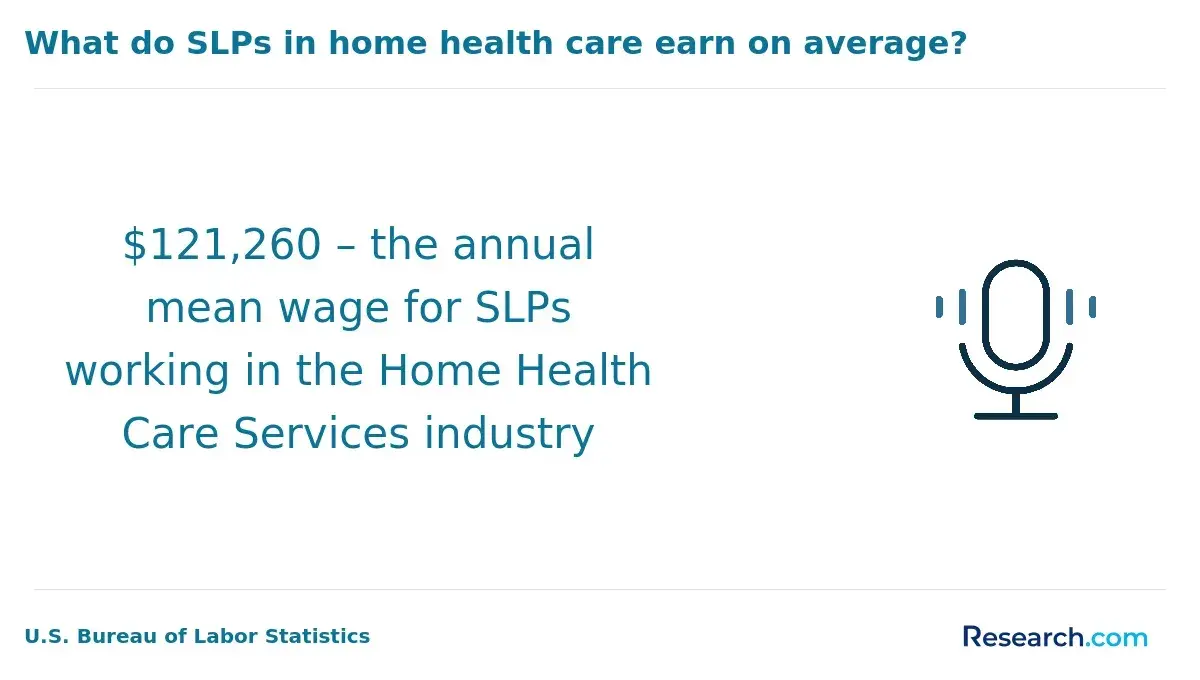
According to the U.S. Bureau of Labor Statistics, the median annual wage for SLPs was $95,410 in May 2024, with strong earning potential across various sectors. However, individual outcomes vary, and salary should be weighed against debt, repayment obligations, and the cost of living in the area where you plan to work.
When evaluating return on investment, focus on program outcomes rather than prestige alone. Strong indicators include high Praxis exam pass rates, clear clinical placement support, licensure preparation, timely graduation rates, and strong employment outcomes for graduates.
If your goal is to pursue the highest paying speech pathology jobs, look for a program that builds clinical competence, supports certification and licensure, and gives you access to the settings or populations that match your career plans. The best financial choice is usually the program that leads to licensure efficiently and keeps debt at a manageable level.
What are the key factors to consider when comparing speech pathology program costs?
When comparing online speech pathology programs, use total cost of attendance instead of tuition alone. A program with a lower per-credit rate can still cost more if it requires more credits, charges higher fees, or adds required travel.
Build a side-by-side comparison for your top choices and include every cost category you can verify. This makes the decision more objective and helps you avoid choosing based on marketing language or a single tuition number.
| Cost factor | Why it matters | Question to ask |
| Total credits required | Determines the real tuition total | How many credits are required to graduate? |
| Per-credit tuition | Shows the base academic cost | Is the rate different for in-state, out-of-state, or online students? |
| Mandatory fees | Can add significantly to the bill | What fees are charged each semester? |
| Clinical placement support | Affects both convenience and potential travel costs | Does the program find placements, or is the student responsible? |
| Campus visits | May require travel, lodging, and time off work | Are any residencies or immersions required? |
| Completion timeline | Extra semesters can increase cost | What is the typical time to graduation? |
| Licensure preparation | Impacts career readiness and ROI | What are the Praxis pass rates and graduate outcomes? |
Also consider fit. A low-cost program is not a bargain if it lacks the support you need to complete clinical placements or prepare for licensure. A higher-cost program should be able to explain exactly what added value students receive.
Is an expensive master's speech pathology program always better than a more affordable one?
No. An expensive master’s in speech pathology program is not always better than a more affordable one. Quality depends on accreditation, curriculum, faculty expertise, clinical training, student support, and graduate outcomes—not price alone.
The most important requirement is accreditation by the Council on Academic Accreditation in Audiology and Speech-Language Pathology (CAA) of ASHA. Graduation from a CAA-accredited program is required for national certification and state licensure.
Many affordable online speech pathology graduate programs at public universities provide rigorous training and strong career preparation. These programs may offer a better return on investment than a more expensive option if they have strong clinical support, high Praxis pass rates, and clear licensure pathways.
Use price as one factor, not the deciding factor. The best program is accredited, financially realistic, compatible with your schedule, transparent about costs, and strong enough clinically to prepare you for independent professional practice.
Other Things You Should Know About Online Master's in Speech Pathology Costs
In 2027, the average total cost of an online master's in speech pathology ranges from $30,000 to $80,000. This varies widely depending on the institution, the length of the program, and additional fees beyond tuition.
In 2027, an online master’s in speech pathology typically requires between 48 to 60 credit hours. This range can vary based on the program and institution, impacting the total cost of tuition.
In 2027, several scholarships are available for online master’s in speech pathology students. Notable examples include the American Speech-Language-Hearing Foundation scholarships, state-specific awards, and university-specific scholarships. Students should explore these options to alleviate tuition costs.
References
- American Speech-Language-Hearing Association. (n.d.). Graduate degree from a CAA-accredited program. Retrieved October 24, 2025, from https://www.asha.org/certification/graduate-degree-from-a-caa-accredited-program/
- American Speech-Language-Hearing Association. (n.d.). Planning your education in CSD. Retrieved October 24, 2025, from https://www.asha.org/students/planning-your-education-in-csd/
- U.S. Bureau of Labor Statistics. (2024, April 3). 29-1127 Speech-language pathologists. Occupational Employment Statistics. Retrieved October 24, 2025, from https://www.bls.gov/oes/2023/may/oes291127.htm
- U.S. Bureau of Labor Statistics. (2024, April 17). Speech-language pathologists. Occupational Outlook Handbook. Retrieved October 24, 2025, from https://www.bls.gov/ooh/healthcare/speech-language-pathologists.htm
- Zippia. (2025, January 8). Speech language pathologist education requirements. Retrieved October 24, 2025, from https://www.zippia.com/speech-language-pathologist-jobs/education/