2027 Day in the Life of an Online SLP Student

Co-Founder and Chief Data Scientist
Choosing an online speech-language pathology program is not just a question of convenience. It affects how you learn clinical skills, complete supervised hours, build professional relationships, and prepare for licensure or certification requirements after graduation. For students who cannot relocate, pause work, or commute to campus several days a week, online SLP programs can make graduate training more accessible without removing the clinical expectations of the profession.
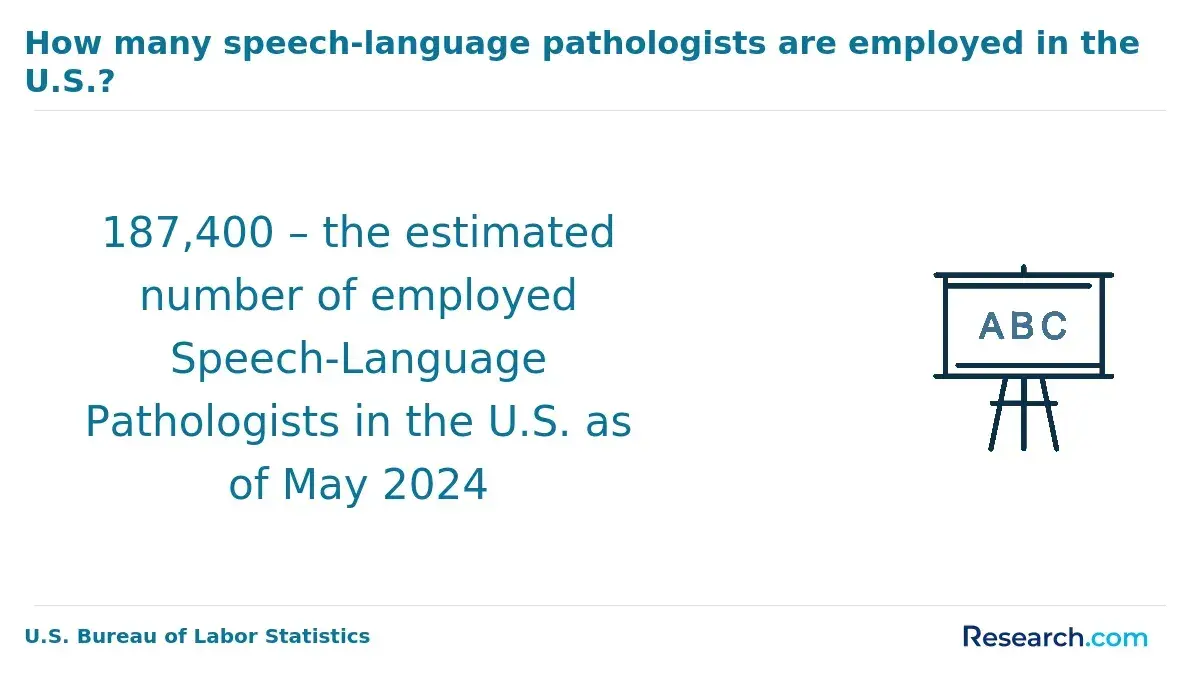
In 2025, demand for speech-language pathologists remains strong, with employment projected to grow 19% through 2032, according to the Bureau of Labor Statistics. That growth is tied to needs in schools, hospitals, rehabilitation settings, long-term care, and telepractice. But the path into the field is rigorous: students must master communication science, assessment, intervention planning, documentation, ethics, and supervised clinical practice.
This guide explains what daily life looks like for an online SLP student. You will see how coursework, technology, clinical placements, communication practice, specialization choices, student support, and weekly time demands fit together so you can decide whether this learning format matches your goals and responsibilities.
What are the benefits of earning an online speech-language pathology degree?
- Leads to rewarding careers helping patients regain communication and confidence across diverse settings.
- Offers strong earning potential, with median salaries around $89,290 and growing job opportunities nationwide.
- Provides flexible learning that fits around work, caregiving, and personal commitments.
What does a typical day look like for an online SLP student?
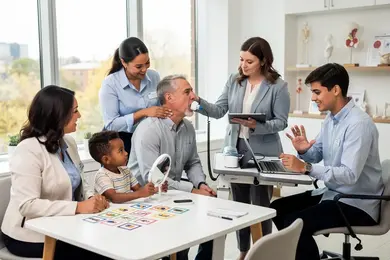
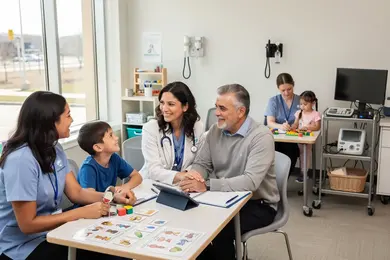
A typical day for an online SLP student combines independent study, live interaction, clinical preparation, and documentation. The schedule is more flexible than a campus-based program, but it is not casual. Students must keep up with graduate-level coursework while preparing for supervised practice with real clients.
Many students begin with asynchronous work: watching recorded lectures, reviewing assigned readings, completing quizzes, or responding to case-based discussion prompts. These activities often cover topics such as phonetics, language development, speech sound disorders, dysphagia, audiology, or research methods. Because the material builds quickly, students usually benefit from completing coursework in planned blocks rather than waiting until deadlines approach.
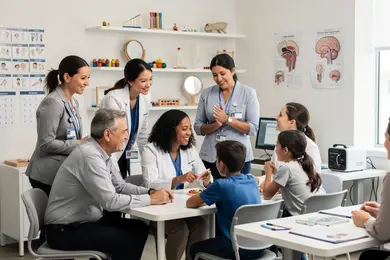
Live components may take place later in the day or evening. These can include faculty-led seminars, group case reviews, oral presentations, skills labs, or meetings with clinical supervisors. In programs that use simulation or telepractice practice sessions, students may role-play assessments, practice counseling language, or receive feedback on how they explain clinical findings.
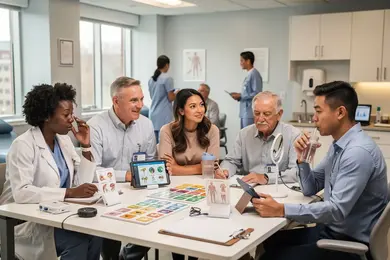
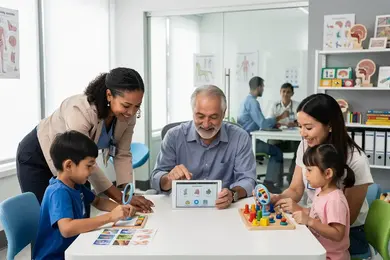
Students who are in practicum may spend part of the day at a local clinical site, such as a school, hospital, private practice, rehabilitation center, or community clinic. Afterward, they may need to write SOAP notes, update clinical logs, reflect on supervisor feedback, or prepare therapy materials for upcoming sessions.
The flexibility of speech pathology graduate programs online is most useful for students who are disciplined with time. A realistic routine often includes fixed study periods, a weekly assignment tracker, early communication with instructors, and protected time for clinical paperwork. The students who do best usually treat the program like a structured professional commitment, not a self-paced side project.
What technologies power the online SLP experience?
Technology in an online SLP program does more than deliver lectures. It supports case discussion, skills practice, clinical documentation, supervisor feedback, and telepractice readiness. Because speech-language pathology increasingly uses hybrid and remote service models, comfort with digital tools is part of professional preparation.
- Learning management systems: Platforms such as Canvas or Blackboard organize syllabi, lectures, readings, quizzes, rubrics, assignment submissions, and discussion boards. Students use the LMS as the central hub for each course.
- Video conferencing tools: Live classes, advising meetings, oral exams, team projects, and supervisor conferences often happen through secure video platforms. Students need to be able to present clearly, participate professionally, and troubleshoot basic audio or connection issues.
- Telepractice software: HIPAA-compliant platforms may be used to simulate or support remote therapy sessions. These tools help students practice rapport-building, cueing, parent or caregiver coaching, and session pacing in a virtual environment.
- Clinical tracking systems: Digital systems help document supervised hours, client populations, competencies, supervisor approvals, and placement feedback. Accurate tracking matters because clinical experience requirements are tied to professional readiness and certification pathways.
- Digital assessment and therapy resources: Students may use online stimulus materials, articulation tools, language samples, data sheets, screen-sharing tools, and recorded session clips to practice analysis and intervention planning.
Strong technology skills also reduce stress. Students should enter with reliable internet, a quiet workspace, a webcam, a headset or microphone, and a plan for protecting client confidentiality during remote activities. Technical fluency does not replace clinical judgment, but it helps students focus on the client rather than the platform.
How do clinical placements work in online speech pathology programs?
Clinical placements are the part of online SLP education where students move from theory to supervised practice. Even when coursework is online, practicum experiences usually take place in approved settings where students can observe, assess, treat, document, and receive feedback from licensed professionals.
Accredited speech pathology 5 year programs typically coordinate placements through a clinical education team. The school may identify approved sites, review potential placements near the student, confirm supervisor qualifications, and make sure the experience aligns with program requirements. Students should ask early how much support the program provides, whether they must help locate sites, and what geographic limitations may apply.
Before starting a placement, students often complete onboarding requirements. These may include confidentiality training, professional ethics modules, background checks, immunization documentation, site orientation, documentation standards, and review of scope-of-practice expectations. Students should expect deadlines before practicum begins; missing them can delay placement.
Clinical training usually progresses in stages. Students may begin by observing sessions and discussing clinical decisions with a supervisor. They then move into assisted participation, where they prepare materials, collect data, or deliver parts of a session. As competence grows, they may conduct more direct therapy, write reports, participate in team meetings, and manage cases with supervision.
By the end of the program, most students complete 400–450 hours of supervised experience, meeting national certification standards. The exact pace can vary by program design and placement availability. Students should verify that any program they consider clearly explains how clinical hours are assigned, tracked, supervised, and approved.
How do online SLP students develop professional communication skills?
Online SLP students develop professional communication skills through repeated practice in writing, speaking, clinical reasoning, and feedback. The format may be digital, but the expectations mirror the profession: communicate clearly with clients, families, supervisors, teachers, healthcare teams, and peers.
Written communication starts early. Students practice discussion posts, case analyses, treatment rationales, progress notes, diagnostic summaries, and reflection papers. These assignments are not busywork; they train students to explain clinical decisions with evidence, precision, and appropriate confidentiality.
Spoken communication is developed through live class participation, simulated client interviews, oral case presentations, counseling exercises, and telepractice role-play. Faculty and supervisors may comment on pacing, clarity, empathy, question design, nonverbal presence, and how well the student adapts language for different audiences.
Online students also learn the communication habits required for remote collaboration. That includes asking concise questions, responding professionally in discussion forums, documenting decisions after group work, and using video meetings effectively. These skills matter because SLPs often coordinate with teachers, physicians, occupational therapists, psychologists, caregivers, interpreters, and administrators.
The strongest students learn to shift between two communication modes: warm, person-centered conversation and accurate clinical documentation. That balance is central to speech-language pathology, whether services are delivered in person, through telehealth, or in a hybrid model.
What are the top specializations students can explore?
Specializations help online SLP students focus their electives, research interests, practicum preferences, and career planning. Not every program offers a formal concentration, but many allow students to gain deeper experience through course projects, clinical placements, faculty mentorship, or capstone work.
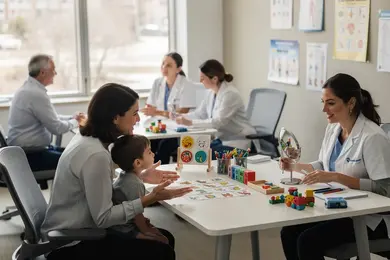
- Pediatric communication disorders: This area focuses on speech sound disorders, language delays, literacy-related communication needs, developmental disorders, and school-based intervention. It is a strong fit for students interested in early intervention, preschool services, or K-12 practice.
- Medical speech pathology: This path centers on adults with communication or swallowing needs related to stroke, brain injury, surgery, neurodegenerative disease, or complex medical conditions. Students interested in hospitals, acute care, rehabilitation, or long-term care often look for placements with medical exposure.
- Fluency and stuttering therapy: Students learn evidence-based approaches to assessment, fluency shaping, stuttering modification, counseling, and client self-advocacy. This area requires careful attention to both communication behaviors and the emotional impact of stuttering.
- Voice and resonance therapy: This focus prepares students to understand voice production, vocal health, resonance differences, professional voice demands, and disorders such as strain, nodules, or resonance imbalance. It may appeal to students interested in clinical voice, performing voice, or interdisciplinary work with medical providers.
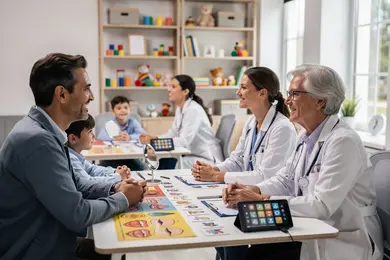
- AAC and assistive technology: Augmentative and alternative communication focuses on helping clients with severe speech or language impairments communicate through low-tech and high-tech tools. Students learn to match systems to client needs, support implementation, and collaborate with families or care teams.
Students should choose a specialization based on population, work setting, and clinical temperament—not only on perceived job demand. A student drawn to fast-paced hospital work may need different practicum experiences than one planning to work with children in schools. Selecting a focus early can help students align assignments and placements with the requirements of future SLP master's programs or post-graduate career goals.
Which industries hire online SLP graduates?
Online SLP graduates can pursue many of the same settings as campus-trained graduates, provided they complete the required accredited education, supervised clinical experience, and any applicable licensure or certification steps. Employers generally care most about preparation, clinical competence, credentials, and fit for the client population.
- Public and private schools: School-based SLPs support students with speech, language, fluency, voice, social communication, and literacy-related needs. They may evaluate students, provide therapy, contribute to individualized education plans (IEPs), consult with teachers, and communicate with families.
- Hospitals and acute care units: Medical SLPs may work with patients recovering from strokes, brain injuries, surgeries, or other serious conditions. Their responsibilities can include communication assessment, swallowing evaluation, treatment planning, patient education, and collaboration with physicians, nurses, dietitians, and rehabilitation teams.
- Rehabilitation and long-term care facilities: These settings often serve clients who need ongoing support for swallowing, cognitive-communication, language, memory, or progressive neurological conditions such as dementia or Parkinson’s disease.
- Telepractice and private clinics: Telepractice allows clinicians to deliver services through secure video platforms when clinically appropriate and permitted by relevant regulations. Private clinics may focus on pediatrics, voice, fluency, accent modification, AAC, or other specialized services.
- Corporate and academic sectors: Some SLPs work outside traditional clinical settings in communication coaching, accent modification, voice-related consulting, research, product development, or teaching. Academic and research roles may require additional education or experience.
Each setting has trade-offs. Schools may offer predictable calendars and strong demand, but caseload management can be challenging. Hospitals can provide complex clinical work, but schedules and documentation demands may be intense. Private practice can offer flexibility, but it may involve business responsibilities. Students should use practicum experiences to test which environment fits their skills, energy, and long-term goals.
How do students stay connected and supported online?
Online SLP students stay connected through a mix of structured program support and intentional peer interaction. The best online programs do not leave students to navigate graduate training alone; they create regular touchpoints with faculty, supervisors, advisors, and classmates.
Common support systems include virtual office hours, live class meetings, cohort discussion boards, peer study groups, writing support, clinical advising, technology help, and practicum preparation sessions. Some programs also use peer mentoring or student associations to help new students learn how to manage workload, prepare for placements, and understand professional expectations.
Faculty engagement is especially important in a clinical field. Students need timely feedback on case reasoning, documentation, therapy planning, and professional behavior. One-on-one check-ins can help identify problems before they affect academic progress or clinical performance.
Students should also build their own support habits. That may mean forming a small study group, scheduling regular check-ins with classmates, attending optional review sessions, and contacting instructors before confusion becomes a crisis. Online learning rewards students who communicate early and specifically.
Mentorship can also support career planning. Students comparing work settings, especially healthcare roles, may benefit from reviewing resources such as this guide on medical SLP salary to understand how setting, specialization, and experience can influence earning potential.
What continuing education and professional development options exist after graduation?
Speech-language pathology requires ongoing professional development after graduation. Clinicians must keep their knowledge current as research, technology, service delivery models, and client needs change. Continuing education also supports ethical practice, licensure maintenance, and long-term career mobility.
- ASHA-approved CEUs: Continuing Education Units may include webinars, workshops, online modules, conference sessions, and formal training activities. These options help clinicians stay current on assessment tools, intervention methods, documentation practices, ethics, and evidence-based care.
- Specialty certifications: Advanced credentials in areas such as dysphagia management, bilingual therapy, or autism spectrum disorders can help SLPs deepen expertise and serve specific populations more effectively. Students should verify eligibility requirements before planning around a specialty credential.
- Virtual conferences: Online conferences and symposia make it easier for clinicians to access research updates, clinical demonstrations, and expert panels without travel. They can also help SLPs explore new practice areas before committing to deeper training.
- Leadership and supervision courses: Training in supervision, ethics, program management, and leadership can prepare experienced SLPs to mentor new clinicians, coordinate services, manage teams, or move into administrative roles.
Professional development should be strategic, not random. New clinicians often benefit from choosing CEUs that match their caseloads, workplace setting, and gaps in confidence. Over time, continuing education can help an SLP move from generalist practice into a more specialized or leadership-oriented path.
How much time should students expect to dedicate weekly?
Online SLP students should expect a significant weekly commitment. A common estimate is 15–25 hours per week for lectures, readings, discussions, assignments, and studying, with more time needed during clinical rotations. The workload can feel especially heavy when multiple deadlines, live sessions, and practicum documentation overlap.
The exact time commitment depends on course load, program format, clinical placement schedule, writing speed, and prior background in communication sciences and disorders. Students who are completing prerequisites or adjusting to graduate-level scientific writing may need extra study time early in the program.
A workable weekly plan often includes separate blocks for reading, lecture review, assignment drafting, live class attendance, clinical preparation, and documentation. Students in practicum should also protect time after sessions to complete notes while details are fresh.
The main advantage of the online format is not that it requires less work. It is that students may have more control over when some of that work happens. Affordable online SLP programs can help students manage location and scheduling barriers while still holding them to the same seriousness expected in clinical training.
What advice can help new students succeed in this field?
New online SLP students should start with structure. Build a weekly calendar before the term becomes busy, list every recurring class or practicum commitment, and set earlier personal deadlines for major assignments. Waiting until the last day is risky in a program that depends on technology, group work, and clinical documentation.
Stay visible in the program. Attend live sessions when possible, ask focused questions, use faculty office hours, and participate seriously in discussion boards. Online students who engage regularly tend to receive better feedback, build stronger peer relationships, and feel less isolated.
Develop clinical thinking early. Do not study only to pass exams; practice explaining why a client might need a specific assessment, goal, cue, or therapy approach. Speech-language pathology requires judgment, not memorization alone.
Protect professionalism from the beginning. Meet deadlines, communicate respectfully, maintain confidentiality, proofread clinical writing, and respond to supervisor feedback without defensiveness. These habits shape how faculty and supervisors view your readiness for client-facing work.
Finally, keep the purpose of the field in view. SLPs help people communicate, participate, learn, eat safely, advocate for themselves, and reconnect with others. Online study can be demanding, but the work leads toward a profession where technical skill and human connection matter every day.
Other Things You Should Know About Becoming an Online SLP Student
In 2027, online SLP students typically balance coursework, virtual class sessions, and telepractice training. They engage with online platforms to simulate clinical experiences, study diverse case studies, and collaborate in group projects while managing flexible study schedules around professional or personal commitments.
Online SLP students in 2027 need a reliable computer, high-speed internet, webcam for virtual sessions, and industry-specific software like SPSS and Praat. Noise-canceling headphones enhance focus during live classes and telepractice training, an integral part of the curriculum.
References
- Bureau of Labor Statistics. (2024). Speech-language pathologists. U.S. Department of Labor. https://www.bls.gov/ooh/healthcare/speech-language-pathologists.htm#tab-6
- Bureau of Labor Statistics. (2024). Occupational employment and wages, May 2023: Speech-language pathologists. U.S. Department of Labor. https://www.bls.gov/oes/2023/may/oes291127.htm
- Data USA. (n.d.). Speech-language pathology. https://datausa.io/profile/cip/speech-language-pathology
- Data USA. (n.d.). Speech-language pathologists (SOC 29-1127). https://datausa.io/profile/soc/speechlanguage-pathologists
- Salary.com. (n.d.). Speech and language pathologist salary. https://www.salary.com/research/salary/benchmark/speech-and-language-pathologist-salary
- Zippia. (n.d.). Speech-language pathologist jobs: Demographics and industry statistics. https://www.zippia.com/speech-language-pathologist-jobs/demographics/