2027 Balancing Work and Study While Completing an Online SLP Degree

Co-Founder and Chief Data Scientist
Working while earning an online SLP degree forces a practical question: how do you meet graduate-level academic and clinical expectations without letting your job, health, or relationships collapse? The answer is not simply “be disciplined.” It requires a realistic weekly plan, early conversations with your employer and program, and a clear strategy for clinical placements, study time, and recovery.
This guide is for career changers, full-time employees, and working professionals preparing for online speech-language pathology coursework. You will learn what a typical week can look like, how to build a schedule you can maintain, what to discuss with your employer and program, how to plan for clinical hours, and how to protect your energy through a demanding but temporary period of professional training.
Key Things You Should Know About Balancing Work and Completing an Online SLP Degree
- Pursuing an online SLP degree while working is a significant but achievable goal with the right strategies.
- Success depends on proactive time management, clear communication, and dedicated self-care.
- The median annual wage for speech-language pathologists was approximately $95,410 in May 2024.
- The U.S. is projected to have about 13,300 job openings for SLPs each year from 2024 to 2034.
- This journey is a strategic investment in a stable, rewarding, and high-demand career.
What does a typical week look like for a working online SLP student?
A typical week for a working online SLP student combines a full work schedule with structured academic time, asynchronous coursework, live sessions when required, discussion posts, readings, assignments, and clinical planning. If you work a standard 40-hour work week, graduate school becomes a second major commitment rather than something you fit into leftover time.
For a standard course load, expect to spend 12-15 hours each week on school. That time may include watching recorded lectures, reviewing clinical concepts, completing readings, writing discussion responses, studying for quizzes, and preparing papers or treatment plans. For example, a Monday evening might be reserved for a two-hour lecture on aphasia, Wednesday might be used for required reading and discussion board participation, and Saturday may need a four-to-six-hour block for major assignments.
The key difference between a student who stays on track and one who falls behind is usually not intelligence. It is whether schoolwork has a protected place in the week. Online programs offer flexibility in when you complete work, but deadlines, exams, group projects, and clinical requirements still create firm obligations.
Plan for variability, too. Some weeks will be lighter; others may include exams, major projects, or clinical paperwork. A realistic weekly plan should include core study blocks, a backup block for overflow work, and at least one protected rest period. Without that margin, one late work meeting or family obligation can disrupt the entire week.
How can you create a sustainable study schedule you can actually keep?
The most sustainable study schedule starts with your real life, not your ideal life. Before adding schoolwork to your calendar, block the commitments that cannot move: work hours, commute time, sleep, meals, caregiving duties, recurring appointments, and any required live class sessions. What remains is your actual capacity.
Use time-blocking to assign specific coursework tasks to specific windows. “Study” is too vague to be useful. “Tuesday 7-9 PM: read dysphagia chapter and outline key terms” gives you a concrete target and makes it easier to start. The more precise the block, the less energy you waste deciding what to do next.
| Scheduling choice | Why it works | Common mistake to avoid |
| Block fixed obligations first | Prevents you from overestimating available study time | Assuming evenings and weekends are fully open |
| Assign tasks, not just time | Turns study blocks into clear work sessions | Writing “catch up” without defining what catching up means |
| Add one overflow block | Gives you room for unexpected work demands or harder assignments | Scheduling every available hour with no buffer |
| Protect rest in advance | Reduces burnout and improves consistency | Treating rest as optional until everything is finished |
A good schedule is not a rigid contract. It is a decision-making tool. If you miss a block, do not abandon the week. Move the task to your overflow block, adjust the next day if needed, and identify why the plan broke down. If the same block fails repeatedly, the schedule is giving you useful information: that time may not be realistic for demanding work.
Review your calendar every week. Online SLP programs often shift in intensity as assignments, exams, and clinical preparation overlap. A 15-minute planning session on Sunday can prevent rushed work, missed deadlines, and late-night studying later in the week.
What time management techniques are most effective for graduate students?
The most effective time management techniques for graduate students are the ones that reduce decision fatigue and protect attention. In an online SLP degree, the challenge is not only completing tasks; it is switching between employee responsibilities, academic reading, clinical reasoning, and personal obligations without losing focus.
Long study sessions can help when you need sustained writing time, but they are not always the most efficient option after a full workday. Shorter, focused sessions often produce better retention and less avoidance. The goal is to match the technique to the task.
The Pomodoro Technique for Deep Focus
Use the Pomodoro Technique when you are struggling to begin or when the task feels too large. Work for an uninterrupted 25-minute sprint, then take a mandatory 5-minute break. This rhythm works well for dense readings, lecture review, flashcards, and first drafts because it lowers the mental barrier to starting.
During the 25-minute work period, remove distractions completely. Do not check email, respond to messages, or open unrelated tabs. During the 5-minute break, step away from the screen if possible so the next sprint feels fresh.
Task Batching for Administrative Work
Task batching is best for low- to medium-intensity tasks that become inefficient when scattered throughout the day. Instead of checking course announcements, emails, discussion boards, and calendar updates repeatedly, group them into one or two short administrative blocks.
This matters because switching contexts is costly. Moving from work email to a lecture, then to a discussion post, then back to a work message drains attention and stretches small tasks into an entire evening. Batch similar tasks so your deeper study blocks remain protected.
Choosing the Right Program Pace
One of the most important time management decisions happens before classes begin: choosing a program pace that fits your work and life obligations. The demands of SLP accelerated programs can differ significantly from traditional timelines, especially for students who cannot easily reduce work hours.
An accelerated option may be appealing if you want to finish sooner, but a shorter timeline can increase weekly pressure. A traditional pace may take longer, but it can be more sustainable for students balancing full-time employment, caregiving, or limited schedule flexibility. The right choice is not the fastest program; it is the one you can complete successfully.
How do you communicate your needs to your employer and program?
Communicate early, specifically, and with solutions. Working students often wait until a conflict becomes urgent before asking for help, but by then options may be limited. Your employer and program are more likely to work with you when you explain your constraints in advance and show that you have thought through the impact on your responsibilities.
With your employer, frame the conversation around planning and performance. Explain that you are pursuing graduate education, identify any predictable schedule pressure points, and describe how you will continue meeting work expectations. If you need flexibility, be precise: occasional adjusted hours, use of paid time off during exams, a consistent remote day if available, or advance notice around clinical requirements.
Avoid presenting your degree as your employer’s problem to solve. Instead, present a plan. For example, you might say that most coursework will be completed outside work hours, but you want to discuss future clinical placement periods that may require more schedule coordination.
With your program, contact your advisor and clinical coordinator early. Ask what parts of the program are flexible, what requirements are fixed, how far in advance clinical placements are arranged, and what documentation or approvals you may need. Program staff cannot remove academic or clinical standards, but they can often help you understand timelines and avoid preventable conflicts.
Proactive Communication with Your Program Coordinator
Your program coordinator can be one of your most important resources, especially if you are working full time. Ask direct questions about expected weekly workload, live attendance requirements, clinical placement timelines, and how the program supports working students. The amount and type of support can vary among online speech language pathology programs, so do not assume every school handles working students the same way.
Keep communication professional and documented. After important advising or clinical conversations, send a brief follow-up email summarizing what was discussed. This creates a record and helps prevent misunderstandings when schedules become more complex.
What are the best strategies for managing clinical hours with a job?
Managing clinical hours while employed is often the hardest part of an online SLP program because clinical training is less flexible than regular coursework. You may be able to watch lectures at night, but clinical placements typically depend on site schedules, supervisor availability, client needs, school calendars, or clinic hours.
The best strategy is to start planning as soon as you are admitted. Do not assume your program will automatically find a placement that fits your job schedule. Ask the clinical coordinator when placements begin, how sites are selected, whether students can suggest potential sites, and what schedule patterns are common.
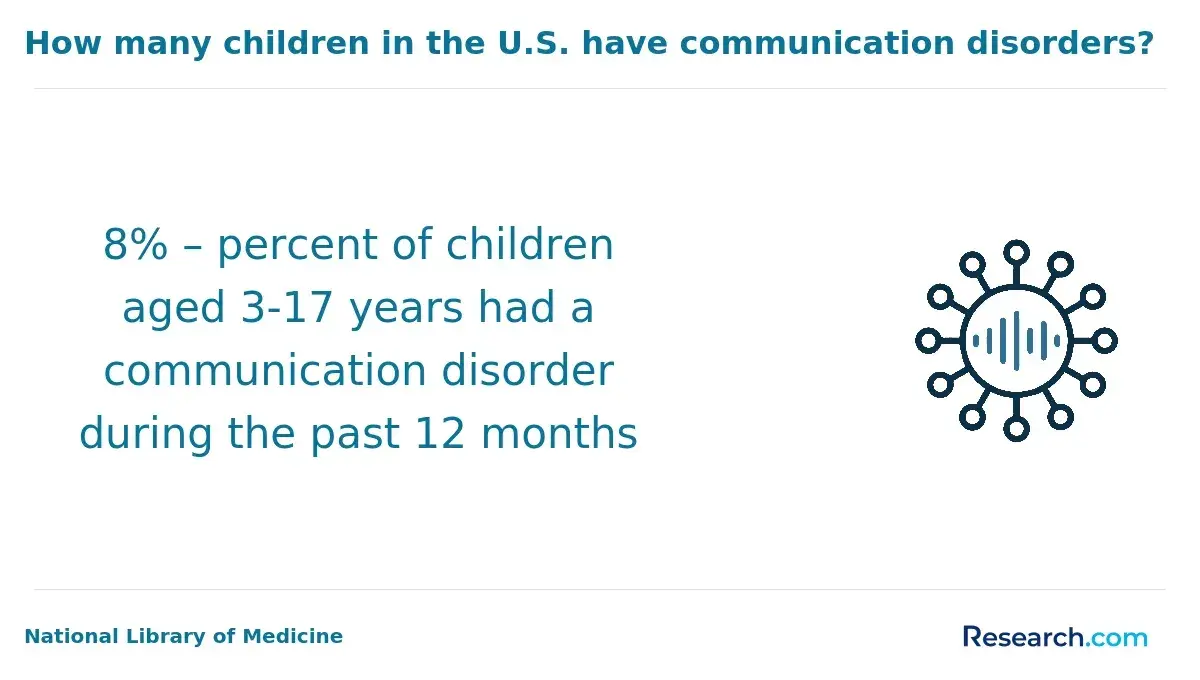
This hands-on training is non-negotiable because speech-language pathology is a clinical profession. With an estimated 8% of children in the U.S. having had a communication disorder in the past year, students need supervised experience before entering professional practice. Clinical requirements are demanding because they prepare you to work with real clients whose communication, learning, swallowing, and quality of life may be affected.
Start by mapping your options. If your current workplace is in a relevant setting, such as a school, clinic, hospital, or rehabilitation environment, ask whether it could be considered as a placement only if it meets program and supervision requirements. If not, explore whether you can adjust your work schedule, use paid leave, reduce hours temporarily, or save in advance for a semester with heavier clinical demands.
Use a planning checklist before clinical placements begin:
- Ask for placement timelines early. Find out when you need to be available and how far ahead schedules are confirmed.
- Clarify what is flexible and what is not. Some activities may have fixed daytime requirements.
- Discuss work adjustments before the semester starts. Last-minute requests are harder for employers to approve.
- Budget for reduced income if needed. If a placement requires fewer work hours, plan for that possibility in advance.
- Stay responsive to your coordinator. Delayed paperwork or missed messages can limit placement options.
The following graphic helps put the need for this clinical training into perspective.
How can you set up a study space for maximum focus and efficiency?
A strong study space reduces friction. It does not need to look like a perfect home office, but it should make it easier to begin work, stay focused, and separate school from the rest of your life. For online SLP students, that space may also need to support video meetings, recorded lectures, digital note-taking, and quiet review of clinical concepts.
The most important feature is consistency. When you use the same place for coursework, your brain begins to associate that location with focused work. This boundary is especially helpful if you work from home or live with family, roommates, or children.
- Choose a low-distraction location. Pick a space with limited foot traffic and as little background noise as possible. If you cannot control the environment fully, use headphones or a clear “do not disturb” signal during study blocks.
- Set up reliable lighting. Good lighting reduces eye strain during long reading and lecture sessions. Natural light helps when available, but a desk lamp can make evening study more sustainable.
- Prioritize ergonomic comfort. A supportive chair, a screen at eye level, and a keyboard or writing surface at a comfortable height can prevent avoidable pain during long weeks.
- Keep essential materials within reach. Before starting, gather textbooks, notes, water, chargers, headphones, and any assignment instructions. Leaving the space repeatedly makes it easier to lose focus.
- Prepare for online participation. If your program includes live sessions, make sure your camera, microphone, internet connection, and background are ready before class begins.
If you do not have a dedicated room, create a portable study kit. A backpack, bin, or small rolling cart with your core materials can help you turn a kitchen table or shared space into a consistent work zone when needed.
What digital tools can help you stay organized and productive?
The best digital tools for an online SLP degree are not necessarily the most advanced. They are the tools you will use consistently to track deadlines, store notes, manage readings, and retrieve information quickly when assignments and exams overlap.
A simple system is usually better than a complicated one. If you spread tasks across too many apps, you create another form of clutter. Choose one tool for each core function and use it the same way every week.
| Need | Useful tool type | How to use it well |
| Tracking deadlines | Task manager or digital calendar | Enter every reading, quiz, discussion post, paper, exam, and clinical deadline as soon as the syllabus is available |
| Organizing notes | Note-taking app | Keep notes by course, week, and topic so you can find concepts quickly during exam review |
| Managing research | Citation manager | Save sources as you read and generate citations before the final writing stage |
| Protecting focus | Website blocker or focus timer | Use it during study blocks to reduce interruptions from social media, email, or unrelated browsing |
For task management, tools such as Todoist, Trello, or a digital calendar can work well if you update them consistently. For notes, OneNote, Evernote, or Notion can help centralize lecture summaries, terminology, clinical examples, and exam review materials. For citations, Zotero or Mendeley can save substantial time by organizing sources and formatting references.
The tool matters less than the workflow. At the start of each week, review your learning management system, transfer deadlines into your calendar or task manager, and identify the highest-priority assignments. At the end of the week, clean up notes and file important resources so you are not searching through downloads later.
How do you build a support system with your online cohort?
Building a support system in an online cohort requires intention because connection does not happen automatically in a virtual classroom. You may not see classmates in hallways or study lounges, so you need to create the habits and spaces that allow relationships to form.
Start early. Attend orientation events if offered, introduce yourself in discussion boards, and respond thoughtfully to classmates rather than posting only the minimum required response. Students who ask good questions, share useful resources, or communicate reliably are often strong candidates for study partnerships.
A small virtual study group can be more useful than a large informal chat. Three to five committed classmates can meet weekly for 45 minutes to review difficult material, compare interpretations of assignments, practice exam questions, or talk through clinical concepts. Keep the group structured so it supports learning rather than becoming another obligation.
Last year alone, 6,775 students earned SLP degrees, and many faced similar pressures around work, coursework, finances, and family responsibilities. Your peers can provide academic help, emotional encouragement, accountability, and future professional connections. They are not just classmates; they may become colleagues, referral contacts, and long-term members of your professional network.
The Importance of Cohort Structure
When comparing online SLP programs, pay attention to cohort structure. Some programs move students through courses as a consistent group, which can make peer relationships easier to maintain. Others may offer more individualized pacing, which can provide flexibility but may require extra effort to build community.
Ask admissions staff how online students interact, whether group projects are common, whether there are live sessions, and whether student organizations or peer mentoring options are available. These details affect your day-to-day experience, especially if you are balancing graduate school with a job and need reliable support.

What are the early signs of burnout and how can you prevent it?
Burnout is more than being tired after a hard week. It is a pattern of chronic mental, physical, and emotional exhaustion that can affect motivation, concentration, relationships, job performance, and academic progress. For working online SLP students, burnout often develops gradually because the workload can feel nonstop.
Learning to manage burnout is also career preparation. Once you are licensed, you will be required to complete 30 hours of professional development every three years to maintain your credentials. The ability to protect your energy, keep learning, and sustain high-quality work is part of long-term professional success.
Recognizing the Warning Signs
Burnout often begins with small changes that are easy to dismiss. Pay attention if several of these signs persist:
- Persistent exhaustion. You feel depleted even after sleep or a day away from coursework.
- Growing cynicism. You become unusually negative, detached, or resentful toward school, work, clients, classmates, or instructors.
- A sense of ineffectiveness. You feel that your effort does not matter, even when you are completing tasks.
- Increased irritability. Minor interruptions or routine problems feel much harder to tolerate.
- Trouble concentrating. Readings take longer, lectures are harder to follow, and your mind wanders more than usual.
- Avoidance. You delay opening the learning platform, checking messages, or starting assignments because the workload feels overwhelming.
Prevention is more effective than recovery after burnout becomes severe. Build recovery into the schedule before you feel desperate for it. That means protecting sleep, taking breaks during study blocks, keeping at least some personal time intact, and asking for help early when workload or clinical expectations become difficult to manage.
If burnout signs are affecting your ability to function, use the support systems available to you. Contact your advisor, speak with your employer if schedule changes are needed, reach out to your cohort, and consider professional mental health support if stress is becoming unmanageable.
How can you protect your personal time and maintain a social life?
Protecting personal time is not a distraction from success; it is part of a sustainable plan. Students who try to eliminate all rest and social connection may gain short-term study hours, but they often lose focus, motivation, and emotional resilience over time.
Schedule personal time before the week fills up. Block a Friday evening, a Saturday morning walk, dinner with family, a workout, a hobby, or a phone call with a friend. Treat that time as a real commitment unless there is a true emergency. If personal time is always the first thing you cancel, your schedule is not sustainable.
Set expectations with the people close to you. Share your general study schedule so they know when you are unavailable and when you can be fully present. This reduces resentment and helps family and friends support your goals instead of feeling shut out by them.
Use boundaries at school and work as well. You may not be able to say no to every request, but you can avoid volunteering for extra commitments during exam weeks, clinical transitions, or major project deadlines. A demanding graduate program requires careful trade-offs.
The goal is not to maintain the exact same social life you had before enrolling. The goal is to preserve enough connection and restoration that you remain healthy, motivated, and grounded while completing the program.
Is it realistically possible to succeed at work, school, and life?
Yes, it is realistically possible to succeed at work, school, and life while earning an online SLP degree, but only if you define success in a sustainable way. Success does not mean being the perfect employee, the top student in every course, the constantly available friend, and the fully rested person all at the same time. That standard is not realistic.
A better definition of success is steady progress without avoidable damage to your health, job stability, relationships, or long-term motivation. Some weeks will feel balanced. Others will require trade-offs. The goal is to make those trade-offs consciously rather than letting urgency decide everything for you.
The strategies in this guide work together: time-block your week, use focused study methods, communicate early with your employer and program, plan clinical hours well in advance, organize your study environment, rely on your cohort, watch for burnout, and protect personal time. None of these steps removes the difficulty of graduate school, but together they make the workload more manageable.
Focusing on the Long-Term Reward
This demanding period is temporary. For many students, it is a focused two- to three-year investment in a profession that can offer meaningful work and long-term career stability.
The demand for skilled clinicians is strong. With a median annual wage of $95,410 and a projected 13,300 job openings each year, the career of a speech language pathologist can be both purposeful and stable. Keeping that long-term goal visible can help you stay motivated during the hardest weeks, especially when the schedule feels crowded and progress feels slow.
The most important takeaway is this: do not rely on willpower alone. Build systems, ask for support, plan early, and adjust before small problems become major barriers. That is how working students make an online SLP degree possible.
Other Things You Should Know About Balancing Work and Completing an Online SLP Degree
In 2027, students enrolled in online SLP programs can access various financial aid options, including federal student loans, grants like the Pell Grant, state aid, and scholarships specific to speech-language pathology. It's essential to complete the FAFSA to determine eligibility.
In 2027, online SLP classes typically offer a mix of live and pre-recorded sessions. Live classes allow real-time interaction, while pre-recorded sessions provide flexibility for students balancing work and study, enabling them to learn at their own pace.
To balance work and study while completing an online SLP degree in 2027, set a consistent schedule, prioritize tasks, and use technology for efficiency. Communicate with employers about your study commitments and create a dedicated study space at home to minimize distractions.
References
References:
- American Speech-Language-Hearing Association. (2025). Speech-language pathologists: About speech language pathology. Retrieved October 24, 2025, from ASHA.
- Data USA. (2025). Speech-language pathologists. Retrieved October 24, 2025, from Data USA.
- Ensora Health. (2025, January 21). 7 time management strategies for busy PTs, OTs, and SLPs. Ensora Health. Retrieved October 24, 2025, from Ensora Health.
- U.S. Bureau of Labor Statistics. (2025). Speech-language pathologists. Occupational Outlook Handbook. Retrieved October 24, 2025, from BLS.
- Green, J. (2014, April). Management of an independent research program: Work-life balance. American Speech-Language-Hearing Association. Retrieved October 24, 2025, from ASHA.
- Joubert, S. (2024, July 17). 7 time management tips for online students. Retrieved October 24, 2025, from Northeastern University.
- University of Illinois Urbana-Champaign. (2023, February 28). How to balance work and a graduate program. Retrieved October 24, 2025, from University of Illinois Urbana-Champaign.