2027 Entry-Level Jobs and Career Paths for SLP Graduates

Co-Founder and Chief Data Scientist
A master’s degree in speech-language pathology can lead to work in schools, hospitals, rehabilitation centers, clinics, home health, private practice, and telepractice. The harder decision for new graduates is not whether the field has options, but which first role will provide the right supervision, clinical exposure, schedule, and long-term career path.
This guide explains what new speech-language pathology graduates can do after earning their degree, how the clinical fellowship year fits into licensure and certification, which entry-level settings hire SLPs, and how early choices can shape salary, specialization, and advancement. It is written for graduate students, clinical fellows, and career changers who want a practical view of the first years in the profession.
What are the benefits of becoming a speech language pathologist?
- Because there’s a shortage of speech-language pathologists in schools and pediatric programs, most new graduates find jobs soon after finishing their Clinical Fellowship Year (CFY).
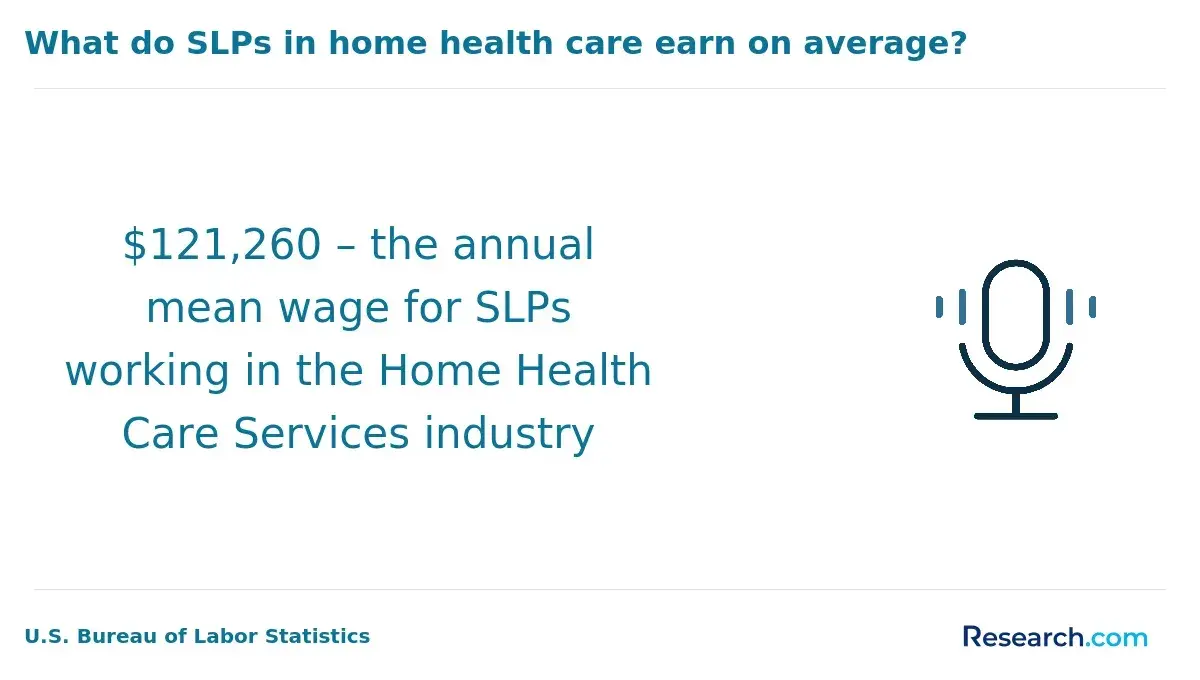
- SLPs earn a median salary of about $89,290; new graduates usually start between $60,000 and $75,000 a year, with those in hospitals or private clinics often earning more than those in schools.
- SLPs who continue their education or join accelerated speech language pathology programs can move up more quickly.
What can new SLP graduates do with their master’s degree?
A master’s degree in speech-language pathology prepares graduates for supervised clinical practice and is the standard academic requirement for becoming a licensed speech-language pathologist. New graduates use the degree to begin evaluating and treating speech, language, voice, fluency, cognitive-communication, social communication, and swallowing disorders across different age groups.
Graduates of speech pathology graduate programs typically leave school with training in anatomy and physiology, linguistics, child and adult language development, speech science, assessment, intervention planning, ethics, and evidence-based practice. The degree also gives them the clinical foundation needed to enter a supervised fellowship and pursue state licensure.
Most new SLPs begin in direct service roles. Common first destinations include public schools, pediatric clinics, rehabilitation hospitals, skilled care settings, outpatient centers, early intervention programs, and telepractice providers. The best first job is usually the one that offers strong mentorship, manageable caseloads, ethical supervision, and exposure to the population the graduate wants to serve.
Over time, the same degree can support several career directions. Some SLPs specialize in autism communication, dysphagia, bilingual services, voice, fluency, literacy, augmentative and alternative communication, or neurological rehabilitation. Others move into supervision, program leadership, advocacy, research, university teaching, or private practice ownership.
What are the most common entry-level jobs for speech-language pathologists?
The most common entry-level jobs for speech-language pathologists are school-based SLP roles, clinical fellowship positions, pediatric clinic roles, early intervention jobs, medical or rehabilitation positions, and telepractice or contract roles. These jobs help new clinicians turn graduate training into independent clinical judgment while working under required supervision.
- School-Based SLP: Supports students whose communication needs affect learning, participation, literacy, or social interaction. School SLPs conduct evaluations, provide therapy, contribute to Individualized Education Programs (IEPs), consult with teachers, and communicate with families.
- Clinical Fellow (CF): Works in a mentored role after graduation while completing supervised professional practice. This is a major step toward independent practice and national certification.
- Medical or Rehabilitation SLP: Helps patients recover or compensate after stroke, brain injury, surgery, illness, or progressive conditions. These roles often involve swallowing, cognition, communication, and interdisciplinary care planning.
- Early Intervention Specialist: Works with infants and toddlers, often in homes or community settings. The role emphasizes caregiver coaching, developmental milestones, and practical strategies families can use between visits.
- Outpatient Pediatric Clinician: Provides therapy for children with speech sound disorders, language delays, autism-related communication needs, fluency concerns, or feeding challenges in a clinic-based setting.
- Telepractice Clinician: Delivers services through secure virtual platforms. This role can be a good fit for clinicians who are organized, technology-comfortable, and able to build rapport remotely.
When comparing entry-level offers, new graduates should look beyond the job title. Caseload size, supervision quality, documentation expectations, paid planning time, benefits, travel requirements, and access to assessment tools can affect both clinical growth and burnout risk.
How does the clinical fellowship year (CFY) shape your first career steps?
The Clinical Fellowship Year (CFY) is the transition between graduate training and independent professional practice. It is typically lasting 9 to 12 months and gives new SLPs supervised experience with assessment, treatment planning, documentation, family communication, caseload management, and collaboration with other professionals.
The CFY matters because it often sets the tone for the first stage of an SLP career. A strong fellowship helps a new clinician develop sound habits, ethical decision-making, realistic productivity expectations, and confidence with complex cases. A weak fellowship, by contrast, can leave a new SLP without enough feedback, support, or protected learning time.
What to look for in a clinical fellowship
- Qualified supervision: The supervisor should be accessible, appropriately credentialed, and able to provide regular feedback rather than only signing off on paperwork.
- Reasonable caseload expectations: A first-year clinician needs time to learn systems, write reports, plan therapy, and ask questions.
- Clear performance goals: The fellowship should define how progress will be measured and how concerns will be addressed.
- Relevant clinical exposure: The setting should match, or at least support, the fellow’s likely career direction.
- Ethical billing and documentation practices: New clinicians should avoid workplaces that pressure them to bill inappropriately or provide services outside their competence.
After completing the fellowship and meeting all applicable professional and state requirements, clinicians may pursue the Certificate of Clinical Competence in Speech-Language Pathology (CCC-SLP), a nationally recognized credential. The fellowship is more than a requirement; it is the period when many SLPs learn what type of population, setting, and pace of work they want long term.
Which settings hire the most entry-level speech-language pathologists?
Entry-level SLPs are commonly hired by schools, early intervention programs, hospitals, rehabilitation facilities, outpatient clinics, home health agencies, private practices, and telepractice companies. Each setting has a different workflow, caseload type, schedule, and supervision model, so the “best” setting depends on the graduate’s career goals and preferred work environment.
| Setting | Typical focus | What new SLPs should consider |
| Public and private schools | Speech, language, fluency, social communication, literacy-related language, and IEP services | Predictable school calendar, large caseloads in some districts, strong need for collaboration with teachers and families |
| Early intervention programs | Infants and toddlers with developmental delays or disabilities | Home-based services, caregiver coaching, travel time, and family-centered planning |
| Hospitals and rehabilitation facilities | Swallowing, cognition, communication, neurological recovery, and medical team collaboration | Fast pace, medical documentation, interdisciplinary work, and the need for strong supervision |
| Outpatient clinics and private centers | Pediatric or adult therapy scheduled by appointment | Structured therapy blocks, productivity expectations, specialty populations, and variable benefits |
| Home health services | Care for clients in their homes, often with mobility, medical, or access needs | Autonomy, travel, safety procedures, family involvement, and documentation discipline |
| Telepractice providers | Remote assessment, therapy, consultation, and caregiver or school collaboration | Technology readiness, state practice rules, client fit, privacy requirements, and remote engagement skills |
With demand in educational and pediatric services, many graduates of best 5 year speech pathology programs begin applying before graduation and may receive offers before or during the CFY process. Even so, a fast offer should still be reviewed carefully for supervision quality, workload, and fit.
What are the best early-career roles in educational environments?
The best early-career education roles for SLPs are usually those that combine steady mentorship with a caseload that allows the clinician to build assessment, therapy, consultation, and IEP skills. Schools can be an excellent starting point because new clinicians learn how communication affects academic access, peer interaction, behavior, literacy, and classroom participation.
- Preschool and Elementary SLP: Works with young children on articulation, phonology, receptive and expressive language, early literacy, fluency, play-based communication, and social interaction. This role is often a good fit for SLPs who enjoy developmental work and family collaboration.
- Early Childhood Interventionist: Focuses on developmental communication in very young children. The work often includes parent coaching, routines-based intervention, and coordination with early childhood teams.
- District or Traveling SLP: Serves multiple campuses or programs. This role can provide broad experience but requires strong organization, travel planning, and comfort working across different school cultures.
- Literacy and Language Specialist: Supports students whose language weaknesses affect phonological awareness, vocabulary, narrative language, reading comprehension, and written expression.
- Secondary School SLP: Works with middle and high school students on functional communication, transition planning, social communication, executive-function-related language needs, and curriculum access.
New graduates considering school roles should ask how many students are on the caseload, how evaluations are assigned, whether there is a lead SLP or mentor, what therapy materials are available, how meetings are scheduled, and whether paperwork time is protected. A school job can be rewarding and stable, but the support system matters as much as the setting.
What healthcare roles are open to entry-level SLPs?
Entry-level healthcare roles for SLPs may be available in acute care hospitals, inpatient rehabilitation, skilled nursing, outpatient clinics, pediatric medical settings, and home health. These jobs can be highly rewarding, but new clinicians should be especially careful to choose positions with appropriate supervision and training because medical SLP work can involve swallowing safety, complex diagnoses, and rapid clinical decisions.
- Acute Care SLP: Works with patients shortly after surgery, stroke, trauma, illness, or other medical events. Responsibilities may include communication assessment, swallowing evaluation, diet recommendations, patient education, and coordination with physicians, nurses, dietitians, and rehabilitation staff.
- Rehabilitation Therapist: Supports patients during longer-term recovery from neurological or physical conditions. Therapy often targets functional communication, cognition, memory strategies, problem-solving, and swallowing management.
- Outpatient Pediatric Clinician: Provides scheduled therapy for children with autism, developmental language disorder, speech sound disorders, fluency concerns, feeding issues, or other communication needs.
- Home Health SLP: Delivers therapy in the client’s living environment. This can improve carryover because treatment is tied to daily routines, but it requires independence, travel, documentation discipline, and clear safety protocols.
- Skilled Nursing or Long-Term Care SLP: Works with adults who may have swallowing, cognition, voice, or communication needs related to illness, aging, neurological conditions, or recovery after hospitalization.
Graduates who are interested in medical practice should look for programs, placements, or online speech pathology masters programs that support strong clinical preparation in dysphagia, neurogenic communication disorders, cognitive-linguistic therapy, and interprofessional care. For a first healthcare job, supervision and training should be treated as nonnegotiable.
Can new SLPs work in private practice or telepractice?
Yes. New SLPs can work in private practice or telepractice, but they should confirm that the role meets supervision, licensure, payer, and professional practice requirements. These settings can offer flexibility and variety, yet they also require strong organization, documentation habits, and awareness of ethical boundaries.
- Private Practice Assistantships: New clinicians may join established clinics and work with pediatric, adult, or specialty caseloads. This can be a strong training environment when the clinic provides close mentorship, quality materials, clear policies, and realistic productivity expectations.
- Telepractice Clinicians: Provide services through virtual platforms. Telepractice can expand access for rural or underserved clients, but clinicians must understand privacy requirements, technology limitations, client suitability, caregiver involvement, and state practice rules.
- Contract-Based Therapists: Accept placements in schools, clinics, hospitals, or community settings. Contract work can expose a new SLP to different populations, but benefits, supervision, paid documentation time, and job stability can vary.
Private practice and telepractice are not automatically easier than school or hospital work. They may involve evening schedules, cancellations, variable caseloads, insurance rules, and productivity targets. New graduates should ask who provides supervision, how often feedback occurs, what platforms or materials are supplied, whether clients are appropriate for remote care, and how documentation and billing are handled.
How much can entry-level speech-language pathologists earn?
The speech therapist salary for entry-level clinicians ranges from $60,000 to $80,000 annually, depending on education, setting, and region. Salary also varies by employer type, benefits, caseload requirements, contract length, specialization, and whether the role is school-year, calendar-year, hourly, salaried, or contract-based.
- School-Based SLPs: Earn around $55,000–$65,000 with predictable schedules and summer breaks.
- Medical and Rehabilitation SLPs: Average $70,000–$80,000, with potential bonuses for specialized skills.
- Private Practice Clinicians: Income varies by caseload and business model but offers strong earning potential over time.
- Bilingual or Certified Specialists: Those trained in high-demand areas, such as feeding therapy or autism communication, often command top-tier salaries.
New graduates should compare total compensation, not only the base salary. A slightly lower salary may be competitive if it includes strong health benefits, retirement contributions, paid documentation time, continuing education support, paid supervision, manageable productivity standards, and a stable schedule. A higher offer may be less attractive if it comes with unpaid travel, limited mentorship, high cancellation risk, or no benefits.
What career advancement opportunities follow early SLP experience?
After the first few years of practice, SLPs can advance by specializing clinically, supervising other clinicians, moving into leadership, opening or joining a private practice, teaching, conducting research, or working in advocacy and program development. The strongest advancement path depends on whether the SLP wants deeper clinical expertise, broader administrative influence, or more independence.
Common advancement paths
- Clinical specialization: SLPs may build expertise in dysphagia, voice, fluency, bilingual assessment, autism communication, augmentative and alternative communication, early intervention, literacy, or neurogenic communication disorders.
- Lead clinician or supervisor: Experienced SLPs may mentor clinical fellows, support school or clinic teams, review documentation, and help maintain service quality.
- Program management: Some clinicians coordinate therapy programs, develop service models, manage caseload distribution, or oversee compliance and quality improvement.
- Private practice ownership: SLPs with business interest may build a clinic, contract with schools or agencies, hire clinicians, and develop specialty services.
- Academic or research roles: Clinicians interested in teaching and evidence-based practice may pursue university instruction, clinical education, or research-related work.
- Policy, nonprofit, or advocacy work: SLPs can contribute to access initiatives, disability services, public education, professional organizations, or community programs.
Advancement is usually built through consistent continuing education, careful documentation of outcomes, networking, mentorship, and a reputation for ethical practice. Early-career SLPs who track their interests and skill gaps can make better choices about specialty training and leadership opportunities.
How can new graduates build a lasting and rewarding career in speech-language pathology?
New graduates can build a lasting SLP career by choosing early roles carefully, seeking strong mentorship, protecting ethical standards, continuing to learn, and aligning their work with the populations they are most motivated to serve. The first job does not have to define an entire career, but it should help the clinician become safer, more confident, and more effective.
- Prioritize supervision over prestige: A well-supported fellowship or entry-level role is usually more valuable than a high-pressure position with limited guidance.
- Keep learning after graduation: Continuing education helps clinicians stay current with assessment tools, treatment evidence, documentation expectations, and changing service models.
- Build a professional network: Mentors, supervisors, classmates, and professional communities can help with referrals, job leads, problem-solving, and specialization decisions.
- Watch for burnout signals: Unsustainable caseloads, poor boundaries, constant unpaid work, and lack of support can affect both clinician well-being and client care.
- Choose specialization intentionally: Specialty skills should reflect real interest, community need, and the type of work the SLP wants to do long term.
A strong speech language pathologist combines clinical skill with patience, cultural responsiveness, and practical problem-solving. The work is demanding, but it offers rare variety: an SLP may help a child participate in class, an adult swallow more safely, a patient communicate after injury, or a family understand how to support language at home. For graduates who want a career grounded in both science and human connection, speech-language pathology offers durable and meaningful paths forward.
Other Things You Should Know About Entry-Level Jobs and Career Paths for SLP Graduates
In 2027, top entry-level job settings for SLP graduates include schools, healthcare facilities, and private practices. These environments provide new graduates with opportunities to develop their clinical skills and gain valuable experience with diverse patient populations.
Yes, telepractice is a viable option for new SLPs in 2027. With advancements in technology and an increased demand for remote services, many institutions and private practices offer telepractice opportunities, allowing SLP graduates to provide services to diverse populations across various settings.
In 2027, new SLP graduates must complete 30 hours of continuing education every three years, as mandated by the American Speech-Language-Hearing Association (ASHA). This ensures they stay updated with the latest practices and maintain their certification.
References
- Bureau of Labor Statistics. (2024). Speech-language pathologists. U.S. Department of Labor. https://www.bls.gov/ooh/healthcare/speech-language-pathologists.htm#tab-6
- Bureau of Labor Statistics. (2024). Occupational employment and wages, May 2023: Speech-language pathologists. U.S. Department of Labor. https://www.bls.gov/oes/2023/may/oes291127.htm
- Data USA. (n.d.). Speech-language pathology. https://datausa.io/profile/cip/speech-language-pathology
- Data USA. (n.d.). Speech-language pathologists (SOC 29-1127). https://datausa.io/profile/soc/speechlanguage-pathologists
- Salary.com. (n.d.). Speech and language pathologist salary. https://www.salary.com/research/salary/benchmark/speech-and-language-pathologist-salary
- Zippia. (n.d.). Speech-language pathologist jobs: Demographics and industry statistics. https://www.zippia.com/speech-language-pathologist-jobs/demographics/