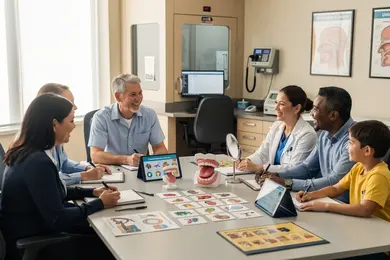
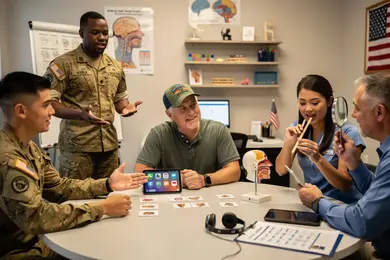
2027 Telepractice and Remote Speech Therapy Careers

Co-Founder and Chief Data Scientist
Remote speech therapy is no longer a temporary workaround. For families who live far from specialists, adults who cannot travel easily after a stroke, school districts with staffing shortages, and professionals who need flexible care, telepractice can make speech-language services more consistent and accessible.
The core decision is whether remote care can meet the client’s clinical needs while satisfying licensure, privacy, technology, and supervision requirements. In many cases, it can. In others, an in-person or hybrid model is safer or more effective, especially when hands-on assessment, complex feeding support, or intensive on-site collaboration is required.
Demand for speech-language pathologists remains strong. According to the U.S. Bureau of Labor Statistics (BLS), employment of speech-language pathologists is projected to grow 15% from 2024 to 2034, much faster than the average for all occupations. This guide explains how telepractice works across age groups, which specialties translate well online, what SLPs should know about salary and job settings, and how legal, ethical, technology, and training requirements affect remote practice.
Key Things You Should Know About Telepractice and Remote Speech Therapy Careers
- Telepractice delivery models now serve clients from early childhood through adulthood using secure, HIPAA-compliant platforms, with studies showing that over 70% of SLPs report equal or better outcomes through virtual care.
- Remote SLP job growth mirrors national demand—BLS projects a 15% employment rise from 2024 to 2034, with telepractice expanding fastest in educational and healthcare sectors.
- Effective remote practice depends on legal compliance, ASLP-IC licensure portability, and emerging tools such as AI-driven speech analysis and digital phenotyping, ensuring ethical and efficient online treatment.
How does remote speech therapy actually work for clients of different age groups in a virtual setting?
Remote speech therapy uses live video sessions, secure communication tools, digital activities, caregiver coaching, and structured home practice to deliver many of the same evidence-based services offered in person. The SLP evaluates whether telepractice is appropriate for the client’s diagnosis, age, attention level, technology access, privacy needs, and support at home.
A strong virtual session is not simply an in-person session moved onto a screen. The SLP must design activities for the client’s environment, use clear visual and auditory cues, monitor fatigue, and plan how the client will practice skills between appointments.
How telepractice changes by age group
| Client group | How remote therapy usually works | Key success factor |
| Young children | Sessions often use play routines, songs, visual prompts, parent coaching, and short interactive tasks. | A caregiver helps manage attention, model strategies, and carry skills into daily routines. |
| School-age clients | SLPs may use digital games, screen-sharing, articulation visuals, language tasks, reading materials, and school-based goals. | Therapy works best when the SLP, family, and school team coordinate expectations and practice activities. |
| Teens | Sessions may focus on fluency, social communication, executive functioning, self-advocacy, and academic language. | Teens benefit when goals are relevant to school, friendships, interviews, and independent communication. |
| Adults | Therapy may address voice, fluency, accent modification, language, swallowing education when appropriate, or cognitive-communication skills. | Clear goal-setting and real-world practice help adults connect therapy to work, home, and community communication. |
| Older adults | Telepractice can support articulation, aphasia treatment, cognitive-communication practice, and caregiver education after stroke or with neurodegenerative conditions. | Accessibility matters: larger visuals, simple log-in procedures, reliable audio, and caregiver support can determine whether sessions are effective. |
The American Speech-Language-Hearing Association (ASHA) affirms that telepractice can be effective when clinicians use evidence-based methods, appropriate technology, and secure systems. The best candidates are not defined by age alone; they are clients whose goals, environment, attention, safety needs, and available support make remote care clinically appropriate.
What are the current remote SLP job market projections and telepractice salary expectations across different settings?
The remote SLP job market is supported by two forces: strong overall demand for speech-language pathologists and the growing acceptance of telepractice in schools, healthcare, home health, private practice, and contract therapy. According to the U.S. Bureau of Labor Statistics, employment of speech-language pathologists is projected to grow 15% between 2024 and 2034, indicating continued demand across education, healthcare, and private sectors.
Telepractice roles can look very different depending on the employer. Some SLPs work fully remote for school districts or teletherapy companies. Others provide hybrid services through hospitals, rehabilitation programs, private clinics, or home health organizations. Independent clinicians may build a private telepractice, but that path requires more responsibility for licensure, billing, compliance, marketing, and technology.
Graduates of the cheapest speech pathology graduate programs may look at telepractice as a way to broaden job options, reduce commuting costs, and pursue flexible work arrangements while managing education-related debt.
Salary expectations by setting
National wage datasets do not always separate telepractice pay from in-person SLP compensation. In general, remote compensation often tracks the same factors that affect traditional SLP salaries: setting, caseload complexity, state licensure, years of experience, specialty skills, employment status, and whether the role is salaried, hourly, contract-based, or private-pay.
According to BLS 2024 data, the median annual wage for SLPs is about $89,290, with top earners exceeding $125,000. Home health and hospital-based telepractice roles tend to pay higher rates, although actual earnings depend on employer structure, productivity requirements, benefits, and local market demand.
| Remote SLP setting | Common compensation considerations | Important trade-off |
| Schools | Often tied to district contracts, school calendars, caseload size, and special education service needs. | Predictable schedules may come with high documentation and meeting demands. |
| Healthcare or rehabilitation | May reflect clinical complexity, productivity expectations, and specialty experience. | Higher acuity clients may require more coordination and careful telepractice candidacy decisions. |
| Home health | Can offer higher rates in some cases, especially for experienced clinicians. | Scheduling, documentation, and payer requirements can be demanding. |
| Teletherapy companies | Pay may be hourly, per session, contract-based, or salaried. | Flexibility varies widely; clinicians should review cancellation policies, unpaid time, and benefits. |
| Independent private practice | Income depends on pricing, referrals, payer mix, business costs, and client retention. | Greater autonomy comes with legal, administrative, marketing, and compliance responsibilities. |
For updated industry-specific data, explore speech and language therapist salary statistics on average wages and setting-based differences.
Which specialized SLP areas are successfully transitioning to telepractice models?
Many SLP specialties can be delivered remotely when the client is a good candidate, the clinician has appropriate training, and the platform supports secure, interactive care. The strongest telepractice fit is usually found in areas where visual modeling, auditory feedback, structured home practice, caregiver coaching, and digital materials can support treatment goals.
- Adult neurogenic communication disorders: Telepractice is now a common option for individuals with aphasia, dysarthria, and cognitive-communication impairments after stroke, traumatic brain injury, or other neurological conditions. Virtual care can support home-based practice, caregiver involvement, and functional communication goals. Many professionals completing a speech pathology accelerated program leverage these skills to enter neurorehabilitation-based telepractice faster.
- Pediatric early intervention: Remote services can be effective when the SLP uses parent coaching instead of relying only on direct child-screen interaction. Sessions often focus on communication routines during play, meals, books, and everyday family activities.
- Articulation and phonology: Many speech sound goals translate well online when the child can attend to the screen and the SLP can obtain clear audio and video. Caregiver help may be needed for younger children or for home practice.
- Language and literacy support: Screen-sharing, digital books, visuals, and interactive documents can support vocabulary, grammar, narrative language, comprehension, and academic language goals.
- Fluency: Telepractice can support stuttering therapy through education, strategy practice, desensitization, self-advocacy, and real-world communication planning.
- Voice and professional communication: Remote care is often useful for voice therapy, vocal hygiene education, resonance work, and communication coaching when the SLP can obtain sufficient audio quality and determine that remote care is clinically appropriate.
- Accent modification and bilingual speech services: Telepractice can benefit clients seeking flexible scheduling, targeted pronunciation work, and practice in professional or academic communication contexts.
Not every specialty is equally suited to fully remote delivery. Some evaluations and treatment plans may require in-person instrumentation, physical support, medical monitoring, or collaboration with on-site providers. Ethical telepractice begins with determining whether the service model is appropriate for the individual client—not with assuming that every case can be handled online.
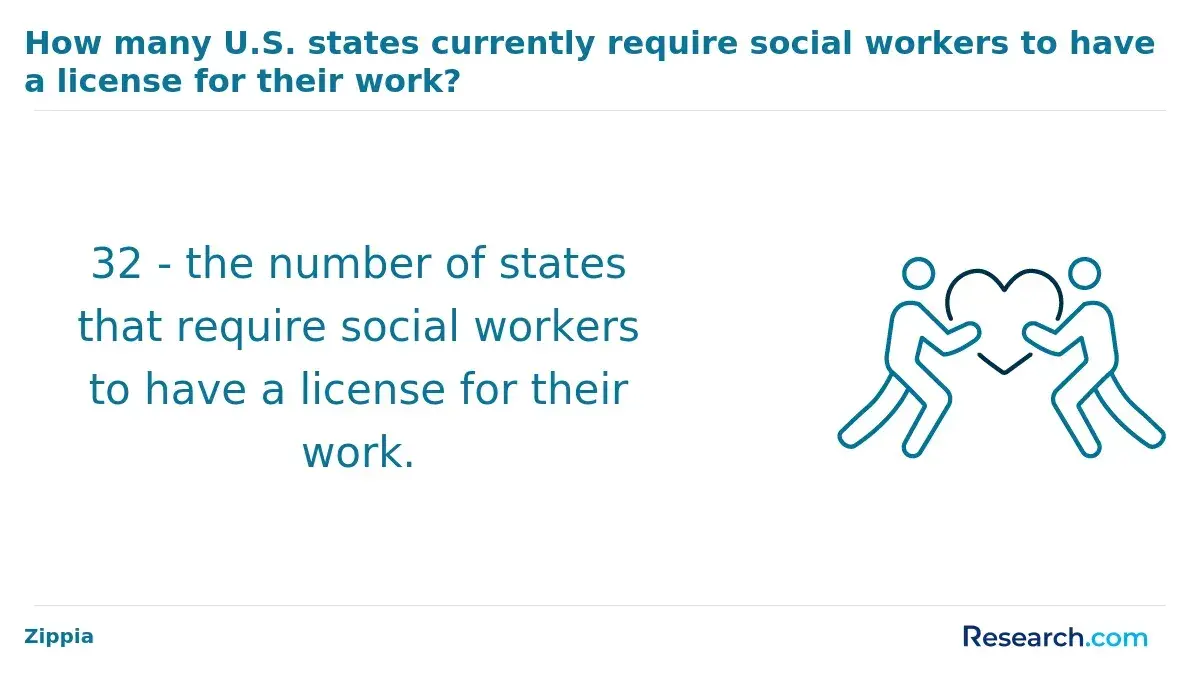
What are the essential legal steps and business registrations required to start an independent private telepractice SLP business?
Starting an independent telepractice SLP business means becoming both a clinician and a business owner. Before accepting clients, an SLP should confirm licensure authority, choose a business structure, protect client privacy, set up compliant records and billing systems, and understand the rules in every state where clients are physically located during sessions.
Legal and licensure steps
- Confirm state licensure: You must hold an active SLP license in both the state where you are located and every state where your client is located. Telepractice laws generally follow the client’s physical location at the time services are delivered.
- Review telepractice rules by state: State boards may differ on consent language, documentation, supervision, cross-border practice, and whether telepractice must meet specific technology standards.
- Secure professional liability insurance: Professional malpractice insurance should explicitly cover telepractice services, the states where you practice, and the populations you serve.
- Build a HIPAA-compliant workflow: You need secure processes for intake, documentation, scheduling, communication, billing, storage, and teletherapy sessions involving Protected Health Information (PHI).
- Use Business Associate Agreements: Secure a Business Associate Agreement (BAA) with technology vendors that handle PHI, including video platforms, electronic records, billing tools, and email or messaging services when applicable.
- Create informed consent documents: Consent forms should explain the nature of telepractice, benefits, limitations, privacy risks, emergency procedures, technology expectations, cancellation policies, and alternatives to remote care.
Business registration and operating setup
- Choose a business entity: Decide whether to operate as a sole proprietorship, LLC, or another structure. An LLC is often considered because it can provide liability separation, but the right choice depends on state rules, taxes, and legal advice.
- Register the business name: Register your legal business name and any “Doing Business As” or DBA name with the appropriate state or local agency.
- Obtain an EIN/TIN: Apply for a free Employer Identification Number (EIN) from the IRS. You may need it for taxes, payer enrollment, contracts, and a business bank account even if you do not have employees.
- Get an NPI number: Apply for a National Provider Identifier (NPI), which is required for insurance billing and may be necessary for clients who submit superbills for out-of-network reimbursement.
- Separate business finances: Open a business bank account, track income and expenses, and establish a system for taxes, bookkeeping, and payer records.
- Set clinical policies: Define eligibility for telepractice, emergency protocols, missed-session rules, documentation standards, referral procedures, and when clients should be seen in person.
Independent practice can offer autonomy, but it also increases risk if compliance is treated casually. SLPs should consult state boards, professional guidance, legal counsel, and tax professionals before launching across state lines or billing insurance.
Which essential telepractice technology and secure platforms are speech-language pathologists required to use for HIPAA/FERPA compliance?
SLPs must use technology that protects client health information, student education records, and session privacy. In healthcare settings, the key federal privacy framework is HIPAA. In school settings, FERPA may apply to student education records. Some services may involve both healthcare privacy expectations and school-based record requirements, so the safest approach is to choose platforms and workflows designed for secure professional use.
The specific platform is less important than whether it supports compliant practice. SLPs should avoid consumer tools that do not provide the required privacy, administrative, and contractual safeguards for clinical or educational records.
Core technology requirements
- Secure video conferencing: The platform should provide appropriate security safeguards, reliable audio and video, access controls, and privacy features. Examples of compliant platforms include specialized services such as SimplePractice, TheraPlatform, Doxy.me, or healthcare versions of major services such as Zoom for Healthcare or Google Workspace with a BAA.
- Business Associate Agreement (BAA): SLPs are legally required to have a signed BAA with every vendor or platform that stores, transmits, or processes PHI, including video platforms, electronic health record systems, billing tools, and email services when applicable.
- Secure documentation system: Session notes, evaluations, progress reports, billing records, consent forms, and treatment plans should be stored in a protected system rather than on unsecured personal devices or general file-sharing accounts.
- Reliable hardware: SLPs need a dependable computer, high-quality webcam, secure headset or microphone, and stable, password-protected internet connection to support clinical quality and reduce privacy risks.
- Controlled access: Use strong passwords, multi-factor authentication when available, waiting rooms or admission controls, locked devices, and role-based access for staff or contractors.
- Private therapy environment: The clinician’s location should prevent unauthorized people from seeing or hearing sessions. Clients and caregivers should also receive guidance on choosing a private space.
HIPAA and FERPA decision points
| Compliance issue | What SLPs should verify |
| Vendor contracts | Whether the vendor signs a BAA when PHI is involved and whether school contracts address FERPA responsibilities. |
| Data storage | Where records are stored, who can access them, and how long they are retained. |
| Session privacy | Whether sessions can be accessed only by authorized participants and whether recording is controlled by policy and consent. |
| Communication | Whether email, messaging, reminders, and file transfers are secure enough for the type of information being shared. |
| Device security | Whether computers and mobile devices are password-protected, updated, and used in private locations. |
Compliance is not achieved by purchasing one “secure” video tool. It depends on the entire workflow: consent, scheduling, communication, service delivery, documentation, billing, record storage, and breach response.
How are AI and advanced technologies like digital phenotyping and VR expected to impact the future of remote speech therapy jobs?
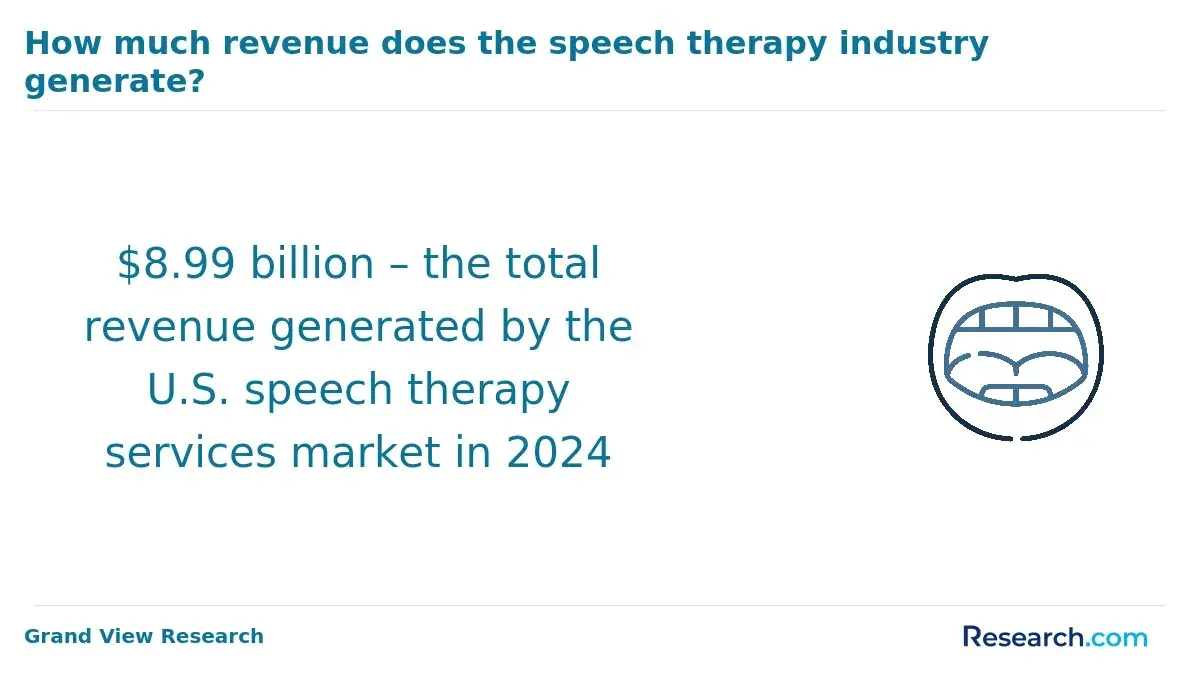
AI and advanced digital tools are expected to change how remote SLPs screen, monitor, document, and personalize therapy, but they are not a replacement for clinical judgment. The likely future is a more technology-supported SLP role, where clinicians use data and automation to improve efficiency while remaining responsible for diagnosis, treatment planning, ethics, and client relationships.
How AI may support remote SLP work
- Documentation support: AI-assisted tools may help draft notes, summarize sessions, organize progress data, or flag missing documentation. SLPs still need to review for accuracy, clinical relevance, and privacy compliance.
- Speech and language analysis: Automated tools may help analyze speech samples, fluency patterns, articulation errors, voice features, or language use. These outputs should be treated as clinical inputs, not final decisions.
- Personalized practice: Digital systems may recommend home practice activities based on performance patterns, helping clients practice between sessions.
- Caseload monitoring: AI-supported dashboards may help clinicians identify clients who are progressing, plateauing, or missing services.
Digital phenotyping and VR
Digital phenotyping refers to collecting patterns from digital behavior, communication, device interaction, or other measurable signals that may help clinicians understand function over time. In remote speech therapy, this could support more continuous monitoring of communication changes, especially for clients with neurological or cognitive-communication needs. The risk is that sensitive data can be misunderstood, over-collected, or used without meaningful consent.
Virtual reality (VR) may create realistic communication environments for practicing social interaction, public speaking, workplace communication, or daily living scenarios. For some clients, VR could make therapy more engaging and functional. For others, cost, accessibility, sensory tolerance, and technical barriers may limit usefulness.
What this means for SLP careers
Remote SLPs who understand technology, privacy, data interpretation, and evidence-based telepractice will be better positioned for future roles. However, employers and clinicians should be cautious with tools that promise faster outcomes without strong evidence, transparent privacy practices, or clear clinical oversight.
Which states have joined the ASLP-IC, and how does it simplify remote SLP licensure?
As of 2025, 34 states have enacted or are implementing the Audiology and Speech-Language Pathology Interstate Compact (ASLP-IC). The compact is designed to make cross-state practice easier for eligible audiologists and speech-language pathologists, including those providing telepractice.
The ASLP-IC simplifies remote SLP licensure by offering a “Compact Privilege,” which is an authorization to practice that functions as permission to provide services in other compact member states. This can reduce the need to apply for a full, separate license in each participating state.
Without the compact, an SLP who wants to serve clients in multiple states may need to submit separate applications, transcripts, exam scores, background materials, and fees to each state licensing board. With the compact, an eligible SLP who holds an active, unencumbered license in their Home State—their primary state of residence—can apply through a more streamlined process for privileges in other member states.
Why the compact matters for telepractice
- Faster cross-state access: SLPs may be able to serve clients in compact states without waiting through multiple full licensure processes.
- Less duplicative paperwork: The compact can reduce repeated submission of similar licensure documents.
- Improved access to care: It can help clients in underserved areas connect with qualified providers more easily.
- Clearer compliance path: The compact gives eligible clinicians a defined route for authorized practice across member states.
- Continuing education simplification: Practitioners only have to meet the continuing education requirements of their home state.
The compact does not eliminate all compliance responsibilities. SLPs still need to confirm eligibility, follow the laws and rules that apply in the state where the client is located, maintain appropriate documentation, and use secure telepractice systems.
What are the current ethical guidelines for telepractice SLPs from ASHA regarding client privacy and data security?
ASHA’s ethical guidance for telepractice centers on a clear principle: remote services must be clinically appropriate, competently delivered, and protective of client welfare. Privacy and data security are not administrative afterthoughts; they are part of ethical care.
For telepractice, SLPs should apply the ASHA Code of Ethics with particular attention to confidentiality, informed consent, competence, accurate representation of services, and appropriate use of technology.
- Use secure technology and equipment: SLPs must ensure that electronic equipment, hardware, and software used for telepractice are secure and appropriate for clinical services. This includes using platforms with adequate safeguards and, when HIPAA applies, vendors that can provide a Business Associate Agreement.
- Maintain confidentiality: Client records, whether electronic or paper, must be stored, transmitted, and disposed of in a way that protects confidentiality. SLPs should take reasonable precautions to prevent unauthorized access during sessions and in documentation workflows.
- Obtain informed consent: Clients or caregivers should understand the benefits, limitations, privacy risks, technology requirements, and alternatives to telepractice before services begin.
- Protect the remote environment: The SLP is responsible for maintaining a private therapy environment on their end and should educate clients or caregivers about how to protect privacy in the client’s location.
- Practice within competence: SLPs should provide telepractice only when they have the clinical, technical, and ethical competence to do so. They should seek training or refer out when a client’s needs exceed their preparation or the limits of remote delivery.
- Document telepractice decisions: Records should show why telepractice is appropriate, what consent was obtained, what technology was used, and how progress and privacy were managed.
These responsibilities reflect ASHA’s broader ethical duty to hold the welfare of the client paramount. In a digital setting, that duty includes protecting health information, using secure tools, and being honest about when telepractice is or is not the right service model.
What continuing education or specialized telepractice training is recommended for SLPs focusing on aphasia or cognitive communication?
SLPs who provide remote services for aphasia or cognitive-communication disorders need more than general telehealth familiarity. These cases often involve complex neurological profiles, fatigue, attention challenges, caregiver needs, accessibility barriers, and functional communication goals that must be adapted carefully for virtual care.
Recommended continuing education should build both clinical depth and telepractice skill. Useful training areas include neurogenic communication disorders, aphasia assessment and treatment, cognitive-communication rehabilitation, counseling and caregiver coaching, supported conversation strategies, accessibility tools, virtual cueing, and outcome measurement.
Training areas to prioritize
- Aphasia-specific intervention: Look for CE that addresses evidence-based aphasia therapy, supported conversation, life participation approaches, and functional communication.
- Cognitive-communication rehabilitation: Training should cover attention, memory, executive function, problem-solving, awareness, and compensatory strategy use in real-world contexts.
- Telepractice adaptation: SLPs should learn how to modify assessment tasks, cueing hierarchies, home practice, and caregiver involvement for remote delivery.
- Care partner coaching: Family members often help with technology, carryover, communication support, and safety planning. Training should address how to coach without taking over the client’s communication.
- Accessibility and digital literacy: Clinicians should understand how to adjust materials for visual, motor, hearing, attention, and cognitive needs.
- Ethics and privacy: Telepractice CE should include informed consent, documentation, cross-state practice, HIPAA/FERPA considerations, and secure platform use.
Many clinicians pursue telehealth certificates through ASHA, Aphasia Access, or university-based programs. Professionals who complete online speech pathology programs also often add telepractice-specific continuing education to strengthen clinical effectiveness, technical proficiency, and ethical compliance.
Can an SLP Clinical Fellow (CF-SLP) complete their entire clinical experience and CFY in a 100% remote telepractice setting?
No. Under current ASHA standards, a Clinical Fellow SLP (CF-SLP) cannot complete the entire clinical experience and Clinical Fellowship Year (CFY) in a 100% remote telepractice setting.
ASHA places specific limits on how much of the CFY may be completed through telepractice. A maximum of 25% of the required 1,260 direct patient contact hours may be earned through telepractice. That means most of the experience must involve in-person, direct patient contact.
Key CFY requirements affecting remote work
- Telepractice hour cap: No more than 25% of the required 1,260 direct patient contact hours may be earned through telepractice.
- Direct observation: The CF mentor must provide a minimum of six hours of direct observation per segment.
- Indirect supervision: The CF mentor must also provide a minimum of six hours of indirect supervision per segment.
- Telesupervision limit: Up to three of the six required direct observations per segment may be completed using telesupervision.
The flexibility that temporarily allowed for a higher percentage of remote hours has expired. A CF-SLP who wants telepractice experience should look for a role that includes substantial in-person clinical contact plus a limited, properly supervised remote component that fits ASHA’s certification requirements.
Before accepting a position, CF-SLPs should confirm the supervision plan in writing, ask how hours will be tracked, verify that the mentor meets ASHA requirements, and make sure the employer understands the telepractice cap.
What are the best strategies for a telepractice SLP to build a professional network and combat isolation?
Remote SLP work can be flexible and rewarding, but it can also remove the informal support that comes from hallways, team rooms, shared offices, and in-person case discussions. Combating isolation requires a deliberate plan for professional consultation, peer learning, mentorship, and personal boundaries.
- Join ASHA Special Interest Groups (SIGs): Groups such as SIG 18 for Telepractice can help clinicians connect with peers who share specific clinical interests, policy concerns, and evidence-based practice questions.
- Build a consultation circle: Identify a small group of trusted SLPs for recurring case discussions, resource sharing, and ethical problem-solving. Schedule meetings rather than waiting until support is urgently needed.
- Participate in online professional communities: SLP-focused forums and professional groups on platforms such as Facebook or LinkedIn can function as a virtual staff room for practical questions, referrals, and peer support. Use caution when discussing cases and never share identifiable client information.
- Attend virtual continuing education and conferences: Online workshops, webinars, and conventions such as the ASHA Convention can provide structured learning and networking opportunities.
- Seek mentorship or supervision beyond minimum requirements: Even experienced clinicians benefit from consultation when moving into telepractice, private practice, neurogenic disorders, school contracting, or multi-state service delivery.
- Create a predictable work routine: Remote flexibility can blur work and home life. Use a dedicated workspace, defined documentation blocks, regular breaks, and a firm log-off routine.
- Protect mental health and digital wellness: Consider mindfulness tools, peer support groups, therapy, or an Employee Assistance Program (EAP) if your employer provides one. Isolation and burnout should be addressed early, not after they affect care quality.
- Mix virtual and local connections: When possible, attend local association events, interdisciplinary meetings, or community networking opportunities to balance online work with in-person professional contact.
The strongest remote SLPs do not work in isolation. They create systems for feedback, learning, ethical consultation, and personal sustainability so that flexibility does not come at the cost of professional growth or well-being.
Other Things You Should Know About Telepractice and Remote Speech Therapy Careers
The highest salary for speech therapists can vary widely based on factors like location, experience, and specialization. In the United States, top earners, often in private practice or hospital settings, can make upwards of $120,000 per year. This figure may fluctuate depending on region and demand for specific expertise.
No. AI enhances but does not replace clinical judgment. SLPs integrate AI tools for assessment, progress tracking, and accessibility, but empathy, creativity, and individualized care remain uniquely human.
In 2027, telehealth has proven highly effective for speech therapy. Studies show positive outcomes, particularly in accessibility and patient engagement. Digital tools and resources enhance therapy sessions, ensuring patients receive quality care remotely, with effectiveness comparable to in-person sessions.
References
- American Speech-Language-Hearing Association (ASHA). (2024). Telepractice Overview. https://www.asha.org
- Aphasia Access. (2024). Continuing Education Resources. https://www.aphasiaaccess.org
- Audiology & Speech-Language Pathology Interstate Compact (ASLP-IC). (2025). State Participation Map. https://aslpcompact.com
- Bureau of Labor Statistics. (2024). Speech-Language Pathologists: Occupational Outlook Handbook. https://www.bls.gov/ooh/healthcare/speech-language-pathologists.htm#tab-6
- National Center for Health Statistics. (2024). Telehealth Use in the U.S. https://www.cdc.gov/nchs