2027 Online SLP Programs With Summer Start Dates or Rolling Admissions

Co-Founder and Chief Data Scientist
Choosing an online speech-language pathology master’s program is not only about finding a reputable school. It is also about timing. If you are ready to apply but do not want to wait for a traditional fall start, programs with summer 2025 start dates or rolling admissions can help you begin sooner and keep your career plan moving.
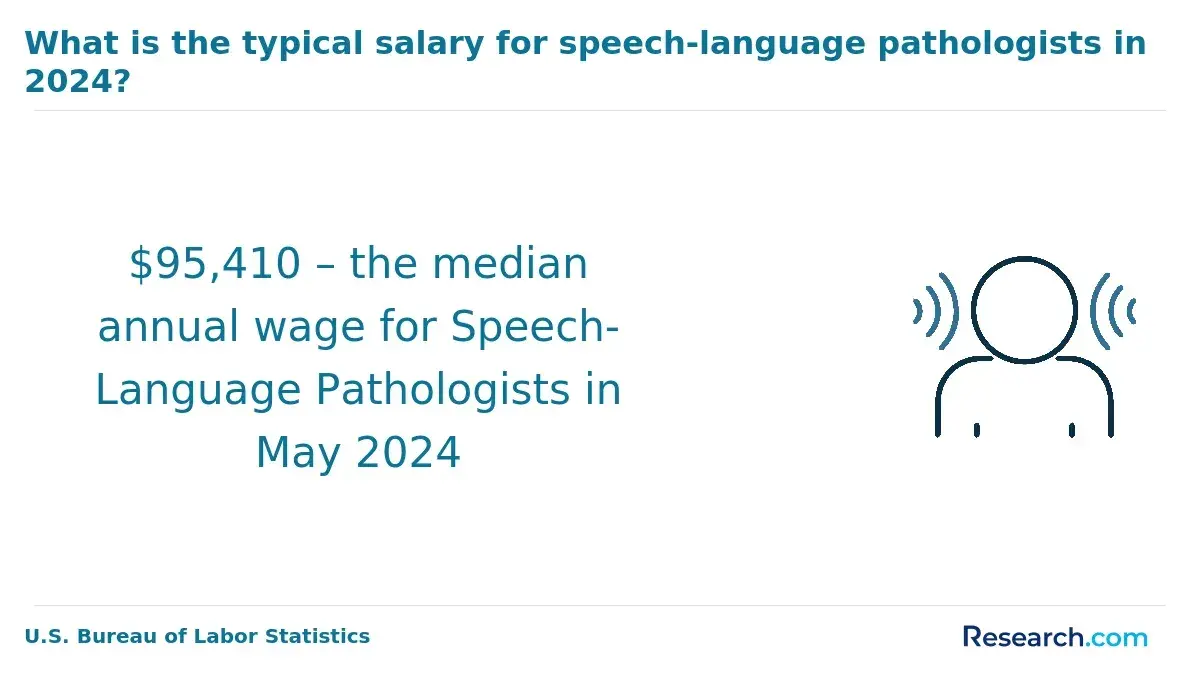
Speech-language pathology remains a strong healthcare and education career path, with the U.S. Bureau of Labor Statistics projecting 19% job growth until 2032. However, becoming an SLP requires careful planning: you need an accredited graduate degree, supervised clinical training, post-graduate requirements, and state licensure. A flexible admissions calendar can reduce delays, but it should never replace careful checks on accreditation, clinical placement support, cost, prerequisites, and licensure preparation.
This guide, prepared by career planning experts with more than 10 years of experience, explains how summer starts and rolling admissions work, how to evaluate online SLP programs, what to expect from coursework and clinical placements, and how to prepare a competitive application.
Key things to know about online SLP programs with summer start dates or rolling admissions
- A summer start date allows you to begin your graduate coursework in May or June, putting you on a faster track toward graduation and licensure compared to waiting for a traditional fall semester.
- For career changers or those with significant personal commitments, a flexible start date lets you align your educational transition with your unique timeline, reducing stress and logistical challenges.
- Beginning your studies in the summer can potentially shorten your overall time in the program, allowing you to enter the workforce and start making an impact in your community sooner.
What are summer starts and rolling admissions?
Summer starts and rolling admissions are two admissions features that can make an online SLP master’s program more flexible. A summer start lets admitted students begin in May or June instead of waiting for fall. Rolling admissions means the school reviews applications as they arrive rather than holding all files until one final deadline.
Both options can be useful if you are trying to avoid a long gap between prerequisite coursework, application submission, and graduate enrollment. They can also help career changers, working professionals, and recent graduates align school with employment, relocation, or family responsibilities.
How summer start dates work
A summer start term usually begins with foundational graduate coursework. In some programs, this gives students time to adjust to graduate-level expectations before the heavier pace of fall and spring terms. It may also support a more efficient sequence in programs designed around year-round enrollment.
This format is especially common in flexible and accelerated speech pathology programs online, where the curriculum is structured to keep students moving through academic and clinical requirements without long breaks.
How rolling admissions work
Rolling admissions can shorten the waiting period because applications are reviewed as they are completed. Instead of competing in one large pool after a single deadline, you may receive a decision within a shorter review window, depending on the school’s process.
Applying early still matters. Rolling admissions does not mean unlimited seats. Programs may continue reviewing applications only until the cohort is full, and clinical placement capacity can limit enrollment. For the strongest position, submit a complete application early in the cycle, with transcripts, recommendations, prerequisites, and test requirements addressed before the priority date if one is listed.
- Choose a summer start if you are academically ready and want to begin in May or June.
- Use rolling admissions strategically by applying early rather than waiting until the final posted deadline.
- Confirm all requirements first, especially accreditation status and prerequisite coursework.
How can you verify an SLP program's accreditation?
The most important step in evaluating any SLP master’s program is confirming accreditation by the Council on Academic Accreditation (CAA) of the American Speech-Language-Hearing Association (ASHA). For students in the United States, this check is essential because graduation from a CAA-accredited program is tied to certification eligibility and state licensure pathways.
Why CAA accreditation matters
Accreditation is not a minor quality label. It indicates that the program meets national standards for academic coursework, supervised clinical education, faculty qualifications, student support, and assessment. In speech-language pathology, attending a non-accredited program can create serious barriers to becoming certified or licensed after graduation.
Before applying, verify the program’s status directly through ASHA’s official resources, such as the ASHA EdFind tool. Search by institution, program name, state, and degree level. Do not rely only on marketing pages, ads, or third-party listings, because accreditation status can change.
What to check before you apply
- Current CAA status: Confirm whether the program is accredited and whether any conditions or status notes are listed.
- Degree type: Make sure the program leads to the correct graduate credential for speech-language pathology practice.
- Online delivery details: Confirm that the online option is included in the accredited program structure.
- Clinical education support: Ask how the program secures and approves practicum sites and supervisors.
- State licensure alignment: Ask whether the curriculum is designed to meet licensure requirements in the state where you plan to practice.
There are many legitimate ASHA accredited online SLP programs, but the final responsibility is yours. Save screenshots or documentation of accreditation status when you apply, and revisit the program’s status before enrollment if your start date is months away.
What is the coursework like in an online SLP program?
Coursework in an accredited online SLP program is designed to match the rigor of an on-campus graduate program. Students study communication sciences and disorders across the lifespan, including speech sound disorders, language development, neurological communication disorders, swallowing, assessment methods, treatment planning, ethics, and evidence-based practice.
The main difference is delivery. Instead of attending campus lectures each week, online students use digital platforms for live classes, recorded lectures, discussion boards, assignments, exams, simulations, and faculty meetings. The workload is still graduate-level and often requires strong weekly time management.
Synchronous vs. asynchronous learning
Most online SLP programs combine two formats:
- Synchronous learning: Live online class sessions at scheduled times. This format is useful for discussion, case analysis, faculty feedback, and peer interaction, but it requires availability during set class hours.
- Asynchronous learning: Recorded lectures, readings, assignments, and discussions completed within weekly deadlines. This offers more flexibility, but students must stay disciplined without daily in-person structure.
A strong program should be clear about how often students must attend live sessions, whether classes are held in the evening, how exams are proctored, and how group projects or clinical simulations are handled. If you work while enrolled, ask for a sample weekly schedule before committing.
What makes online SLP coursework demanding
Online delivery does not make the degree easier. Students must master scientific concepts, learn diagnostic reasoning, write professional reports, participate in skills-based activities, and prepare for clinical placements. Success usually depends on consistent study habits, comfort with technology, active participation, and early communication with faculty when problems arise.
Which top programs offer flexible admissions for 2027?
Several respected universities offer online SLP master’s programs with flexible admissions features such as summer starts, multiple annual entry points, or rolling review. When comparing these programs, look beyond the calendar. The best fit depends on accreditation, pacing, clinical placement support, residency requirements, cost, state authorization, and whether the schedule works with your employment and family obligations.
The following programs are known for flexible admissions options:
- Baylor University: Baylor offers multiple start dates per year, including in May, and reviews applications on a rolling basis. The program combines online evening coursework with daytime clinical placements arranged in the student’s local community.
- Emerson College: Emerson offers three start dates annually: January, May, and September. Its rolling admissions process gives applicants more flexibility, and students can choose between an accelerated 20-month track or a standard 36-month track.
- New York University (NYU): Speech@NYU offers rolling admissions with spring, summer, and fall start dates. Applying early may improve planning and, according to the program’s admissions process, may also lead to a reduced application fee.
- University of St. Augustine for Health Sciences: This program offers fall, spring, and summer start dates in September, January, and May. It blends online coursework with required on-campus residencies for intensive hands-on skills training.
- Marymount University: Marymount offers fall and spring start dates and uses a rolling admissions process. The program is delivered 100% online and is structured to be completed in five semesters of full-time study.
How to compare flexible programs
A flexible start date is valuable only if the rest of the program supports your goals. Before applying, contact admissions and ask specific questions: when clinical placements begin, whether you must attend campus, how many live classes are required each week, whether your state is eligible, and how the program supports students who need prerequisite coursework.
If you are deciding between programs, prioritize the one that gives you the clearest path to completion and licensure—not simply the one with the earliest start date.
What core courses are required in an SLP master's program?
Accredited SLP master’s programs require core coursework that prepares students to assess and treat communication and swallowing disorders across different ages, settings, and clinical needs. Course titles vary by university, but the curriculum must support ASHA standards and prepare students for supervised clinical practice.
A summer start may be used to begin foundational courses before the main academic year. This can be helpful, but the pace can be intense. Students should expect substantial reading, case-based assignments, exams, and applied projects from the first term.
Common core course areas
- Phonological Disorders: Students learn how to evaluate and treat speech sound disorders in children and adults, including patterns that affect intelligibility.
- Language Disorders in Children: This area focuses on developmental language difficulties, including grammar, vocabulary, literacy-related skills, and social communication.
- Aphasia: Students study language loss in adults after stroke or brain injury and learn evidence-based assessment and treatment approaches.
- Dysphagia: This course covers swallowing disorders, including assessment, safety considerations, treatment planning, and collaboration with medical teams.
Other topics you may encounter
Most programs also include coursework in speech science, audiology, motor speech disorders, fluency, voice, research methods, counseling, multicultural practice, professional ethics, augmentative and alternative communication, and clinical documentation. These subjects prepare students for varied work settings, including schools, hospitals, rehabilitation centers, private practices, and long-term care environments.
How do clinical placements work in an online SLP program?
Clinical placements in an online SLP program provide the supervised hands-on training required to become a competent practitioner. Although coursework is delivered online, clinical education takes place in approved real-world settings, often in or near the student’s local community.
What the university typically handles
Reputable accredited online programs usually have a placement team or clinical coordinator who helps identify sites, approve supervisors, and manage required agreements. This matters because clinical education must meet program and ASHA expectations. Students should not be left to navigate the entire process alone.
You may be asked to suggest possible sites, especially if you live in a rural area or a region where the university has fewer existing partners. However, the school should guide the approval process, confirm supervisor qualifications, and ensure that placements align with required clinical competencies.
Common placement settings
- Public and private schools
- Hospitals and rehabilitation centers
- Skilled nursing facilities
- Private practices
Questions to ask about placements
- Who finds the placement: Does the university secure sites, or are students expected to find their own?
- How far you may travel: Ask whether placements are guaranteed within a certain distance from your home.
- When placements occur: Daytime availability is often required, even if classes are held online in the evening.
- What happens if a site falls through: A strong program should have a clear contingency process.
- Whether your state is supported: State authorization and clinical site availability can affect eligibility.
Clinical placement logistics can make or break your experience in an online program. Clarify expectations before enrolling, especially if you plan to keep working while completing the degree.
What technology is essential for an online SLP student?
Online SLP students need dependable technology because coursework, live class participation, advising, simulations, group work, and some clinical preparation activities happen digitally. At minimum, you should have a reliable modern computer, consistent high-speed internet access, a quality webcam, and a microphone.
Your digital learning setup
Most programs use a Learning Management System such as Canvas or Blackboard for syllabi, assignments, grades, recorded lectures, readings, and discussion boards. Live sessions are commonly held through video conferencing tools such as Zoom. You may also use digital tools for file sharing, clinical documentation practice, recorded presentations, online exams, and faculty meetings.
Before classes begin, test your camera, microphone, internet speed, browser compatibility, and access to required platforms. Technical problems are easier to fix before the term starts than during a graded presentation or live clinical simulation.
Your physical study environment
A quiet, organized workspace is not optional for most online SLP students. Live classes often require professional participation, and recorded assignments may need clear audio and minimal background noise. If you share your home with others, set expectations about class times, exam windows, and clinical meeting schedules.
- Use a headset to improve audio quality and reduce background noise.
- Keep backup internet options in mind in case your connection fails during a live class.
- Store files securely, especially when working with clinical or simulation materials.
- Check program requirements before buying equipment, because some schools list specific technology standards.
What are the essential components of an SLP program application?
An online SLP program application must show that you are academically prepared, professionally mature, and ready for the demands of graduate clinical training. Because programs can be competitive, a complete and well-organized application is essential—especially when applying to a rolling admissions program where seats may fill over time.
Most applications include the following components:
- Bachelor's Degree & Transcripts: You must submit official transcripts from all undergraduate institutions attended to verify your degree, coursework, and GPA.
- Prerequisite Coursework: If your bachelor’s degree is not in Communication Sciences and Disorders (CSD), you may need to complete required leveling courses before admission or before beginning graduate coursework.
- GRE Scores: Many top programs are now waiving the GRE, but policies vary. Always check each program’s current requirement instead of assuming it is optional.
- Letters of Recommendation: Programs typically request two to three letters from professors, clinical supervisors, employers, or professional mentors who can speak to your readiness for graduate study.
- Statement of Purpose: This essay explains why you are pursuing speech-language pathology, how your background has prepared you, and why the program is a good fit.
- Resume or CV: Your resume should highlight relevant work, volunteer experience, observation hours, research, leadership, service, and exposure to communication disorders.
Application mistakes to avoid
- Submitting generic essays that do not mention the specific program
- Waiting too long to request recommendations
- Assuming prerequisites are the same at every university
- Ignoring state authorization or licensure disclosures
- Applying late in a rolling cycle when fewer seats may remain
Create a checklist for each school rather than using one general list. Small differences in prerequisites, deadlines, transcript rules, and essay prompts can affect whether your application is reviewed on time.
How can you write a standout statement of purpose for SLP program application?
A strong statement of purpose connects your motivation, preparation, and professional goals in a focused narrative. It should not simply say that you want to help people. Admissions committees want evidence that you understand the field, can handle graduate-level work, and have reflected seriously on why speech-language pathology is the right path for you.
Build your essay around specific evidence
Start with a meaningful experience that shaped your interest in communication disorders. This could come from work, volunteering, observation, research, family experience, education, healthcare, or another relevant setting. The key is to explain what you learned and how it influenced your decision—not just describe the event.
Then show readiness. Discuss skills that matter in SLP practice, such as careful listening, cultural awareness, empathy, scientific curiosity, resilience, collaboration, and problem-solving. Use examples rather than claims. A short, specific story is more persuasive than a long list of traits.
Tailor the essay to each program
Every statement should be customized. Mention program features that genuinely fit your goals, such as a clinical model, faculty expertise, population focus, online learning structure, or placement approach. Avoid copying language from the school’s website without explaining why it matters to you.
What to avoid
- Overly broad statements such as “I have always wanted to help people” without supporting details
- Repeating your resume instead of adding reflection
- Focusing only on personal inspiration without showing academic or professional readiness
- Using the same essay for every school
- Ignoring the program’s mission, curriculum, or clinical training model
Before submitting, revise for clarity and precision. Your essay should sound like a future clinician: thoughtful, ethical, observant, and prepared for rigorous training.
What should you do if you need to complete prerequisites for an online SLP program?
If your bachelor’s degree is not in Communication Sciences and Disorders (CSD), you will likely need prerequisite or “leveling” coursework before starting an SLP master’s program. This is common for career changers and applicants from fields such as education, psychology, linguistics, health sciences, social work, or the humanities.
How prerequisite pathways work
Prerequisites give you the foundation needed for graduate study in speech-language pathology. Many universities offer these courses online as standalone classes, post-baccalaureate sequences, or certificate-style programs. Some master’s programs require prerequisites before admission, while others may allow conditional admission or integrated leveling work. Policies vary, so confirm details with each school.
Common prerequisite subjects include:
- Introduction to Audiology
- Phonetics
- Anatomy and Physiology of the Speech Mechanism
- Language Development
- Introduction to Communication Disorders
How to plan if you are missing prerequisites
- Request a transcript review: Ask each program to identify which courses you still need.
- Confirm accepted providers: Do not assume every online prerequisite course will transfer or satisfy the requirement.
- Check timing: Missing prerequisites can affect whether you qualify for a summer start.
- Keep syllabi: Programs may ask for course descriptions to verify content.
- Budget for extra coursework: Leveling courses may add cost and time before the master’s degree begins.
Completing prerequisites is not a setback if you plan early. It can make your graduate application stronger by showing commitment and academic readiness for the SLP curriculum.
How can you finance your online SLP degree?
You can finance an online SLP degree through a mix of federal financial aid, private loans, scholarships, grants, payment plans, savings, and employer assistance. Because accredited online programs meet the same academic standards as campus-based programs, students may be eligible for federal funding if the institution and program meet federal aid requirements.
Start with the FAFSA
The first step is completing the Free Application for Federal Student Aid (FAFSA). This determines eligibility for federal student aid, including graduate loan options. Federal loans are often the starting point for graduate students because they have standardized federal terms, but borrowing should still be planned carefully.
Look for scholarships and employer support
Scholarships and grants can reduce borrowing, but they require early research. The ASHA Foundation offers scholarships for graduate students in communication sciences and disorders, and some universities offer institutional awards. If you work in education, healthcare, rehabilitation, or a related setting, ask whether your employer provides tuition assistance or reimbursement.
Compare total cost, not just tuition
When evaluating affordability, include more than per-credit tuition. Consider fees, technology requirements, textbooks, campus residency travel, background checks, immunizations, clinical placement costs, lost work hours, and the length of the program. A program with a lower tuition rate may not be the least expensive option if it requires more travel or extends your time out of full-time work.
Comparing online MS SLP programs can help you identify options that fit your budget, but make sure cost comparisons include accreditation, clinical placement support, and licensure alignment.
What is the path to SLP licensure after graduation?
Graduating from an SLP master’s program is a major milestone, but it is not the final step to independent practice. After graduation, you must complete post-graduate requirements that typically include supervised professional experience, a national examination, certification steps, and state licensure. Requirements can vary by state, so always confirm the rules where you plan to work.
From graduate to certified clinician
After completing your degree, the standard pathway includes the following steps:
- Clinical Fellowship Year (CFY): This is a 36-week or equivalent part-time period of mentored professional work. You are employed as a speech-language pathologist while supervised by an ASHA-certified SLP who supports your transition from student clinician to independent practitioner.
- Pass the Praxis Exam: During or after your CFY, you must pass the Praxis exam in Speech-Language Pathology. This national examination, administered by ETS, assesses knowledge of the core principles and practices of the profession.
- Earn Your CCC-SLP: After successfully completing your CFY and passing the Praxis exam, you can apply for ASHA’s Certificate of Clinical Competence (CCC-SLP). This nationally recognized professional credential supports state licensure eligibility and demonstrates that you have met professional standards in the field, preparing you for the clinical responsibilities described in resources on what does a speech pathologist do.
Licensure planning tips
- Check your state early: State licensure boards may have additional forms, fees, supervision rules, or documentation requirements.
- Keep records organized: Save transcripts, clinical hour documentation, supervisor information, Praxis results, and program verification forms.
- Ask programs about outcomes: Before enrolling, ask how graduates are supported through Praxis preparation, CFY planning, and licensure paperwork.
- Do not assume portability: If you may move, review requirements in multiple states before choosing a program or clinical placement location.
The right online SLP program should prepare you not only to graduate, but also to move efficiently into supervised practice, certification, and licensure.
Other Things You Should Know About Online SLP Programs with Summer Start Dates or Rolling Admissions
Online SLP programs in 2027 with summer start dates or rolling admissions offer flexibility in scheduling, allowing students to begin their studies when it best fits their personal and professional obligations. This flexibility can lead to reduced time to completion and opportunities to start fieldwork earlier.
Prerequisites often include a bachelor's degree in communication sciences, coursework in linguistics, biology, and psychology, and a minimum GPA of 3.0. It's vital to check specific program requirements, as some may also request observation hours or standardized test scores.
References
- NYU Steinhardt. (2023). Online admissions overview | Speech@NYU. Speech@NYU. https://speech.steinhardt.nyu.edu/admissions/
- Baylor University. (2023). Online speech-language pathology graduate program. Robbins College of Health and Human Sciences. https://csd.robbins.baylor.edu/graduate/online-csd-graduate-program
- Emerson College. (2024). Online Master of Science in Communication Disorders. SpeechPathologyGraduatePrograms.org.. https://speechpathologygraduateprograms.org/emerson-online-ms/
- ONET OnLine. (2025). 29-1127.00 - Speech-language pathologists. National Center for ONET Development. https://www.onetonline.org/link/summary/29-1127.00
- U.S. Bureau of Labor Statistics. (2024). Speech-language pathologists. Occupational Outlook Handbook. https://www.bls.gov/ooh/healthcare/speech-language-pathologists.htm